
Nutrition comparison
Borscht vs Tomato Soup: Which Is Actually Healthier?
Borscht beats tomato soup for nutrition, satiety, and blood pressure benefits, but tomato soup wins on convenience. Full comparison of health tradeoffs, sodium concerns, and real-world practicality.
Overall winner · Borscht
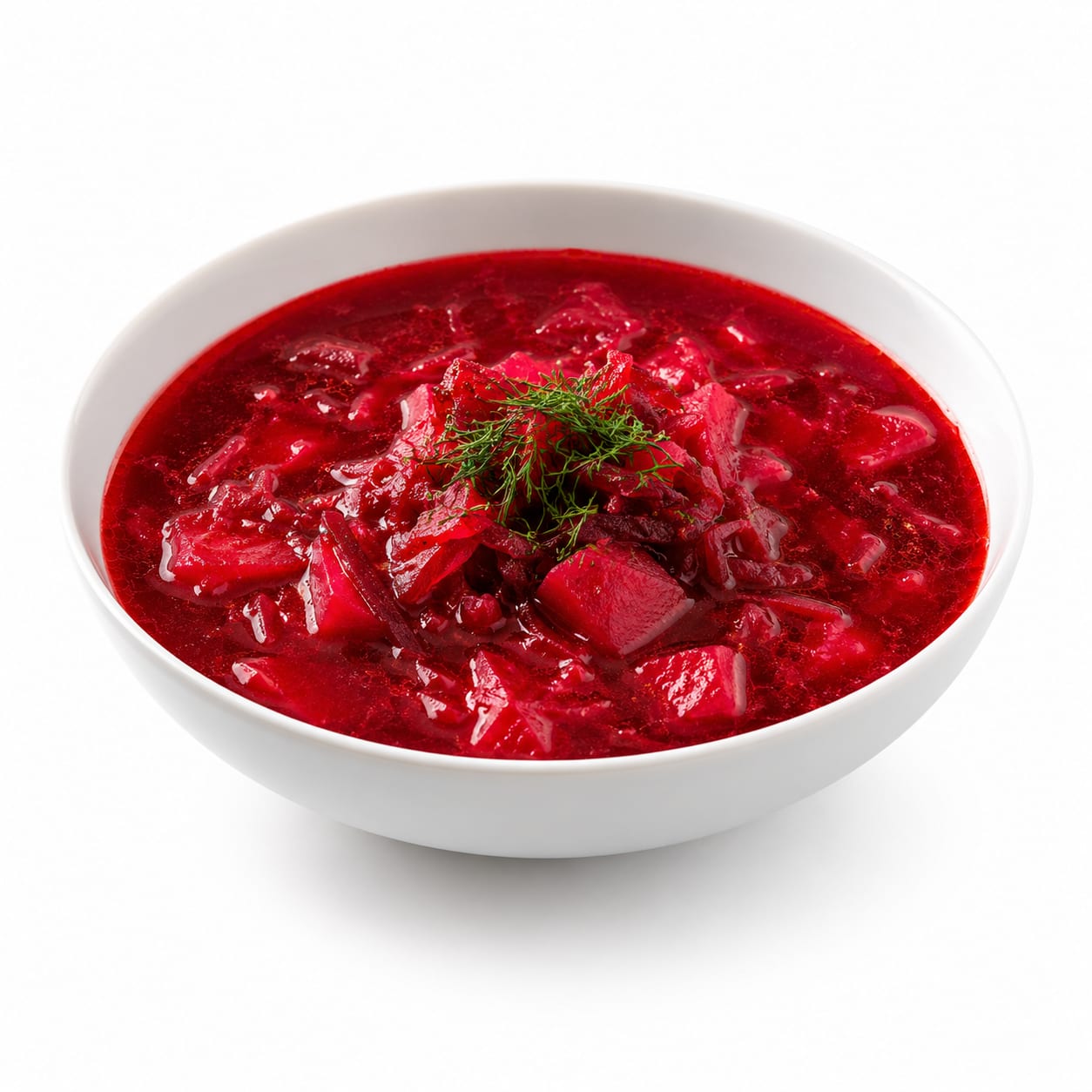
Borscht
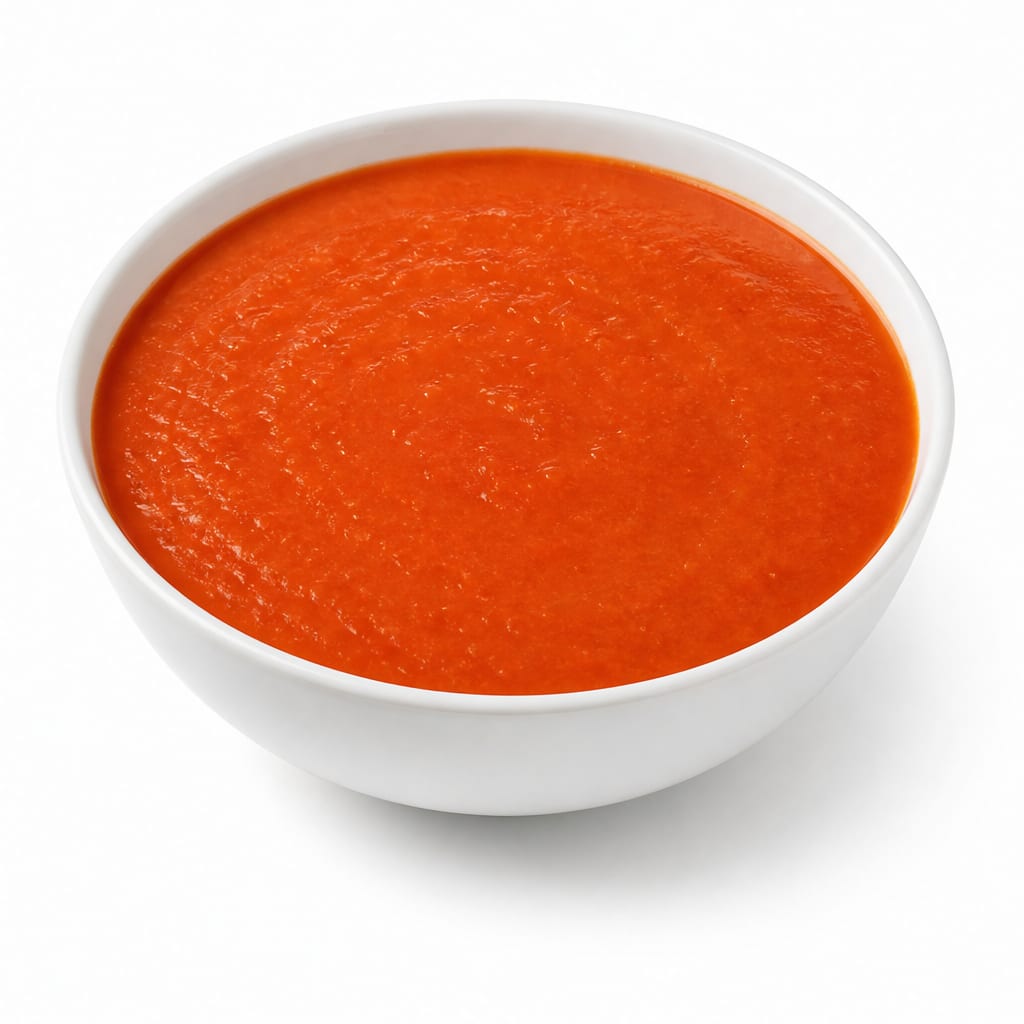
Tomato Soup
Borscht delivers broader nutrition and better satiety, but tomato soup wins on convenience and comfort accessibility.
Borscht scores notably higher due to superior nutrient density, fiber content, and satiety. Tomato soup remains relevant for convenience and lycopene benefits but falls short as a standalone meal.
Nutritional depth and fullness versus simplicity and everyday convenience.
At a glance
Executive summary
Overall
Borscht
Healthier
Borscht
More practical
Tomato Soup
Daily use
It depends
Key comparison lenses
nutrient density and vegetable diversity
Borscht packs multiple root vegetables while tomato soup centers on one ingredient, creating a major nutritional gap
satiety and meal satisfaction
Chunky vegetable texture and higher fiber make borscht significantly more filling than typical tomato soup
convenience and accessibility
Tomato soup is ubiquitous in canned form while borscht requires more effort or specialty shopping
blood pressure and heart health
Beet nitrates in borscht offer unique cardiovascular benefits tomato soup cannot match
sodium and processing concerns
Both can be high in sodium depending on preparation, but canned tomato soup tends to be worse
Best choice for
Borscht
- People wanting a filling, nutrient-dense meal
- Those managing blood pressure naturally
- Anyone seeking digestive regularity from diverse fiber
- Home cooks who enjoy batch cooking
- People looking for steady energy without crashes
Tomato Soup
- Busy weeknights needing quick comfort food
- Anyone with limited cooking skills or time
- Those wanting a light starter rather than a full meal
- People craving familiar, soothing flavors
- Budget-conscious shoppers needing pantry staples
Least suitable for
Borscht
- People short on prep time most weeknights
- Those unfamiliar with or averse to earthy beet flavor
- Anyone needing a quick pantry meal in minutes
- Pickier eaters who prefer simpler flavors
Tomato Soup
- Those needing a complete, satisfying meal from one bowl
- People avoiding high-sodium canned foods
- Anyone seeking diverse micronutrient intake
- Those managing blood sugar who need more fiber
Deep comparison
Dimension by dimension
Each lens scores both foods and breaks down who each option suits.
- Dimension 1 · Priority 95Borscht
nutrient_density_and_diversity
Borscht · 88Tomato Soup · 55Borscht delivers beets, cabbage, carrots, potatoes, and onions in one bowl. Tomato soup offers concentrated lycopene but limited micronutrient range.
Tradeoff
You get broader nutrition with borscht but miss the concentrated lycopene dose tomato soup provides.
Why it matters
Diverse vegetable intake correlates with better long-term health outcomes more reliably than single-nutrient focus.
Real-world impact
A bowl of borscht covers more of your daily vitamin and mineral needs without thinking about it. Tomato soup leaves nutritional gaps you need to fill elsewhere.
Borscht
- Folate intake from beets
- Manganese and potassium from root vegetables
- Fiber variety from multiple vegetables
- Iron from beets and cabbage
Better for
- Less concentrated single-antioxidant dose
Worse for
Tomato Soup
- Concentrated lycopene from cooked tomatoes
- Vitamin C from tomatoes when minimally processed
Better for
- Narrower micronutrient profile overall
- Fewer beneficial plant compounds beyond lycopene
Worse for
- Dimension 2 · Priority 90Borscht
satiety_and_fullness
Borscht · 82Tomato Soup · 45Borscht's chunky vegetables and higher fiber keep you full for hours. Tomato soup digests quickly and rarely satisfies alone.
Tradeoff
Borscht replaces a meal. Tomato soup is really a starter or side unless paired with bread or sandwich.
Why it matters
Foods that fail to fill you up lead to snacking and overeating later in the day.
Real-world impact
Have borscht for lunch and you likely skip the afternoon snack. Have tomato soup and you are hungry again by 3pm.
Borscht
- Higher fiber from beets and cabbage slows digestion
- Chunky texture triggers greater satiety signals
- Often contains protein from meat or beans
- More volume per calorie keeps you full longer
Better for
- Heavier feeling if you want something light before a main course
Worse for
Tomato Soup
- Lighter option if you want a small appetizer
Better for
- Leaves you hungry within an hour or two
- Practically requires accompaniment to feel like a meal
Worse for
- Dimension 3 · Priority 80Borscht
blood_pressure_and_cardiovascular_benefit
Borscht · 85Tomato Soup · 60Beet nitrates in borscht actively help lower blood pressure. Tomato soup offers potassium but lacks the direct vasodilation effect.
Tradeoff
Borscht provides functional blood pressure benefits. Tomato soup is heart-healthy but more passively so.
Why it matters
One in three adults has hypertension. Foods that actively improve blood pressure matter more than most people realize.
Real-world impact
Regular borscht consumption can meaningfully contribute to blood pressure management. Tomato soup helps mainly by being a lighter alternative to heavier meals.
Borscht
- Dietary nitrates from beets convert to nitric oxide
- Potassium from multiple vegetable sources
- Anti-inflammatory betalains from beets
- Fiber supports healthy cholesterol levels
Better for
- Sodium can be high if made with salty broth
Worse for
Tomato Soup
- Lycopene may reduce LDL oxidation
- Potassium from tomatoes supports blood pressure modestly
Better for
- No direct vasodilation benefit
- Canned versions often counteract potassium benefits with excess sodium
Worse for
- Dimension 4 · Priority 85Tomato Soup
convenience_and_accessibility
Borscht · 35Tomato Soup · 88Tomato soup is available everywhere, ready in minutes, and requires zero skill. Borscht demands ingredient sourcing, chopping, and longer cooking.
Tradeoff
Tomato soup wins the weeknight dinner race. Borscht rewards effort with a superior nutritional outcome.
Why it matters
The best soup nutritionally means nothing if you never make it. Convenience drives real-world food choices.
Real-world impact
You can have tomato soup on the table in five minutes from a pantry can. Borscht requires planning, shopping, and at least 45 minutes of cooking.
Borscht
- Batch cooking yields multiple meals from one effort
- Freezes and reheats exceptionally well
- Tastes better the next day as flavors meld
Better for
- Hard to find quality ready-made versions
- Requires more ingredients and prep time
- Less familiar to many Western palates
Worse for
Tomato Soup
- Canned versions available at any grocery store
- Ready in minutes on a stovetop or microwave
- No special ingredients or skills required
- Consistent taste every time with commercial brands
Better for
- Reliance on canned versions sacrifices quality
- Less rewarding as a cooking experience
Worse for
- Dimension 5 · Priority 75Borscht
digestive_health
Borscht · 80Tomato Soup · 50Borscht's cabbage and beet fiber feed gut bacteria and promote regularity. Tomato soup provides minimal fiber unless loaded with additions.
Tradeoff
Borscht actively improves digestion over time. Tomato soup is easy on the stomach but does little to support gut health.
Why it matters
Gut health affects everything from immunity to mood. Fiber diversity matters more than most supplements.
Real-world impact
Eat borscht regularly and you will likely notice improved digestion. Tomato soup will not cause problems but will not help much either.
Borscht
- Cabbage provides prebiotic fiber
- Beet fiber supports beneficial gut bacteria
- Multiple fiber types from different vegetables
- Traditionally fermented versions add probiotics
Better for
- High fiber may cause bloating if you are not used to it
- Cabbage can produce gas in some people
Worse for
Tomato Soup
- Smooth texture easy on sensitive stomachs
- Low residue if you need a gentle food during digestive upset
Better for
- Insufficient fiber for meaningful gut health benefit
- Canned versions may contain irritants like citric acid
Worse for
- Dimension 6 · Priority 75It depends
sodium_and_processing_concerns
Borscht · 60Tomato Soup · 50Homemade versions of both can be low sodium. Canned tomato soup is typically a sodium bomb. Borscht varies widely by recipe.
Tradeoff
Canned tomato soup is the worst offender for sodium. Homemade borscht gives you full control but restaurant versions can be very salty.
Why it matters
Excess sodium negates many cardiovascular benefits of otherwise healthy foods.
Real-world impact
A can of commercial tomato soup can deliver nearly half your daily sodium limit. Homemade borscht lets you season to your needs.
Borscht
- Home cooking allows full sodium control
- Natural vegetable flavors reduce need for added salt
- Less likely to contain hidden sodium preservatives
Better for
- Traditional recipes can be quite salty
- Restaurant versions rarely skimp on salt
Worse for
Tomato Soup
- Low-sodium canned options exist from major brands
- Shorter ingredient list means fewer hidden sodium sources when homemade
Better for
- Canned versions are among the highest-sodium soups available
- Added sodium enhances perceived tomato flavor so manufacturers overuse it
Worse for
Timeline
Health impact over time
Short-term
Hours to days
Borscht
- Steadier energy from complex carbohydrates and fiber
- Noticeable fullness that reduces between-meal snacking
- Possible mild bloating if unaccustomed to high fiber intake
- Natural nitrates may cause harmless pink-tinted urine
Tomato Soup
- Quick comfort and warmth with minimal digestive effort
- Hunger returns within one to two hours without accompaniment
- High sodium from canned versions may cause thirst and bloating
- Warming and soothing during illness or cold weather
Long-term
Months to years
Borscht
- Better blood pressure management from regular beet nitrate intake
- Improved digestive regularity from diverse fiber sources
- Broader micronutrient intake supporting overall health
- Potential reduced cardiovascular risk from anti-inflammatory compounds
Tomato Soup
- Consistent lycopene intake may reduce certain cancer risks
- Excessive canned consumption increases sodium-related health risks
- Minimal fiber contribution if relied upon as a staple
- Possible benefit to prostate health from regular lycopene intake
Risk profile
Safety & processing
Traditional borscht is a whole-food soup made from scratch with recognizable vegetables. Commercial tomato soup routinely contains added sugars, thickeners, and preservatives that distance it from actual tomatoes.
Borscht
Nitrate accumulation in improperly stored beets
lowBeets naturally contain nitrates which can convert to nitrites if cooked vegetables sit at room temperature too long. Refrigerate promptly and this is a non-issue.
Foodborne illness from meat-containing versions
mediumIf borscht includes beef or pork, ensure meat reaches safe internal temperature and soup is stored properly. This is standard food safety, not unique to borscht.
Tomato Soup
BPA exposure from canned tomato soup
mediumAcidic tomatoes leach BPA from can linings more than other foods. Look for BPA-free cans or cartons, or make fresh tomato soup to avoid this entirely.
Added sugars in commercial versions
mediumMany canned tomato soups contain surprising amounts of added sugar to balance acidity. Check labels carefully, especially if managing blood sugar.
High sodium content
highA single serving of canned tomato soup can contain 700-900mg sodium. This is a significant concern for anyone with hypertension or sodium sensitivity.
Who wins for whom
Audience fit
Same foods, different winners depending on your goal.
children
Tomato SoupMost children prefer the familiar, slightly sweet taste of tomato soup. Borscht's earthy beet flavor is an acquired taste that many kids resist.
daily consumption
It dependsBorscht is nutritionally superior for daily use but impractical for most people to make daily. Tomato soup is easy enough for daily consumption but not ideal nutritionally. Best approach: batch-cook borscht for several meals, keep tomato soup for busy days.
diabetes
BorschtBorscht's fiber slows glucose absorption and steadies blood sugar. Canned tomato soup's added sugars and low fiber make it riskier for glycemic control.
elderly
BorschtBorscht's nutrient density, blood pressure benefits, and digestive support address common elderly health concerns. Tomato soup is easier to eat but nutritionally thinner.
muscle gain
It dependsNeither soup is a muscle-building food. Borscht with meat provides some protein, but both need significant additions to support muscle gain goals.
weight loss
BorschtHigher fiber and volume per calorie make borscht far more satiating, reducing the urge to snack between meals.
Your move
Decision guide
Choose Borscht
- You want one bowl to actually count as a complete meal
- Blood pressure management is a personal health priority
- You enjoy cooking and do not mind batch preparation
- Digestive regularity is something you want to improve
- You are tired of being hungry an hour after eating soup
Choose Tomato Soup
- You need something warm and ready in under five minutes
- Comfort and familiarity matter more than nutritional optimization
- You are feeding children who reject earthy vegetable flavors
- You want a light starter before a larger main course
- Grocery access is limited to basic pantry staples
Either works if
- You are simply craving a warming soup on a cold day
- Both can be made healthier with homemade preparation
- Neither is a bad choice compared to most processed convenience foods
Avoid both if
- You are on a strict low-sodium diet and only have access to canned versions
- You have specific nightshade sensitivities that affect tomatoes or peppers commonly in both soups
Final recommendation
Make borscht when you have time to cook and want a meal that genuinely nourishes. Keep quality canned tomato soup for nights when cooking is not happening. The real win is making borscht in large batches and freezing portions so you always have a nutritionally superior option as convenient as reaching for a can.
Practical
Consumer tips
- 1
If buying canned tomato soup, choose low-sodium versions and check for added sugars in the ingredient list
- 2
Make borscht in large batches on weekends and freeze individual portions for instant meals later
- 3
Add a dollop of plain yogurt to borscht instead of sour cream for protein with less saturated fat
- 4
Boost canned tomato soup by adding fresh spinach, white beans, or a sprinkle of hemp seeds for nutrition it lacks on its own
- 5
Look for tomato soup in cartons rather than cans to avoid BPA exposure from acidic tomato contact with can linings
- 6
If beet flavor is too earthy for you, try borscht recipes with extra carrot and a splash of lemon juice to balance the sweetness
- 7
Both soups benefit from a side of whole grain bread instead of white bread for added fiber and steadier energy