
Nutrition comparison
Borscht vs Butternut Squash Soup: Which Is Healthier?
Compare borscht and butternut squash soup on heart health, digestion, sodium, and satiety. Find out which soup fits your health goals and when to choose each.
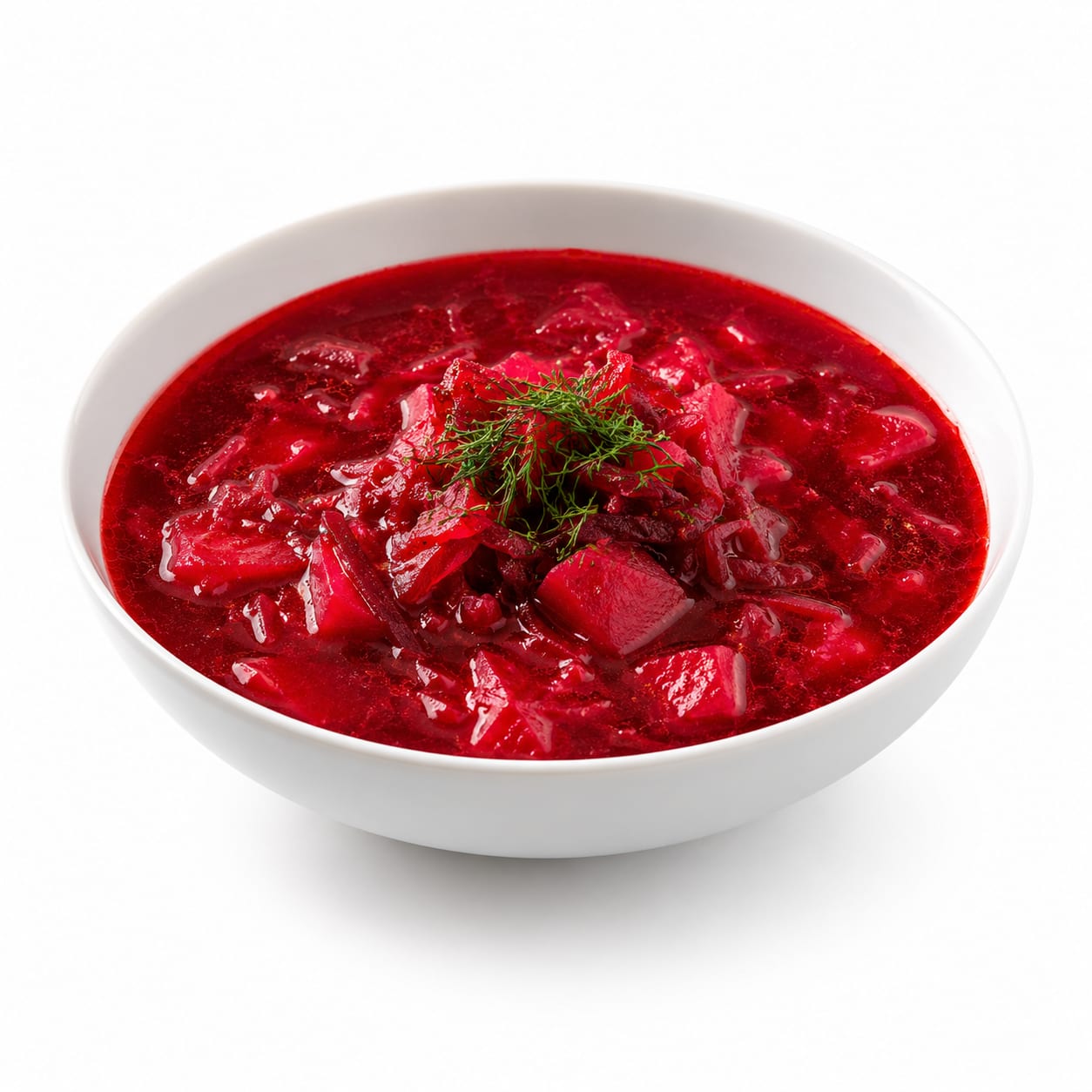
Borscht
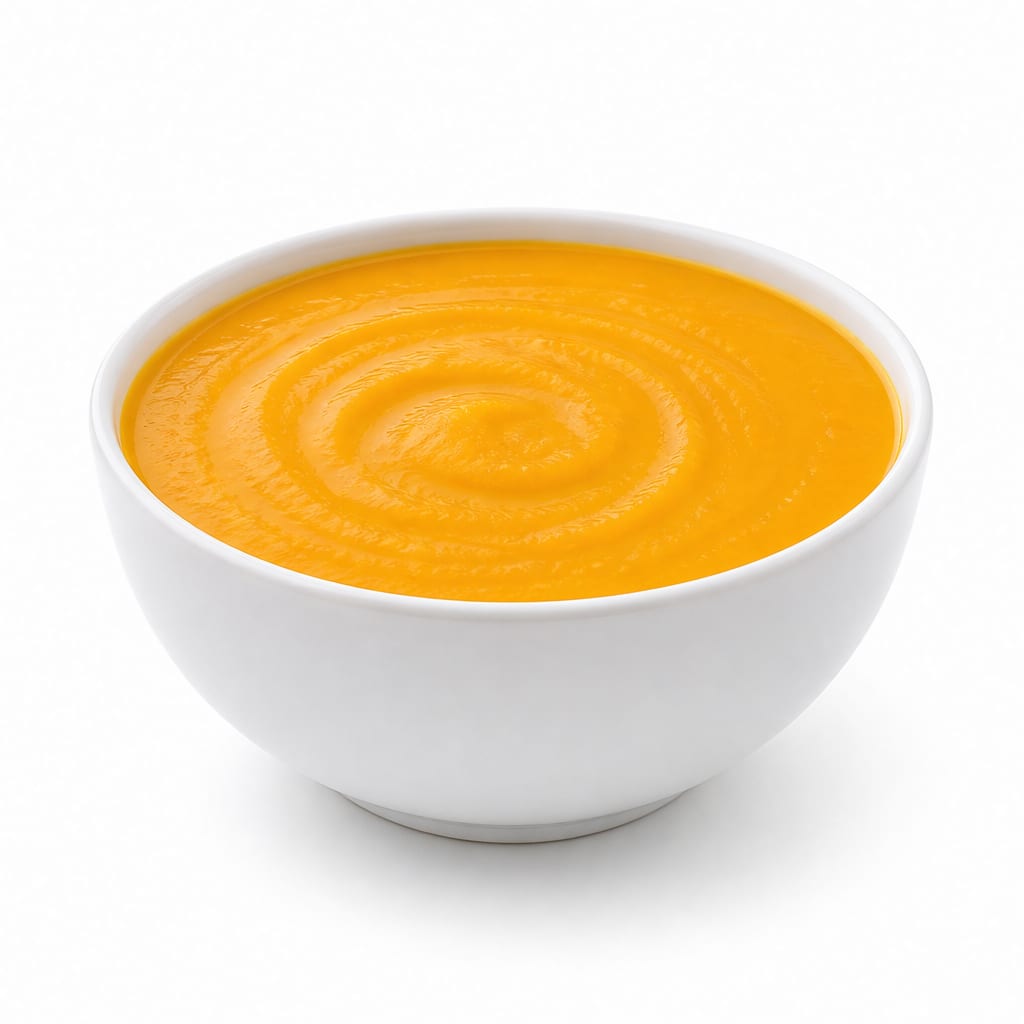
Butternut Squash Soup
Borscht wins for heart health and satiety; butternut squash soup wins for gentle digestion and immune support. Choose based on your priority.
Borscht scores slightly higher for nutritional breadth and heart health benefits, but butternut squash soup stays competitive through digestive friendliness, lower sodium, and exceptional vitamin A content. The close scores reflect that both are genuinely healthy choices with different strengths.
Borscht offers more nutrients and filling power but carries more sodium and digestive complexity. Butternut squash soup is smoother, sweeter, and easier on the stomach but less nutritionally diverse.
At a glance
Executive summary
Overall
It depends
Healthier
It depends
More practical
Butternut Squash Soup
Daily use
Butternut Squash Soup
Key comparison lenses
nutrient density and variety
Borscht typically contains beets, cabbage, potatoes, carrots, and sometimes meat, offering broader micronutrient coverage than the simpler butternut squash base
blood pressure and heart health
Beets in borscht provide dietary nitrates that support vascular function, while butternut squash offers potassium but lacks the same nitrate benefit
digestive comfort and tolerance
Butternut squash soup is smooth, mild, and easy on the stomach, while borscht's fermented and fibrous ingredients can challenge sensitive digestion
satiety and meal replacement potential
Borscht often functions as a full meal with protein and diverse vegetables, whereas butternut squash soup is typically a starter or light lunch
sodium and salt awareness
Traditional borscht can be high in sodium from broth and fermentation, while butternut squash soup is naturally lower in salt
immune and vitamin A support
Butternut squash is exceptionally rich in beta-carotene and vitamin A, making it a stronger choice during cold season or for immune support
Best choice for
Borscht
- People managing blood pressure who want natural dietary nitrates
- Those needing a filling one-bowl meal with protein and fiber
- Anyone seeking probiotic benefits from fermented versions
- Active individuals wanting sustained energy from complex carbohydrates
Butternut Squash Soup
- People with sensitive digestion or recovering from illness
- Anyone focused on immune support and vitamin A intake
- Those watching sodium intake carefully
- People wanting a comforting, low-effort soup for regular rotation
Least suitable for
Borscht
- People on low-sodium diets unless homemade with salt control
- Those with FODMAP sensitivities to cabbage or beets
- Anyone who struggles with earthy or sour flavor profiles
- People seeking a quick, simple recipe with few ingredients
Butternut Squash Soup
- Those needing a protein-rich meal without modifications
- People looking for diverse vegetable intake in one dish
- Anyone avoiding sweeter flavor profiles in savory meals
- Those who find pureed textures unsatisfying or unfilling
Deep comparison
Dimension by dimension
Each lens scores both foods and breaks down who each option suits.
- Dimension 1 · Priority 92Borscht
nutritional_diversity
Borscht · 88Butternut Squash Soup · 62Borscht delivers a wider spectrum of vitamins and minerals thanks to its multi-vegetable base including beets, cabbage, carrots, and potatoes.
Tradeoff
You get more nutrients per bowl with borscht, but at the cost of more prep time and ingredient complexity.
Why it matters
Eating a variety of vegetables in one meal reduces the need to track micronutrients across your day.
Real-world impact
A bowl of borscht can cover folate, manganese, vitamin C, and potassium needs more completely than butternut squash soup alone.
Borscht
- Covering multiple micronutrient bases in one meal
- Getting folate and manganese from beets
- Adding fermented food benefits if using kvass-based recipes
Better for
- More ingredients mean more chances for digestive triggers
- Nutrient content varies widely by recipe
Worse for
Butternut Squash Soup
- Simplicity and predictability of nutrient profile
- Consistently high vitamin A without needing multiple ingredients
Better for
- Limited to squash-based nutrients unless you add toppings or sides
- Lower folate and iron compared to beet-based soups
Worse for
- Dimension 2 · Priority 88Borscht
heart_health_and_circulation
Borscht · 85Butternut Squash Soup · 68Dietary nitrates in beets convert to nitric oxide, which helps relax blood vessels and improve blood flow. Butternut squash lacks this mechanism.
Tradeoff
Borscht's sodium content can partially offset its blood pressure benefits, especially in restaurant or canned versions.
Why it matters
Natural dietary nitrates are one of the few food-based compounds with measurable effects on blood pressure within hours of eating.
Real-world impact
Regular consumption of beet-based soups like borscht may lower systolic blood pressure by 3-5 mmHg over time, similar to some lifestyle interventions.
Borscht
- Natural dietary nitrates from beets support vascular function
- Potassium from multiple vegetables helps counterbalance sodium
- Fermented versions may support gut-heart axis
Better for
- Traditional recipes can contain 800mg+ sodium per bowl
- High salt can negate nitrate benefits for salt-sensitive individuals
Worse for
Butternut Squash Soup
- Lower sodium makes it safer for strict low-salt heart diets
- Potassium content still supports healthy blood pressure
Better for
- No dietary nitrate content means missing a proven vascular benefit
- Less fiber variety limits cholesterol management potential
Worse for
- Dimension 3 · Priority 85Butternut Squash Soup
digestive_comfort
Borscht · 58Butternut Squash Soup · 90Butternut squash soup is smooth, mild, and gentle on the digestive tract. Borscht's fermented and cruciferous ingredients can cause bloating in sensitive people.
Tradeoff
Borscht's fermentation provides probiotics that benefit long-term gut health, but can cause short-term discomfort for those not used to fermented foods.
Why it matters
A soup that digests easily matters more than nutrient density if it leaves you bloated or uncomfortable.
Real-world impact
After butternut squash soup, most people feel comfortably satisfied. After borscht, some experience gas from cabbage or beet fiber, especially if unaccustomed to cruciferous vegetables.
Borscht
- Probiotics from fermented versions support long-term gut microbiome
- Higher fiber content feeds beneficial gut bacteria over time
Better for
- Cabbage and beets are common gas-producing foods
- Vinegar or fermentation can irritate sensitive stomachs
- Acidic profile may worsen heartburn in prone individuals
Worse for
Butternut Squash Soup
- Smooth pureed texture requires minimal digestive effort
- Low FODMAP potential makes it suitable for IBS sufferers
- Mild flavor rarely triggers acid reflux or stomach upset
Better for
- Lower fiber means less prebiotic fuel for gut bacteria
- Missing the probiotic advantage of fermented borscht
Worse for
- Dimension 4 · Priority 82Borscht
satiety_and_meal_replacement
Borscht · 82Butternut Squash Soup · 55Borscht often includes potatoes, beans, and sometimes meat, making it a complete meal. Butternut squash soup is typically a starter that leaves you hungry within two hours.
Tradeoff
Borscht keeps you full longer but requires more time and ingredients. Butternut squash soup is quick comfort but needs protein or grain sides to satisfy.
Why it matters
A soup that actually fills you prevents snacking and overeating later in the day.
Real-world impact
Having borscht for lunch means you are less likely to reach for a 3pm snack. Butternut squash soup alone often needs bread or a salad to feel like a real meal.
Borscht
- Protein from meat or beans extends satiety significantly
- Complex carbs from potatoes provide steady energy release
- Multiple fiber sources slow digestion and stabilize blood sugar
Better for
- Heavier feel may be too much in hot weather or before activity
- Higher calorie load if watching intake closely
Worse for
Butternut Squash Soup
- Light enough for a pre-dinner course without ruining appetite
- Good option when you want something warm but not heavy
Better for
- Rarely satisfying as a standalone meal
- Low protein means hunger returns quickly without additions
Worse for
- Dimension 5 · Priority 78Butternut Squash Soup
sodium_and_salt_load
Borscht · 45Butternut Squash Soup · 82Butternut squash soup naturally contains less sodium. Borscht often relies on salt-heavy broth and fermentation brine that can push sodium above 800mg per serving.
Tradeoff
Borscht's flavor depth depends partly on salt and fermentation. Reducing sodium too much can make it taste flat unless you compensate with herbs and acid.
Why it matters
For the 45% of adults with hypertension, sodium intake from soups is a hidden daily contributor that adds up quickly.
Real-world impact
A single bowl of restaurant borscht can contain a third of your daily sodium limit. Homemade butternut squash soup typically stays under 300mg.
Borscht
- Potassium from beets and cabbage helps buffer some sodium effects
- Homemade versions allow full salt control
Better for
- Canned and restaurant versions are sodium landmines
- Fermented versions add significant salt from brine
Worse for
Butternut Squash Soup
- Natural sweetness means less need for salt as flavor enhancer
- Typically 50-70% less sodium per serving than traditional borscht
- Safer choice for sodium-restricted diets without recipe modification
Better for
- Can taste bland without adequate seasoning, leading some to over-salt
Worse for
- Dimension 6 · Priority 75Butternut Squash Soup
immune_and_vitamin_A_support
Borscht · 65Butternut Squash Soup · 92Butternut squash is one of the richest vegetable sources of beta-carotene, delivering over 400% of daily vitamin A needs per serving. Borscht provides vitamin C but far less vitamin A.
Tradeoff
Vitamin A from butternut squash supports immunity and skin health dramatically, but borscht's vitamin C content is better for iron absorption and collagen synthesis.
Why it matters
During cold and flu season, adequate vitamin A is critical for maintaining mucosal barriers in the respiratory tract.
Real-world impact
Regular butternut squash soup consumption can meaningfully support your immune defenses within weeks, especially if your diet is otherwise low in orange vegetables.
Borscht
- Vitamin C from beets and cabbage supports immune cell function
- Iron absorption enhanced by vitamin C content
Better for
- Lower beta-carotene means less direct vitamin A support
- Vitamin C content degrades with prolonged cooking
Worse for
Butternut Squash Soup
- Exceptional beta-carotene content converts to vitamin A for immune barriers
- Single serving exceeds daily vitamin A needs comfortably
- Antioxidant profile specifically supports skin and eye health
Better for
- Less vitamin C than borscht for iron absorption and collagen support
Worse for
Timeline
Health impact over time
Short-term
Hours to days
Borscht
- Natural nitrates may lower blood pressure within 2-3 hours of eating
- Fiber and fermentation can cause temporary bloating or gas
- Sodium load may cause thirst and mild water retention
- Sustained energy from complex carbohydrates without sugar crash
Butternut Squash Soup
- High beta-carotene may temporarily tint skin slightly orange with frequent consumption
- Smooth texture provides immediate digestive comfort
- Lower sodium means less post-meal thirst
- Natural sweetness can satisfy cravings without refined sugar
Long-term
Months to years
Borscht
- Regular dietary nitrate intake supports cardiovascular health over months
- Fermented versions contribute to more resilient gut microbiome
- Consistent fiber intake promotes regularity and colon health
- High sodium versions may contribute to blood pressure concerns if consumed frequently
Butternut Squash Soup
- Sustained vitamin A intake supports eye health and immune resilience
- Low sodium habit helps maintain healthier blood pressure long-term
- Gentle on digestion, making it sustainable for daily consumption
- May need protein supplementation if relied on as a frequent meal
Risk profile
Safety & processing
Both soups are traditionally made from whole vegetables with minimal processing. Canned or packaged versions of either can contain preservatives and excess sodium, but homemade recipes for both are clean and straightforward.
Borscht
High sodium in commercial preparations
mediumCanned and restaurant borscht frequently exceeds 800mg sodium per serving, which is a concern for blood pressure management over time.
Oxalate content from beets
lowBeets contain moderate oxalates that may contribute to kidney stone formation in susceptible individuals, though the risk is low for most people.
Fermentation hygiene in traditional recipes
lowHome-fermented borscht using kvass can carry minor food safety risks if fermentation conditions are not properly controlled.
Butternut Squash Soup
Sulfite sensitivity from some commercial squash preparations
lowPackaged butternut squash or pre-cut cubes may contain sulfites as preservatives, which can trigger reactions in sensitive individuals.
Low protein leading to dietary gaps
lowRelying on butternut squash soup as a frequent meal without protein additions can lead to inadequate protein intake over time.
Who wins for whom
Audience fit
Same foods, different winners depending on your goal.
children
Butternut Squash SoupKids generally prefer the sweet, smooth taste of butternut squash soup over the earthy, sour complexity of borscht.
daily consumption
Butternut Squash SoupLower sodium, easier digestion, and simpler preparation make butternut squash soup more sustainable as an everyday staple without health tradeoffs.
diabetes
It dependsBorscht's complex carbs and fiber create steadier blood sugar, but its variable recipe makes glycemic impact unpredictable. Butternut squash soup has a moderate glycemic load and simpler carb profile, making dosing easier for insulin users.
elderly
Butternut Squash SoupSmooth texture and gentle digestion make butternut squash soup ideal for aging digestive systems, while also delivering concentrated vitamin A for immune support.
muscle gain
BorschtBorscht often contains meat or beans providing protein needed for muscle maintenance, while butternut squash soup is nearly protein-free.
weight loss
Butternut Squash SoupButternut squash soup is typically lower in calories and sodium while still feeling satisfying, making it easier to fit into a calorie-controlled plan.
Your move
Decision guide
Choose Borscht
- You want a heart-health boost from natural dietary nitrates
- You need a filling one-bowl meal that keeps you satisfied for hours
- You enjoy complex, earthy, sour flavor profiles
- You are looking to add fermented foods to your routine
- Your digestion handles cruciferous vegetables and fermentation well
Choose Butternut Squash Soup
- You have sensitive digestion or are recovering from illness
- You are watching sodium intake for blood pressure management
- You want a comforting, easy soup for regular weeknight meals
- You need concentrated vitamin A for immune or eye health
- You prefer sweeter, smoother flavors in your soup
Either works if
- You want a warming vegetable-based soup instead of cream-based options
- You are looking to increase your daily vegetable intake
- You need a comforting meal during cold weather
- You are avoiding ultra-processed foods and want whole-food options
Avoid both if
- You need a high-protein meal and cannot add protein sides
- You are on a very low-carb or ketogenic diet
- You have specific allergies to ingredients in either soup
Final recommendation
Make butternut squash soup your everyday staple for its gentle digestion and low sodium, but rotate in borscht weekly for heart health benefits and nutritional variety. If you choose borscht often, control sodium by making it at home and go easy on the salt. If you choose butternut squash soup often, add a protein side to make it a complete meal.
Practical
Consumer tips
- 1
When making borscht at home, use low-sodium broth and add vinegar or lemon juice instead of extra salt for depth of flavor
- 2
Boost butternut squash soup's protein by topping with toasted pumpkin seeds or serving alongside a bean salad
- 3
If borscht causes bloating, try a smaller portion alongside a simpler soup rather than eating a full bowl
- 4
Canned versions of both soups tend to be high in sodium — check labels and aim for under 400mg per serving
- 5
Freeze both soups in individual portions for quick weekday meals that beat any packaged option
- 6
Add a dollop of plain yogurt to borscht for creaminess and probiotics without the sodium of traditional sour cream
- 7
Roast butternut squash before blending to deepen flavor without adding sugar or cream