
Nutrition comparison
Borscht vs Minestrone: Which Soup is Healthier?
Compare Borscht vs Minestrone for weight loss, heart health, and nutrition. Learn which soup offers better fiber, protein, and antioxidants for your diet.
Overall winner · Minestrone
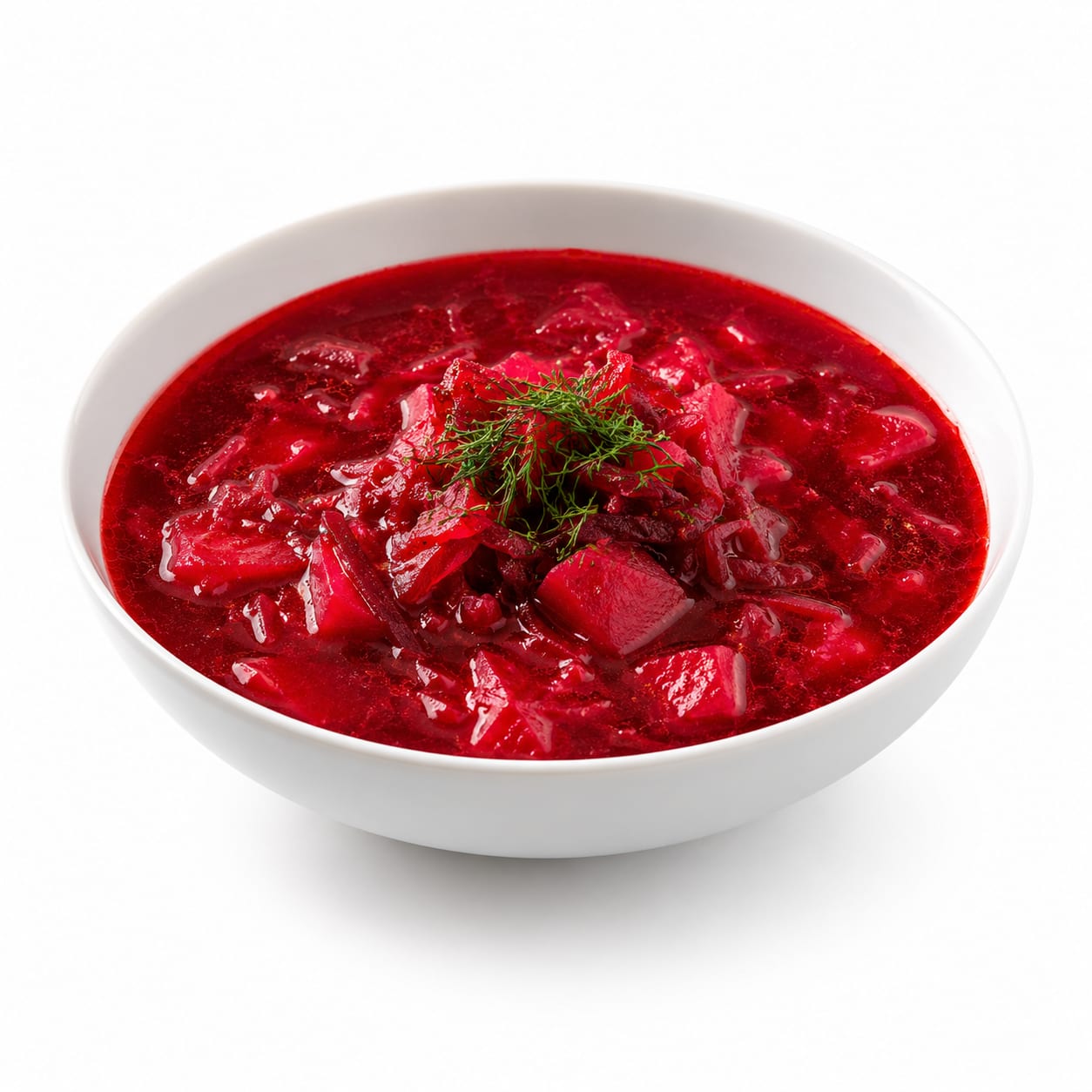
Borscht
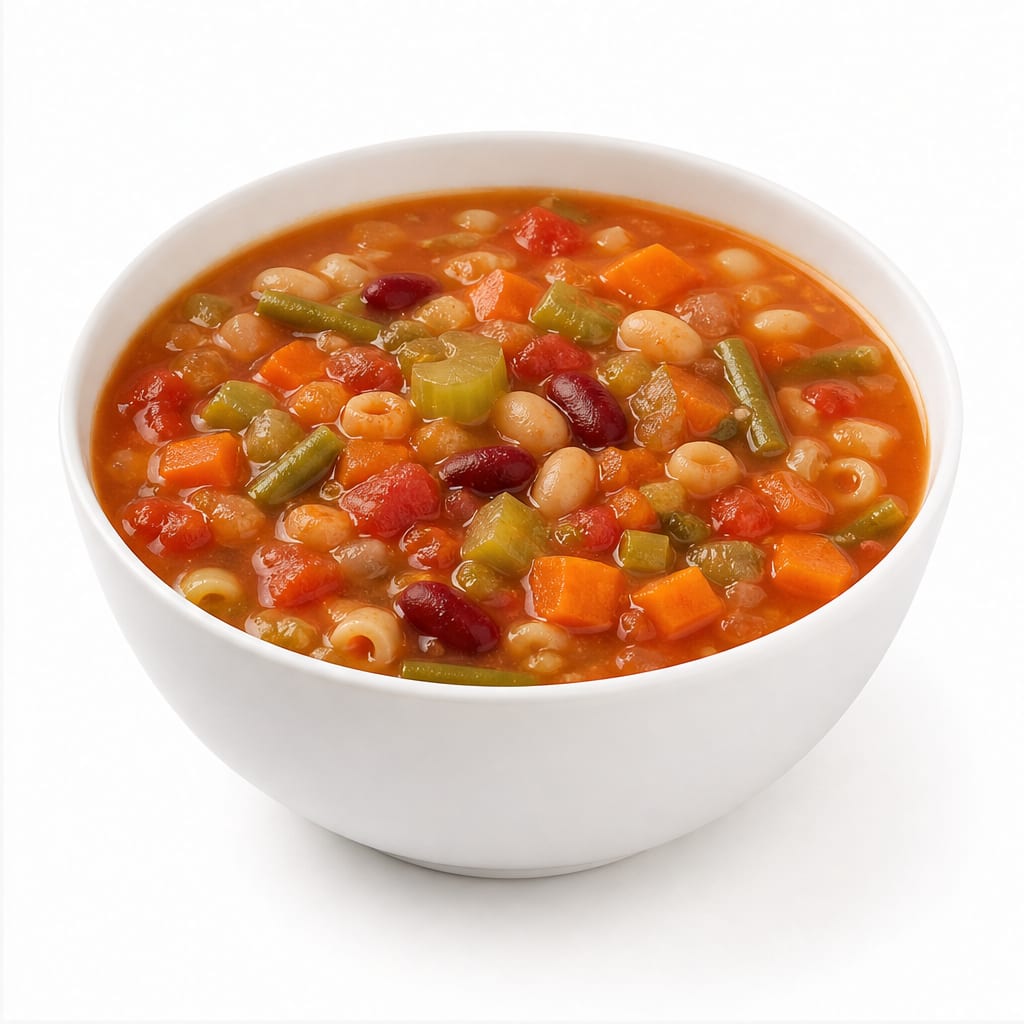
Minestrone
Minestrone edges out Borscht for everyday health thanks to its high-fiber, plant-protein profile, but Borscht offers unique antioxidant benefits and richer comfort.
Minestrone scores higher due to its consistent fiber, plant protein, and heart-healthy profile. Borscht remains a strong choice but its traditional preparation with fatty meat and dairy lowers its everyday health score.
Minestrone gives you better long-term heart and gut health, while Borscht provides potent anti-inflammatory pigments but often carries more saturated fat.
At a glance
Executive summary
Overall
Minestrone
Healthier
Minestrone
More practical
Minestrone
Daily use
Minestrone
Key comparison lenses
Antioxidant profile and inflammation
Borscht's beets offer unique betalains, while Minestrone provides lycopene and diverse plant compounds.
Digestive health and fiber
Minestrone's beans deliver high soluble fiber, whereas Borscht relies more on cabbage and root vegetables.
Heart health and saturated fat
Traditional Borscht often includes fatty beef and sour cream, while Minestrone is naturally plant-forward and leaner.
Blood sugar stability
Bean-based Minestrone offers slower-digesting carbs compared to the beet and potato sugars in Borscht.
Best choice for
Borscht
- Boosting iron intake
- Fighting oxidative stress with betalains
- Those wanting a hearty, meat-inclusive comfort meal
Minestrone
- Improving digestion and regularity
- Lowering cholesterol naturally
- Plant-based and vegan diets
Least suitable for
Borscht
- Strict low-sodium diets (if restaurant-made)
- Vegans avoiding sour cream and beef
- People sensitive to natural sugars in root veggies
Minestrone
- Those with severe legume intolerances
- People wanting a heavy, meat-centric meal
Deep comparison
Dimension by dimension
Each lens scores both foods and breaks down who each option suits.
- Dimension 1 · Priority 90Borscht
Antioxidant Power & Inflammation
Borscht · 88Minestrone · 80Borscht delivers unique betalain antioxidants from beets that fight inflammation, while Minestrone relies on tomato lycopene and veggie variety.
Tradeoff
You get more targeted anti-inflammatory pigments with Borscht, but a broader spectrum of antioxidants from Minestrone.
Why it matters
Betalains are rare in other foods and specifically help reduce oxidative stress, giving Borscht a unique healing edge.
Real-world impact
Eating Borscht regularly can help calm exercise-induced inflammation, while Minestrone acts more like a daily cellular maintenance plan.
Borscht
- Post-workout recovery
- Reducing joint stiffness
Better for
- Those who dislike earthy flavors
Worse for
Minestrone
- General cellular aging
- Long-term disease prevention
Better for
- Situations requiring targeted anti-inflammatory compounds
Worse for
- Dimension 2 · Priority 88Minestrone
Digestive Health & Fiber
Borscht · 72Minestrone · 90Minestrone packs more soluble fiber from beans and diverse vegetables, making it superior for gut health and regularity.
Tradeoff
Minestrone feeds your gut microbiome beautifully, while Borscht's cabbage can cause bloating for some.
Why it matters
Bean fiber is a top-tier prebiotic, producing short-chain fatty acids that heal the gut lining and regulate appetite.
Real-world impact
A bowl of Minestrone keeps you comfortably full and regular, whereas Borscht might leave some feeling slightly gassy from the cabbage.
Borscht
- Those already accustomed to cruciferous veggies
Better for
- People with IBS triggered by cabbage
Worse for
Minestrone
- Improving daily bowel regularity
- Feeding beneficial gut bacteria
Better for
- Those with severe bean sensitivities
Worse for
- Dimension 3 · Priority 85Minestrone
Heart Health & Blood Lipids
Borscht · 65Minestrone · 85Minestrone's bean fiber and plant-heavy base support healthy cholesterol, whereas Borscht often contains fatty beef and sour cream.
Tradeoff
Minestrone actively lowers cholesterol, while traditional Borscht can raise it if made with heavy animal fats.
Why it matters
Soluble fiber from beans binds to cholesterol in the gut, while saturated fat from beef and dairy directly raises LDL.
Real-world impact
Eating Minestrone frequently protects your heart over the years, but daily meat-heavy Borscht could quietly raise your cardiac risk.
Borscht
- Those using lean, vegetarian Borscht recipes
Better for
- People watching their saturated fat intake
Worse for
Minestrone
- Managing familial hypercholesterolemia
- Lowering blood pressure naturally
Better for
- Those needing high caloric intake for weight gain
Worse for
- Dimension 4 · Priority 80Minestrone
Blood Sugar Stability
Borscht · 68Minestrone · 82Minestrone's beans provide steady, slow-digesting carbs. Borscht's beets and potatoes can raise blood sugar faster.
Tradeoff
Minestrone offers a slow, steady energy release, while Borscht provides quicker energy that might crash sooner.
Why it matters
The protein and fiber combo in beans prevents glucose spikes, whereas root vegetables digest faster into simple sugars.
Real-world impact
Minestrone won't give you that afternoon energy dip, while a large bowl of Borscht might leave you reaching for a snack sooner.
Borscht
- Pre-workout quick energy
Better for
- Insulin-resistant individuals
Worse for
Minestrone
- Managing type 2 diabetes
- Preventing the afternoon slump
Better for
- Those needing immediate post-workout glucose
Worse for
- Dimension 5 · Priority 75It depends
Satiety & Meal Satisfaction
Borscht · 82Minestrone · 84Borscht feels deeply comforting and rich from meat and dairy, while Minestrone offers filling plant-protein and bulk that stretches longer.
Tradeoff
Borscht satisfies emotionally and with heavy fats, while Minestrone satisfies physically with sheer volume and fiber.
Why it matters
Emotional comfort keeps you happy, but physical fullness keeps you from overeating later.
Real-world impact
Borscht feels like a warm hug on a cold day, while Minestrone feels like a hearty, reliable lunch that stops afternoon cravings.
Borscht
- Emotional eating comfort
- Cold winter nights
Better for
- Hot summer days
Worse for
Minestrone
- Weight management portion control
- Sustained fullness for hours
Better for
- Craving rich, indulgent flavors
Worse for
Timeline
Health impact over time
Short-term
Hours to days
Borscht
- Quick energy from beet carbohydrates
- Very filling due to meat and fat content
- Potential bloating from cabbage
Minestrone
- Steady, sustained energy from beans
- Very hydrating and light yet filling
- Possible gas from beans if not accustomed
Long-term
Months to years
Borscht
- Excellent antioxidant protection from beets
- Potential increased LDL cholesterol if made with fatty beef
- Better iron stores from meat content
Minestrone
- Improved gut microbiome from diverse fiber
- Lower risk of cardiovascular disease
- Better blood sugar management over time
Risk profile
Safety & processing
Both are traditionally whole-food soups, but canned versions of either can hide excess sodium and preservatives. Homemade is best for both.
Borscht
Sodium overload
mediumRestaurant and canned Borscht can pack a day's worth of sodium from broth and added salt.
Minestrone
Sodium overload
mediumCanned Minestrone is notoriously high in sodium, though homemade is easy to control.
Lectin sensitivity
lowUndercooked beans can cause digestive distress, though proper cooking eliminates this risk.
Who wins for whom
Audience fit
Same foods, different winners depending on your goal.
children
MinestroneMinestrone's mild, familiar tomato flavor and soft pasta or beans are usually more kid-friendly than Borscht's earthy beet taste.
daily consumption
MinestroneMinestrone's lighter, plant-forward profile is gentler on the cardiovascular system for everyday eating.
diabetes
MinestroneThe soluble fiber in beans stabilizes blood sugar far better than the beet and potato carbs in Borscht.
elderly
MinestroneMinestrone is easier to digest, provides crucial fiber for regularity, and is simpler to chew for dental issues.
muscle gain
BorschtBorscht often contains beef, providing complete proteins and iron essential for muscle recovery.
weight loss
MinestroneMinestrone's high fiber and water content from beans and veggies provide more volume for fewer calories compared to meat-heavy Borscht.
Your move
Decision guide
Choose Borscht
- You need an iron boost or crave a hearty, meat-based comfort food
- You want to tap into the unique anti-inflammatory power of beets
- You are eating in a cold climate and want something rich and warming
Choose Minestrone
- You want a high-fiber, plant-protein meal that supports weight management
- You are eating for heart health and steady energy
- You need a versatile soup that easily fits vegan or vegetarian diets
Either works if
- You just want a nourishing, veggie-packed bowl of soup
- You are meal-prepping healthy lunches for the week
Avoid both if
- You are on a strict low-sodium diet and relying on canned versions
- You have severe digestive issues with either cabbage or beans
Final recommendation
Make Minestrone your daily go-to for its fiber and heart benefits, but enjoy Borscht weekly to benefit from its unique beet antioxidants and comforting richness.
Practical
Consumer tips
- 1
If making Borscht, use lean beef or go vegetarian, and swap sour cream for Greek yogurt to keep it lighter.
- 2
Rinse canned beans before adding to Minestrone to cut sodium and reduce gas-causing compounds.
- 3
Add a splash of vinegar to Borscht right before serving—it brightens the flavor and helps preserve the beet's vibrant color.
- 4
For the best Minestrone, finish it with a drizzle of extra virgin olive oil for healthy fats.