
Nutrition comparison
Borscht vs Cabbage Soup: Which Is Healthier for Weight Loss and Daily Nutrition?
Compare borscht and cabbage soup on calories, antioxidants, satiety, and diet sustainability. Find out which soup actually supports your health goals long-term.
Overall winner · Borscht
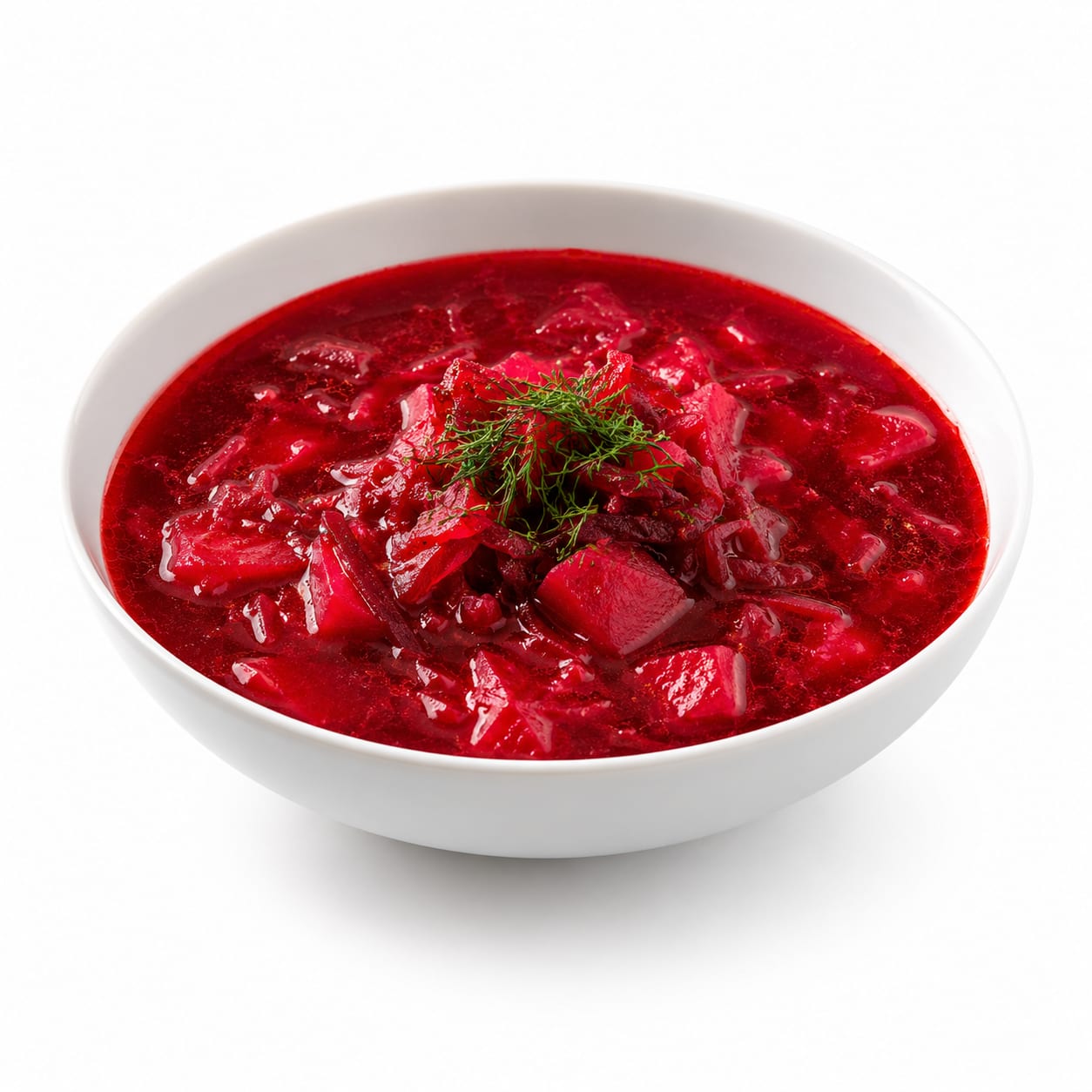
Borscht
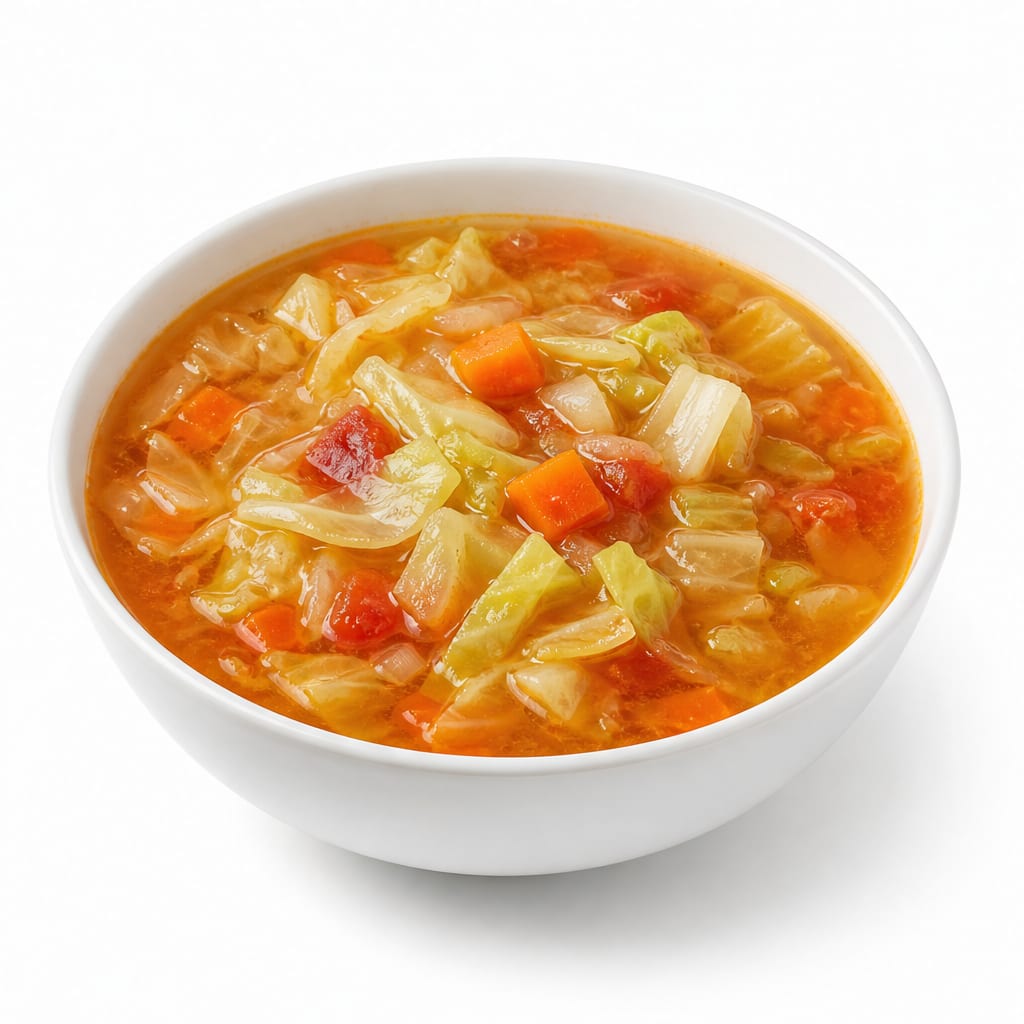
Cabbage Soup
Borscht delivers more nutrients, better satiety, and superior long-term diet sustainability, while cabbage soup wins only on raw calorie reduction.
Borscht scores notably higher because its beet base delivers unique antioxidants, better satiety, and more balanced nutrition. Cabbage soup remains useful for aggressive calorie cutting but falls short on lasting satisfaction and micronutrient diversity.
Cabbage soup is lighter and lower in calories, but borscht provides lasting fullness and far more antioxidants — making it the smarter daily choice.
At a glance
Executive summary
Overall
Borscht
Healthier
Borscht
More practical
Cabbage Soup
Daily use
Borscht
Key comparison lenses
weight loss meal selection
Both soups are popular for low-calorie diets, but users need clarity on which actually supports sustainable weight loss
nutrient density comparison
Beets in borscht bring unique antioxidants that cabbage soup simply cannot match
meal satisfaction and satiety
Soup-based diets fail when people stay hungry; understanding which soup keeps you fuller matters
digestive comfort
Cabbage can cause bloating in some people, while borscht's beet content supports gut health differently
long term diet sustainability
The cabbage soup diet is infamous for being unsustainable; users wonder if borscht offers a better path
Best choice for
Borscht
- People wanting a nourishing, satisfying meal that supports long-term health
- Anyone seeking anti-inflammatory benefits from betalains in beets
- Home cooks who enjoy batch-cooking flavorful freezer meals
- Those transitioning away from restrictive crash diets
Cabbage Soup
- Short-term calorie restriction or quick prep needs
- People on very low sodium protocols who skip added salt
- Anyone wanting the simplest possible soup with minimal ingredients
- Budget-conscious cooks needing an extremely cheap meal
Least suitable for
Borscht
- People avoiding beets due to oxalate sensitivity or kidney stone risk
- Those who dislike earthy flavors or beet sweetness
- Anyone needing an ultra-low-calorie meal under 100 calories
Cabbage Soup
- Anyone prone to bloating or IBS triggered by cruciferous vegetables
- People who find bland food demotivating and likely to abandon their diet
- Those needing sustained energy and protein in a single meal
Deep comparison
Dimension by dimension
Each lens scores both foods and breaks down who each option suits.
- Dimension 1 · Priority 92Borscht
Antioxidant Power
Borscht · 88Cabbage Soup · 42Beets are one of the richest sources of betalains, potent anti-inflammatory compounds that cabbage simply does not provide.
Tradeoff
You gain significant cellular protection from borscht, while cabbage soup offers only basic vitamin C from the cabbage itself.
Why it matters
Betalains help reduce chronic inflammation, support liver detoxification, and may lower oxidative stress — benefits you miss with plain cabbage soup.
Real-world impact
Regular borscht eaters may notice less joint stiffness and better recovery after exercise compared to those eating only cabbage soup.
Borscht
- Reducing chronic inflammation
- Supporting liver health
- Active individuals needing recovery support
Better for
- People prone to kidney stones from oxalates
Worse for
Cabbage Soup
- Those who need to avoid oxalate-rich foods
- People on strict low-sugar protocols
Better for
- Anyone seeking meaningful antioxidant protection from their soup
Worse for
- Dimension 2 · Priority 88Cabbage Soup
Caloric Efficiency
Borscht · 55Cabbage Soup · 89Cabbage soup can be as low as 60-90 calories per bowl, while borscht typically runs 150-250 calories depending on recipe.
Tradeoff
Cabbage soup lets you eat larger volumes for fewer calories, but borscht's extra calories come from nutrient-dense ingredients that keep you satisfied longer.
Why it matters
If your only goal is short-term calorie restriction, cabbage soup is the clear winner. But extremely low-calorie meals often lead to rebound overeating.
Real-world impact
A cabbage soup lunch might leave you hunting for snacks by 3 PM, while borscht can carry you comfortably to dinner.
Borscht
- Sustained energy between meals
- Avoiding afternoon cravings
Better for
- Very low-calorie diet phases
Worse for
Cabbage Soup
- Aggressive short-term calorie deficits
- Volume eating strategies
Better for
- Long-term adherence since hunger often wins
Worse for
- Dimension 3 · Priority 86Borscht
Satiety and Fullness
Borscht · 82Cabbage Soup · 51Borscht's combination of beets, potatoes, carrots, and optional meat creates a more filling meal than cabbage-heavy soup alone.
Tradeoff
Cabbage soup fills your stomach temporarily with water and fiber, but borscht provides lasting satiety from complex carbohydrates and broader nutrient variety.
Why it matters
Staying full is the single biggest factor in whether a diet works. Hunger destroys willpower faster than any other factor.
Real-world impact
After a bowl of borscht, you are far less likely to reach for bread or sweets an hour later compared to cabbage soup.
Borscht
- People who struggle with between-meal snacking
- Anyone replacing a full meal with soup
Better for
- Those wanting a light appetizer before a heavy meal
Worse for
Cabbage Soup
- Light starter courses before a main dish
Better for
- Anyone relying on soup as a standalone meal
Worse for
- Dimension 4 · Priority 78It depends
Digestive Tolerance
Borscht · 70Cabbage Soup · 65Borscht is gentler for most people, but cabbage soup can cause significant bloating and gas in sensitive individuals.
Tradeoff
Beets support healthy bowel movements and gut bacteria, while large amounts of cabbage can trigger IBS symptoms even though it provides fiber.
Why it matters
A healthy meal that makes you uncomfortably bloated defeats its own purpose and reduces quality of life.
Real-world impact
If you have a sensitive stomach, a big bowl of cabbage soup could mean an evening of discomfort, while borscht is generally well tolerated.
Borscht
- People with IBS or cabbage sensitivity
- Those who experience bloating from cruciferous vegetables
Better for
- Those with oxalate kidney stone concerns
Worse for
Cabbage Soup
- Individuals with oxalate sensitivity who must avoid beets
- People who tolerate cabbage well and want high fiber
Better for
- Anyone with cruciferous vegetable intolerance
- People prone to gas and bloating
Worse for
- Dimension 5 · Priority 82Borscht
Flavor Satisfaction and Diet Adherence
Borscht · 85Cabbage Soup · 40Borscht offers complex, earthy-sweet depth with tangy sour cream contrast, while cabbage soup is notoriously bland without heavy seasoning.
Tradeoff
Cabbage soup is a blank canvas you can customize, but most people find it monotonous quickly. Borscht's built-in flavor complexity keeps you interested.
Why it matters
Boring food is the number one reason people quit healthy eating plans. Flavor satisfaction is not a luxury — it is a compliance tool.
Real-world impact
You are far more likely to eat borscht twice a week for months than cabbage soup, which most people abandon after a few days.
Borscht
- Long-term diet sustainability
- Food enjoyment as a health strategy
- Anyone who finds bland food demotivating
Better for
- People who dislike beets or earthy flavors
Worse for
Cabbage Soup
- People who prefer minimal seasoning
- Those who add their own bold flavors and enjoy customizing
Better for
- Anyone who finds repetitive meals unsustainable
Worse for
- Dimension 6 · Priority 74Borscht
Blood Sugar Stability
Borscht · 72Cabbage Soup · 60Borscht's mix of beets, root vegetables, and optional protein creates a slower glycemic response, while cabbage soup can spike and crash if eaten alone.
Tradeoff
Cabbage soup has fewer carbohydrates, but its lack of protein and fat means it digests quickly and leaves you hungry sooner.
Why it matters
Steady blood sugar means steady energy and fewer cravings. Quick-digesting meals sabotage this stability.
Real-world impact
After cabbage soup you might feel a brief energy lift followed by a crash, while borscht provides more even, lasting fuel.
Borscht
- People managing prediabetes
- Anyone wanting steady afternoon energy
Better for
- People on ketogenic diets
Worse for
Cabbage Soup
- Very low-carb diet phases
- Those monitoring total carbohydrate intake strictly
Better for
- Those prone to reactive hypoglycemia
Worse for
Timeline
Health impact over time
Short-term
Hours to days
Borscht
- Provides steady energy from complex carbohydrates and root vegetables
- May cause harmless pink or red urine (beeturia) which is not a health concern
- Sour cream topping adds satisfying richness and helps fat-soluble vitamin absorption
Cabbage Soup
- Very low calorie intake may cause temporary lightheadedness if used as a sole meal
- High cabbage consumption can cause noticeable gas and bloating within hours
- Rapid digestion may lead to hunger returning quickly
Long-term
Months to years
Borscht
- Regular betalain intake from beets supports cardiovascular health and may lower blood pressure
- Consistent consumption provides meaningful folate, manganese, and potassium intake
- Sustainable as a regular meal without feeling restrictive or punishing
Cabbage Soup
- Long-term reliance as a primary meal risks nutrient deficiencies, especially protein and healthy fats
- The cabbage soup diet pattern is associated with muscle loss and metabolic slowdown
- May create an unhealthy psychological association between eating and deprivation
Risk profile
Safety & processing
Both soups are whole-food based and typically homemade from fresh vegetables. Canned or store-bought versions of either may contain added sodium and preservatives, but traditional recipes for both are clean and natural.
Borscht
Oxalate accumulation
mediumBeets are high in oxalates, which can contribute to kidney stone formation in susceptible individuals. Most people tolerate them well, but those with a history of calcium oxalate stones should moderate intake.
Nitrates in stored soup
lowBeets contain natural nitrates that can convert to nitrites when soup is stored improperly or too long. Refrigerate promptly and consume within 3-4 days.
Cabbage Soup
Goitrogenic compounds
lowRaw or lightly cooked cabbage contains goitrogens that can interfere with thyroid function in very large amounts. Cooking reduces this significantly, and normal soup portions pose minimal risk.
Bacterial contamination in improperly stored soup
lowLike any vegetable soup, cabbage soup can harbor bacteria if left at room temperature too long. Proper refrigeration and reheating eliminates this concern.
Who wins for whom
Audience fit
Same foods, different winners depending on your goal.
children
BorschtBorscht's slightly sweet beet flavor and colorful presentation appeal more to kids, and it provides broader nutrition for growing bodies.
daily consumption
BorschtBorscht's flavor variety, nutrient density, and satiety make it realistic as a regular meal. Cabbage soup becomes monotonous and nutritionally incomplete quickly.
diabetes
BorschtBorscht's balanced mix of fiber, complex carbs, and optional protein creates a gentler blood sugar response than cabbage soup alone.
elderly
BorschtBorscht offers more bioavailable folate, potassium, and gentle fiber that supports cardiovascular and digestive health in older adults.
muscle gain
BorschtNeither soup is ideal for muscle building, but borscht with added meat or beans provides more protein and recovery-supporting nutrients.
weight loss
It dependsCabbage soup wins for aggressive short-term calorie restriction, but borscht wins for sustainable weight loss because it keeps you satisfied and less likely to binge.
Your move
Decision guide
Choose Borscht
- You want a satisfying, nutrient-rich soup you can actually enjoy long-term
- Anti-inflammatory benefits and antioxidant protection matter to you
- You tend to get hungry soon after light meals and need something that sticks
- You are recovering from restrictive dieting and want nourishing food that feels safe
- You enjoy cooking and want a flavorful soup that freezes beautifully for meal prep
Choose Cabbage Soup
- You need the lowest possible calorie meal for a short-term deficit
- You are on a tight budget and need the cheapest possible nutritious option
- You tolerate cabbage well and enjoy adding your own bold seasonings
- You want a light starter soup before a heavier main course
Either works if
- You simply want a warming vegetable-based soup and enjoy both flavors
- You are rotating between several soup recipes for variety
Avoid both if
- You need a high-protein meal — neither soup provides sufficient protein alone
- You are on a very low-fiber diet for medical reasons
- You have specific thyroid concerns and your doctor has advised limiting goitrogenic vegetables
Final recommendation
For most people, borscht is the better everyday choice. It delivers more nutrients, keeps you fuller, and is far easier to stick with. Cabbage soup has its place as an occasional low-calorie meal, but relying on it as a dietary staple usually leads to burnout and rebound eating. If you love both, rotate them — borscht as your nourishing staple, cabbage soup as your light option.
Practical
Consumer tips
- 1
Add a dollop of Greek yogurt instead of sour cream to borscht for extra protein with the same creamy tang
- 2
If making cabbage soup, add caraway seeds and a splash of apple cider vinegar to dramatically improve flavor without calories
- 3
Batch-cook borscht and freeze individual portions — it reheats beautifully and tastes even better the next day
- 4
If cabbage soup causes bloating, try sautéing the cabbage first and cooking it longer to break down gas-producing compounds
- 5
Add white beans or lentils to either soup to boost protein and make it a complete meal
- 6
Choose low-sodium broth for either soup to keep blood pressure in check, especially if eating them daily