
Nutrition comparison
Borscht vs Potato Leek Soup: Which Is Healthier?
Compare borscht and potato leek soup nutrition. Borscht wins on antioxidants, blood pressure benefits, and lower calories, while potato leek soup delivers creamy comfort. Full analysis inside.
Overall winner · Borscht
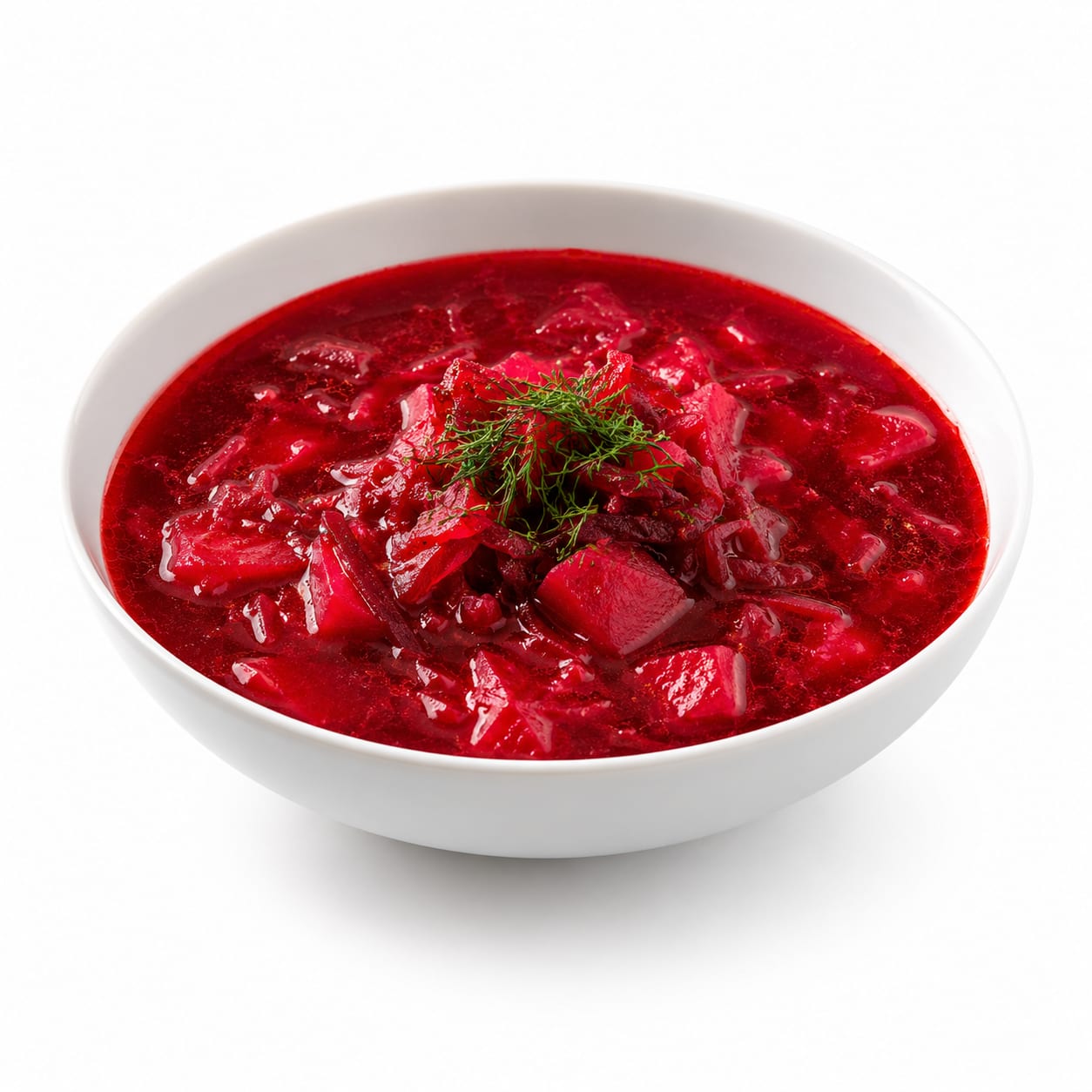
Borscht
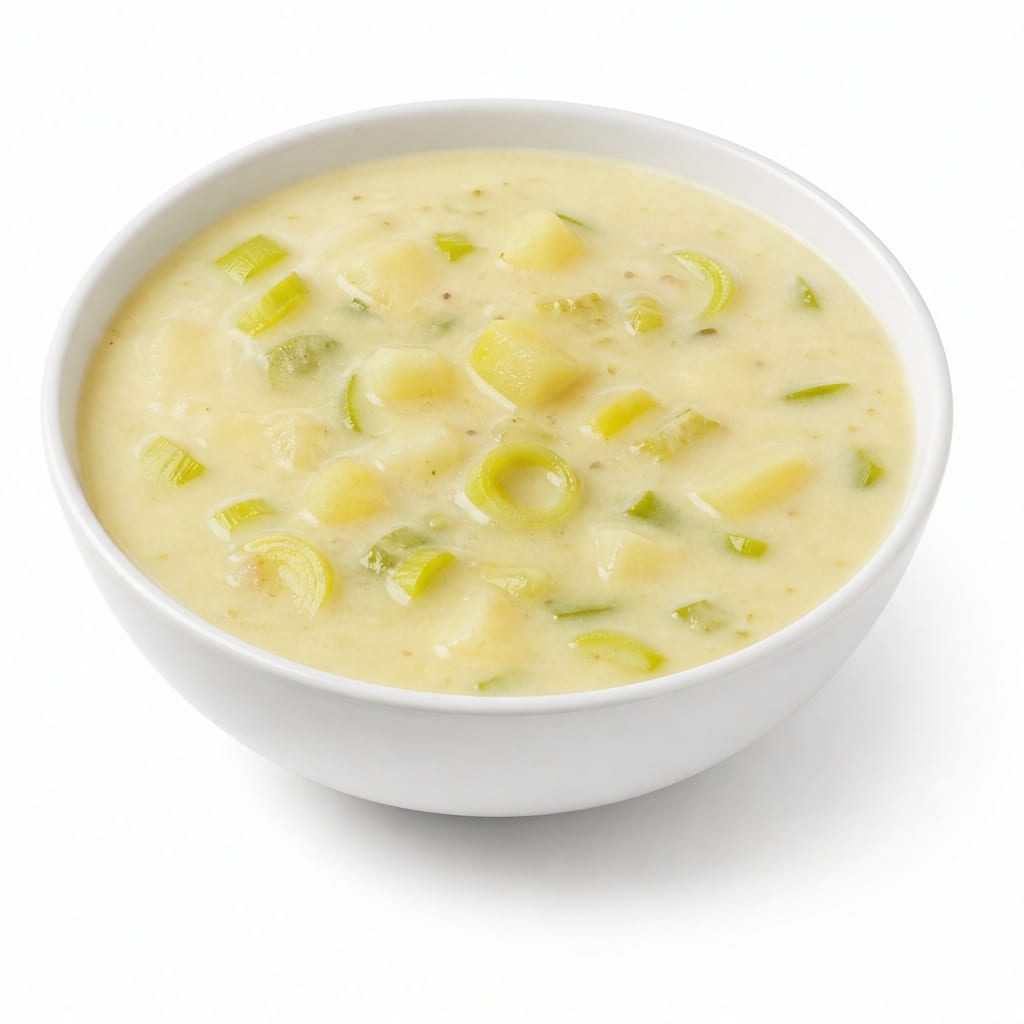
Potato Leek Soup
Borscht delivers more nutritional value per calorie thanks to beets, cabbage, and a vegetable-dense profile, while potato leek soup offers creamier comfort at a higher calorie cost.
Borscht scores notably higher due to its antioxidant density, lower calorie load, and cardiovascular benefits. Potato leek soup is not unhealthy but its cream content and lower micronutrient diversity create a meaningful gap for regular consumption.
You trade the creamy indulgence and starch-driven satisfaction of potato leek soup for borscht's superior antioxidants, lower calorie density, and blood pressure benefits.
At a glance
Executive summary
Overall
Borscht
Healthier
Borscht
More practical
It depends
Daily use
Borscht
Key comparison lenses
antioxidant and antiinflammatory benefits
Beets in borscht deliver betalains, a unique class of anti-inflammatory compounds that potato leek soup simply cannot match
blood pressure and heart health
Dietary nitrates from beets actively lower blood pressure, while saturated fat from cream in potato leek soup works against cardiovascular goals
calorie density and weight management
Cream-based potato leek soup is significantly more calorie-dense, making this a key decision factor for portion-aware eaters
digestive health and fiber
Borscht combines beets and cabbage for a fiber advantage that supports gut health more effectively than the starch-heavy potato leek soup
comfort and satiety experience
Both soups are comforting but in different ways—creamy richness versus brothy heartiness—which affects satisfaction and overeating risk
Best choice for
Borscht
- People managing blood pressure or cardiovascular risk
- Those seeking lower-calorie meals that still feel hearty
- Anyone wanting anti-inflammatory benefits from whole food sources
- Gut health-focused eaters who need more fiber variety
Potato Leek Soup
- People needing calorie-dense comfort during illness recovery
- Those who struggle to eat enough and need easy calories
- Anyone craving creamy, rich textures without heavy meat dishes
- Cold-weather comfort seekers wanting something soothing and mild
Least suitable for
Borscht
- People avoiding nightshades or high-oxalate foods due to kidney stones
- Those sensitive to earthy flavors who find beets unpalatable
- Very low-carb eaters tracking every gram of carbohydrate
Potato Leek Soup
- People managing weight who need low-calorie volume eating
- Those with dairy sensitivities or lactose intolerance
- Anyone monitoring saturated fat intake for heart health
Deep comparison
Dimension by dimension
Each lens scores both foods and breaks down who each option suits.
- Dimension 1 · Priority 92Borscht
antioxidant_and_antiinflammatory_power
Borscht · 91Potato Leek Soup · 28Borscht dominates this category thanks to betalains from beets and polyphenols from cabbage, while potato leek soup offers minimal antioxidant activity.
Tradeoff
You sacrifice the deep cellular protection borscht provides if you choose the creamier but blander potato leek soup.
Why it matters
Chronic inflammation drives aging and disease. Betalains are among the most potent dietary anti-inflammatories available, and borscht delivers them in therapeutic quantities per bowl.
Real-world impact
Regular borscht consumption correlates with measurably lower inflammatory markers, while potato leek soup provides comfort without the same protective effect.
Borscht
- Reducing systemic inflammation over time
- Getting visible anti-aging benefits from dietary polyphenols
Better for
- People on blood thinners should be mindful of vitamin K from cabbage
Worse for
Potato Leek Soup
- Avoiding oxalate concerns for kidney stone-prone individuals
Better for
- Anyone seeking meaningful antioxidant intake from their soup course
Worse for
- Dimension 2 · Priority 85Borscht
calorie_density_and_weight_management
Borscht · 82Potato Leek Soup · 48A typical bowl of borscht runs 150-220 calories, while potato leek soup with cream easily hits 300-400 calories per serving.
Tradeoff
Borscht lets you eat a larger, more filling bowl for fewer calories, while potato leek soup packs more calories into a smaller satiety footprint.
Why it matters
When soup is a regular meal, a 150-calorie difference per bowl adds up to over a thousand calories per week without any change in perceived fullness.
Real-world impact
Choosing borscht as a weekly staple instead of cream-based soup can quietly support weight maintenance without requiring portion restriction.
Borscht
- Volume eaters who want big portions without calorie overload
- Anyone tracking calories who wants soup to be a low-cost meal
Better for
- Athletes in a caloric surplus phase who need easy calories
Worse for
Potato Leek Soup
- Underweight individuals needing calorie-dense nourishment
- Post-surgery recovery where calorie intake matters more than leanness
Better for
- Anyone trying to lose weight while still eating satisfying meals
Worse for
- Dimension 3 · Priority 88Borscht
blood_pressure_and_cardiovascular_benefit
Borscht · 87Potato Leek Soup · 38Dietary nitrates in beets convert to nitric oxide, actively relaxing blood vessels. Cream in potato leek soup adds saturated fat that works against heart health.
Tradeoff
Borscht actively helps your cardiovascular system function better, while potato leek soup is at best neutral and at worst mildly counterproductive for heart health.
Why it matters
One in three adults has elevated blood pressure. A soup that measurably lowers it within hours of eating is a rare functional food advantage.
Real-world impact
Studies show beet consumption can lower systolic blood pressure by 4-10 mmHg within hours, making borscht a genuinely therapeutic meal choice.
Borscht
- Hypertensive individuals seeking food-as-medicine approaches
- Anyone with family history of cardiovascular disease
Better for
- Those already on blood pressure medication should consult their doctor about compounding effects
Worse for
Potato Leek Soup
- People with naturally low blood pressure who need to avoid hypotensive effects
Better for
- Anyone actively trying to reduce saturated fat intake for heart health
Worse for
- Dimension 4 · Priority 80Borscht
fiber_and_digestive_health
Borscht · 79Potato Leek Soup · 42Borscht combines beets and cabbage for roughly 5-7g fiber per bowl, while potato leek soup typically delivers only 2-3g.
Tradeoff
Borscht supports regularity and gut microbiome diversity significantly better, while potato leek soup's lower fiber makes it easier on sensitive digestive systems.
Why it matters
Most people get barely half the recommended daily fiber. A single bowl of borscht can cover 20-25% of your daily needs from one meal.
Real-world impact
Regular borscht eaters report better digestion and regularity, while potato leek soup is gentler for those with IBS or acute digestive upset.
Borscht
- Anyone trying to increase fiber intake without supplements
- Gut microbiome enthusiasts feeding beneficial bacteria
Better for
- FODMAP-sensitive individuals who react to cabbage or beets
Worse for
Potato Leek Soup
- People recovering from gastrointestinal illness who need low-fiber meals
- Those with IBS who find cabbage and beets triggering
Better for
- Anyone relying on soup as a fiber source in their diet
Worse for
- Dimension 5 · Priority 75Potato Leek Soup
comfort_and_emotional_satisfaction
Borscht · 65Potato Leek Soup · 82Potato leek soup delivers creamy, mild, soothing comfort that feels like a warm blanket, while borscht offers hearty but more assertive flavors.
Tradeoff
You gain emotional comfort and ease of eating with potato leek soup, but you lose the nutritional depth and functional benefits of borscht.
Why it matters
Emotional satisfaction matters for dietary adherence. A soup you genuinely look forward to eating is more sustainable than one you choose purely for health reasons.
Real-world impact
On a stressful day, potato leek soup feels more nurturing and requires less energy to enjoy, while borscht demands more flavor engagement.
Borscht
- Adventurous eaters who find bold flavors more satisfying
- Hot weather dining since borscht can be served cold as a refreshing meal
Better for
- Picky eaters or children who find beet flavor off-putting
Worse for
Potato Leek Soup
- Sick days when you need something gentle and easy to swallow
- Comfort food cravings that only creamy textures can satisfy
Better for
- Hot summer meals where heavy cream feels oppressive
Worse for
- Dimension 6 · Priority 72Borscht
blood_sugar_stability
Borscht · 68Potato Leek Soup · 52Borscht's fiber and lower starch content create a gentler blood sugar response, while potato leek soup's high starch and cream can cause sharper spikes.
Tradeoff
Borscht provides steadier energy after eating, while potato leek soup may trigger a quicker rise and subsequent dip.
Why it matters
Afternoon energy crashes often trace back to starchy, low-fiber meals. The soup you choose at lunch can determine how you feel at 3pm.
Real-world impact
A borscht lunch is less likely to leave you reaching for a snack an hour later, while potato leek soup may create a quicker return of hunger.
Borscht
- Office workers who need steady afternoon focus
- Pre-diabetics managing blood sugar through food choices
Better for
- Those on very low-carb diets who need to minimize all carbohydrate sources
Worse for
Potato Leek Soup
- Athletes who need quick carbohydrate replenishment post-exercise
Better for
- Anyone prone to post-meal energy crashes or sugar cravings
Worse for
Timeline
Health impact over time
Short-term
Hours to days
Borscht
- Noticeable blood pressure reduction within 2-3 hours of eating due to dietary nitrates
- Improved digestive regularity from the fiber combination of beets and cabbage
- Steadier energy levels without the crash that follows starch-heavy cream soups
Potato Leek Soup
- Quick satiety from the starch and fat combination, though it may fade faster than expected
- Potential blood sugar spike followed by a dip within 90 minutes
- Gentle on an upset stomach due to mild flavor and soft texture
Long-term
Months to years
Borscht
- Consistently lower inflammatory markers from regular betalain consumption
- Better cardiovascular outcomes linked to dietary nitrate intake
- Improved gut microbiome diversity from varied vegetable fiber sources
Potato Leek Soup
- Higher saturated fat intake if consumed frequently with cream, potentially impacting cholesterol
- Lower antioxidant exposure compared to vegetable-dense alternatives
- Possible weight creep if portion sizes are not managed due to calorie density
Risk profile
Safety & processing
Both soups are traditionally whole-food preparations. Borscht edges ahead slightly because its standard recipe requires no dairy processing, while potato leek soup typically relies on cream or butter. Canned or packaged versions of either soup can introduce sodium and preservative concerns.
Borscht
Oxalate accumulation from beets
mediumBeets are moderately high in oxalates, which can contribute to kidney stone formation in susceptible individuals. Those with a history of calcium oxalate stones should moderate intake.
Nitrate interactions with medications
mediumThe dietary nitrates that make borscht heart-healthy can compound effects of blood pressure medications, potentially causing hypotension in medicated individuals.
Potato Leek Soup
Dairy-related foodborne illness
lowCream in potato leek soup can spoil if not handled properly, creating a slightly higher food safety vigilance requirement compared to dairy-free borscht.
Acrylamide from potato cooking
lowIf potatoes in the soup are browned or roasted before simmering, acrylamide formation is possible, though the risk is lower than with fried potato products.
Who wins for whom
Audience fit
Same foods, different winners depending on your goal.
children
Potato Leek SoupMild flavor and creamy texture make potato leek soup far more kid-friendly, while borscht's earthy beet taste often faces childhood resistance.
daily consumption
BorschtLower calorie density, better micronutrient profile, and cardiovascular benefits make borscht more sustainable as a daily staple without nutritional compromise.
diabetes
BorschtLower starch content, more fiber, and a gentler glycemic response make borscht the safer regular choice for blood sugar management.
elderly
BorschtBlood pressure benefits, superior fiber for digestive regularity, and anti-inflammatory properties make borscht more protective for aging bodies.
muscle gain
It dependsNeither soup is a muscle-building standout. Potato leek soup offers marginally more calories for bulking, while borscht's vegetable nitrates may slightly improve exercise performance.
weight loss
BorschtBorscht delivers more volume and fiber per calorie, making it easier to maintain a calorie deficit without feeling deprived.
Your move
Decision guide
Choose Borscht
- You want a soup that actively improves your health, not just fills you up
- Blood pressure or heart health is a personal or family concern
- You prefer bigger portions without calorie anxiety
- Gut health and digestive regularity are priorities
- You enjoy bold, earthy flavors and find them satisfying
Choose Potato Leek Soup
- You are recovering from illness and need gentle, calorie-dense nourishment
- Creamy comfort is non-negotiable for your meal satisfaction
- You are feeding children or picky eaters who resist strong vegetable flavors
- You are intentionally gaining weight and need easy calorie sources
- It is a cold, hard day and only rich creaminess will do
Either works if
- You simply want a warming soup and both sound good
- Your diet is otherwise balanced and one soup choice will not move the needle
- You are eating soup as a starter rather than a main meal
Avoid both if
- You are on a strict very-low-carb or ketogenic diet, as both contain significant carbohydrates
- You have severe sodium restrictions and cannot control how the soup is seasoned
- You have multiple food sensitivities that overlap with both recipes
Final recommendation
Make borscht your default soup for regular meals. Its antioxidant power, blood pressure benefits, and lower calorie density make it the smarter weekly staple. Save potato leek soup for occasions when creamy comfort is the priority, not nutritional optimization. If you love potato leek soup, consider making it with less cream or substituting olive oil to narrow the nutritional gap.
Practical
Consumer tips
- 1
Make potato leek soup with half the cream and add extra leeks to improve its nutritional profile without sacrificing too much comfort
- 2
If beets taste too earthy, try roasting them before adding to borscht—this caramelizes natural sugars and mellows the flavor significantly
- 3
Both soups freeze well, so batch-cook and portion for quick weekday meals that beat anything from a can
- 4
For borscht, add a dollop of plain yogurt instead of sour cream to keep the traditional experience while reducing saturated fat
- 5
Choose low-sodium broth for either soup to keep salt intake reasonable without sacrificing flavor depth