
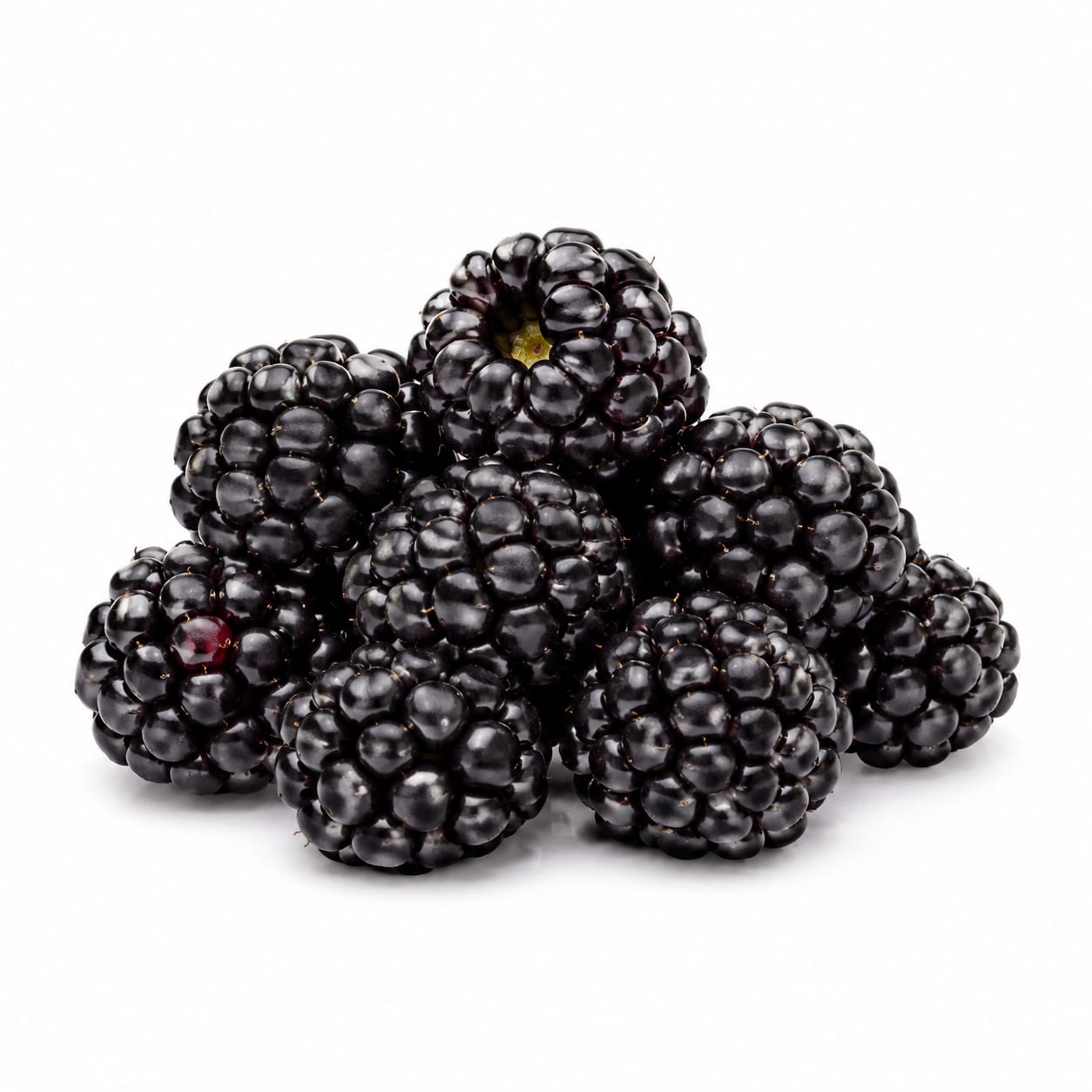
Berry
Blackberry
A low-sugar, high-fiber berry with exceptional antioxidant content, ideal for blood sugar control and gut health.
A dark purple aggregate fruit known for its high fiber content, low sugar profile, and dense antioxidant concentration, making it a top choice for metabolic and gut health.
high-fiber low-sugar berry
Typical serving · 150g
Common varieties · triple crown, chester, navaho, arapaho
Overall context score across nutrition, safety, and diet fit
At a glance
Quick facts
Simple indicators based on nutrition, processing, and diet fit.
The story
What makes it unique
Blackberries digest slowly due to their high dietary fiber and fructose content, which prolongs satiety and blunts glycemic response. Their macronutrient profile is low in calories and sugar but rich in micronutrients like vitamin C, vitamin K, and manganese. As a minimally processed whole food, they retain cellular integrity and high phytochemical density, particularly anthocyanins.
Varieties: triple crown · chester · navaho · arapaho
Per 100g
Nutrition breakdown
Macro balance and key metrics at a glance.
Energy
Density 0.43 kcal/g
Protein
Carbs
Fat
Fiber
Sugar
4.9 g
Sodium
1 mg
Potassium
162 mg
Glycemic index
25
Glycemic load
3
Water content
88%
Standout compounds
Nutrient highlights
Fiber
highPromotes digestive regularity and feeds gut microbiota
Vitamin C
moderateSupports immune function and collagen synthesis
Vitamin K
highEssential for bone metabolism and blood clotting
Manganese
highFacilitates amino acid, cholesterol, and carbohydrate metabolism
Anthocyanins
highReduces oxidative stress and supports cardiovascular health
Wellness map
Health scores & processing
NOVA processing scale
minimally_processed · Whole food
Fresh blackberries are unprocessed whole foods requiring no alteration from their natural state before consumption.
Diet compatibility
- Weight loss
- Muscle gain
- Diabetes
- Gut health
- Low carb
- High protein
- Heart health
Relative standing
Food rankings
Qualitative ranks compared to similar whole foods.
- Satietyexcellent
- Blood sugarexcellent
- Nutrient densityexcellent
- Fitness fuelmoderate
- Processing qualityexcellent
Eat with confidence
Food safety profile
Blackberries are generally safe but rank high for pesticide residue when conventionally grown. Their delicate, porous structure also makes them susceptible to mold and yeast spoilage shortly after harvest.
Evidence confidence 88%
- Pesticidesmoderate
- Antibioticslow
- Heavy metalslow
- Contaminationmoderate
Watch for
- pesticide residues
- mold
- yeast
Safer choices
Organic blackberries significantly reduce pesticide exposure risk.
Prep tips
Rinse gently under cold water just before eating rather than before storing to prevent premature mold growth. Pat dry carefully.
Frequently listed on the EWG Dirty Dozen list due to conventional pesticide residues; porous structure makes thorough washing difficult.
Deep dive
Health analysis
How this food may fit different goals and preparation choices.
Weight loss
Extremely low energy density and high fiber volume create prolonged fullness with minimal caloric intake.
Blood sugar
Very low glycemic index and load; the high fiber content prevents rapid blood sugar spikes, making them safe for diabetic diets.
Fitness & energy
Provides moderate, sustained energy from complex carbs but lacks the rapid glucose or protein needed for intense post-workout recovery.
Gut health
Excellent prebiotic source; the high fiber and polyphenol content supports microbial diversity and short-chain fatty acid production.
Processing quality
Whole, unprocessed food with intact cellular structures maximizing nutrient bioavailability.
Food safety
Primary concerns are pesticide residues on conventional crops and rapid mold susceptibility; buying organic and consuming quickly mitigates risks.
Common mistakes
Consuming blackberries in processed jams or sweetened smoothies which negate their low-sugar benefits; washing before storage which accelerates spoilage.
Best preparation
Fresh and raw to preserve vitamin C and antioxidants, or frozen immediately after harvest to lock in nutrients without added sugar.
Practical guide
Best use cases
When and how this food fits real eating patterns.
Low-carb snacking
Provides sweet flavor and bulk without exceeding strict daily carbohydrate limits.
Gut microbiome support
The dense fiber and polyphenols act as prebiotics to feed beneficial intestinal bacteria.
Diabetic-friendly dessert
Satisfies sweet cravings with minimal glycemic impact, keeping blood glucose stable.
High-volume eating
Large portion sizes for very few calories, ideal for cutting phases and calorie restriction.
Balance sheet
Pros & cons
Upsides
- Extremely high fiber content slows digestion and stabilizes blood sugar
- Very low calorie and low energy density supports weight management
- Rich in anthocyanins which combat cellular oxidative damage
- Low net carbs make it suitable for ketogenic and low-carb diets
- Excellent source of vitamin K for bone and blood health
Trade-offs
- Highly perishable and prone to mold within days of purchase
- Conventional crops have high pesticide residue risk
- Seeds can be bothersome for individuals with diverticulitis
- Relatively expensive compared to other common fruits out of season
Fit check
Who is it for?
Great match
- weight loss
- ketogenic diets
- diabetic meal plans
- gut health optimization
- low-calorie volume eating
Consider alternatives
- post-workout rapid glycogen replenishment
- muscle building diets requiring caloric surplus
- individuals with severe seed sensitivities or diverticulitis
Side by side
How it compares
Open the full head-to-head analysis for nutrition, safety, and practical tradeoffs.
This food
Blackberry
VS95% alike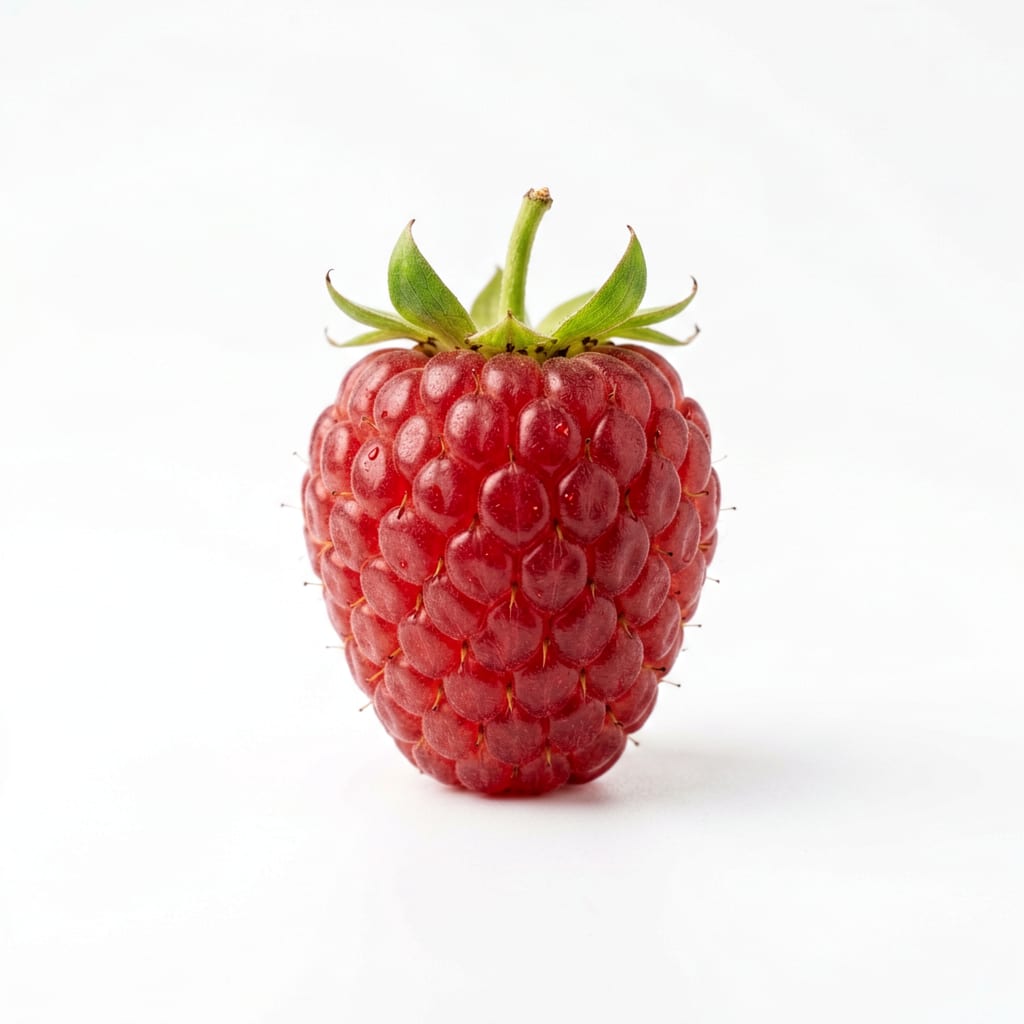
Compare with
Raspberry
Raspberries have slightly more fiber and less sugar, but blackberries offer more vitamin C and vitamin K.
Raspberries edge out blackberries slightly for blood sugar control due to lower sugar, but both are top-tier high-fiber berries.
This food
Blackberry
VS90% alike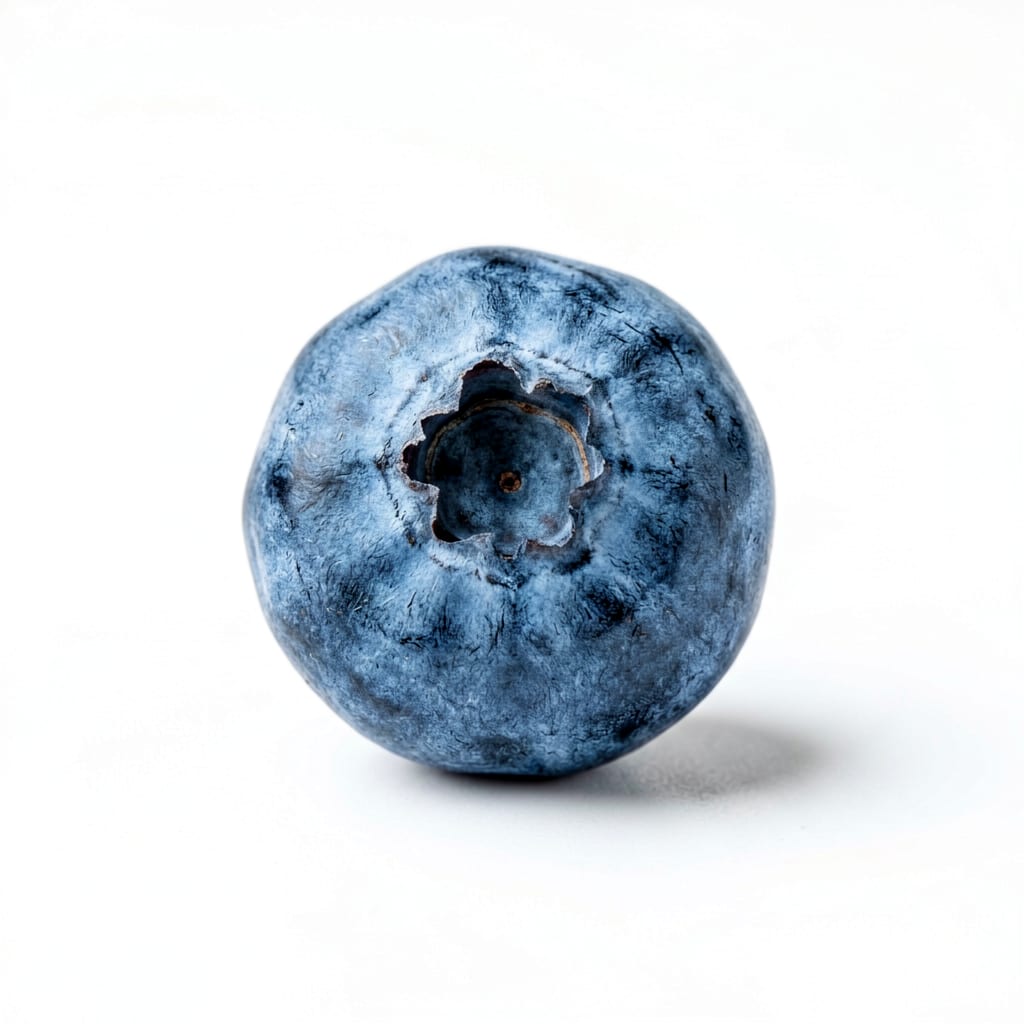
Compare with
Blueberry
Blueberries are sweeter and higher in sugar, while blackberries are significantly higher in fiber and lower in net carbs.
Blackberries are better for weight loss and blood sugar due to higher fiber, while blueberries offer more quick energy for workouts.
This food
Blackberry
VS85% alike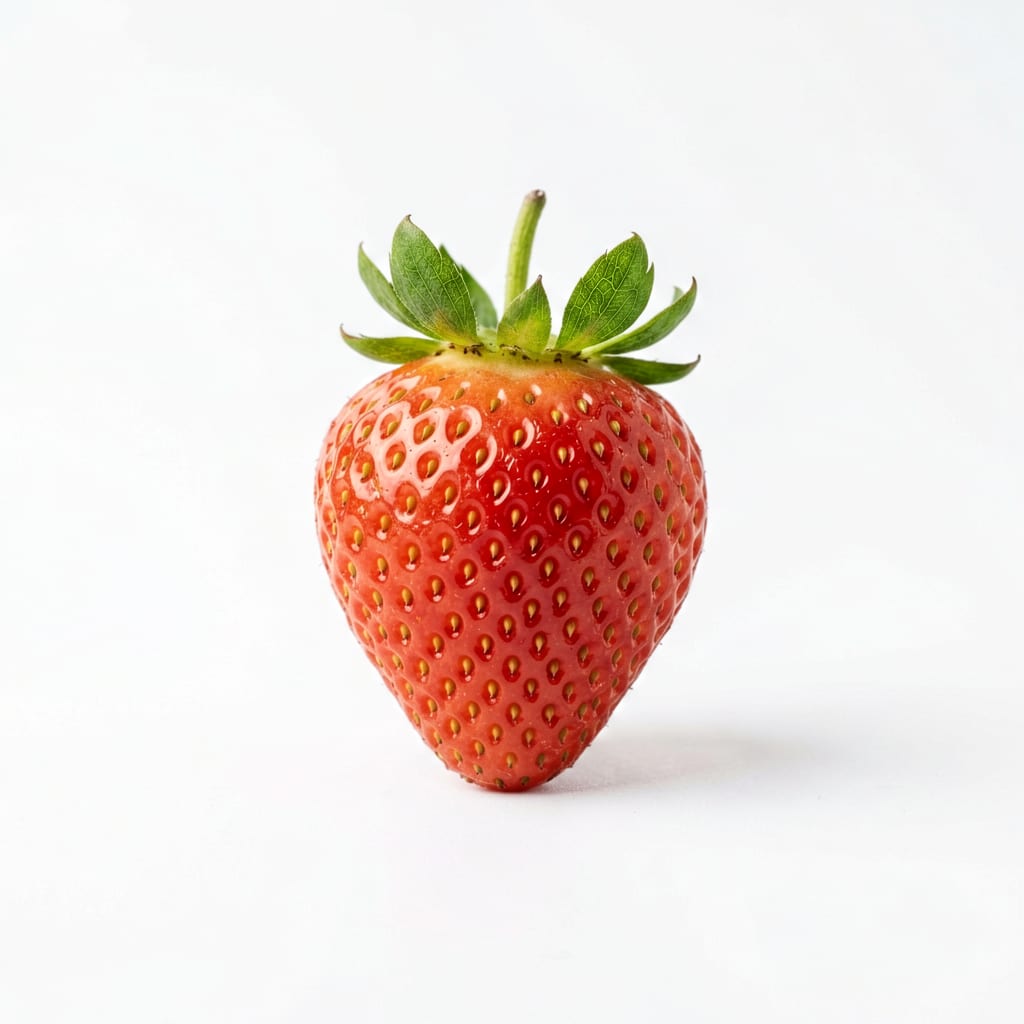
Compare with
Strawberry
Strawberries are higher in vitamin C, but blackberries provide double the fiber and more vitamin K.
Blackberries win for satiety and blood sugar control due to superior fiber, while strawberries provide a lighter, higher-vitamin C option.
This food
Blackberry
VS80% alike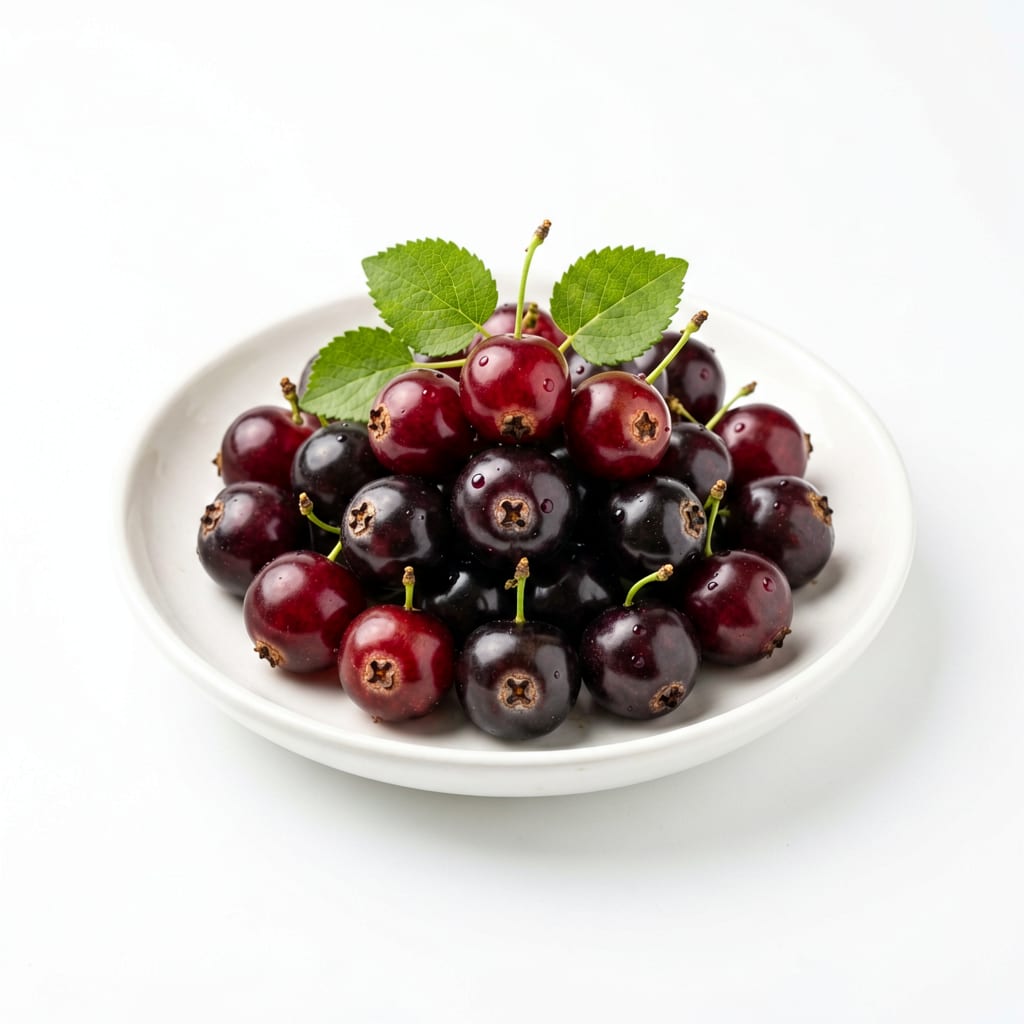
Compare with
Blackcurrant
Blackcurrants are significantly higher in vitamin C but slightly higher in sugar than blackberries.
Blackcurrants offer a massive vitamin C boost, but blackberries are better for low-carb diets and gut health due to higher fiber.
This food
Blackberry
VS80% alike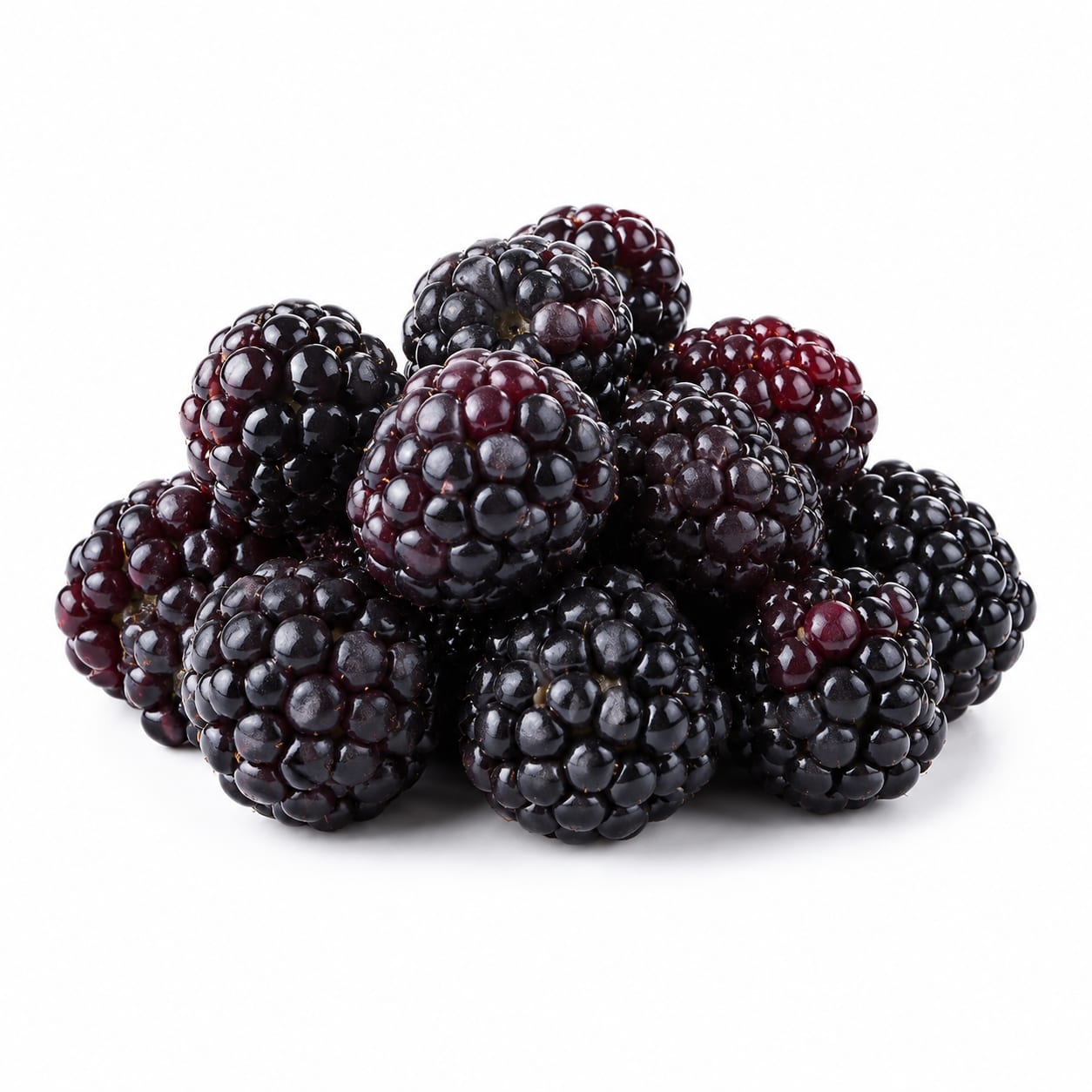
Compare with
Boysenberry
Boysenberries are slightly larger and sweeter, containing less fiber and more sugar than blackberries.
Blackberries are the better choice for strict low-carb diets, while boysenberries offer a sweeter flavor profile.
This food
Blackberry
VS75% alike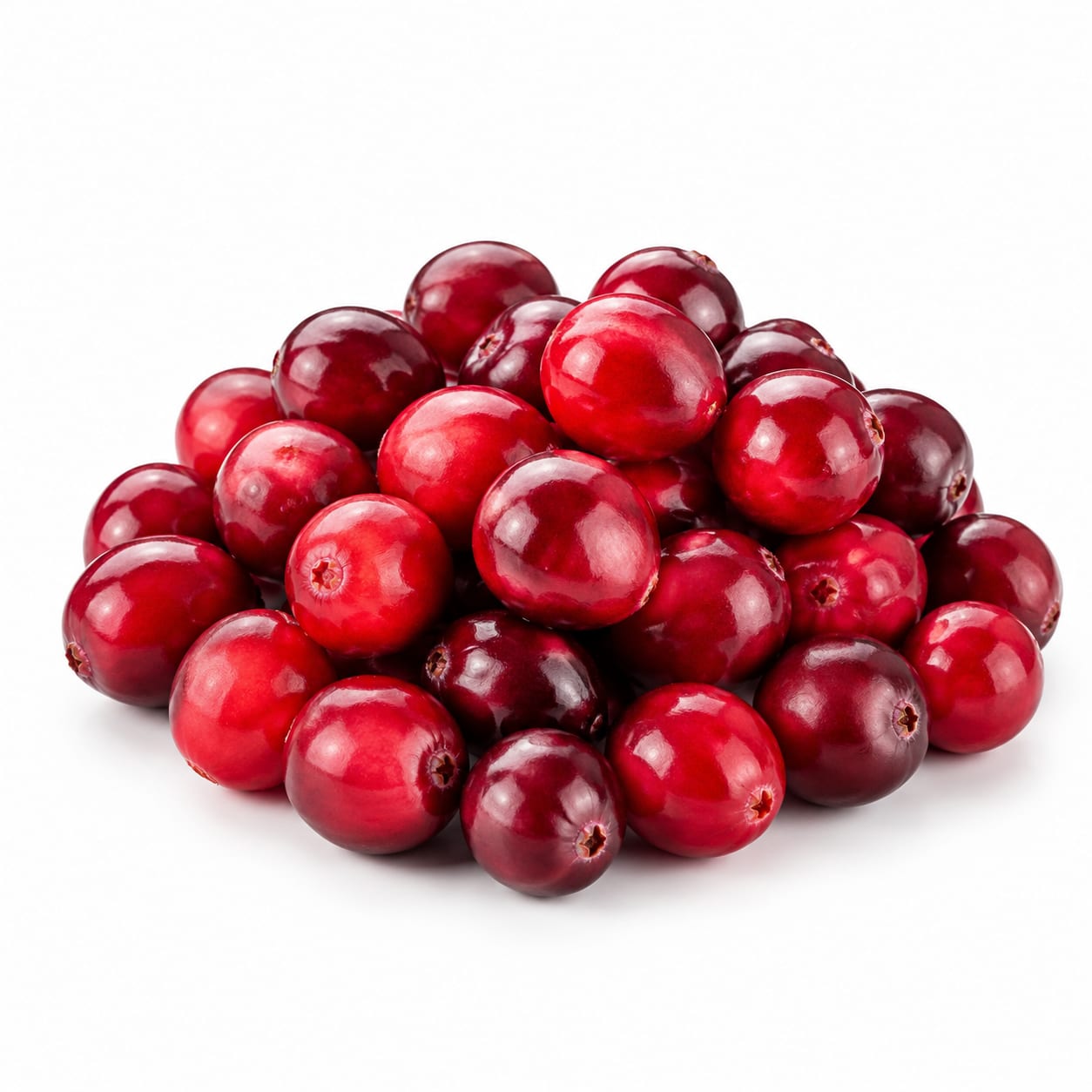
Compare with
Cranberry
Cranberries are extremely tart and lower in sugar when fresh, but blackberries offer far more dietary fiber.
Fresh cranberries are lower in sugar, but blackberries provide significantly more fiber for satiety and gut health.
This food
Blackberry
VS70% alike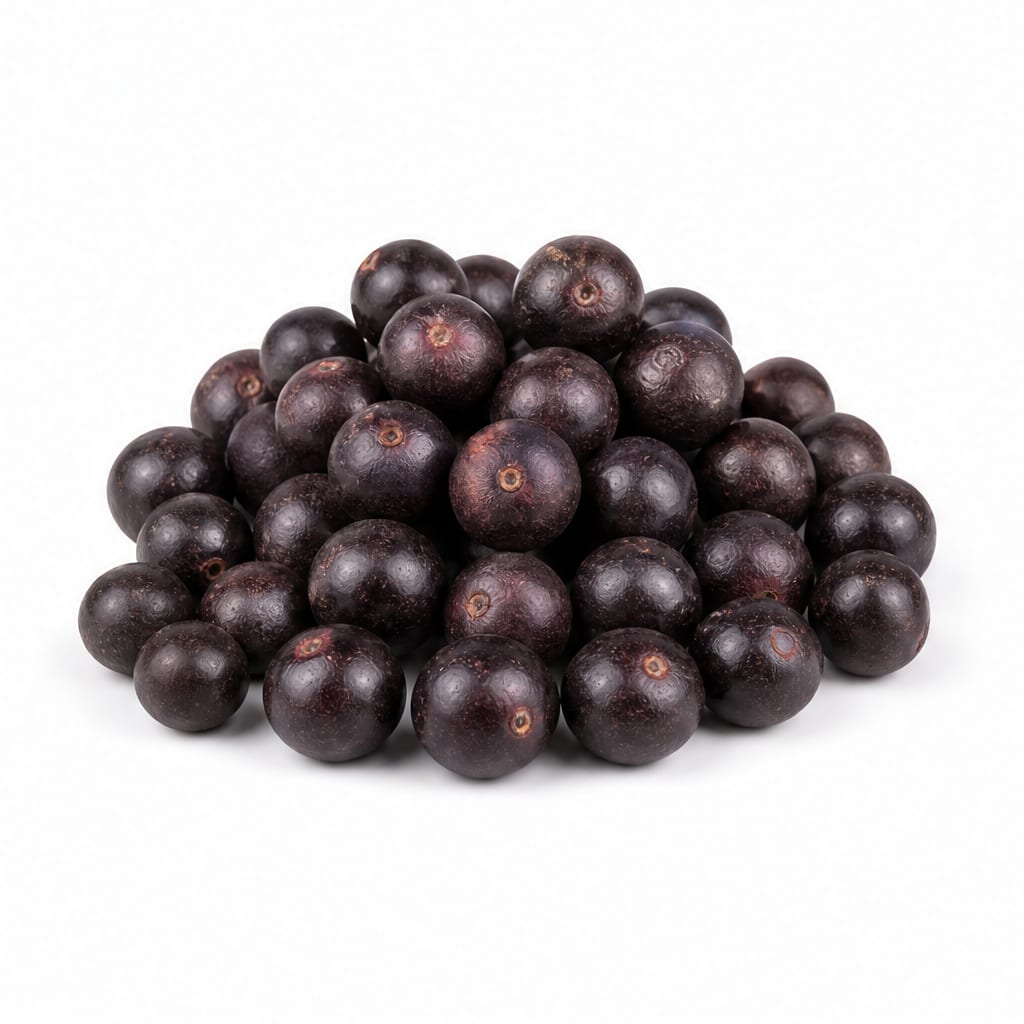
Compare with
Acai Berry
Acai is higher in healthy fats and specific antioxidants, but blackberries offer far better fiber and lower calories per serving.
Acai provides unique fats and antioxidants, but blackberries are superior for weight loss and blood sugar management due to high fiber and low calories.
This food
Blackberry
VS70% alike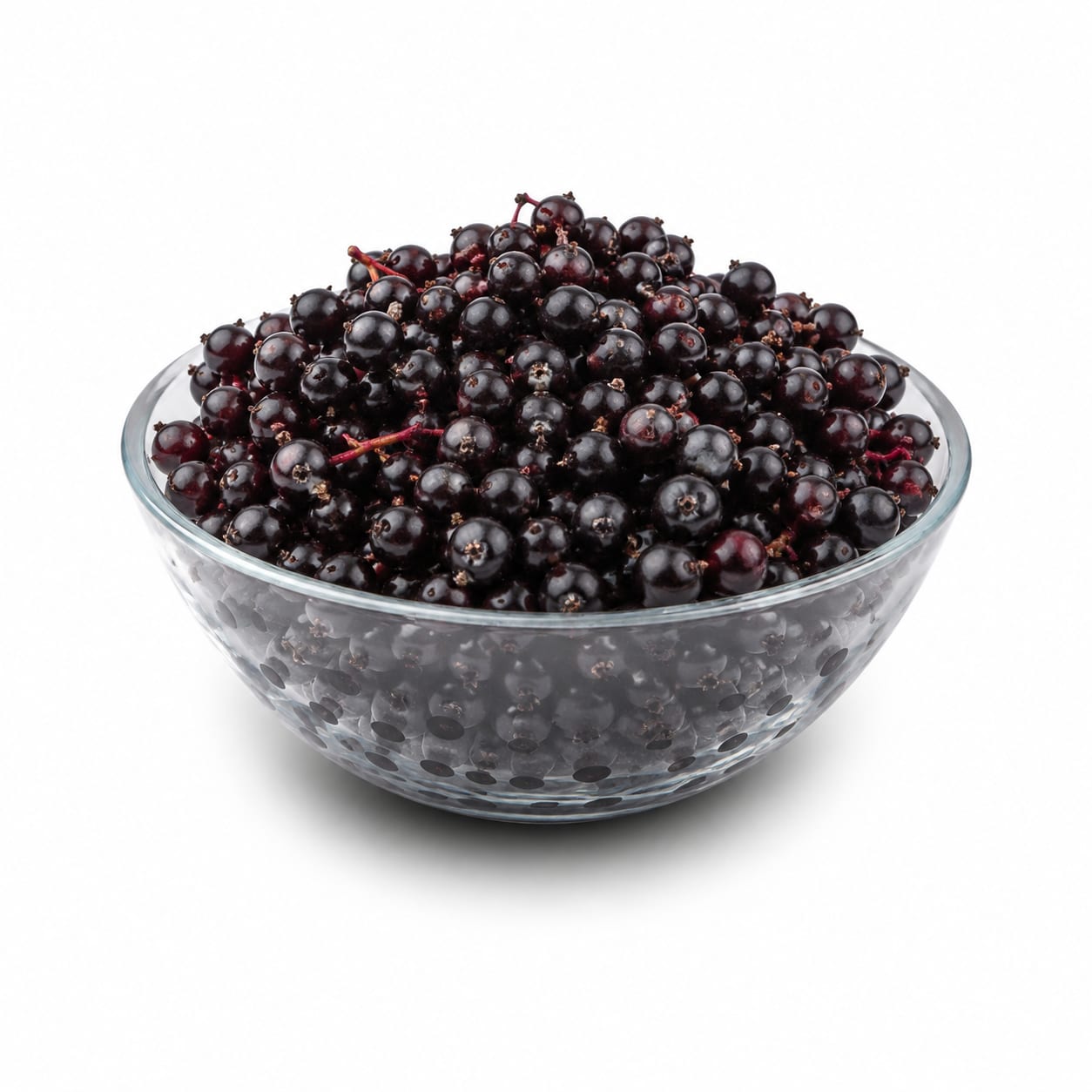
Compare with
Elderberry
Elderberries are typically consumed cooked or in syrups, while blackberries are eaten raw, retaining more vitamin C and fiber.
Blackberries are a better everyday whole food for fiber and low sugar, while elderberries are primarily used for immune support in processed forms.
This food
Blackberry
VS60% alike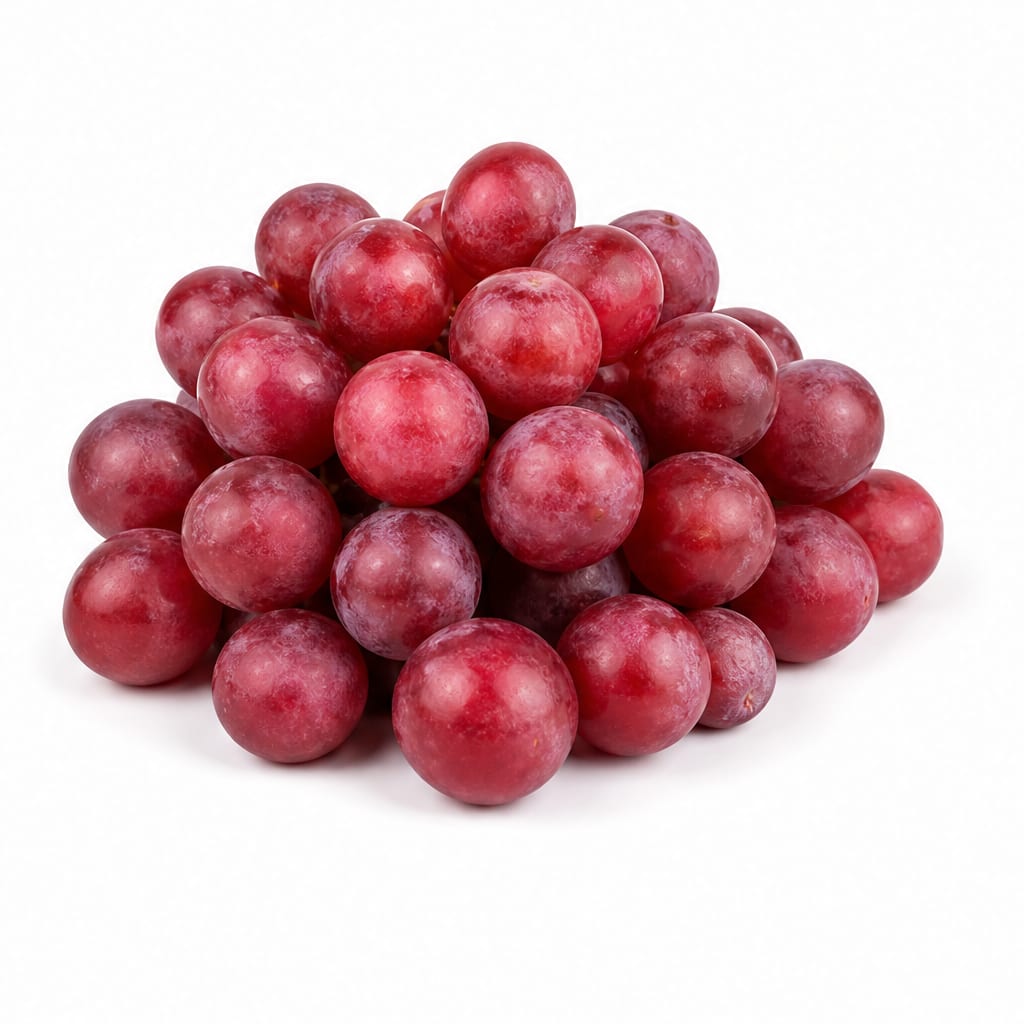
Compare with
Red Grape
Grapes are significantly higher in sugar and lower in fiber, making blackberries the clear choice for blood sugar control.
Blackberries are far superior to red grapes for weight loss and blood sugar stability due to vastly higher fiber and lower sugar content.
This food
Blackberry
VS50% alike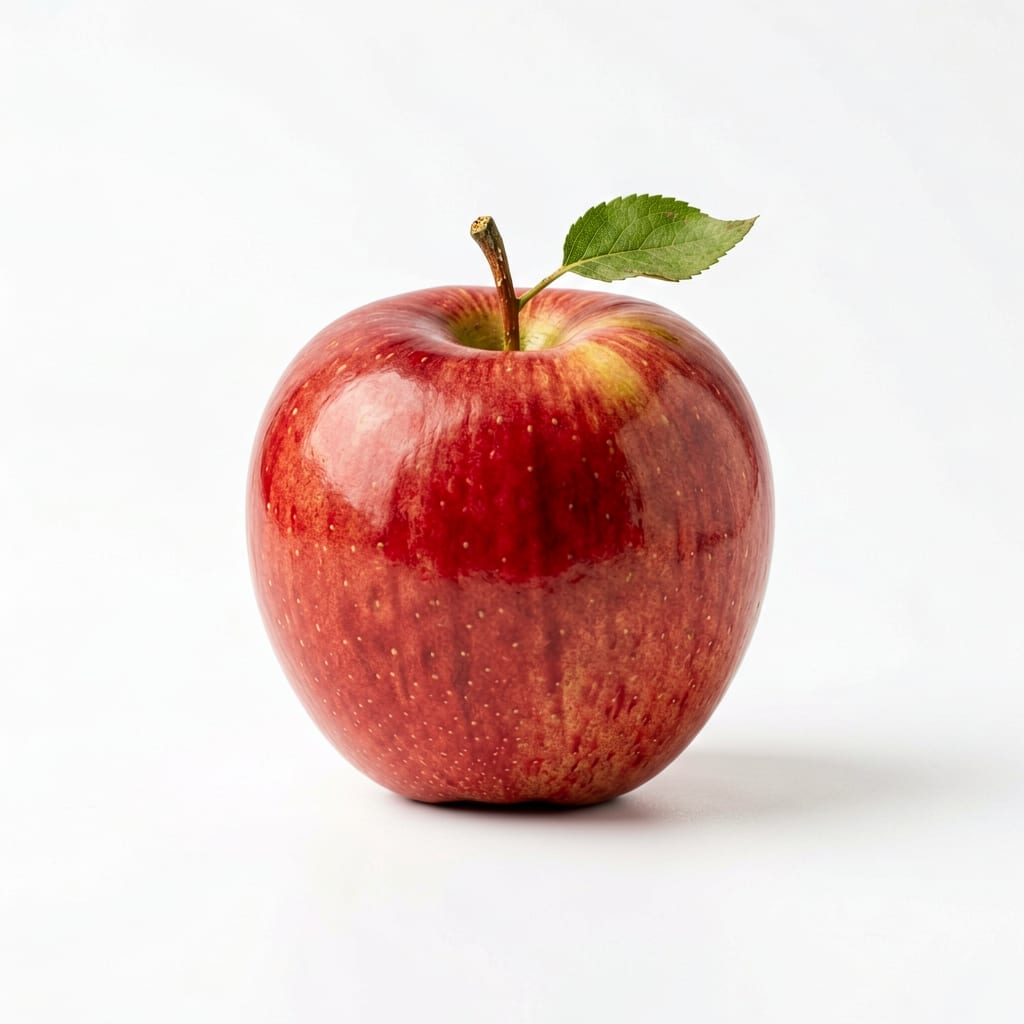
Compare with
Apple
Apples offer pectin and convenient portability, but blackberries provide double the fiber density and half the sugar per 100g.
Blackberries outperform apples in fiber density and sugar control, making them a more satiating and blood-sugar-friendly choice per calorie.
Common questions
FAQ
Answers aligned with how people search for this food.
Are blackberries good for weight loss?
Yes, blackberries are excellent for weight loss. They provide only 43 calories per 100g and contain over 5g of fiber, which increases satiety and prevents overeating.
How many net carbs are in blackberries?
There are approximately 4.9 grams of net carbs per 100g of blackberries (10.2g total carbs minus 5.3g fiber), making them one of the lowest carb fruits.
Are blackberries keto friendly?
Yes, blackberries are widely considered keto-friendly due to their low net carb content and high fiber, making them a preferred berry for strict low-carb diets.
Which berry is highest in fiber?
Blackberries and raspberries tie for the highest fiber content among common berries, both offering around 5 to 6 grams of fiber per 100g serving.
Do blackberries spike blood sugar?
No, blackberries have a very low glycemic index of 25 and a glycemic load of 3. Their high fiber content slows digestion, preventing rapid blood sugar spikes.
Are blackberries high in sugar?
No, blackberries are relatively low in sugar compared to other fruits, containing only about 4.9 grams of natural sugar per 100g serving.
What are the health benefits of blackberries?
Blackberries support gut health through high fiber, protect cells from oxidative stress via dense anthocyanins, and aid blood clotting and bone health through high vitamin K content.
Should I buy organic blackberries?
Buying organic blackberries is recommended as they frequently appear on the EWG Dirty Dozen list for high pesticide residues, and their porous skin makes washing them completely clean difficult.
Transparency
Data confidence
Estimated confidence for nutrition data, interpretation, safety notes, and comparisons.
Nutrition data
Health analysis
Food safety
Comparisons