
Nutrition comparison
Blackberry vs Apple: Which is Healthier for You?
Compare blackberries vs apples for nutrition, sugar, fiber, and weight loss. Find out which fruit is better for low-carb diets, diabetes, and everyday snacking.
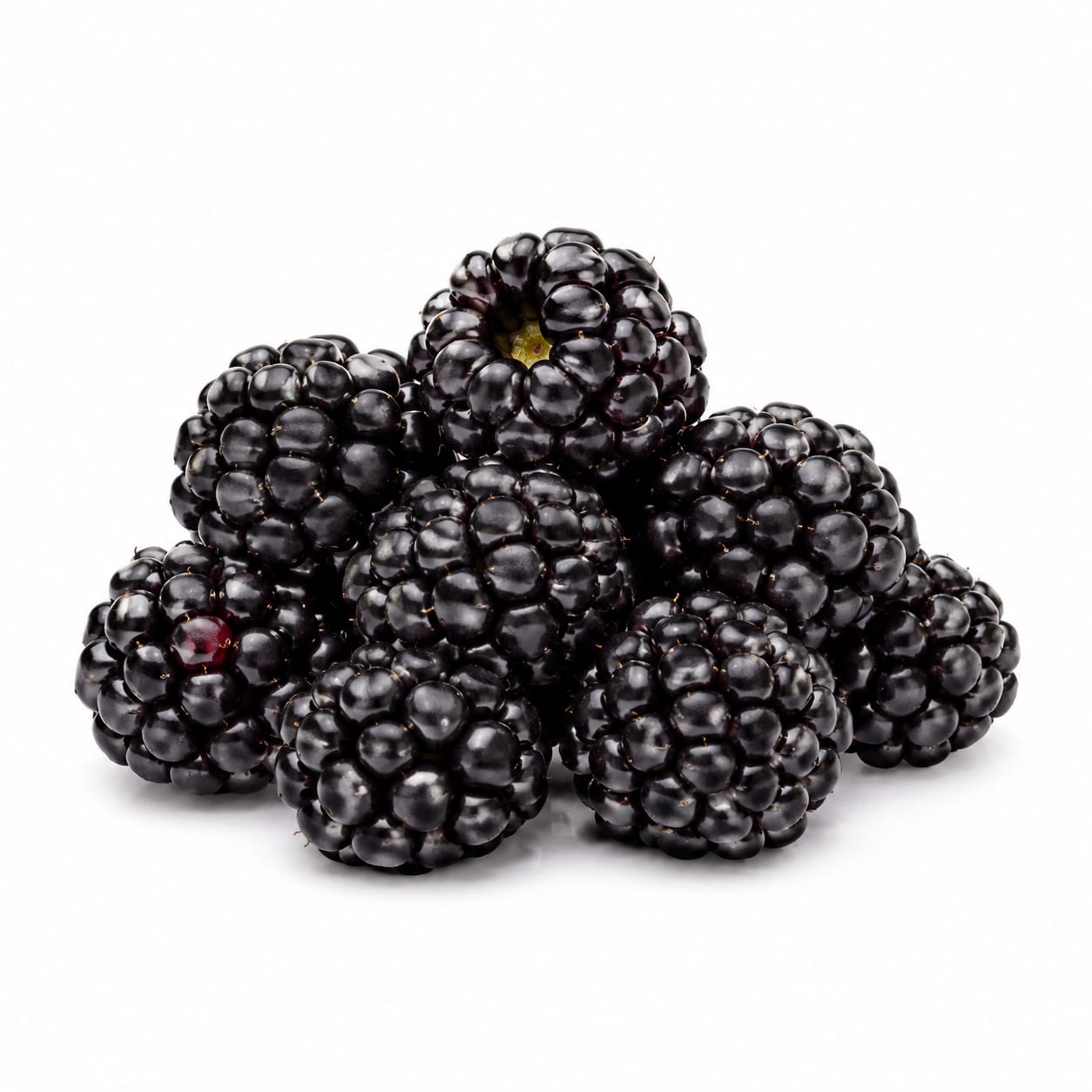
Blackberry
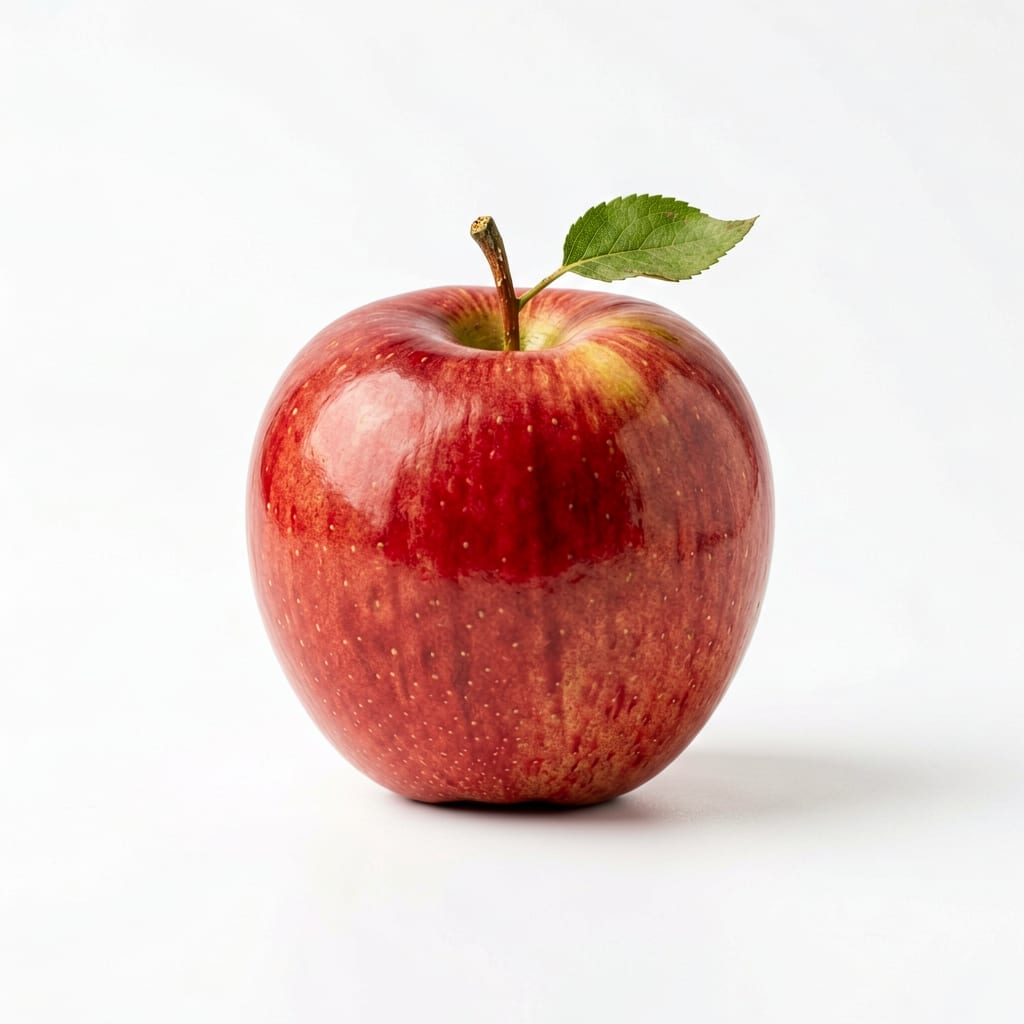
Apple
Blackberries are nutritionally superior with far less sugar, but apples are vastly more practical and affordable for daily snacking.
Blackberries score higher due to exceptional nutrient density and low sugar, but apples stay competitive because of unmatched convenience, fiber, and affordability. The close scores reflect that both are healthy, but they serve entirely different lifestyle needs.
Maximum nutrient density and low sugar versus everyday convenience, cost, and shelf stability.
At a glance
Executive summary
Overall
It depends
Healthier
Blackberry
More practical
Apple
Daily use
Apple
Key comparison lenses
Antioxidant density and anti-inflammatory benefits
Blackberries are famously rich in anthocyanins, while apples offer more modest antioxidant levels, making this a key differentiator.
Blood sugar impact and low-carb diet compatibility
Blackberries are very low in sugar compared to apples, which is crucial for keto or diabetic users.
Everyday convenience and shelf life
Apples are the ultimate grab-and-go fruit with a long shelf life, whereas blackberries are delicate and spoil quickly.
Pesticide exposure and safety
Apples consistently rank high on the Dirty Dozen list for pesticide residues, while berries also have concerns but differ in typical exposure.
Best choice for
Blackberry
- Strict low-carb or keto diets
- Managing blood sugar spikes
- Maximizing antioxidant intake
- Adding to yogurt or smoothies at home
Apple
- Busy mornings and on-the-go snacking
- Budget-friendly grocery trips
- Long-lasting fruit storage
- A mild, universally appealing flavor for kids
Least suitable for
Blackberry
- Tight grocery budgets
- Backpacking or travel snacking
- People who dislike tart flavors
Apple
- Strict low-sugar diets
- Those with severe birch pollen oral allergy syndrome
- People avoiding high-pesticide conventional produce
Deep comparison
Dimension by dimension
Each lens scores both foods and breaks down who each option suits.
- Dimension 1 · Priority 95Blackberry
Antioxidant & Micronutrient Density
Blackberry · 96Apple · 65Blackberries are an antioxidant powerhouse, vastly outperforming apples in vitamin C, vitamin K, and anthocyanins.
Tradeoff
You get significantly more immune-boosting and anti-inflammatory compounds per bite with blackberries, but you pay a premium price for them.
Why it matters
Higher antioxidant intake helps combat cellular aging and reduces inflammation, making blackberries a targeted functional food.
Real-world impact
Eating blackberries regularly can visibly support skin health and recovery from exercise better than an apple, though both are good choices.
Blackberry
- Fighting oxidative stress
- Boosting vitamin K for bone health
- Anti-aging and skin support
Better for
- Those on blood thinners who must monitor vitamin K
Worse for
Apple
- A mild-tasting way to get basic vitamins
Better for
- Situations requiring high nutrient density per calorie
Worse for
- Dimension 2 · Priority 90Blackberry
Blood Sugar & Low-Carb Fit
Blackberry · 94Apple · 62Blackberries have roughly half the sugar and carbohydrates of apples, making them far more blood-sugar friendly.
Tradeoff
Apples provide quicker energy from natural sugars, but blackberries keep your blood sugar steadier and won't trigger afternoon crashes.
Why it matters
For anyone monitoring glucose or trying to stay in ketosis, the sugar difference between these two fruits is a dealbreaker.
Real-world impact
A bowl of blackberries won't give you the sugar rush and subsequent dip that an apple can, especially on an empty stomach.
Blackberry
- Keto and low-carb lifestyles
- Diabetics managing glucose spikes
- Reducing sugar cravings
Better for
- Situations where you actually need quick carbohydrate energy
Worse for
Apple
- Pre-workout quick energy
- Hikers needing fast-acting carbs
Better for
- Insulin-resistant individuals
- Late-night snacking without spiking blood sugar
Worse for
- Dimension 3 · Priority 80It depends
Satiety & Fiber Quality
Blackberry · 85Apple · 88Apples are slightly more filling per whole fruit, while blackberries offer more fiber per calorie due to their low sugar content.
Tradeoff
An apple feels more substantial as a standalone snack, but blackberries give you more fiber density if you are watching your calorie intake.
Why it matters
Feeling full helps prevent overeating. Apples are a classic weight-loss food because they take time to chew and physically fill the stomach.
Real-world impact
Grabbing an apple will likely keep you full until your next meal, whereas blackberries are better mixed into something else to create a filling meal.
Blackberry
- Calorie-restricted diets needing high fiber
- Topping oatmeal or chia pudding
Better for
- When you need a quick, filling snack on the run
Worse for
Apple
- A standalone afternoon snack to kill hunger
- Eating whole without prep
Better for
- Those who want maximum fiber without the sugar calories
Worse for
- Dimension 4 · Priority 85Apple
Convenience & Shelf Life
Blackberry · 40Apple · 95Apples are the ultimate low-maintenance fruit, lasting weeks in the fridge, while blackberries mold within days.
Tradeoff
You can toss an apple in a bag and eat it days later, but blackberries require delicate handling, immediate refrigeration, and quick consumption.
Why it matters
The best fruit for your health is the one you actually eat. Apples' convenience makes them a reliable daily staple.
Real-world impact
Apples are perfect for a desk drawer or gym bag. Blackberries will get crushed and leak in your bag if you aren't careful.
Blackberry
- Enjoying at home as a delicate treat
Better for
- Warm environments
- Busy people who forget fruit in the fridge
Worse for
Apple
- Commuting and travel
- Packing in school lunches
- Buying in bulk without waste
Better for
- Those who prefer soft, bite-sized fruit
Worse for
- Dimension 5 · Priority 75Blackberry
Pesticide & Contamination Risk
Blackberry · 70Apple · 45Conventional apples consistently rank on the Dirty Dozen list for high pesticide residues, while blackberries are slightly less contaminated but still a concern.
Tradeoff
Apples often require peeling or buying organic to avoid chemicals, which removes beneficial fiber. Blackberries are easier to wash, but their bumpy surface can trap residues.
Why it matters
Pesticide exposure accumulates over time, and apples are one of the most commonly eaten conventional fruits with high spray rates.
Real-world impact
If you eat apples daily, opting for organic is a smart investment. Blackberries are safer conventionally but still best bought organic when possible.
Blackberry
- Slightly lower overall pesticide load
- No wax coatings to trap chemicals
Better for
- Bumpy texture makes thorough washing harder
Worse for
Apple
- Easier to peel if you want to avoid all surface chemicals
Better for
- High spray rates and potential shellac wax coatings
Worse for
Timeline
Health impact over time
Short-term
Hours to days
Blackberry
- Steady energy without a sugar crash
- Quick hydration from high water content
- Tart flavor can feel refreshing and palate-cleansing
Apple
- Moderate blood sugar rise providing quick energy
- High water volume creates immediate fullness
- Chewing crunchiness can reduce stress
Long-term
Months to years
Blackberry
- Superior anti-inflammatory benefits from anthocyanins
- Better blood sugar regulation over time
- Supports cognitive health due to high antioxidant levels
Apple
- Consistent soluble fiber intake supports heart health by lowering cholesterol
- Regular bowel movements from pectin
- Widely accessible habit that increases overall fruit consumption
Risk profile
Safety & processing
Both are whole, raw fruits. However, conventional apples often have synthetic wax applied to improve shine and shelf life, which blackberries do not have.
Blackberry
Mold and rapid spoilage
mediumBlackberries are highly perishable and can grow mold within 48 hours. One bad berry can spoil the whole container quickly.
Pesticide residue
mediumThe bumpy surface can trap pesticides, requiring thorough washing before eating.
Apple
High pesticide residue
highApples are consistently ranked in the top 5 of the EWG's Dirty Dozen list for pesticide residue, even after washing.
Shellac wax coatings
mediumConventional apples are often coated with shellac or carnauba wax to preserve moisture and shine, which can trap pesticides underneath.
Who wins for whom
Audience fit
Same foods, different winners depending on your goal.
children
AppleApples have a sweet, mild flavor and fun crunch that kids accept easily, whereas blackberries can be too tart and have seeds that kids often reject.
daily consumption
AppleApples are cheaper, last longer, and are easier to find year-round, making them a more sustainable daily habit for most people.
diabetes
BlackberryWith half the sugar and a lower glycemic load, blackberries are vastly superior for keeping blood glucose stable.
elderly
AppleApples are easier to chew if sliced, and their pectin is extremely gentle on the digestive tract, promoting regularity without irritation.
muscle gain
AppleApples provide more readily available carbohydrates that can fuel workouts and aid glycogen replenishment post-exercise.
weight loss
BlackberryBlackberries offer more fiber and volume for far fewer calories and sugar, making it easier to stay in a deficit without cravings.
Your move
Decision guide
Choose Blackberry
- You are tracking your sugar or carb intake closely
- You want a nutrient-dense topping for yogurt, oatmeal, or salads
- You are willing to pay more for superior antioxidant benefits
Choose Apple
- You need a durable, portable snack for work or travel
- You are on a budget and need affordable weekly fruit
- You want something filling that requires zero prep
Either works if
- You just want to hit your daily fruit serving
- You are looking for a whole-food dessert alternative
Avoid both if
- You have a severe fructose intolerance
- You are on a strict carnivore diet
Final recommendation
Keep apples on the counter for everyday grab-and-go snacking, but splurge on blackberries when you want a low-sugar, nutrient-packed boost. Mixing both gives you the best of both worlds: the convenience and filling fiber of an apple, plus the antioxidant power and low sugar of blackberries.
Practical
Consumer tips
- 1
Buy organic apples whenever possible to avoid high pesticide loads and wax coatings.
- 2
Do not wash blackberries until right before you eat them; moisture accelerates mold growth.
- 3
Freeze blackberries immediately if you won't eat them within two days—they make excellent smoothie additions.
- 4
If you peel conventional apples to avoid wax and pesticides, you lose half the fiber, so buying organic is the better move.
- 5
Pair an apple with a handful of nuts or peanut butter to blunt the blood sugar spike and keep hunger at bay longer.