
Nutrition comparison
Raspberry vs Blackberry: Nutrition Comparison, Health Benefits & Which to Choose
Raspberries vs blackberries compared on fiber, sugar, antioxidants, vitamins, and practical use. Find out which berry fits your health goals, diet, and lifestyle better.
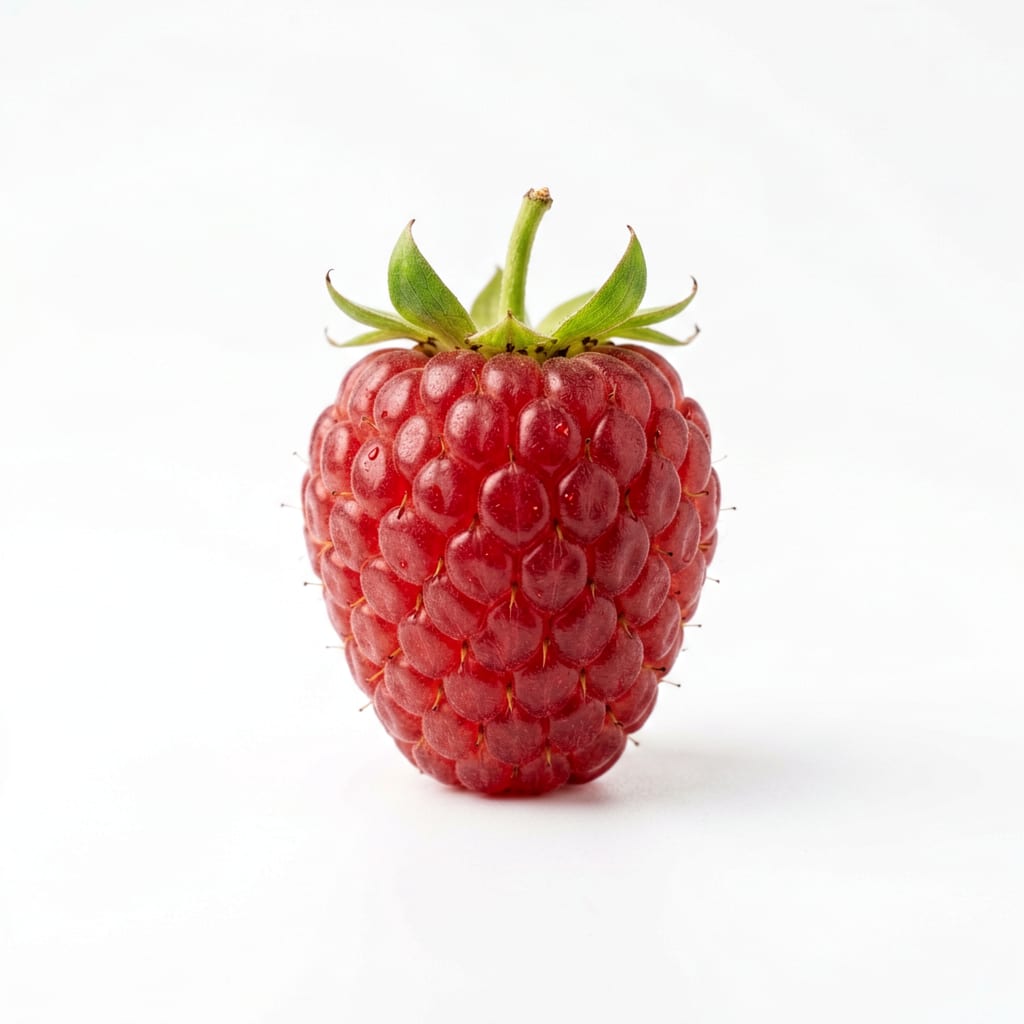
Raspberry
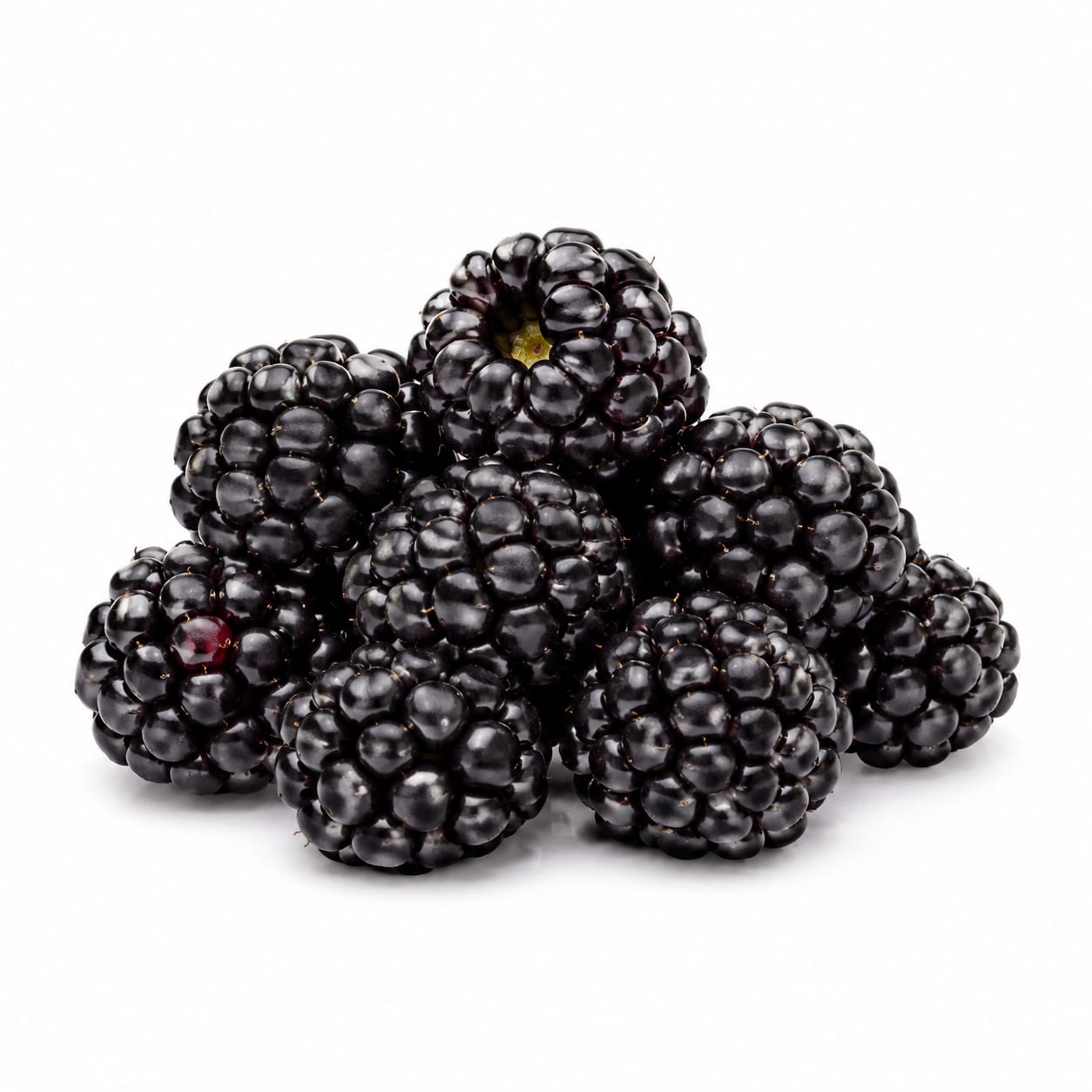
Blackberry
Raspberries win on fiber and vitamin E; blackberries win on vitamin K and deep anthocyanin antioxidants. The gap is small enough that preference and price should decide.
Raspberries score slightly higher due to their exceptional fiber density and lower sugar, but blackberries are so close that personal taste and price should guide the final pick.
Raspberries give you more fiber per bite and a tart brightness, while blackberries offer richer antioxidant depth and a sweeter, more satisfying mouthfeel.
At a glance
Executive summary
Overall
It depends
Healthier
It depends
More practical
Blackberry
Daily use
It depends
Key comparison lenses
antioxidant profile difference
Raspberries excel in ellagic acid while blackberries dominate in anthocyanins, making antioxidant type the key differentiator
fiber density for satiety
Both are fiber powerhouses but raspberries edge ahead, which matters for fullness and blood sugar control
sugar content and keto compatibility
Users comparing berries often care about carb counts for low-carb or keto diets
pesticide exposure risk
Both berries are thin-skinned and rank high for pesticide residue, making organic choice relevant
taste and culinary versatility
Raspberries are tart and delicate while blackberries are sweeter and sturdier, affecting how people actually use them
Best choice for
Raspberry
- Maximizing fiber intake for digestion and fullness
- Lowest possible sugar among common fruits
- Vitamin E and manganese support
- Adding tart flavor to yogurt, oatmeal, or salads
Blackberry
- Boosting vitamin K for bone and blood health
- Deep purple anthocyanin antioxidant protection
- A sweeter berry experience without much added sugar
- Baking and cooking where sturdier fruit holds up better
Least suitable for
Raspberry
- People who find very tart fruit unappealing
- Recipes needing a berry that holds its shape when heated
- Budget-conscious shoppers during off-season
Blackberry
- Those strictly minimizing even natural fruit sugar
- People on blood-thinning medications who must limit vitamin K
- Anyone sensitive to small seeds in texture
Deep comparison
Dimension by dimension
Each lens scores both foods and breaks down who each option suits.
- Dimension 1 · Priority 93Raspberry
fiber_and_satiety
Raspberry · 94Blackberry · 86Raspberries deliver 8g of fiber per cup versus 7g in blackberries, making them one of the highest-fiber fruits available.
Tradeoff
That extra gram of fiber in raspberries means slightly more fullness per serving, but blackberries still outperform most other fruits.
Why it matters
Fiber is the single most underrated nutrient for weight management, blood sugar stability, and gut health. Every extra gram counts.
Real-world impact
A cup of raspberries with breakfast keeps you fuller longer than almost any other fruit, reducing the urge to snack before lunch.
Raspberry
- People trying to hit 25-30g fiber daily without supplements
- Anyone managing hunger between meals
- Those with sluggish digestion needing a gentle boost
Better for
Blackberry
- People who want good fiber but prefer a sweeter taste experience
Better for
- Dimension 2 · Priority 87Raspberry
sugar_and_carb_load
Raspberry · 91Blackberry · 82Raspberries contain only about 5g of sugar per cup compared to 7g in blackberries, making them the lower-carb choice.
Tradeoff
Blackberries are still low-sugar by fruit standards, but the difference matters on strict keto or very-low-carb plans.
Why it matters
Even natural fruit sugar adds up. For insulin-sensitive individuals, every 2g reduction per serving compounds over a day.
Real-world impact
On a keto diet, raspberries let you enjoy a full cup of fruit while staying comfortably within carb limits. Blackberries require slightly more portion awareness.
Raspberry
- Strict keto or very-low-carb dieters
- People monitoring blood sugar closely
- Anyone trying to minimize sugar while maximizing volume
Better for
Blackberry
- People who find raspberries too tart and would end up adding sweetener anyway
Better for
- Those counting every carb gram on a strict protocol
Worse for
- Dimension 3 · Priority 90Blackberry
antioxidant_diversity
Raspberry · 82Blackberry · 90Blackberries are richer in anthocyanins that give them their deep purple color, while raspberries lead in ellagic acid. Both are antioxidant stars, but blackberries have a broader profile.
Tradeoff
Raspberries offer a unique ellagic acid advantage linked to anti-cancer research, but blackberries provide more total antioxidant capacity per serving.
Why it matters
Different antioxidants protect different systems. Anthocyanins support brain and heart health, while ellagic acid has promising anti-inflammatory and cellular defense properties.
Real-world impact
Eating blackberries regularly is like adding deep purple armor for your brain and blood vessels. Raspberries add a more targeted cellular defense layer.
Raspberry
- People specifically interested in ellagic acid research
- Those wanting anti-inflammatory variety beyond anthocyanins
Better for
- Those relying on a single berry for broad antioxidant coverage
Worse for
Blackberry
- Brain health and cognitive aging concerns
- Cardiovascular protection priority
- People who do not eat other purple/blue foods regularly
Better for
- Dimension 4 · Priority 78Blackberry
vitamin_and_mineral_profile
Raspberry · 79Blackberry · 85Blackberries deliver significantly more vitamin K and vitamin C per cup, while raspberries provide more manganese and vitamin E.
Tradeoff
Vitamin K is critical for bone health and blood clotting but can interact with blood thinners. Manganese supports metabolism but is easier to get from other sources.
Why it matters
If you have a vitamin K gap in your diet, blackberries are an excellent fix. If you need metabolic and skin support, raspberries edge ahead.
Real-world impact
A cup of blackberries covers over a third of your daily vitamin K needs, which matters for bone density as you age. Raspberries give you a solid manganese boost for energy metabolism.
Raspberry
- People on warfarin or blood thinners who must limit vitamin K
- Those wanting extra manganese for metabolic support
Better for
- Those who need a vitamin K boost
Worse for
Blackberry
- Older adults concerned about bone density
- Anyone with low vitamin K intake from leafy greens
- People wanting more immune-supporting vitamin C
Better for
- People on anticoagulant medications
Worse for
- Dimension 5 · Priority 75Blackberry
culinary_versatility_and_practicality
Raspberry · 72Blackberry · 83Blackberries are sturdier, sweeter, and hold up better in baking and cooking. Raspberries are delicate and tart, best used fresh or as a garnish.
Tradeoff
Raspberries offer a bright, elegant tartness that elevates desserts and breakfasts visually, but they crush and spoil easily. Blackberries are more forgiving.
Why it matters
The best berry nutritionally is the one you actually eat consistently. If a fruit is frustrating to store or cook with, it ends up wasted.
Real-world impact
Blackberries survive a lunchbox, a muffin batter, and three days in the fridge. Raspberries need gentle handling and same-day use for best quality.
Raspberry
- Raw applications like topping yogurt or salads
- Visual presentation for entertaining
- Making quick jams where tartness is desired
Better for
- Meal prep scenarios requiring several days of storage
- Baking where fruit integrity matters
Worse for
Blackberry
- Baking into muffins, pies, or crisps
- Packing in lunches or on-the-go snacks
- Smoothies where a sweeter base reduces need for added sugar
Better for
Timeline
Health impact over time
Short-term
Hours to days
Raspberry
- High fiber quickly stabilizes blood sugar after meals
- Tart flavor satisfies sweet cravings without a sugar spike
- Can cause mild bloating if you eat a large amount on a low-fiber diet
Blackberry
- Natural sweetness provides a satisfying dessert-like experience without guilt
- Vitamin C supports immediate immune response
- Slightly higher sugar may cause a small insulin response in very sensitive individuals
Long-term
Months to years
Raspberry
- Consistent fiber intake supports gut microbiome diversity over months and years
- Ellagic acid may contribute to reduced cellular damage and inflammation
- Very low sugar intake helps maintain insulin sensitivity long-term
Blackberry
- Anthocyanin accumulation supports cognitive preservation with aging
- Vitamin K contributes to sustained bone mineral density
- Broad antioxidant intake reduces oxidative stress markers over time
Risk profile
Safety & processing
Both raspberries and blackberries are whole, unprocessed fruits. Fresh or frozen, they contain no additives. The only concern is pesticide residue on conventional versions, not processing.
Raspberry
pesticide_residue
highRaspberries consistently rank on the EWG Dirty Dozen list due to their thin, delicate skin that absorbs and retains pesticides. Buying organic significantly reduces exposure.
mold_and_spoilage
mediumRaspberries are highly perishable and can develop mold within 1-2 days. Inspect containers carefully and consume quickly.
foodborne_illness
lowAs with all raw produce, rinse before eating. Outbreaks are rare but possible from contaminated irrigation water.
Blackberry
pesticide_residue
highBlackberries share the same pesticide vulnerability as raspberries due to thin skin and growing conditions. Organic is strongly recommended.
mold_and_spoilage
mediumBlackberries spoil faster than most fruit but last slightly longer than raspberries. Refrigerate immediately and use within 3-4 days.
foodborne_illness
lowStandard produce washing eliminates most risk. No unusual contamination patterns compared to other berries.
Who wins for whom
Audience fit
Same foods, different winners depending on your goal.
children
BlackberryBlackberries are sweeter and their larger size is easier for small hands to hold. Kids are more likely to eat them willingly.
daily consumption
It dependsRotating both provides the broadest antioxidant and nutrient coverage. Eating only one misses the unique compounds the other offers.
diabetes
RaspberryFewer carbs and less sugar per serving make raspberries the safer choice for blood glucose management, though both are diabetes-friendly.
elderly
BlackberryVitamin K in blackberries supports bone density, and anthocyanins protect cognitive function, both critical concerns with aging.
muscle gain
It dependsNeither berry is a protein source. Both offer antioxidants that support recovery, but the difference is negligible for muscle goals.
weight loss
RaspberryLower sugar and higher fiber per cup means more volume and fullness for fewer calories and carbs.
Your move
Decision guide
Choose Raspberry
- You want maximum fiber with minimum sugar
- You are on a keto or very-low-carb eating plan
- You love tart, bright flavors in yogurt, oatmeal, or salads
- You are on blood-thinning medication and need to limit vitamin K
- You eat other purple foods regularly and want antioxidant variety
Choose Blackberry
- You want a sweeter berry that satisfies without added sugar
- Bone health and vitamin K intake are priorities
- You bake with berries or need fruit that holds up in recipes
- You want brain-protective anthocyanins and do not eat many purple foods
- You need a sturdier berry for meal prep or lunchboxes
Either works if
- You simply want a low-calorie, high-antioxidant fruit snack
- You are rotating berries for broad phytonutrient coverage
- Price and seasonal availability are your main decision factors
- You are making a mixed berry smoothie or fruit salad
Avoid both if
- You have a salicylate sensitivity, as both berries are moderately high in salicylates
- You are on a strict FODMAP elimination phase, as excess portions may trigger symptoms
Final recommendation
Eat both. Raspberries and blackberries complement each other nutritionally more than they compete. Raspberries give you unmatched fiber and ellagic acid; blackberries deliver deeper anthocyanins and vitamin K. If budget forces a choice, pick whichever is fresher and more affordable that week. If you must choose one for daily use, raspberries have a slight edge for metabolic health, while blackberries have a slight edge for longevity and brain health. The best answer is a mixed bowl.
Practical
Consumer tips
- 1
Buy organic for both berries whenever possible. Their thin skins make them among the most pesticide-contaminated fruits.
- 2
Frozen berries retain nearly all their nutrients and are far more affordable year-round. Choose unsweetened frozen versions.
- 3
Rinse berries right before eating, not before storing. Pre-rinsing accelerates mold growth.
- 4
Store berries in a single layer on a paper towel in the fridge to extend freshness by 1-2 days.
- 5
Check frozen blackberry and raspberry bags for added sugar in the ingredient list. It should list only the fruit.
- 6
Mix both into a single smoothie with spinach and protein powder for a nutrient-dense meal that covers your antioxidant bases.
- 7
If raspberries are too tart for you, try freezing them first. Freezing mellows the tartness slightly.