
Nutrition comparison
Blackberry vs Red Grape: Which Fruit Is Healthier for Daily Snacking?
Blackberries deliver 4x the fiber and one-third the sugar of red grapes. Compare nutrition, blood sugar impact, antioxidants, and real-world snacking behavior to choose the right fruit for your goals.
Overall winner · Blackberry
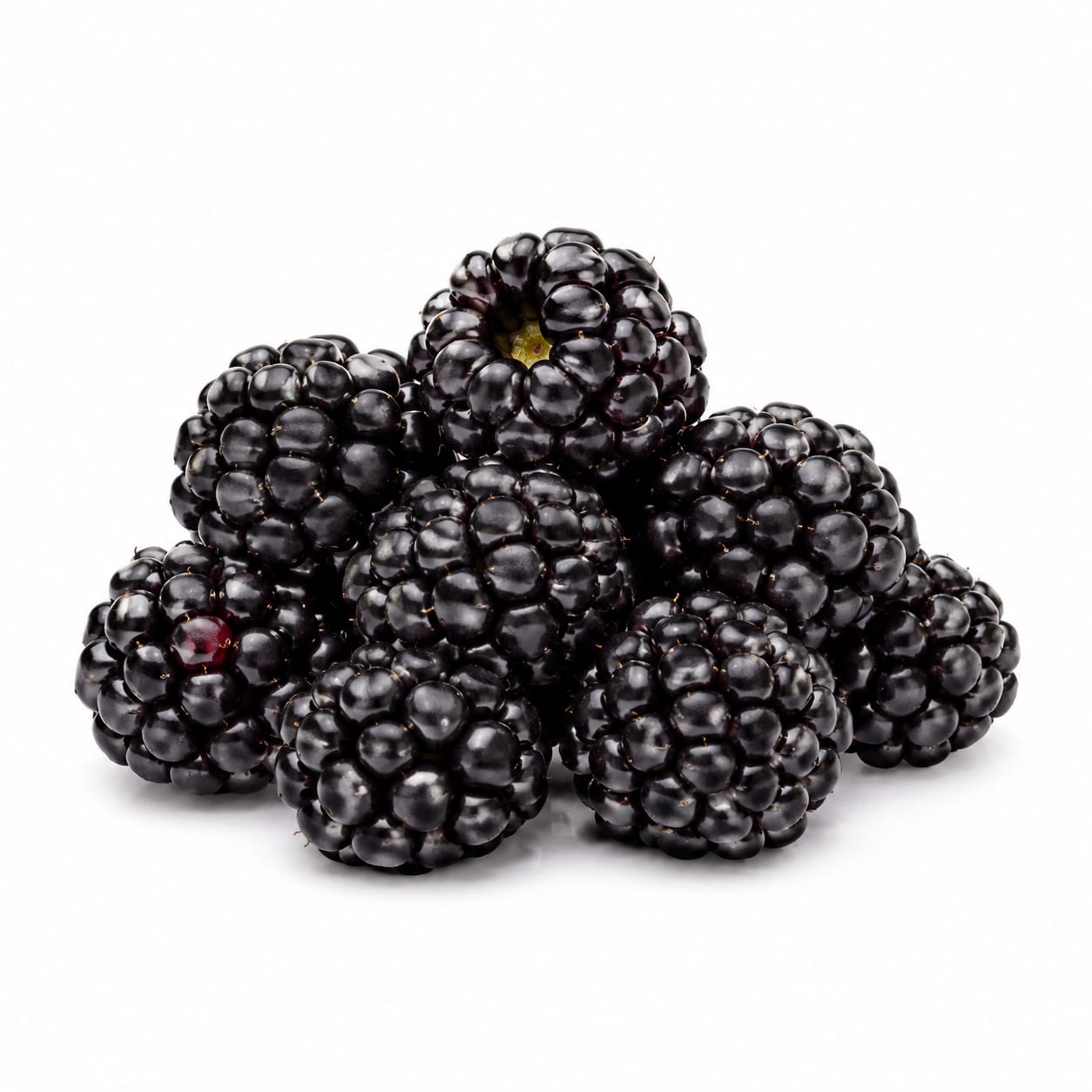
Blackberry
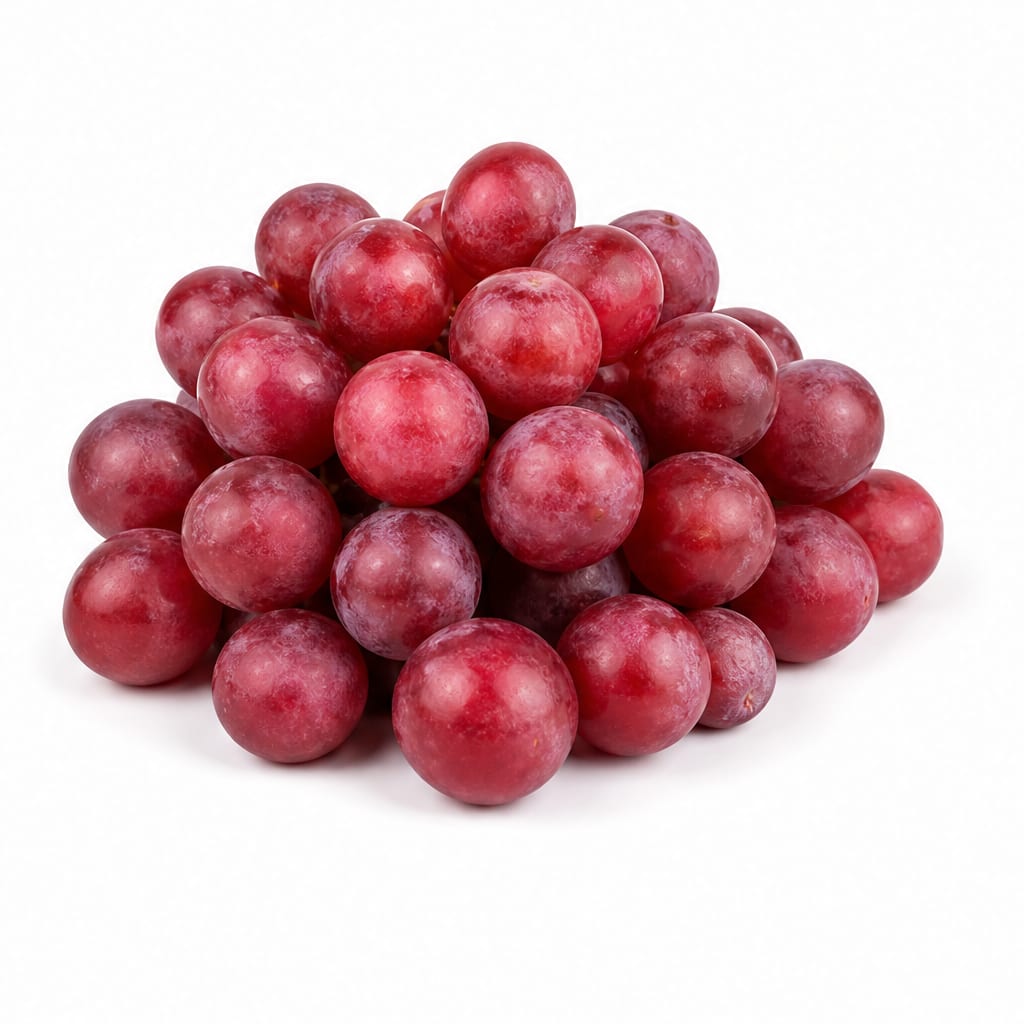
Red Grape
Blackberries win on blood sugar control, fiber, and satiety. Red grapes win on convenience and resveratrol, but their high sugar makes them easier to overeat.
Blackberries score significantly higher due to superior fiber, lower sugar, and better blood sugar stability. Red grapes lose ground on sugar density and overeating potential, though they remain a whole food with genuine benefits.
Blackberries give you steadier energy and more fullness per calorie. Red grapes are more convenient and contain unique resveratrol, but their sugar load can spike blood glucose and trigger cravings.
At a glance
Executive summary
Overall
Blackberry
Healthier
Blackberry
More practical
Red Grape
Daily use
Blackberry
Key comparison lenses
sugar and blood control
Red grapes have roughly 3x the sugar of blackberries, making glycemic impact the most critical differentiator
fiber and satiety
Blackberries deliver nearly 4x the fiber, dramatically affecting fullness and overeating risk
weight management
Calorie and sugar density differ significantly, impacting portion control and daily intake
antioxidant diversity
Both are antioxidant powerhouses but through different compounds — anthocyanins vs resveratrol
snack convenience
Red grapes are easier to eat on-the-go; blackberries are more delicate and perishable
Best choice for
Blackberry
- People managing diabetes or insulin resistance
- Anyone trying to lose weight without feeling deprived
- Those who snack mindlessly and need a food that self-limits
- Low-carb or keto-friendly fruit seekers
Red Grape
- Athletes needing quick natural energy post-workout
- Busy people wanting a no-prep portable snack
- Children who reject tart flavors
- Anyone seeking heart-protective resveratrol
Least suitable for
Blackberry
- People who find tart flavors unpleasant
- Anyone needing calorie-dense fuel for weight gain
- Those wanting a shelf-stable desk snack
Red Grape
- People with blood sugar concerns or prediabetes
- Anyone prone to eating fruit in large quantities without stopping
- Strict low-carb dieters
Deep comparison
Dimension by dimension
Each lens scores both foods and breaks down who each option suits.
- Dimension 1 · Priority 95Blackberry
Blood Sugar Stability
Blackberry · 90Red Grape · 45Blackberries have roughly 7g sugar per cup versus 23g in red grapes. That 3x difference means grapes can cause noticeable blood sugar spikes.
Tradeoff
You give up the quick energy burst from grapes but avoid the crash and cravings that follow.
Why it matters
Blood sugar roller coasters drive hunger, fatigue, and long-term metabolic damage. Steady glucose means steadier mood and energy.
Real-world impact
A cup of blackberries feels like a light, satisfying snack. A cup of grapes can disappear in minutes and leave you reaching for more food an hour later.
Blackberry
- Diabetics and prediabetics
- Afternoon desk snackers who want to avoid energy crashes
- Intermittent fasters breaking a fast gently
Better for
- Situations requiring rapid carbohydrate replenishment
Worse for
Red Grape
- Endurance athletes mid-run or post-workout
- Hikers needing fast-acting fuel
Better for
- Late-night snacking when blood sugar should stay low
- Anyone already struggling with sugar cravings
Worse for
- Dimension 2 · Priority 90Blackberry
Fiber and Satiety
Blackberry · 92Red Grape · 35Blackberries pack about 8g fiber per cup. Red grapes deliver only 1.4g. This is one of the largest fiber gaps between any two berries.
Tradeoff
Blackberries fill you up fast and slow digestion. Grapes are easy to keep eating well past a reasonable portion.
Why it matters
Fiber is the single biggest predictor of whether a snack satisfies or triggers overeating. Low-fiber fruit can behave more like candy in your body.
Real-world impact
You can easily eat three cups of grapes without feeling full — that is 70g of sugar. Three cups of blackberries would be genuinely difficult to finish and still only 21g sugar.
Blackberry
- Weight loss diets where satiety matters
- People who snack while watching TV and need built-in portion control
Better for
- Anyone with severe IBS who reacts to high-fiber seeds
Worse for
Red Grape
- Children or elderly who need softer, easier-to-digest food
Better for
- Constipation-prone individuals who need fiber to stay regular
Worse for
- Dimension 3 · Priority 80It depends
Antioxidant Profile
Blackberry · 85Red Grape · 80Blackberries are rich in anthocyanins, ellagic acid, and vitamin C. Red grapes are the best common source of resveratrol, a unique heart-protective compound.
Tradeoff
Blackberries offer broader antioxidant coverage. Grapes offer a single high-impact compound you cannot easily get elsewhere.
Why it matters
Different antioxidants protect different systems. Resveratrol specifically supports cardiovascular health and cellular aging. Anthocyanins support brain and vascular function more broadly.
Real-world impact
If you already eat berries regularly, grapes add unique value through resveratrol. If you rarely eat any berries, blackberries give you more total antioxidant bang per bite.
Blackberry
- Brain health and cognitive aging support
- General anti-inflammatory coverage
Better for
- Missing out on resveratrol unless you also eat grapes or drink red wine
Worse for
Red Grape
- Heart-specific protection
- Cellular longevity and anti-aging protocols
Better for
- Lower total antioxidant capacity per serving compared to blackberries
Worse for
- Dimension 4 · Priority 85Blackberry
Calorie and Sugar Density
Blackberry · 88Red Grape · 42Blackberries deliver about 62 calories and 7g sugar per cup. Red grapes hit 104 calories and 23g sugar per cup. Grapes are over three times sweeter per serving.
Tradeoff
Grapes taste more rewarding in the moment but cost more metabolically. Blackberries require appreciating tartness over sweetness.
Why it matters
Sugar density determines whether a food supports or sabotages your daily limits. Most people already exceed recommended sugar intake.
Real-world impact
Two cups of grapes is 46g sugar — nearly the daily upper limit for added sugars, and these are natural sugars that still count metabolically.
Blackberry
- Daily unrestricted snacking
- Anyone tracking macros or calories
Better for
- Recovering from intense exercise when you need fast glycogen
Worse for
Red Grape
- Active teenagers burning through carbohydrates
- Underweight individuals needing calorie-dense whole foods
Better for
- Anyone who has been told to reduce sugar intake by a doctor
Worse for
- Dimension 5 · Priority 70Red Grape
Convenience and Practicality
Blackberry · 45Red Grape · 85Grapes are sturdy, portable, and require no careful handling. Blackberries are fragile, mold quickly, and bruise in transit.
Tradeoff
You get superior nutrition from blackberries but must handle them like delicate produce. Grapes are the reliable commuter snack.
Why it matters
The healthiest food only works if you actually eat it. Perishability and inconvenience are real barriers to consistent healthy choices.
Real-world impact
Grapes can sit in a lunch bag for hours. Blackberries turn mushy and leak juice by noon unless kept cold.
Blackberry
- Home snacking with refrigeration nearby
- Adding to yogurt or oatmeal where texture matters
Better for
- Hot car commutes
- Backpacking or outdoor adventures
Worse for
Red Grape
- Road trips and travel
- Office fruit bowls
- Kids lunchboxes
Better for
- Situations where you want to feel full and stop eating
Worse for
Timeline
Health impact over time
Short-term
Hours to days
Blackberry
- Steady energy without sugar crash
- Quick feeling of fullness from fiber
- Mild digestive stimulation from seeds and fiber
Red Grape
- Rapid energy boost from natural sugars
- Easy to overconsume before feeling full
- Possible blood sugar spike followed by mild crash within an hour
Long-term
Months to years
Blackberry
- Better insulin sensitivity from consistent low-glycemic fruit intake
- Improved gut microbiome diversity from high fiber
- Reduced systemic inflammation from anthocyanins
Red Grape
- Cardiovascular protection from resveratrol if consumed regularly
- Potential weight gain if portions are not controlled
- Antioxidant benefits may be offset by high sugar intake if overconsumed
Risk profile
Safety & processing
Both are whole, unprocessed fruits. Neither contains additives when purchased fresh. The main concern is pesticide residue — both frequently appear on the EWG Dirty Dozen list, so organic is worthwhile for both.
Blackberry
Pesticide residue
mediumBlackberries often retain pesticide residue due to their delicate skin and many crevices. Washing helps but cannot remove all traces. Organic significantly reduces exposure.
Mold and spoilage
mediumBlackberries mold rapidly, sometimes within 1-2 days of purchase. Mold can produce mycotoxins. Inspect carefully and discard any soft or fuzzy berries.
Red Grape
Pesticide residue
highGrapes consistently rank among the most pesticide-contaminated fruits. Non-organic grapes can carry multiple pesticide residues. Peeling is impractical, so organic is strongly recommended.
Choking hazard for young children
mediumWhole grapes are a leading choking hazard for children under 4. Always cut grapes lengthwise before serving to toddlers.
Who wins for whom
Audience fit
Same foods, different winners depending on your goal.
children
Red GrapeKids prefer the sweet taste and easy-to-eat texture of grapes. Blackberries tartness and seeds often get rejected by picky eaters.
daily consumption
BlackberryThe fiber, low sugar, and broad antioxidant profile make blackberries a safer daily staple. Grapes are fine daily in strict moderation but risk excess sugar intake.
diabetes
BlackberryWith 3x less sugar and 6x more fiber per cup, blackberries have a dramatically lower glycemic impact and will not spike blood glucose.
elderly
It dependsBlackberries support digestion and blood sugar control, which matters for older adults. But grapes are softer and easier to chew for those with dental issues.
muscle gain
Red GrapePost-workout, the fast-digesting sugars in grapes help replenish glycogen faster than the fiber-slowed carbohydrates in blackberries.
weight loss
BlackberryHigh fiber and low sugar make blackberries naturally portion-controlled and satiating. Grapes are easy to overeat due to low fiber and high sweetness.
Your move
Decision guide
Choose Blackberry
- You want a snack that fills you up without spiking blood sugar
- You are managing diabetes, prediabetes, or insulin resistance
- You tend to eat fruit mindlessly and need something that self-limits
- You want maximum nutrition per calorie consumed
Choose Red Grape
- You need quick energy before or after exercise
- You want a portable snack that survives a lunch bag without refrigeration
- You are feeding children who reject tart flavors
- You specifically want resveratrol for heart health and do not consume red wine
Either works if
- You want antioxidant-rich whole fruit and are not concerned about sugar
- You enjoy variety and rotate fruits throughout the week
- You are at a healthy weight with normal blood sugar and no metabolic concerns
Avoid both if
- You have a severe salicylate sensitivity
- You are on a very strict ketogenic diet with minimal carb allowance
- You have FODMAP sensitivity and react to fructose — both contain moderate amounts
Final recommendation
Make blackberries your default daily berry for their fiber, low sugar, and satiety. Add red grapes occasionally for resveratrol and convenience, but treat them more like nature's candy — delicious in moderation, easy to overdo. If you buy grapes, pre-portion them into small containers to avoid eating the entire bag.
Practical
Consumer tips
- 1
Buy organic for both fruits — they are consistently among the most pesticide-contaminated produce
- 2
Freeze blackberries immediately if you cannot eat them within two days — they freeze beautifully for smoothies
- 3
Pre-portion grapes into snack bags when you get home from the store to prevent mindless overeating
- 4
Wash blackberries right before eating, not before storing — moisture accelerates mold
- 5
Cut grapes lengthwise for any child under four to eliminate choking risk
- 6
Mix both fruits together for a bowl that balances sweetness and tartness while diluting the sugar load