

Vegetable
Bitter Melon
A low-calorie, low-glycemic vegetable prized for its natural blood sugar-lowering compounds and intense bitter flavor.
A tropical and subtropical vine of the gourd family, widely grown for its edible fruit which is among the most bitter of all vegetables. It is highly regarded in traditional medicine for its blood sugar-lowering properties.
low-calorie high-fiber medicinal vegetable
Typical serving · 100g
Common varieties · Chinese bitter melon, Indian bitter melon, Thai bitter melon, White bitter melon
Overall context score across nutrition, safety, and diet fit
At a glance
Quick facts
Simple indicators based on nutrition, processing, and diet fit.
The story
What makes it unique
Bitter melon is extremely low in calories and carbohydrates, composed mostly of water and fiber. It contains active phytochemicals like charantin, polypeptide-p, and vicine, which mimic insulin and improve glucose uptake. Its high fiber content slows digestion, promoting sustained satiety and a minimal glycemic response.
Varieties: Chinese bitter melon · Indian bitter melon · Thai bitter melon · White bitter melon
Per 100g
Nutrition breakdown
Macro balance and key metrics at a glance.
Energy
Density 0.17 kcal/g
Protein
Carbs
Fat
Fiber
Sugar
1 g
Sodium
5 mg
Potassium
319 mg
Glycemic index
24
Glycemic load
1
Water content
94%
Standout compounds
Nutrient highlights
Vitamin C
highSupports immune function and acts as an antioxidant to reduce oxidative stress.
Fiber
highSlows digestion, moderates blood sugar response, and promotes gut health.
Polypeptide-p
highPlant-based insulin mimic that directly assists in glucose metabolism.
Potassium
moderateHelps regulate blood pressure and supports proper muscle and nerve function.
Vitamin A
moderateEssential for vision health, immune function, and skin integrity.
Wellness map
Health scores & processing
NOVA processing scale
minimally processed · Whole food
Whole, fresh bitter melon is an unprocessed raw agricultural product.
Diet compatibility
- Weight loss
- Muscle gain
- Diabetes
- Gut health
- Low carb
- High protein
- Heart health
Relative standing
Food rankings
Qualitative ranks compared to similar whole foods.
- Satietygood
- Blood sugarexcellent
- Nutrient densitygood
- Fitness fuelmoderate
- Processing qualityexcellent
Eat with confidence
Food safety profile
Fresh bitter melon poses minimal microbial risk if washed properly. Conventional farming may use pesticides, so washing thoroughly is advised. Avoid consuming large amounts of seeds if susceptible to toxicity from vicine.
Evidence confidence 85%
- Pesticidesmoderate
- Antibioticslow
- Heavy metalslow
- Contaminationlow
Watch for
- pesticide residues
- soil-borne bacteria
Safer choices
Organic bitter melon to reduce pesticide exposure.
Prep tips
Scrub the skin thoroughly under running water. Slice lengthwise and scrape out the seeds and pith to reduce bitterness and remove potential anti-nutritional compounds.
Generally recognized as safe when consumed in culinary amounts. Supplement forms lack strict regulation and standardization.
Deep dive
Health analysis
How this food may fit different goals and preparation choices.
Weight loss
Extremely low energy density and high water content allow for high volume consumption with minimal caloric intake, while fiber promotes fullness.
Blood sugar
Contains insulin-mimetic compounds that actively lower blood glucose, making it highly effective for glycemic control, though it requires careful monitoring if combined with diabetes medication.
Fitness & energy
Not a primary energy source due to very low carbohydrate and calorie content, but useful for athletes managing body composition or blood sugar fluctuations.
Gut health
High fiber supports healthy bowel movements and feeds beneficial gut bacteria. Bitter compounds may also stimulate digestive enzyme production.
Processing quality
Whole bitter melon is entirely unprocessed, offering maximum nutritional integrity without additives or refined components.
Food safety
Safe for most people in culinary amounts, but excessive consumption of seeds or juice can cause gastrointestinal distress. Contraindicated in pregnancy due to uterine stimulant properties.
Common mistakes
Taking bitter melon supplements alongside insulin or oral hypoglycemics without medical supervision, risking severe hypoglycemia. Also, failing to remove the pith and seeds, which intensifies bitterness unnecessarily.
Best preparation
Stir-frying with savory ingredients, blanching before cooking, or stuffing and baking to balance the bitter flavor profile.
Practical guide
Best use cases
When and how this food fits real eating patterns.
Blood sugar management
Consuming bitter melon with meals helps blunt the glycemic spike by improving glucose uptake and mimicking insulin activity.
High-volume low-calorie eating
Its high water and fiber content allow large portion sizes for minimal calories, aiding strict calorie deficits.
Digestive stimulation
The bitter compounds trigger taste receptors that stimulate the release of digestive enzymes and bile, improving overall digestion.
Balance sheet
Pros & cons
Upsides
- Actively lowers blood sugar via insulin-mimetic compounds
- Extremely low in calories and net carbohydrates
- High fiber content promotes satiety and gut health
- Rich in vitamin C and antioxidants
- Stimulates digestive enzyme production
- Unprocessed whole food
Trade-offs
- Intensely bitter flavor is unappealing to many people
- Risk of hypoglycemia when combined with diabetes medication
- Contraindicated during pregnancy due to uterine stimulant effects
- Seeds can cause gastrointestinal upset or toxicity in very high amounts
- Difficult to find in standard grocery stores
Fit check
Who is it for?
Great match
- blood sugar control
- low-carb diets
- high-volume eating
- insulin resistance management
- digestive support
Consider alternatives
- pregnant women
- people on blood thinners
- those seeking calorie-dense energy
- individuals with hypoglycemia
- children sensitive to bitter tastes
Side by side
How it compares
Open the full head-to-head analysis for nutrition, safety, and practical tradeoffs.
This food
Bitter Melon
VS85% alike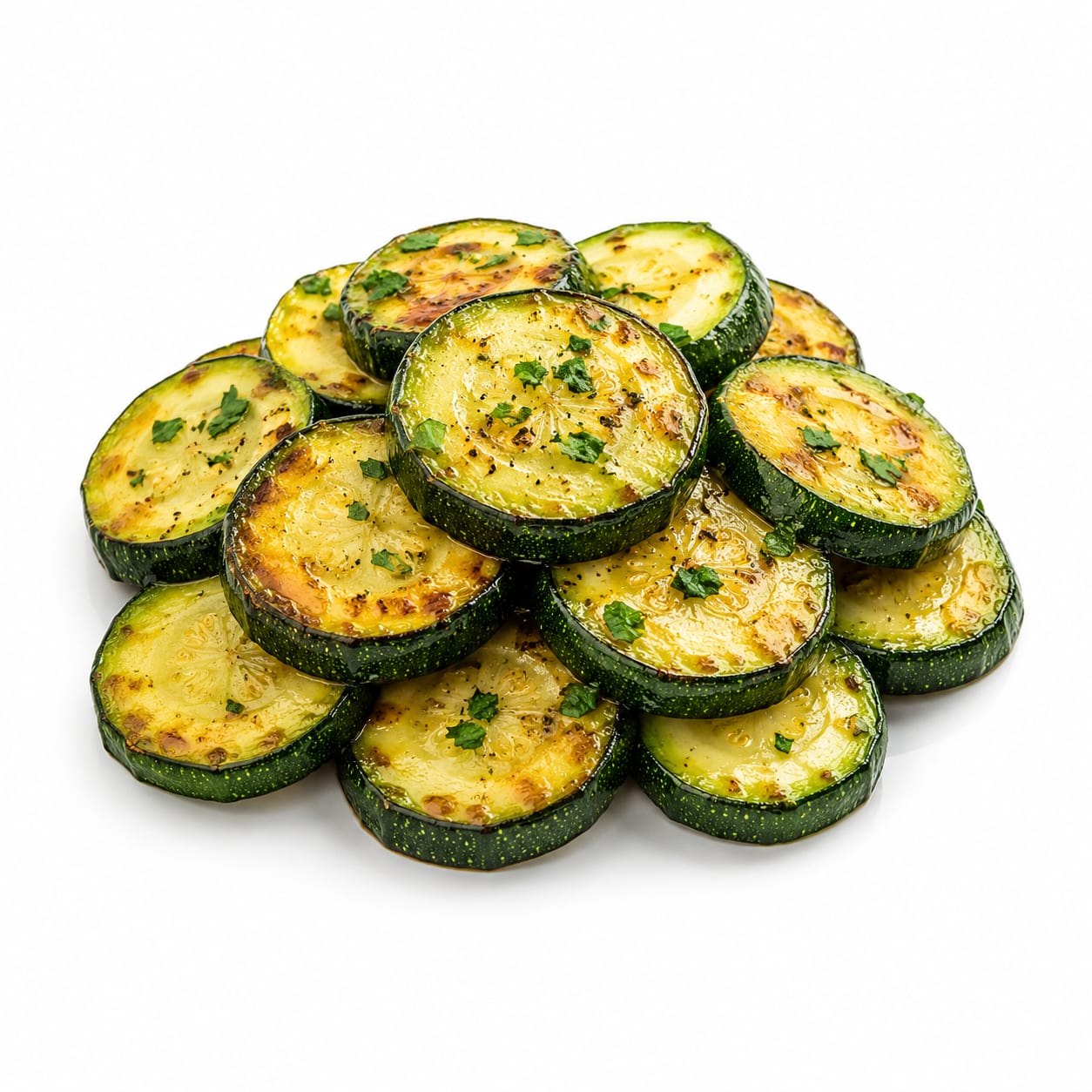
Compare with
Zucchini
Zucchini offers a mild flavor and higher versatility, while bitter melon is vastly superior for targeted blood sugar control.
Bitter melon is lower in calories and better for blood sugar control, while zucchini is milder in taste and more versatile for everyday cooking.
This food
Bitter Melon
VS80% alike
Compare with
Cucumber
Cucumber is more hydrating and palatable raw, but bitter melon provides fiber and active glucose-lowering compounds.
Cucumber is better for hydration and raw snacking, while bitter melon provides stronger blood sugar benefits and more fiber per serving.
This food
Bitter Melon
VS82% alike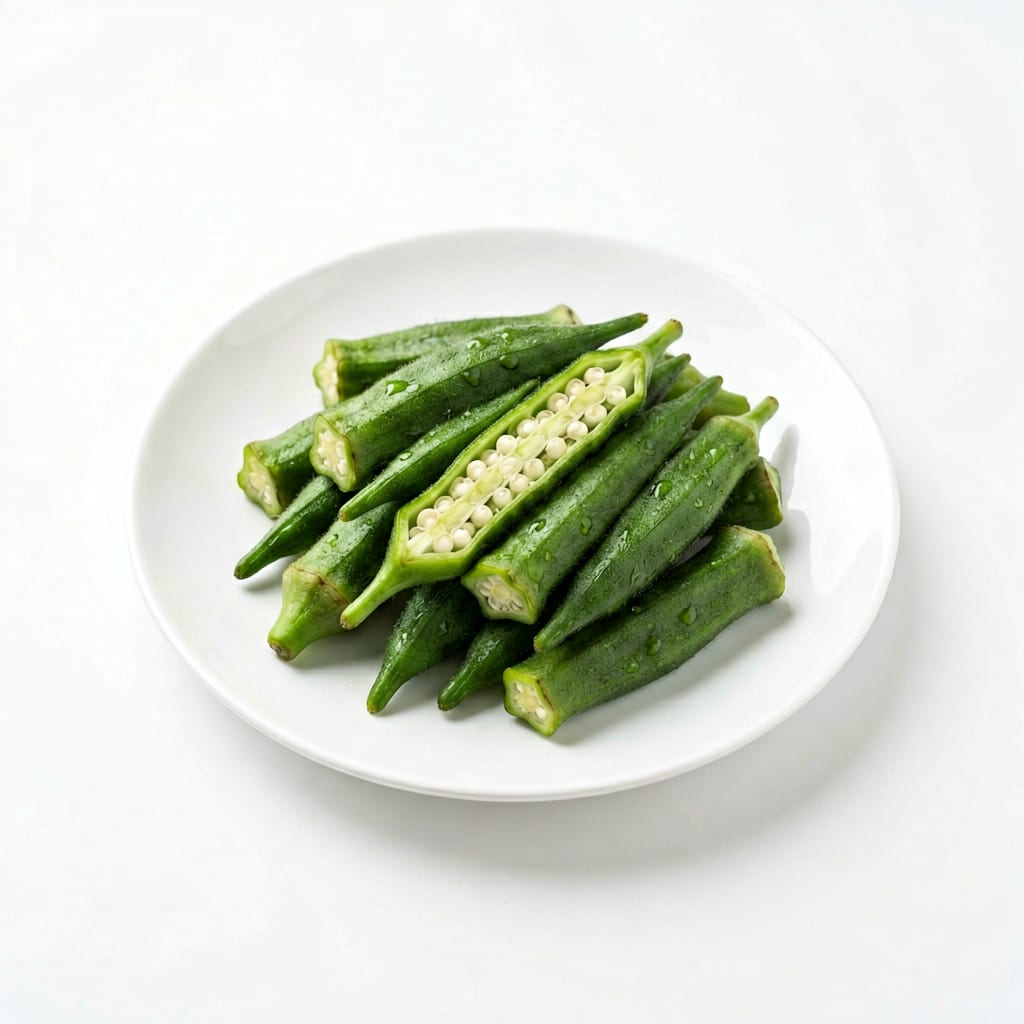
Compare with
Okra
Okra provides mucilage that slows sugar absorption, while bitter melon actively mimics insulin to lower glucose.
Both are great for diabetes, but bitter melon actively lowers blood sugar with insulin-like compounds, whereas okra slows sugar absorption with soluble fiber.
This food
Bitter Melon
VS70% alike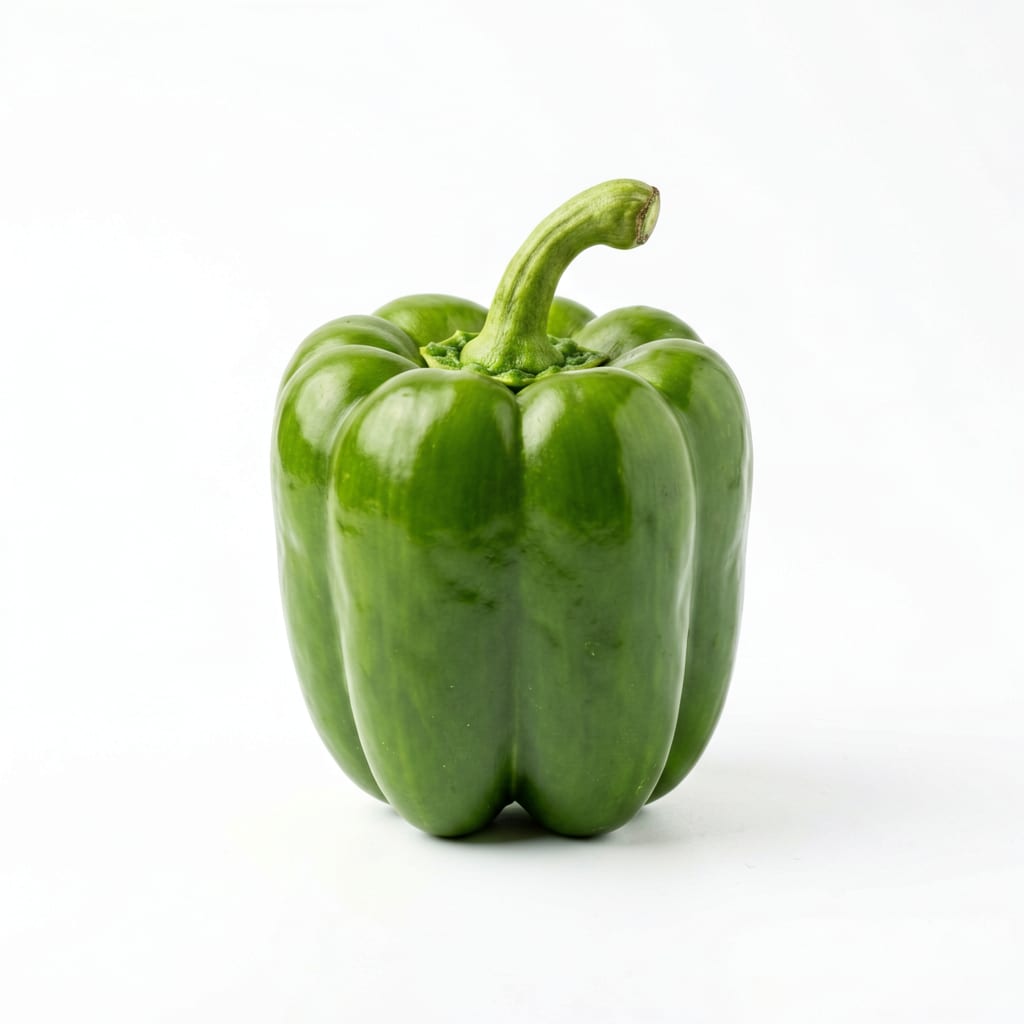
Compare with
Bell Pepper
Bell peppers are sweeter and much higher in vitamin C, while bitter melon is dramatically lower in sugar and better for glucose control.
Bell peppers are sweeter and higher in vitamin C, while bitter melon is much lower in sugar and uniquely effective for lowering blood glucose.
This food
Bitter Melon
VS75% alike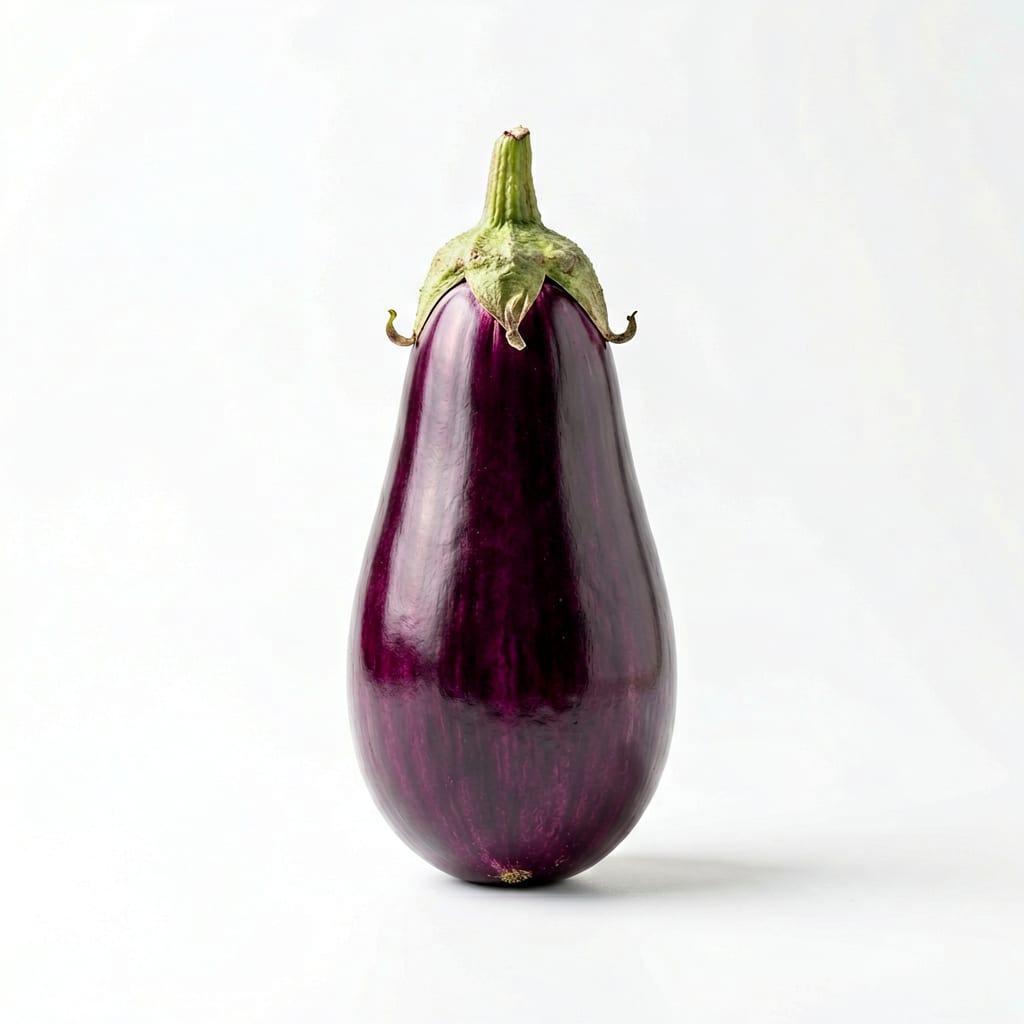
Compare with
Eggplant
Eggplant is milder and absorbs flavors better, but bitter melon is significantly lower in calories and carbohydrates.
Bitter melon is far lower in calories and better for blood sugar, while eggplant offers a milder flavor and better texture for absorbing sauces.
This food
Bitter Melon
VS65% alike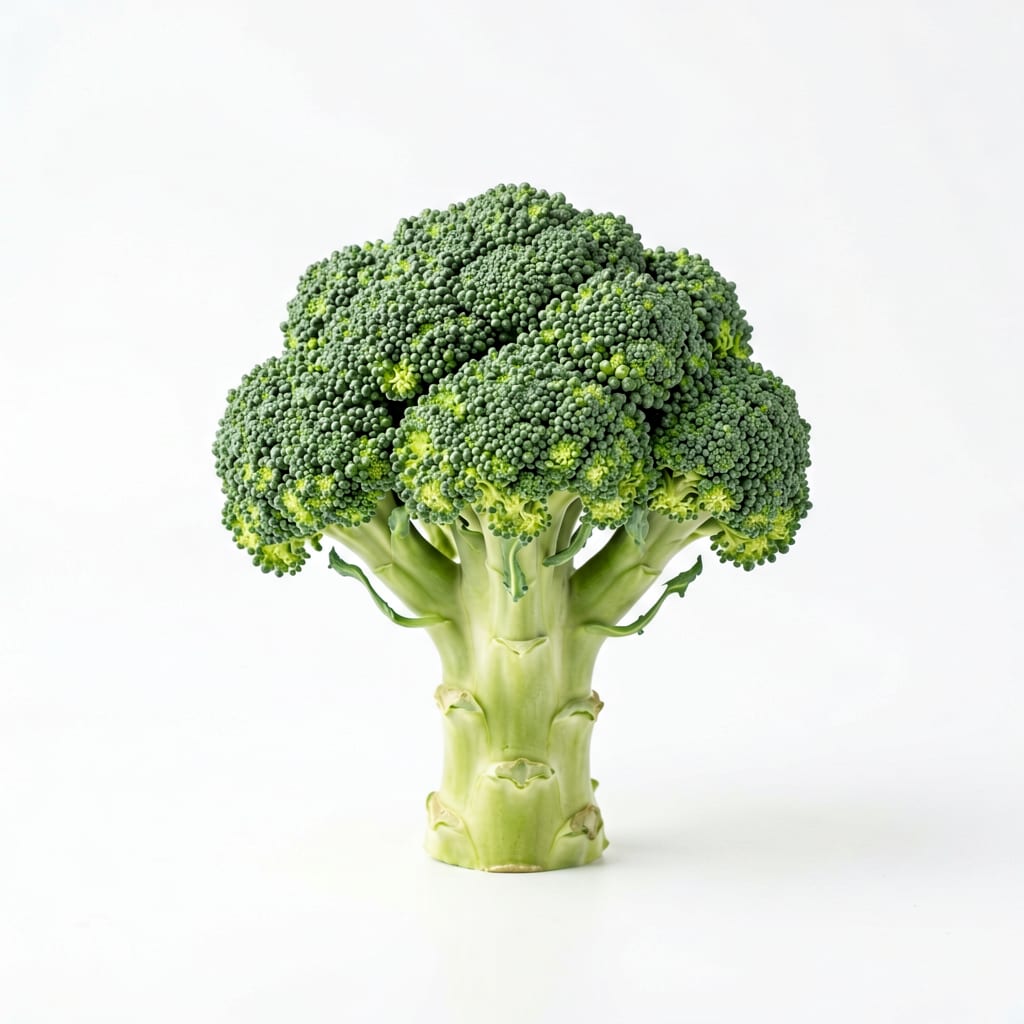
Compare with
Broccoli
Broccoli is more nutrient-dense overall and more widely accepted, but bitter melon has specific medicinal properties for diabetes.
Broccoli is more nutrient-dense and versatile, but bitter melon is lower in calories and has stronger, direct blood sugar-lowering effects.
This food
Bitter Melon
VS60% alike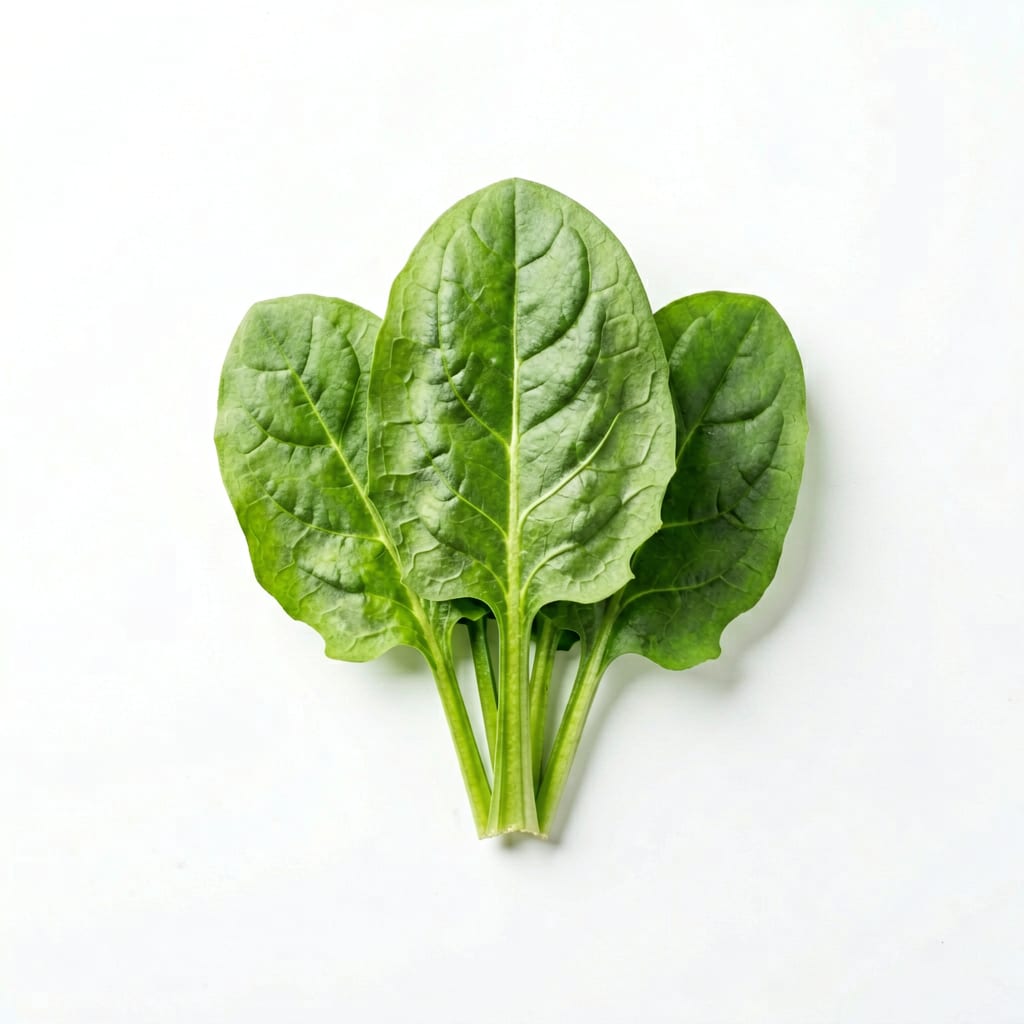
Compare with
Spinach
Spinach is richer in iron and vitamins, but bitter melon offers unique hypoglycemic compounds.
Spinach provides more iron and micronutrients, while bitter melon is specifically powerful for lowering blood sugar and managing diabetes.
This food
Bitter Melon
VS72% alike
Compare with
Green Beans
Green beans are milder and slightly higher in protein, but bitter melon is lower in carbs and calories.
Green beans are milder and slightly higher in protein, while bitter melon is lower in carbs and uniquely effective for blood sugar management.
This food
Bitter Melon
VS78% alike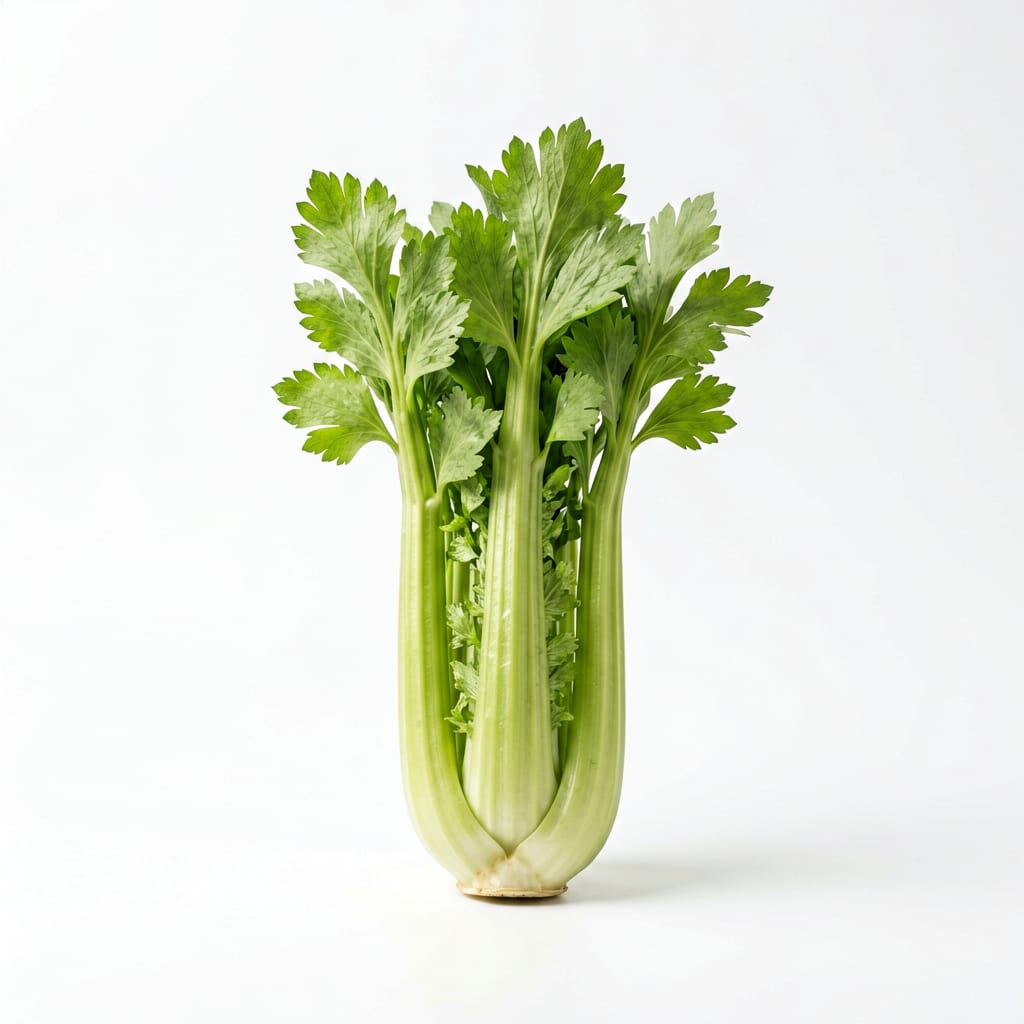
Compare with
Celery
Celery is crisp and raw-friendly, while bitter melon requires cooking but offers active glucose-lowering benefits.
Both are very low in calories, but bitter melon provides active blood sugar control, whereas celery is better suited for raw snacking and hydration.
This food
Bitter Melon
VS55% alike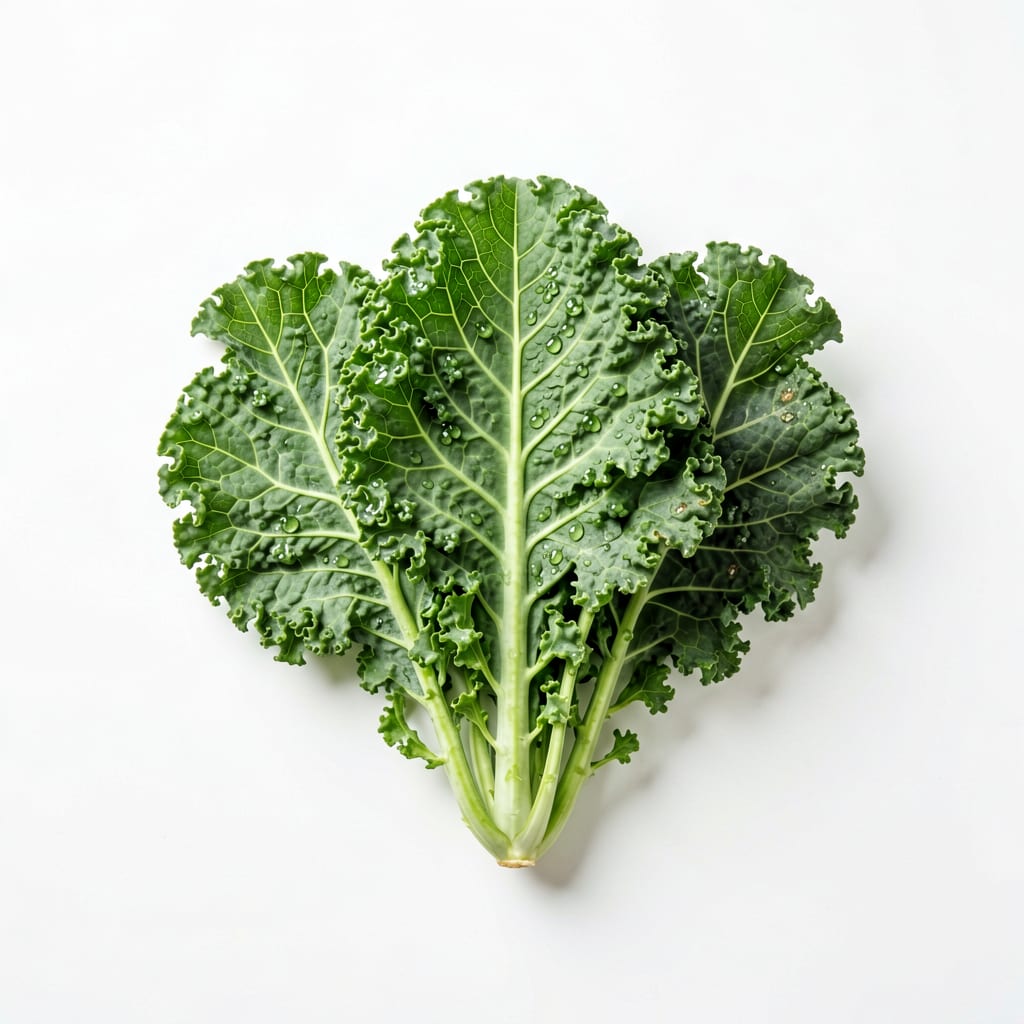
Compare with
Kale
Kale is a nutritional powerhouse with broad vitamin density, while bitter melon is a targeted functional food for glucose metabolism.
Kale is superior for general nutrient density and vitamins, but bitter melon is far more effective for specifically lowering blood sugar levels.
Common questions
FAQ
Answers aligned with how people search for this food.
Is bitter melon good for diabetes?
Yes, bitter melon contains compounds like polypeptide-p and charantin that act like insulin and help lower blood sugar levels, making it highly beneficial for people with type 2 diabetes.
How do you reduce the bitterness of bitter melon?
To reduce bitterness, scrape out the white pith and seeds thoroughly, slice the melon, salt it heavily, and let it sit for 10-15 minutes before squeezing out the liquid and rinsing. Blanching before cooking also helps.
Can bitter melon lower blood sugar too much?
Yes, consuming bitter melon alongside diabetes medications can cause blood sugar to drop too low (hypoglycemia). Monitor glucose closely and consult a doctor before combining them.
Is bitter melon safe during pregnancy?
No, bitter melon is generally not recommended during pregnancy. It contains compounds that can stimulate uterine contractions and increase the risk of preterm labor or miscarriage.
What does bitter melon taste like?
As the name suggests, it has a sharp, intense bitter flavor similar to a strong green, with a crisp texture similar to a cucumber or underripe zucchini when cooked.
Can you eat bitter melon raw?
While technically safe to eat raw in small amounts, the intense bitterness and tough texture make it unpalatable. Cooking or blanching is highly recommended to improve flavor and digestibility.
How many carbs are in bitter melon?
Bitter melon is very low in carbs, containing only about 3.7 grams of total carbohydrates and 2.8 grams of fiber, yielding just 0.9 grams of net carbs per 100-gram serving.
What are the active compounds in bitter melon?
The primary active compounds are charantin, vicine, and polypeptide-p, all of which contribute to its blood sugar-lowering effects through different metabolic pathways.
Transparency
Data confidence
Estimated confidence for nutrition data, interpretation, safety notes, and comparisons.
Nutrition data
Health analysis
Food safety
Comparisons