
Nutrition comparison
Bitter Melon vs Celery: Which Vegetable Is Better for Blood Sugar, Weight Loss, and Daily Health?
Compare bitter melon and celery for blood sugar control, weight loss, nutrition, and everyday practicality. Learn which vegetable fits your health goals and when to choose each.

Bitter Melon
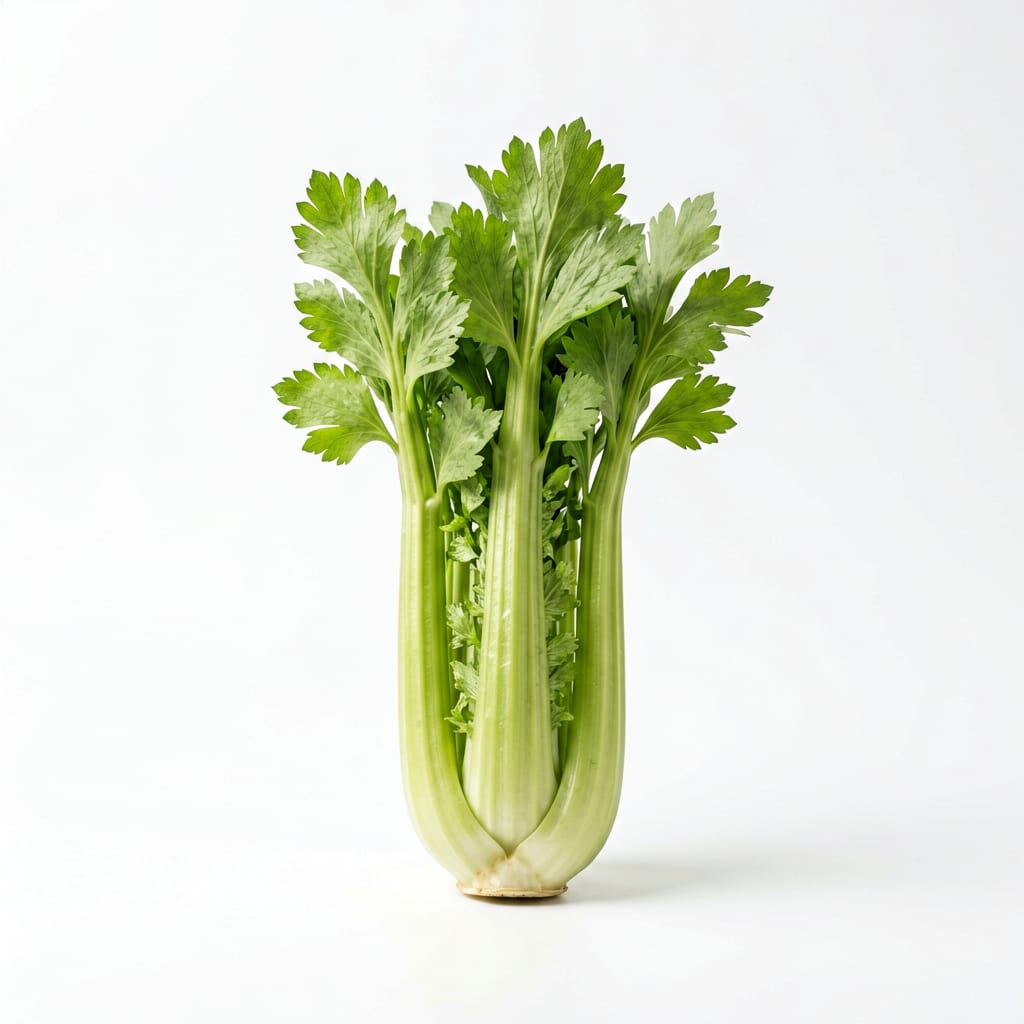
Celery
Bitter melon is a targeted blood sugar tool with medicinal punch; celery is a versatile daily staple that anyone can eat comfortably.
Bitter melon scores higher for targeted health impact, especially blood sugar regulation, but loses ground on palatability, convenience, and safety for certain populations. Celery scores consistently but modestly across all dimensions — it never excels dramatically but never disappoints either.
Therapeutic power versus everyday practicality — bitter melon does more for glucose control but demands effort and tolerance for bitterness, while celery is effortless but nutritionally modest.
At a glance
Executive summary
Overall
It depends
Healthier
Bitter Melon
More practical
Celery
Daily use
Celery
Key comparison lenses
blood sugar management
Bitter melon is renowned for glucose-lowering compounds, making this the dominant comparison axis
low-calorie snacking and weight management
Both foods are extremely low in calories but serve different snacking roles
practical everyday usability
Celery is universally available and easy to eat raw; bitter melon requires preparation and acquired taste
medicinal vs nutritional food approach
Bitter melon functions almost like a therapeutic food, while celery is a everyday staple vegetable
digestive and gut health
Both offer fiber but with different digestive effects and tolerances
Best choice for
Bitter Melon
- People managing type 2 diabetes or prediabetes
- Those seeking natural blood sugar support
- Anyone open to bitter flavors for functional health benefits
- People following traditional Asian or Ayurvedic dietary approaches
Celery
- Anyone wanting a low-calorie crunchy snack
- Busy people who need ready-to-eat vegetables
- Those with sensitive digestion who need gentle fiber
- People who dislike bitter tastes and want mild flavors
Least suitable for
Bitter Melon
- Children and picky eaters who reject bitter flavors
- People on diabetes medications without doctor supervision (hypoglycemia risk)
- Those seeking convenient grab-and-go vegetables
- Pregnant women (bitter melon may stimulate contractions)
Celery
- Anyone looking for significant vitamin or mineral intake from one vegetable
- People wanting therapeutic blood sugar effects from food
- Those seeking nutrient-dense calories for weight gain or recovery
- People who find raw vegetables hard to digest
Deep comparison
Dimension by dimension
Each lens scores both foods and breaks down who each option suits.
- Dimension 1 · Priority 95Bitter Melon
blood sugar control
Bitter Melon · 92Celery · 38Bitter melon contains polypeptide-p and charantin, compounds that actively help lower blood glucose. Celery has minimal glycemic impact but no active glucose-lowering effect.
Tradeoff
Bitter melon's power becomes dangerous if you're already on diabetes medication — the combined effect can cause hypoglycemia. Celery is safe but passive.
Why it matters
For anyone monitoring blood sugar, this is the single most important difference between these two vegetables.
Real-world impact
Eating bitter melon regularly can meaningfully reduce post-meal blood sugar spikes, while celery simply avoids adding to them.
Bitter Melon
- Prediabetics seeking food-based glucose management
- Insulin-resistant individuals wanting dietary support
- Post-meal blood sugar spike reduction
Better for
- Those already taking insulin or metformin without medical guidance
Worse for
Celery
- People on diabetes meds who need blood-sugar-safe foods
- Anyone who wants neutral glycemic impact without risk
Better for
- Anyone wanting active therapeutic blood sugar support from food
Worse for
- Dimension 2 · Priority 85Celery
convenience and accessibility
Bitter Melon · 28Celery · 94Celery is available year-round in every grocery store, requires no cooking, and stores well. Bitter melon is harder to find, needs preparation, and has a short shelf life.
Tradeoff
You can grab celery on any commute and eat it immediately. Bitter melon requires sourcing, slicing, often cooking, and tolerating intense bitterness.
Why it matters
The best healthy food is the one you actually eat consistently. Convenience often determines long-term adherence.
Real-world impact
Celery fits into a busy Tuesday with zero planning. Bitter melon requires a deliberate shopping trip and meal prep intention.
Bitter Melon
- Home cooks who enjoy preparing traditional dishes
- People who plan meals around functional ingredients
Better for
- Anyone without access to Asian or specialty markets
- People who dislike cooking or meal prep
Worse for
Celery
- Office snackers needing portable vegetables
- Anyone with 30 seconds to prep a snack
- People who shop at standard grocery stores
Better for
- Those who want their food to do more than just fill space
Worse for
- Dimension 3 · Priority 80Celery
calorie density and weight management
Bitter Melon · 72Celery · 88Both are extremely low in calories, but celery's high water content and crunch make it a more satisfying volume-eating snack for weight loss.
Tradeoff
Celery lets you eat a large volume for almost no calories — great for mindless snacking replacement. Bitter melon is also low-calorie but its intensity limits how much you naturally consume.
Why it matters
For weight management, foods that let you eat more volume with fewer calories help with satiety and compliance.
Real-world impact
You can snack through an entire bunch of celery during a movie. Bitter melon portions are self-limiting because the flavor is overwhelming.
Bitter Melon
- Those who prefer smaller, potent portions of food
- People who find volume eating unappealing
Better for
- Grazers who want to eat large quantities mindlessly
Worse for
Celery
- Emotional eaters needing a low-calorie crunch outlet
- Volume eaters who feel satisfied by larger portions
Better for
- Those who find watery vegetables unsatisfying
Worse for
- Dimension 4 · Priority 75Bitter Melon
nutrient density
Bitter Melon · 74Celery · 45Bitter melon delivers more vitamin C, folate, and unique phytonutrients per calorie. Celery provides some vitamin K and potassium but is mostly water.
Tradeoff
Bitter melon packs more nutrition per bite, but you eat less of it due to taste. Celery's nutrients are diluted by water content, but you can eat large quantities easily.
Why it matters
If you're trying to maximize nutrition from limited food intake, density matters. If you eat plenty of varied vegetables, this difference shrinks.
Real-world impact
A single serving of bitter melon contributes meaningfully to your daily vitamin C and folate. You'd need several stalks of celery to approach similar nutrient levels.
Bitter Melon
- People with limited appetite who need nutrient-dense foods
- Those eating small portions who want maximum nutrition per bite
Better for
- Those who cannot eat enough of it due to taste aversion
Worse for
Celery
- People who get nutrients from a varied diet and just need a filler vegetable
Better for
- Anyone relying on a single vegetable as a major nutrient source
Worse for
- Dimension 5 · Priority 70Celery
digestive tolerance
Bitter Melon · 48Celery · 82Celery is gentle on most digestive systems and provides soothing hydration. Bitter melon can cause stomach upset, diarrhea, or cramping in sensitive people, especially in larger amounts.
Tradeoff
Bitter melon's digestive stimulation is part of its therapeutic effect, but it crosses into discomfort for many. Celery rarely causes digestive issues.
Why it matters
A food that causes GI distress won't be eaten consistently, no matter how healthy it is on paper.
Real-world impact
Celery is a safe bet before a workout or on an empty stomach. Bitter melon on an empty stomach can cause nausea in some people.
Bitter Melon
- People with sluggish digestion who benefit from bitter stimulants
- Those accustomed to bitter foods from childhood
Better for
- People prone to diarrhea or GI cramping
- Those with acid sensitivity on an empty stomach
Worse for
Celery
- People with IBS or sensitive stomachs
- Anyone eating vegetables on an empty stomach
- Older adults with delicate digestion
Better for
- People who need digestive stimulation from bitter compounds
Worse for
- Dimension 6 · Priority 65Bitter Melon
anti-inflammatory and antioxidant potential
Bitter Melon · 78Celery · 50Bitter melon contains charantin, vicine, and significant antioxidant capacity that actively combats oxidative stress. Celery offers apigenin and some flavonoids but at lower concentrations.
Tradeoff
Bitter melon's bitter compounds are the same ones delivering antioxidant benefits — you can't separate the therapeutic taste from the therapeutic effect. Celery's milder profile means milder benefits.
Why it matters
Chronic inflammation drives most lifestyle diseases. Foods that actively reduce inflammation have outsized long-term value.
Real-world impact
Regular bitter melon consumption may contribute measurably to reducing inflammatory markers. Celery supports this gently but won't move the needle dramatically on its own.
Bitter Melon
- People with chronic inflammatory conditions
- Those seeking food-based antioxidant support
Better for
- Those who cannot tolerate regular consumption due to taste
Worse for
Celery
- People who get antioxidants from berries, tea, and other sources already
Better for
- Anyone relying on a single vegetable for anti-inflammatory benefits
Worse for
Timeline
Health impact over time
Short-term
Hours to days
Bitter Melon
- Can lower blood sugar within hours of consumption — beneficial but risky if medicated
- May cause stomach discomfort or loose stools in unaccustomed eaters
- Bitter taste can suppress appetite temporarily
- Can produce a noticeable cooling sensation in the body per traditional medicine
Celery
- Provides immediate hydration from high water content
- Gentle on the stomach, safe to eat anytime
- Mild diuretic effect may increase urination slightly
- Satisfies crunch craving without caloric consequences
Long-term
Months to years
Bitter Melon
- Consistent consumption may improve insulin sensitivity and fasting glucose
- Antioxidant compounds may reduce oxidative damage over years
- Could help lower inflammatory markers with regular intake
- Risk of hypoglycemia remains if combined with diabetes medications long-term
Celery
- Regular consumption supports healthy blood pressure through potassium and hydration
- Consistent low-calorie snacking may aid sustainable weight management
- Apigenin intake may contribute to reduced cancer risk over time
- High water and fiber intake supports long-term digestive regularity
Risk profile
Safety & processing
Both bitter melon and celery are whole, unprocessed vegetables typically eaten in their natural state. Neither carries meaningful additive concerns when purchased fresh. The main consideration is pesticide exposure — celery frequently appears on the Dirty Dozen list due to pesticide residue, while bitter melon's thick skin offers more protection but depends on sourcing.
Bitter Melon
hypoglycemia when combined with diabetes medication
highBitter melon actively lowers blood sugar. Combined with metformin or insulin, it can cause dangerous drops. Always consult a doctor if diabetic and medicated.
pregnancy concerns
mediumBitter melon has been traditionally used to stimulate menstruation and may encourage uterine contractions. Pregnant women should avoid concentrated forms and limit fresh consumption.
favism in G6PD-deficient individuals
mediumBitter melon seeds contain vicine, which can trigger hemolytic anemia in people with G6PD deficiency. This is uncommon but serious for affected individuals.
Celery
pesticide residue
mediumCelery consistently ranks high for pesticide residue due to its porous structure. Washing helps but does not eliminate all residue. Organic celery significantly reduces this concern.
allergic reactions in birch pollen-sensitive individuals
lowCelery can trigger oral allergy syndrome in people with birch pollen allergies, causing mouth and throat itching. Cooking celery reduces this risk.
Who wins for whom
Audience fit
Same foods, different winners depending on your goal.
children
CeleryChildren almost universally reject bitter melon's intense flavor. Celery with peanut butter or hummus is a kid-friendly classic that actually gets eaten.
daily consumption
CeleryCelery can be eaten daily by virtually anyone without side effects or tolerance issues. Bitter melon is better used as a targeted therapeutic food several times per week, not necessarily every day.
diabetes
Bitter MelonBitter melon's active glucose-lowering compounds make it one of the most evidence-supported vegetables for blood sugar management. Celery is safe but passive.
elderly
CeleryCelery is easier to chew when cooked, gentler on aging digestive systems, and poses no medication interaction risks. Bitter melon's hypoglycemic potential is especially concerning for elderly patients on multiple medications.
muscle gain
It dependsNeither food contributes meaningful protein or calories for muscle building. Both are essentially neutral — choose based on what else is on your plate.
weight loss
CeleryCelery's high volume-to-calorie ratio makes it a more sustainable snack for calorie restriction. You can eat large amounts without guilt or bitterness fatigue.
Your move
Decision guide
Choose Bitter Melon
- You are actively managing blood sugar and want food-based support
- You enjoy or want to explore bitter flavors and traditional healing foods
- You have access to fresh bitter melon and know how to prepare it
- You are not on diabetes medications and not pregnant
Choose Celery
- You want a reliable, everyday low-calorie vegetable you'll actually eat consistently
- You need something portable, shelf-stable, and ready in seconds
- You have digestive sensitivity or eat vegetables on the go
- You're feeding a family including children or elderly members
Either works if
- You want more vegetable variety in your diet regardless of specific benefits
- You're building a balanced plate and need a low-calorie vegetable component
- You have no specific health condition driving your choice
Avoid both if
- You need calorie-dense or protein-rich foods for recovery or weight gain
- You're looking for a single vegetable to meet most of your nutritional needs
Final recommendation
Use both strategically — celery as your daily vegetable staple and bitter melon as a targeted addition for blood sugar support. If you must choose one, celery wins for sustainability and safety, while bitter melon wins for therapeutic impact. The ideal approach: keep celery in your fridge always, and add bitter melon a few times per week when blood sugar management is a priority.
Practical
Consumer tips
- 1
Choose organic celery whenever possible — it's one of the highest-pesticide vegetables when conventionally grown
- 2
Reduce bitter melon's intensity by salting sliced pieces and letting them sit for 15 minutes, then rinsing before cooking
- 3
Pair celery with healthy fats like hummus or nut butter to improve satiety and nutrient absorption
- 4
If new to bitter melon, start with small amounts in stir-fries alongside stronger flavors like garlic and soy sauce
- 5
Bitter melon tea is a gentler entry point if the vegetable itself is too intense
- 6
Store celery wrapped in aluminum foil in the fridge — it stays crisp far longer than in plastic
- 7
Avoid bitter melon supplements unless recommended by a healthcare provider — concentrated forms amplify both benefits and risks