
Nutrition comparison
Bitter Melon vs Kale: Which is Better for Blood Sugar & Nutrition?
Compare bitter melon and kale for diabetes management, nutrient density, and daily use. Find out which green is right for your health goals.

Bitter Melon
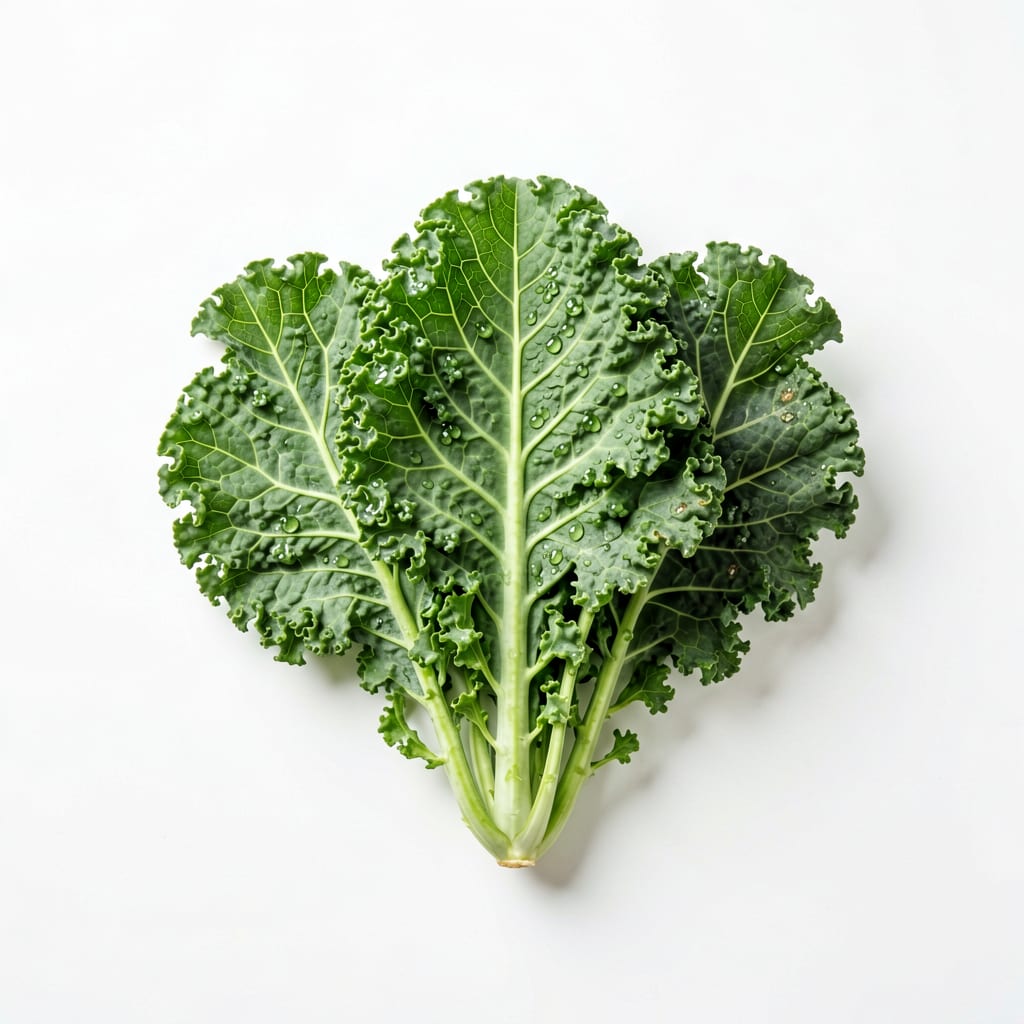
Kale
Kale is the more versatile, nutrient-dense daily green, while bitter melon is a targeted therapeutic food for blood sugar control.
Kale scores higher overall due to its broader nutritional profile and everyday practicality. Bitter melon scores lower generally but remains unmatched for specific blood sugar applications.
You trade broad nutritional benefits and culinary ease with kale for specialized blood sugar support with bitter melon.
At a glance
Executive summary
Overall
It depends
Healthier
It depends
More practical
Kale
Daily use
Kale
Key comparison lenses
Blood sugar management
Bitter melon is renowned for its glucose-lowering effects, making this the most critical differentiator against kale.
Nutrient density and vitamin profile
Kale is famous for its vitamin K, A, and C content, offering a different nutritional value than bitter melon.
Taste and culinary versatility
Bitter melon's intense flavor limits its use compared to kale, which easily integrates into salads, smoothies, and cooked dishes.
Digestive and thyroid impact
Kale contains goitrogens and oxalates, while bitter melon can cause gastrointestinal distress in sensitive individuals.
Best choice for
Bitter Melon
- People managing type 2 diabetes or insulin resistance
- Those seeking to reduce sugar cravings through bitter flavors
- Individuals looking for targeted blood sugar support
Kale
- People wanting a daily nutrient-dense green
- Those focused on bone health and vitamin K intake
- Anyone needing a versatile green for smoothies, salads, or cooking
Least suitable for
Bitter Melon
- Children or picky eaters due to intense bitterness
- People on blood sugar medications without medical supervision
- Those seeking a mild-tasting salad green
Kale
- People with severe oxalate sensitivity or kidney stone history
- Those with untreated thyroid issues who eat large amounts raw
- Individuals taking blood thinners who need stable vitamin K intake
Deep comparison
Dimension by dimension
Each lens scores both foods and breaks down who each option suits.
- Dimension 1 · Priority 95Bitter Melon
Blood Sugar Regulation
Bitter Melon · 92Kale · 65Bitter melon contains polypeptide-p and charantin, which act similarly to insulin to lower blood glucose.
Tradeoff
While bitter melon actively lowers blood sugar, kale merely stabilizes it through fiber without the risk of hypoglycemia.
Why it matters
For diabetics, bitter melon offers a functional food advantage that kale cannot match.
Real-world impact
Eating bitter melon can lead to measurably lower post-meal blood sugar readings, whereas kale provides a steadier, less dramatic baseline support.
Bitter Melon
- Lowering elevated blood glucose levels
- Improving insulin sensitivity
Better for
- Risk of hypoglycemia if combined with diabetes medication
- Unpredictable drops in blood sugar for non-diabetics
Worse for
Kale
- Maintaining stable blood sugar without medication interactions
- Providing steady energy without crash risk
Better for
- Does not actively lower high blood sugar
Worse for
- Dimension 2 · Priority 90Kale
Micronutrient Density
Bitter Melon · 70Kale · 95Kale is a powerhouse of vitamins K, A, and C, far surpassing bitter melon in general micronutrient density.
Tradeoff
Kale delivers massive amounts of bone-building and immune-supporting vitamins, while bitter melon offers more targeted phytochemicals.
Why it matters
Daily vitamin intake is crucial for long-term health, and kale makes it much easier to hit those targets.
Real-world impact
A single serving of kale can cover your daily vitamin K and A needs, supporting bone density and vision much more effectively than bitter melon.
Bitter Melon
- Unique phytonutrients like charantin and polypeptide-p
Better for
- Lower overall vitamin content compared to dark leafy greens
Worse for
Kale
- Exceeding daily vitamin K and A requirements
- Boosting immune function with high vitamin C
Better for
- Missing the specific glucose-lowering compounds found in bitter melon
Worse for
- Dimension 3 · Priority 85Kale
Culinary Versatility and Taste
Bitter Melon · 40Kale · 80Kale can be used in salads, smoothies, soups, and chips, while bitter melon is largely restricted to specific savory dishes.
Tradeoff
Kale is easy to incorporate daily in various ways, whereas bitter melon's intense bitterness requires specific preparation techniques to be palatable.
Why it matters
A healthy food only works if you actually eat it. Kale's versatility makes consistency much easier.
Real-world impact
You can blend kale into a morning smoothie or bake it as a snack, but bitter melon usually requires a dedicated cooked recipe to mask its harsh flavor.
Bitter Melon
- Adding a complex bitter flavor profile to stir-fries
- Stimulating digestion through bitter taste receptors
Better for
- High barrier to entry for most palates
- Difficult to eat raw or in quick meals
Worse for
Kale
- Easy addition to smoothies, salads, and soups
- Making healthy snacks like kale chips
Better for
- Can be tough or fibrous if not prepared correctly
Worse for
- Dimension 4 · Priority 75It depends
Digestive and Thyroid Tolerance
Bitter Melon · 65Kale · 70Both have digestive caveats: bitter melon can cause GI upset, while raw kale contains goitrogens and oxalates.
Tradeoff
Bitter melon might upset the stomach in large doses, but kale can affect thyroid function and kidney stones if consumed raw in excess.
Why it matters
People with sensitive systems need to know how to prepare these foods to avoid unintended side effects.
Real-world impact
Eating too much bitter melon can lead to diarrhea, while overdoing raw kale might slow thyroid function or contribute to kidney stones.
Bitter Melon
- No goitrogens or oxalates to worry about
- Stimulates digestive enzyme production
Better for
- Can cause abdominal cramping or diarrhea in large amounts
- Seeds can be toxic if eaten in excess
Worse for
Kale
- High fiber supports regular bowel movements
- Cooking eliminates most thyroid concerns
Better for
- Raw kale poses risks for thyroid health
- High oxalates can aggravate kidney stone issues
Worse for
Timeline
Health impact over time
Short-term
Hours to days
Bitter Melon
- Noticeable drop in blood sugar after meals
- Potential stomach discomfort or loose stools if unaccustomed to the bitterness
- Stimulation of appetite and digestive juices
Kale
- Increased satiety and fullness from fiber
- Gentle, steady energy without a sugar crash
- Bloating or gas if eaten raw in large quantities
Long-term
Months to years
Bitter Melon
- Improved insulin sensitivity and glucose metabolism
- Better management of type 2 diabetes symptoms
- Risk of excessively low blood sugar if overconsumed with medications
Kale
- Stronger bones from high vitamin K intake
- Reduced risk of chronic disease due to high antioxidant levels
- Potential thyroid suppression if raw consumption is extreme
Risk profile
Safety & processing
Both bitter melon and kale are whole, natural foods typically consumed in their unprocessed state, making them exceptionally clean dietary choices.
Bitter Melon
Hypoglycemia
highCombining bitter melon with insulin or diabetes medications can cause dangerously low blood sugar levels.
Gastrointestinal distress
mediumExcessive consumption can lead to diarrhea, vomiting, or abdominal pain due to its strong active compounds.
Toxicity from seeds
lowThe red arils covering the seeds are toxic and should never be eaten, though the seeds themselves in small amounts are usually fine.
Kale
Kidney stones
mediumKale is high in oxalates, which can bind to calcium and form stones in susceptible individuals.
Thyroid interference
mediumRaw kale contains goitrogens that can interfere with thyroid function, particularly in those with existing conditions.
Pesticide residue
mediumKale frequently appears on the Dirty Dozen list, so organic washing or purchasing is recommended.
Who wins for whom
Audience fit
Same foods, different winners depending on your goal.
children
KaleKale can be hidden in smoothies or baked into chips, whereas bitter melon's intense taste makes it nearly impossible for most kids to enjoy.
daily consumption
KaleKale is safer and more practical for daily use, offering broad nutritional benefits without the risk of hypoglycemia or severe digestive upset.
diabetes
Bitter MelonBitter melon's proven glucose-lowering properties make it a functional superfood for diabetes management, though it requires careful monitoring.
elderly
KaleKale's high vitamin K content is crucial for bone density and cardiovascular health in older adults, and it is easier to chew when cooked.
muscle gain
KaleNeither is a protein source, but kale's versatility makes it easier to incorporate into high-protein meals as a nutrient-dense side.
weight loss
KaleKale is more filling, lower in calories per volume, and much easier to eat daily, making it a better sustainable choice for weight loss.
Your move
Decision guide
Choose Bitter Melon
- You are actively managing type 2 diabetes or insulin resistance
- You want a natural way to help lower post-meal blood sugar spikes
- You enjoy bitter flavors and want to incorporate them into your cooking
Choose Kale
- You want a nutrient-dense daily green for overall health
- You need a versatile ingredient for smoothies, salads, and main dishes
- You are focused on bone health and boosting your vitamin intake
Either works if
- You are looking to increase your daily vegetable intake
- You want to add more fiber and antioxidants to your diet
Avoid both if
- You are on blood thinners and struggle to maintain consistent vitamin K intake
- You have severe gastrointestinal sensitivity to high-fiber or bitter foods
Final recommendation
Keep kale as your everyday nutritional workhorse, but consider adding bitter melon strategically if you need extra blood sugar support. Kale gives you more vitamins and culinary flexibility, while bitter melon acts more like a targeted supplement than a staple food.
Practical
Consumer tips
- 1
Salt bitter melon slices and let them sit for 10 minutes, then squeeze out the juice to reduce extreme bitterness before cooking.
- 2
Steam or boil kale briefly before adding it to dishes to reduce oxalates and goitrogens while preserving nutrients.
- 3
If trying bitter melon for blood sugar, monitor your glucose closely and consult your doctor to avoid medication interactions.
- 4
Massage raw kale with olive oil and lemon juice to break down the leaves, making it easier to digest and more palatable in salads.
- 5
Buy organic kale when possible to avoid high pesticide residues.