
Nutrition comparison
Bitter Melon vs Broccoli: Which is Better for Blood Sugar and Health?
Compare Bitter Melon vs Broccoli for diabetes management, nutrition, and safety. Find out which vegetable is better for daily use and why.
Overall winner · Broccoli

Bitter Melon
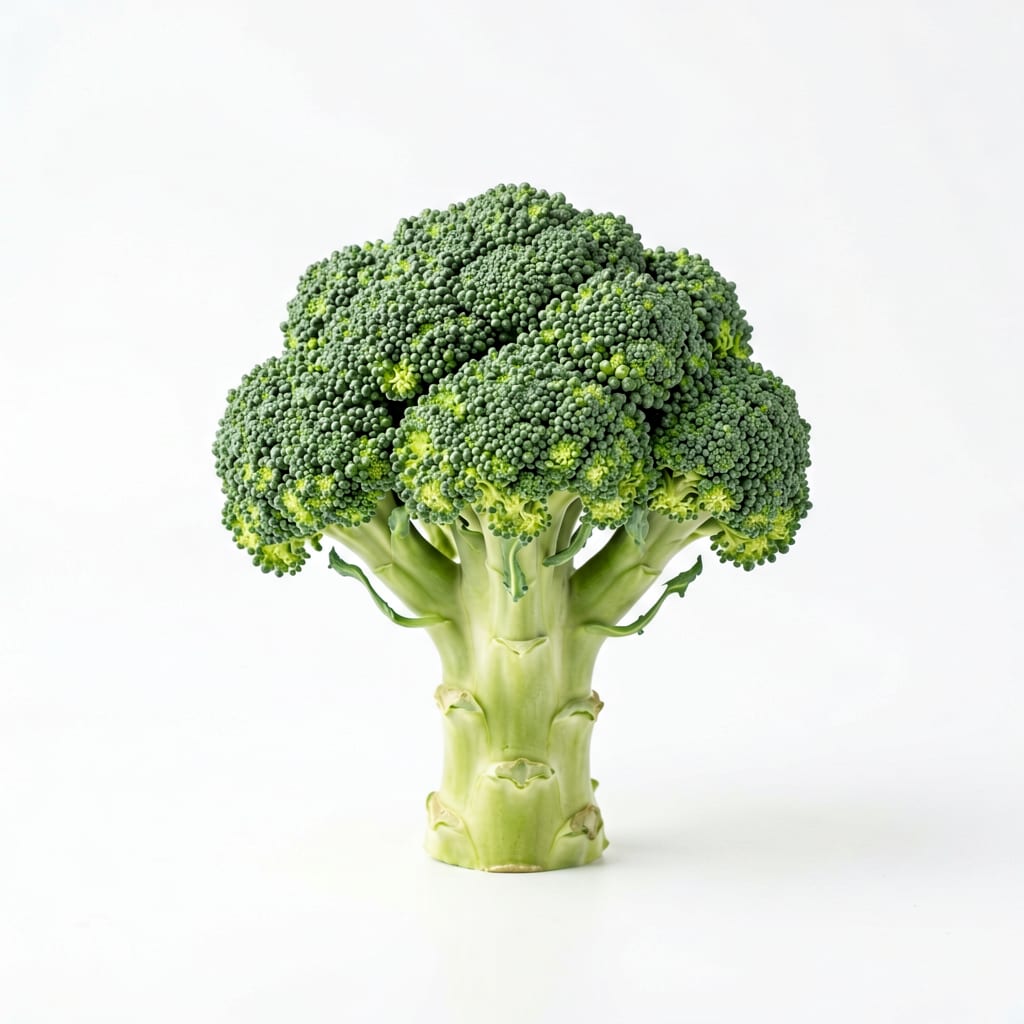
Broccoli
Broccoli is the safer, tastier everyday staple, while Bitter Melon is a targeted blood sugar tool with more side effect risks.
Broccoli scores higher due to its superior safety profile, everyday versatility, and broad nutrient density. Bitter Melon is powerful for specific uses but carries higher risks and lower palatability.
Targeted blood sugar power versus everyday safety and palatability.
At a glance
Executive summary
Overall
Broccoli
Healthier
Broccoli
More practical
Broccoli
Daily use
Broccoli
Key comparison lenses
Blood sugar regulation
Bitter Melon is renowned for its glucose-lowering effects, making diabetes management the primary reason people choose it over other vegetables.
Safety and side effects
Bitter Melon carries specific risks like hypoglycemia and pregnancy complications that Broccoli does not, heavily influencing daily use.
Everyday eatability and versatility
Broccoli is a mild, widely accepted staple, whereas Bitter Melon is an acquired taste that limits how often people actually cook it.
Broad nutrient density
Broccoli offers a wider array of everyday vitamins and minerals, while Bitter Melon provides more niche, medicinal compounds.
Best choice for
Bitter Melon
- Managing post-meal blood sugar spikes
- People seeking traditional herbal remedies
- Adventurous eaters who enjoy bitter flavors
Broccoli
- Daily vegetable intake
- Broad-spectrum vitamin and mineral needs
- Families and children
Least suitable for
Bitter Melon
- Pregnant women
- People on blood sugar lowering medications
- People with sensitive stomachs
Broccoli
- People with severe cruciferous allergies
- Those with IBS triggered by high fiber
Deep comparison
Dimension by dimension
Each lens scores both foods and breaks down who each option suits.
- Dimension 1 · Priority 95Bitter Melon
Blood Sugar Management
Bitter Melon · 92Broccoli · 75Bitter Melon contains polypeptide-p and charantin, which act like insulin to lower blood sugar aggressively.
Tradeoff
Bitter Melon lowers blood sugar more effectively, but this becomes dangerous if paired with diabetes medication.
Why it matters
For diabetics, food-based blood sugar control is highly desirable, but overdoing it can cause hypoglycemia.
Real-world impact
Eating Bitter Melon might reduce your post-meal glucose spike, but you risk feeling shaky or lightheaded if it drops too low.
Bitter Melon
- Type 2 diabetics not on insulin
- Reducing post-meal sugar spikes naturally
Better for
- People prone to hypoglycemia
- Pregnant women at risk for low blood sugar
Worse for
Broccoli
- Steady, safe glucose maintenance
- People on blood sugar medications
Better for
- Those needing aggressive, immediate glucose intervention
Worse for
- Dimension 2 · Priority 85Broccoli
Palatability and Culinary Versatility
Bitter Melon · 40Broccoli · 90Broccoli is a mild, universally accepted vegetable; Bitter Melon is an acquired taste that requires specific cooking methods to tame its harshness.
Tradeoff
You get a stronger medicinal effect with Bitter Melon, but you have to endure a flavor most people find unpleasant.
Why it matters
If a food is hard to eat, you will not eat it consistently, which kills the nutritional benefit.
Real-world impact
Broccoli easily fits into stir-fries, soups, and sides multiple times a week. Bitter Melon is usually a once-in-a-while dish.
Bitter Melon
- Cuisines where bitterness is celebrated
- Taste adventurers
Better for
- Kids
- People sensitive to bitter flavors
Worse for
Broccoli
- Weekly meal prep
- Pleasing picky eaters
- Versatile side dishes
Better for
- Those bored with standard vegetables
Worse for
- Dimension 3 · Priority 80Broccoli
Nutrient Density and Antioxidants
Bitter Melon · 78Broccoli · 92Broccoli delivers a massive dose of Vitamin C, Vitamin K, and sulforaphane. Bitter Melon has good Vitamin C but is more notable for unique phytochemicals.
Tradeoff
Broccoli offers broader immune and bone support, while Bitter Melon offers more niche metabolic compounds.
Why it matters
Broad nutrient density keeps your overall health resilient, while niche compounds target specific issues.
Real-world impact
Regularly eating Broccoli supports your immune system through cold season and keeps bones strong. Bitter Melon acts more like a targeted supplement.
Bitter Melon
- Targeted metabolic support
- Adding diverse plant compounds
Better for
- Those needing high Vitamin K or folate
Worse for
Broccoli
- Immune system support
- Bone health
- General daily nutrition
Better for
- Those specifically targeting insulin resistance through food
Worse for
- Dimension 4 · Priority 90Broccoli
Safety and Side Effects
Bitter Melon · 50Broccoli · 95Broccoli is incredibly safe for almost everyone. Bitter Melon has several contraindications, including pregnancy risks and drug interactions.
Tradeoff
Bitter Melon's medicinal strength is exactly what makes it risky for certain people.
Why it matters
Eating healthy should not put you at risk for hypoglycemia, miscarriage, or liver toxicity.
Real-world impact
You can eat Broccoli daily without a second thought. Bitter Melon requires you to monitor your body's response and check for drug interactions.
Bitter Melon
- People who tolerate it well and want medicinal effects
Better for
- Pregnant women
- People taking diabetes meds
- Children
Worse for
Broccoli
- Pregnant women
- People on medications
- Daily unrestricted consumption
Better for
- Those with severe gas or bloating from cruciferous veggies
Worse for
Timeline
Health impact over time
Short-term
Hours to days
Bitter Melon
- Can rapidly lower blood sugar
- May cause stomach upset or diarrhea in large amounts
- Intensely bitter taste can be off-putting
Broccoli
- Provides steady, jitter-free energy
- High fiber can cause temporary gas or bloating
- Feels light and satisfying in the stomach
Long-term
Months to years
Bitter Melon
- Potential liver toxicity at very high doses
- May help manage insulin resistance
- Risk of hypoglycemic episodes if not monitored
Broccoli
- Supports cardiovascular health
- Reduces cancer risk via sulforaphane
- Promotes healthy, regular digestion
Risk profile
Safety & processing
Both Bitter Melon and Broccoli are whole, natural vegetables typically consumed in their unprocessed state.
Bitter Melon
Hypoglycemia
highCan dangerously lower blood sugar, especially when combined with diabetes medications.
Pregnancy complications
highContains compounds that can stimulate uterine contractions and potentially lead to miscarriage.
Gastrointestinal distress
mediumEating too much can cause diarrhea and abdominal cramping.
Broccoli
Goitrogenic effects
lowRaw broccoli contains goitrogens that can interfere with thyroid function if consumed in massive amounts, but cooking neutralizes this.
Choking hazard
lowLarge, undercooked stems can be a choking risk for young children.
Who wins for whom
Audience fit
Same foods, different winners depending on your goal.
children
BroccoliBroccoli is much safer and more palatable for kids; Bitter Melon is too strong and risky.
daily consumption
BroccoliBroccoli's mild flavor and high safety profile make it an ideal everyday vegetable.
diabetes
It dependsBitter Melon is better for actively lowering high blood sugar, but Broccoli is safer for steady, daily management without hypoglycemia risk.
elderly
BroccoliOlder adults often take medications and have sensitive stomachs, making Broccoli the safer, gentler choice.
muscle gain
BroccoliBroccoli provides more overall nutritional support for recovery and is easier to pair with protein sources.
weight loss
BroccoliBroccoli is more filling and easier to eat in large volumes without side effects, making it a better low-calorie bulk food.
Your move
Decision guide
Choose Bitter Melon
- You are specifically looking to naturally lower your blood sugar spikes
- You enjoy bitter flavors and know how to prepare it properly
- You are not pregnant, on diabetes medication, or prone to hypoglycemia
Choose Broccoli
- You want a reliable, everyday vegetable that covers your nutritional bases
- You are cooking for a family or children
- You want the cancer-fighting benefits of sulforaphane
Either works if
- You are trying to increase your daily vegetable intake
- You want low-calorie, high-fiber side dishes
Avoid both if
- You are on a strict low-fiber diet for digestive rest
- You have a specific allergy to either vegetable
Final recommendation
Make Broccoli your daily staple for broad health benefits and safety. Use Bitter Melon strategically as a therapeutic food if you need help with blood sugar regulation, but treat it with the same caution as a supplement.
Practical
Consumer tips
- 1
To reduce Bitter Melon's harshness, salt the sliced pieces and let them sit for 10 minutes, then squeeze out the liquid before cooking.
- 2
Maximize Broccoli's cancer-fighting sulforaphane by chopping it and letting it sit for 40 minutes before cooking, or add mustard powder after cooking.
- 3
Never take Bitter Melon supplements alongside prescription diabetes medication without doctor supervision.
- 4
Steam or roast Broccoli rather than boiling it to retain its water-soluble vitamins like Vitamin C.