
Nutrition comparison
Bitter Melon vs Zucchini: Which Vegetable Is Better for Blood Sugar and Daily Eating?
Compare bitter melon and zucchini on blood sugar impact, taste, safety, and everyday practicality. Find out which one fits your health goals and lifestyle.

Bitter Melon
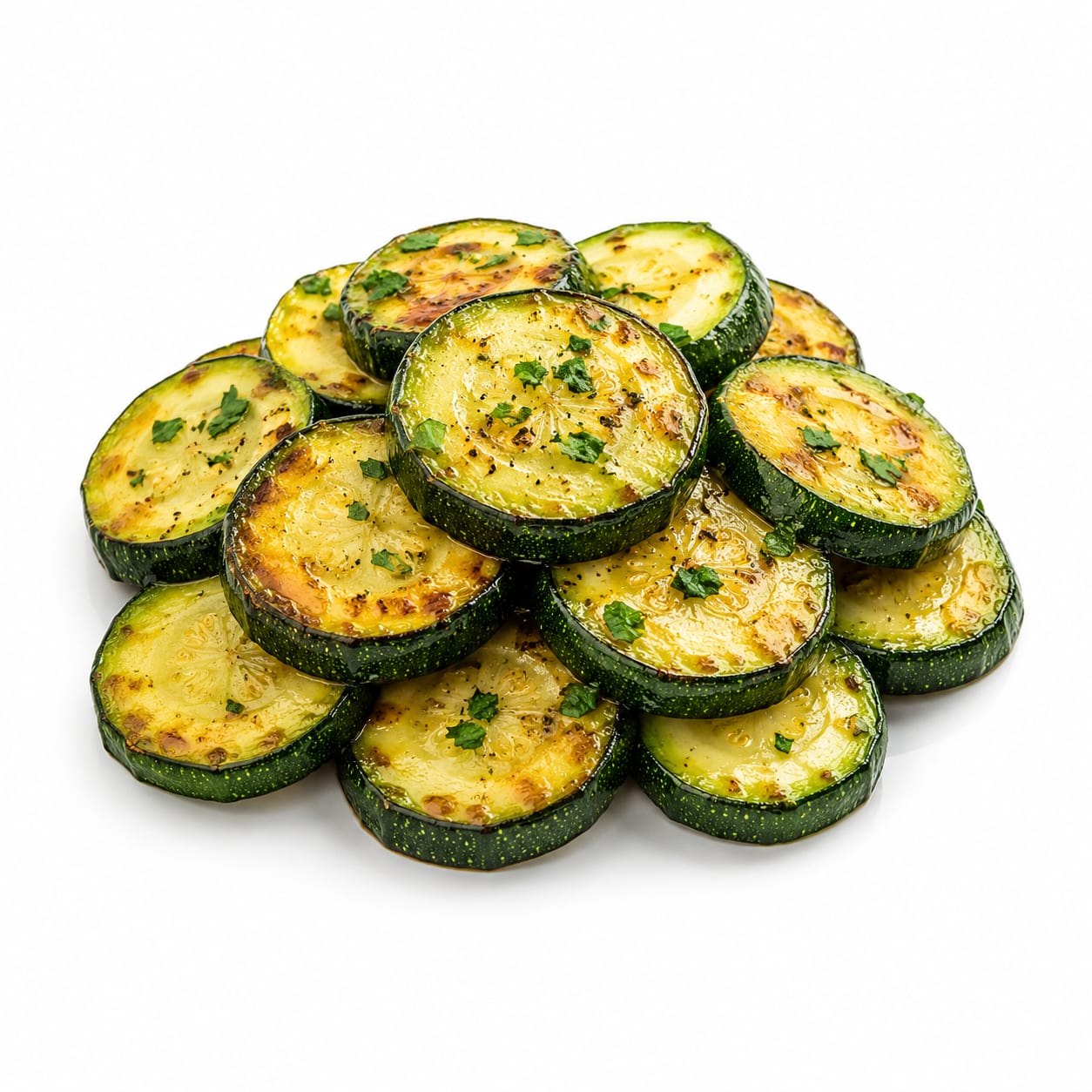
Zucchini
Bitter melon is a targeted therapeutic food for blood sugar control; zucchini is the versatile everyday vegetable most people can actually stick with.
Zucchini scores higher for broad everyday utility, safety, and compliance. Bitter melon earns a strong niche score for blood sugar management but loses ground on palatability, safety restrictions, and limited culinary flexibility.
Medicinal potency versus daily practicality — bitter melon does more for glucose but zucchini gets eaten far more often.
At a glance
Executive summary
Overall
It depends
Healthier
It depends
More practical
Zucchini
Daily use
Zucchini
Key comparison lenses
blood sugar management
Bitter melon is renowned for glucose-lowering compounds, making this the defining contrast
everyday palatability and ease of use
Zucchini's mild flavor versus bitter melon's challenging taste is a major real-world deciding factor
medicinal versus staple vegetable role
These foods serve fundamentally different purposes on the plate and in traditional medicine
safety and contraindications
Bitter melon carries specific warnings for pregnant women and those on diabetes medication
cooking versatility
Zucchini adapts to dozens of dishes while bitter melon remains a specialty ingredient
Best choice for
Bitter Melon
- People actively managing type 2 diabetes or prediabetes
- Those seeking traditional blood sugar support alongside medication
- Anyone open to bold flavors and therapeutic eating
Zucchini
- Families needing a crowd-pleasing vegetable
- Anyone meal prepping for the week
- People who want low-calorie volume without extreme flavors
Least suitable for
Bitter Melon
- Pregnant women due to uterine stimulant compounds
- Children who will likely refuse the intense bitterness
- Anyone on diabetes medication without doctor supervision
Zucchini
- Those specifically seeking medicinal blood sugar effects
- People wanting a nutrient-dense therapeutic food
Deep comparison
Dimension by dimension
Each lens scores both foods and breaks down who each option suits.
- Dimension 1 · Priority 95Bitter Melon
blood sugar impact
Bitter Melon · 88Zucchini · 55Bitter melon contains charantin and polypeptide-p, compounds clinically shown to lower blood glucose. Zucchini is neutral — it will not spike blood sugar, but it will not actively lower it either.
Tradeoff
You gain real glucose-lowering power with bitter melon but must monitor for hypoglycemia if combining with diabetes drugs.
Why it matters
For anyone struggling with post-meal sugar spikes, bitter melon acts like a mild natural medicine. Zucchini simply stays out of the way.
Real-world impact
A diabetic eating bitter melon regularly may see measurably lower fasting glucose. Zucchini keeps meals light but will not move the needle on its own.
Bitter Melon
- Prediabetics looking for food-based glucose support
- People with insulin resistance seeking complementary approaches
Better for
- Those already on metformin or insulin without medical guidance
Worse for
Zucchini
- Anyone on glucose-lowering medication who risks hypoglycemia
- People with normal blood sugar who do not need active intervention
Better for
- People who want their food to actively improve metabolic markers
Worse for
- Dimension 2 · Priority 90Zucchini
palatability and enjoyment
Bitter Melon · 25Zucchini · 82Bitter melon is one of the most polarizing vegetables on earth. Zucchini is mild, slightly sweet, and almost universally accepted.
Tradeoff
Therapeutic potency comes with a flavor most people must learn to tolerate. Zucchini sacrifices medicinal drama for easy eating.
Why it matters
The healthiest food only works if you actually eat it. Bitter melon's intense bitterness drives many people away after one try.
Real-world impact
Zucchini disappears into pasta, stir-fries, and baked goods effortlessly. Bitter melon requires specific recipes, soaking, and salt-pressing just to become approachable.
Bitter Melon
- Adventurous eaters who enjoy bitter flavors like grapefruit or radicchio
- People from culinary traditions where bitter melon is common
Better for
- People sensitive to bitter tastes who will avoid eating it
Worse for
Zucchini
- Picky eaters and children
- Anyone wanting a no-effort vegetable side dish
Better for
- Those who find mild vegetables boring
Worse for
- Dimension 3 · Priority 75Bitter Melon
nutrient density
Bitter Melon · 76Zucchini · 58Bitter melon packs more vitamin C, folate, and unique phytonutrients per calorie. Zucchini is hydrating and decent but not nutritionally remarkable.
Tradeoff
Higher nutrient concentration in bitter melon comes in a package most people consume in small quantities, reducing real-world intake.
Why it matters
On paper, bitter melon is superior. In practice, people eat larger portions of zucchini, narrowing the gap.
Real-world impact
A full cup of cooked zucchini delivers solid potassium and vitamin A. A small serving of bitter melon gives more vitamin C and folate but few people go back for seconds.
Bitter Melon
- Those maximizing micronutrient intake per calorie
- People eating small, nutrient-dense portions intentionally
Better for
- People who only manage a few bites due to taste
Worse for
Zucchini
- Anyone eating large vegetable volumes for satiety
Better for
- Those seeking concentrated therapeutic compounds
Worse for
- Dimension 4 · Priority 70Zucchini
cooking versatility
Bitter Melon · 30Zucchini · 90Zucchini works in stir-fries, pasta, baking, grilling, soups, and raw salads. Bitter melon is largely confined to specific Asian dishes and stuffed preparations.
Tradeoff
Zucchini's adaptability means it shows up in more meals per week. Bitter melon's narrow range limits how often you can realistically incorporate it.
Why it matters
Variety prevents meal fatigue. A vegetable you can cook ten ways gets eaten ten times more often.
Real-world impact
You can spiralize zucchini into noodles, grate it into muffins, or grill it as a steak substitute. Bitter melon demands a recipe and a plan every single time.
Bitter Melon
- Home cooks specializing in South Asian or East Asian cuisine
Better for
- Anyone lacking time for specialized recipe preparation
Worse for
Zucchini
- Busy people who need one vegetable to do many jobs
- Meal preppers who batch-cook a single ingredient for multiple dishes
Better for
- Cooks who find its mildness uninspiring
Worse for
- Dimension 5 · Priority 75Zucchini
safety and contraindications
Bitter Melon · 40Zucchini · 92Bitter melon can cause uterine contractions, interact dangerously with diabetes drugs, and trigger digestive upset. Zucchini is among the safest vegetables available.
Tradeoff
The same compounds that make bitter melon medicinally powerful also create real risks for certain populations.
Why it matters
A food that requires medical clearance before eating is inherently harder to recommend broadly.
Real-world impact
Pregnant women should avoid bitter melon entirely. Anyone on metformin needs doctor approval. Zucchini has no meaningful contraindications for any population.
Bitter Melon
- Non-pregnant adults not on glucose-lowering medication who tolerate it well
Better for
- Pregnant women due to abortifacient risk
- People on diabetes drugs without physician oversight
Worse for
Zucchini
- Pregnant women
- Children
- Elderly individuals on multiple medications
- Anyone on blood sugar medication
Better for
- No significant safety concerns for any major population
Worse for
- Dimension 6 · Priority 60Zucchini
digestive tolerance
Bitter Melon · 45Zucchini · 85Bitter melon can cause bloating, diarrhea, and stomach cramps in sensitive individuals. Zucchini is gentle and well-tolerated by nearly everyone.
Tradeoff
Bitter melon stimulates digestion through its bitterness but can overstimulate. Zucchini supports comfortable, uneventful digestion.
Why it matters
A vegetable that causes discomfort will not become a habit regardless of its health benefits.
Real-world impact
Zucchini sits lightly in the stomach and works well for people with IBS or sensitive digestion. Bitter melon can be a rough experience for unaccustomed digestive systems.
Bitter Melon
- People with sluggish digestion who benefit from bitter stimulant effects
Better for
- Those prone to diarrhea or loose stools
Worse for
Zucchini
- Anyone with irritable bowel syndrome or sensitive stomach
- People recovering from gastrointestinal illness
Better for
- People who actually need digestive stimulation
Worse for
Timeline
Health impact over time
Short-term
Hours to days
Bitter Melon
- May lower blood sugar within hours of eating
- Can cause stomach discomfort if you are unaccustomed to bitter foods
- Acts as a mild digestive stimulant
Zucchini
- Provides light, hydrating fullness without digestive strain
- Keeps blood sugar stable without active reduction
- Easy to eat in large volumes for minimal calories
Long-term
Months to years
Bitter Melon
- Consistent consumption may improve insulin sensitivity over months
- Anti-inflammatory compounds may reduce chronic disease risk
- Risk of over-suppression of blood sugar if combined with medication long-term
Zucchini
- Supports healthy weight maintenance through low-calorie volume eating
- Consistent fiber intake promotes regular digestion
- Antioxidant content contributes to long-term cellular protection
Risk profile
Safety & processing
Both bitter melon and zucchini are whole, unprocessed vegetables typically eaten fresh. Neither carries meaningful additive concerns in their natural form.
Bitter Melon
Hypoglycemia when combined with diabetes medication
highBitter melon's glucose-lowering compounds can compound the effect of metformin or insulin, potentially causing dangerously low blood sugar.
Uterine stimulation during pregnancy
highTraditional medicine uses bitter melon to induce menstruation. Pregnant women should avoid it entirely due to contraction risk.
Gastrointestinal distress
mediumFirst-time consumers often experience cramping, diarrhea, or nausea as the digestive system adjusts to the bitter compounds.
Zucchini
Cucurbitacin toxicity in rare bitter varieties
mediumOccasionally zucchini develops cucurbitacins that cause extreme bitterness and toxicity. If a zucchini tastes unusually bitter, discard it immediately.
Pesticide residue on conventional skins
lowZucchini typically appears on moderate pesticide lists. Washing thoroughly or choosing organic reduces exposure.
Who wins for whom
Audience fit
Same foods, different winners depending on your goal.
children
ZucchiniChildren overwhelmingly reject bitter flavors. Zucchini can be hidden in pasta sauces, muffins, and casseroles. Bitter melon would be a battle not worth fighting.
daily consumption
ZucchiniDaily consumption requires palatability, safety, and versatility. Zucchini excels at all three. Bitter melon is better used as a targeted addition a few times per week.
diabetes
Bitter MelonBitter melon's active glucose-lowering compounds give it a genuine therapeutic edge for blood sugar management, provided the person is not already on medication without medical supervision.
elderly
ZucchiniOlder adults often have reduced appetite and are more likely to be on multiple medications. Zucchini's gentleness and safety profile make it the clearly safer daily choice.
muscle gain
It dependsNeither vegetable is a meaningful protein source. Both serve as low-calorie sides. Choose based on what helps you eat more total food comfortably.
weight loss
ZucchiniZucchini's mild flavor and high volume-to-calorie ratio make it far easier to eat in satisfying portions daily, which sustains a calorie deficit better than a vegetable most people struggle to finish.
Your move
Decision guide
Choose Bitter Melon
- You have prediabetes or type 2 diabetes and your doctor supports adding bitter melon
- You enjoy bitter flavors or grew up eating it in traditional cuisine
- You want a food that actively lowers blood sugar rather than just not raising it
- You are comfortable preparing it with salt-pressing or soaking to reduce intensity
Choose Zucchini
- You need a reliable everyday vegetable the whole household will eat
- You are pregnant and need safe, gentle produce
- You want maximum cooking versatility from a single ingredient
- You are on diabetes medication and cannot risk additional glucose suppression
- You meal prep and want a vegetable that works across multiple recipes
Either works if
- You simply want more vegetables in your diet and enjoy variety
- You are looking for low-calorie sides for Asian-inspired stir-fries
Avoid both if
- You have a specific nightshade or cucurbit allergy — though neither is a nightshade, cross-reactivity can occur in rare cases
Final recommendation
Keep zucchini as your daily driver vegetable and treat bitter melon as a targeted addition for blood sugar support. Eat zucchini freely throughout the week. Add bitter melon two to three times weekly if glucose management is your priority and your doctor approves. This gives you the medicinal benefit without the compliance struggle or safety risks of daily bitter melon consumption.
Practical
Consumer tips
- 1
Salt bitter melon slices and let them sit for 15 minutes, then rinse before cooking — this draws out some bitterness and makes it far more approachable
- 2
Blanching bitter melon briefly in boiling water before stir-frying softens its intensity significantly
- 3
If you find zucchini watery when cooking, salt it first and squeeze out excess moisture for firmer results
- 4
Start with small portions of bitter melon — a few ounces alongside familiar foods — before working up to larger servings
- 5
Choose firm, green bitter melons without yellowing for the best texture and potency
- 6
Zucchini noodles are an easy entry point if you are trying to eat more vegetables but hate prep work