
Nutrition comparison
Bitter Melon vs Spinach: Nutrition, Blood Sugar, and Safety Compared
Bitter Melon vs Spinach: Which is healthier? Compare blood sugar benefits, nutrient density, safety risks, and daily practicality to find the right green for you.
Overall winner · Spinach

Bitter Melon
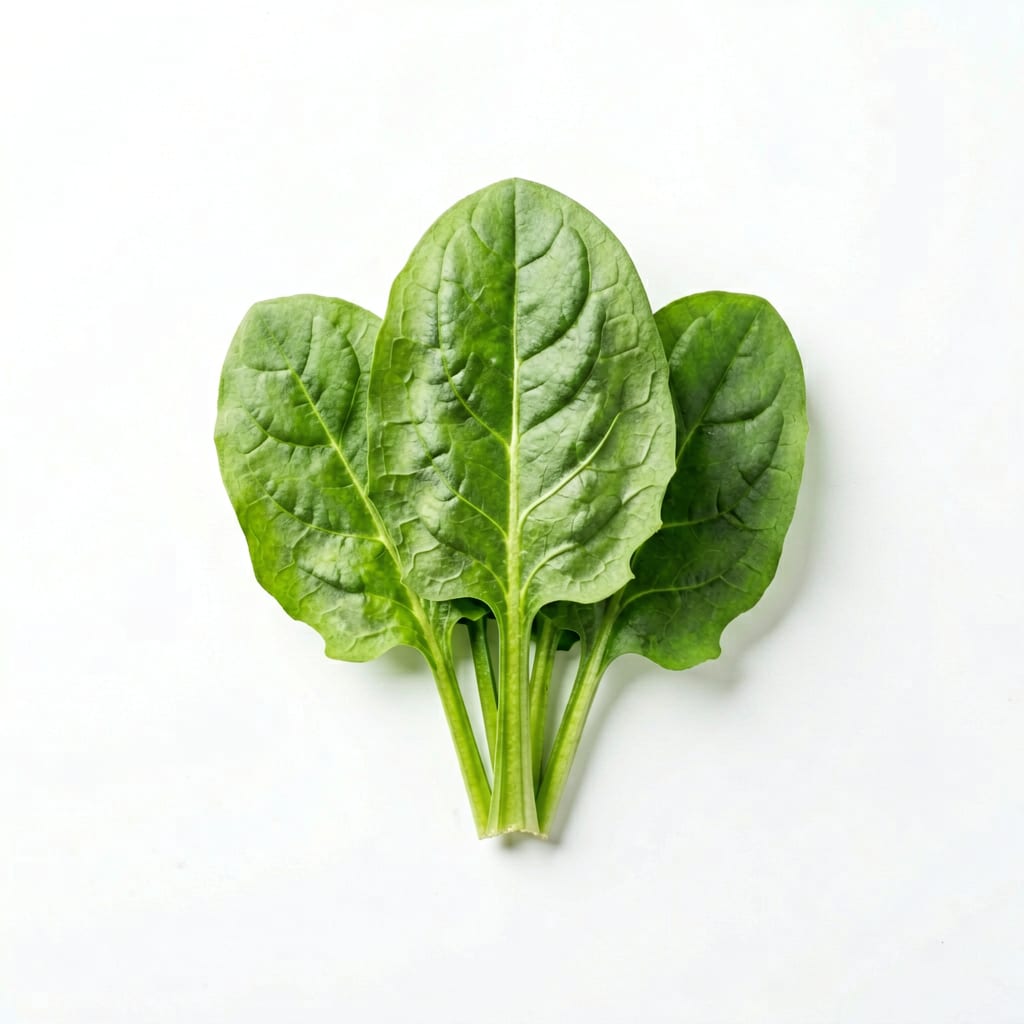
Spinach
Spinach is the everyday nutrient powerhouse, while Bitter Melon is a targeted blood sugar tool with more safety caveats.
Spinach scores higher due to superior versatility, broader nutrient profile, and fewer safety restrictions, though Bitter Melon has a specific edge for blood sugar management.
Bitter Melon offers stronger blood sugar benefits but tastes harsh and carries more side effect risks, whereas Spinach delivers broader nutrition with easier daily use.
At a glance
Executive summary
Overall
Spinach
Healthier
Spinach
More practical
Spinach
Daily use
Spinach
Key comparison lenses
Blood sugar management
Bitter Melon is renowned for its glucose-lowering effects, making diabetes management the primary reason users compare these two.
Nutrient density and daily health
Spinach is a staple for broad micronutrient intake, and users want to know if Bitter Melon can replace it for general health.
Safety and side effects
Bitter Melon carries specific toxicity and pregnancy risks, while Spinach has oxalate concerns that require navigation.
Culinary practicality
The extreme bitterness of Bitter Melon drastically affects how often it can be eaten compared to the mild versatility of Spinach.
Best choice for
Bitter Melon
- Targeted blood sugar support for diabetics
- People seeking a traditional bitter tonic for digestion
Spinach
- Broad micronutrient intake for daily health
- Pregnant women needing folate
- Anyone needing an easy, versatile daily green
Least suitable for
Bitter Melon
- Pregnant women
- Children
- People prone to hypoglycemia
Spinach
- People with a history of calcium oxalate kidney stones
- Those on blood thinners who cannot maintain consistent Vitamin K intake
Deep comparison
Dimension by dimension
Each lens scores both foods and breaks down who each option suits.
- Dimension 1 · Priority 95Bitter Melon
Blood Sugar Management
Bitter Melon · 90Spinach · 65Bitter Melon contains active compounds that mimic insulin and lower blood sugar, making it a potent functional food for diabetics.
Tradeoff
Bitter Melon can lower blood sugar too much if combined with medication, while Spinach stabilizes blood sugar gently through fiber without hypoglycemia risk.
Why it matters
For diabetics, targeted blood sugar control is critical, but the risk of over-correction is real.
Real-world impact
Eating Bitter Melon might reduce your need for diabetes meds, but you must monitor closely to avoid dizzy spells from low blood sugar.
Bitter Melon
- Type 2 diabetics
- Pre-diabetics
- Insulin resistant individuals
Better for
- People with already low blood sugar
- Those taking insulin without medical supervision
Worse for
Spinach
- People on blood sugar meds needing stability
- Those prone to hypoglycemia
Better for
- Those needing a strong therapeutic blood sugar drop
Worse for
- Dimension 2 · Priority 85Spinach
Nutrient Density
Bitter Melon · 70Spinach · 95Spinach is loaded with Vitamins K, A, folate, and iron, offering a much wider micronutrient profile than Bitter Melon.
Tradeoff
Spinach's iron and calcium are partially blocked by oxalates, while Bitter Melon has fewer minerals but also fewer absorption blockers.
Why it matters
A daily green should provide a broad base of vitamins and minerals for long-term health.
Real-world impact
A daily spinach salad significantly boosts your vitamin intake, whereas Bitter Melon serves more as a therapeutic tonic than a broad-spectrum multivitamin.
Bitter Melon
- Those strictly avoiding oxalates but needing vitamin C
Better for
- Those needing iron or folate boosts
Worse for
Spinach
- Pregnant women needing folate
- People needing Vitamin K for bone health
- General daily nutrition
Better for
- People with severe oxalate sensitivities
Worse for
- Dimension 3 · Priority 80Spinach
Culinary Versatility and Taste
Bitter Melon · 35Spinach · 90Spinach is mild, easy to blend into smoothies or cook into dishes, while Bitter Melon is an acquired taste that limits how often you will eat it.
Tradeoff
Bitter Melon's intense flavor means you eat it less often, reducing its real-world blood sugar benefits, while Spinach's mildness makes consistent daily intake effortless.
Why it matters
The healthiest food is the one you actually eat consistently.
Real-world impact
You can easily toss a handful of Spinach into a breakfast smoothie, but Bitter Melon requires specific recipes like stir-fries to mask its harsh bitterness.
Bitter Melon
- Adventurous eaters
- Traditional Asian cuisine enthusiasts
Better for
- People sensitive to bitter flavors
- Kids
Worse for
Spinach
- Picky eaters
- Smoothie drinkers
- Busy people needing quick meal prep
Better for
- Those bored by mild greens
Worse for
- Dimension 4 · Priority 75Spinach
Safety and Digestive Tolerance
Bitter Melon · 55Spinach · 75Bitter Melon seeds and red arils can cause vomiting and diarrhea, and it is unsafe for pregnant women, while Spinach's main risk is kidney stones from oxalates.
Tradeoff
Bitter Melon poses acute toxicity risks if overconsumed or improperly prepared, whereas Spinach poses a chronic, slower-building risk for kidney stone formers.
Why it matters
Daily foods must have a high safety margin for the general population.
Real-world impact
Eating too much Bitter Melon can cause immediate stomach cramps and diarrhea, while Spinach only becomes problematic if you have a history of calcium oxalate stones.
Bitter Melon
- Those with a history of calcium oxalate kidney stones
Better for
- Pregnant women due to uterine stimulation
- People with gastrointestinal ulcers or issues
Worse for
Spinach
- Pregnant women
- People with sensitive stomachs
- Children
Better for
- Chronic kidney stone formers
Worse for
Timeline
Health impact over time
Short-term
Hours to days
Bitter Melon
- Can quickly lower blood sugar
- May cause stomach upset or diarrhea if seeds are eaten
- Bitter taste can be off-putting and suppress appetite
Spinach
- Provides immediate satiety from fiber
- Gentle on blood sugar
- Raw consumption might cause slight throat tickle due to oxalates
Long-term
Months to years
Bitter Melon
- Potential improved insulin sensitivity
- Risk of liver toxicity with extreme overconsumption
- Possible aid in weight management
Spinach
- Supports bone health via Vitamin K
- Protects eye health with lutein
- May contribute to kidney stones in susceptible individuals
Risk profile
Safety & processing
Both Bitter Melon and Spinach are whole, natural vegetables typically consumed in their unprocessed state, making them free from artificial additive concerns.
Bitter Melon
Gastrointestinal toxicity
mediumSeeds and red arils of Bitter Melon contain vicine, which can cause vomiting and diarrhea.
Pregnancy complications
highBitter Melon can stimulate uterine contractions and should be avoided during pregnancy.
Hypoglycemia
mediumWhen combined with diabetes medication, Bitter Melon can drive blood sugar dangerously low.
Spinach
Kidney stones
mediumHigh oxalate content can bind to calcium and form stones in susceptible individuals.
Medication interaction
lowExtremely high Vitamin K can interfere with blood thinners like Warfarin if intake fluctuates.
Who wins for whom
Audience fit
Same foods, different winners depending on your goal.
children
SpinachSpinach is much safer and far more palatable for kids, whereas Bitter Melon's taste and GI risks make it inappropriate for children.
daily consumption
SpinachSpinach's mild flavor, broad nutrient profile, and higher safety margin make it a sustainable daily habit.
diabetes
Bitter MelonBitter Melon has clinically notable compounds that actively lower blood sugar, acting almost like a natural medication.
elderly
SpinachSpinach supports bone density and eye health without the hypoglycemia risk that can cause dangerous falls in the elderly.
muscle gain
SpinachSpinach provides slightly more protein per calorie and contains nitrates that may improve exercise performance.
weight loss
SpinachSpinach is lower in calories and easier to eat in large volumes, providing more physical fullness per calorie.
Your move
Decision guide
Choose Bitter Melon
- You have type 2 diabetes or insulin resistance and want a natural blood sugar aid
- You enjoy bitter flavors and traditional Asian recipes
- You are not pregnant and have no history of low blood sugar
Choose Spinach
- You want a versatile, nutrient-dense daily green vegetable
- You are pregnant or planning to become pregnant
- You need a mild green that blends easily into smoothies, salads, and cooked dishes
Either works if
- You want to increase your daily vegetable intake
- You are looking for low-calorie, high-fiber foods to support weight management
Avoid both if
- You are on blood thinners and struggle to keep your Vitamin K intake consistent
- You are currently pregnant due to Bitter Melon risks
Final recommendation
Make Spinach your daily green for broad nutrition and ease of use, and treat Bitter Melon as a targeted therapeutic supplement for blood sugar support rather than a staple food.
Practical
Consumer tips
- 1
If cooking Bitter Melon, salt the slices and let them sit for 10 minutes, then squeeze out the juice to reduce extreme bitterness.
- 2
Boil Spinach briefly or pair it with a source of vitamin C like lemon juice to improve iron absorption and reduce oxalates.
- 3
Never eat the red seeds inside Bitter Melon, as they can cause severe stomach upset.
- 4
If you have kidney stones, steam your Spinach and discard the water to leach out oxalates.