
Nutrition comparison
Bitter Melon vs Bell Pepper: Which Is Better for Blood Sugar and Daily Nutrition?
Compare bitter melon and bell pepper on blood sugar management, vitamin C, taste, and daily practicality. Find out which vegetable fits your health goals and lifestyle.

Bitter Melon
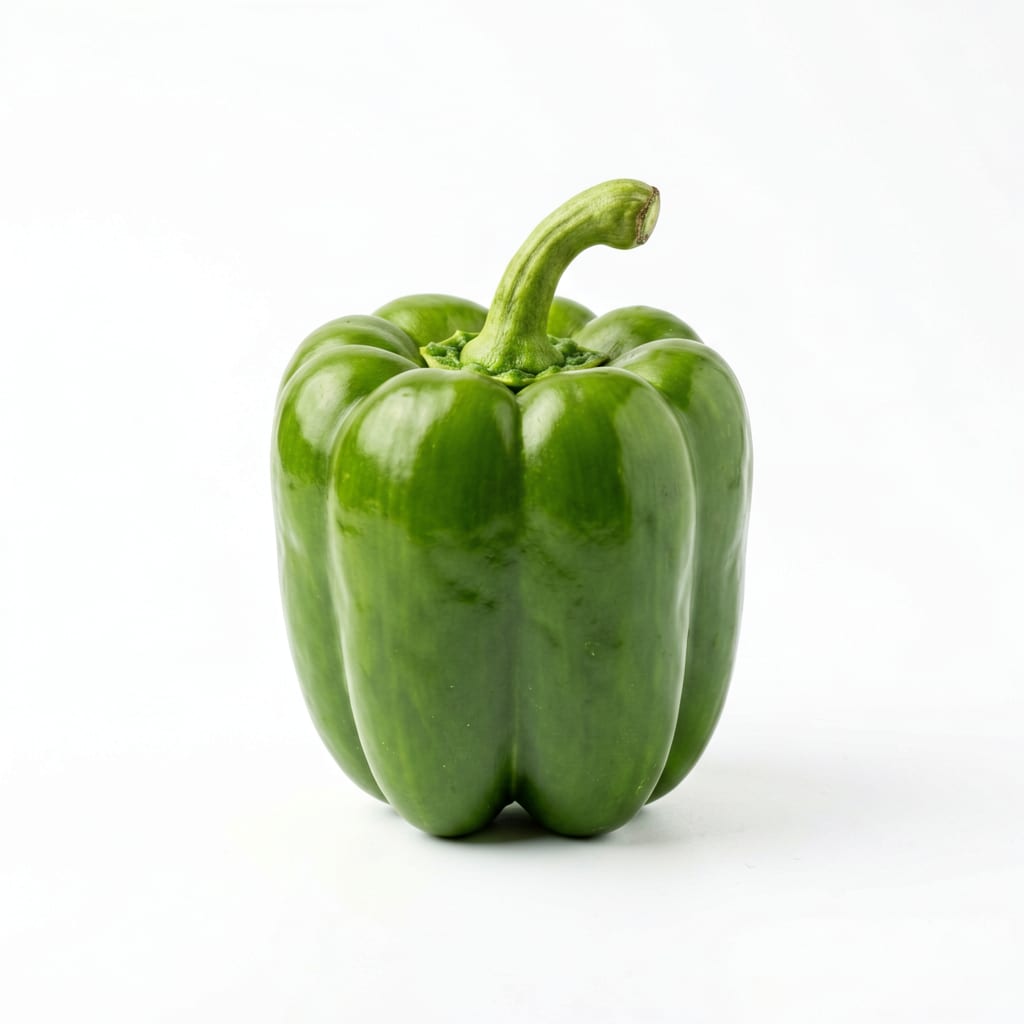
Bell Pepper
Bell pepper is the easier, more sustainable daily choice. Bitter melon is a targeted therapeutic food for blood sugar concerns—but its intense bitterness makes it hard to stick with.
Bell pepper scores higher mainly on practicality, palatability, and sustainability. Bitter melon earns strong marks for blood sugar management but loses ground on taste, ease of use, and risk of medication interactions.
Bitter melon offers stronger blood sugar benefits but sacrifices taste and convenience. Bell pepper delivers reliable nutrition with near-zero eating resistance.
At a glance
Executive summary
Overall
It depends
Healthier
It depends
More practical
Bell Pepper
Daily use
Bell Pepper
Key comparison lenses
blood sugar management
Bitter melon is renowned for glucose-lowering compounds, making this the most clinically relevant dimension
everyday eatability and culinary versatility
Bell pepper is sweet and universally palatable while bitter melon is an acquired taste that limits daily use
practical sustainability as a daily habit
A food only works if you can stick with it—bitter melon's taste is a real barrier for most people
vitamin C and antioxidant comparison
Both are excellent vitamin C sources but through very different flavor profiles and preparation methods
medicinal vs nutritional food philosophy
These foods represent two different approaches: eating for therapy vs eating for nourishment
Best choice for
Bitter Melon
- People actively managing type 2 diabetes or prediabetes
- Those seeking natural blood sugar support alongside medication
- Adventurous eaters comfortable with strong bitter flavors
- Traditional medicine practitioners following Ayurvedic or TCM approaches
Bell Pepper
- Families needing a kid-friendly vegetable
- Anyone meal prepping for the week
- People who want reliable daily nutrition without willpower
- Cooking beginners looking for an easy win
Least suitable for
Bitter Melon
- Children or picky eaters
- Anyone with low stomach tolerance for bitter foods
- People on blood sugar medication without doctor supervision
- Those seeking a casual snack vegetable
Bell Pepper
- People needing targeted therapeutic blood sugar intervention
- Those looking for medicinal plant compounds like charantin
Deep comparison
Dimension by dimension
Each lens scores both foods and breaks down who each option suits.
- Dimension 1 · Priority 95Bitter Melon
blood sugar management
Bitter Melon · 88Bell Pepper · 55Bitter melon contains charantin and polypeptide-p, compounds that mimic insulin and improve glucose uptake. Bell pepper is blood-sugar-friendly but lacks active glucose-lowering agents.
Tradeoff
Bitter melon's blood sugar power comes with risk—it can interact with diabetes medications and cause hypoglycemia if overconsumed.
Why it matters
For someone struggling with elevated blood sugar, bitter melon acts more like a supplement than a food. Bell pepper simply avoids making things worse.
Real-world impact
A diabetic adding bitter melon to their routine may see measurably lower fasting glucose. Bell pepper keeps things stable without the risk of going too low.
Bitter Melon
- Prediabetics seeking natural glucose support
- People with insulin resistance patterns
- Those monitoring post-meal blood sugar spikes
Better for
- Anyone already on glucose-lowering drugs without medical supervision
- People prone to hypoglycemia
Worse for
Bell Pepper
- People on diabetes medication without doctor oversight
- Anyone who needs predictable blood sugar behavior
- Those who want safe daily intake without monitoring
Better for
- Those needing active therapeutic intervention for blood sugar
Worse for
- Dimension 2 · Priority 80Bell Pepper
vitamin C and antioxidant profile
Bitter Melon · 72Bell Pepper · 90Bell pepper—especially red varieties—delivers dramatically more vitamin C per serving than bitter melon, along with higher beta-carotene and vitamin A precursors.
Tradeoff
Bitter melon offers unique antioxidants like momordicin that bell pepper lacks, but the total antioxidant volume favors bell pepper.
Why it matters
Vitamin C supports immunity, skin health, and iron absorption. Bell pepper makes hitting daily targets almost effortless.
Real-world impact
One large red bell pepper covers more than double your daily vitamin C needs. Bitter melon provides a respectable amount but you would need to eat much more of it—an unrealistic ask given the taste.
Bitter Melon
- Those interested in unique phytochemicals with emerging research
- People following traditional medicine antioxidant frameworks
Better for
- Getting enough vitamin C requires eating larger quantities of a very bitter food
Worse for
Bell Pepper
- Anyone wanting maximum vitamin C per bite
- People looking to boost iron absorption from meals
- Those seeking skin and immune support through food
Better for
- Lacks the specific therapeutic compounds found in bitter melon
Worse for
- Dimension 3 · Priority 90Bell Pepper
taste and palatability
Bitter Melon · 25Bell Pepper · 90Bell pepper is sweet, crunchy, and universally liked. Bitter melon is one of the most polarizing vegetables on earth—intensely bitter and off-putting to untrained palates.
Tradeoff
The very compounds that make bitter melon therapeutic are what make it nearly inedible for many people. Health benefits mean nothing if you cannot eat it consistently.
Why it matters
Sustainability drives results. The best food for you is the one you will actually eat regularly.
Real-world impact
Most people can happily eat bell pepper raw, roasted, or stir-fried daily. Bitter melon requires special preparation techniques, masking flavors, and sheer willpower for most newcomers.
Bitter Melon
- Culinary traditionalists from South and Southeast Asia
- People who enjoy bitter flavors like coffee, dark chocolate, or radicchio
Better for
- Anyone sensitive to bitter taste
- Social eating situations where others may not enjoy it
Worse for
Bell Pepper
- Nearly everyone else
- Children
- People new to vegetable-forward eating
Better for
- Those seeking the digestive and appetite-regulating effects specific to bitter flavors
Worse for
- Dimension 4 · Priority 85Bell Pepper
culinary versatility and convenience
Bitter Melon · 35Bell Pepper · 92Bell pepper works raw in salads, roasted, grilled, stuffed, stir-fried, or blended into sauces. Bitter melon has a narrow culinary window—mostly stir-fries and curries with specific spice pairings.
Tradeoff
Bitter melon demands cooking skill and complementary ingredients to be enjoyable. Bell pepper is nearly foolproof.
Why it matters
Convenience determines whether a food becomes a habit or a one-time experiment.
Real-world impact
You can slice bell pepper into any meal in 30 seconds. Bitter melon requires salting, soaking, or blanching to reduce bitterness before you even start cooking.
Bitter Melon
- Experienced cooks comfortable with bitter flavor balancing
- People cooking traditional Asian dishes where it is a natural fit
Better for
- Quick meals
- Raw applications
- Blending into smoothies or sauces
Worse for
Bell Pepper
- Busy weeknight dinners
- Meal prep scenarios
- Raw snacking
- Beginner cooks
Better for
- Traditional medicinal preparations
Worse for
- Dimension 5 · Priority 75Bell Pepper
digestive tolerance and safety
Bitter Melon · 50Bell Pepper · 88Bell pepper is gentle on most digestive systems. Bitter melon can cause stomach upset, diarrhea, and is contraindicated in pregnancy due to emmenagogue effects.
Tradeoff
Bitter melon's bioactive potency is a double-edged sword—therapeutic at the right dose, problematic at higher intakes or for sensitive individuals.
Why it matters
A food that causes digestive distress or carries pregnancy risks cannot be universally recommended.
Real-world impact
Bell pepper can be eaten freely by nearly anyone. Bitter melon requires portion awareness, medical consultation for certain conditions, and caution during pregnancy.
Bitter Melon
- People whose digestion benefits from bitter stimulant effects
- Those with sluggish appetite who need digestive stimulation
Better for
- Pregnant women—traditional contraindication
- People with IBS or sensitive digestion
- Those prone to gastrointestinal upset
Worse for
Bell Pepper
- Pregnant women
- People with sensitive stomachs
- Children
- Anyone eating large portions without monitoring
Better for
- Those specifically seeking digestive bitter stimulation
Worse for
Timeline
Health impact over time
Short-term
Hours to days
Bitter Melon
- May lower blood sugar within hours of consumption
- Can stimulate digestive enzyme release and appetite regulation
- May cause stomach discomfort or loose stools in unaccustomed eaters
- Bitter taste can suppress appetite temporarily
Bell Pepper
- Provides immediate vitamin C boost supporting immune function
- Gentle fiber supports comfortable digestion
- Hydrating and light—will not cause energy crashes
- Natural sweetness can satisfy cravings without sugar spikes
Long-term
Months to years
Bitter Melon
- Consistent use may improve insulin sensitivity and fasting glucose levels
- Unique compounds like charantin have emerging anti-cancer research
- Risk of over-suppression of blood sugar if combined with medication
- Traditional use suggests liver-supportive properties but evidence is still developing
Bell Pepper
- High vitamin C intake correlates with reduced chronic disease risk
- Beta-carotene supports long-term eye and skin health
- Consistent fiber intake promotes healthy gut microbiome
- Anti-inflammatory carotenoids may reduce cardiovascular risk over time
Risk profile
Safety & processing
Both foods are whole, unprocessed vegetables with minimal additive concerns. Choose organic for bell pepper when possible—it consistently appears on EWG's Dirty Dozen list for pesticide residues. Bitter melon is less commonly pesticide-tested but generally has lower residue concerns due to its thick rind.
Bitter Melon
hypoglycemia interaction with diabetes medication
highBitter melon can amplify the effect of insulin or oral hypoglycemics, causing dangerously low blood sugar. Always consult a doctor if on diabetes medication.
pregnancy contraindication
mediumTraditional medicine warns against bitter melon during pregnancy due to potential emmenagogue effects that could stimulate uterine contractions.
gastrointestinal distress
lowHigh intake can cause diarrhea, abdominal pain, or nausea, especially in those unaccustomed to bitter foods.
Bell Pepper
pesticide residue
mediumBell peppers rank high for pesticide residue. Washing helps but does not eliminate all residues. Organic options significantly reduce exposure.
nightshade sensitivity
lowA small subset of people with nightshade sensitivity may experience joint pain or inflammation from bell peppers, though evidence is largely anecdotal.
Who wins for whom
Audience fit
Same foods, different winners depending on your goal.
children
Bell PepperBell pepper is sweet, crunchy, and colorful—naturally appealing to kids. Bitter melon's intense flavor makes it a non-starter for most children.
daily consumption
Bell PepperBell pepper can be eaten daily without special precautions. Bitter melon requires portion awareness, medical consultation, and taste tolerance that most people will not sustain.
diabetes
Bitter MelonBitter melon has the strongest evidence for active glucose-lowering effects. Bell pepper is safe and blood-sugar-friendly but does not actively improve glucose control.
elderly
Bell PepperBell pepper is easier to chew, gentler on digestion, and provides reliable vitamin C. Bitter melon's blood sugar effects require monitoring that complicates care.
muscle gain
It dependsNeither is a muscle-building food. Bell pepper offers more vitamin C for collagen and recovery. Neither provides significant protein.
weight loss
Bell PepperBoth are low-calorie, but bell pepper is easier to eat in volume as a filling snack. Bitter melon's appetite suppression is real but most people cannot eat enough of it to benefit.
Your move
Decision guide
Choose Bitter Melon
- You have prediabetes or type 2 diabetes and your doctor supports adding bitter melon
- You enjoy bitter flavors and know how to prepare it properly
- You are following a traditional medicine protocol that includes bitter melon
- You want targeted blood sugar support beyond general healthy eating
Choose Bell Pepper
- You want a reliable daily vegetable you will actually enjoy eating
- You are feeding a family or cooking for others
- You need versatile meal prep ingredients
- You are pregnant or have digestive sensitivities
- You want maximum vitamin C with zero eating resistance
Either works if
- You want low-calorie, nutrient-dense vegetables in your rotation
- You are building a stir-fry and can use both for complementary flavors
- You have no specific blood sugar concerns and just want more vegetables
Avoid both if
- You have a nightshade allergy and are on blood thinners simultaneously—bell pepper interacts with vitamin K, bitter melon interacts with glucose-lowering drugs
- You are looking for protein-rich or calorie-dense foods—neither will serve that need
Final recommendation
Eat bell pepper daily as your reliable vegetable foundation. Add bitter melon occasionally if you have blood sugar concerns and enjoy the flavor. Do not force bitter melon into your routine if you dislike it—the stress of eating something unpleasant undermines the health benefit. Bell pepper gives you consistent, effortless nutrition. Bitter melon gives you targeted therapy. Know which one you need.
Practical
Consumer tips
- 1
Choose red bell pepper over green for nearly 3 times more vitamin C and significantly more beta-carotene
- 2
Reduce bitter melon's harshness by salting sliced pieces for 15 minutes, then rinsing before cooking
- 3
If trying bitter melon for blood sugar, start with small amounts and monitor your glucose closely—never combine with diabetes medication without medical supervision
- 4
Buy organic bell peppers when possible—they are consistently among the highest-pesticide vegetables
- 5
Pair bitter melon with bold spices like turmeric, cumin, or chili to balance the bitterness in stir-fries
- 6
Freeze diced bell pepper for easy meal prep additions—it retains most nutrients and saves time