
Meat Dish
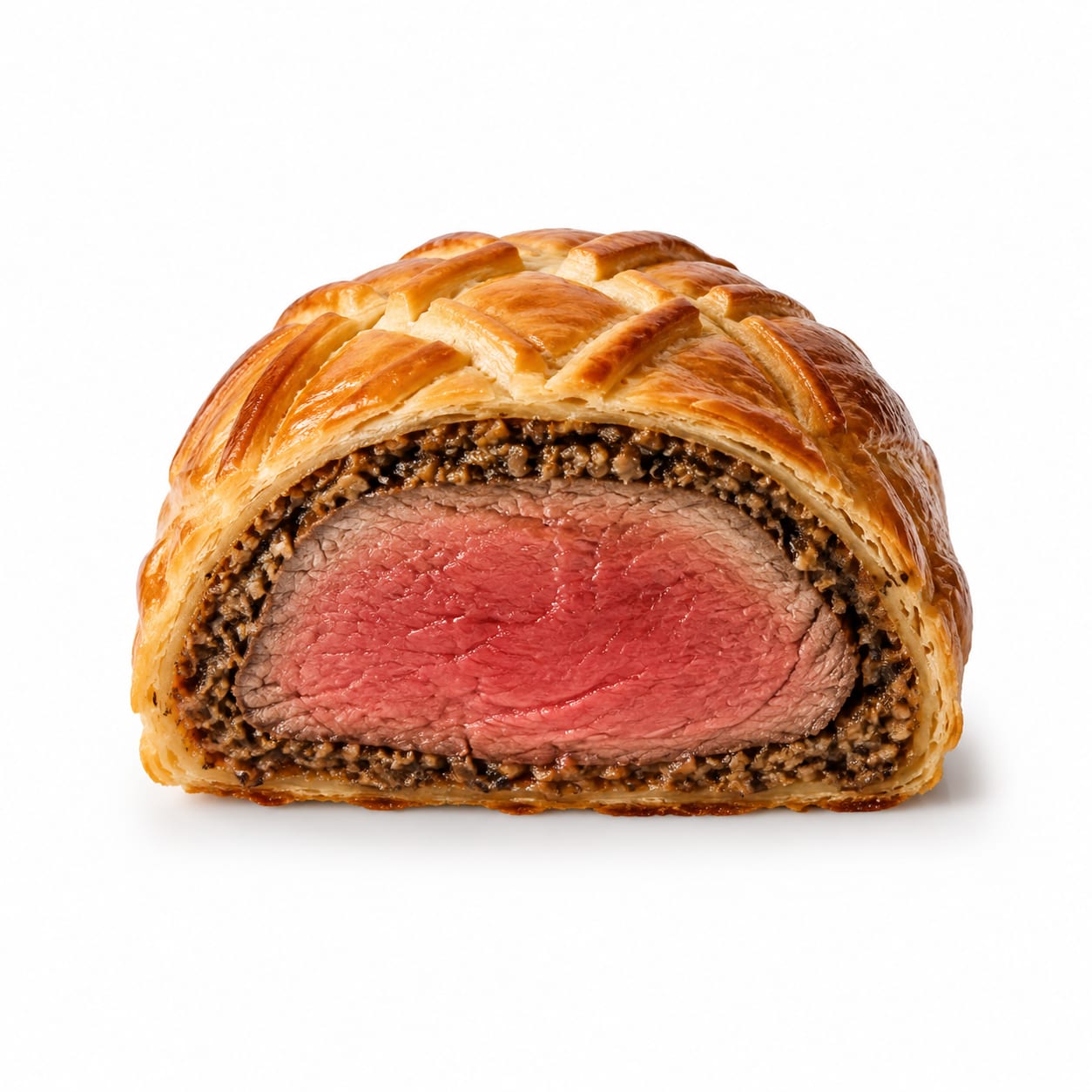
Beef Wellington
A high-calorie, high-protein baked beef dish wrapped in mushroom pâté and puff pastry.
A premium culinary dish consisting of beef tenderloin coated with pâté and mushroom duxelles, wrapped in puff pastry, and baked until golden.
high-fat high-protein celebratory meat dish
Typical serving · 250g
Common varieties · classic beef wellington, individual mini wellingtons, mushroom wellington, pork wellington
Overall context score across nutrition, safety, and diet fit
At a glance
Quick facts
Simple indicators based on nutrition, processing, and diet fit.
The story
What makes it unique
High-protein, high-fat composite food with moderate carbohydrates from the pastry. Digestion is slow due to the high fat and protein content, leading to prolonged satiety but high caloric intake. The maillard reaction during baking creates complex flavor compounds.
Varieties: classic beef wellington · individual mini wellingtons · mushroom wellington · pork wellington
Per 100g
Nutrition breakdown
Macro balance and key metrics at a glance.
Energy
Density 3.20 kcal/g
Protein
Carbs
Fat
Fiber
Sugar
1 g
Sodium
400 mg
Potassium
250 mg
Glycemic index
40
Glycemic load
6
Water content
45%
Standout compounds
Nutrient highlights
Protein
highSupports muscle repair, growth, and satiety
Vitamin B12
highEssential for red blood cell formation and neurological function
Saturated Fat
highProvides dense energy but can raise LDL cholesterol if overconsumed
Iron
moderateCrucial for oxygen transport in the blood
Selenium
moderateActs as an antioxidant and supports thyroid function
Wellness map
Health scores & processing
NOVA processing scale
Moderately processed · Whole food
Combines unprocessed beef with processed culinary components like puff pastry and pâté, which often contain refined flours, added fats, and preservatives.
Diet compatibility
- Weight loss
- Muscle gain
- Diabetes
- Gut health
- Low carb
- High protein
- Heart health
Relative standing
Food rankings
Qualitative ranks compared to similar whole foods.
- Satietygood
- Blood sugarmoderate
- Nutrient densitymoderate
- Fitness fuelmoderate
- Processing qualitypoor
Eat with confidence
Food safety profile
Risk of foodborne illness if beef is undercooked or cross-contaminated. Pâté carries a specific listeria risk for pregnant women.
Evidence confidence 85%
- Pesticideslow
- Antibioticsmoderate
- Heavy metalslow
- Contaminationmoderate
Watch for
- E. coli
- Salmonella
- Listeria
Safer choices
Use fresh beef from reputable sources and ensure the internal temperature reaches at least 145°F (63°C).
Prep tips
Sear beef thoroughly before wrapping to kill surface bacteria. Chill duxelles rapidly before assembly.
Ensuring safe internal temperature for beef while maintaining pastry integrity; pâté poses listeria risk for vulnerable populations.
Deep dive
Health analysis
How this food may fit different goals and preparation choices.
Weight loss
High energy density and fat content make portion control critical; overconsumption easily leads to a caloric surplus.
Blood sugar
Refined puff pastry carbohydrates can cause a glycemic spike, though the high fat and protein slow overall gastric emptying.
Fitness & energy
Provides high-quality complete protein for muscle repair, but the high fat content makes it unsuitable as a pre-workout meal due to slow digestion.
Gut health
Lacks dietary fiber and contains high saturated fat, which can slow digestion and cause discomfort in sensitive individuals.
Processing quality
Combines whole food protein with refined carbohydrates from pastry and processed fats, lowering its overall nutritional quality.
Food safety
Requires careful temperature management to cook pastry thoroughly without overcooking the beef, and safe handling of the pâté component.
Common mistakes
Assuming it is a lean meal because the core is tenderloin, or consuming large portions due to its rich taste.
Best preparation
Sear beef well, cook mushrooms until completely dry to prevent soggy pastry, and chill the assembled wellington before baking to maintain structural integrity.
Practical guide
Best use cases
When and how this food fits real eating patterns.
Holiday Celebratory Dinner
Serves as an impressive, indulgent centerpiece for special occasions and festive gatherings.
High-Protein Bulking Meal
Provides a substantial amount of complete protein and calories for those trying to gain weight or muscle mass.
Post-Workout Recovery
The high protein content aids muscle repair, provided the high fat content does not cause digestive discomfort post-exercise.
Balance sheet
Pros & cons
Upsides
- Excellent source of high-quality complete protein
- Rich in bioavailable iron and vitamin B12
- Highly satiating due to fat and protein content
- Provides zinc for immune support
Trade-offs
- Very high in calories and total fat
- Contains significant saturated fat from pastry and pâté
- Refined carbohydrates from puff pastry
- Virtually devoid of dietary fiber
- High sodium content from pâté and pastry
Fit check
Who is it for?
Great match
- special occasion indulgence
- high-calorie bulking diets
- celebratory meals
Consider alternatives
- daily weight loss meals
- low-fat diets
- strict low-carb or keto diets
- heart-healthy diets
Side by side
How it compares
Open the full head-to-head analysis for nutrition, safety, and practical tradeoffs.
This food
Beef Wellington
VS90% alike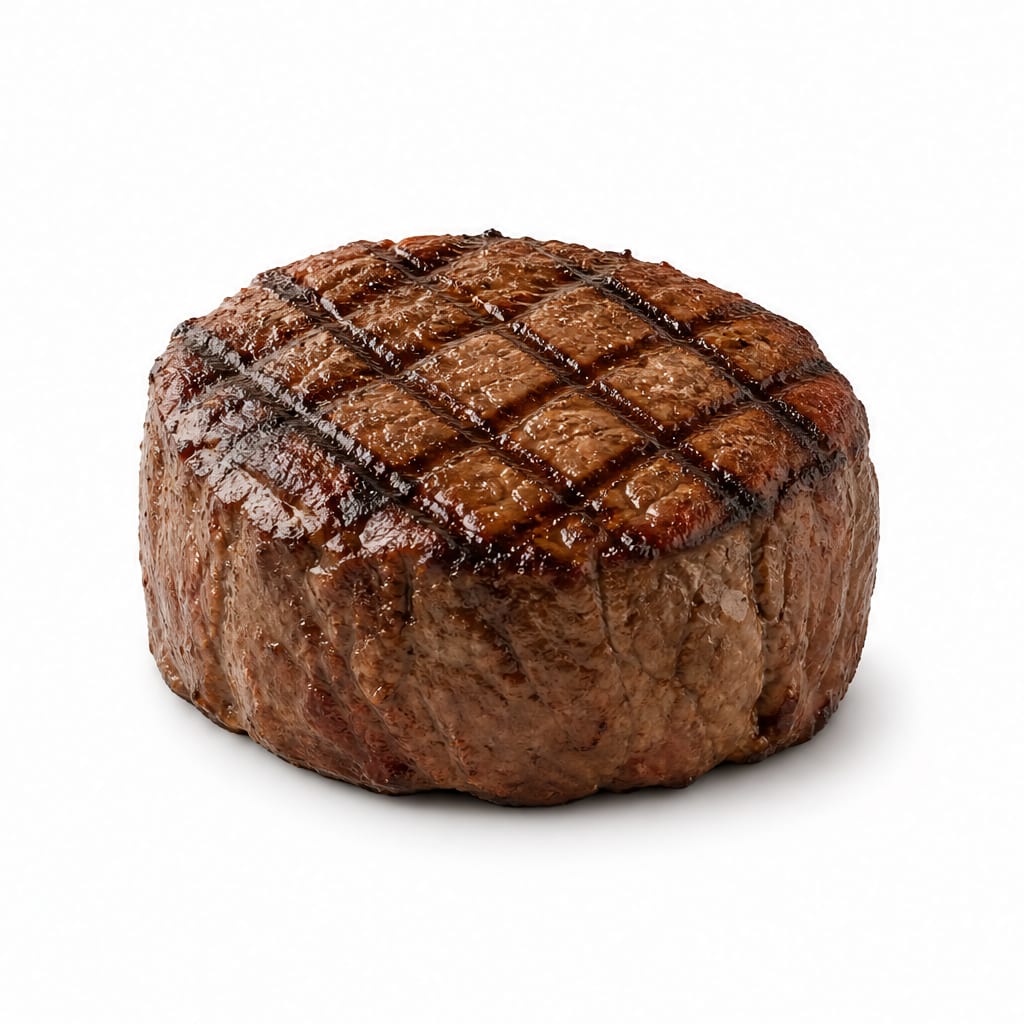
Compare with
Grilled Beef Tenderloin
Grilled tenderloin offers the same lean protein without the high-fat, high-carb pastry shell.
Grilled beef tenderloin is much lower in calories and carbs than Beef Wellington, making it better for weight loss and blood sugar control.
This food
Beef Wellington
VS85% alike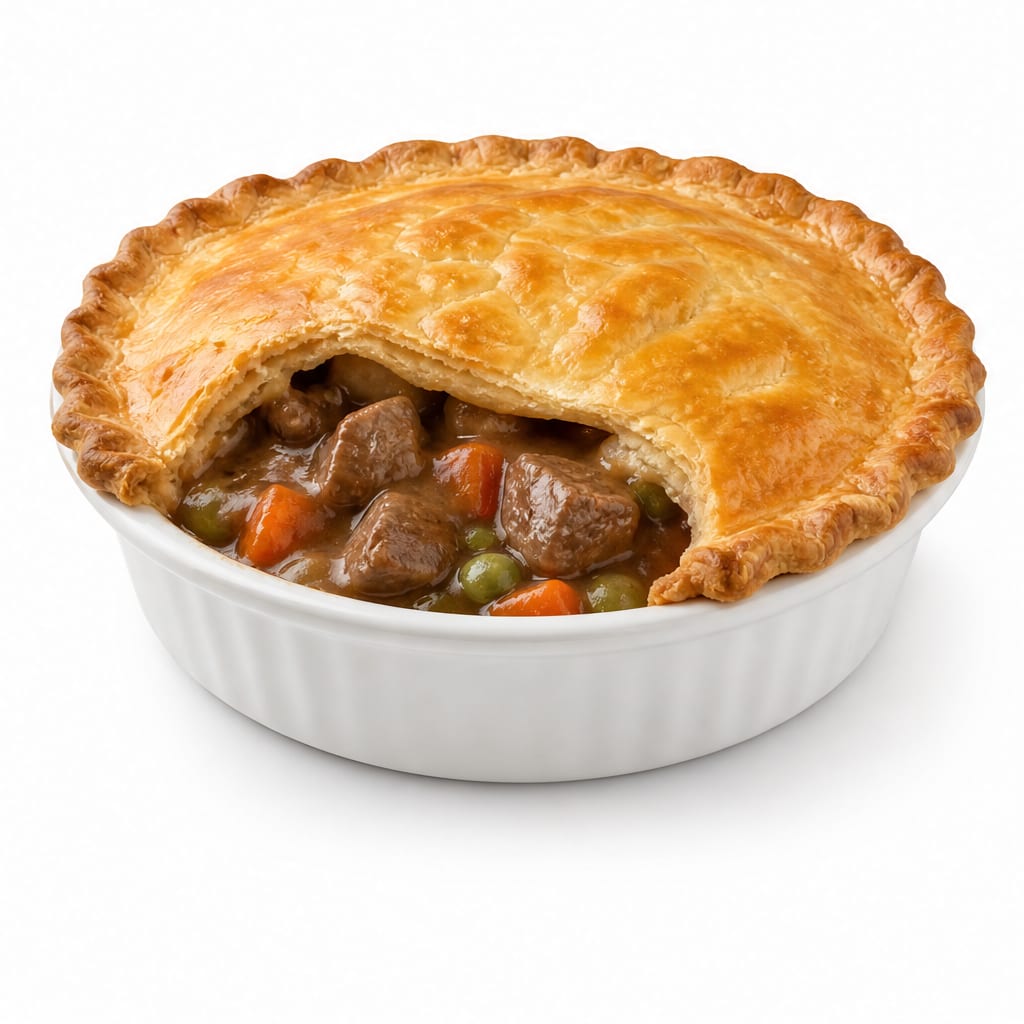
Compare with
Beef Pot Pie
Pot pie uses tougher cuts in gravy, while Wellington uses premium tenderloin and duxelles.
Beef Wellington provides higher quality protein than pot pie, though both are high-calorie comfort foods wrapped in pastry.
This food
Beef Wellington
VS80% alike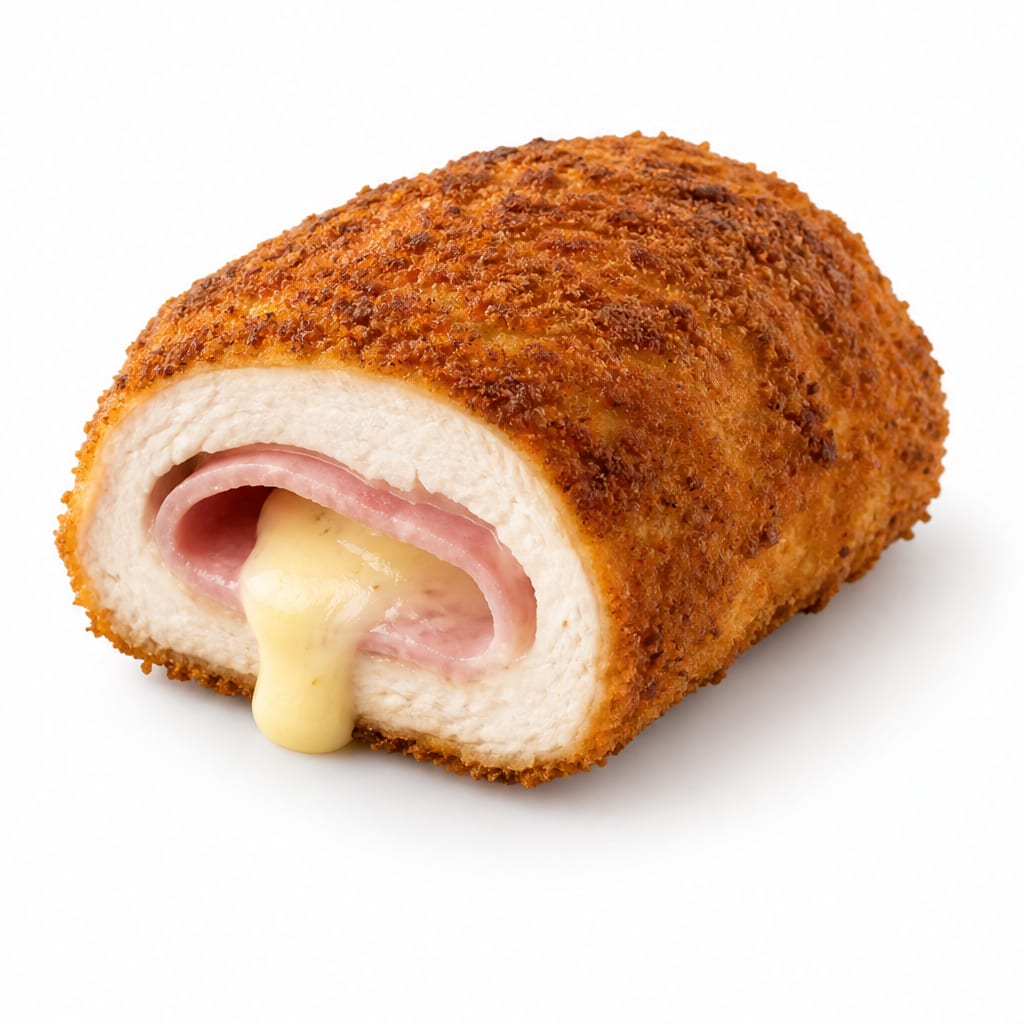
Compare with
Chicken Cordon Bleu
Cordon Bleu is breaded and fried, while Wellington is baked in puff pastry.
Chicken Cordon Bleu is lower in calories than Beef Wellington, but Wellington offers more iron and satiating fats.
This food
Beef Wellington
VS95% alike
Compare with
Pork Tenderloin en Croûte
Pork is slightly leaner than beef tenderloin but the nutritional profile is dominated by the pastry.
Pork en croûte is slightly lower in calories than beef Wellington, but both are high-fat pastry-wrapped meats.
This food
Beef Wellington
VS75% alike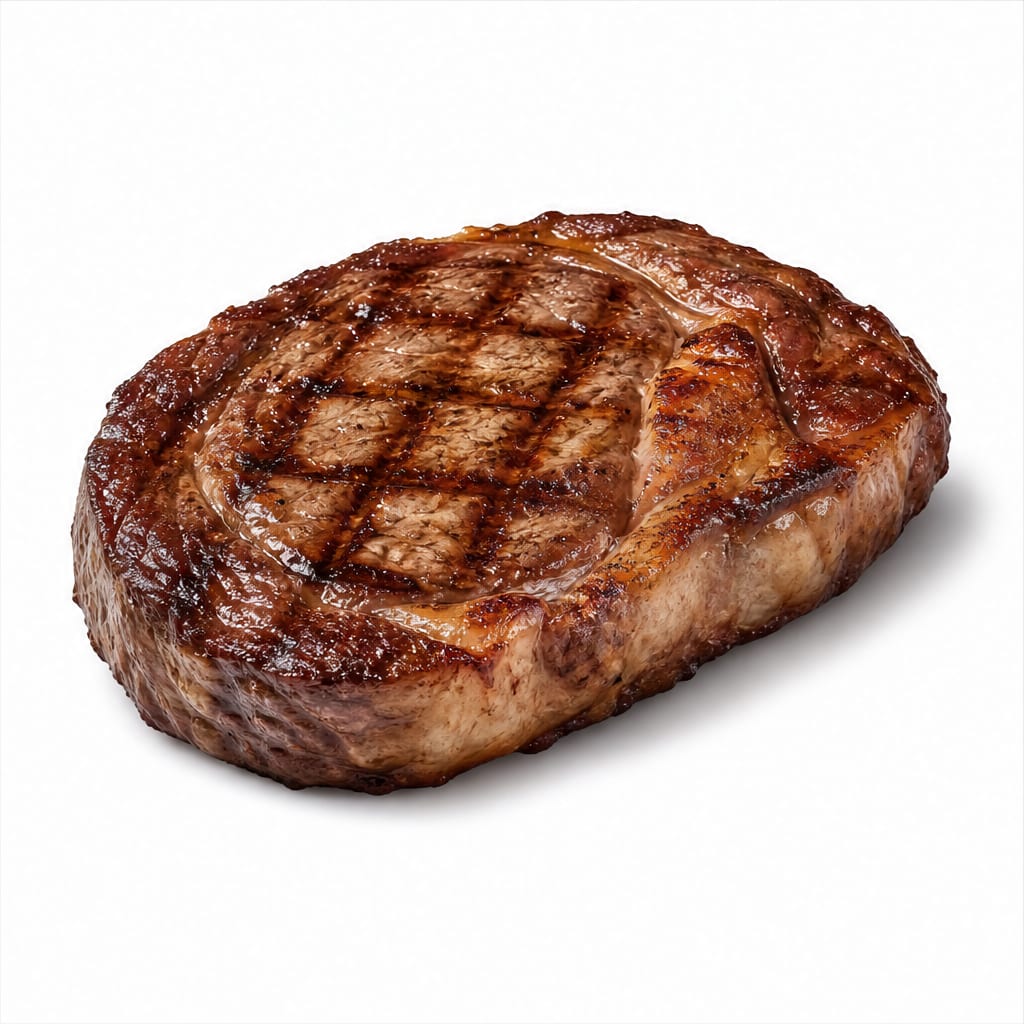
Compare with
Ribeye Steak
Ribeye has natural fat marbling, while Wellington gets its fat externally from pastry and pâté.
Ribeye is zero-carb and better for blood sugar, whereas Beef Wellington adds refined carbs and more total fat.
This food
Beef Wellington
VS60% alike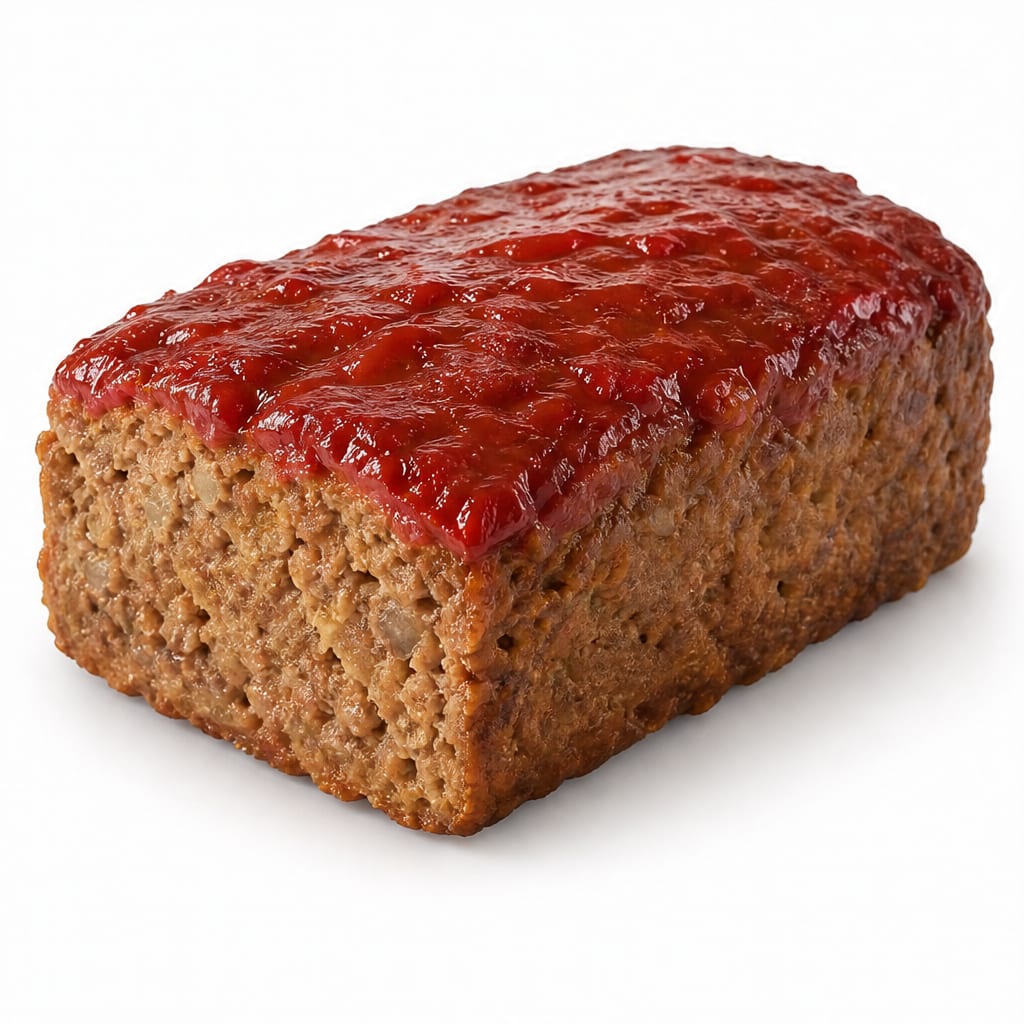
Compare with
Meatloaf
Meatloaf uses ground beef while Wellington uses a whole muscle cut, resulting in different fat profiles.
Meatloaf is generally lower in calories and fat than Beef Wellington, which is encased in calorie-dense pastry.
This food
Beef Wellington
VS75% alike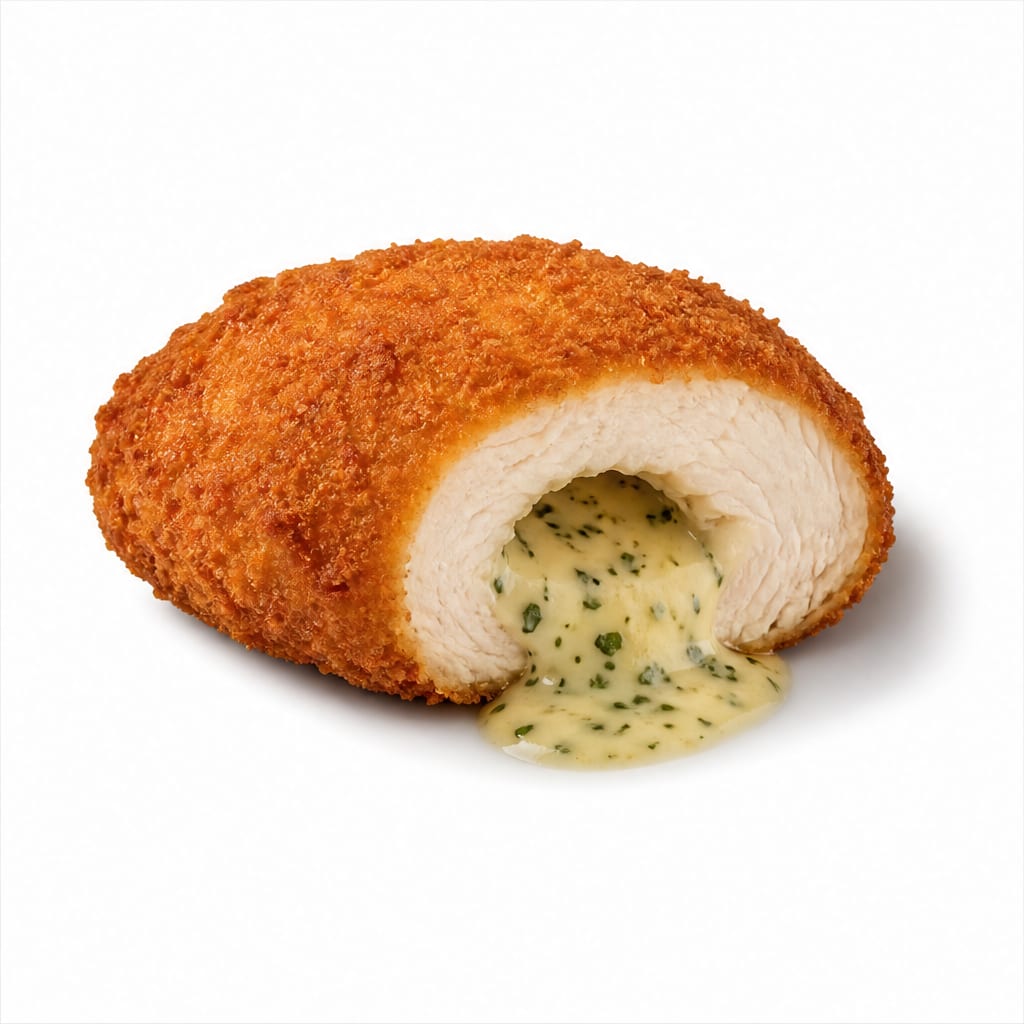
Compare with
Chicken Kiev
Kiev is chicken stuffed with garlic butter, while Wellington is beef wrapped in mushroom paste and pastry.
Chicken Kiev is lower in carbs than Beef Wellington, but Wellington provides more iron and longer-lasting satiety.
This food
Beef Wellington
VS70% alike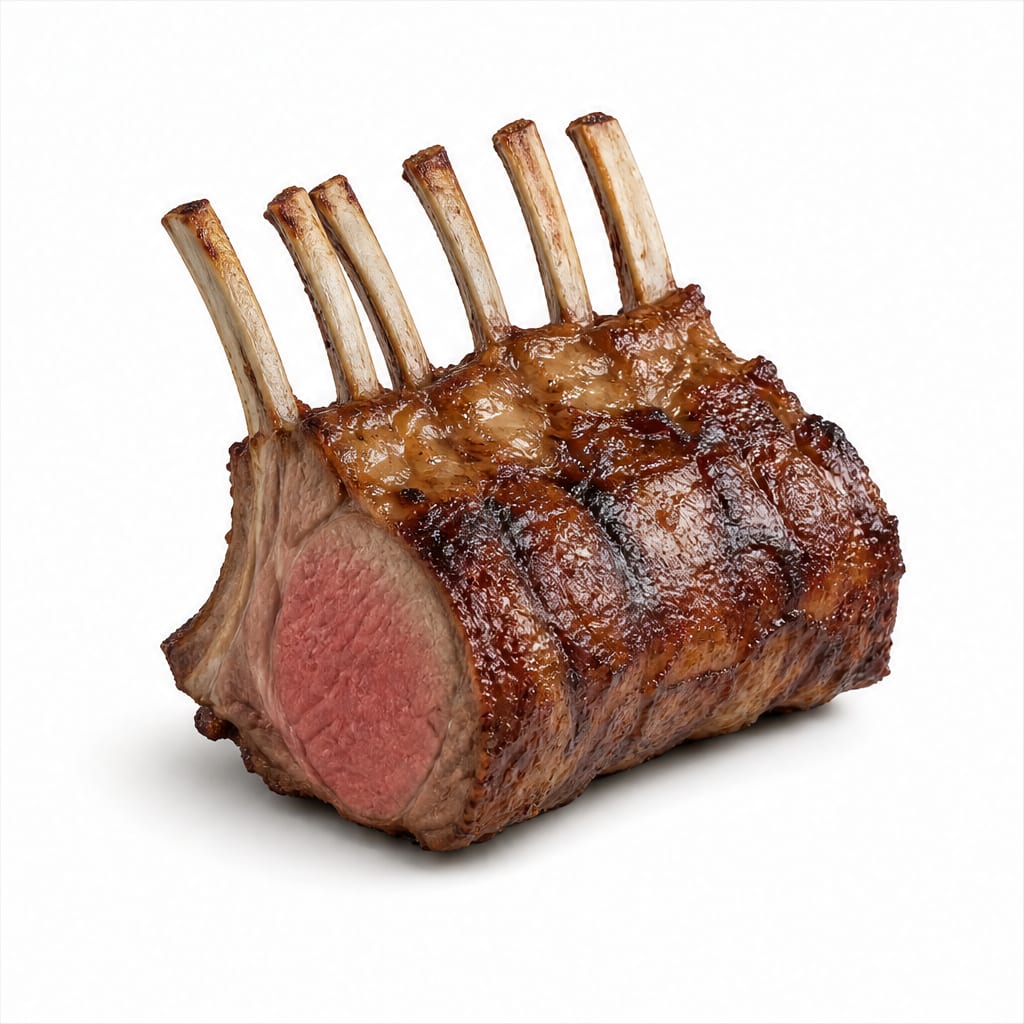
Compare with
Lamb Rack
Lamb rack is naturally fatty and served without pastry, offering a different fat profile.
Lamb rack is zero-carb and better for low-carb diets, while Beef Wellington's pastry adds significant carbohydrates.
This food
Beef Wellington
VS85% alike
Compare with
Salmon en Croûte
Salmon offers omega-3 fatty acids, whereas Wellington provides more iron and saturated fat.
Salmon en croûte provides heart-healthy omega-3s, making it a more heart-friendly pastry-wrapped option than Beef Wellington.
This food
Beef Wellington
VS85% alike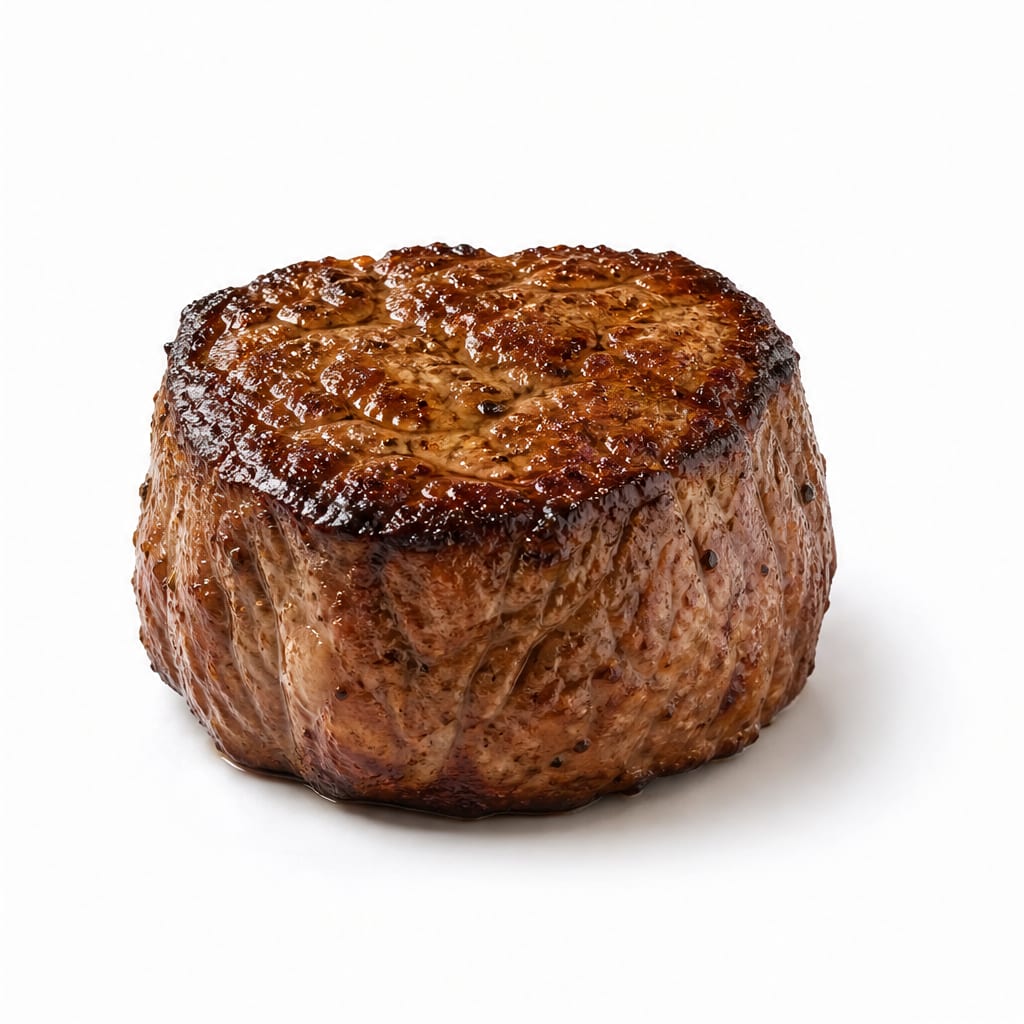
Compare with
Filet Mignon
Filet mignon is the standalone steak, while Wellington wraps it in carbs and fats.
Filet mignon is a pure lean protein source with no carbs, whereas Beef Wellington adds significant calories and refined carbs.
Common questions
FAQ
Answers aligned with how people search for this food.
How many calories are in a slice of Beef Wellington?
A typical slice of Beef Wellington (about 250g) contains roughly 800 calories, largely from the puff pastry and pâté.
Is Beef Wellington good for weight loss?
No, Beef Wellington is not ideal for weight loss due to its high calorie and fat content from the pastry and pâté wrapping.
Can diabetics eat Beef Wellington?
Diabetics should eat Beef Wellington with caution. The puff pastry contains refined carbs that can spike blood sugar, though the protein and fat slow absorption.
Why is Beef Wellington so high in calories?
The high calorie count comes from the butter-rich puff pastry and the fatty pâté layer, which encase the otherwise lean beef tenderloin.
Is the beef in Wellington lean?
Yes, beef tenderloin is a very lean cut of meat, but the overall dish becomes high-fat due to the pastry and pâté additions.
How much protein is in Beef Wellington?
Beef Wellington provides about 16 grams of protein per 100 grams, totaling around 40 grams of protein in a standard serving.
What is a healthier version of Beef Wellington?
A healthier version uses a thin whole-wheat pastry or phyllo dough, reduces the pâté, and adds extra mushrooms for volume and fiber.
Does Beef Wellington have a lot of carbs?
Yes, it contains moderate carbohydrates (around 14g per 100g) primarily from the refined wheat flour in the puff pastry.
Transparency
Data confidence
Estimated confidence for nutrition data, interpretation, safety notes, and comparisons.
Nutrition data
Health analysis
Food safety
Comparisons