
Nutrition comparison
Beef Wellington vs Meatloaf: Nutrition, Cost, and Health Comparison
Compare Beef Wellington and Meatloaf to see which is healthier, more practical, and better for your goals. Discover the nutritional tradeoffs between these two beef dinners.
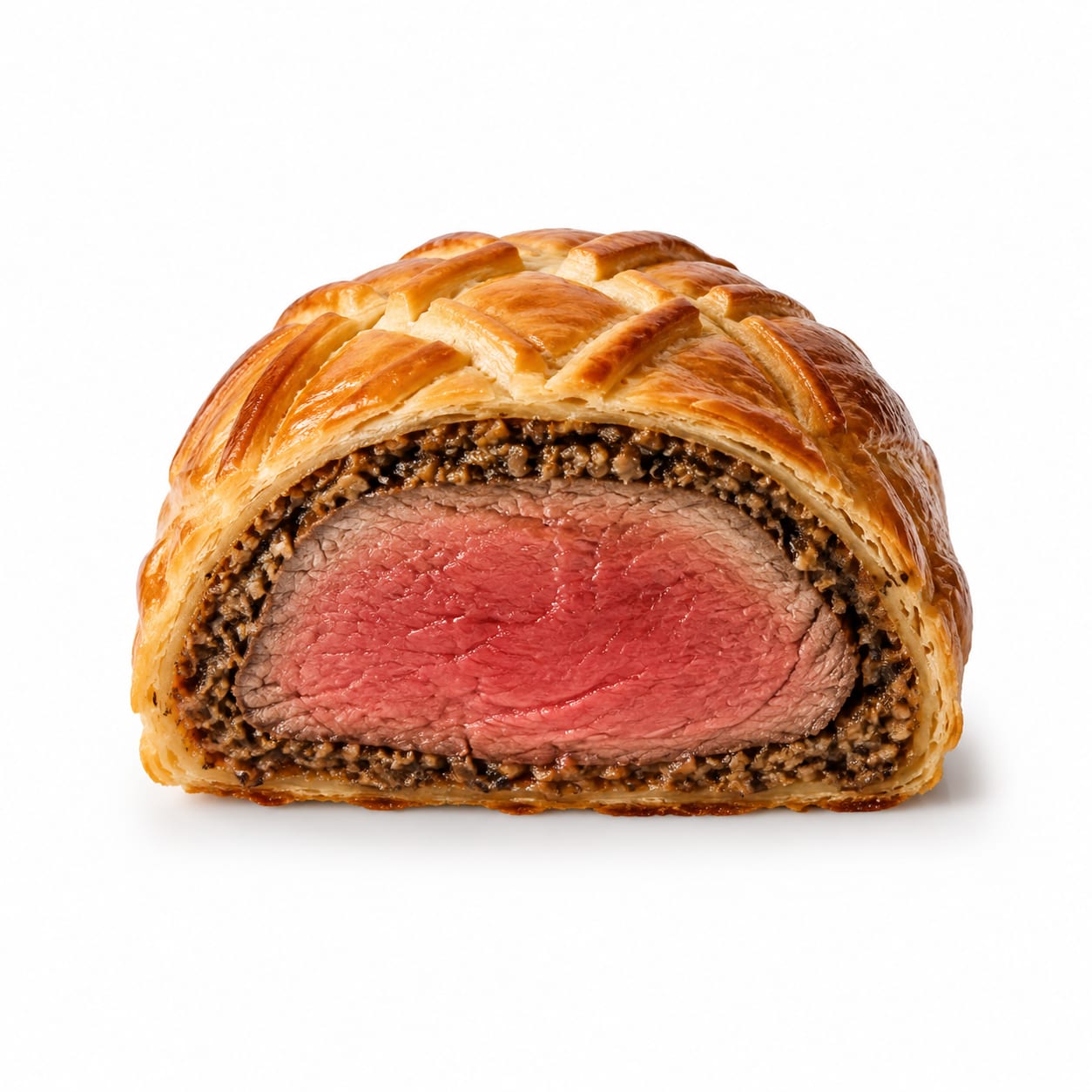
Beef Wellington
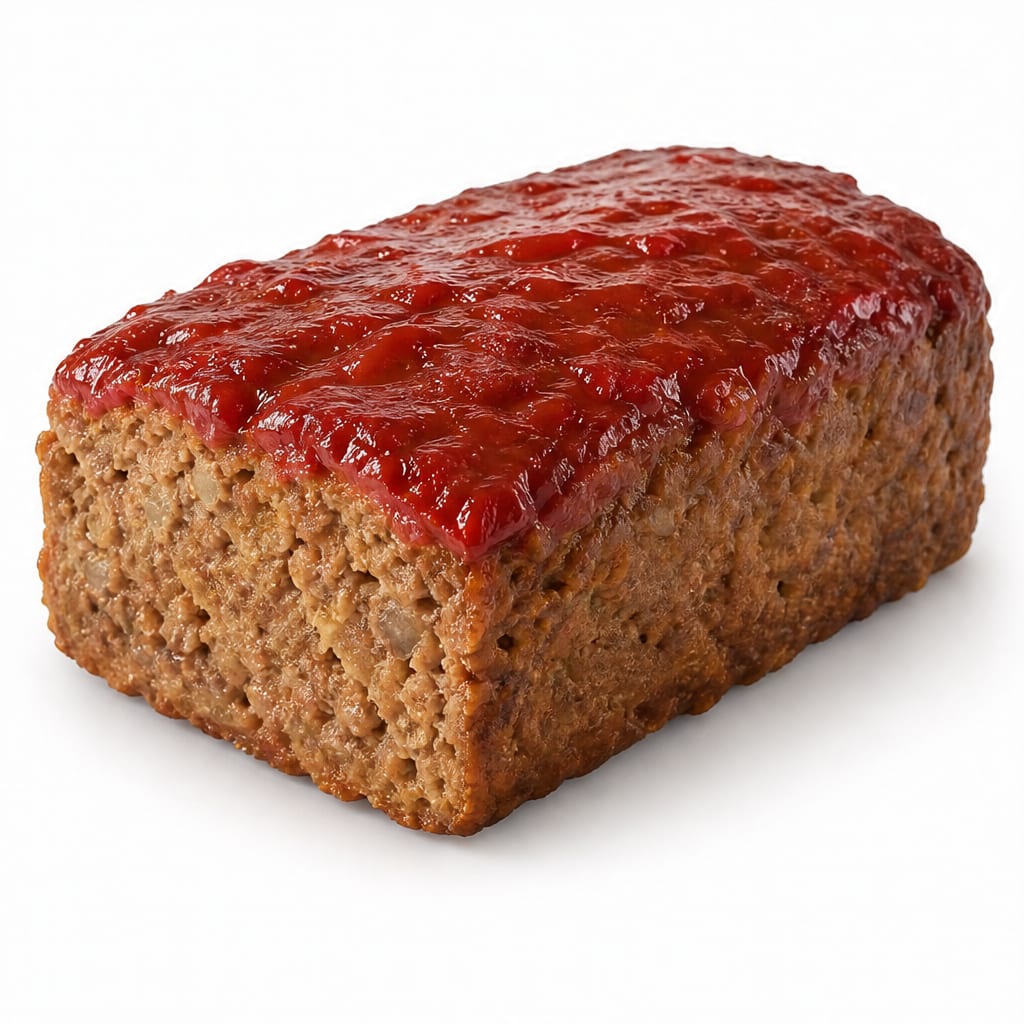
Meatloaf
Beef Wellington is a rich, celebratory indulgence, while Meatloaf is a practical, comforting staple you can eat weekly.
Meatloaf scores higher overall due to better everyday practicality, lower calorie density, and adaptability for leaner ingredients. Beef Wellington scores lower because its heavy puff pastry and pâté make it a rare indulgence rather than a sustainable dietary choice.
Premium whole-cut protein and luxury experience versus everyday affordability, lower calorie density, and meal-prep convenience.
At a glance
Executive summary
Overall
It depends
Healthier
Meatloaf
More practical
Meatloaf
Daily use
Meatloaf
Key comparison lenses
Everyday practicality vs special occasion indulgence
Beef Wellington is a complex, expensive centerpiece while Meatloaf is an affordable weeknight staple.
Saturated fat and calorie density
Puff pastry and pâté in Beef Wellington drastically increase fat and calories compared to a standard Meatloaf.
Whole cut vs ground meat processing
Beef Wellington uses a whole muscle cut, whereas Meatloaf uses ground meat which carries different health and safety profiles.
Best choice for
Beef Wellington
- Romantic dinners and anniversaries
- Holiday celebrations and impressing guests
- Those prioritizing premium whole-muscle protein quality
Meatloaf
- Family weeknight dinners
- Meal prepping for the workweek
- Budget-conscious households seeking comfort food
Least suitable for
Beef Wellington
- Weight loss diets due to extreme calorie density
- Quick weeknight meals after a long workday
- Anyone watching saturated fat intake closely
Meatloaf
- Elegant dinner parties requiring visual wow-factor
- Those avoiding ground meat or high-sodium condiments
- People seeking a lean, low-calorie protein source
Deep comparison
Dimension by dimension
Each lens scores both foods and breaks down who each option suits.
- Dimension 1 · Priority 92Meatloaf
Calorie Density and Satiety
Beef Wellington · 35Meatloaf · 65Meatloaf provides more manageable calorie loads per serving, while Beef Wellington packs massive calories from butter-laden pastry.
Tradeoff
You get a richer, more luxurious eating experience with Beef Wellington, but at the cost of consuming nearly double the calories of a standard Meatloaf slice.
Why it matters
High calorie density makes it very easy to overeat before feeling full, leading to sluggishness later.
Real-world impact
A typical slice of Beef Wellington can exceed 800 calories, leaving you heavy and sluggish, whereas Meatloaf sits lighter at around 300-400 calories per slice.
Beef Wellington
- Beef Wellington is better for those wanting extreme caloric richness in a single slice
- Beef Wellington suits those who eat small portions of very rich foods
Better for
- Beef Wellington is worse for managing daily calorie intake
- Beef Wellington is a poor choice for feeling light after dinner
Worse for
Meatloaf
- Meatloaf is better for portion control and steady energy
- Meatloaf suits those who prefer larger portions without excessive calories
Better for
- Meatloaf is worse for those who feel unsatisfied without rich, buttery textures
Worse for
- Dimension 2 · Priority 95Meatloaf
Practicality and Cost
Beef Wellington · 15Meatloaf · 90Meatloaf is a weeknight hero that is cheap and easy to prep, while Beef Wellington is an expensive, time-consuming project.
Tradeoff
Beef Wellington demands high culinary skill and premium ingredient costs, whereas Meatloaf offers forgiving prep and budget-friendly ingredients.
Why it matters
Food that is easy to prepare consistently is far more likely to be made at home, reducing reliance on takeout.
Real-world impact
You can mix and bake Meatloaf in under 15 minutes of active prep, but Beef Wellington can take hours of careful wrapping and resting to avoid a soggy bottom.
Beef Wellington
- Beef Wellington is better for creating a memorable culinary event
- Beef Wellington suits those with ample time and budget for cooking
Better for
- Beef Wellington is terrible for last-minute meal needs
- Beef Wellington is impractical for those on a tight grocery budget
Worse for
Meatloaf
- Meatloaf is better for busy parents needing a reliable dinner
- Meatloaf is ideal for batch cooking and leftovers
Better for
- Meatloaf is worse for making a special occasion feel truly elevated
Worse for
- Dimension 3 · Priority 80Beef Wellington
Protein Quality and Ingredient Transparency
Beef Wellington · 85Meatloaf · 55Beef Wellington features a whole-muscle tenderloin cut, while Meatloaf relies on ground meat which can vary widely in quality and filler content.
Tradeoff
You get guaranteed premium, lean protein inside Beef Wellington, but you must navigate the highly processed pastry shell surrounding it.
Why it matters
Whole cuts of meat generally have better amino acid availability and fewer hidden fillers compared to ground meat mixtures.
Real-world impact
With Beef Wellington, you know exactly what cut of beef you are eating; with Meatloaf, the ground meat might include higher-fat trimmings or binders that dilute protein quality.
Beef Wellington
- Beef Wellington is better for consuming high-quality, unadulterated whole-muscle protein
- Beef Wellington suits those who prioritize the primary protein source over side elements
Better for
- Beef Wellington is worse for those wanting to easily hide nutritious vegetables in the main dish
Worse for
Meatloaf
- Meatloaf is better for easily sneaking in vegetables like grated zucchini or carrots
- Meatloaf suits those who want to easily swap beef for turkey or plant-based grounds
Better for
- Meatloaf is worse for those concerned about hidden fillers and lower-quality ground meat trimmings
Worse for
- Dimension 4 · Priority 75Beef Wellington
Sodium and Preservative Load
Beef Wellington · 60Meatloaf · 40Meatloaf often relies on high-sodium condiments like ketchup and Worcestershire sauce, while Beef Wellington relies more on natural meat flavors.
Tradeoff
Though Beef Wellington uses pâté and prosciutto which are salty, a standard Meatloaf recipe typically drowns in sugary, salty glazes and binders.
Why it matters
Excess sodium leads to bloating and increased blood pressure, making meals feel less comfortable the next day.
Real-world impact
A slice of Meatloaf with ketchup glaze can easily pack half your daily sodium, whereas the sodium in Beef Wellington is more concentrated in the outer layers you could theoretically leave on the plate.
Beef Wellington
- Beef Wellington is better for those trying to avoid sugary tomato glazes
- Beef Wellington suits eaters who prefer salt from natural cured meats rather than bottled sauces
Better for
- Beef Wellington is worse for those strictly limiting cured meats like prosciutto
Worse for
Meatloaf
- Meatloaf is better for those who can easily control and reduce sodium in homemade recipes
Better for
- Meatloaf is worse for those sensitive to the blood sugar spike from sugary ketchup glazes
- Meatloaf is a hidden sodium bomb in everyday meal prep
Worse for
Timeline
Health impact over time
Short-term
Hours to days
Beef Wellington
- Likely to cause a heavy, sluggish feeling due to the high saturated fat content in puff pastry
- High calorie density may lead to a food coma or afternoon energy crash
Meatloaf
- Provides steady, comforting satiety without extreme heaviness if made lean
- High sodium content might cause immediate thirst and mild bloating
Long-term
Months to years
Beef Wellington
- Frequent consumption would significantly raise LDL cholesterol due to butter and pâté fats
- High caloric load could easily contribute to weight gain if eaten regularly
Meatloaf
- Can easily fit into a balanced diet if made with lean meats and veggie fillers
- Regular intake of traditional ground beef Meatloaf may still pose risks for cardiovascular health if sodium and saturated fat are not managed
Risk profile
Safety & processing
Both dishes are processed composites rather than single-ingredient foods. Beef Wellington uses highly processed components like puff pastry and pâté, while Meatloaf uses ground meat and binders like breadcrumbs. Meatloaf edges out slightly because its components are usually simpler and more recognizable, whereas puff pastry contains industrial margarine or refined flour layers.
Beef Wellington
Undercooked pastry and dough layer
mediumGetting the pastry fully cooked without overcooking the tenderloin is notoriously difficult, leaving a slight risk of raw dough consumption.
Cross-contamination from wrapping process
lowHandling raw beef, pâté, and pastry simultaneously increases the chance of spreading bacteria in the kitchen.
Meatloaf
Ground meat bacterial exposure
highGround beef has more surface area exposed to potential pathogens, requiring thorough cooking to a safe internal temperature.
Sodium nitrite in cured meatloaf mix-ins
mediumIf using bacon wrap or processed mix-ins, nitrites and preservatives become a concern for regular consumption.
Who wins for whom
Audience fit
Same foods, different winners depending on your goal.
children
MeatloafMeatloaf is a familiar, easy-to-chew comfort food that kids readily accept, whereas Beef Wellington's complex flavors and mushroom pâté are often rejected by picky eaters.
daily consumption
MeatloafMeatloaf is affordable, easy to prepare, and can be nutritionally balanced, making it a realistic weekly staple unlike the heavy, labor-intensive Beef Wellington.
diabetes
MeatloafMeatloaf generally has fewer refined carbohydrates than the massive puff pastry shell encasing Beef Wellington, leading to better blood sugar stability.
elderly
MeatloafMeatloaf is softer and easier to chew for dental issues, and its sodium can be controlled at home, whereas the dense fat in Beef Wellington can be harder to digest.
muscle gain
Beef WellingtonBeef Wellington centers around a dense, high-quality whole-muscle tenderloin cut, providing excellent complete protein for muscle repair, despite the surrounding fat.
weight loss
MeatloafMeatloaf can be easily modified with lean turkey or veggies and lacks the butter-heavy pastry crust, making portion control and calorie management much easier.
Your move
Decision guide
Choose Beef Wellington
- You are hosting a romantic dinner or major holiday celebration
- You want a premium, whole-muscle protein experience and accept the fat tradeoff
- You have the time, skill, and budget for an impressive culinary project
Choose Meatloaf
- You need a reliable, comforting family dinner for a busy weeknight
- You want to meal-prep lunches that reheat well for days
- You are watching your calorie intake but still crave satisfying comfort food
Either works if
- You simply want a hearty beef-centric meal and are willing to adjust portion sizes
- You plan to pair the dish with a large, healthy salad to balance the plate
Avoid both if
- You are strictly following a plant-based or vegan diet
- You have severe cholesterol issues and must eliminate saturated fat entirely
Final recommendation
Save Beef Wellington for the moments that matter most—its richness is a feature, not a bug, for celebrations. For everything else, Meatloaf is the practical, adaptable champion that keeps you full and on budget without the butter coma.
Practical
Consumer tips
- 1
Make Meatloaf healthier by swapping half the ground beef for finely grated mushrooms or zucchini to slash calories and boost fiber.
- 2
If making Beef Wellington, consider wrapping individual mini-Wellingtons to enforce strict portion control and prevent overeating.
- 3
Use a meat thermometer for Meatloaf to ensure it reaches 160°F without overcooking, keeping it safe and juicy.
- 4
For Meatloaf, substitute breadcrumbs with rolled oats for a slightly better fiber profile and steadier blood sugar response.