
Nutrition comparison
Beef Wellington vs Beef Pot Pie: Which Hearty Beef Dish Is Healthier?
Compare Beef Wellington and Beef Pot Pie on nutrition, calories, sodium, protein quality, and practicality. Find out which indulgent beef dish fits your goals better.
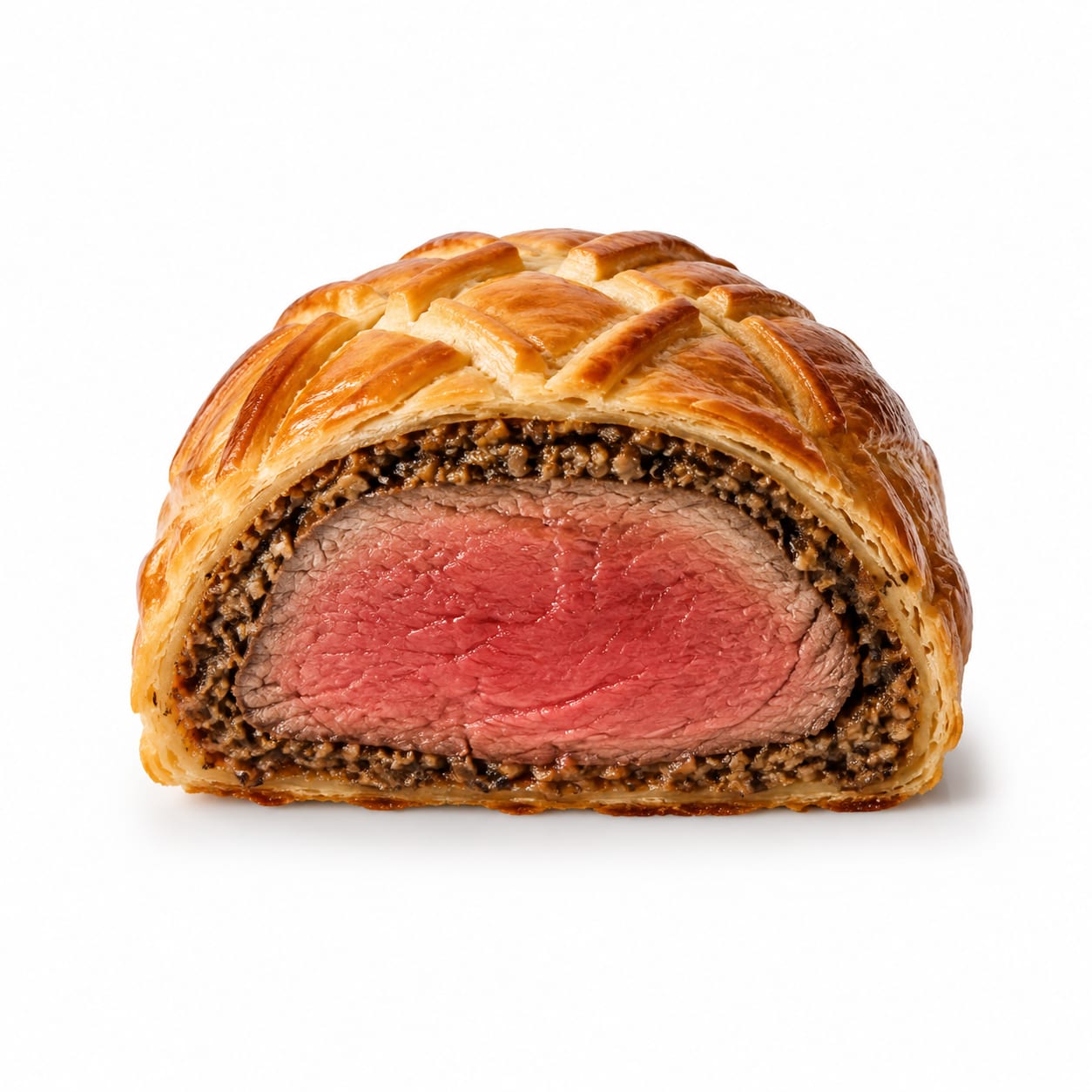
Beef Wellington
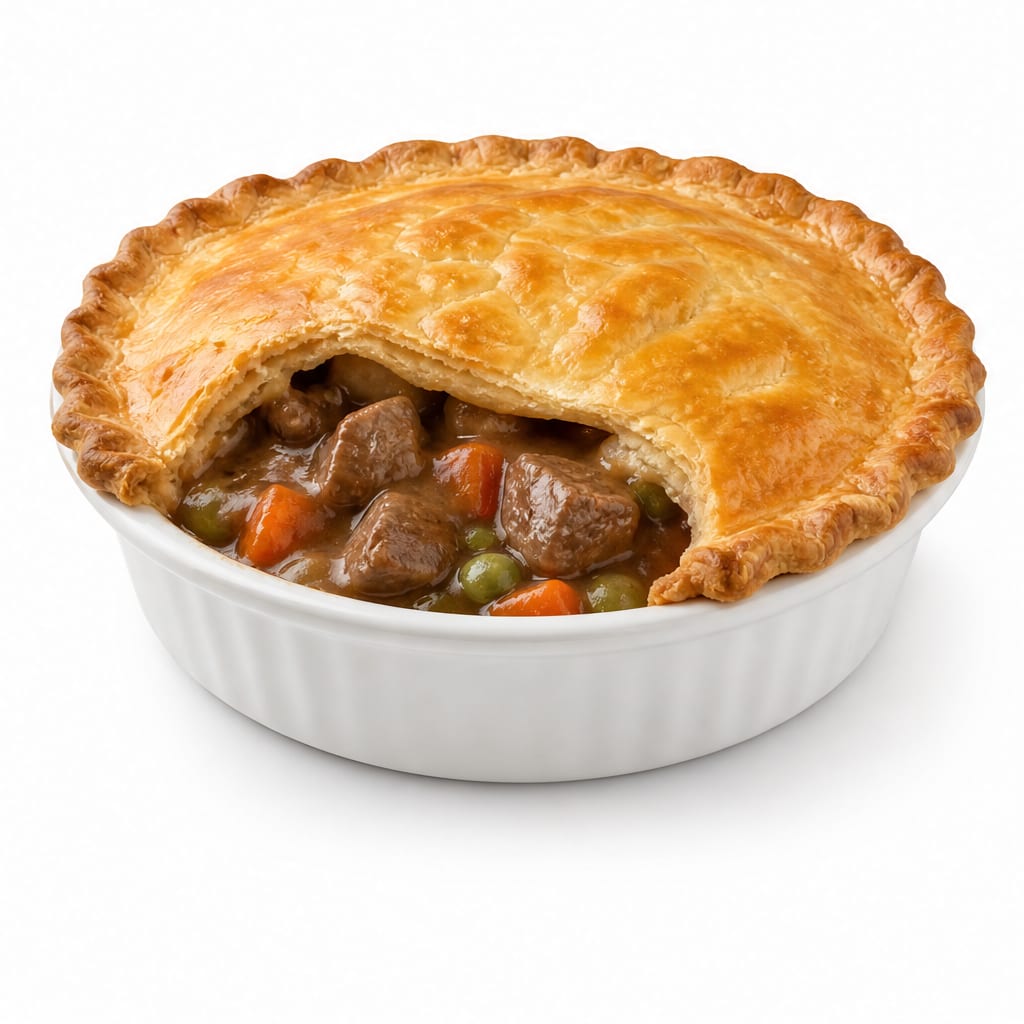
Beef Pot Pie
Beef Wellington offers leaner premium protein with elegant presentation, while Beef Pot Pie delivers more vegetable variety and everyday comfort at a fraction of the cost.
Beef Pot Pie edges ahead thanks to more vegetable content and everyday practicality, but both are indulgent dishes that should be occasional treats rather than regular meals.
Refined indulgence with higher-quality protein versus homier comfort with better nutrient diversity and accessibility.
At a glance
Executive summary
Overall
It depends
Healthier
Beef Pot Pie
More practical
Beef Pot Pie
Daily use
Beef Pot Pie
Key comparison lenses
Comfort food indulgence vs refined dining experience
Both are rich, pastry-wrapped beef dishes but serve very different occasions and eating experiences
Calorie density and portion control
Both are heavy, calorie-dense meals where overeating is easy and likely
Sodium and saturated fat load
Pastry, butter, and beef create significant cardiovascular concerns for both options
Practicality and everyday feasibility
Beef Wellington is a special-occasion project dish while Beef Pot Pie is accessible comfort food
Nutrient diversity from vegetables and fillings
Beef Pot Pie typically contains more vegetables, offering broader micronutrient coverage
Best choice for
Beef Wellington
- Special occasion celebrations and holidays
- Impressing dinner guests with presentation
- Leaner beef protein with less gravy-based sodium
- Those who prefer mushroom-forward umami flavors
Beef Pot Pie
- Weeknight comfort meals
- Budget-conscious families wanting hearty food
- People wanting more vegetable variety in one dish
- Anyone craving warm, gravy-rich satisfaction
Least suitable for
Beef Wellington
- Anyone watching saturated fat from puff pastry
- Weeknight cooks short on time
- Budget-limited households
- People sodium-sensitive to mushroom and pâté combinations
Beef Pot Pie
- Those avoiding heavy gravy-based dishes
- People sensitive to high-sodium comfort foods
- Anyone seeking a refined or light dining experience
- Those wanting premium lean protein cuts
Deep comparison
Dimension by dimension
Each lens scores both foods and breaks down who each option suits.
- Dimension 1 · Priority 88Beef Wellington
Protein Quality and Quantity
Beef Wellington · 82Beef Pot Pie · 68Beef Wellington uses tenderloin, a premium lean cut with excellent protein-to-fat ratio. Beef Pot Pie uses stewing cuts with more connective tissue and fat.
Tradeoff
Higher-quality lean protein in Beef Wellington versus tougher but more collagen-rich protein in Beef Pot Pie.
Why it matters
Tenderloin delivers cleaner protein with less saturated fat per gram, making it better for muscle maintenance and heart health.
Real-world impact
After Beef Wellington you feel satisfied from quality protein. After Beef Pot Pie you feel full but from a heavier, fattier protein mix.
Beef Wellington
- Athletes prioritizing lean protein intake
- Anyone watching saturated fat from red meat
- Older adults needing high-quality protein for muscle preservation
Better for
- Budget-limited eaters who cannot justify tenderloin prices
Worse for
Beef Pot Pie
- People benefiting from collagen-rich cuts for joint support
- Anyone wanting protein that feels more tender from slow cooking
Better for
- Heart-conscious individuals watching saturated fat from fattier beef cuts
Worse for
- Dimension 2 · Priority 82Beef Pot Pie
Vegetable and Micronutrient Diversity
Beef Wellington · 35Beef Pot Pie · 62Beef Pot Pie typically includes carrots, peas, celery, and potatoes. Beef Wellington relies mainly on mushrooms with minimal other produce.
Tradeoff
Broader vitamin and fiber coverage in Beef Pot Pie versus concentrated mushroom selenium and B-vitamins in Beef Wellington.
Why it matters
More vegetable variety means more antioxidants, fiber, and minerals in a single meal without extra effort.
Real-world impact
A serving of Beef Pot Pie sneaks in a decent serving of vegetables. Beef Wellington leaves you needing a side salad to balance the plate.
Beef Wellington
- Mushroom lovers wanting selenium and B-vitamin density
- Those who prefer getting vegetables from side dishes instead
Better for
- Anyone relying on a single dish for vegetable intake
Worse for
Beef Pot Pie
- Families trying to incorporate more vegetables into comfort meals
- Anyone wanting broader micronutrient coverage in one dish
- People who struggle to eat enough produce daily
Better for
- Those who dislike mixed vegetables in their meals
Worse for
- Dimension 3 · Priority 85Beef Wellington
Sodium Load
Beef Wellington · 48Beef Pot Pie · 32Beef Pot Pie's gravy and seasoning pack significantly more sodium. Beef Wellington uses less added salt, relying on mushroom umami instead.
Tradeoff
Lower sodium in Beef Wellington versus richer, more satisfying flavor from seasoned gravy in Beef Pot Pie.
Why it matters
A single Beef Pot Pie can easily deliver half your daily sodium limit. Beef Wellington is salty but more controllable.
Real-world impact
After Beef Pot Pie you may notice thirst and bloating. Beef Wellington feels rich but less salt-heavy the next morning.
Beef Wellington
- People with hypertension managing sodium intake
- Anyone prone to bloating from salty meals
- Older adults on sodium-restricted diets
Better for
- People who still find puff pastry dishes too salty for their needs
Worse for
Beef Pot Pie
- Those who find low-sodium meals bland and unsatisfying
Better for
- Anyone on a strict low-sodium diet
- People with kidney concerns needing sodium control
Worse for
- Dimension 4 · Priority 80Beef Pot Pie
Satiety and Fullness
Beef Wellington · 72Beef Pot Pie · 84Beef Pot Pie's gravy, starch, and vegetable mix creates longer-lasting fullness. Beef Wellington satisfies but leaves you hungry sooner despite richness.
Tradeoff
Deeper, longer satiety from Beef Pot Pie versus lighter elegance that may require side dishes to feel complete.
Why it matters
A meal that keeps you full for hours prevents snacking. Beef Pot Pie does this better as a standalone dish.
Real-world impact
Beef Pot Pie at dinner usually means no late-night fridge raids. Beef Wellington often needs sides to avoid hunger returning within two hours.
Beef Wellington
- Those who prefer smaller, richer portions
- People eating multiple courses where heavy fullness is unwanted
Better for
- People expecting one dish to keep them full all evening
Worse for
Beef Pot Pie
- Anyone wanting one dish to carry the entire meal
- Active people needing sustained energy for hours
- Those who hate feeling hungry again right after dinner
Better for
- Anyone who finds overly heavy meals uncomfortable before bed
Worse for
- Dimension 5 · Priority 90Beef Pot Pie
Practicality and Accessibility
Beef Wellington · 18Beef Pot Pie · 72Beef Wellington is famously difficult and time-consuming. Beef Pot Pie is straightforward comfort cooking anyone can manage.
Tradeoff
Culinary prestige and impressive presentation versus easy, reliable, weeknight-friendly cooking.
Why it matters
The best healthy meal is one you actually make. Beef Pot Pie fits into real life. Beef Wellington is a project.
Real-world impact
Beef Pot Pie can be prepped on a Tuesday. Beef Wellington consumes your entire evening and stresses out most home cooks.
Beef Wellington
- Experienced home cooks wanting a showpiece challenge
- Special occasions where effort is part of the gift
Better for
- Anyone with limited cooking time or experience
- Weeknight diners needing food on the table in under an hour
Worse for
Beef Pot Pie
- Busy parents needing reliable comfort meals
- Beginner cooks building confidence
- Anyone wanting leftovers that reheat well the next day
Better for
- Cooks wanting to impress with visual presentation
Worse for
- Dimension 6 · Priority 86It depends
Calorie Density and Portion Control
Beef Wellington · 38Beef Pot Pie · 34Both are extremely calorie-dense. Beef Wellington packs more calories per bite from butter-rich puff pastry and pâté. Beef Pot Pie is slightly more forgiving due to vegetable bulk.
Tradeoff
Slightly fewer calories with more volume in Beef Pot Pie versus denser, richer calories in smaller portions of Beef Wellington.
Why it matters
Both dishes make it easy to accidentally consume 800-1200 calories in a single serving without feeling overstuffed.
Real-world impact
One generous slice of either dish can equal half your daily calorie needs. Beef Pot Pie at least fills the plate with lower-calorie vegetables.
Beef Wellington
- Those who naturally stop eating after small rich portions
- People eating in multiple courses with smaller main portions
Better for
- Anyone who struggles to stop eating rich foods once started
Worse for
Beef Pot Pie
- Volume eaters who prefer larger portions with some vegetable bulk
- Anyone who feels deprived by tiny portions of rich food
Better for
- People who assume comfort food with vegetables is automatically lighter
Worse for
Timeline
Health impact over time
Short-term
Hours to days
Beef Wellington
- Heavy fullness from rich pastry and protein within 30 minutes
- Possible sluggishness due to high fat content slowing digestion
- Moderate sodium impact but less bloating than gravy-based dishes
Beef Pot Pie
- Deep satisfying fullness from gravy, starch, and vegetables
- Likely thirst from higher sodium within a few hours
- Comforting emotional satisfaction but potential energy crash from heavy carbs and fat
Long-term
Months to years
Beef Wellington
- Occasional consumption poses minimal risk but regular intake increases saturated fat burden
- Puff pastry's trans fat potential depends on preparation quality
- Premium beef cuts mean less cumulative saturated fat than stewing cuts if eaten frequently
Beef Pot Pie
- Regular consumption would significantly raise sodium and saturated fat intake
- Gravy-based dishes contribute to habitual high-sodium eating patterns
- More vegetable content offers slight mitigation but cannot offset the fat and salt load
Risk profile
Safety & processing
Both rely on pastry dough which often contains processed butter or margarine. Homemade versions of either dish reduce additive concerns significantly. Store-bought versions of Beef Pot Pie tend to contain more preservatives and emulsifiers in the gravy.
Beef Wellington
Undercooked puff pastry interior
mediumDense pâté and mushroom layers can leave the pastry dough undercooked, creating a soggy texture and potential bacterial harboring if left at room temperature.
Pâté contamination
mediumLiver-based pâté carries listeria risk if not handled properly, especially concerning for pregnant women and immunocompromised individuals.
Mushroom spoilage
lowDuxelles made from aging mushrooms can develop spoilage organisms if not cooked thoroughly.
Beef Pot Pie
Gravy-based bacterial growth
mediumThick gravy creates an anaerobic environment that can harbor bacteria if cooling and reheating are not handled properly.
Store-bought preservative exposure
mediumCommercial versions often contain sodium preservatives and emulsifiers that homemade versions avoid.
Inconsistent reheating
lowDense filling can remain cold in the center when microwaved, creating food safety concerns for leftovers.
Who wins for whom
Audience fit
Same foods, different winners depending on your goal.
children
Beef Pot PieKids generally prefer the familiar gravy and vegetable mix of Beef Pot Pie over mushroom pâté flavors. It also sneaks in more vegetables.
daily consumption
It dependsNeither should be eaten daily. Both are indulgent dishes best reserved for weekly or less frequent enjoyment.
diabetes
It dependsBoth are challenging. Beef Wellington has fewer carbohydrates but more fat. Beef Pot Pie has more carbs from potatoes and peas but more fiber. Neither is a good regular choice.
elderly
Beef Pot PieSofter texture from slow-cooked beef and gravy is easier to chew and digest. The vegetable content also supports older adults who often lack produce variety.
muscle gain
Beef WellingtonTenderloin delivers higher-quality lean protein with a better amino acid profile per calorie, supporting muscle protein synthesis more efficiently.
weight loss
It dependsNeither supports weight loss well. Beef Wellington offers slightly leaner protein but is more calorie-dense per bite. Beef Pot Pie provides more volume from vegetables but more sodium and gravy fat.
Your move
Decision guide
Choose Beef Wellington
- You are celebrating a special occasion and want something impressive
- You prefer leaner premium beef with mushroom-forward umami flavors
- You are serving a multi-course meal where a lighter main works better
- You value presentation and culinary craftsmanship
Choose Beef Pot Pie
- You want comforting, reliable satisfaction on a regular evening
- You are feeding a family that benefits from hidden vegetables
- You need leftovers that reheat well for lunch the next day
- You are on a budget but still want a hearty, satisfying meal
Either works if
- You are comfortable with indulgent meals and plan to balance with lighter eating afterward
- You want a warming winter dinner that feels like a treat
- You are not concerned about calorie density for this particular meal
Avoid both if
- You are actively managing heart disease or severe hypertension
- You are on a strict low-sodium or low-saturated-fat diet
- You need a light meal before physical activity
- You are trying to lose weight and struggle with portion control around rich foods
Final recommendation
Choose Beef Wellington for occasions that call for elegance and leaner protein. Choose Beef Pot Pie for everyday comfort that feeds more people for less money with better vegetable coverage. Neither belongs on your weekly rotation more than once, but both have a legitimate place in a balanced life.
Practical
Consumer tips
- 1
Make Beef Pot Pie at home to control sodium and skip preservatives found in frozen versions
- 2
Serve Beef Wellington with a large side salad to add fiber and volume without heavy calories
- 3
For either dish, fill half your plate with green vegetables to balance the richness
- 4
Use store-bought puff pastry for Beef Wellington to save time without sacrificing much quality
- 5
Freeze individual portions of Beef Pot Pie for convenient future meals that reheat better than Wellington
- 6
If making Beef Wellington, consider skipping the pâté layer to reduce saturated fat while keeping the mushroom and pastry experience
- 7
Drink plenty of water after either meal to help manage the sodium load and aid digestion