
Nutrition comparison
Beef Wellington vs Chicken Cordon Bleu: Which Indulgent Dinner Is Healthier?
Compare Beef Wellington and Chicken Cordon Bleu on calories, fat, sodium, protein, and health impact. Find out which rich dinner choice is better for your goals.
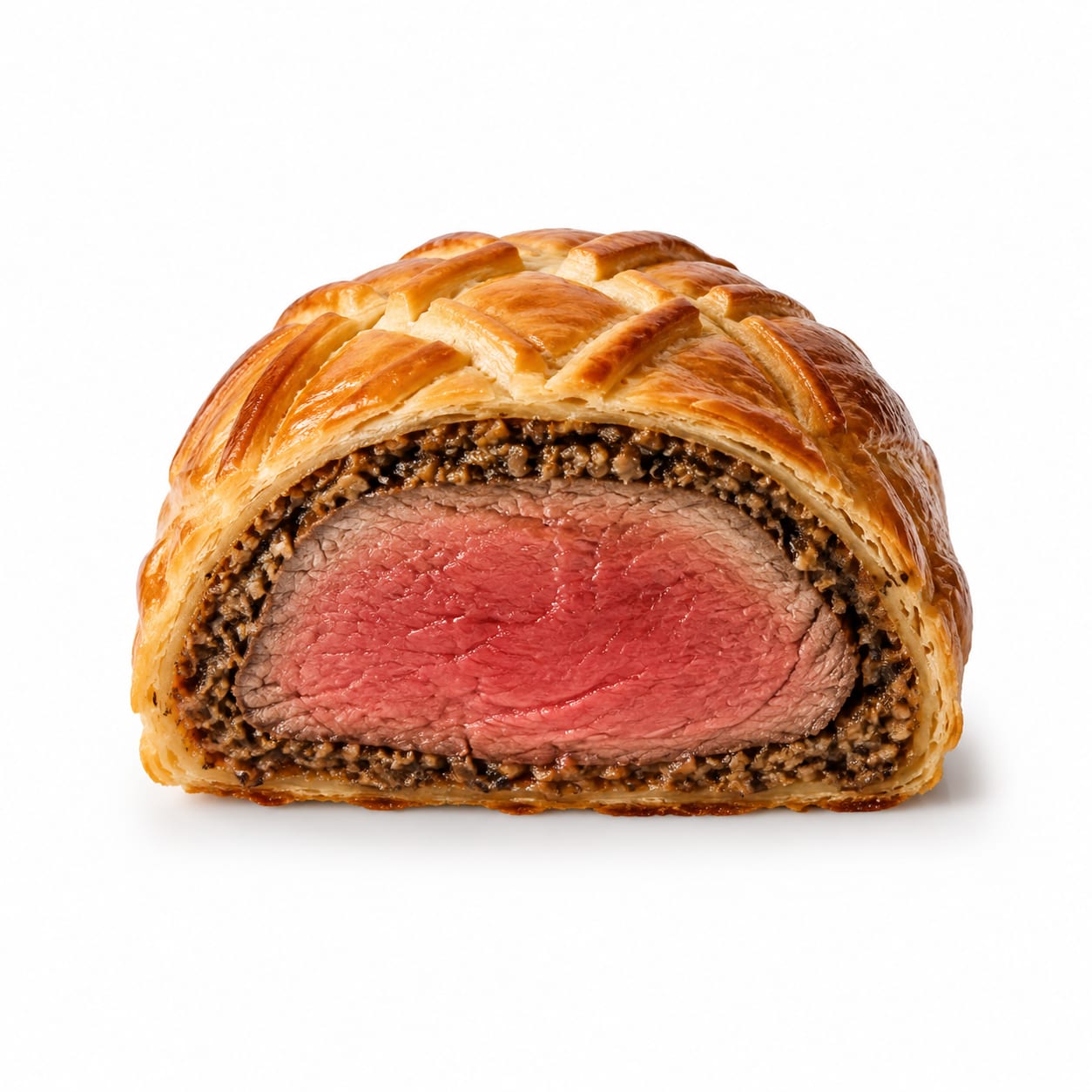
Beef Wellington

Chicken Cordon Bleu
Beef Wellington delivers richer protein and micronutrients but hits harder with saturated fat and calories. Chicken Cordon Bleu is lighter on fat but sneaks in far more sodium from ham and cheese.
Chicken Cordon Bleu scores moderately higher due to leaner base protein and lower saturated fat, but neither dish scores well overall because both are indulgent, calorie-dense, and carry meaningful health tradeoffs.
Saturated fat and calorie density in Beef Wellington versus sodium load and processed meat in Chicken Cordon Bleu — neither is a health food, but they burden your body differently.
At a glance
Executive summary
Overall
It depends
Healthier
Chicken Cordon Bleu
More practical
Chicken Cordon Bleu
Daily use
Chicken Cordon Bleu
Key comparison lenses
indulgent dinner decision
Both are celebratory, rich dishes people choose for special occasions rather than everyday meals
calorie and fat tradeoff
Both are high-calorie comfort foods but with very different fat profiles and calorie sources
protein quality comparison
Beef tenderloin vs chicken breast represents a classic red meat vs lean poultry protein debate
sodium awareness
Ham and cheese in Chicken Cordon Bleu create a significant sodium load that diners should consider
heart health impact
Saturated fat from beef and butter vs sodium and processed ham present different cardiovascular concerns
Best choice for
Beef Wellington
- Iron-deficient individuals needing heme iron boost
- Special occasion indulgence where richness is the point
- Those avoiding processed meats like ham
- People prioritizing micronutrient density over calorie count
Chicken Cordon Bleu
- Those watching saturated fat intake closely
- People wanting a lighter but still satisfying dinner
- Home cooks seeking an easier recipe to execute
- Anyone meal-prepping protein for the week
Least suitable for
Beef Wellington
- People managing heart disease or high cholesterol
- Anyone counting calories strictly
- Those with gout or uric acid concerns
- Busy weeknight dinners requiring quick prep
Chicken Cordon Bleu
- People on sodium-restricted diets
- Anyone avoiding processed meats due to cancer risk
- Those with dairy intolerance or allergy
- Individuals sensitive to fried or breaded foods
Deep comparison
Dimension by dimension
Each lens scores both foods and breaks down who each option suits.
- Dimension 1 · Priority 92Chicken Cordon Bleu
Calorie Density and Portion Control
Beef Wellington · 25Chicken Cordon Bleu · 45Beef Wellington packs significantly more calories per serving due to puff pastry, pâté, and butter. Chicken Cordon Bleu is also calorie-dense but easier to moderate portions with.
Tradeoff
Beef Wellington's richness makes it harder to stop eating, while Chicken Cordon Bleu's slightly lighter profile gives you a fighting chance at portion awareness.
Why it matters
A single serving of Beef Wellington can easily exceed 800 calories before sides. Overeating at that density adds up fast.
Real-world impact
After Beef Wellington, you're more likely to feel overstuffed and sluggish. Chicken Cordon Bleu leaves room for a vegetable side without turning dinner into a calorie bomb.
Beef Wellington
- Those who eat small portions of rich food and feel satisfied
Better for
- Consistent overeaters at dinner
- Anyone trying to lose weight
Worse for
Chicken Cordon Bleu
- Anyone tracking calories who still wants a comforting meal
- People who prefer feeling satisfied but not painfully full
Better for
- Those who find breaded chicken unsatisfying and snack later
Worse for
- Dimension 2 · Priority 90Chicken Cordon Bleu
Saturated Fat and Heart Health
Beef Wellington · 22Chicken Cordon Bleu · 42Beef tenderloin plus butter-rich puff pastry and pâté creates a saturated fat bomb. Chicken Cordon Bleu has fat from cheese and frying, but the chicken base is inherently leaner.
Tradeoff
You trade a large saturated fat hit in Beef Wellington for a moderate one in Chicken Cordon Bleu — neither is heart-friendly, but the gap is meaningful.
Why it matters
Regular high saturated fat intake raises LDL cholesterol more consistently than occasional sodium spikes raise blood pressure.
Real-world impact
If you eat Beef Wellington regularly, your cardiologist will notice. Chicken Cordon Bleu weekly is still not ideal but less aggressively harmful to your lipid panel.
Beef Wellington
- Very active people who burn through dietary fat efficiently
Better for
- Those with existing high LDL cholesterol
- Sedentary individuals
Worse for
Chicken Cordon Bleu
- Anyone with family history of heart disease
- People monitoring cholesterol levels
Better for
- People who assume it's healthy just because it's chicken
Worse for
- Dimension 3 · Priority 85Beef Wellington
Sodium Load
Beef Wellington · 48Chicken Cordon Bleu · 28Chicken Cordon Bleu hides a sodium trap in ham, cheese, and seasoned breading. Beef Wellington's sodium comes mainly from seasoning and pâté, which is typically less extreme.
Tradeoff
Beef Wellington wins on sodium but loses on saturated fat. The ham alone in Chicken Cordon Bleu can deliver 600-800mg of sodium before cheese and breading.
Why it matters
A single Chicken Cordon Bleu serving can approach 1,500mg sodium — over half your daily limit in one dish.
Real-world impact
After Chicken Cordon Bleu, you might wake up puffy and thirsty. Beef Wellington is more likely to leave you feeling heavy than bloated.
Beef Wellington
- People with hypertension watching sodium
- Anyone prone to water retention
Better for
- People who over-salt the mushroom duxelles
Worse for
Chicken Cordon Bleu
- Those who sweat heavily and need more sodium
- Active individuals replacing electrolytes
Better for
- Anyone on a low-sodium diet
- People with kidney issues
Worse for
- Dimension 4 · Priority 82Beef Wellington
Protein Quality and Micronutrients
Beef Wellington · 72Chicken Cordon Bleu · 55Beef tenderloin delivers superior heme iron, zinc, B12, and creatine. Chicken breast is excellent lean protein but lacks the micronutrient punch of red meat.
Tradeoff
You get more nutritional value per bite from Beef Wellington, but you pay for it with more calories and saturated fat to access those nutrients.
Why it matters
Iron and B12 deficiencies are common, and beef is one of the most efficient ways to address them.
Real-world impact
If you're anemic or borderline deficient, Beef Wellington actually serves a nutritional purpose. Chicken Cordon Bleu's protein is good but less micronutrient-dense.
Beef Wellington
- Women with low iron levels
- Anyone recovering from blood loss or surgery
- Older adults needing B12 support
Better for
- People with hemochromatosis or iron overload
Worse for
Chicken Cordon Bleu
- People getting enough iron from other sources
- Those who prefer leaner protein without the fat baggage
Better for
- Vegetarians transitioning who need concentrated nutrients
Worse for
- Dimension 5 · Priority 78Beef Wellington
Processed Meat and Preservative Exposure
Beef Wellington · 52Chicken Cordon Bleu · 30Chicken Cordon Bleu contains ham — a processed meat classified as a Group 1 carcinogen by WHO. Beef Wellington uses mushroom duxelles and pâté, which carry lower processing risk.
Tradeoff
The ham in Chicken Cordon Bleu introduces nitrites and preservatives that Beef Wellington largely avoids, though pâté has its own concerns.
Why it matters
Even occasional processed meat consumption increases colorectal cancer risk. The dose matters, but the risk is real.
Real-world impact
Eating Chicken Cordon Bleu once a month is low risk, but if it becomes a weekly habit, the processed meat exposure adds up meaningfully.
Beef Wellington
- Anyone reducing processed meat intake
- People with family history of colorectal cancer
Better for
- People concerned about liver-based pâté and vitamin A toxicity in excess
Worse for
Chicken Cordon Bleu
- Those using uncured ham in homemade versions
Better for
- Anyone specifically avoiding nitrites and nitrates
- People who eat processed meats frequently from other sources
Worse for
- Dimension 6 · Priority 75Beef Wellington
Satiety and Meal Satisfaction
Beef Wellington · 70Chicken Cordon Bleu · 58Beef Wellington's fat and protein combination creates longer-lasting fullness. Chicken Cordon Bleu satisfies in the moment but the breading can digest quickly.
Tradeoff
Beef Wellington keeps you fuller for longer but at the cost of feeling heavier. Chicken Cordon Bleu is more comfortable but may leave you snacking later.
Why it matters
Post-dinner snacking often undermines otherwise reasonable meals. A dish that truly satisfies prevents that.
Real-world impact
After Beef Wellington, you're unlikely to want dessert. After Chicken Cordon Bleu, you might find yourself grazing two hours later.
Beef Wellington
- People who eat dinner late and want to stay full until morning
- Those trying to avoid nighttime snacking
Better for
- Anyone who has trouble sleeping after heavy meals
Worse for
Chicken Cordon Bleu
- People who hate feeling overly full after dinner
- Those who prefer a lighter evening meal
Better for
- Chronic evening snackers
Worse for
- Dimension 7 · Priority 70Chicken Cordon Bleu
Preparation Practicality
Beef Wellington · 25Chicken Cordon Bleu · 55Beef Wellington is notoriously difficult to execute correctly — even experienced cooks struggle with the pastry. Chicken Cordon Bleu is achievable for most home cooks.
Tradeoff
Beef Wellington rewards culinary ambition but punishes mistakes harshly. Chicken Cordon Bleu is forgiving and still impressive.
Why it matters
A dish you can actually cook at home matters more than a dish you only eat at restaurants.
Real-world impact
Most home cooks can make a solid Chicken Cordon Bleu on a weeknight. Beef Wellington is a weekend project with a real chance of disappointment.
Beef Wellington
- Experienced home cooks wanting a challenge
- Special occasions where effort is part of the experience
Better for
- Beginners who will waste expensive ingredients
- Anyone short on time
Worse for
Chicken Cordon Bleu
- Weeknight dinners
- Home cooks at any skill level
- Meal prep scenarios
Better for
- Cooks who find breading and frying tedious
Worse for
Timeline
Health impact over time
Short-term
Hours to days
Beef Wellington
- Heavy fullness and potential sluggishness within an hour
- Possible indigestion from rich pastry and high fat content
- Sustained energy for hours due to fat and protein density
Chicken Cordon Bleu
- Thirst and mild bloating from sodium within hours
- Quicker initial satisfaction but possible hunger return within 2-3 hours
- Comforting but less heavy post-meal feeling
Long-term
Months to years
Beef Wellington
- Elevated LDL cholesterol if consumed frequently
- Higher cardiovascular risk from consistent saturated fat intake
- Good iron and B12 status supporting energy and blood health
- Increased uric acid potentially aggravating gout
Chicken Cordon Bleu
- Higher blood pressure risk from regular sodium intake
- Processed meat exposure increasing colorectal cancer risk with frequency
- Reasonable protein intake supporting muscle maintenance
- Possible weight gain from calorie density if portions are uncontrolled
Risk profile
Safety & processing
Both dishes are processed composite meals, but Beef Wellington uses more whole ingredients assembled together, while Chicken Cordon Bleu relies on processed ham and often pre-made breading. Neither is a natural whole food, but Beef Wellington is closer to scratch-cooking if made traditionally.
Beef Wellington
Undercooked beef near pastry layer
mediumThe pastry can brown before the beef reaches safe temperature, tempting cooks to pull it early. Use a meat thermometer.
Pâté contamination risk
lowLiver-based pâté carries slight listeria risk if not handled properly, especially for pregnant women.
Chicken Cordon Bleu
Undercooked chicken near ham center
highThe stuffed construction makes it hard to verify chicken is fully cooked throughout. This is the most serious safety concern between both dishes.
Processed ham bacterial contamination
lowPre-sliced deli ham can harbor listeria if stored improperly, though cooking reduces this significantly.
Who wins for whom
Audience fit
Same foods, different winners depending on your goal.
children
Chicken Cordon BleuKids prefer the familiar chicken-and-cheese combination, and the sodium is less concerning for healthy children than for adults. Ensure chicken is fully cooked.
daily consumption
Chicken Cordon BleuNeither should be eaten daily, but Chicken Cordon Bleu's lighter profile makes it slightly more reasonable as an occasional regular meal.
diabetes
Chicken Cordon BleuLower saturated fat and slightly better lipid profile matter more for diabetic cardiovascular risk, though both require careful portioning.
elderly
Chicken Cordon BleuEasier to chew, gentler on digestion, and leaner protein is more appropriate for older adults managing heart health. Watch sodium carefully though.
muscle gain
Beef WellingtonHigher total protein with superior amino acid profile and creatine content from beef supports muscle recovery more effectively.
weight loss
Chicken Cordon BleuLower calorie density and leaner protein base make portion control more realistic, though neither is ideal for weight loss.
Your move
Decision guide
Choose Beef Wellington
- You're celebrating and want maximum indulgence without holding back
- Iron or B12 deficiency is a real concern for you
- You're an experienced cook ready for a rewarding challenge
- You're eating late and want to stay full until morning
- You avoid processed meats and want a special meal without ham
Choose Chicken Cordon Bleu
- You want something comforting but not overwhelmingly heavy
- Saturated fat is a bigger health concern for you than sodium
- You're cooking at home on a reasonable timeline
- You prefer chicken over beef for taste or digestibility
- You're feeding kids who will actually eat it without complaint
Either works if
- Neither dish will be a regular part of your diet
- You're dining out and both options sound equally appealing
- You plan to balance the meal with a large serving of vegetables
Avoid both if
- You're managing both high cholesterol and high blood pressure simultaneously
- You're on a strict calorie-controlled diet
- You have gout triggered by rich foods
- You're pregnant and concerned about undercooking risks in either dish
Final recommendation
For most people, Chicken Cordon Bleu is the more practical and slightly healthier choice, especially if made at home where you can control the sodium and use quality ham. But if the occasion calls for true indulgence and you want a meal that feels like an event, Beef Wellington delivers an experience that Chicken Cordon Bleu simply cannot match. Choose based on what matters more tonight: your arteries or your memories.
Practical
Consumer tips
- 1
If making Chicken Cordon Bleu at home, use uncured ham to eliminate nitrite concerns entirely
- 2
Cut Beef Wellington portions in half and fill the plate with roasted vegetables to make the meal more balanced
- 3
Always use a meat thermometer for Chicken Cordon Bleu — the stuffed center is the last place to reach safe temperature
- 4
For Beef Wellington, sear the beef thoroughly before wrapping to reduce undercooking risk
- 5
Consider baking Chicken Cordon Bleu instead of frying to cut calories by 20-30% without sacrificing much crunch
- 6
Make Beef Wellington a true special occasion dish — once or twice a year is plenty for your heart
- 7
If sodium is a concern with Chicken Cordon Bleu, skip added salt in breading and use low-sodium cheese