
Nutrition comparison
Beef Wellington vs Grilled Beef Tenderloin: Which Is Healthier?
Compare Beef Wellington and Grilled Beef Tenderloin on calories, fat, protein, and health impact. Find out which preparation is better for weight loss, heart health, and everyday eating.
Overall winner · Grilled Beef Tenderloin
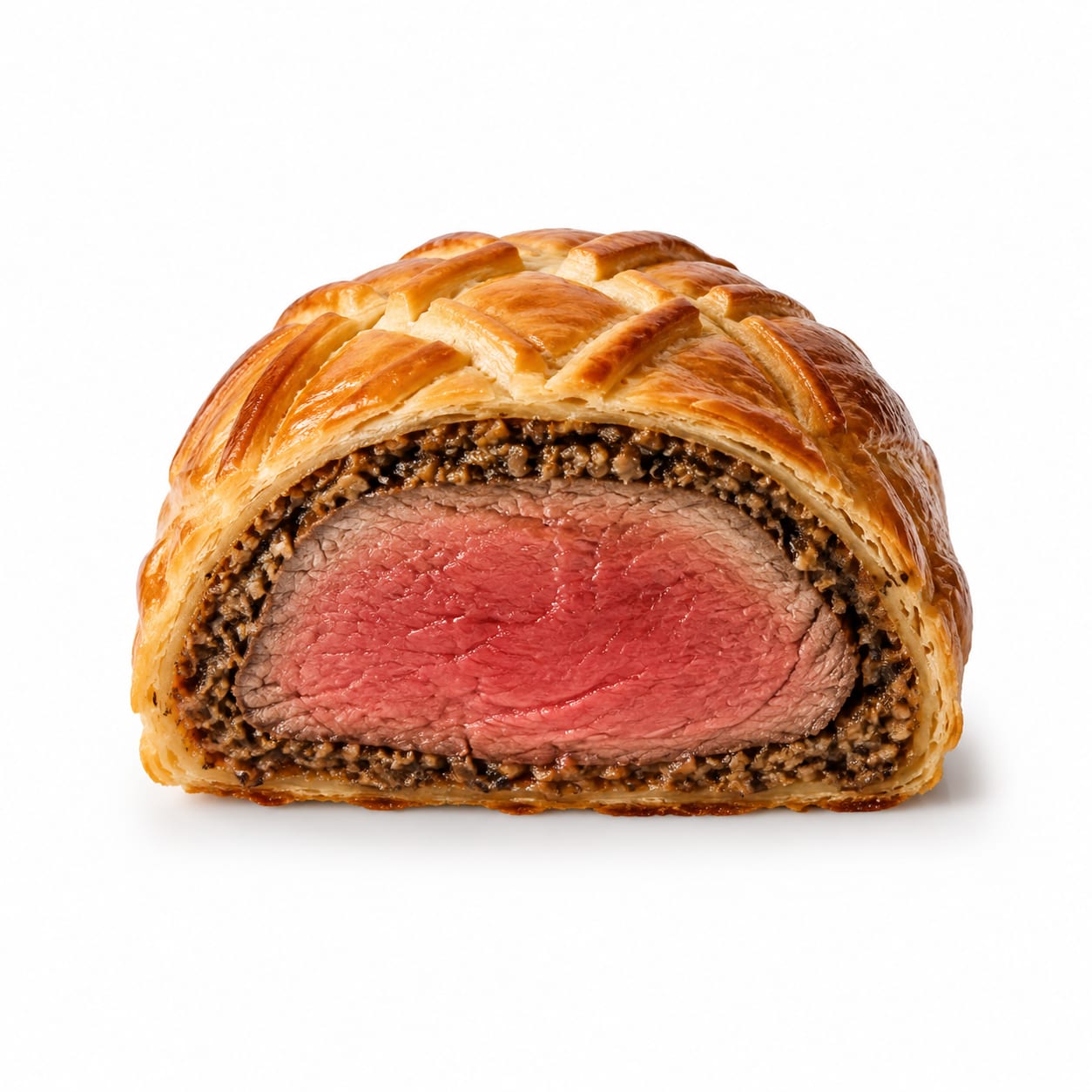
Beef Wellington
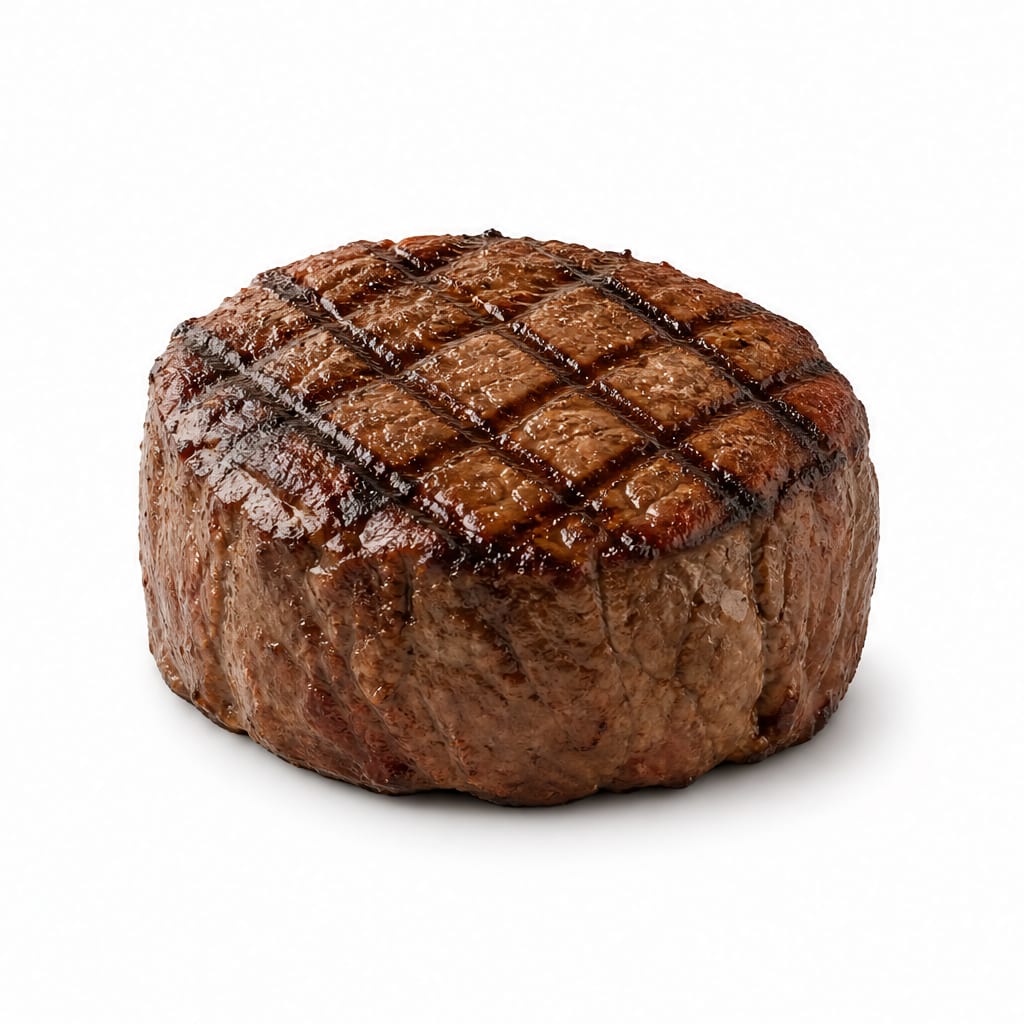
Grilled Beef Tenderloin
Grilled Beef Tenderloin delivers the same premium protein with far fewer calories, less saturated fat, and zero refined carbs, making it the smarter everyday choice.
Grilled Beef Tenderloin scores significantly higher due to superior protein density, minimal processing, and better alignment with everyday health goals. Beef Wellington loses ground on calories, saturated fat, and refined carbs while offering only emotional and culinary rewards.
Beef Wellington trades nutritional efficiency for indulgence — the pastry and pâté add richness and drama but double the calories and saturated fat.
At a glance
Executive summary
Overall
Grilled Beef Tenderloin
Healthier
Grilled Beef Tenderloin
More practical
Grilled Beef Tenderloin
Daily use
Grilled Beef Tenderloin
Key comparison lenses
calorie density and weight management
Beef Wellington's puff pastry and pâté dramatically increase calorie density compared to plain grilled tenderloin
processing level and clean eating
Beef Wellington combines multiple processed components while grilled tenderloin is a single whole food
heart health and saturated fat
Pastry butter and pâté significantly raise saturated fat in Beef Wellington versus lean grilled beef
protein quality and leanness
Both share the same beef tenderloin core but Grilled Beef Tenderloin delivers more protein per calorie
blood sugar and refined carbs
Puff pastry adds refined carbohydrates that can spike blood sugar, absent in the grilled version
indulgence vs everyday sustainability
Beef Wellington is a celebration dish while Grilled Beef Tenderloin fits regular meal rotation easily
Best choice for
Beef Wellington
- Special occasions and celebrations
- Impressing dinner guests with presentation
- Comfort food cravings and indulgent meals
- Those wanting a luxurious dining experience
Grilled Beef Tenderloin
- Weeknight dinners and meal prep
- Lean protein-focused diets
- Heart-health conscious eaters
- Anyone tracking calories or macros
Least suitable for
Beef Wellington
- Daily or frequent consumption
- Low-calorie or weight loss diets
- People managing heart disease or high cholesterol
- Those avoiding refined carbohydrates
Grilled Beef Tenderloin
- Those seeking an extravagant presentation
- Comfort food cravings requiring richness
- Special occasion showstopper moments
Deep comparison
Dimension by dimension
Each lens scores both foods and breaks down who each option suits.
- Dimension 1 · Priority 95Grilled Beef Tenderloin
Calorie Density and Weight Management
Beef Wellington · 30Grilled Beef Tenderloin · 82Beef Wellington packs roughly double the calories per serving thanks to butter-laden puff pastry and rich pâté.
Tradeoff
You get a more decadent eating experience but consume far more calories for the same amount of beef.
Why it matters
If you eat Beef Wellington regularly, the extra 400-600 calories per serving from pastry and fillings can quietly undermine weight management.
Real-world impact
A single slice of Beef Wellington can hit 800-1000 calories, while an equivalent portion of Grilled Beef Tenderloin stays around 300-400 calories.
Beef Wellington
- Those who prioritize indulgence over calorie control
- Bulk-eating phases where calorie surplus is desired
Better for
- Consistent calorie surplus leading to weight gain
- Difficulty fitting into daily calorie targets
Worse for
Grilled Beef Tenderloin
- Weight loss or maintenance goals
- Portion-conscious eaters
- Anyone who wants to feel full without overconsuming calories
Better for
- May feel too light for those expecting a rich meal experience
Worse for
- Dimension 2 · Priority 80Grilled Beef Tenderloin
Protein Quality and Leanness
Beef Wellington · 55Grilled Beef Tenderloin · 90Both start with the same high-quality tenderloin, but Grilled Beef Tenderloin delivers more protein per calorie since nothing dilutes it.
Tradeoff
Beef Wellington's protein gets overshadowed by fat and carbs from the pastry and pâté layer.
Why it matters
Higher protein-to-calorie ratio means better muscle support and satiety without excess energy intake.
Real-world impact
Grilled Beef Tenderloin gives you roughly 35g protein in 300 calories. Beef Wellington delivers similar protein but needs 800+ calories to do it.
Beef Wellington
- Those who want some protein alongside a rich meal experience
Better for
- Lower protein density makes it inefficient for muscle-building diets
- Excess calories can offset protein benefits
Worse for
Grilled Beef Tenderloin
- Athletes and active individuals optimizing protein intake
- Anyone doing body recomposition
- People who want maximum satiety per calorie
Better for
- No meaningful downside for protein quality — this is pure lean beef
Worse for
- Dimension 3 · Priority 85Grilled Beef Tenderloin
Heart Health and Saturated Fat
Beef Wellington · 28Grilled Beef Tenderloin · 72Beef Wellington's puff pastry and pâté layer load it with saturated fat, while Grilled Beef Tenderloin stays relatively lean.
Tradeoff
The buttery, rich texture that makes Beef Wellington luxurious is exactly what makes it tougher on your heart.
Why it matters
Regular high saturated fat intake raises LDL cholesterol and increases cardiovascular risk over time.
Real-world impact
One serving of Beef Wellington can contain 30-45g saturated fat — well above the recommended daily limit. Grilled Beef tenderloin typically stays under 10g.
Beef Wellington
- Occasional indulgence where heart health impact is minimal
Better for
- Can easily exceed daily saturated fat limits in one meal
- Regular consumption raises cardiovascular risk meaningfully
Worse for
Grilled Beef Tenderloin
- People with high cholesterol or heart disease risk
- Anyone following heart-healthy eating patterns
- Long-term cardiovascular protection
Better for
- Beef still contains some saturated fat, though much less than the Wellington version
Worse for
- Dimension 4 · Priority 75Grilled Beef Tenderloin
Blood Sugar and Refined Carbohydrates
Beef Wellington · 25Grilled Beef Tenderloin · 88Puff pastry is made from refined white flour and butter, adding fast-digesting carbs that spike blood sugar. Grilled Beef Tenderloin has essentially zero carbs.
Tradeoff
The crispy, flaky pastry shell comes at the cost of a glycemic load your body does not need.
Why it matters
Refined carbs paired with fat create a calorie-dense combo that can trigger overeating and energy crashes.
Real-world impact
After Beef Wellington, you may feel sluggish an hour later. After Grilled Beef Tenderloin, energy stays steadier because there is no carb crash.
Beef Wellington
- Those who tolerate refined carbs well and eat them rarely
Better for
- Blood sugar spike followed by energy dip
- Not suitable for low-carb or diabetic meal plans
Worse for
Grilled Beef Tenderloin
- People with diabetes or insulin resistance
- Low-carb and keto dieters
- Anyone seeking stable energy after meals
Better for
- No downside for blood sugar — it is essentially carb-free
Worse for
- Dimension 5 · Priority 90Grilled Beef Tenderloin
Processing Level and Clean Eating
Beef Wellington · 22Grilled Beef Tenderloin · 92Grilled Beef Tenderloin is a single-ingredient whole food. Beef Wellington combines puff pastry, pâté, mushrooms, and seasonings into a highly processed dish.
Tradeoff
More components mean more additives, more sodium, and more distance from the original food.
Why it matters
Less processed foods generally support better long-term health outcomes and are easier for your body to process.
Real-world impact
With Grilled Beef Tenderloin, you know exactly what you are eating. With Beef Wellington, you are consuming multiple layers of preparation with hidden sodium and preservatives.
Beef Wellington
- Those who value culinary artistry over ingredient simplicity
Better for
- Store-bought or restaurant versions may contain preservatives in pâté and pastry
- Multiple processed layers reduce transparency
Worse for
Grilled Beef Tenderloin
- Clean eating advocates
- People avoiding ultra-processed foods
- Those with chemical sensitivities or additive concerns
Better for
- No meaningful downside — this is as clean as beef gets
Worse for
- Dimension 6 · Priority 70It depends
Satiety and Fullness
Beef Wellington · 75Grilled Beef Tenderloin · 70Beef Wellington fills you up fast due to sheer calorie density, but Grilled Beef Tenderloin provides more sustained satiety from clean protein.
Tradeoff
Heavy fullness from fat and carbs versus leaner satisfaction that lasts longer without the food coma.
Why it matters
Feeling stuffed is not the same as being well-fed. Protein-driven satiety keeps hunger away longer.
Real-world impact
After Beef Wellington you may feel overly full and sluggish. After Grilled Beef Tenderloin with vegetables, you feel satisfied but still energized.
Beef Wellington
- Those who want a heavy, filling meal for a special night
- People who enjoy the sensation of being comfortably stuffed
Better for
- Heavy fullness can lead to food coma and low energy
- Fat-driven satiety fades faster than protein-driven satiety
Worse for
Grilled Beef Tenderloin
- Sustained energy without the post-meal crash
- Better for active days where you need to stay light on your feet
Better for
- May not feel like enough food if you are used to heavy meals
Worse for
- Dimension 7 · Priority 65Grilled Beef Tenderloin
Practicality and Preparation
Beef Wellington · 20Grilled Beef Tenderloin · 90Grilled Beef Tenderloin takes 15-20 minutes with basic seasoning. Beef Wellington is a multi-hour project with multiple components.
Tradeoff
Convenience and repeatability versus culinary achievement and showmanship.
Why it matters
The easier a healthy food is to prepare, the more often you will actually eat it.
Real-world impact
You can grill tenderloin on a Tuesday night. Beef Wellington is a weekend project or special occasion effort.
Beef Wellington
- Home cooks who enjoy complex recipes and culinary challenges
- Special occasions where effort is part of the experience
Better for
- Time-intensive preparation limits how often you can make it
- Multiple steps increase chance of execution errors
Worse for
Grilled Beef Tenderloin
- Busy weeknights
- Meal prep and batch cooking
- Anyone who wants healthy food without fuss
Better for
- Less impressive presentation for dinner parties
Worse for
Timeline
Health impact over time
Short-term
Hours to days
Beef Wellington
- Heavy fullness and potential sluggishness after eating
- Possible blood sugar spike from refined pastry carbs
- Higher sodium intake may cause temporary bloating
Grilled Beef Tenderloin
- Clean sustained energy after the meal
- Comfortable fullness without heaviness
- Minimal digestive burden
Long-term
Months to years
Beef Wellington
- Frequent consumption would likely raise LDL cholesterol due to saturated fat load
- Excess calorie density could contribute to gradual weight gain
- High sodium from pâté and pastry may affect blood pressure over time
Grilled Beef Tenderloin
- Supports lean muscle maintenance with high-quality protein
- Compatible with heart-healthy eating when portions are reasonable
- Easier to maintain healthy weight due to lower calorie density
Risk profile
Safety & processing
Beef Wellington combines multiple prepared components — puff pastry, pâté, duxelles — each adding processing steps and potential additives. Grilled Beef Tenderloin is simply seasoned and cooked whole, keeping it close to its natural state.
Beef Wellington
Undercooked pastry masking undercooked beef
mediumThe pastry shell can appear golden while the beef inside remains undercooked, creating foodborne illness risk if not monitored carefully with a thermometer.
Pâté contamination
mediumPâté can harbor listeria if not handled properly, and its inclusion adds a perishable layer that requires careful temperature control.
Multiple ingredient handling increases cross-contamination risk
lowMore components mean more surfaces, tools, and hands involved, raising the chance of introducing pathogens.
Grilled Beef Tenderloin
Undercooking
lowEasy to check doneness with a meat thermometer since there is nothing obscuring the beef. Straightforward to achieve safe internal temperature.
Cross-contamination from grilling surface
lowStandard grilling hygiene practices apply. Much simpler food safety profile than Beef Wellington.
Who wins for whom
Audience fit
Same foods, different winners depending on your goal.
children
Grilled Beef TenderloinSimpler flavor profile and easier to portion appropriately. Beef Wellington is overly rich and complex for most children's palates and nutritional needs.
daily consumption
Grilled Beef TenderloinLean, simple, and quick to prepare. Beef Wellington is too calorie-dense and labor-intensive for regular consumption.
diabetes
Grilled Beef TenderloinEssentially zero carbs and no refined flour means no blood sugar spike. Beef Wellington's puff pastry is a glycemic load problem.
elderly
Grilled Beef TenderloinEasier to digest, lower in saturated fat, and gentler on the cardiovascular system. Beef Wellington's richness can be heavy and harder for older digestive systems.
muscle gain
Grilled Beef TenderloinHigher protein-to-calorie ratio means more efficient muscle fuel without unnecessary fat and carb calories that do not serve muscle building.
weight loss
Grilled Beef TenderloinGrilled Beef Tenderloin provides high protein and satiety at roughly half the calories, making it far easier to fit into a weight loss plan.
Your move
Decision guide
Choose Beef Wellington
- You are celebrating a special occasion and want a showstopper
- Indulgence is the priority and this is a rare treat
- You enjoy complex cooking projects as an experience
- You are comfortable with the calorie and fat tradeoff for one night
Choose Grilled Beef Tenderloin
- You want high-quality protein without excess calories
- Heart health or weight management matters to you
- You need a quick, elegant weeknight dinner
- You eat beef regularly and want the healthiest preparation
Either works if
- You are eating beef only occasionally and either preparation fits your day's calorie budget
- Both are served at a dinner event and you want a moderate portion of whichever appeals more
Avoid both if
- You have been advised to reduce red meat consumption for health reasons
- You follow a plant-based or vegetarian diet
- You have gout and need to limit purine-rich foods
Final recommendation
Make Grilled Beef Tenderloin your default and save Beef Wellington for truly special moments. You get the same exceptional beef quality with better nutrition, easier preparation, and none of the hidden costs. When you do indulge in Beef Wellington, enjoy it mindfully — savor every bite of that pastry knowing it is a deliberate choice, not a daily habit.
Practical
Consumer tips
- 1
If you love Beef Wellington but want a lighter version, try wrapping tenderloin in a thin mushroom duxelles layer without the pastry
- 2
Ask restaurants to prepare tenderloin without heavy sauces to keep it closer to the grilled version's nutritional profile
- 3
Use a meat thermometer for both dishes — tenderloin is expensive and easy to overcook
- 4
Pair Grilled Beef Tenderloin with roasted vegetables for a complete, balanced meal that still feels elegant
- 5
If making Beef Wellington at home, consider individual portions to control serving size and reduce the temptation to overeat
- 6
Let Grilled Beef Tenderloin rest for 5 minutes after cooking — this keeps it juicier than even the Wellington version