
Nutrition comparison
Beef Wellington vs Lamb Rack: Nutrition, Health & Taste Compared
Comparing Beef Wellington and Lamb Rack? Discover which premium meat is healthier, lower in calories, and better for your diet goals.
Overall winner · Lamb Rack
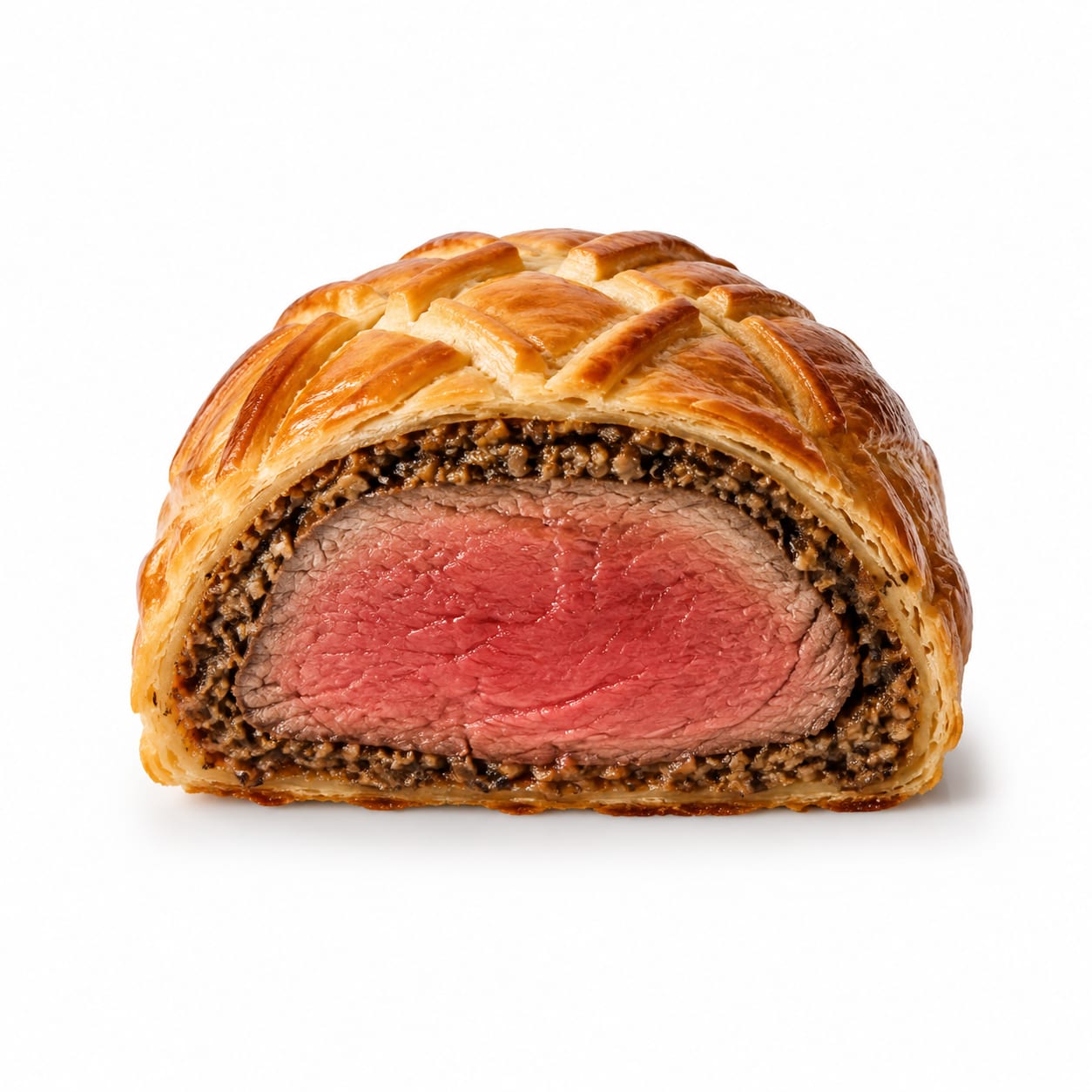
Beef Wellington
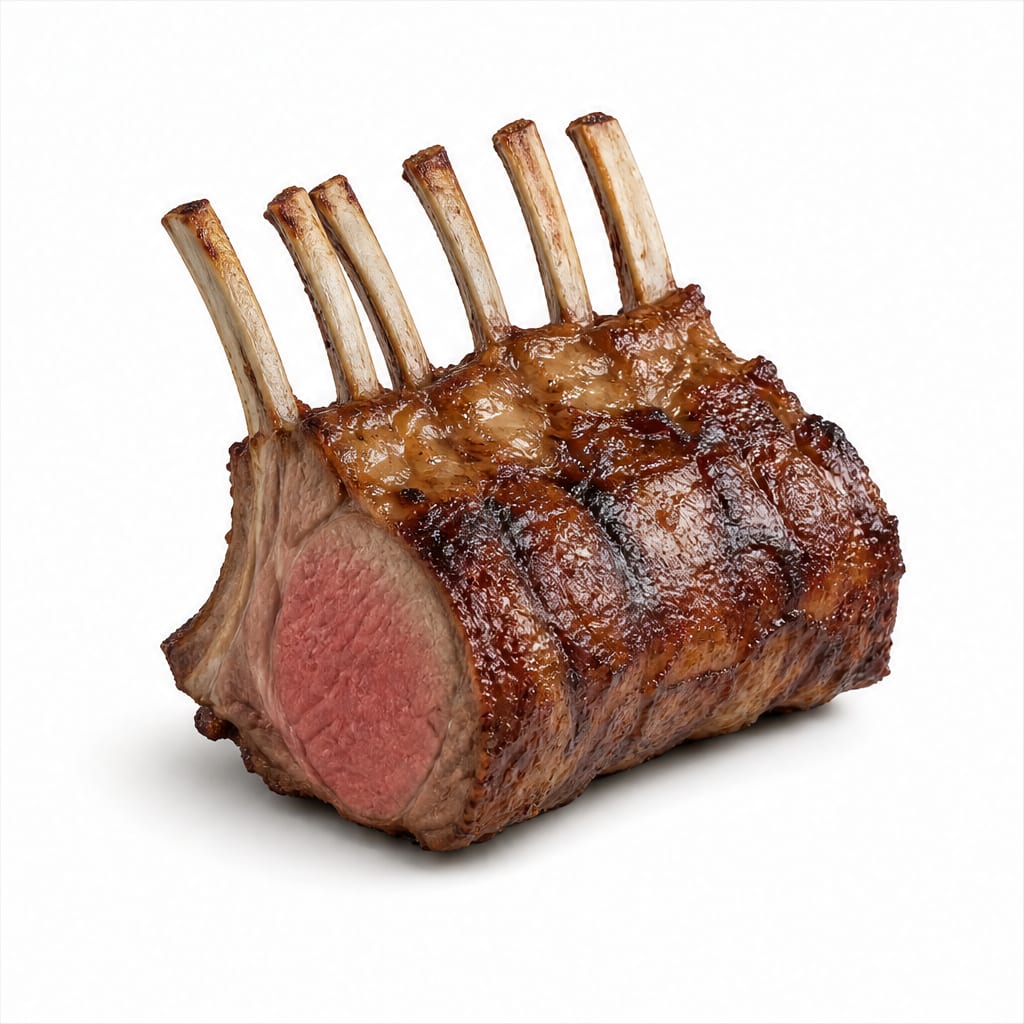
Lamb Rack
Lamb rack delivers high-quality protein with far less caloric baggage, while Beef Wellington is a rich, indulgent experience best saved for special occasions.
Lamb rack scores significantly higher due to its superior protein density, minimal processing, and lower calorie load. Beef Wellington falls behind nutritionally because the pastry and pate dilute the protein quality while skyrocketing the fat and refined carb content.
Sensory complexity and comfort vs nutritional cleanliness and simplicity.
At a glance
Executive summary
Overall
Lamb Rack
Healthier
Lamb Rack
More practical
Lamb Rack
Daily use
Lamb Rack
Key comparison lenses
Premium red meat indulgence vs clean protein
Both are high-end dinner options, but they sit on opposite ends of the culinary indulgence spectrum.
Calorie density and weight management
Beef Wellington packs massive calories via pastry and pate, while lamb rack remains surprisingly lean.
Processing level and whole-food integrity
Lamb rack is a single-ingredient whole food; Wellington is a composite dish with highly processed elements.
Saturated fat load and heart health
Both contain saturated fat, but Wellington layers in butter and pastry fats, compounding cardiovascular concerns.
Best choice for
Beef Wellington
- Milestone celebrations and holidays
- Impressing dinner guests with a showpiece
- Cold winter evenings craving heavy comfort food
Lamb Rack
- High-protein, low-carb lifestyles
- Elegant but lighter date nights
- Minimally processed whole-food diets
Least suitable for
Beef Wellington
- Weight loss or calorie-controlled diets
- Heart-healthy or low-cholesterol eating plans
- Quick weeknight meals
Lamb Rack
- Budget-conscious grocery trips
- Those who dislike the flavor of lamb
- Strict low-saturated-fat diets
Deep comparison
Dimension by dimension
Each lens scores both foods and breaks down who each option suits.
- Dimension 1 · Priority 95Lamb Rack
Protein Quality & Density
Beef Wellington · 55Lamb Rack · 92Lamb rack provides a concentrated dose of high-quality protein without the carb and fat dilution found in Beef Wellington.
Tradeoff
Wellington offers protein wrapped in delicious fat and carbs, while lamb offers pure protein efficiency.
Why it matters
Higher protein density supports muscle maintenance and keeps you full without overconsuming calories.
Real-world impact
You get the protein you need from a smaller portion of lamb, whereas Wellington leaves you stuffed but with less usable protein per bite.
Beef Wellington
- Those needing a massive calorie surplus
- Endurance athletes refueling after extreme exertion
Better for
- Calorie counters
- Strict low-carb dieters
Worse for
Lamb Rack
- Body recomposition goals
- Older adults needing efficient lean protein
- Post-workout recovery
Better for
- Those struggling to eat enough calories
Worse for
- Dimension 2 · Priority 90Lamb Rack
Calorie Density & Weight Management
Beef Wellington · 25Lamb Rack · 75Beef Wellington is a calorie bomb due to pastry, butter, and pate; lamb rack is relatively lean, especially if the fat cap is trimmed.
Tradeoff
You get more textural pleasure and richness from Wellington, but at a steep caloric cost.
Why it matters
High calorie density makes portion control nearly impossible and overeating effortless.
Real-world impact
A single slice of Beef Wellington can equal the calories of a whole rack of lamb, making weight gain likely if eaten regularly.
Beef Wellington
- Active individuals bulking up
- One-off celebratory meals
Better for
- Sedentary lifestyles
- Anyone watching their waistline
Worse for
Lamb Rack
- Weight loss journeys
- Portion control efforts
- Maintaining lean physique
Better for
- People needing calorie-dense recovery food
Worse for
- Dimension 3 · Priority 85Lamb Rack
Processing & Naturalness
Beef Wellington · 20Lamb Rack · 95Lamb rack is a single, whole-food cut of meat. Beef Wellington is a composite dish relying on refined flour, butter, and processed pate.
Tradeoff
The complex, engineered flavor of Wellington versus the clean, single-ingredient simplicity of lamb.
Why it matters
Minimally processed foods are easier for the body to digest and lack hidden sodium or preservatives.
Real-world impact
Lamb rack is exactly what it looks like; Wellington hides low-quality fats and refined carbs inside a delicious crust.
Beef Wellington
- Those wanting complex flavors without cooking multiple dishes
Better for
- People sensitive to ultra-processed ingredients
- Gluten-free dieters
Worse for
Lamb Rack
- Clean eating advocates
- Whole-food purists
- Those avoiding refined flour
Better for
- Those seeking complex culinary experiences
Worse for
- Dimension 4 · Priority 80Lamb Rack
Fat Profile & Heart Health
Beef Wellington · 35Lamb Rack · 60Lamb rack has significant saturated fat, but Beef Wellington layers on butter, pastry fats, and liver fats, making it far heavier on the heart.
Tradeoff
Lamb's fat is visible and can be trimmed; Wellington's fat is baked in and unavoidable.
Why it matters
Consistent high intake of saturated and trans fats directly impacts cardiovascular risk over time.
Real-world impact
Eating Beef Wellington regularly will spike cholesterol much faster than occasional trimmed lamb.
Beef Wellington
- Keto dieters wanting high fat intake
Better for
- People with high cholesterol
- Those on low-fat diets
Worse for
Lamb Rack
- Heart-conscious diners
- Those managing cholesterol
Better for
- Strict low-saturated-fat diets
Worse for
- Dimension 5 · Priority 75Beef Wellington
Culinary Experience & Satisfaction
Beef Wellington · 98Lamb Rack · 85Beef Wellington is a showstopper with layered textures and deep umami; lamb rack is elegant but simpler.
Tradeoff
The sensory thrill and comfort of Wellington versus the clean, primal satisfaction of lamb.
Why it matters
Emotional satisfaction and enjoyment are crucial for a sustainable relationship with food.
Real-world impact
Beef Wellington makes a birthday unforgettable; lamb makes a Tuesday night feel upscale.
Beef Wellington
- Special occasions
- Hosting impressive dinner parties
Better for
- Casual solo meals
- Quick weeknight cooking
Worse for
Lamb Rack
- Regular upscale dining
- Wine pairing dinners
Better for
- Those seeking complex textural contrasts
Worse for
Timeline
Health impact over time
Short-term
Hours to days
Beef Wellington
- Instant feeling of heaviness and fullness
- Post-meal sluggishness due to high fat and refined carb load
- Potential blood sugar spike followed by a crash from the pastry
Lamb Rack
- High satiety from concentrated protein
- Comfortable fullness without the carb crash
- Steadier energy levels after eating
Long-term
Months to years
Beef Wellington
- Increased cardiovascular risk if eaten frequently due to saturated fat and refined carbs
- Weight gain likely from consistent calorie surplus
- Potential metabolic strain from high glycemic load
Lamb Rack
- Maintained muscle mass from high-quality protein
- Manageable cholesterol if portions and fat trimming are controlled
- Better weight management due to high satiety per calorie
Risk profile
Safety & processing
Lamb rack is a straightforward whole food. Beef Wellington combines meat with refined flour, butter, and processed pate, increasing sodium, preservatives, and additive exposure depending on how it is prepared.
Beef Wellington
Pathogen growth in slow-cooked center
mediumEnsuring the beef reaches a safe internal temperature without overcooking the pastry is difficult, creating a slight food safety window for bacteria.
Cross-contamination from multiple components
mediumHandling raw meat, mushrooms, and pastry increases the vectors for kitchen cross-contamination.
Lamb Rack
Undercooking
lowLamb rack is often served medium-rare. This is generally safe from reputable suppliers but carries a slight risk of foodborne illness.
Bone fragment risk
lowFrenched racks can occasionally leave sharp bone shards if not properly cleaned by the butcher.
Who wins for whom
Audience fit
Same foods, different winners depending on your goal.
children
It dependsKids might prefer the softer, pastry-encased Beef Wellington, but lamb chops are fun to eat by the bone and offer far better nutrition.
daily consumption
Lamb RackLamb rack is a clean protein source, while Beef Wellington is too heavy and calorie-dense for regular intake.
diabetes
Lamb RackLamb rack has virtually zero carbs, whereas Beef Wellington's pastry causes significant blood sugar spikes.
elderly
Lamb RackLamb rack is easier to digest and lower in saturated fat, reducing cardiovascular strain for older adults.
muscle gain
Lamb RackHigher protein density per serving supports muscle synthesis without the excess fat and carb baggage.
weight loss
Lamb RackLamb rack provides high satiety with far fewer calories and zero refined carbohydrates compared to Beef Wellington.
Your move
Decision guide
Choose Beef Wellington
- You are hosting a milestone celebration and want a showstopper
- You want a culinary project with complex flavors
- You are highly active and can afford the massive calorie surplus
Choose Lamb Rack
- You want a high-protein, low-carb meal
- You are dining out but trying to stay relatively healthy
- You prefer the taste of pure, unadorned red meat
Either works if
- You are craving high-quality red meat
- You are dining at a premium steakhouse
Avoid both if
- You have severe gout or uric acid issues
- Your doctor has advised eliminating red meat
- You follow a strict plant-based diet
Final recommendation
Choose Lamb Rack for a premium yet nutritionally balanced meal you can enjoy more often. Save Beef Wellington for rare celebrations where culinary indulgence is the entire point.
Practical
Consumer tips
- 1
Ask for the lamb rack fat cap to be trimmed before cooking to significantly reduce saturated fat.
- 2
If making Beef Wellington at home, use a mushroom duxelles with minimal butter to lighten the calorie load.
- 3
Pair lamb rack with roasted vegetables to balance the plate with fiber and micronutrients.
- 4
Limit Beef Wellington portions to a small slice and fill the rest of your plate with green vegetables.
- 5
Check the sourcing of both beef and lamb—grass-fed options offer a better omega-3 profile.