

Dairy
Yogurt
A probiotic-rich fermented dairy food made by culturing milk with live bacteria.
A creamy, fermented dairy product created by adding live bacterial cultures to milk, resulting in a tangy flavor and thick texture. Plain yogurt is widely recognized for its probiotic content and high bioavailable calcium.
probiotic-rich fermented dairy
Typical serving · 150g
Common varieties · plain whole milk, plain low-fat, plain non-fat, greek, icelandic (skyr) +3 more
Overall context score across nutrition, safety, and diet fit
At a glance
Quick facts
Simple indicators based on nutrition, processing, and diet fit.
The story
What makes it unique
Yogurt is produced via bacterial fermentation of milk by Lactobacillus bulgaricus and Streptococcus thermophilus. The fermentation process reduces lactose content, hydrolyzing it into glucose and galactose, which slightly improves digestibility compared to milk. It provides a moderate digestion speed, high satiety due to its protein and fat content (in whole milk varieties), and a macronutrient profile balanced between protein, fat, and carbohydrates. Processing is minimal for plain yogurt, though flavored varieties undergo extensive processing with high sugar addition.
Varieties: plain whole milk · plain low-fat · plain non-fat · greek · icelandic (skyr) · australian · french · kefir
Per 100g
Nutrition breakdown
Macro balance and key metrics at a glance.
Energy
Density 0.61 kcal/g
Protein
Carbs
Fat
Fiber
Sugar
4.7 g
Sodium
46 mg
Potassium
155 mg
Glycemic index
14
Glycemic load
1
Water content
88%
Standout compounds
Nutrient highlights
Calcium
highEssential for bone density, muscle contraction, and nerve signaling.
Probiotics
highSupports gut microbiome balance, immune function, and lactose digestion.
Vitamin B12
moderateCrucial for red blood cell formation and neurological function.
Phosphorus
moderateWorks with calcium to build strong bones and teeth.
Protein
moderateSupports muscle maintenance, satiety, and metabolic function.
Wellness map
Health scores & processing
NOVA processing scale
minimally processed · Whole food
Plain yogurt is a processed food (NOVA 3) made by fermenting milk with bacterial cultures, but it is minimally processed and retains the whole food matrix. Flavored and fruit-added yogurts often qualify as ultra-processed (NOVA 4) due to added sugars, thickeners, and artificial flavorings.
Diet compatibility
- Weight loss
- Muscle gain
- Diabetes
- Gut health
- Low carb
- High protein
- Heart health
Relative standing
Food rankings
Qualitative ranks compared to similar whole foods.
- Satietygood
- Blood sugarexcellent
- Nutrient densitygood
- Fitness fuelgood
- Processing qualitygood
Eat with confidence
Food safety profile
Yogurt is generally very safe due to mandatory milk pasteurization and the acidic, probiotic-rich environment which inhibits pathogen growth. The primary safety considerations involve antibiotic residues in conventional dairy and potential cross-contamination after opening.
Evidence confidence 90%
- Pesticideslow
- Antibioticsmoderate
- Heavy metalslow
- Contaminationlow
Watch for
- listeria
- salmonella
- antibiotic residues
Safer choices
Organic yogurt ensures no antibiotic use and lower pesticide exposure in the feed supply chain.
Prep tips
Always refrigerate and consume before the expiration date. Discard if mold appears or if the seal is bloated, which can indicate gas-producing bacterial contamination.
Conventional dairy farming may utilize antibiotics, though milk is tested and discarded if antibiotic residues are detected above FDA limits. Pasteurization effectively neutralizes most bacterial pathogens.
Deep dive
Health analysis
How this food may fit different goals and preparation choices.
Weight loss
Plain yogurt has low energy density and high protein, which promotes satiety and helps control overall calorie intake. Avoiding added sugars is critical for weight loss.
Blood sugar
Plain yogurt has a very low glycemic index and glycemic load. The fermentation process reduces lactose, and the protein and fat further slow glucose absorption. Flavored varieties cause rapid blood sugar spikes.
Fitness & energy
Provides a balanced mix of fast-digesting whey and slow-digesting casein proteins, making it suitable for post-workout muscle recovery when paired with a carbohydrate source.
Gut health
Contains live active cultures that support the gut microbiome, improve lactose digestion for intolerant individuals, and may enhance immune function and bowel regularity.
Processing quality
Plain yogurt is minimally processed and retains the nutritional profile of milk with the added benefit of fermentation. Flavored versions are highly processed with unnecessary additives.
Food safety
Highly safe due to pasteurization and acidic fermentation. Choosing organic reduces concerns about antibiotic residues in the dairy supply.
Common mistakes
Buying flavored yogurt loaded with added sugar, assuming all yogurts contain live probiotics (some are heat-treated after fermentation), and ignoring the saturated fat content if on a heart-restricted diet.
Best preparation
Consume plain yogurt fresh and unheated to preserve live probiotic cultures. Mix with fresh berries, nuts, or seeds for added fiber and nutrients without added sugar.
Practical guide
Best use cases
When and how this food fits real eating patterns.
Post-workout recovery
Provides a balanced amino acid profile from whey and casein to support muscle protein synthesis when consumed after exercise.
Gut health maintenance
Daily consumption of plain yogurt with live cultures introduces beneficial bacteria to support a healthy digestive tract microbiome.
High-volume low-calorie snacking
Non-fat plain yogurt offers high volume and protein for very few calories, making it ideal for curbing hunger between meals.
Savory recipe base
Serves as a high-protein, lower-calorie substitute for sour cream, mayonnaise, or heavy cream in dips, dressings, and marinades.
Balance sheet
Pros & cons
Upsides
- Rich in live probiotics that support gut health
- Excellent source of bioavailable calcium
- Lower in lactose than milk, often tolerated by the intolerant
- Very low glycemic index when unsweetened
- Versatile for both sweet and savory culinary uses
Trade-offs
- Flavored varieties are extremely high in added sugars
- Contains saturated fat in whole milk versions
- Not suitable for individuals with a dairy allergy
- Some commercial yogurts are heat-treated, killing probiotics
- Conventional dairy may contain trace antibiotic residues
Fit check
Who is it for?
Great match
- gut health improvement
- post-workout recovery
- high-volume low-calorie eating
- bone density support
- lactose-intolerant individuals seeking dairy
Consider alternatives
- strict dairy-free diets
- strict ketogenic diets (due to carb content)
- those avoiding saturated fat (if consuming whole milk)
- blood sugar control (if consuming flavored versions)
Side by side
How it compares
Open the full head-to-head analysis for nutrition, safety, and practical tradeoffs.
This food
Yogurt
VS95% alike
Compare with
Greek Yogurt
Greek yogurt is much higher in protein and lower in sugar and carbs than regular yogurt, but regular yogurt is higher in calcium and has a thinner texture.
Greek yogurt provides significantly more protein and less sugar than regular yogurt, making it better for satiety and muscle building, while regular yogurt offers more calcium.
This food
Yogurt
VS85% alike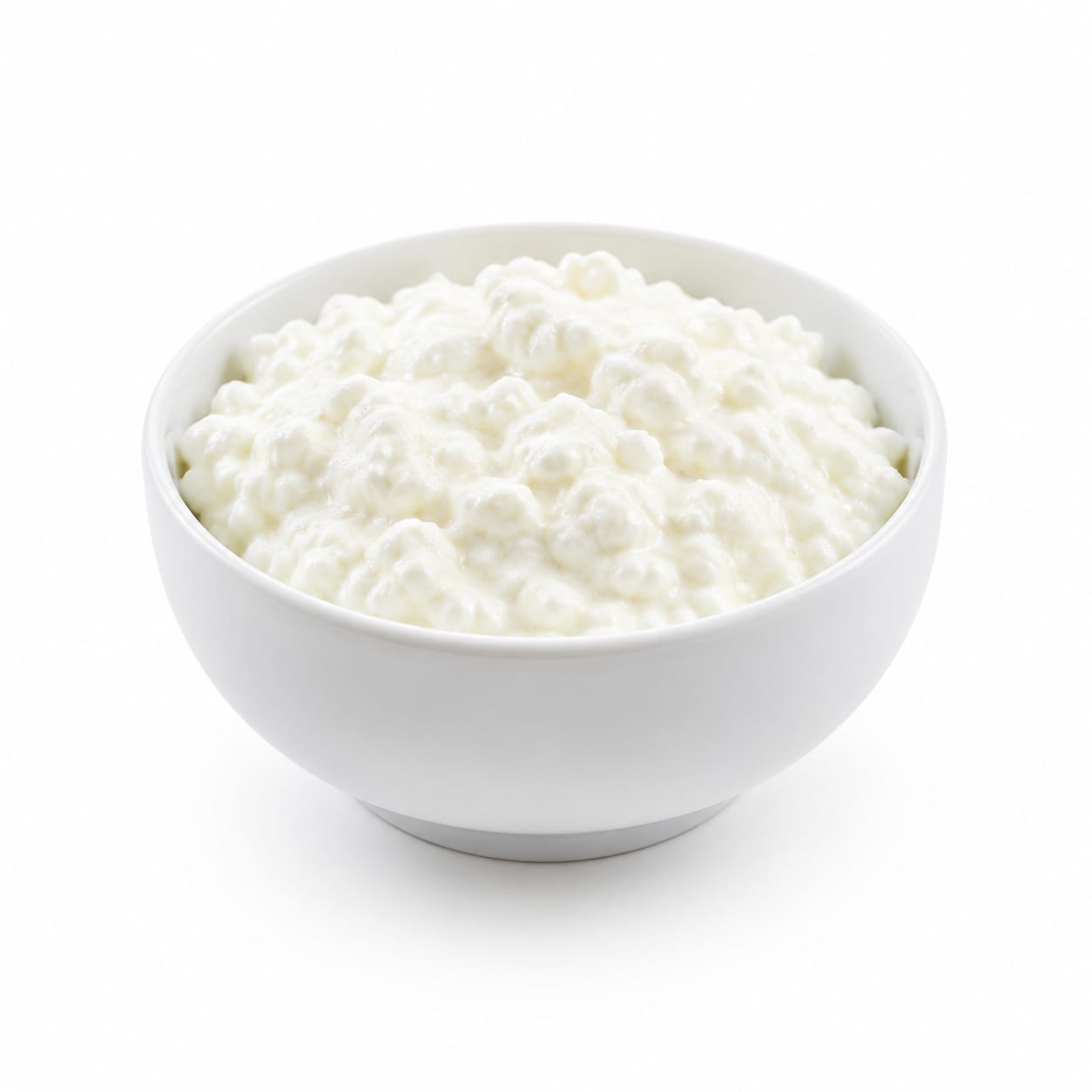
Compare with
Cottage Cheese
Cottage cheese is higher in protein and lower in sugar, while yogurt provides more calcium and a smoother texture. Yogurt contains more diverse probiotics.
Cottage cheese offers more protein and fewer carbs than yogurt, making it slightly better for satiety and muscle gain, but yogurt is richer in calcium and probiotics.
This food
Yogurt
VS80% alike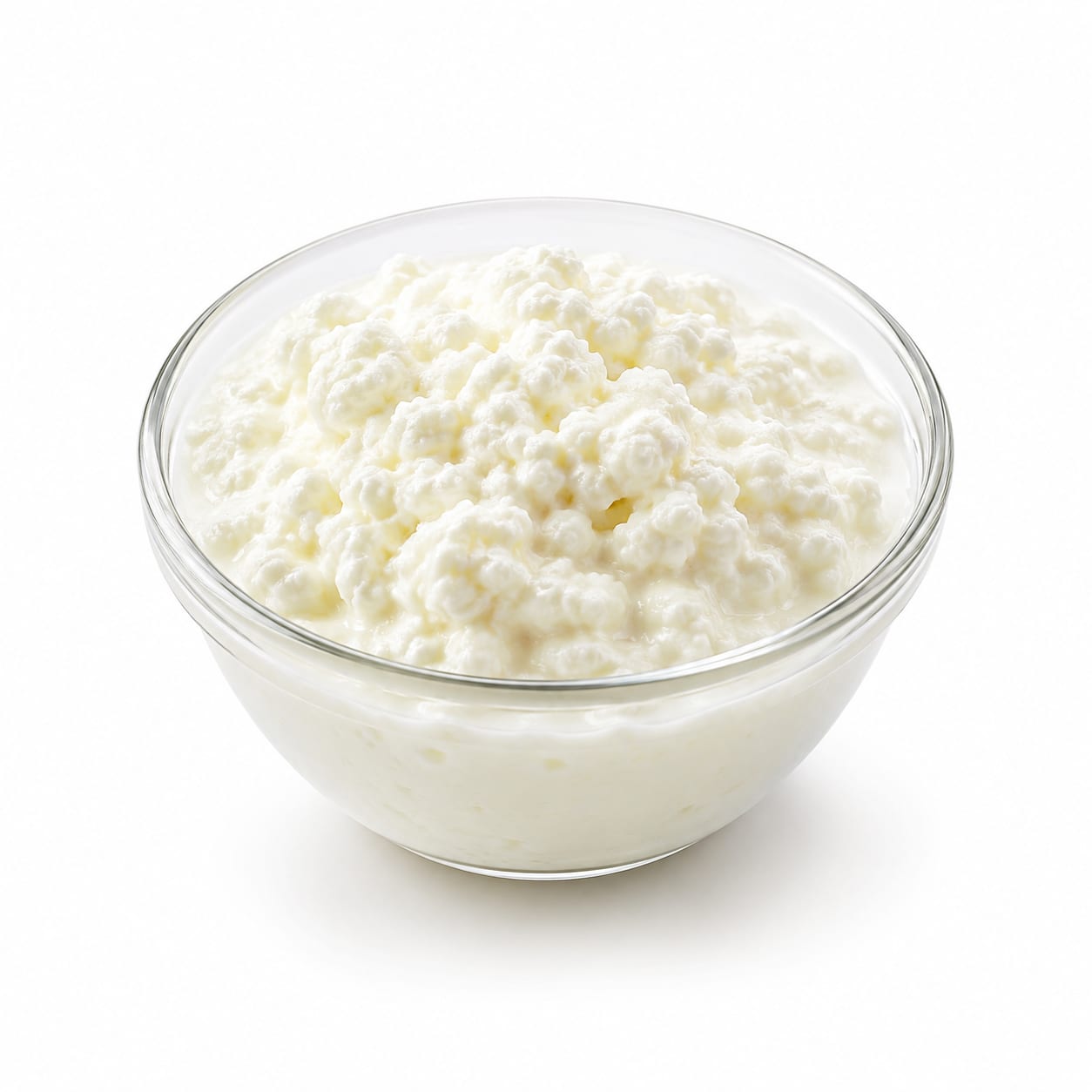
Compare with
Kefir
Kefir is a drinkable fermented milk containing a wider variety of probiotic strains and yeast, while yogurt has a thicker texture and higher protein concentration per calorie.
Yogurt is thicker and higher in protein per serving, while kefir is drinkable and contains a more diverse profile of probiotic strains for gut health.
This food
Yogurt
VS90% alike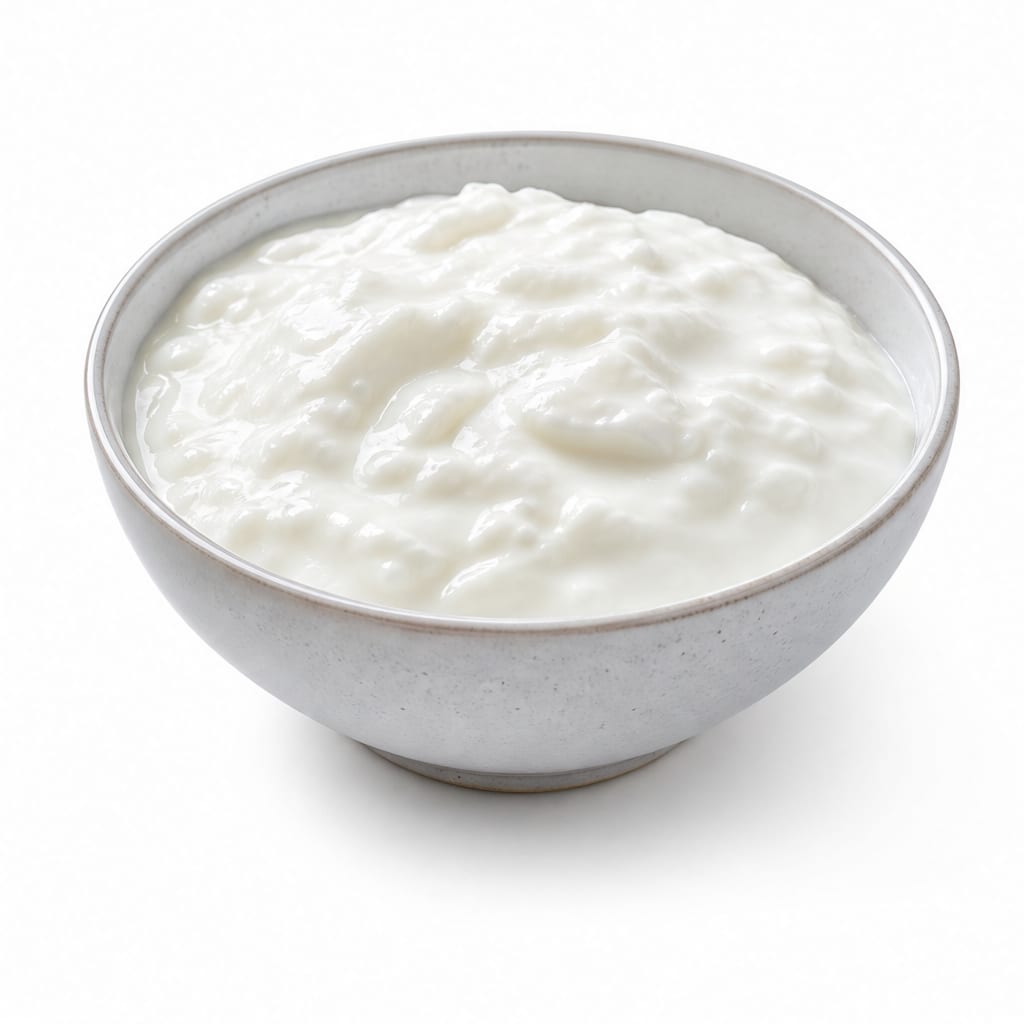
Compare with
Skyr
Skyr is technically a cheese but eaten like yogurt. It has significantly more protein and less fat than regular whole milk yogurt, with a similar thick texture.
Skyr packs almost twice the protein of regular yogurt with zero fat, making it superior for satiety and fitness, while regular yogurt offers a creamier mouthfeel.
This food
Yogurt
VS70% alike
Compare with
Sour Cream
Sour cream is much higher in fat and lower in protein and calcium than yogurt. Yogurt is the healthier choice for daily consumption.
Yogurt is much lower in calories and fat while providing more protein and calcium than sour cream, making it a far healthier choice for daily eating.
This food
Yogurt
VS75% alike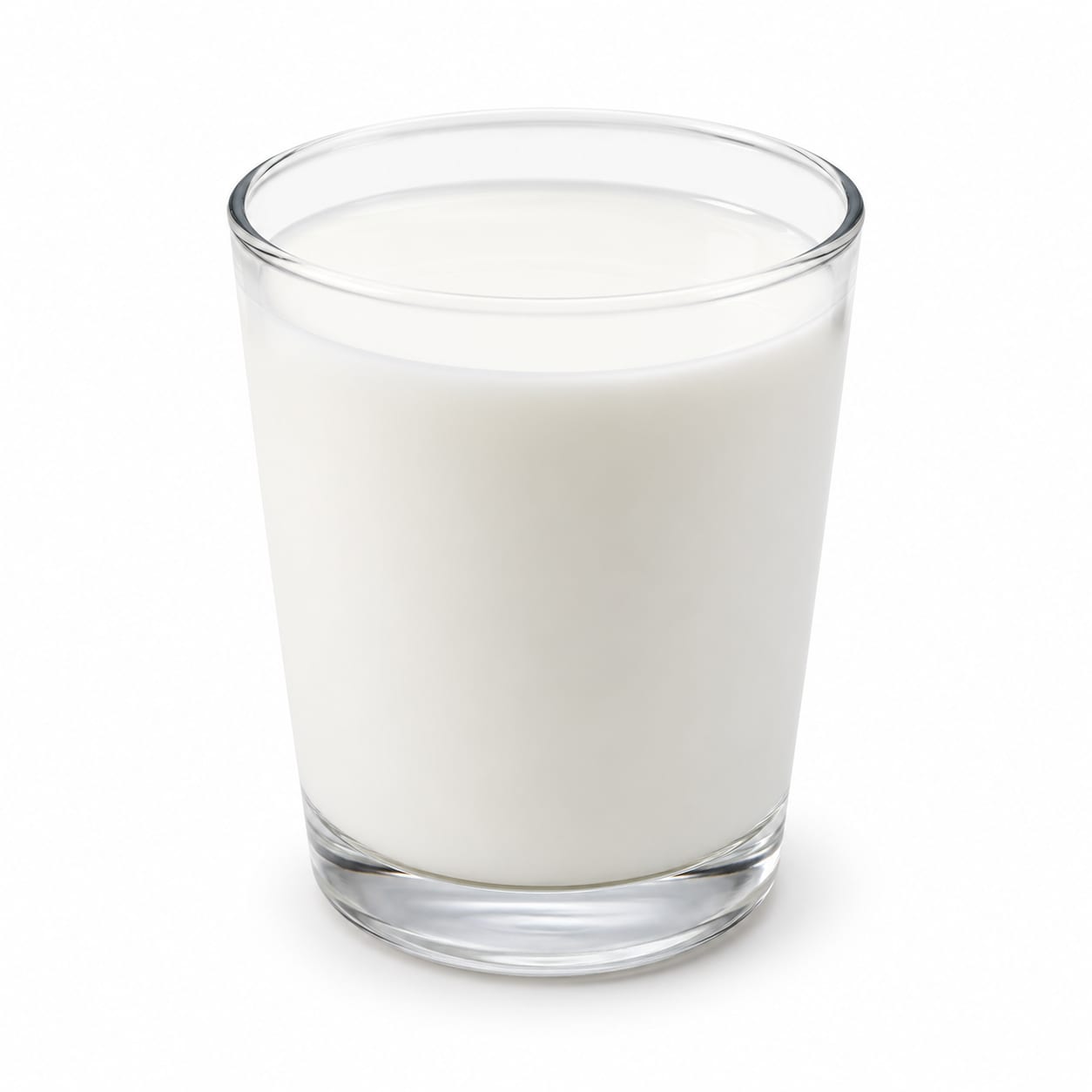
Compare with
Whole Milk
Yogurt contains less lactose and sugar than milk due to fermentation, and provides probiotics. Milk is higher in protein per calorie but lacks the gut-friendly bacteria.
Yogurt is easier to digest than milk due to lower lactose and added probiotics, and offers better satiety, while milk is slightly better for fast muscle fuel.
This food
Yogurt
VS60% alike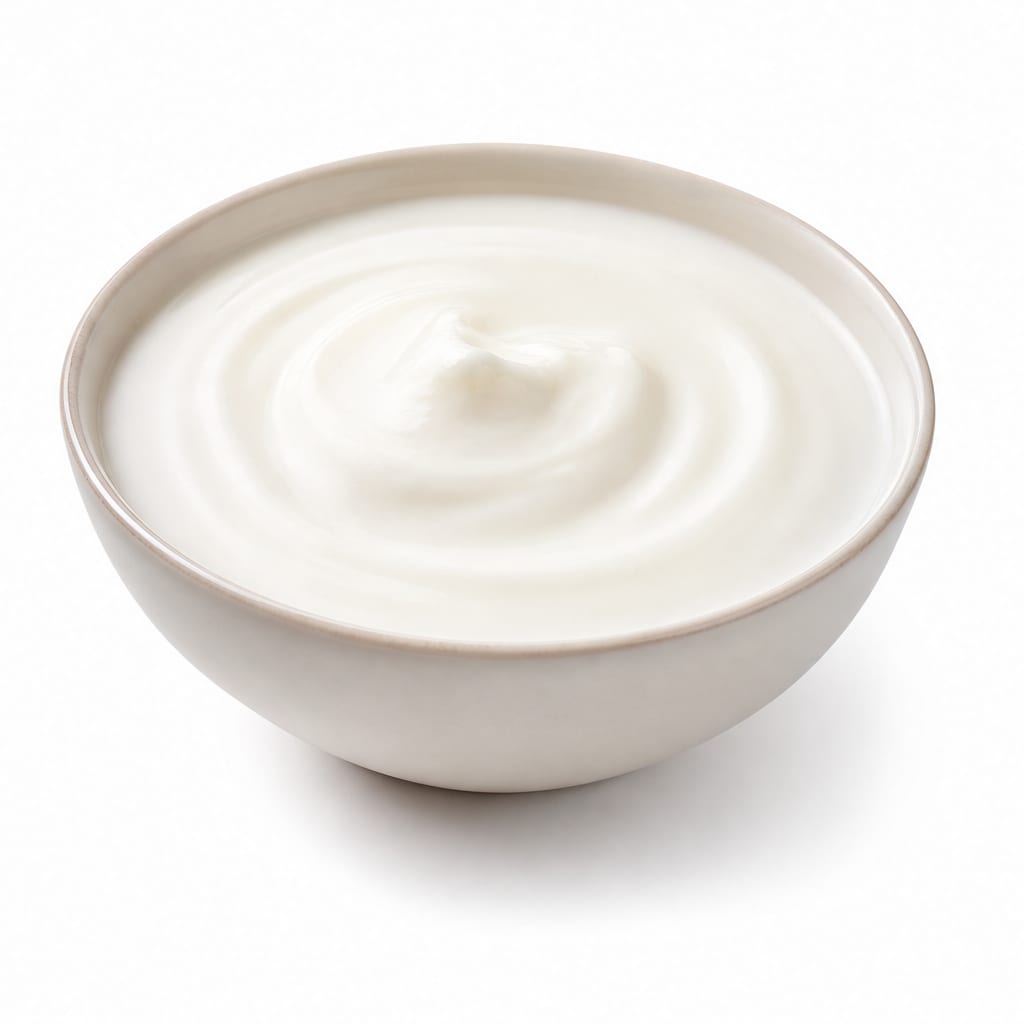
Compare with
Almond Milk Yogurt
Almond milk yogurt is much lower in calories and protein than dairy yogurt. It is suitable for vegans but often contains thickeners and added sugars to mimic dairy texture and flavor.
Dairy yogurt provides far more protein and natural calcium than almond yogurt, but almond yogurt is lower in calories and suitable for dairy-free diets.
This food
Yogurt
VS55% alike
Compare with
Coconut Yogurt
Coconut yogurt is much higher in saturated fat and lower in protein and calcium than dairy yogurt. It lacks the natural protein benefits of dairy unless heavily fortified.
Dairy yogurt is significantly higher in protein and calcium than coconut yogurt, which is higher in saturated fat and mostly suited for vegan diets.
This food
Yogurt
VS50% alike
Compare with
Cream Cheese
Cream cheese is high in fat and calories with minimal protein or calcium, whereas yogurt is a nutrient-dense, high-protein food with probiotic benefits.
Yogurt is far superior to cream cheese for weight loss and fitness due to its high protein and probiotic content, while cream cheese is mostly fat.
This food
Yogurt
VS40% alike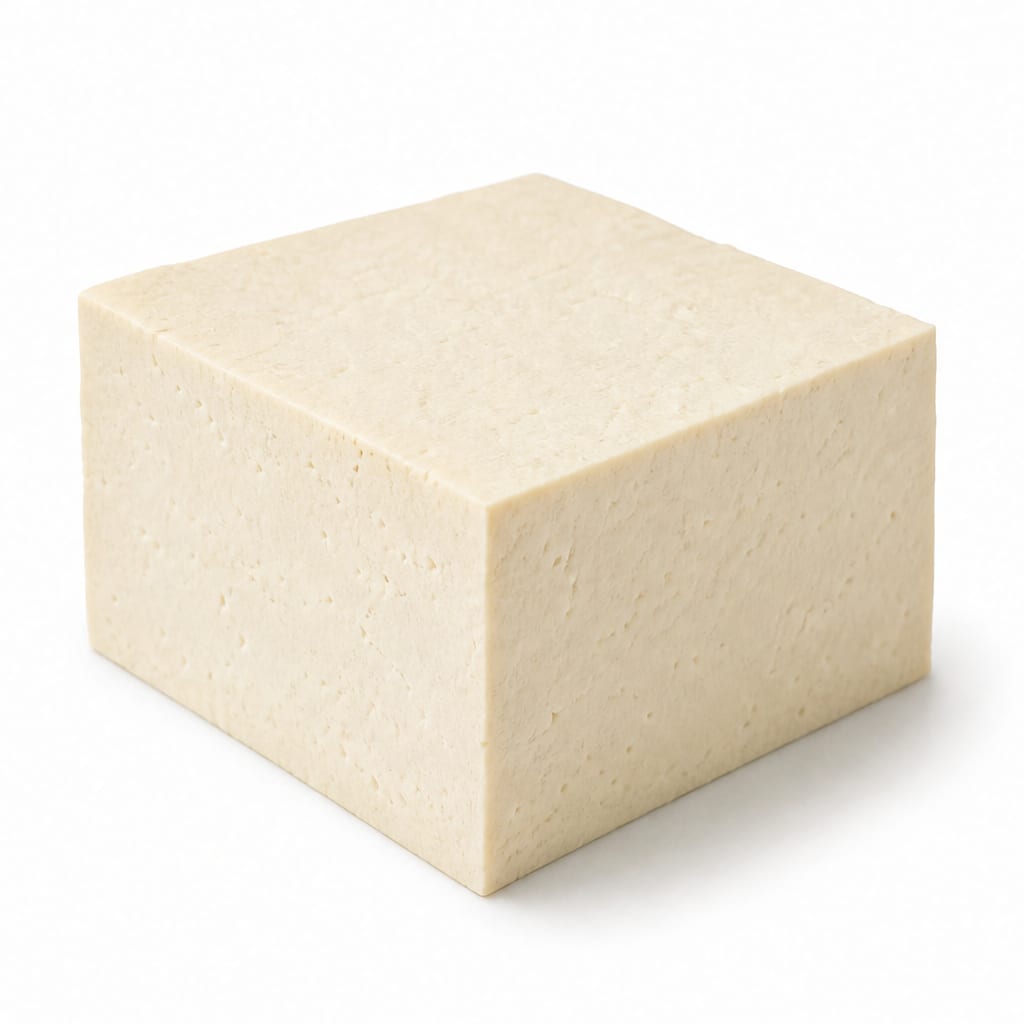
Compare with
Tofu
Tofu is a high-protein, dairy-free soy product with no sugar, while yogurt provides probiotics and calcium. Tofu is better for strict vegan and dairy-free diets.
Tofu offers more protein with zero sugar and no dairy, making it great for low-carb diets, while yogurt provides unique probiotics and calcium for gut and bone health.
Common questions
FAQ
Answers aligned with how people search for this food.
Is yogurt good for weight loss?
Plain yogurt is excellent for weight loss due to its high protein content and low energy density, which increases satiety. However, flavored yogurts high in added sugar can hinder weight loss efforts.
Can diabetics eat yogurt?
Yes, diabetics can safely eat plain, unsweetened yogurt. It has a very low glycemic index and glycemic load. Diabetics should strictly avoid flavored yogurts with added sugars.
Does yogurt have probiotics?
Most yogurts contain live and active cultures (probiotics) like Lactobacillus and Streptococcus thermophilus. Check the label for 'live active cultures' as some products are heat-treated after fermentation, killing the beneficial bacteria.
What is the difference between Greek and regular yogurt?
Greek yogurt is strained to remove whey, resulting in a thicker texture, higher protein content, and lower sugar and carbohydrates compared to regular yogurt. Regular yogurt is unstrained and has a thinner consistency.
Can lactose intolerant people eat yogurt?
Many people with lactose intolerance can tolerate yogurt better than milk. The live cultures in yogurt produce lactase, which helps break down lactose, and the fermentation process reduces overall lactose content.
Is yogurt a good post-workout food?
Yes, yogurt provides a mix of fast-digesting whey and slow-digesting casein proteins, which supports muscle repair and growth. Pairing it with fruit adds carbohydrates to replenish glycogen stores.
Why is flavored yogurt considered unhealthy?
Flavored yogurts often contain 15 to 25 grams of added sugar per serving, which acts as empty calories, spikes blood sugar, and feeds harmful gut bacteria, effectively turning a health food into a dessert.
Is yogurt good for gut health?
Plain yogurt with live active cultures is highly beneficial for gut health. The probiotics help balance the intestinal microbiome, improve digestion, and can reduce bloating and irregularity.
How much yogurt should I eat a day?
Eating 1 to 2 servings (about 150-300g) of plain yogurt per day is a healthy addition to most diets, providing a good dose of protein, calcium, and probiotics without excessive calorie intake.
Is full-fat yogurt healthier than non-fat yogurt?
Full-fat yogurt offers better satiety and slower digestion, which helps with blood sugar control. Non-fat yogurt is lower in calories and saturated fat. The best choice depends on your specific dietary and heart health goals.
Transparency
Data confidence
Estimated confidence for nutrition data, interpretation, safety notes, and comparisons.
Nutrition data
Health analysis
Food safety
Comparisons