
Nutrition comparison
Yogurt vs Cottage Cheese: Which Is Better for Protein, Gut Health, and Weight Loss?
Compare yogurt and cottage cheese on protein, probiotics, satiety, sugar, and sodium. Learn which dairy staple fits your health goals and when to choose each.
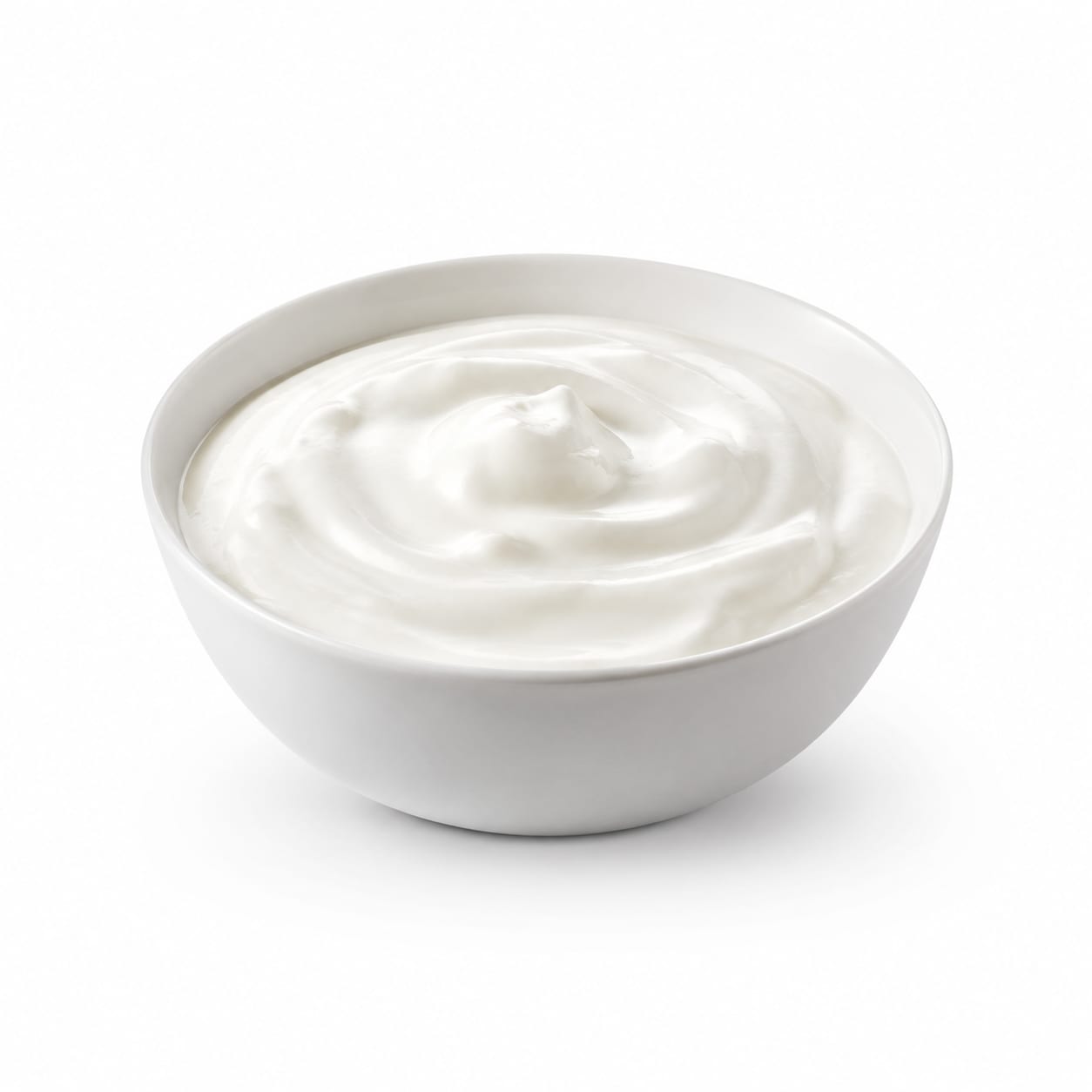
Yogurt
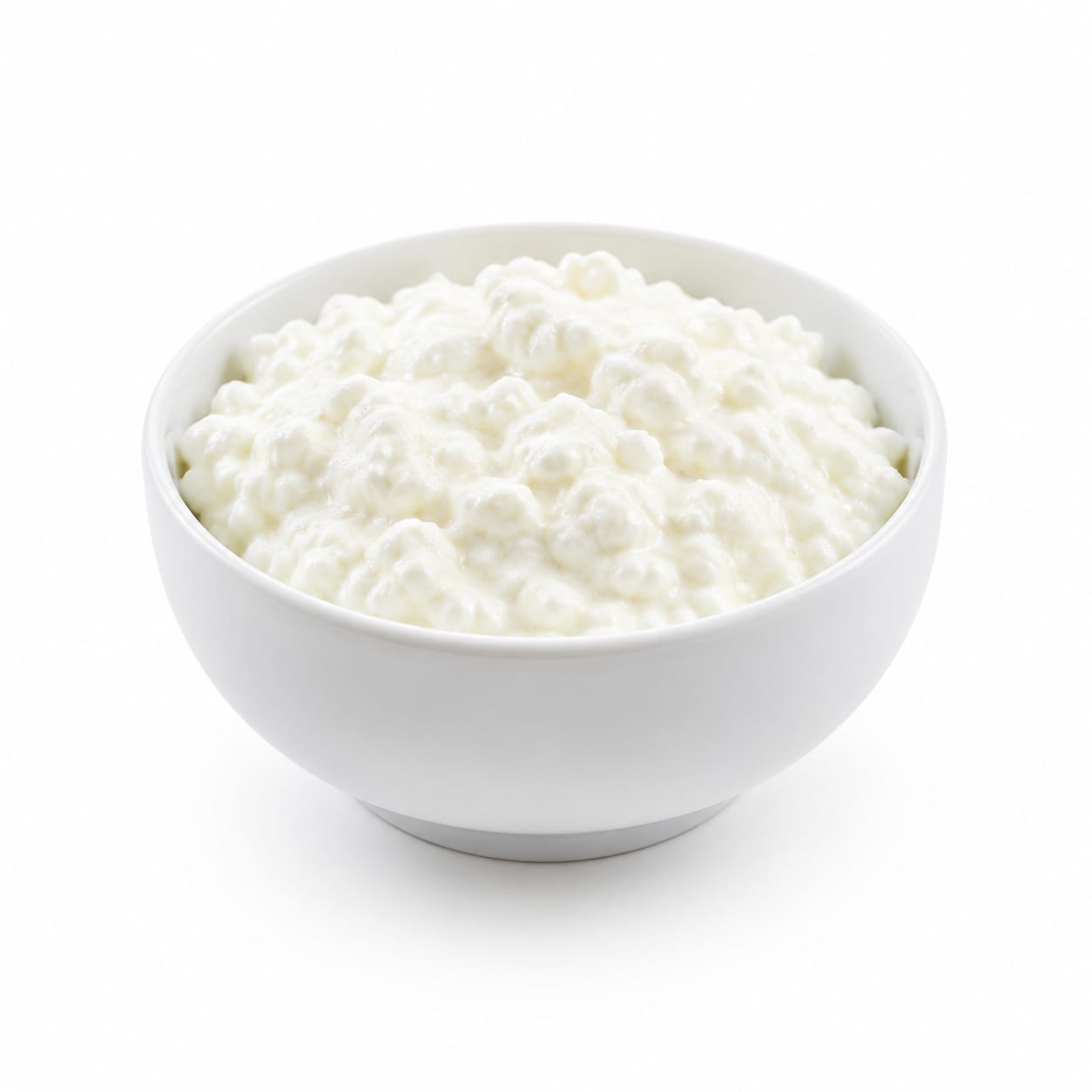
Cottage Cheese
Cottage cheese delivers nearly double the protein and longer-lasting fullness, while yogurt offers probiotics, easier digestion, and a lighter eating experience.
Cottage cheese edges ahead on protein density and satiety, but yogurt's probiotic advantage and broader digestibility keep scores close. The right choice depends heavily on whether you prioritize gut health or protein intake.
Sustained satiety and protein density versus gut-friendly probiotics and digestive comfort.
At a glance
Executive summary
Overall
It depends
Healthier
It depends
More practical
Yogurt
Daily use
It depends
Key comparison lenses
protein source comparison
Both are dairy protein staples but deliver very different protein amounts per serving, making this the primary decision driver
gut health and probiotics
Yogurt's live cultures are a major distinguishing benefit that cottage cheese cannot match
satiety and weight management
Cottage cheese's casein protein provides prolonged fullness, while yogurt offers lighter satiety
sugar and flavor control
Flavored yogurts often hide significant added sugar, whereas cottage cheese is typically savory
digestive tolerance
Lactose sensitivity differs between these two, with yogurt often being better tolerated
snack convenience
Both are quick fridge staples but yogurt is more portable and requires no preparation
Best choice for
Yogurt
- Gut health optimization and probiotic intake
- Light snacks between meals
- Post-antibiotic recovery
- Lactose-sensitive individuals
- Quick breakfast with fruit and granola
Cottage Cheese
- High-protein diets and muscle preservation
- Late-night snacking without blood sugar spikes
- Satiety-focused weight management
- Low-carb and keto meal plans
- Post-workout casein protein delivery
Least suitable for
Yogurt
- People avoiding added sugars who buy flavored varieties
- Those needing high protein per calorie
- Strict low-carb dieters eating sweetened versions
Cottage Cheese
- Sodium-sensitive individuals
- People who dislike curdled textures
- Those seeking probiotic benefits
Deep comparison
Dimension by dimension
Each lens scores both foods and breaks down who each option suits.
- Dimension 1 · Priority 95Cottage Cheese
protein_content_and_quality
Yogurt · 55Cottage Cheese · 90Cottage cheese delivers roughly 12-14g of protein per half cup, while regular yogurt provides 4-6g. Even Greek yogurt matches rather than exceeds cottage cheese.
Tradeoff
Cottage cheese gives you more protein per bite and per calorie, but yogurt's protein comes alongside probiotics that aid absorption.
Why it matters
If you are using dairy primarily to hit protein targets, cottage cheese gets you there with less volume and fewer calories.
Real-world impact
A single serving of cottage cheese after a workout covers nearly half the protein of a scoop of whey, while regular yogurt barely moves the needle.
Yogurt
- Casual protein supplementation alongside other sources
- Smaller appetite individuals who cannot eat large portions
Better for
- Anyone relying on it as a primary protein source
Worse for
Cottage Cheese
- Hitting high daily protein goals without supplements
- Older adults preserving muscle mass efficiently
Better for
- People who find high-protein meals too filling and struggle to eat enough calories
Worse for
- Dimension 2 · Priority 88Yogurt
gut_health_and_microbiome
Yogurt · 92Cottage Cheese · 35Yogurt contains live active cultures that directly support gut bacteria diversity. Most cottage cheese is not a meaningful probiotic source.
Tradeoff
You get probiotics from yogurt but sacrifice the higher protein payload of cottage cheese.
Why it matters
Gut microbiome health influences digestion, immunity, mood, and even weight regulation over time.
Real-world impact
Eating yogurt daily can noticeably reduce bloating and improve regularity within a couple of weeks for many people.
Yogurt
- Recovering gut health after antibiotics
- Managing mild IBS symptoms
- Supporting immune function through microbiome diversity
Better for
- Those buying heat-treated yogurt with no live cultures
Worse for
Cottage Cheese
- People already taking probiotic supplements who do not need redundant sources
Better for
- Anyone relying on it for digestive health benefits
Worse for
- Dimension 3 · Priority 85Cottage Cheese
satiety_and_fullness
Yogurt · 58Cottage Cheese · 88Cottage cheese is rich in casein protein, which digests slowly and keeps you full for hours. Yogurt, especially low-fat varieties, empties from the stomach faster.
Tradeoff
Long-lasting fullness from cottage cheese versus a lighter, less heavy eating experience from yogurt.
Why it matters
Satiety directly controls snacking behavior and calorie intake throughout the day.
Real-world impact
A half cup of cottage cheese at 3pm can prevent the pre-dinner raid on the pantry. Yogurt alone often leaves you hungry again within an hour.
Yogurt
- Light morning eaters who feel uncomfortable with heavy breakfasts
- Pre-workout fuel when you want something that will not sit heavily
Better for
- People using it as a standalone meal replacement
Worse for
Cottage Cheese
- Late-night snackers needing something that actually curbs hunger
- Anyone trying to reduce between-meal snacking
Better for
- Those who feel sluggish after heavy, protein-dense snacks
Worse for
- Dimension 4 · Priority 80Cottage Cheese
sugar_and_metabolic_impact
Yogurt · 45Cottage Cheese · 82Plain cottage cheese is naturally low in sugar and almost always sold unsweetened. Many yogurts, even ones marketed as healthy, contain 15-25g of added sugar per cup.
Tradeoff
Cottage cheese has sodium instead of sugar. Yogurt can be low-sugar if you choose plain, but most people do not.
Why it matters
Hidden sugar in flavored yogurt is one of the most common traps in otherwise healthy diets.
Real-world impact
A fruit-on-the-bottom yogurt cup can have as much sugar as a candy bar. Plain cottage cheese never sneaks up on you that way.
Yogurt
- People who carefully read labels and buy plain unsweetened yogurt
- Those who add their own fruit for natural sweetness control
Better for
- Frequent buyers of flavored or fruit-mixed yogurts
Worse for
Cottage Cheese
- Anyone who grabs snacks without scrutinizing nutrition labels
- Diabetics needing predictable low-sugar options
Better for
- People on sodium-restricted diets who need to watch salt instead
Worse for
- Dimension 5 · Priority 75Yogurt
digestive_tolerance
Yogurt · 82Cottage Cheese · 55Yogurt's fermentation process breaks down much of the lactose, making it tolerable for many who struggle with dairy. Cottage cheese retains more lactose.
Tradeoff
Easier digestion with yogurt versus more protein with cottage cheese for the lactose-sensitive.
Why it matters
Roughly 65% of the global population has some degree of lactose malabsorption.
Real-world impact
If regular milk gives you bloating, yogurt might still work fine. Cottage cheese is more likely to cause similar discomfort.
Yogurt
- Mildly lactose-intolerant individuals
- People with sensitive digestion who still want dairy benefits
Better for
- People with severe dairy allergies, not just lactose intolerance
Worse for
Cottage Cheese
- Those with no lactose concerns at all
Better for
- Lactose-sensitive individuals who experience gas and bloating from higher-lactose foods
Worse for
- Dimension 6 · Priority 65Yogurt
sodium_load
Yogurt · 85Cottage Cheese · 40Cottage cheese typically contains 350-450mg of sodium per cup, while plain yogurt has only 100-150mg. This is one of cottage cheese's most overlooked downsides.
Tradeoff
Cottage cheese trades low sugar for notably higher sodium, which matters for blood pressure management.
Why it matters
For salt-sensitive individuals, regular cottage cheese consumption can meaningfully increase daily sodium intake.
Real-world impact
Two servings of cottage cheese per day can deliver nearly a third of your recommended sodium limit before you add any other food.
Yogurt
- People managing hypertension
- Anyone tracking sodium for kidney health
Better for
- Those who need extra electrolytes after intense exercise
Worse for
Cottage Cheese
- Athletes losing sodium through heavy sweating who need replenishment
Better for
- Anyone on a low-sodium diet or with blood pressure concerns
Worse for
- Dimension 7 · Priority 60It depends
versatility_and_enjoyment
Yogurt · 78Cottage Cheese · 72Yogurt works in smoothies, dressings, desserts, and breakfast bowls. Cottage cheese shines in savory dishes, on toast, or as a high-protein base for dips.
Tradeoff
Yogurt integrates more easily into sweet recipes and drinks. Cottage cheese dominates savory high-protein applications.
Why it matters
The food you actually enjoy eating consistently beats the one that is theoretically superior but boring.
Real-world impact
If you hate the texture of cottage cheese, no amount of protein advantage will make you eat it daily. Pick the one you look forward to.
Yogurt
- Smoothie makers and breakfast bowl builders
- People who prefer sweet or neutral flavors
- Baking and cooking applications needing a creamy dairy base
Better for
- Those who find it too tangy or sour
Worse for
Cottage Cheese
- Savory snack lovers who want something salty and filling
- People who enjoy texture contrast with fruit or nuts mixed in
Better for
- Anyone put off by the lumpy, curdled texture
Worse for
Timeline
Health impact over time
Short-term
Hours to days
Yogurt
- Quick energy from natural sugars, especially in flavored varieties
- Mild digestive comfort from probiotics and lower lactose
- Less immediate fullness, potentially leading to sooner hunger
Cottage Cheese
- Strong satiety within 30 minutes due to casein protein
- Possible thirst from higher sodium content
- Heavier feeling in the stomach that discourages overeating
Long-term
Months to years
Yogurt
- Improved gut microbiome diversity with consistent consumption of live-culture varieties
- Better digestive regularity and reduced bloating over time
- Risk of excess added sugar intake if defaulting to flavored options
Cottage Cheese
- Sustained muscle preservation, especially important during aging or calorie deficits
- Potential blood pressure impact from chronic high sodium intake
- Stable appetite regulation reducing overall calorie consumption
Risk profile
Safety & processing
Both are fermented dairy products with minimal processing in their plain forms. However, flavored yogurts frequently contain thickeners, artificial sweeteners, and preservatives that cottage cheese typically avoids. Plain versions of both are clean choices.
Yogurt
Added sugar disguised as healthy
mediumFlavored yogurts can contain 15-25g of added sugar per serving, rivaling desserts. Always check labels for added sugar content.
Probiotic viability loss
lowNot all yogurts retain live cultures through shelf life. Heat-treated products after fermentation have no probiotic benefit.
Spoilage if temperature abused
mediumYogurt is sensitive to temperature fluctuations. If left unrefrigerated beyond two hours, bacterial overgrowth risk increases.
Cottage Cheese
High sodium intake
mediumRegular cottage cheese contains 350-450mg sodium per cup. Low-sodium versions exist but are less common and often taste noticeably different.
Listeria in unpasteurized versions
lowRaw milk cottage cheese carries listeria risk. Commercial versions use pasteurized milk and are safe for most consumers.
Hidden phosphates in some brands
lowSome cottage cheese brands add sodium phosphate as a stabilizer, which may concern people with kidney issues.
Who wins for whom
Audience fit
Same foods, different winners depending on your goal.
children
YogurtYogurt's smoother texture, sweeter taste, and probiotic benefits make it more appealing and gentler on developing digestive systems.
daily consumption
YogurtYogurt's probiotic benefits compound with daily intake, and its lower sodium makes it safer for long-term everyday use.
diabetes
Cottage CheeseLower sugar content and higher protein result in a more favorable glycemic response, provided sodium is not a concurrent concern.
elderly
It dependsCottage cheese supports muscle preservation against age-related loss, but yogurt aids calcium absorption and digestion. Both are valuable; rotate them.
muscle gain
Cottage CheeseMore protein per serving and slow-digesting casein makes cottage cheese ideal for sustained muscle protein synthesis, especially overnight.
weight loss
Cottage CheeseCottage cheese's high casein protein creates longer satiety, reducing total daily calorie intake more effectively than yogurt for most people.
Your move
Decision guide
Choose Yogurt
- You want gut health benefits and probiotics
- You are lactose-sensitive but still want dairy
- You prefer lighter snacks that do not feel heavy
- You eat yogurt plain or with your own fruit, avoiding added sugar
- You need a quick, portable breakfast or on-the-go option
Choose Cottage Cheese
- Protein intake is your top priority
- You get hungry between meals and need something that actually fills you
- You are cutting calories and need maximum satiety per bite
- You prefer savory flavors over sweet
- You want a late-night snack that will not spike your blood sugar
Either works if
- You tolerate dairy well and just want a nutritious snack
- You are already eating a balanced diet and rotating protein sources
- Calcium intake is your main concern, as both deliver similarly
Avoid both if
- You have a dairy allergy, not just lactose intolerance
- You are following a strict vegan diet
- You have severe kidney disease requiring both protein and sodium restriction
Final recommendation
Keep both in your fridge. Use cottage cheese when protein and satiety matter most, like after workouts or as an afternoon hunger killer. Use yogurt when you want digestive support, a lighter snack, or something quick and portable. If you must pick one, cottage cheese wins on nutrition density, but only if you choose plain yogurt as your comparison. Against flavored yogurt, cottage cheese wins decisively on sugar alone.
Practical
Consumer tips
- 1
If buying yogurt, always check for 'live active cultures' on the label and choose plain. Add your own honey or fruit to control sweetness.
- 2
Low-sodium cottage cheese exists and cuts the salt content by roughly half without sacrificing much protein. Look for it if blood pressure is a concern.
- 3
Full-fat versions of both foods are more satiating and often have less added sugar than their low-fat counterparts, which compensate with fillers and sweeteners.
- 4
Mixing cottage cheese with fruit or a drizzle of honey can bridge the flavor gap if you want the protein but find it too plain.
- 5
Freezing yogurt cups makes a decent ice cream alternative. Cottage cheese does not freeze well for snacking.
- 6
Greek yogurt closes the protein gap with cottage cheese, offering 15-20g per cup. If protein matters but you prefer yogurt texture, Greek is the compromise.