
Nutrition comparison
Yogurt vs Whole Milk: Which Is Healthier for Daily Use?
Compare Yogurt and Whole Milk on probiotics, protein, lactose tolerance, and versatility. Find out which dairy choice fits your health goals and lifestyle better.
Overall winner · Yogurt
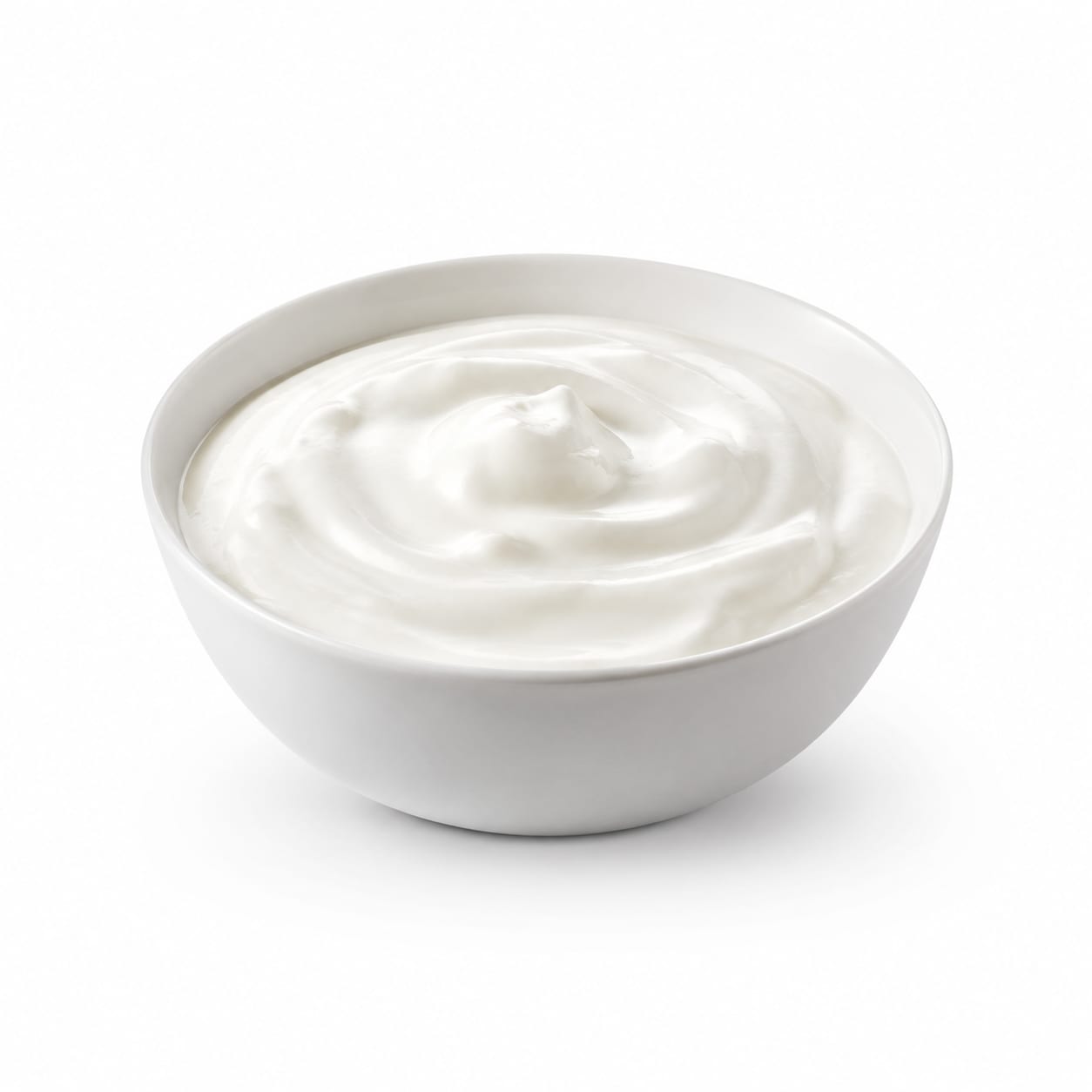
Yogurt
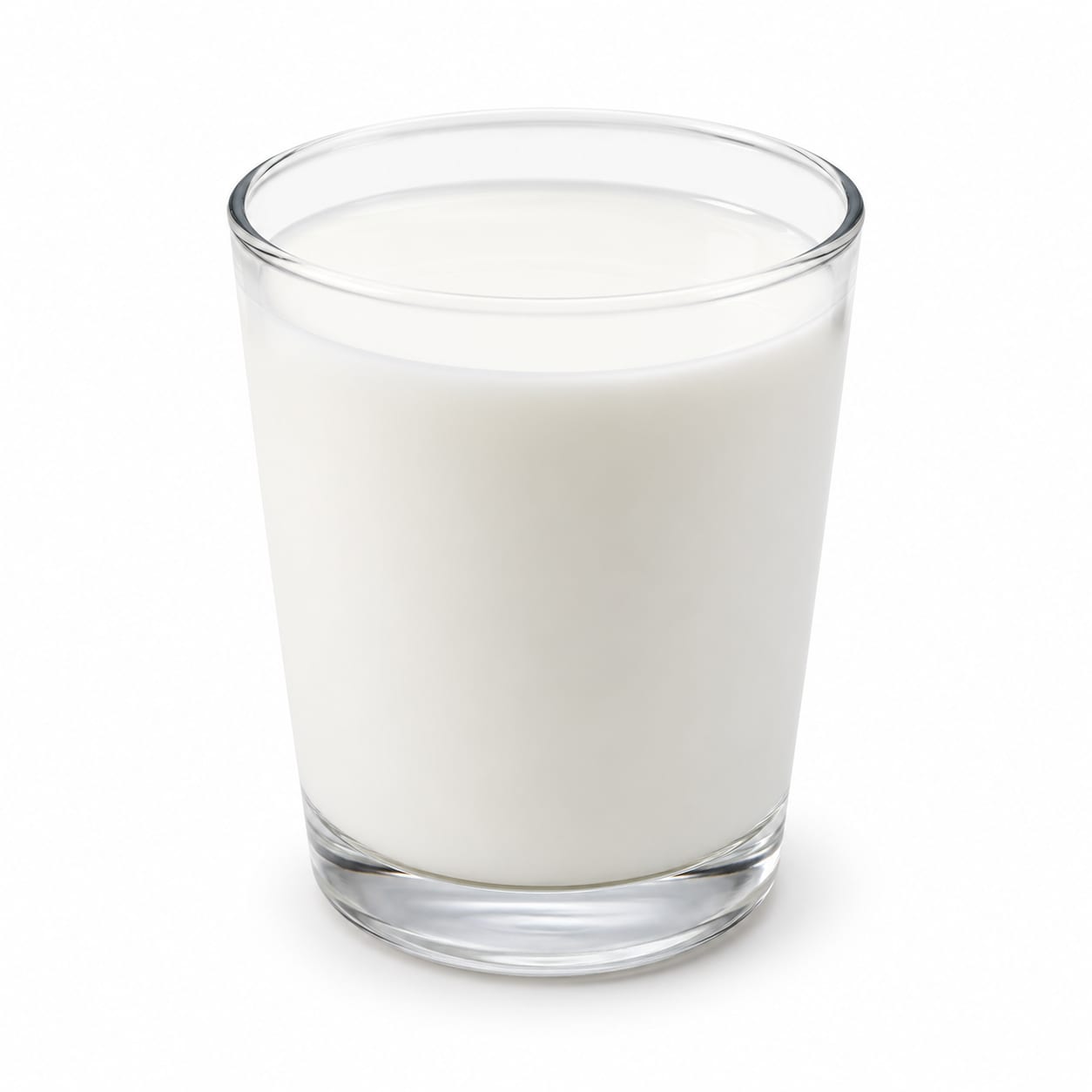
Whole Milk
Yogurt edges out Whole Milk thanks to probiotics, better lactose tolerance, and higher protein density per calorie, though Whole Milk wins on versatility and simplicity.
Yogurt scores higher due to probiotic content, better digestibility, and superior protein-to-calorie ratio. Whole Milk remains valuable for versatility and simplicity but lacks the functional health edge.
You gain gut health and satiety with Yogurt, but sacrifice the cooking versatility and clean ingredient list of Whole Milk.
At a glance
Executive summary
Overall
Yogurt
Healthier
Yogurt
More practical
Whole Milk
Daily use
Yogurt
Key comparison lenses
Gut health and probiotics
Yogurt's fermentation creates live cultures that Whole Milk completely lacks, making this the single biggest differentiator
Lactose tolerance and digestibility
Many people choose between these based on digestive comfort, and fermentation significantly reduces lactose in yogurt
Protein density and satiety per calorie
Yogurt delivers more protein per serving with fewer calories, making it more filling for weight-conscious users
Versatility and convenience
Whole Milk is more versatile for cooking and drinking, while yogurt is better as a standalone snack
Sugar and additive concerns
Flavored yogurts often contain added sugars, while Whole Milk has naturally occurring lactose with no additives
Best choice for
Yogurt
- People prioritizing gut health and digestion
- Anyone lactose-sensitive who still wants dairy
- Weight-conscious snackers wanting more fullness per calorie
- Post-workout recovery with protein and carbs
Whole Milk
- Cooking and baking enthusiasts
- Families needing a versatile fridge staple
- People who want minimal ingredients with no additives
- Anyone needing easy hydration with calories
Least suitable for
Yogurt
- Strict sugar avoiders wary of flavored varieties
- People who dislike fermented or tangy flavors
- Recipes requiring liquid dairy
Whole Milk
- Lactose-intolerant individuals
- Those tracking calories closely
- People seeking probiotic benefits
Deep comparison
Dimension by dimension
Each lens scores both foods and breaks down who each option suits.
- Dimension 1 · Priority 92Yogurt
Gut Health and Probiotics
Yogurt · 90Whole Milk · 15Yogurt delivers live active cultures that support digestion and immune function. Whole Milk has none.
Tradeoff
You must choose yogurts labeled with live active cultures to get this benefit — heat-treated yogurts lose probiotics entirely.
Why it matters
Gut microbiome diversity influences everything from mood to immunity, and fermented dairy is one of the easiest ways to support it.
Real-world impact
Regular yogurt eaters often notice less bloating and more regular digestion within weeks.
Yogurt
- Anyone with mild digestive issues
- People taking antibiotics who need microbiome support
Better for
- People who only buy heat-treated yogurt with no live cultures
Worse for
Whole Milk
- No gut health advantage over Yogurt
Better for
- Anyone relying on Whole Milk for probiotic benefits — it has none
Worse for
- Dimension 2 · Priority 85Yogurt
Lactose Tolerance and Digestibility
Yogurt · 80Whole Milk · 40Fermentation breaks down much of the lactose in Yogurt, making it tolerable for many who cannot drink Whole Milk.
Tradeoff
Yogurt is not lactose-free — highly sensitive individuals may still react, though Greek yogurt is often better tolerated.
Why it matters
Roughly 65% of the global population has some degree of lactose malabsorption, making this a daily practical concern.
Real-world impact
Someone who gets bloated from a glass of Whole Milk might handle a cup of Yogurt without discomfort.
Yogurt
- Lactose-sensitive individuals who want to keep dairy in their diet
- People transitioning away from milk but missing dairy
Better for
- Severely lactose-intolerant people who need fully lactose-free options
Worse for
Whole Milk
- Those with zero lactose issues who prefer drinking their calories
Better for
- Anyone who experiences gas, bloating, or cramps from liquid milk
Worse for
- Dimension 3 · Priority 78Yogurt
Protein Density and Satiety
Yogurt · 82Whole Milk · 55Yogurt packs more protein into fewer calories, especially Greek varieties, keeping you fuller longer.
Tradeoff
Whole Milk provides protein in a drinkable form that feels less filling, which can be either an advantage or disadvantage depending on your goals.
Why it matters
Higher satiety per calorie helps with portion control and reduces between-meal snacking.
Real-world impact
A 150-calorie serving of Greek Yogurt feels like a substantial snack. The same calories in Whole Milk feel like a few sips.
Yogurt
- Weight management and appetite control
- High-protein breakfast or snack replacement
Better for
- Those who find thick foods unsatisfying and prefer drinking calories
Worse for
Whole Milk
- Underweight individuals needing easy calories
- Athletes wanting liquid post-workout nutrition
Better for
- Anyone trying to reduce calorie intake while staying full
Worse for
- Dimension 4 · Priority 72Whole Milk
Versatility and Convenience
Yogurt · 55Whole Milk · 88Whole Milk works in coffee, cereal, smoothies, baking, sauces, and drinking straight. Yogurt is more limited.
Tradeoff
Yogurt excels as a ready-to-eat snack but struggles as a cooking ingredient outside specific recipes.
Why it matters
A fridge staple that works in more situations gets used more and wasted less.
Real-world impact
Whole Milk is the reason mashed potatoes, creamy soups, and weekend pancakes come together. Yogurt cannot replicate most of these uses.
Yogurt
- Quick no-prep breakfasts
- Portable snacks for work or school
Better for
- Home cooks needing a pourable dairy liquid
- Anyone wanting one dairy product that does everything
Worse for
Whole Milk
- Cooking and baking
- Coffee and tea additions
- Smoothie bases
- Cereal and oatmeal
Better for
- On-the-go snacking — milk requires a glass or container
Worse for
- Dimension 5 · Priority 68Whole Milk
Sugar and Additive Exposure
Yogurt · 50Whole Milk · 78Plain Whole Milk has one ingredient and only natural lactose sugar. Many yogurts contain added sugars, thickeners, and flavorings.
Tradeoff
Choosing plain unsweetened Yogurt eliminates this concern entirely, but most consumers buy flavored varieties.
Why it matters
Added sugar in flavored yogurt can easily reach 15-25 grams per serving, rivaling dessert-level sweetness.
Real-world impact
A single flavored yogurt cup can contain more added sugar than a cookie, while Whole Milk's sugar is consistent and predictable.
Yogurt
- Only if you consistently choose plain unsweetened varieties
Better for
- Fans of fruit-flavored or sweetened yogurts
- People who assume all yogurt is equally healthy
Worse for
Whole Milk
- Anyone wanting simple predictable ingredients
- Sugar-conscious consumers who dislike reading labels
Better for
- No significant additive concern — Whole Milk is straightforward
Worse for
- Dimension 6 · Priority 65It depends
Bone Health and Calcium
Yogurt · 72Whole Milk · 75Both are excellent calcium sources. Whole Milk often has slightly more vitamin D, while Yogurt's acidity may improve calcium absorption.
Tradeoff
The difference is small enough that either supports bone health well — variety might be the best approach.
Why it matters
Calcium absorption depends on vitamin D, stomach acid, and overall diet, not just total calcium content.
Real-world impact
One cup of either covers roughly 30% of daily calcium needs. The practical difference for bones is minimal.
Yogurt
- Those who absorb calcium better from fermented sources
Better for
- Those who need higher vitamin D intake from fortified sources
Worse for
Whole Milk
- People relying on milk as their primary vitamin D source
Better for
- No significant bone health disadvantage compared to Yogurt
Worse for
Timeline
Health impact over time
Short-term
Hours to days
Yogurt
- Probiotics may reduce bloating within days for some people
- Higher protein content provides longer-lasting fullness after eating
- Tangy flavor can satisfy sweet cravings without dessert when choosing plain varieties
Whole Milk
- Quick liquid calories can feel energizing but may not satisfy hunger long
- Lactose can cause immediate bloating or gas in sensitive individuals
- Warming effect is comforting, especially before bed
Long-term
Months to years
Yogurt
- Regular probiotic intake supports gut microbiome diversity and immune resilience
- Consistent high-protein dairy intake helps preserve muscle mass during aging
- Daily yogurt consumption is associated with lower risk of type 2 diabetes in some studies
Whole Milk
- Consistent calcium and vitamin D intake supports bone density over decades
- High saturated fat content remains debated for heart health — moderation is key
- Long-term dairy consumption is associated with neutral to slightly positive cardiovascular outcomes in recent meta-analyses
Risk profile
Safety & processing
Both are minimally processed at their core, but flavored and thickened yogurts often contain added sugars, gums, and artificial flavorings. Plain Yogurt and Whole Milk are equally clean — the concern is what gets added to commercial Yogurt products.
Yogurt
Spoilage and bacterial overgrowth
mediumYogurt's live cultures can become imbalanced if stored too long or at improper temperatures, leading to off-flavors and potential stomach upset.
Added sugar in flavored varieties
mediumNot a contamination risk but a health risk — many commercial yogurts contain 15-25g of added sugar per serving.
Whole Milk
Spoilage and bacterial contamination
mediumWhole Milk spoils faster than Yogurt once opened and can harbor harmful bacteria like Listeria if not properly refrigerated.
Antibiotic and hormone residues
lowConventional milk may contain trace antibiotic or hormone residues. Organic options reduce this concern significantly.
Who wins for whom
Audience fit
Same foods, different winners depending on your goal.
children
Whole MilkWhole Milk is pediatrician-recommended for toddlers needing calorie density, fat for brain development, and easy drinking. Yogurt is a great supplement but not a full replacement.
daily consumption
YogurtDaily Yogurt provides functional benefits beyond basic nutrition — probiotics, easier digestion, and better satiety — that accumulate meaningfully over time.
diabetes
YogurtPlain unsweetened Yogurt has a lower glycemic impact and the fermentation process may improve insulin sensitivity. Flavored Yogurt reverses this advantage completely.
elderly
YogurtProbiotics support aging immune systems, higher protein helps prevent sarcopenia, and lower lactose is gentler on aging digestion.
muscle gain
YogurtGreek Yogurt delivers significantly more protein per serving than Whole Milk, supporting muscle repair and growth more efficiently.
weight loss
YogurtYogurt provides more satiety per calorie, especially Greek varieties with double the protein, making portion control easier.
Your move
Decision guide
Choose Yogurt
- You want gut health benefits from probiotics
- Lactose bothers you but you still want dairy
- You need a high-protein snack that keeps you full
- You are focused on weight management or muscle maintenance
Choose Whole Milk
- You cook or bake regularly and need a versatile dairy liquid
- You have no lactose issues and prefer drinking your dairy
- You want the simplest ingredient list with no additives
- You are feeding toddlers who need calorie-dense liquid nutrition
Either works if
- You simply want reliable calcium and vitamin D intake
- You are already eating a varied diet and neither is a make-or-break choice
- You rotate between both depending on the meal or recipe
Avoid both if
- You have a dairy allergy — neither is safe
- You are strictly vegan and prefer plant-based alternatives
- You have severe lactose intolerance and need fully lactose-free options
Final recommendation
Keep both in your fridge if possible — Whole Milk for cooking and coffee, Yogurt for snacks and gut health. If you must choose one, plain Yogurt gives you more functional health benefits per calorie, but Whole Milk gives you more everyday utility. Choose based on what your mornings and meals actually look like.
Practical
Consumer tips
- 1
Always check Yogurt labels for live active cultures — not all commercial yogurts contain them after processing
- 2
Buy plain Yogurt and add your own fruit or honey to control sugar content
- 3
Whole Milk should be consumed within 5-7 days of opening for best safety and flavor
- 4
Organic options for both reduce exposure to antibiotic and hormone residues
- 5
Freezing Yogurt kills most probiotic cultures — refrigeration is essential for gut health benefits
- 6
Whole Milk froths far better than Yogurt for coffee drinks — do not substitute in lattes