
Nutrition comparison
Yogurt vs Almond Milk Yogurt: Which is Healthier?
Compare Yogurt vs Almond Milk Yogurt to see which is better for protein, weight loss, and digestion. Discover the nutritional tradeoffs between dairy and plant-based yogurt.
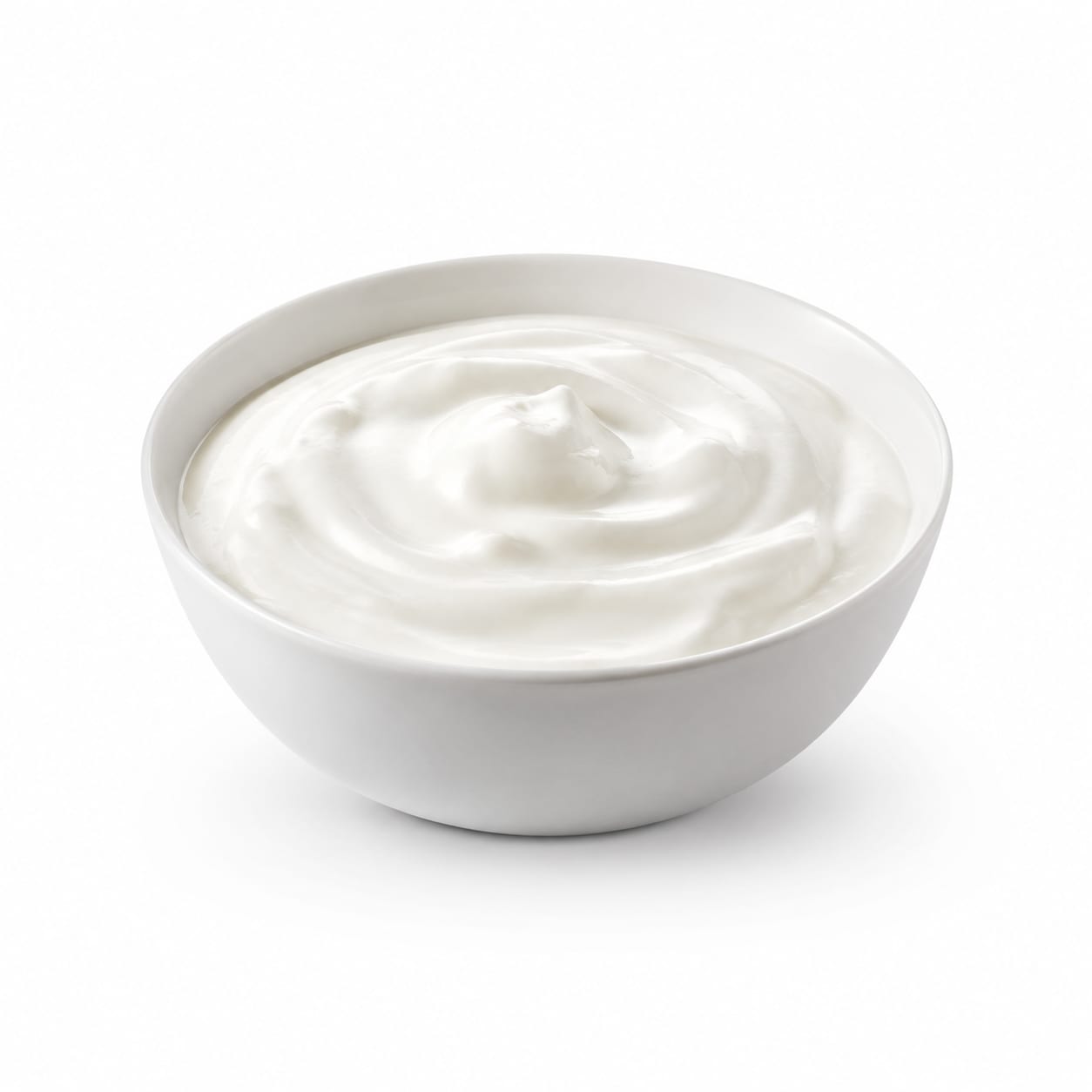
Yogurt
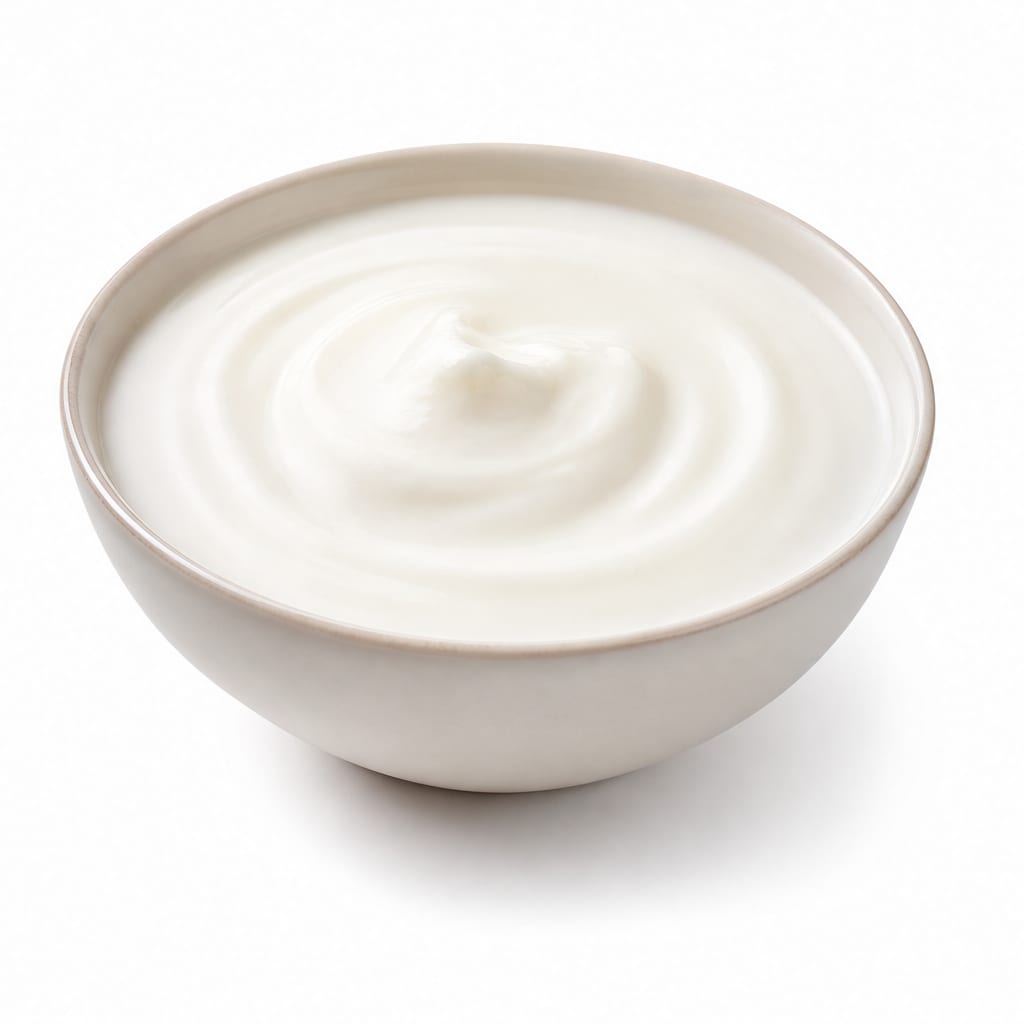
Almond Milk Yogurt
Yogurt delivers far more protein and satiety, while Almond Milk Yogurt offers a lighter, dairy-free alternative at the cost of more additives and less protein.
Yogurt scores higher due to superior protein content, natural ingredient profile, and better satiety, though Almond Milk Yogurt remains a viable low-calorie, dairy-free option.
Real nutrition and fullness versus dairy-free convenience and lower calories.
At a glance
Executive summary
Overall
It depends
Healthier
Yogurt
More practical
It depends
Daily use
Yogurt
Key comparison lenses
Dairy vs Plant-Based Nutritional Completeness
Dairy yogurt naturally provides complete protein and bioavailable calcium, while almond milk yogurt requires fortification and thickeners to mimic its nutritional profile.
Protein and Satiety Comparison
The protein gap between these two is massive, heavily impacting fullness and muscle maintenance.
Additives and Processing Levels
Almond milk yogurt relies on gums, emulsifiers, and added sugars to achieve a yogurt-like texture, whereas traditional yogurt can be made with just milk and cultures.
Digestive Tolerance and Allergies
A primary reason people choose almond milk yogurt is to avoid lactose and dairy proteins, making digestive comfort a key decision factor.
Best choice for
Yogurt
- Muscle maintenance and growth
- High-protein breakfasts
- Satiety and craving control
Almond Milk Yogurt
- Vegan diets
- Lactose intolerance
- Low-calorie snacking
Least suitable for
Yogurt
- Dairy allergy or severe lactose intolerance
- Strict vegan diets
Almond Milk Yogurt
- High-protein diets
- People sensitive to food gums and thickeners
Deep comparison
Dimension by dimension
Each lens scores both foods and breaks down who each option suits.
- Dimension 1 · Priority 95Yogurt
Protein & Satiety
Yogurt · 90Almond Milk Yogurt · 25Yogurt provides substantial protein that keeps you full, whereas Almond Milk Yogurt offers almost none.
Tradeoff
You trade long-lasting fullness for a lighter calorie load.
Why it matters
Protein is crucial for muscle retention and preventing energy crashes mid-morning.
Real-world impact
A bowl of Yogurt at 8 AM easily holds you until noon. Almond Milk Yogurt might leave you hunting for a snack by 10 AM.
Yogurt
- Post-workout recovery
- Steady energy throughout the morning
Better for
- Moments when you want a very light stomach
Worse for
Almond Milk Yogurt
- Light late-night snacking where you want minimal calories
Better for
- After gym sessions when muscles need fuel
Worse for
- Dimension 2 · Priority 85Almond Milk Yogurt
Digestive Tolerance & Allergens
Yogurt · 50Almond Milk Yogurt · 90Almond Milk Yogurt is naturally lactose-free and vegan, making it much easier on sensitive stomachs that struggle with dairy.
Tradeoff
You avoid dairy bloating but might introduce gums that can irritate some digestive systems.
Why it matters
Lactose intolerance affects a large portion of the population, making dairy uncomfortable.
Real-world impact
If regular Yogurt causes gas or bloating, Almond Milk Yogurt lets you enjoy a yogurt-like experience pain-free.
Yogurt
- Those who digest dairy well and benefit from its natural probiotics
Better for
- Anyone with a dairy allergy or lactose malabsorption
Worse for
Almond Milk Yogurt
- Vegans
- People with lactose intolerance
Better for
- People with nut allergies
Worse for
- Dimension 3 · Priority 80Yogurt
Ingredient Quality & Additives
Yogurt · 85Almond Milk Yogurt · 40Plain Yogurt can be just milk and cultures. Almond Milk Yogurt almost always requires thickeners, emulsifiers, and added sugars to mimic the real thing.
Tradeoff
A clean, two-ingredient label versus a highly engineered product that mimics dairy texture.
Why it matters
Minimally processed foods are generally easier on the gut and metabolism long-term.
Real-world impact
Reading the ingredient list on Almond Milk Yogurt often reveals a chemistry project, while plain Yogurt stays simple.
Yogurt
- Clean-eating advocates
- Those avoiding ultra-processed foods
Better for
- Those who only find heavily sweetened dairy yogurts
Worse for
Almond Milk Yogurt
- People who prioritize avoiding animal products above all else
Better for
- Anyone actively reducing food additives and gums
Worse for
- Dimension 4 · Priority 75Almond Milk Yogurt
Caloric Density & Weight Management
Yogurt · 60Almond Milk Yogurt · 85Almond Milk Yogurt is significantly lower in calories, making it an easy choice for strict calorie counting.
Tradeoff
Fewer calories but far less satiety, meaning you might eat more later.
Why it matters
Managing calorie intake is fundamental for weight loss, but satiety prevents overeating.
Real-world impact
You can eat a large bowl of Almond Milk Yogurt for minimal calories, but you might feel hungry again shortly after.
Yogurt
- Those who prefer eating less volume but staying full longer
Better for
- Very low-calorie diet phases
Worse for
Almond Milk Yogurt
- Volume eaters who want big portions for few calories
Better for
- Those who need one meal to hold them for hours
Worse for
Timeline
Health impact over time
Short-term
Hours to days
Yogurt
- Quick satiety from protein
- Potential bloating if lactose intolerant
Almond Milk Yogurt
- Light feeling in the stomach
- Possible mild digestive upset from thickeners like carrageenan
Long-term
Months to years
Yogurt
- Better muscle maintenance from high-quality protein
- Improved bone density from bioavailable calcium
Almond Milk Yogurt
- Easier weight maintenance from low calorie intake
- Potential gut irritation from frequent consumption of emulsifiers
Risk profile
Safety & processing
Traditional Yogurt is a fermented whole food, while Almond Milk Yogurt is an ultra-processed reconstruction requiring significant food science to achieve a similar texture.
Yogurt
Lactose intolerance reaction
mediumCan cause significant bloating, gas, and discomfort for those lacking the enzyme to break down dairy.
Dairy antibiotic residues
lowConventional dairy may trace antibiotics, though regulations strictly limit this.
Almond Milk Yogurt
Nut allergy cross-contamination
highAlmond-based products pose a severe risk in facilities processing tree nuts.
Additive sensitivities
mediumGums and emulsifiers can cause gut inflammation in sensitive individuals.
Who wins for whom
Audience fit
Same foods, different winners depending on your goal.
children
YogurtGrowing kids need the protein, fat, and bioavailable calcium in dairy Yogurt for development, provided they aren't allergic.
daily consumption
YogurtFor most people, the nutritional completeness and satiety of dairy Yogurt make it a better daily staple than the additive-heavy, low-protein alternative.
diabetes
YogurtThe protein in Yogurt slows sugar absorption, leading to steadier blood sugar. Almond Milk Yogurt often contains added sugars and lacks protein to buffer them.
elderly
YogurtOlder adults urgently need high-quality protein to prevent muscle loss, making dairy Yogurt far superior.
muscle gain
YogurtYogurt provides complete, high-quality protein essential for muscle repair, whereas Almond Milk Yogurt offers negligible protein.
weight loss
It dependsAlmond Milk Yogurt saves calories but Yogurt prevents overeating later due to high protein. Choose based on whether you prefer volume or satiety.
Your move
Decision guide
Choose Yogurt
- You want a filling, high-protein snack or breakfast
- You tolerate dairy well
- You prefer foods with minimal ingredients
- You are focused on muscle maintenance or growth
Choose Almond Milk Yogurt
- You are vegan or strictly dairy-free
- You are lactose intolerant
- You want a very low-calorie treat
- You prioritize volume eating over protein
Either works if
- You just want a probiotic-rich snack and tolerate both well
- You are mixing it into a smoothie where protein comes from other sources
Avoid both if
- You are on a strict zero-sugar diet and only have access to heavily sweetened versions of either
- You have both a dairy allergy and a nut allergy
Final recommendation
Choose Yogurt if you tolerate dairy, as its protein and clean ingredient list make it a nutritional powerhouse. Opt for Almond Milk Yogurt only if dairy is off the table, and seek out brands with minimal added sugar and simple thickeners.
Practical
Consumer tips
- 1
Always check the sugar content on Almond Milk Yogurt; plant-based yogurts often hide significant added sugars to improve taste.
- 2
Look for plain, unsweetened Yogurt to avoid the blood sugar spike of flavored varieties.
- 3
If choosing Almond Milk Yogurt for protein, you will need to add a scoop of protein powder or pair it with nuts to make it a balanced meal.
- 4
Check labels for carrageenan in Almond Milk Yogurt if you have a sensitive gut, as it can cause inflammation for some.
- 5
Greek Yogurt will give you even more protein and a thicker texture than regular Yogurt if satiety is your main goal.