
Nutrition comparison
Yogurt vs Tofu: Which is Healthier for Protein, Gut, and Bones?
Compare Yogurt and Tofu to see which protein source wins for weight loss, muscle gain, and gut health. Learn the nutritional tradeoffs between dairy and soy.
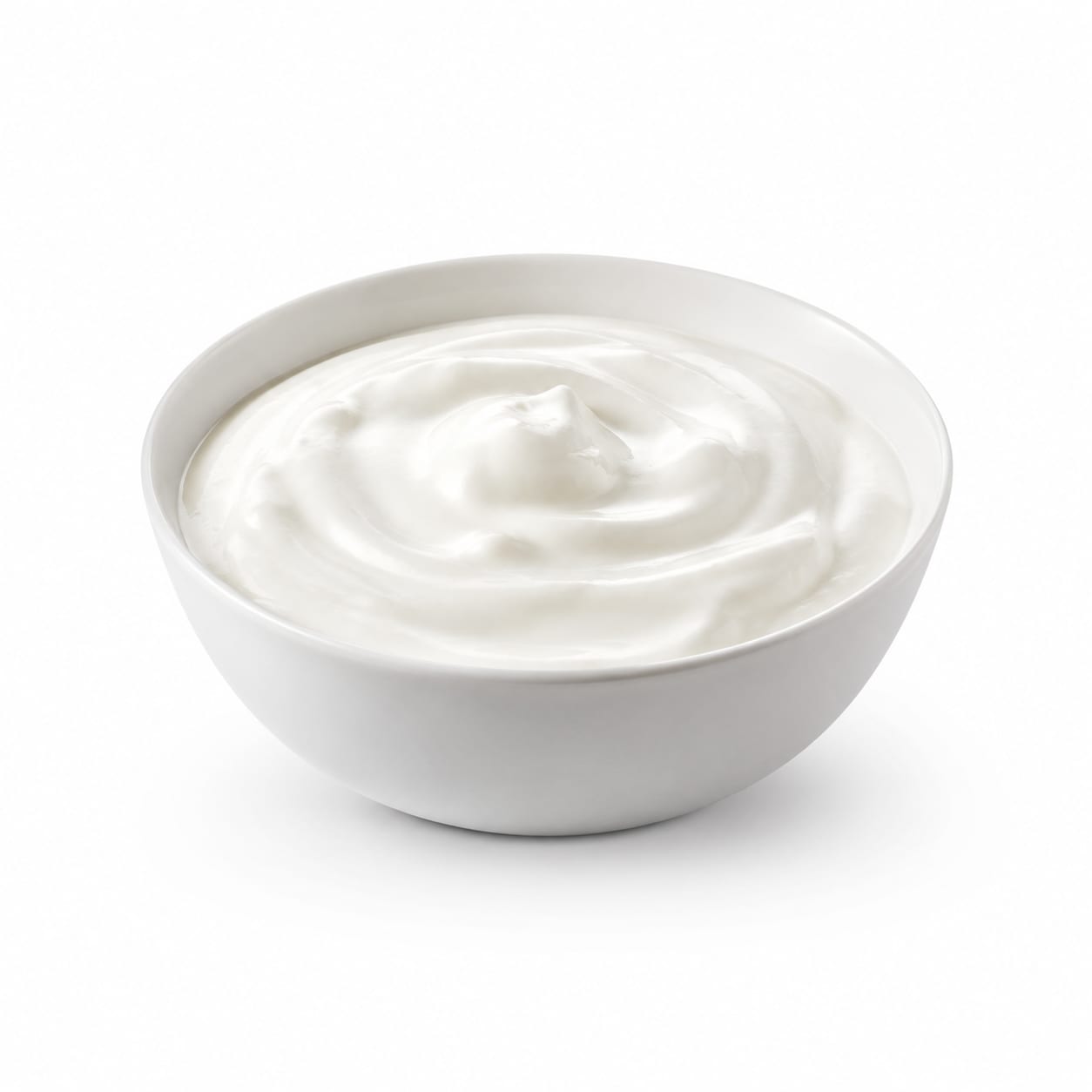
Yogurt
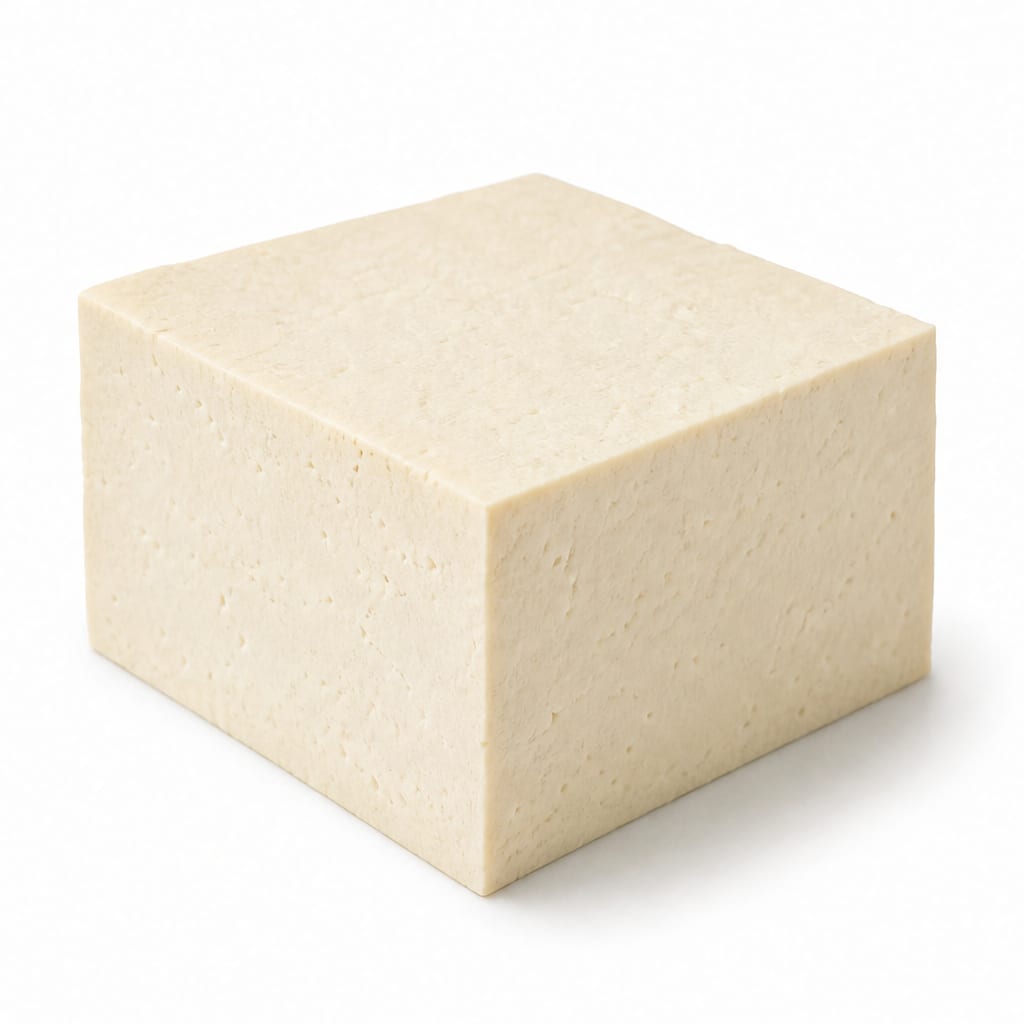
Tofu
Yogurt excels for gut health and quick bioavailable calcium, while Tofu wins for versatile, dairy-free, low-carb protein.
Scores are nearly identical because both are excellent minimally processed protein sources. Tofu edges ahead slightly due to lower sugar content and broader dietary compatibility, but Yogurt's probiotic advantage keeps it highly competitive.
Dairy-based probiotics and fast-absorbing protein in Yogurt versus plant-based, lactose-free, and highly versatile protein in Tofu.
At a glance
Executive summary
Overall
It depends
Healthier
It depends
More practical
Tofu
Daily use
It depends
Key comparison lenses
Animal vs Plant Protein Source
Users often compare these two as primary protein sources when transitioning to plant-based or evaluating protein quality.
Digestive Tolerance and Gut Health
Yogurt offers probiotics but contains lactose, while Tofu is lactose-free but a common FODMAP concern.
Bone Health and Calcium
Both are known calcium sources, but the bioavailability and co-nutrients differ significantly.
Best choice for
Yogurt
- People seeking gut microbiome support from Yogurt
- Those needing highly bioavailable calcium from Yogurt
- Quick breakfast or snack eaters who prefer Yogurt
Tofu
- Lactose-intolerant individuals who need Tofu
- Vegans and plant-based eaters relying on Tofu
- Those looking for low-carb savory meal bases using Tofu
Least suitable for
Yogurt
- People with severe lactose intolerance who cannot eat Yogurt
- Strict vegans avoiding Yogurt
- Those avoiding dairy hormones found in Yogurt
Tofu
- People with soy allergies who cannot eat Tofu
- Those seeking quick on-the-go snacks without prep, where Tofu is less convenient
- Individuals sensitive to FODMAPs in Tofu
Deep comparison
Dimension by dimension
Each lens scores both foods and breaks down who each option suits.
- Dimension 1 · Priority 95Tofu
Protein Quality and Density
Yogurt · 82Tofu · 88Tofu provides more protein per calorie and zero carbs, whereas Yogurt offers faster-absorbing whey and casein but comes with natural sugars.
Tradeoff
Yogurt's protein absorbs faster, making it great post-workout, but Tofu delivers more protein per bite without the sugar load.
Why it matters
If you are tracking macros closely or managing blood sugar, Tofu's pure protein profile is easier to fit into a meal plan.
Real-world impact
Eating Tofu keeps you full longer without a sugar crash, while Yogurt digests quickly, making it better right after a gym session.
Yogurt
- Yogurt provides fast-absorbing protein for post-workout recovery
- Yogurt blends easily into smoothies for a probiotic boost
Better for
- Yogurt's natural sugars clash with strict low-carb diets
- Yogurt is unsuitable for those avoiding dairy sugars
Worse for
Tofu
- Tofu offers a zero-carb protein profile for keto diets
- Tofu serves as a versatile base for savory muscle-building meals
Better for
- Tofu lacks the fast protein spike needed immediately post-workout
- Tofu does not satisfy sweet flavor cravings
Worse for
- Dimension 2 · Priority 90Yogurt
Gut Health and Digestion
Yogurt · 90Tofu · 70Yogurt is a powerhouse of live probiotics that directly feed the gut, while Tofu is lactose-free but lacks active cultures.
Tradeoff
Yogurt actively introduces beneficial bacteria but can trigger lactose discomfort, whereas Tofu is gentle on lactose-sensitive stomachs but doesn't provide probiotics.
Why it matters
A healthy gut microbiome affects everything from immunity to mood, giving Yogurt a distinct functional advantage for those who tolerate it.
Real-world impact
A daily serving of Yogurt can improve regularity and bloating for dairy-tolerant people, while Tofu simply avoids causing dairy-related stomach upset.
Yogurt
- Yogurt helps rebuild gut flora after antibiotics
- Yogurt improves digestive regularity for dairy-tolerant individuals
Better for
- Yogurt triggers bloating for lactose-intolerant individuals
- Yogurt can aggravate dairy-sensitive IBS
Worse for
Tofu
- Tofu avoids IBS triggers from lactose
- Tofu offers gentle digestion for sensitive stomachs
Better for
- Tofu lacks active probiotics for gut microbiome support
- Tofu can cause mild gas for those sensitive to soy oligosaccharides
Worse for
- Dimension 3 · Priority 85Yogurt
Bone Health and Minerals
Yogurt · 88Tofu · 80Yogurt provides highly bioavailable calcium and often vitamin D, whereas Tofu's calcium depends on the coagulant used and is less efficiently absorbed.
Tradeoff
Yogurt offers a guaranteed, easily absorbed calcium hit with vitamin D, while Tofu's calcium varies by brand and lacks the absorption-boosting vitamin D unless fortified.
Why it matters
Preventing osteoporosis requires not just calcium, but calcium your body can actually use, where dairy generally has the edge.
Real-world impact
Eating Yogurt is a reliable way to hit daily calcium goals for bone strength, while Tofu requires checking labels to ensure it was set with calcium sulfate.
Yogurt
- Yogurt provides reliable daily calcium intake
- Yogurt offers synergy with added vitamin D for absorption
Better for
- Yogurt may not suit those avoiding dairy for bone inflammation concerns
Worse for
Tofu
- Tofu provides calcium without dairy
- Tofu also supplies plant-based iron and magnesium
Better for
- Relying on Tofu for calcium requires checking the coagulant on the label
- Tofu has lower mineral bioavailability compared to dairy
Worse for
- Dimension 4 · Priority 80It depends
Hormonal and Inflammatory Impact
Yogurt · 72Tofu · 75Yogurt can carry traces of dairy hormones that may trigger acne or inflammation in sensitive people, while Tofu contains phytoestrogens that are generally beneficial but feared by some.
Tradeoff
Dairy hormones in Yogurt might aggravate skin and hormonal acne, whereas Tofu's plant estrogens can actually help balance hormones but are often misunderstood.
Why it matters
For acne-prone or hormonally sensitive individuals, dairy is a common trigger, making plant proteins a safer bet.
Real-world impact
Switching from Yogurt to Tofu often clears up skin issues for people sensitive to dairy, despite unfounded fears about soy disrupting hormones.
Yogurt
- Yogurt is fine for people unconcerned about dairy hormones
- Yogurt works well for those who tolerate dairy without skin issues
Better for
- Yogurt can trigger hormonal acne in sensitive individuals
- Yogurt contains IGF-1 which may concern some consumers
Worse for
Tofu
- Tofu is a safe choice for acne-prone individuals
- Tofu provides phytoestrogen benefits for women during menopause
Better for
- Tofu causes anxiety about soy phytoestrogens for some consumers
- Tofu requires moderation context for those with specific estrogen-sensitive conditions
Worse for
Timeline
Health impact over time
Short-term
Hours to days
Yogurt
- Yogurt provides quick energy from natural sugars
- Yogurt has an immediate soothing effect on the stomach if probiotics are active
- Yogurt may cause bloating if you are lactose intolerant
Tofu
- Tofu provides steady, sustained energy without a sugar crash
- Tofu is very filling, reducing immediate snacking urges
- Tofu might cause mild gas if you are sensitive to soy oligosaccharides
Long-term
Months to years
Yogurt
- Daily Yogurt builds a stronger gut microbiome diversity
- Consistent Yogurt intake improves bone density from calcium
- Yogurt might increase acne or inflammation if you are dairy-sensitive
Tofu
- Regular Tofu consumption lowers risk of heart disease due to soy isoflavones
- Tofu provides consistent dairy-free protein to maintain muscle mass
- Tofu can offer relief from menopausal symptoms due to phytoestrogens
Risk profile
Safety & processing
Plain Yogurt and plain Tofu are both minimally processed whole foods. However, flavored Yogurts often hide massive amounts of added sugar and thickeners, making Tofu the safer bet for clean eating if you don't stick to plain Yogurt.
Yogurt
Lactose intolerance reaction
mediumYogurt can cause significant bloating, gas, and digestive distress in lactose-intolerant individuals.
Added sugars in flavored varieties
highMany commercial yogurts contain more sugar than a candy bar, negating health benefits.
Dairy hormone and antibiotic residues
lowConventional Yogurt may carry trace hormones, though organic options minimize this.
Tofu
GMO exposure
mediumMost soy used for Tofu is genetically modified unless certified organic, which some consumers prefer to avoid.
Soy allergy
highSoy is a top allergen; reactions to Tofu can range from hives to anaphylaxis in sensitive individuals.
Phytoestrogen misconceptions
lowWhile largely debunked as a danger, fear of hormonal disruption from Tofu persists among some consumers.
Who wins for whom
Audience fit
Same foods, different winners depending on your goal.
children
YogurtYogurt is kid-friendly, easy to eat, and provides crucial calcium and vitamin D for growing bones, plus probiotics for immature guts.
daily consumption
It dependsYogurt is perfect for daily breakfast or snack routines, while Tofu is ideal for daily lunch or dinner protein bases.
diabetes
TofuTofu contains virtually zero carbohydrates and will not spike blood sugar, unlike the natural sugars found in Yogurt.
elderly
YogurtYogurt is easier to chew, provides highly absorbable calcium to prevent osteoporosis, and supports aging digestive systems.
muscle gain
YogurtYogurt's whey protein is fast-absorbing and highly anabolic, making it superior for post-workout muscle synthesis.
weight loss
TofuTofu is lower in calories and carbs, offering high satiety per calorie, making it easier to maintain a deficit.
Your move
Decision guide
Choose Yogurt
- You want to improve your gut health with Yogurt's probiotics
- You need a quick, no-prep Yogurt breakfast or post-workout snack
- You tolerate dairy well and want Yogurt's bioavailable calcium
Choose Tofu
- You are lactose intolerant, vegan, or avoiding dairy and need Tofu
- You need a low-carb, savory Tofu protein source for meals
- You struggle with hormonal acne triggered by dairy and prefer Tofu
Either works if
- You simply need a high-quality, minimally processed protein source like Yogurt or Tofu
- You are meal-prepping and want variety between Yogurt's sweetness and Tofu's savory profile
- You are alternating between plant-based Tofu and omnivore Yogurt days
Avoid both if
- You have both a severe dairy allergy and a soy allergy
- You are on an extremely strict elimination diet that excludes both Yogurt and Tofu
Final recommendation
Keep both in your fridge for different occasions. Use Yogurt for morning probiotics and post-workout recovery, and rely on Tofu for savory, low-carb dinners. If you must pick one for overall health and dietary flexibility, Tofu's lactose-free, low-sugar profile makes it slightly more versatile for all-day eating.
Practical
Consumer tips
- 1
Always buy plain, unsweetened Yogurt to avoid hidden sugars; add your own fruit for flavor.
- 2
Look for Yogurt with 'live active cultures' on the label to ensure you actually get probiotics.
- 3
Buy organic Tofu to guarantee it is non-GMO and free of pesticide residues.
- 4
Check the ingredient list on Tofu to ensure it was set with calcium sulfate for a bone-health boost.
- 5
Press Tofu before cooking to improve texture and help it absorb marinades better.