
Nutrition comparison
Yogurt vs Sour Cream: Nutrition, Calories, and Best Uses
Comparing Yogurt and Sour Cream? Discover which is healthier, higher in protein, and the best substitute for your recipes and daily diet.
Overall winner · Yogurt
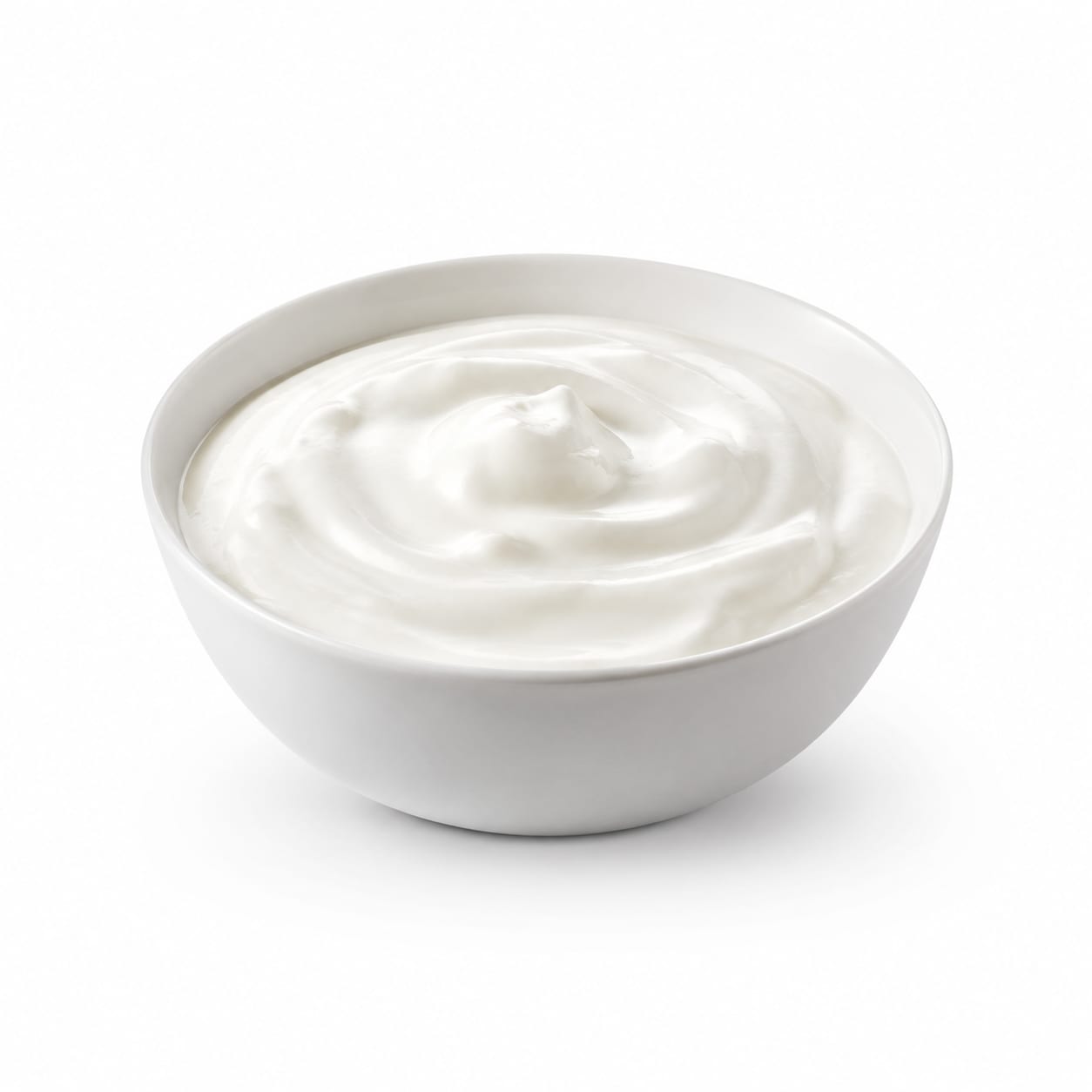
Yogurt
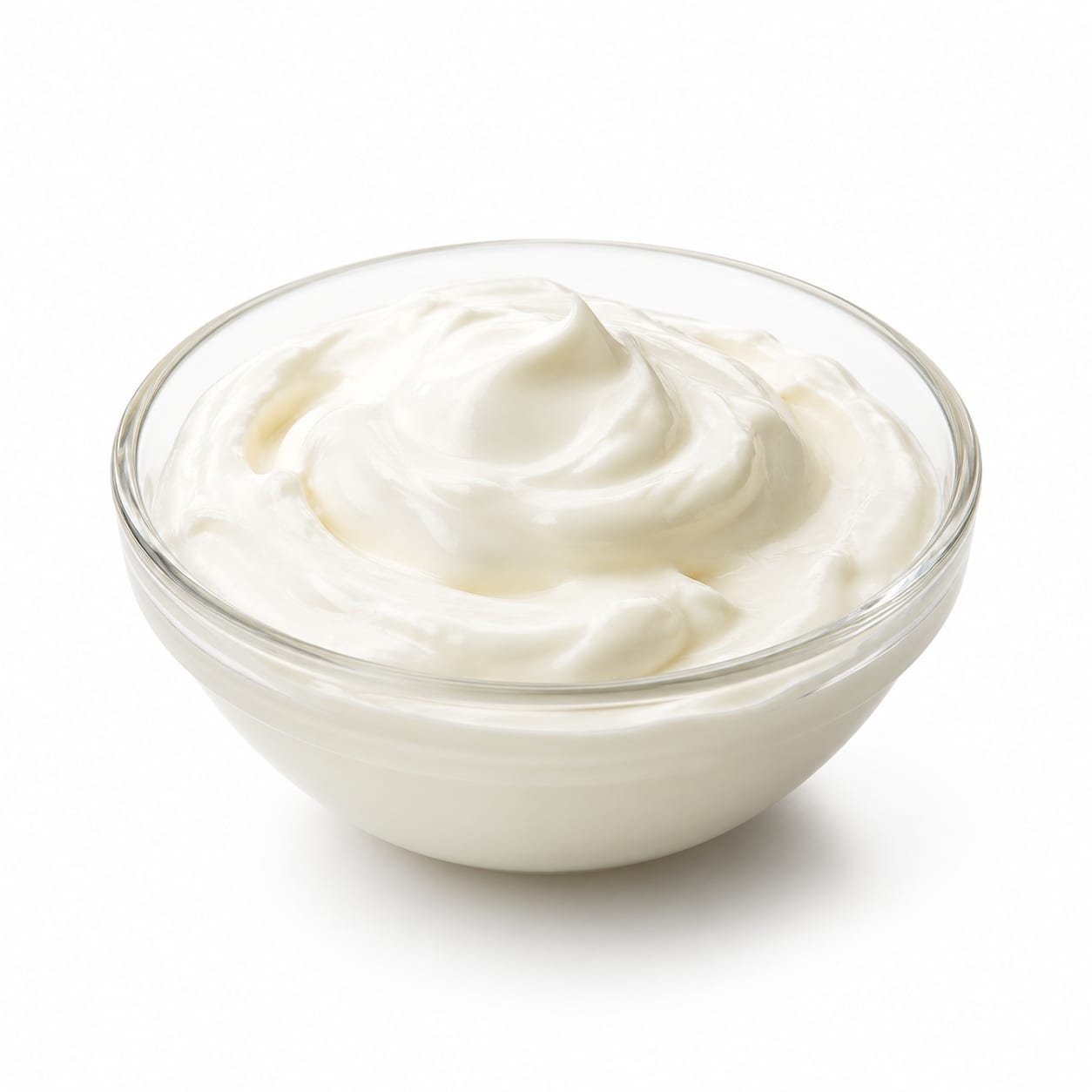
Sour Cream
Yogurt is the clear winner for daily nutrition and protein, while Sour Cream is a richer, more indulgent condiment best used sparingly.
Yogurt scores significantly higher due to its strong protein content, probiotic benefits, and versatility as a daily food. Sour Cream scores lower because it is primarily a high-fat condiment with limited nutritional upside.
You trade substantial protein and gut-friendly probiotics for rich flavor and a creamy mouthfeel.
At a glance
Executive summary
Overall
Yogurt
Healthier
Yogurt
More practical
It depends
Daily use
Yogurt
Key comparison lenses
Nutritional value and protein content
Yogurt is a protein powerhouse while Sour Cream is mostly fat, making this the biggest daily tradeoff.
Culinary substitution and recipe use
People frequently debate swapping these in dips, baking, and toppings due to their similar tangy profiles.
Weight management and calorie density
Sour Cream is highly calorie-dense, whereas Yogurt offers a lighter alternative for daily eating.
Gut health and probiotics
Both are fermented, but Yogurt typically delivers more viable probiotics and gut benefits.
Best choice for
Yogurt
- Boosting daily protein intake easily
- Adding creaminess without excess calories
- Supporting gut health and digestion
- A quick, filling breakfast or snack
Sour Cream
- Finishing a baked potato or taco night
- Making rich, indulgent dessert toppings
- Baking recipes requiring high fat for moisture
- Creating traditional dense dips
Least suitable for
Yogurt
- Recipes relying on high fat for texture and browning
- Strict keto diets requiring high fat and low protein
- Those avoiding all dairy fermentation cultures
Sour Cream
- Daily snacking or high-volume eating
- Low-calorie or low-fat diets
- Building muscle or increasing satiety
Deep comparison
Dimension by dimension
Each lens scores both foods and breaks down who each option suits.
- Dimension 1 · Priority 95Yogurt
Protein & Satiety
Yogurt · 88Sour Cream · 15Yogurt provides substantial protein that keeps you full, while Sour Cream offers almost none.
Tradeoff
Choosing Sour Cream means missing out on a major satiety boost from protein.
Why it matters
Protein stabilizes blood sugar and prevents overeating later in the day.
Real-world impact
A Yogurt snack will keep you full until dinner; Sour Cream as a topping won't do the same.
Yogurt
- Staying full between meals
- Post-workout recovery
- Preventing afternoon energy crashes
Better for
- Situations requiring a light, non-filling garnish
Worse for
Sour Cream
- Adding richness without adding bulk
Better for
- Anyone needing lasting energy
- Muscle maintenance
Worse for
- Dimension 2 · Priority 85Yogurt
Fat & Calorie Density
Yogurt · 78Sour Cream · 25Sour Cream is heavily concentrated in saturated fat and calories, whereas Yogurt is much lighter.
Tradeoff
Sour Cream delivers a luxurious mouthfeel but at a high calorie cost per spoonful.
Why it matters
High calorie density makes it easy to overconsume without realizing it.
Real-world impact
A generous dollop of Sour Cream can add 100+ calories to a meal in seconds.
Yogurt
- Managing overall calorie intake
- Eating larger portions without guilt
Better for
- Those needing high-calorie weight gain strategies
Worse for
Sour Cream
- Keto and low-carb diets
- Adding satisfying richness to dry dishes
Better for
- Heart health
- Weight management
Worse for
- Dimension 3 · Priority 75Yogurt
Gut Health & Probiotics
Yogurt · 85Sour Cream · 50Both are fermented, but Yogurt typically retains more live active cultures that benefit digestion.
Tradeoff
Sour Cream's fermentation is more about flavor development than delivering health-promoting bacteria.
Why it matters
Live probiotics support digestion, immunity, and nutrient absorption.
Real-world impact
Eating Yogurt regularly can reduce bloating and improve regularity.
Yogurt
- Improving digestive regularity
- Supporting immune function
Better for
- Those sensitive to specific lactic acid cultures
Worse for
Sour Cream
- Adding tangy flavor complexity
Better for
- Relieving gut issues like bloating
Worse for
- Dimension 4 · Priority 70It depends
Culinary Versatility & Texture
Yogurt · 80Sour Cream · 75Yogurt is a versatile daily staple, but Sour Cream excels in specific rich textures and baking.
Tradeoff
Yogurt can sometimes curdle under high heat, while Sour Cream melts smoothly into warm dishes.
Why it matters
The right texture can make or break a recipe's final outcome.
Real-world impact
Using Yogurt in a hot soup might cause it to separate, whereas Sour Cream blends in smoothly.
Yogurt
- Smoothies and breakfast bowls
- Cold sauces and dressings
Better for
- High-heat cooking applications
Worse for
Sour Cream
- Cheesecakes and rich baking
- Hot savory toppings
Better for
- Light, refreshing summer dishes
Worse for
Timeline
Health impact over time
Short-term
Hours to days
Yogurt
- Provides steady, lasting energy
- Helps control hunger for hours
Sour Cream
- Adds quick caloric density
- Can feel heavy in the stomach
Long-term
Months to years
Yogurt
- Supports bone density through calcium and vitamin D
- Promotes a healthy gut microbiome
Sour Cream
- Frequent use may elevate saturated fat intake
- Could contribute to weight gain if portions are large
Risk profile
Safety & processing
Plain Yogurt is naturally fermented milk with minimal additions. Commercial Sour Cream often includes stabilizers, gums, and thickeners to achieve its signature texture.
Yogurt
Spoilage and temperature abuse
mediumLike all dairy, Yogurt spoils if left unrefrigerated, though its acidity provides some natural protection.
Sour Cream
Mold and bacterial growth
mediumSour Cream is prone to spoilage and mold once opened, especially if contaminated by double-dipping.
Who wins for whom
Audience fit
Same foods, different winners depending on your goal.
children
YogurtYogurt delivers essential calcium and protein for growth without the heavy saturated fat load.
daily consumption
YogurtYogurt's nutritional profile supports daily use, while Sour Cream is best reserved as an occasional condiment.
diabetes
YogurtUnsweetened Yogurt stabilizes blood sugar with protein, while Sour Cream's high fat can delay digestion unpredictably.
elderly
YogurtYogurt is easier to digest, supports bone density, and provides probiotics crucial for aging guts.
muscle gain
YogurtYogurt contains significant muscle-building protein, whereas Sour Cream offers mostly fat.
weight loss
YogurtYogurt provides high satiety and protein for a fraction of the calories found in Sour Cream.
Your move
Decision guide
Choose Yogurt
- You want a filling, protein-rich snack
- You are watching your calorie or fat intake
- You want to improve your digestion and gut health
- You need a versatile base for smoothies or breakfasts
Choose Sour Cream
- You are making a rich dessert like cheesecake
- You need a smooth, high-fat topping for tacos or baked potatoes
- You are on a strict ketogenic diet
Either works if
- You need a tangy base for a cold dip or dressing
- You want to add a creamy, acidic element to a dish
Avoid both if
- You have a severe dairy allergy or lactose intolerance
- You are following a strict vegan diet
Final recommendation
Keep Yogurt as your daily dairy staple for its protein and gut benefits. Save Sour Cream for the occasional meal where its rich, indulgent texture truly makes the dish shine.
Practical
Consumer tips
- 1
Full-fat Greek Yogurt is the best 1:1 substitute for Sour Cream in almost any recipe, offering the same tang with far more protein.
- 2
Always check Sour Cream labels for added gums and stabilizers if you prefer a cleaner product.
- 3
If using Yogurt in a warm dish, temper it first by mixing with a little hot liquid to prevent curdling.
- 4
Choose plain, unsweetened Yogurt to avoid hidden sugars found in flavored varieties.