
Vegetable
Wax Gourd
A high-volume, ultra-low-calorie gourd used in Asian cooking with minimal impact on blood sugar.
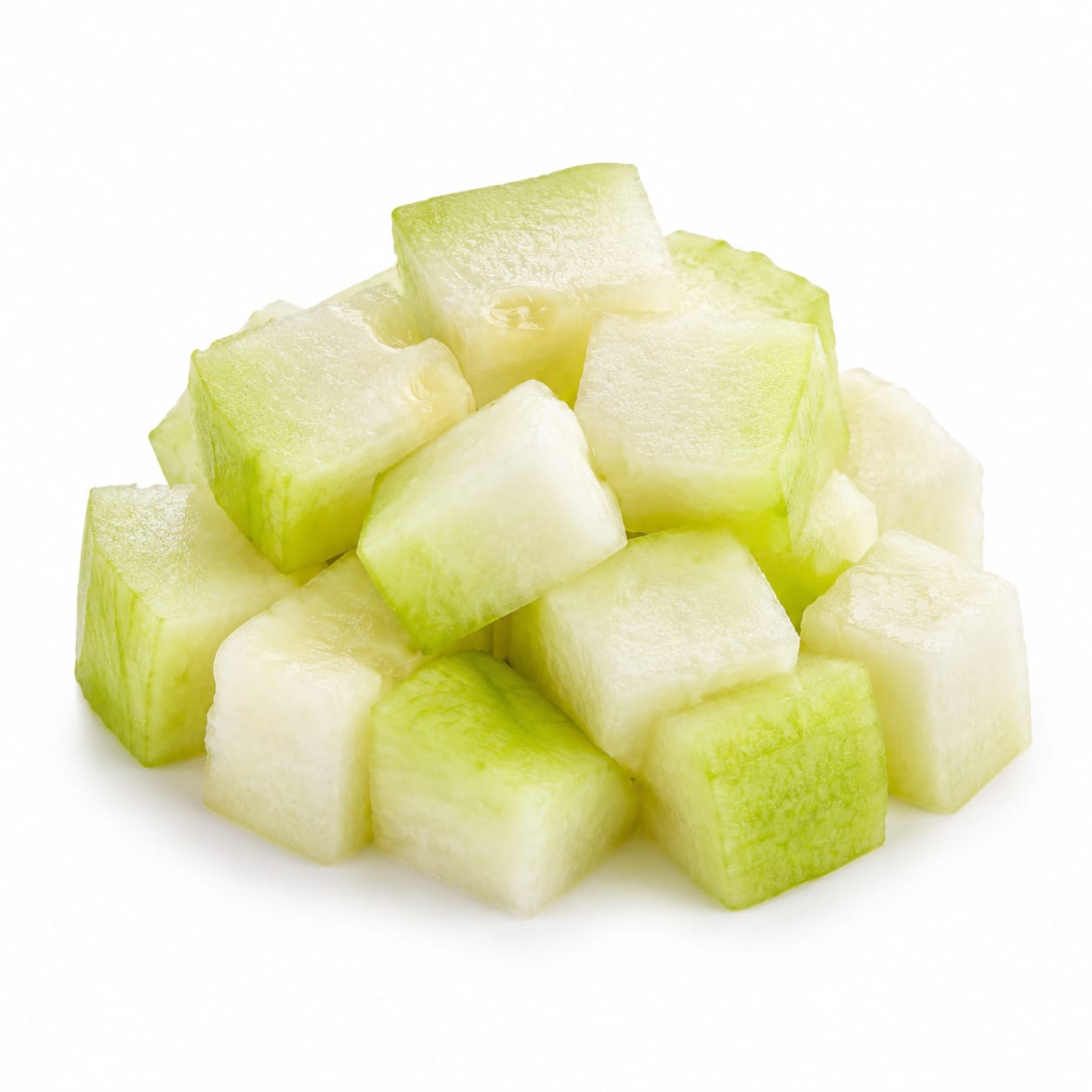
Wax gourd, also known as ash gourd or winter melon, is a large, mild-flavored vine fruit commonly used in Asian cuisines, prized for its high water content and low calories.
high-volume low-calorie vegetable
Typical serving · 150g
Common varieties · round wax gourd, long wax gourd, ash gourd, wax gourd, winter melon
Overall context score across nutrition, safety, and diet fit
At a glance
Quick facts
Simple indicators based on nutrition, processing, and diet fit.
The story
What makes it unique
Composed of roughly 96% water, wax gourd has an extremely low energy density and negligible macronutrient profile. Its soluble fiber content slows digestion, promoting satiety and a very low glycemic response. It is a whole, unrefined plant food requiring minimal processing.
Varieties: round wax gourd · long wax gourd · ash gourd · wax gourd · winter melon
Per 100g
Nutrition breakdown
Macro balance and key metrics at a glance.
Energy
Density 0.13 kcal/g
Protein
Carbs
Fat
Fiber
Sugar
2.5 g
Sodium
111 mg
Potassium
40 mg
Glycemic index
15
Glycemic load
0.5
Water content
96%
Standout compounds
Nutrient highlights
Water
highSupports hydration and increases food volume without calories
Vitamin C
moderateSupports immune function and acts as an antioxidant
Fiber
moderatePromotes digestive regularity and slows sugar absorption
Wellness map
Health scores & processing
NOVA processing scale
minimally_processed · Whole food
Whole, unprocessed plant food consumed in its natural state or cooked with minimal refinement.
Diet compatibility
- Weight loss
- Muscle gain
- Diabetes
- Gut health
- Low carb
- High protein
- Heart health
Relative standing
Food rankings
Qualitative ranks compared to similar whole foods.
- Satietygood
- Blood sugarexcellent
- Nutrient densitymoderate
- Fitness fuelpoor
- Processing qualityexcellent
Eat with confidence
Food safety profile
Highly safe for consumption. The thick waxy rind protects the inner flesh from agricultural chemicals and environmental contaminants.
Evidence confidence 90%
- Pesticideslow
- Antibioticslow
- Heavy metalslow
- Contaminationlow
Watch for
- soil-borne bacteria on rind
Safer choices
Organic varieties if concerned about rind pesticide residue, though the flesh is rarely affected.
Prep tips
Wash the outer rind thoroughly under running water before cutting. Peel the skin and discard the seeded core before cooking.
None significant.
Deep dive
Health analysis
How this food may fit different goals and preparation choices.
Weight loss
Exceptional for weight loss due to extremely low energy density, allowing large portion sizes with minimal caloric intake.
Blood sugar
Virtually no impact on blood sugar levels, making it highly suitable for diabetic diets and glucose management.
Fitness & energy
Poor source of energy for exercise due to negligible carbohydrate and protein content; not a performance fuel.
Gut health
Provides soluble fiber that supports bowel regularity and feeds beneficial gut bacteria without causing bloating.
Processing quality
A whole, unrefined food that requires no processing to be edible, retaining all natural water and fiber.
Food safety
Highly safe; the thick waxy rind naturally protects the flesh from most agricultural chemicals and pests.
Common mistakes
Boiling it into sugary syrups or heavy soups negates its low-calorie advantage; overcooking destroys its delicate texture.
Best preparation
Lightly simmered in clear soups, stir-fried, or stuffed and steamed to preserve texture and nutrients.
Practical guide
Best use cases
When and how this food fits real eating patterns.
High-volume low-calorie eating
Bulk up soups and stews with massive portions to feel physically full without adding significant calories.
Blood sugar friendly meals
Use as a base for meals when you need to keep carbohydrate and sugar intake to an absolute minimum.
Light hydration snack
Consume a small bowl of chilled, lightly sweetened wax gourd soup for a refreshing, hydrating summer snack.
Balance sheet
Pros & cons
Upsides
- Extremely low in calories
- Very low glycemic impact
- High water content promotes hydration
- Mild flavor absorbs spices and broths well
- Provides dietary fiber for gut health
- Long shelf life due to thick waxy rind
Trade-offs
- Very low in protein and essential fats
- Not a good source of energy for athletes
- Can become mushy if overcooked
- Difficult to cut due to large size and tough rind
- Relatively low in vitamins and minerals compared to darker vegetables
Fit check
Who is it for?
Great match
- high-volume eating
- blood sugar control
- low-calorie diets
- clear soup bases
Consider alternatives
- post-workout recovery
- muscle building
- strict ketogenic diets requiring moderate protein
- high-energy endurance meals
Side by side
How it compares
Open the full head-to-head analysis for nutrition, safety, and practical tradeoffs.
This food
Wax Gourd
VS85% alike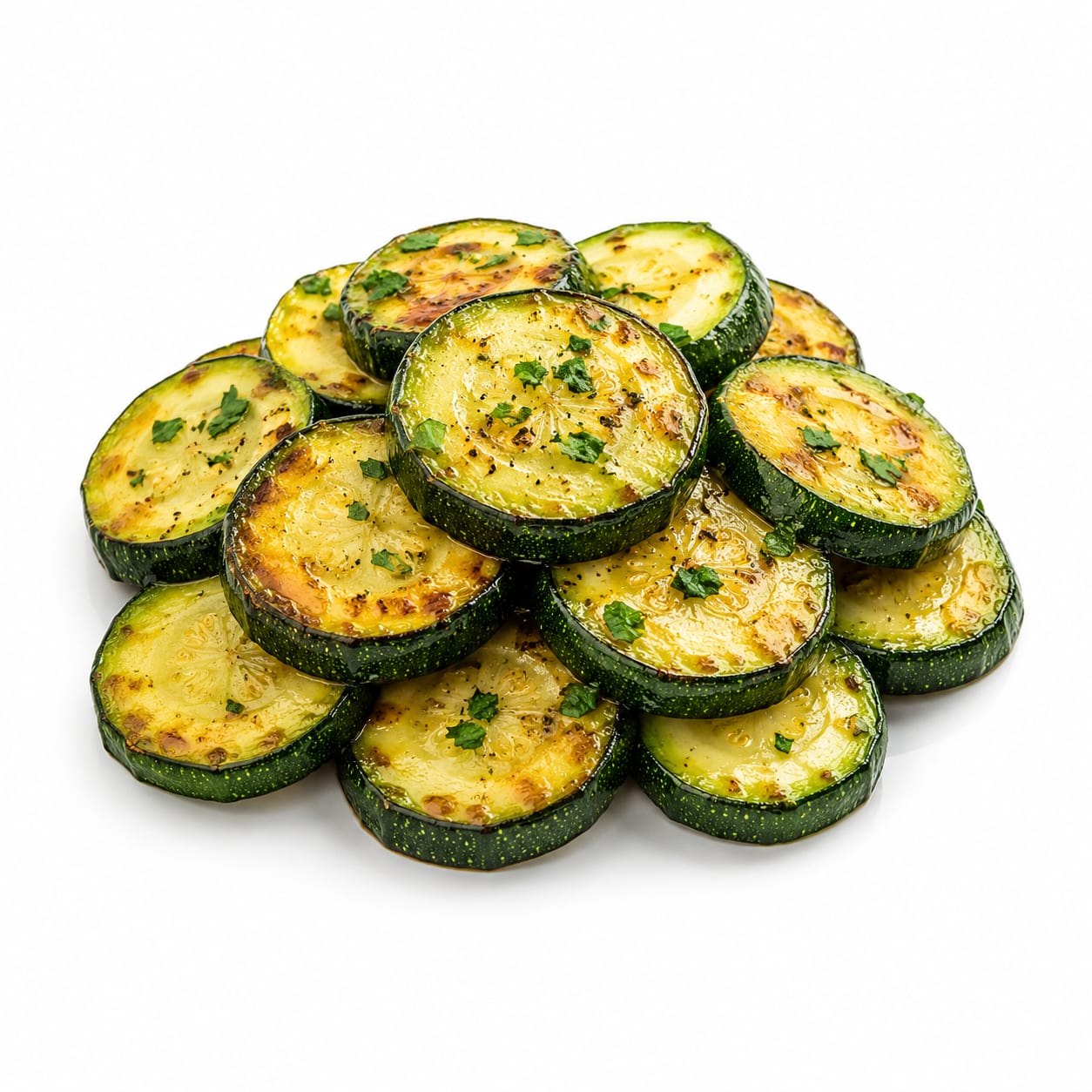
Compare with
Zucchini
Zucchini is slightly higher in calories and nutrients but offers more versatility in low-carb recipes like zoodles.
Wax gourd is lower in calories and better for volume eating, while zucchini offers slightly more nutrients and versatility for low-carb noodles.
This food
Wax Gourd
VS80% alike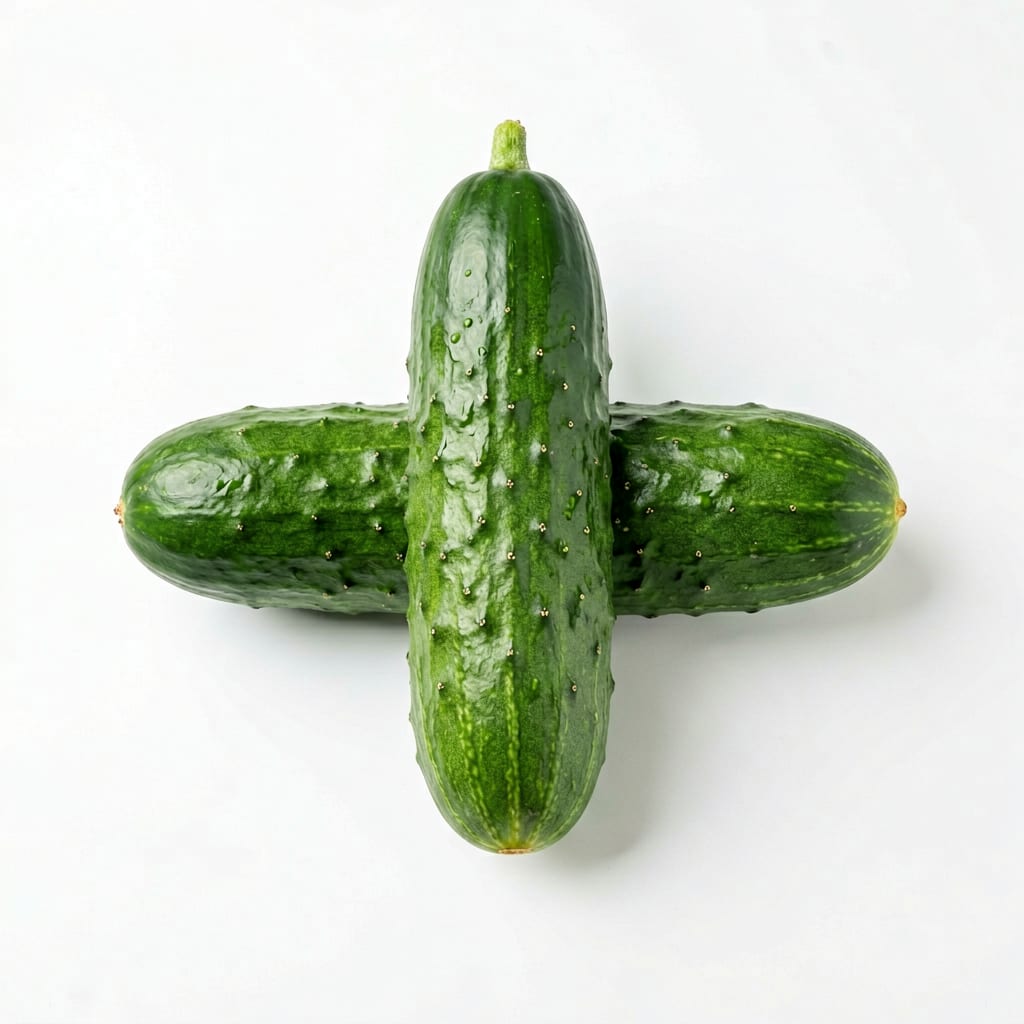
Compare with
Cucumber
Cucumber is typically eaten raw, while wax gourd is usually cooked. Cucumber has slightly more potassium.
Wax gourd provides more fiber for satiety when cooked, whereas cucumber is a refreshing raw snack with similar low-calorie benefits.
This food
Wax Gourd
VS90% alike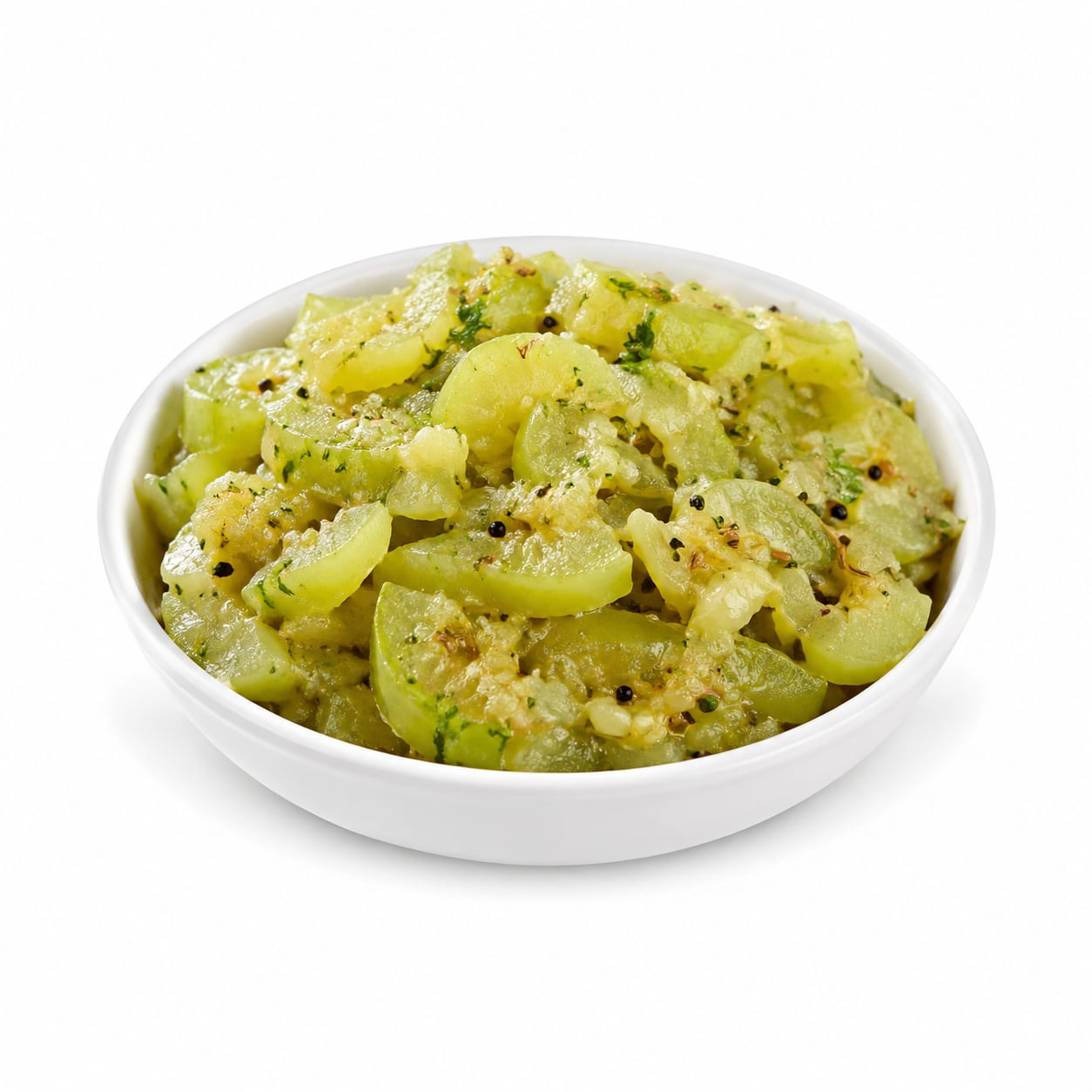
Compare with
Bottle Gourd
Nutritionally nearly identical, bottle gourd is slightly more common in Indian cuisine while wax gourd is prevalent in Chinese cooking.
Wax gourd and bottle gourd are extremely similar in calories, blood sugar impact, and culinary use, making them interchangeable in recipes.
This food
Wax Gourd
VS60% alike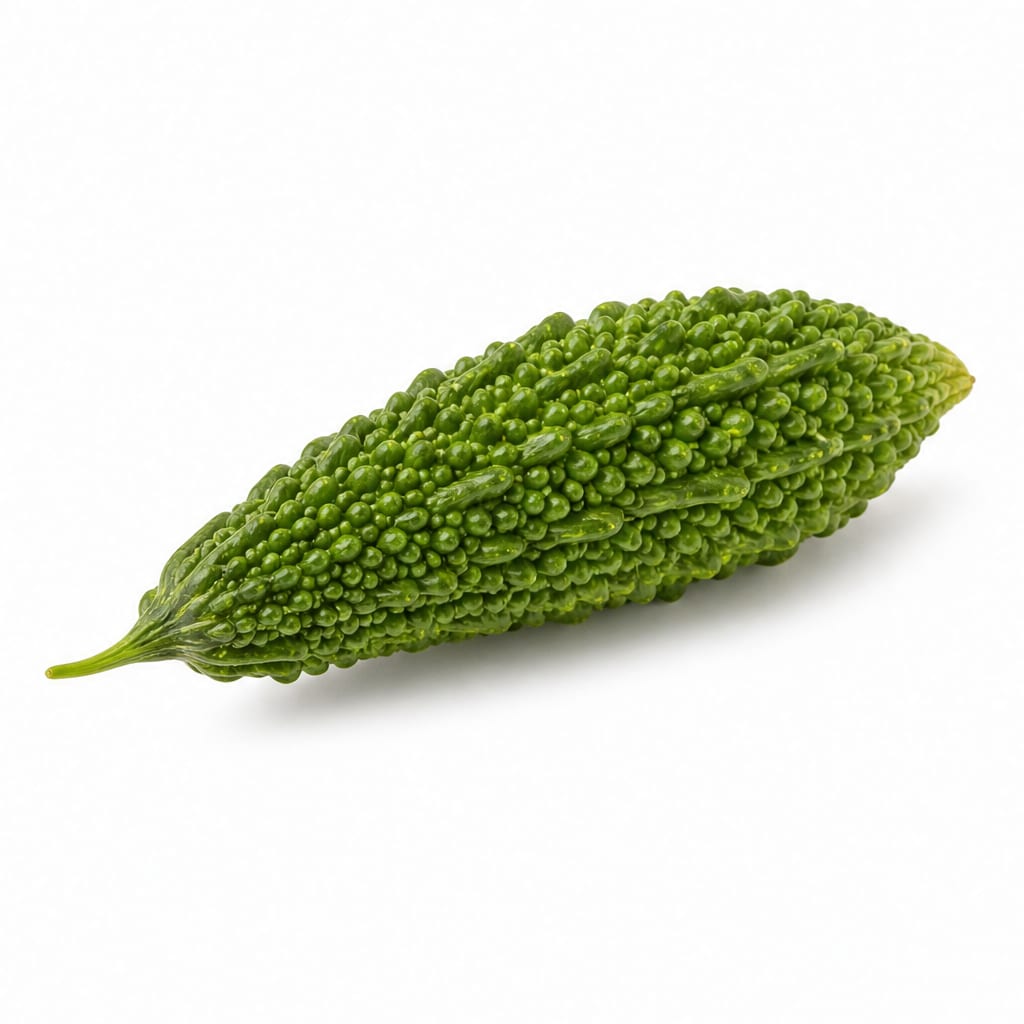
Compare with
Bitter Gourd
Bitter gourd has notable blood sugar-lowering compounds but a harsh taste, whereas wax gourd is mild and simply has a low glycemic load.
Bitter gourd is better for active blood sugar management due to unique compounds, while wax gourd is more palatable and lower in calories.
This food
Wax Gourd
VS65% alike
Compare with
Spaghetti Squash
Spaghetti squash provides a unique noodle-like texture and is higher in carbohydrates, while wax gourd is lower in calories and carbs.
Spaghetti squash offers better texture for low-carb pasta alternatives, while wax gourd is significantly lower in calories and carbohydrates.
This food
Wax Gourd
VS55% alike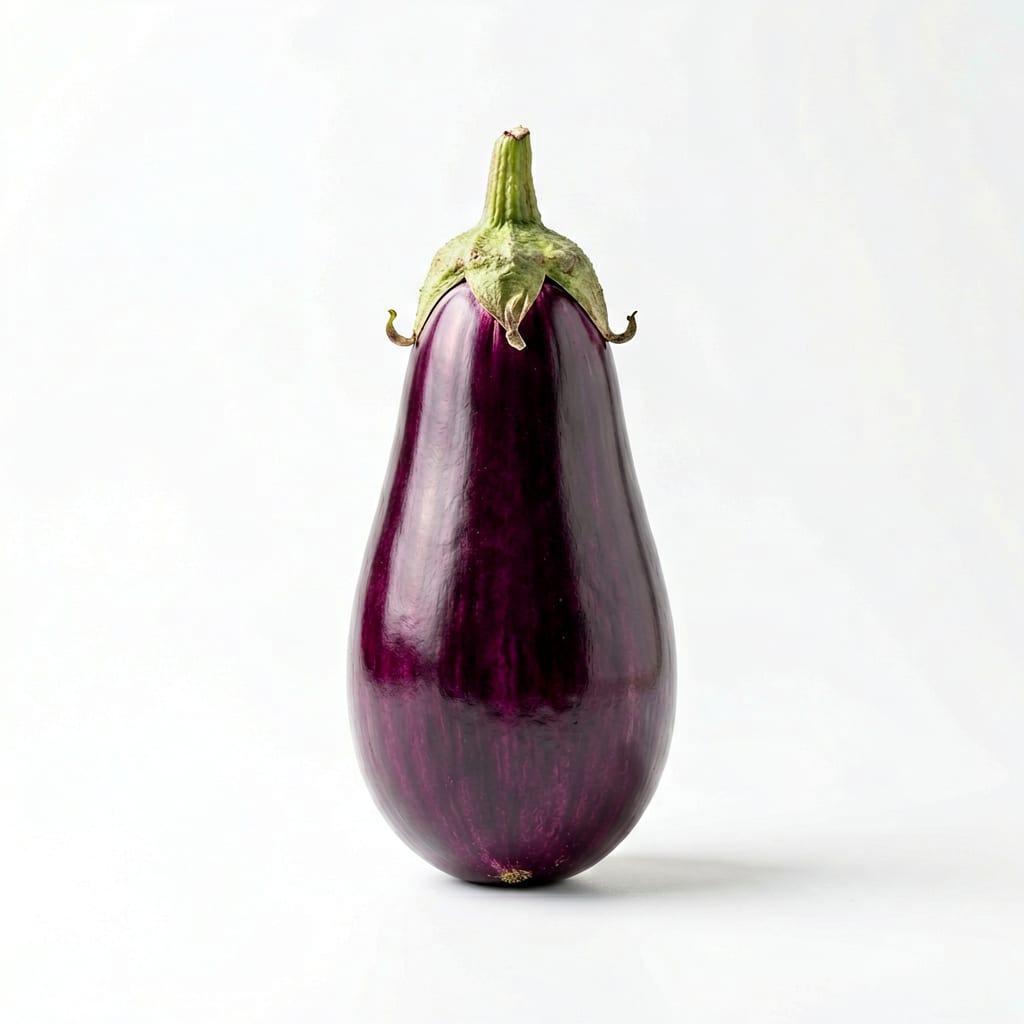
Compare with
Eggplant
Eggplant has more fiber and antioxidants but also more calories. Wax gourd is much lower in energy density.
Wax gourd is lower in calories and better for strict dieting, while eggplant provides more fiber and a meatier texture for satiety.
This food
Wax Gourd
VS50% alike
Compare with
Pumpkin
Pumpkin is significantly higher in calories, carbs, and Vitamin A. Wax gourd is much lighter and lower in sugar.
Pumpkin provides more carbohydrates and Vitamin A for energy and recovery, while wax gourd is a much lighter choice for weight loss.
This food
Wax Gourd
VS45% alike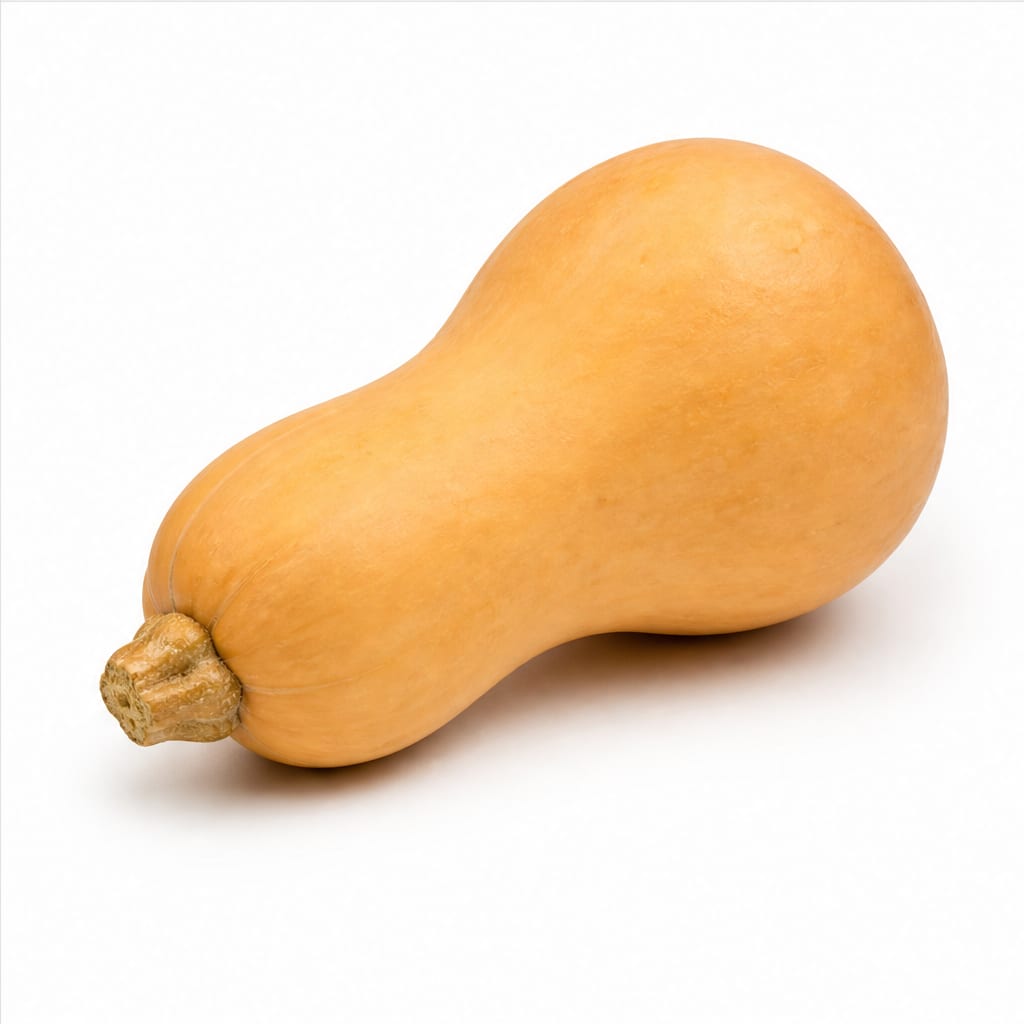
Compare with
Butternut Squash
Butternut squash is a dense source of carbs and vitamins, while wax gourd is mostly water with minimal macros.
Butternut squash is better for fitness fuel and satiety with its hearty carbs, whereas wax gourd is superior for low-calorie volume eating.
This food
Wax Gourd
VS50% alike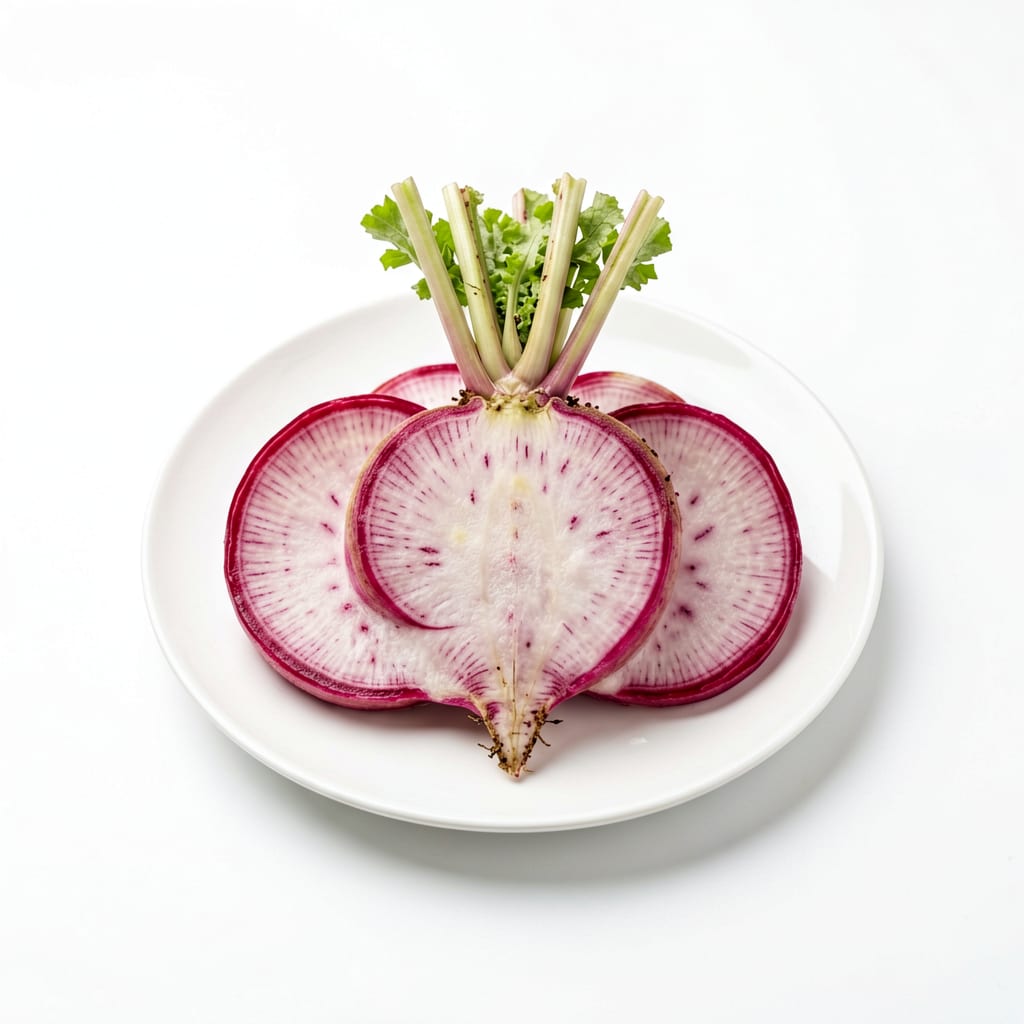
Compare with
Radish
Radishes are crisp and peppery, often eaten raw, while wax gourd is mild and always cooked. Radishes have slightly more vitamin C.
Wax gourd offers more volume and satiety per calorie when cooked, while radishes provide a crunchy, raw low-calorie snack option.
This food
Wax Gourd
VS60% alike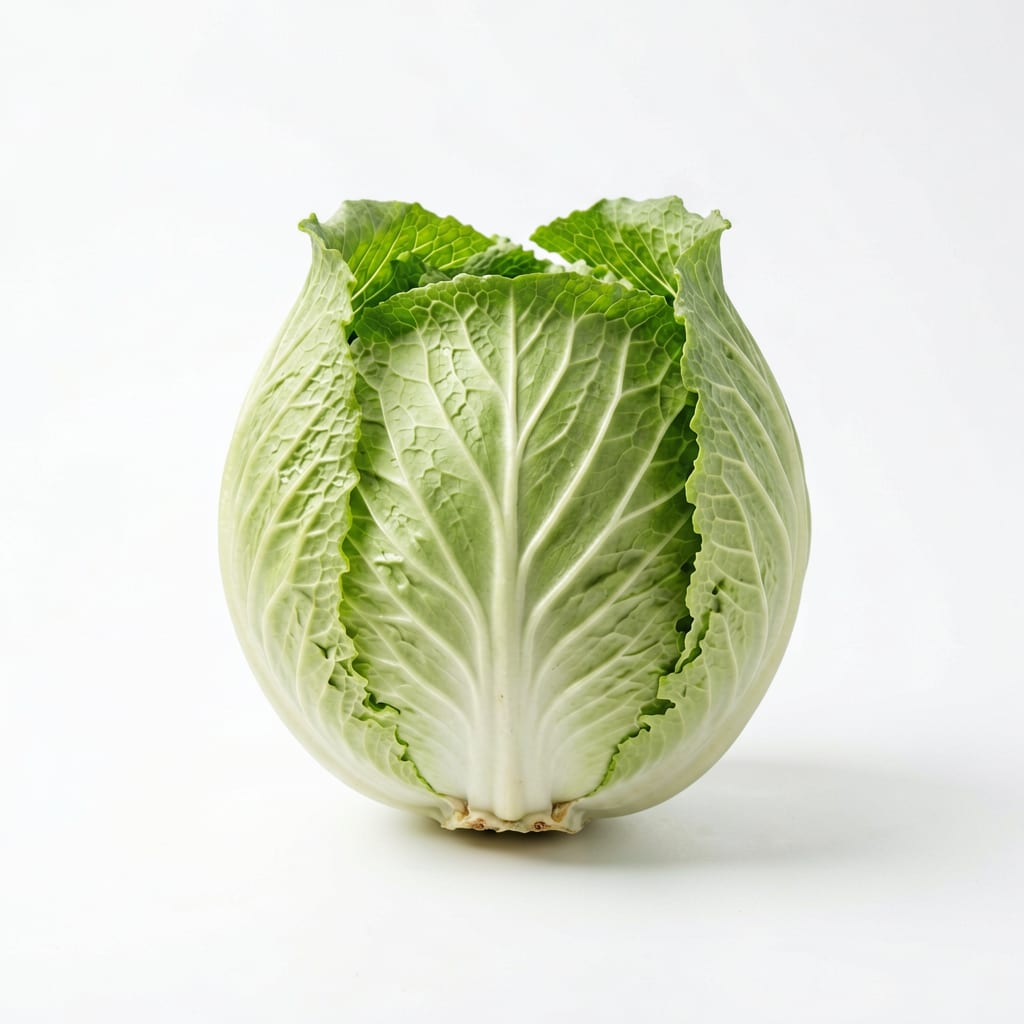
Compare with
Cabbage
Cabbage is higher in fiber, Vitamin K, and antioxidants, while wax gourd is lower in calories and easier to digest.
Cabbage provides more fiber and nutrients for satiety and gut health, while wax gourd is lower in calories and extremely gentle on digestion.
Common questions
FAQ
Answers aligned with how people search for this food.
Is wax gourd good for weight loss?
Yes, wax gourd is excellent for weight loss. It is 96% water and contains only 13 calories per 100g, allowing you to eat large volumes to feel full without consuming excess calories.
Can diabetics eat wax gourd?
Yes, diabetics can safely eat wax gourd. It has a very low glycemic index and glycemic load, meaning it will not cause significant blood sugar spikes.
What does wax gourd taste like?
Wax gourd has a very mild, slightly sweet, and refreshing taste similar to cucumber or zucchini. It readily absorbs the flavors of the broths or sauces it is cooked in.
How do you cut and prepare wax gourd?
Wash the thick rind thoroughly, peel off the skin with a knife, scoop out the seeded core, and cut the firm flesh into cubes or slices for soups and stir-fries.
Is ash gourd juice healthy?
Ash gourd juice is hydrating and low in calories, but juicing removes the beneficial fiber. Eating the whole cooked gourd provides better satiety and gut health benefits.
Is wax gourd the same as winter melon?
Yes, wax gourd and winter melon are different names for the exact same plant (Benincasa hispida). Ash gourd is another common name for it.
Transparency
Data confidence
Estimated confidence for nutrition data, interpretation, safety notes, and comparisons.
Nutrition data
Health analysis
Food safety
Comparisons