
Nutrition comparison
Wax Gourd vs Butternut Squash: Nutrition, Calories, and Which to Choose
Compare Wax Gourd and Butternut Squash side by side. Discover which is better for weight loss, blood sugar, and daily nutrition with practical tradeoff analysis.
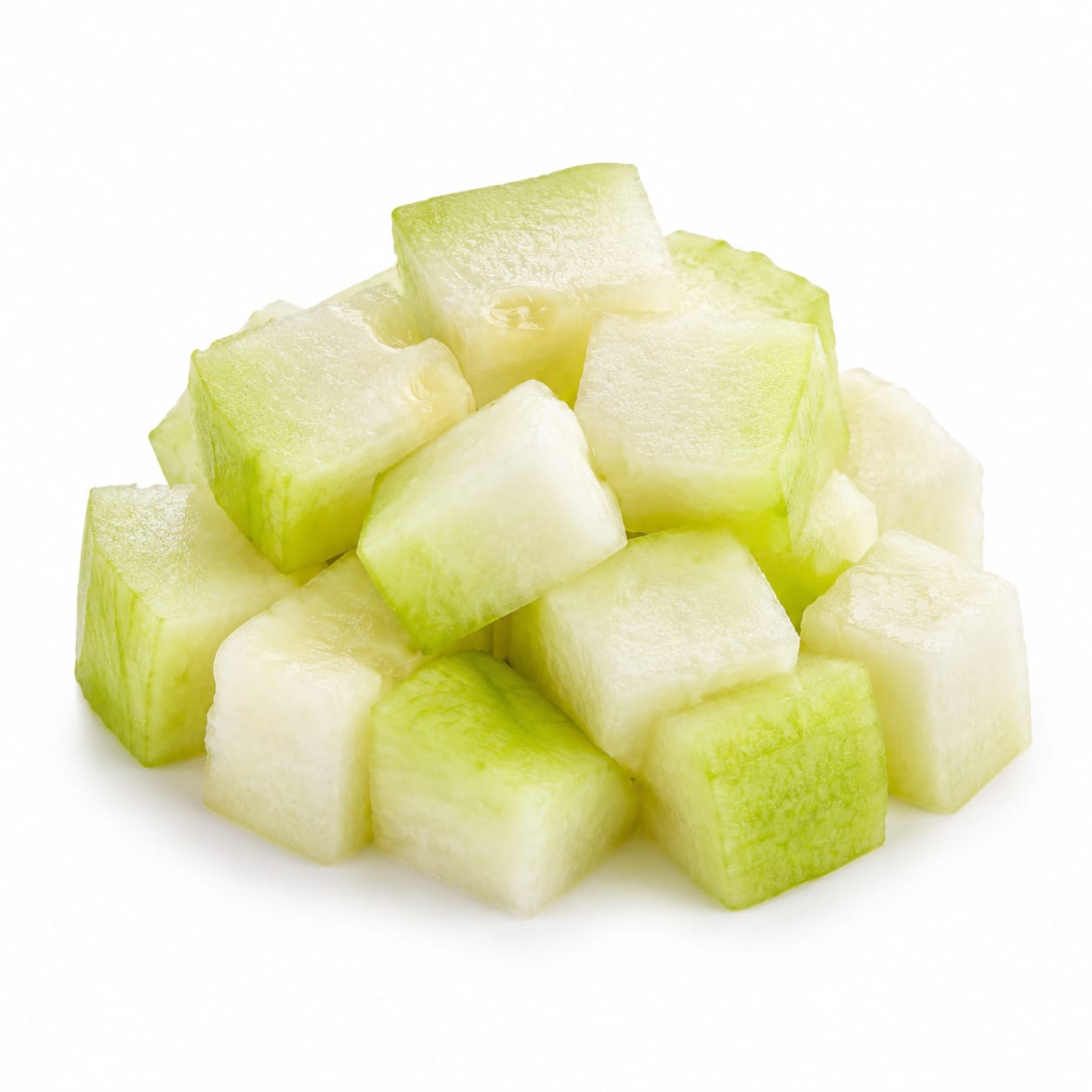
Wax Gourd
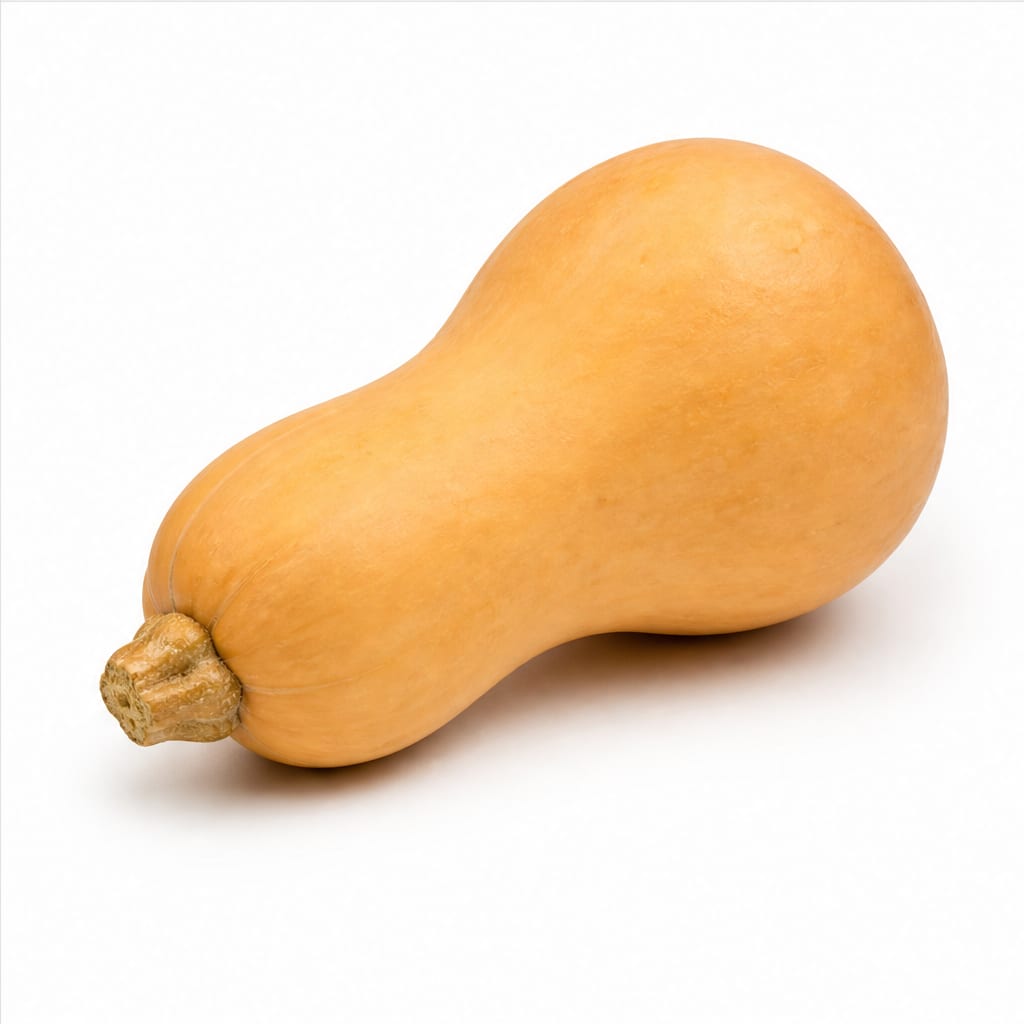
Butternut Squash
Wax Gourd wins for ultra-low calorie volume eating and digestive lightness; Butternut Squash dominates for nutrient density, flavor, and everyday practicality.
Butternut Squash scores significantly higher due to its superior nutrient density, fiber content, and culinary versatility. Wax Gourd excels in a narrow niche — extreme calorie reduction — but offers little beyond volume and hydration.
Wax Gourd gives you more food volume for almost no calories but almost no nutrients either, while Butternut Squash costs more calories but delivers far more vitamins, fiber, and satisfaction.
At a glance
Executive summary
Overall
It depends
Healthier
Butternut Squash
More practical
Butternut Squash
Daily use
Butternut Squash
Key comparison lenses
low calorie volume eating
Wax Gourd is one of the lowest-calorie vegetables available, making it ideal for large portions with minimal caloric cost
vitamin a and antioxidant needs
Butternut Squash is exceptionally rich in beta-carotene, while Wax Gourd offers very little in this category
blood sugar management
Both foods have low glycemic impacts but through different mechanisms — Wax Gourd through near-zero carbs, Butternut Squash through fiber-rich complex carbs
culinary versatility and accessibility
Butternut Squash is widely available and versatile; Wax Gourd is harder to find outside Asian markets and has a more limited recipe range
digestive lightness vs satiety
Wax Gourd feels almost weightless in the stomach, while Butternut Squash provides more lasting fullness
Best choice for
Wax Gourd
- Aggressive calorie restriction where volume matters more than nutrition
- Hot summer dishes and light brothy soups
- Traditional Asian medicinal cooking
- Digestive rest periods when you need something gentle on the stomach
Butternut Squash
- Getting substantial vitamin A and antioxidants from whole food
- Winter comfort meals that are still nutritious
- Families needing kid-friendly vegetable options
- Sustained energy without blood sugar spikes
Least suitable for
Wax Gourd
- Anyone needing nutrient-dense calories during recovery or growth
- People unfamiliar with Asian grocery shopping
- Meals where the vegetable needs to carry flavor
- Those seeking satisfying, filling side dishes on their own
Butternut Squash
- Very low carb or keto diets due to higher carbohydrate content
- Extremely strict calorie counting where every calorie must be minimized
- People who need to eat very large food volumes to feel full
Deep comparison
Dimension by dimension
Each lens scores both foods and breaks down who each option suits.
- Dimension 1 · Priority 92Wax Gourd
caloric_efficiency_and_volume
Wax Gourd · 95Butternut Squash · 55Wax Gourd delivers massive portion sizes for almost no calories, making it the ultimate volume-eating vegetable.
Tradeoff
You get more food on your plate with Wax Gourd but almost no nutritional payoff per bite compared to Butternut Squash.
Why it matters
For anyone who struggles with portion sizes or needs to feel physically full while cutting calories, this difference is dramatic.
Real-world impact
A large bowl of Wax Gourd soup might cost you 30 calories; the same bowl of Butternut Squash soup could run 150-200 calories but leave you satisfied for hours longer.
Wax Gourd
- Volume eaters who need large portions to feel satisfied
- Very low calorie diet phases
- Light summer meals when heavy food feels wrong
Better for
- Recovering from illness when every calorie should count nutritionally
- Athletes who need fuel, not filler
Worse for
Butternut Squash
- Active people who need meaningful calories from quality sources
- Anyone who finds low-calorie volume eating leaves them hungry an hour later
Better for
- Strict calorie budgets where 150 calories on a side dish feels expensive
Worse for
- Dimension 2 · Priority 88Butternut Squash
vitamin_and_antioxidant_density
Wax Gourd · 20Butternut Squash · 90Butternut Squash is a nutritional powerhouse packed with beta-carotene, vitamin C, and potassium. Wax Gourd is nutritionally thin by comparison.
Tradeoff
Choosing Wax Gourd saves calories but sacrifices the significant vitamin A and antioxidant benefits that Butternut Squash delivers easily.
Why it matters
Vitamin A supports immune function, skin health, and vision. Getting it from food is more effective and safer than supplements for most people.
Real-world impact
One cup of Butternut Squash covers over 300% of your daily vitamin A needs. You would need to eat an impractical amount of Wax Gourd to get anywhere close to that.
Wax Gourd
- Situations where hydration and minimal metabolic load matter more than micronutrients
Better for
- Long-term use as a primary vegetable without other nutrient sources
- Children and elderly who need nutrient-dense foods in small portions
Worse for
Butternut Squash
- Immune support during cold and flu season
- Skin and eye health maintenance
- Anyone not taking a multivitamin who relies on food for micronutrients
Better for
- Hypervitaminosis A risk is essentially zero from food but worth noting if already supplementing heavily with vitamin A
Worse for
- Dimension 3 · Priority 80Butternut Squash
fiber_and_satiety
Wax Gourd · 30Butternut Squash · 78Butternut Squash provides meaningful fiber that supports fullness and gut health. Wax Gourd is mostly water with minimal fiber.
Tradeoff
Wax Gourd fills your stomach temporarily with water weight, while Butternut Squash creates lasting satiety through fiber that slows digestion.
Why it matters
Fiber is what turns a vegetable from a temporary stomach filler into something that actually keeps you from snacking an hour later.
Real-world impact
After a Wax Gourd soup, you may feel full for 30 minutes. After a Butternut Squash soup, that fullness can last 2-3 hours.
Wax Gourd
- Right before a meal when you want to take the edge off hunger without ruining appetite
- Digestive rest days when you want minimal gut activity
Better for
- Anyone relying on it as a standalone filling food
- Irregular digestion that needs fiber support
Worse for
Butternut Squash
- Weight management through genuine satiety, not just stomach stretching
- Gut health and regular digestion
- Preventing afternoon energy crashes and snack attacks
Better for
- Acute digestive flare-ups when even moderate fiber feels irritating
Worse for
- Dimension 4 · Priority 78Wax Gourd
blood_sugar_stability
Wax Gourd · 88Butternut Squash · 72Wax Gourd has almost no carbohydrates to impact blood sugar. Butternut Squash has moderate carbs but enough fiber to buffer the effect.
Tradeoff
Wax Gourd is essentially neutral for blood sugar, while Butternut Squash causes a small, slow rise that most people handle well but very sensitive individuals may notice.
Why it matters
For diabetics or those with insulin resistance, even well-buffered carbs from whole foods require awareness and portion control.
Real-world impact
Wax Gourd is a free food on virtually any blood sugar management plan. Butternut Squash needs to be portioned but is still very blood-sugar friendly compared to grains or potatoes.
Wax Gourd
- Type 2 diabetics who want zero-stress vegetable choices
- Keto and very low carb meal plans
- Post-meal blood sugar testing when you want no variables
Better for
- Hypoglycemic individuals who actually need some carbohydrate intake with meals
Worse for
Butternut Squash
- Active people who benefit from moderate carbs for energy
- Balanced meals where some carbohydrate supports steady fuel
Better for
- Very carb-sensitive diabetics who count every gram strictly
Worse for
- Dimension 5 · Priority 75Butternut Squash
culinary_versatility_and_accessibility
Wax Gourd · 35Butternut Squash · 85Butternut Squash works in soups, roasts, purees, salads, and baked goods. Wax Gourd is mostly limited to Asian soups and stews and is hard to find outside specialty stores.
Tradeoff
Wax Gourd has a specific cultural culinary role but lacks the broad appeal and recipe flexibility of Butternut Squash.
Why it matters
The best healthy food is the one you actually enjoy cooking and eating regularly. Limited recipes mean limited real-world use.
Real-world impact
Most people can find Butternut Squash at any grocery store and cook it a dozen ways. Wax Gourd requires an Asian market visit and comfort with specific cooking traditions.
Wax Gourd
- Authentic Asian soup and stew recipes where its texture and mildness shine
- Exploring traditional Chinese and Southeast Asian cooking
Better for
- Anyone without access to Asian grocery stores
- Cooks who want a vegetable that carries its own flavor
Worse for
Butternut Squash
- Weeknight cooking where you need something easy and versatile
- Meal prep that works across multiple recipe types
- Households with picky eaters who prefer sweet, familiar flavors
Better for
- Traditional Asian recipes that specifically call for Wax Gourd's unique texture
Worse for
- Dimension 6 · Priority 70Wax Gourd
digestive_tolerance_and_lightness
Wax Gourd · 90Butternut Squash · 65Wax Gourd is one of the gentlest foods you can eat — almost predigested in its lightness. Butternut Squash is well-tolerated but has enough fiber and substance to require more digestive effort.
Tradeoff
Maximum digestive ease comes at the cost of minimal nutritional reward. Butternut Squash asks slightly more of your digestion but gives much more back.
Why it matters
After illness, during flare-ups, or for people with sensitive digestion, having a food that passes through easily can be genuinely valuable.
Real-world impact
Wax Gourd is the kind of food you can eat when almost everything else feels too heavy. Butternut Squash is still gentle but has enough substance that it might not work during acute digestive distress.
Wax Gourd
- Post-surgical recovery when digestion needs to be minimal
- IBS flare-ups when even mild fiber is too much
- Hot weather eating when heavy food causes discomfort
Better for
- Chronic constipation that needs fiber stimulation
Worse for
Butternut Squash
- Normal digestion where fiber actually helps rather than hurts
- Building digestive health through regular fiber intake
Better for
- Acute GI episodes when any fiber-rich food feels irritating
Worse for
Timeline
Health impact over time
Short-term
Hours to days
Wax Gourd
- Immediate feeling of fullness from water volume with almost no caloric load
- Very gentle on digestion with minimal gut activity required
- Possible increased urination due to high water content
Butternut Squash
- Sustained energy from moderate complex carbohydrates
- Noticeable satiety lasting several hours after eating
- Mild warming and comforting effect, especially when roasted or made into soup
Long-term
Months to years
Wax Gourd
- Risk of nutrient shortfalls if used as a primary vegetable without variety
- Excellent for maintaining low calorie intake long-term when combined with nutrient-dense foods
- Traditional medicine associates it with cooling and detoxifying properties, though evidence is limited
Butternut Squash
- Strong support for eye health and immune function through consistent beta-carotene intake
- Fiber contributes to long-term gut health and reduced constipation risk
- May support healthy skin through sustained vitamin A availability
Risk profile
Safety & processing
Both Wax Gourd and Butternut Squash are whole, unprocessed vegetables typically consumed in their natural state. Neither carries meaningful processing concerns when purchased fresh.
Wax Gourd
Pesticide residue on skin
lowWax Gourd has a thick rind that is removed before eating, significantly reducing exposure. Peeling eliminates most surface residue.
Spoilage in improperly stored cut pieces
mediumHigh water content means cut Wax Gourd spoils faster than denser vegetables. Refrigerate promptly and use within 2-3 days of cutting.
Butternut Squash
Pesticide residue
lowButternut Squash ranks well on pesticide residue lists. The thick skin that is removed before eating provides additional protection.
Mold on stored squash
mediumWhole Butternut Squash stores well for weeks, but once cut or if damaged, mold can develop. Inspect before cooking and discard any soft or moldy spots.
Who wins for whom
Audience fit
Same foods, different winners depending on your goal.
children
Butternut SquashButternut Squash has a naturally sweet, familiar flavor that kids accept readily, plus critical vitamin A for growth and development.
daily consumption
Butternut SquashButternut Squash provides consistent nutritional value that supports daily health. Wax Gourd is better used as an occasional light dish rather than a daily staple.
diabetes
Wax GourdWax Gourd has virtually no carbohydrate impact, making it the safest choice for tight blood sugar control. Butternut Squash is still acceptable but requires portion awareness.
elderly
Butternut SquashOlder adults benefit more from Butternut Squash's nutrient density, fiber for regularity, and vitamin A for immune and eye health. Wax Gourd is too nutritionally thin as a primary vegetable.
muscle gain
Butternut SquashButternut Squash provides more meaningful carbohydrates for training fuel and recovery, plus potassium that supports muscle function.
weight loss
Wax GourdWax Gourd allows massive portion sizes with negligible calories, making it easier to sustain a calorie deficit without feeling deprived of volume.
Your move
Decision guide
Choose Wax Gourd
- You are aggressively cutting calories and need volume to stay sane
- You want a cooling, light food for hot weather or after heavy meals
- You cook Asian soups regularly and want an authentic ingredient
- You have digestive sensitivity and need the gentlest possible vegetable
Choose Butternut Squash
- You want a nutrient-dense vegetable that actually contributes to your daily vitamin needs
- You are meal prepping for the week and need something versatile and satisfying
- You have a family to feed and need a vegetable people enjoy eating
- You want lasting fullness, not just temporary stomach stretching
Either works if
- You are making a vegetable soup and want variety in your rotation
- You need a low-fat, whole-food carbohydrate source to accompany a protein
Avoid both if
- You need a high-protein vegetable — neither provides meaningful protein
- You are looking for a raw salad vegetable — both are typically cooked
Final recommendation
Make Butternut Squash your everyday vegetable for its nutritional richness, satisfying fiber, and kitchen versatility. Add Wax Gourd occasionally when you want something exceptionally light or are cooking Asian-inspired dishes. If you pair Wax Gourd with other nutrient-dense foods in the same meal, you get the best of both worlds — volume without sacrificing nutrition.
Practical
Consumer tips
- 1
When buying Wax Gourd, look for firm, unblemished specimens with intact white waxy coating — this indicates freshness
- 2
Butternut Squash should feel heavy for its size with smooth, tan skin and no soft spots
- 3
Cut Wax Gourd deteriorates quickly — use within 2 days or freeze in cubes for soup later
- 4
Roasted Butternut Squash keeps well refrigerated for 4-5 days and reheats beautifully for quick meals
- 5
If you cannot find fresh Wax Gourd, check the freezer section of Asian grocery stores — it is often sold pre-cut and frozen
- 6
Butternut Squash pairs well with warming spices like cinnamon, nutmeg, and cumin that also support blood sugar stability
- 7
For maximum satiety on a low calorie budget, combine both: use Wax Gourd as the volume base and add a smaller portion of Butternut Squash for flavor and nutrients