
Nutrition comparison
Wax Gourd vs Spaghetti Squash: Which Low-Calorie Vegetable Is Better?
Compare wax gourd and spaghetti squash for calories, nutrition, satiety, and weight loss. Find out which low-calorie vegetable fits your diet and cooking style better.
Overall winner · Spaghetti Squash
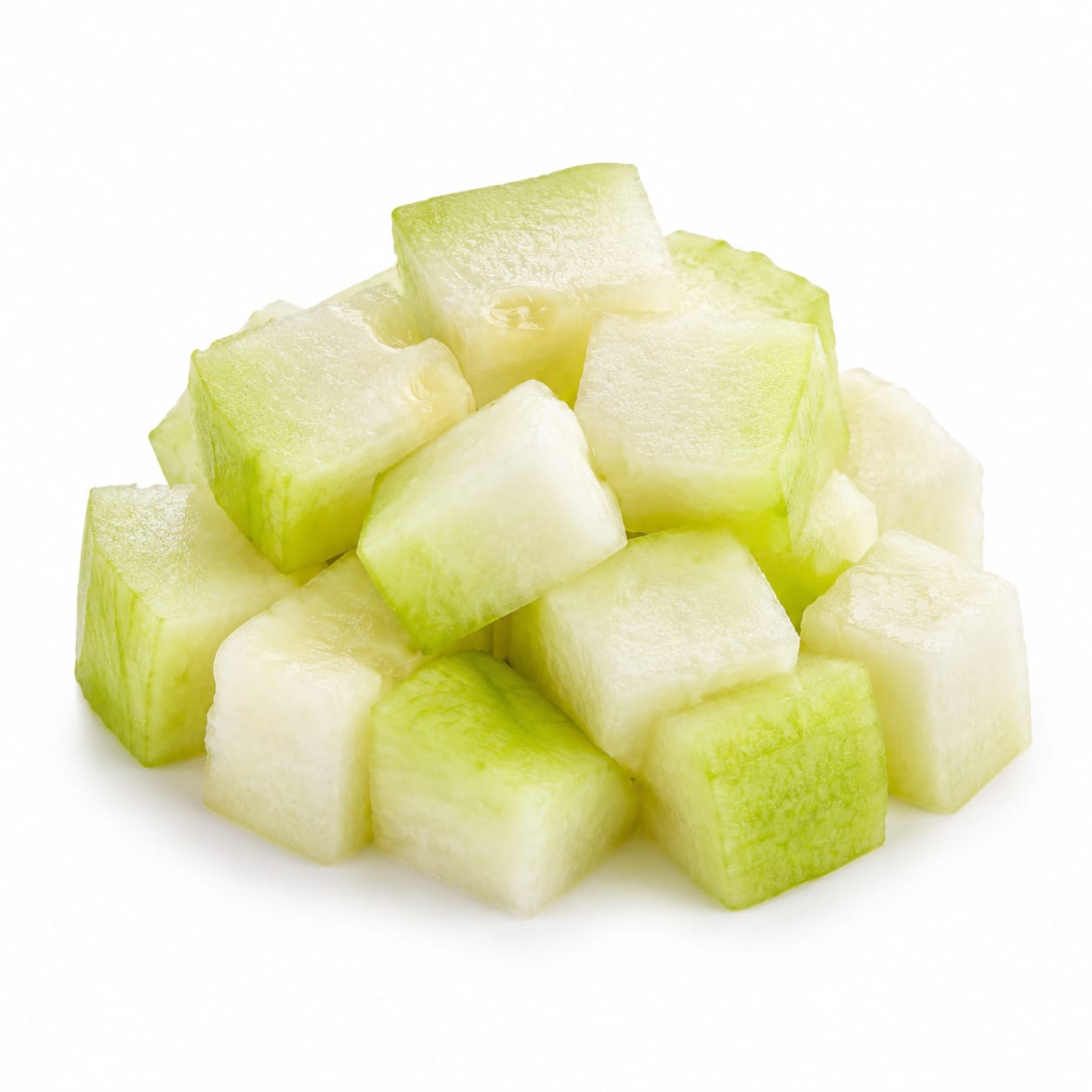
Wax Gourd
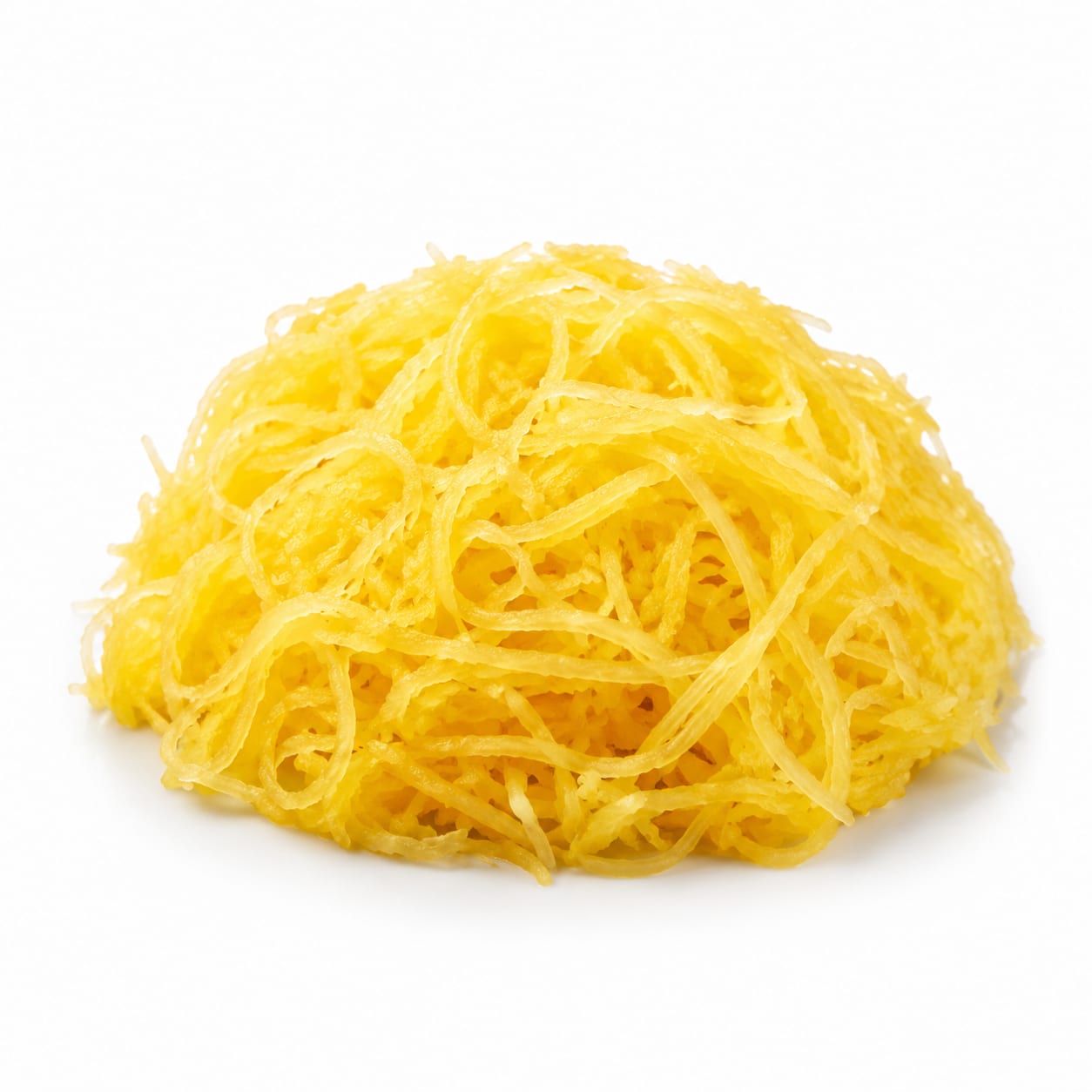
Spaghetti Squash
Spaghetti squash offers more nutrition, better satiety, and easier meal integration for most people, though wax gourd wins on sheer calorie minimization.
Spaghetti squash scores higher due to better nutritional density, more satisfying texture, and broader culinary utility. Wax gourd remains valuable for extreme calorie cutting but offers less real-world eating satisfaction.
Wax gourd is slightly lower in calories but provides less nutritional value and satisfaction per serving, while spaghetti squash costs more calories but delivers more vitamins, fiber, and a satisfying pasta-like texture.
At a glance
Executive summary
Overall
Spaghetti Squash
Healthier
Spaghetti Squash
More practical
Spaghetti Squash
Daily use
Spaghetti Squash
Key comparison lenses
low calorie substitute comparison
Both foods are popular ultra-low-calorie vegetables used to bulk meals without adding significant calories
weight management tool
Both are go-to foods for calorie restriction but differ in satiety and practical sustainability
pasta alternative evaluation
Spaghetti squash is a direct pasta substitute while wax gourd serves a similar role in Asian dishes
nutrient density per calorie
Users choosing between these want to know which delivers more nutrition per bite
culinary versatility and accessibility
Availability and cooking methods differ significantly between these two vegetables
Best choice for
Wax Gourd
- Extreme calorie restriction phases
- Traditional Asian soup and stew recipes
- People who find spaghetti squash too filling for their calorie targets
- Cooling foods in traditional medicine frameworks
Spaghetti Squash
- Low-carb pasta replacement
- Meal prep and batch cooking
- Families wanting a fun vegetable side dish
- People who need more fiber and satiety on a diet
Least suitable for
Wax Gourd
- Anyone wanting a satisfying standalone meal base
- People unfamiliar with Asian cooking techniques
- Those seeking nutrient density per calorie
- Quick weeknight dinners requiring minimal prep
Spaghetti Squash
- Strict calorie counters tracking every single calorie
- People without oven access
- Those who dislike the stringy texture
- Very tight grocery budgets in regions where it is expensive
Deep comparison
Dimension by dimension
Each lens scores both foods and breaks down who each option suits.
- Dimension 1 · Priority 92Wax Gourd
calorie_efficiency
Wax Gourd · 97Spaghetti Squash · 82Wax gourd contains roughly 13 calories per 100g versus spaghetti squash at 31 calories per 100g, making it one of the lowest-calorie vegetables available.
Tradeoff
The calorie savings are real but modest at typical serving sizes, and spaghetti squash provides more nutrients and fullness for those extra calories.
Why it matters
For someone eating a 300g portion, the difference is about 54 calories, which matters in aggressive cuts but is negligible for most people.
Real-world impact
You would need to eat massive portions of either vegetable for the calorie gap to meaningfully affect your weekly results.
Wax Gourd
- Competition prep with strict calorie ceilings
- Volume eating enthusiasts maximizing food quantity
- Days when you have already hit macros and just want fullness
Better for
- Meals that need to carry nutritional weight
- Anyone who finds ultra-low-calorie eating triggers cravings later
Worse for
Spaghetti Squash
- Sustainable weight loss where satisfaction matters
- Balanced meals where 20-30 extra calories buy more nutrients
- Preventing the rebound binge that comes from under-eating
Better for
- Strict calorie counting where every single calorie is budgeted
Worse for
- Dimension 2 · Priority 90Spaghetti Squash
satiety_and_fullness
Wax Gourd · 45Spaghetti Squash · 74Spaghetti squash has more fiber and a chewier texture that signals fullness better, while wax gourd breaks down quickly and leaves you hungry sooner.
Tradeoff
Wax gourd fills your stomach with water weight temporarily, but that fullness fades fast. Spaghetti squash provides lasting satisfaction from fiber and texture.
Why it matters
The whole point of a low-calorie vegetable is to help you eat less overall. If it leaves you hungry an hour later, it failed its job.
Real-world impact
A plate of spaghetti squash with sauce feels like a real meal. A bowl of wax gourd soup feels like a starter that leaves you looking for something else to eat.
Wax Gourd
- Light appetizer courses before a main meal
- Hot weather eating when heavy food feels unappealing
Better for
- Anyone prone to late-night snacking after unsatisfying dinners
- Active people who need meals to sustain energy
Worse for
Spaghetti Squash
- Dinner replacements that actually keep you full until morning
- Lunch meals where you cannot snack again for hours
- Emotional eaters who need meals to feel substantial
Better for
- Small appetites where too much fullness is uncomfortable
Worse for
- Dimension 3 · Priority 85Spaghetti Squash
nutritional_density
Wax Gourd · 38Spaghetti Squash · 68Spaghetti squash delivers more vitamin C, vitamin B6, potassium, and manganese per calorie. Wax gourd is mostly water with trace nutrients.
Tradeoff
Neither vegetable is a nutritional powerhouse, but spaghetti squash gives you meaningfully more vitamins and minerals for the small calorie investment.
Why it matters
When you are dieting and eating less food overall, every calorie needs to work harder. Spaghetti squash pulls more nutritional weight.
Real-world impact
A serving of spaghetti squash covers a useful chunk of your daily vitamin C and B6. Wax gourd barely moves the needle on any nutrient.
Wax Gourd
- Hydration-focused eating in hot climates
- Traditional medicinal preparations where specific compounds are valued
Better for
- Reliance on it as a significant nutrient source
- Diets already low in vitamins and minerals
Worse for
Spaghetti Squash
- Getting vitamins while cutting calories
- Preventing nutrient gaps during restrictive dieting phases
- Supporting immune function with vitamin C intake
Better for
- Situations where you already take a comprehensive multivitamin and just want bulk
Worse for
- Dimension 4 · Priority 80Spaghetti Squash
culinary_versatility
Wax Gourd · 50Spaghetti Squash · 78Spaghetti squash works as a pasta base, side dish, or casserole ingredient. Wax gourd shines in soups and stews but has a narrower range.
Tradeoff
Wax gourd absorbs flavors beautifully in broths but turns mushy in most other preparations. Spaghetti squash holds its shape and texture across more cooking methods.
Why it matters
A vegetable you can cook multiple ways stays interesting longer, which means you actually keep eating it.
Real-world impact
Spaghetti squash can be your Monday pasta night and your Thursday casserole. Wax gourd is mostly a soup vegetable, which gets boring faster.
Wax Gourd
- Asian soup recipes where it is traditional and irreplaceable
- Stews where you want vegetables that dissolve and thicken the broth
Better for
- Anyone wanting a standalone side dish with texture
- Roasting, grilling, or sautéing applications
Worse for
Spaghetti Squash
- Pasta night replacements the whole family will eat
- Baked dishes and casseroles
- Meal prep where one squash feeds you for days
Better for
- Traditional Asian recipes that specifically call for wax gourd
Worse for
- Dimension 5 · Priority 78Wax Gourd
blood sugar_stability
Wax Gourd · 92Spaghetti Squash · 80Both vegetables have minimal impact on blood sugar, but wax gourd's near-zero carbohydrate content gives it a slight edge for strict glycemic control.
Tradeoff
The difference is small enough that most people with diabetes could choose either without concern, but wax gourd is marginally safer for the most sensitive individuals.
Why it matters
For people managing diabetes or insulin resistance, even small carbohydrate differences can matter when foods are eaten in large portions.
Real-world impact
Eating a large bowl of either vegetable will not spike your blood sugar. Wax gourd is just slightly more bulletproof in this regard.
Wax Gourd
- Type 1 diabetics calculating exact insulin doses
- Very insulin-resistant individuals being cautious
- Ketogenic dieters tracking total carbs tightly
Better for
- Anyone who would use the carb savings as an excuse to eat something worse
Worse for
Spaghetti Squash
- Most type 2 diabetics who benefit from the fiber slowing absorption
- Pre-diabetics who need satisfying meals to avoid sugary snacks
Better for
- Extremely carb-sensitive individuals at the strictest limits
Worse for
- Dimension 6 · Priority 72Spaghetti Squash
availability_and_convenience
Wax Gourd · 35Spaghetti Squash · 70Spaghetti squash is available in most Western grocery stores year-round. Wax gourd is primarily found in Asian markets and requires more effort to source.
Tradeoff
If you live near an Asian grocery, wax gourd is cheap and abundant. If you do not, it can be frustrating to find or expensive to order.
Why it matters
The healthiest vegetable is the one you can actually buy and cook regularly. Availability determines whether a food becomes a habit or a one-time experiment.
Real-world impact
Most Americans can grab spaghetti squash at any supermarket. Finding wax gourd might require a specialty trip or online order that kills the habit before it starts.
Wax Gourd
- People living near well-stocked Asian markets
- Cooking traditional Asian cuisines where it is a staple ingredient
Better for
- Anyone without convenient access to Asian grocery stores
- Rural areas with limited produce selection
Worse for
Spaghetti Squash
- Suburban and rural shoppers with standard grocery access
- People who want to start eating the vegetable this week without hunting for it
Better for
- Regions where winter squash is seasonal and expensive
Worse for
Timeline
Health impact over time
Short-term
Hours to days
Wax Gourd
- Very light feeling after eating due to extremely low calorie density
- Quick hydration from high water content
- Possible hunger returning within an hour if eaten alone
- Mild diuretic effect in traditional medicine contexts
Spaghetti Squash
- Satisfying fullness that lasts 2-3 hours after a meal
- Steady energy without crashes due to fiber content
- Mild digestive adjustment if you are not used to high-fiber vegetables
- Comforting pasta-like eating experience that reduces cravings
Long-term
Months to years
Wax Gourd
- May support weight loss through calorie displacement if paired with adequate protein
- Risk of under-eating if relied on too heavily without nutrient-dense accompaniments
- Traditional medicine associates it with cooling and detoxifying properties
- Inadequate as a nutritional staple without supplementation
Spaghetti Squash
- Sustainable weight management due to satiety and moderate calorie content
- Gradual improvement in fiber intake supporting gut health
- Consistent vitamin C and B6 intake supporting immune and nervous system function
- Easier adherence to low-carb eating patterns long-term
Risk profile
Safety & processing
Both vegetables are whole, unprocessed foods sold in their natural state. Neither carries meaningful additive or processing concerns. The main difference is that wax gourd is sometimes sold peeled and pre-cut in Asian markets, which slightly reduces freshness but does not introduce additives.
Wax Gourd
Pesticide residue
mediumWax gourd grown in some regions may have higher pesticide residues. Peeling significantly reduces exposure. Buying organic or from trusted sources mitigates this.
Spoilage after cutting
lowLarge wax gourds can be difficult to use entirely before spoiling. Cut portions should be wrapped and refrigerated, used within 3-4 days.
Spaghetti Squash
Pesticide residue on skin
lowSquash is on the lower end of pesticide concern. The thick skin protects the flesh, and you discard it before eating.
Difficulty cutting raw squash
mediumRaw spaghetti squash is extremely hard and can cause knife slips. Microwaving briefly before cutting or roasting whole reduces injury risk significantly.
Who wins for whom
Audience fit
Same foods, different winners depending on your goal.
children
Spaghetti SquashKids find the spaghetti-like texture fun and engaging. Wax gourd's soft, watery texture is less appealing to most children.
daily consumption
Spaghetti SquashSpaghetti squash offers more nutritional variety and meal flexibility, making it easier to eat regularly without getting bored or developing nutrient gaps.
diabetes
Wax GourdWax gourd has marginally fewer carbs and a lower glycemic impact, making it slightly safer for tight blood sugar management, though both are excellent choices.
elderly
Wax GourdWax gourd is softer and easier to chew and digest, making it more suitable for those with dental issues or sensitive digestion.
muscle gain
It dependsNeither vegetable directly supports muscle gain. Both serve as low-calorie sides to protein-rich mains. Choose based on what helps you eat your protein comfortably.
weight loss
Spaghetti SquashSpaghetti squash keeps you full longer, which prevents overeating at subsequent meals. The slight calorie increase over wax gourd is outweighed by better adherence.
Your move
Decision guide
Choose Wax Gourd
- You are in the final weeks of a strict cut and every calorie matters
- You cook Asian cuisines regularly and want an authentic ingredient
- You live near an Asian market and can buy it fresh and affordable
- You want the absolute lowest-calorie vegetable for volume eating
- You have digestive sensitivity and need very soft, gentle foods
Choose Spaghetti Squash
- You want a satisfying pasta replacement that actually feels like a meal
- You are meal prepping for the week and want something versatile
- You need more fiber and vitamins in your diet without adding calories
- You are feeding a family and need something everyone will eat
- You want a low-carb vegetable that keeps you full for hours
Either works if
- You just want a low-calorie vegetable to round out a protein-focused plate
- Both are available and affordable where you shop
- You enjoy variety and want to rotate between different vegetables
- Your main concern is avoiding high-calorie sides rather than choosing the perfect one
Avoid both if
- You need calorie-dense foods to gain weight
- You are looking for a significant protein source
- You want a vegetable that provides substantial nutrition on its own without other foods
Final recommendation
For most people, spaghetti squash is the more practical and satisfying choice. It delivers more nutrition, keeps you full longer, and works in more recipes. Choose wax gourd when you need the absolute lowest calorie option or are cooking traditional Asian dishes where its texture and flavor profile are specifically valued. Neither is a bad choice, but spaghetti squash is easier to build a sustainable eating habit around.
Practical
Consumer tips
- 1
Pierce spaghetti squash with a knife and microwave for 3-4 minutes before cutting to make it much safer and easier to slice
- 2
Roast spaghetti squash cut-side down at 400°F for 40 minutes for the best texture and flavor
- 3
Wax gourd absorbs broth flavors beautifully, so use it in soups with strong aromatics like ginger and garlic
- 4
Store whole wax gourd in a cool, dry place for up to a month, but refrigerate cut portions immediately
- 5
Freeze cooked spaghetti squash strands in portioned bags for quick meals throughout the week
- 6
If wax gourd is unavailable, zucchini or bottle gourd can substitute in most recipes
- 7
Pair either vegetable with a protein source and healthy fat to make a complete, satisfying meal