
Nutrition comparison
Wax Gourd vs Radish: Which Low-Calorie Vegetable Is Better for You?
Compare wax gourd and radish nutrition, health benefits, and practical uses. Find out which vegetable wins for weight loss, digestion, and daily convenience.
Overall winner · Radish
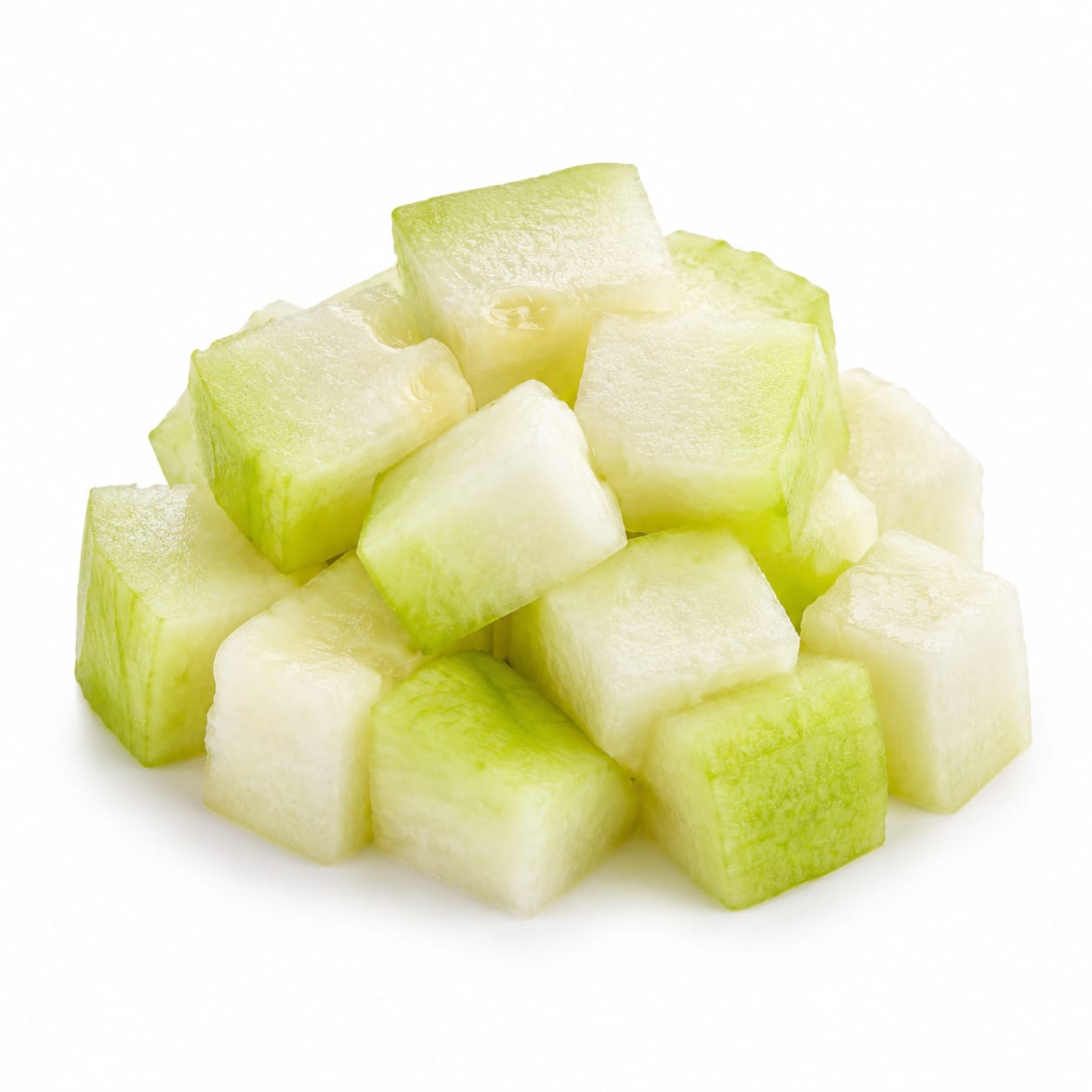
Wax Gourd
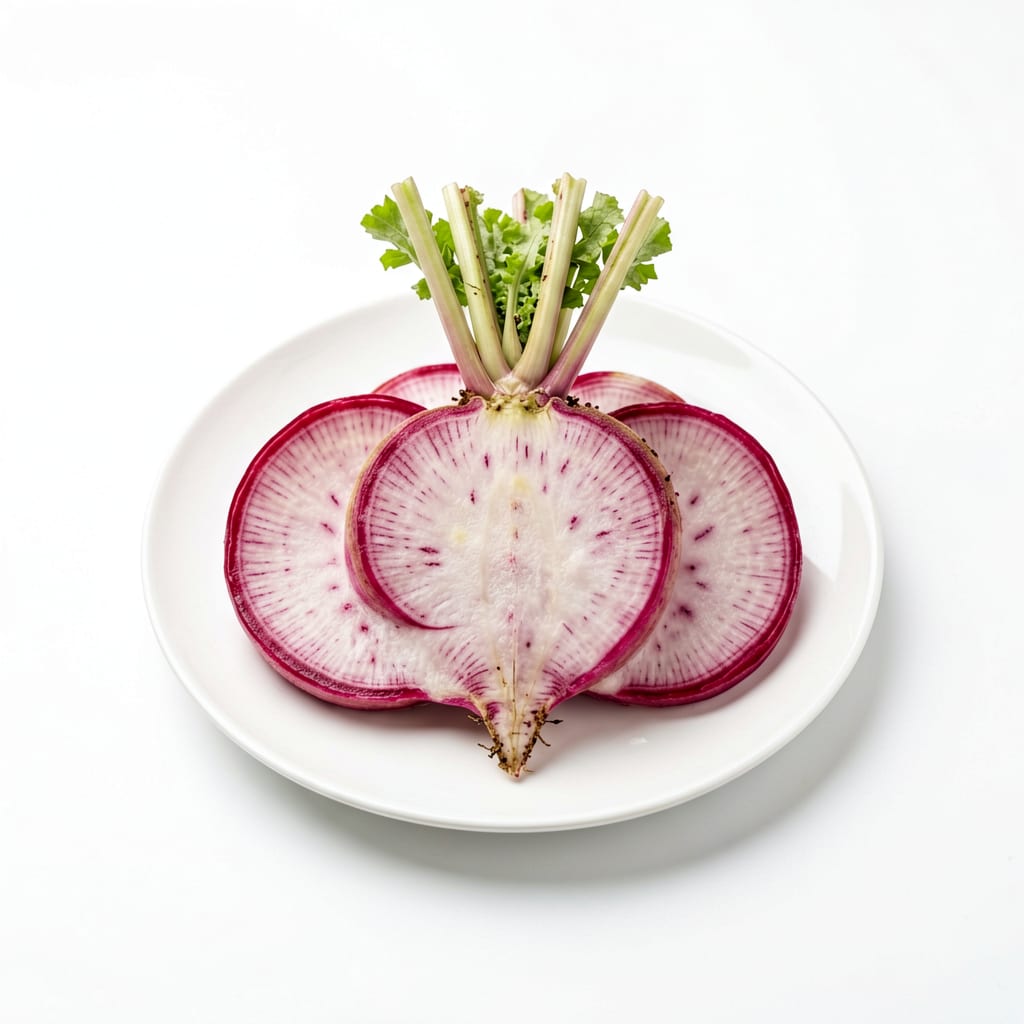
Radish
Radish delivers more nutrition per bite and can be eaten raw, making it the more practical everyday choice. Wax gourd excels at hydration and soothing soups but requires more effort to use.
Radish scores notably higher due to stronger nutrient density, raw edibility, and more versatile daily use. Wax gourd is not bad—it simply offers a narrower set of benefits centered around hydration and cooked dishes.
Radish gives you more vitamins, fiber, and crunch-ready convenience. Wax gourd gives you superior hydration and a comforting, filling base for soups and stews.
At a glance
Executive summary
Overall
Radish
Healthier
Radish
More practical
Radish
Daily use
Radish
Key comparison lenses
low-calorie vegetable selection for weight management
Both are extremely low-calorie vegetables often chosen by people trying to lose weight or add volume to meals
nutrient density comparison
Users want to know which vegetable gives more nutritional bang for the caloric buck
digestive and gut health benefits
Both are traditional digestive aids in different cuisines, making gut health a natural comparison point
culinary convenience and versatility
Radish can be eaten raw while wax gourd requires cooking, significantly affecting daily practicality
hydration and cooling properties
Wax gourd is prized in traditional medicine for cooling and hydrating effects, a unique differentiator
Best choice for
Wax Gourd
- People wanting maximum food volume with minimal calories
- Those seeking cooling, hydrating foods in hot weather
- Anyone making traditional Asian soups or stews
- People with sensitive digestion who need gentle, cooked vegetables
Radish
- People wanting a crunchy, ready-to-eat low-calorie snack
- Anyone prioritizing vitamin C and antioxidant intake
- Those who want more fiber per calorie
- Busy people who need zero-prep vegetable options
Least suitable for
Wax Gourd
- People wanting quick, no-cook vegetable options
- Anyone looking for strong flavor or crunch in salads
- Those who find bland textures unappealing
- People without access to Asian grocery stores
Radish
- People with irritable bowel syndrome sensitive to cruciferous vegetables
- Those who dislike peppery or pungent flavors
- Anyone looking for a soothing, comfort-food vegetable base
Deep comparison
Dimension by dimension
Each lens scores both foods and breaks down who each option suits.
- Dimension 1 · Priority 92Radish
Nutrient Density
Wax Gourd · 35Radish · 68Radish packs significantly more vitamins and minerals per calorie than wax gourd, which is mostly water.
Tradeoff
Wax gourd's extreme water content makes it incredibly low-calorie but also dilutes its nutritional payload considerably.
Why it matters
When you eat vegetables for health, you want meaningful amounts of vitamins and minerals—not just volume.
Real-world impact
A serving of radish gives you a useful chunk of daily vitamin C and folate. Wax gourd gives you hydration with only trace nutrients.
Wax Gourd
- Maximum volume eating with almost zero caloric cost
Better for
- Nutrient contribution is minimal beyond hydration
Worse for
Radish
- Getting actual vitamin and mineral value from your vegetable calories
- Supporting immune function with vitamin C
- Folate intake for cell repair and energy
Better for
- Slightly higher calorie density, though still extremely low
Worse for
- Dimension 2 · Priority 85Wax Gourd
Hydration and Satiety
Wax Gourd · 88Radish · 62Wax gourd is roughly 96% water, making it one of the most hydrating foods you can eat. It fills your stomach with minimal calories.
Tradeoff
That extreme hydration comes at the cost of flavor and nutrient concentration. Radish hydrates less but satisfies more through crunch and taste.
Why it matters
If you struggle with overeating, volume-based satiety from wax gourd soups can be a genuine strategy.
Real-world impact
A large bowl of wax gourd soup before a meal can physically fill your stomach and help you eat less overall. Radish provides more chewing satisfaction but less sheer volume.
Wax Gourd
- Pre-meal volume eating to reduce overall calorie intake
- Hot weather hydration through food
- Making filling soups and stews with almost no calories
Better for
- Can feel unsatisfying if you want actual flavor or texture
Worse for
Radish
- Satisfaction from crunch and flavor while still being low-calorie
- Snacking without feeling like you are eating water
Better for
- Less effective as a pure volume-eating tool
Worse for
- Dimension 3 · Priority 82Radish
Fiber and Digestive Health
Wax Gourd · 40Radish · 72Radish provides notably more fiber per serving and contains natural digestive enzymes that support gut function.
Tradeoff
Wax gourd is gentler on sensitive stomachs because cooking softens its already-minimal fiber, but this means less digestive benefit overall.
Why it matters
Fiber is the nutrient most people consistently lack, and vegetable choices should meaningfully contribute to your daily intake.
Real-world impact
Eating radish regularly helps keep you regular and feeds beneficial gut bacteria. Wax gourd is more like a digestive rest—soothing but not actively strengthening gut health.
Wax Gourd
- Gentle on inflamed or sensitive digestive systems
- Soothing when you have an upset stomach
Better for
- Fiber content is too low to meaningfully move your daily totals
Worse for
Radish
- Contributing meaningful fiber to your daily intake
- Stimulating digestion with natural enzymes
- Supporting a healthy gut microbiome
Better for
- Raw radish can cause gas or bloating in sensitive individuals
Worse for
- Dimension 4 · Priority 78Radish
Antioxidant and Anti-inflammatory Value
Wax Gourd · 38Radish · 70Radish contains glucosinolates and anthocyanins (especially red varieties) with documented anti-cancer and anti-inflammatory properties.
Tradeoff
Wax gourd has some traditional anti-inflammatory use but lacks the concentrated antioxidant compounds found in cruciferous vegetables like radish.
Why it matters
Long-term disease prevention comes from consistently eating foods rich in protective phytochemicals, not just low-calorie volume.
Real-world impact
Regular radish consumption adds to your cumulative intake of cancer-fighting compounds. Wax gourd is mostly inert in this regard—it neither harms nor particularly helps.
Wax Gourd
- Traditional use suggests mild detoxifying effects
Better for
- Lacks the concentrated phytochemicals that make cruciferous vegetables special
Worse for
Radish
- Glucosinolates linked to reduced cancer risk
- Anthocyanins in red radish varieties fight oxidative stress
- Vitamin C acts as a direct antioxidant
Better for
- White radish varieties have fewer anthocyanins than red ones
Worse for
- Dimension 5 · Priority 80Radish
Convenience and Culinary Practicality
Wax Gourd · 35Radish · 82Radish can be washed and eaten raw in seconds. Wax gourd must be peeled, seeded, and cooked, making it far less convenient.
Tradeoff
Wax gourd's mild flavor makes it an excellent canvas for soups and braised dishes, but you need time and cooking equipment to unlock that potential.
Why it matters
The best vegetable for your health is the one you actually eat regularly. Convenience directly impacts consistency.
Real-world impact
You can slice radish into a salad or eat it whole as a snack with zero prep. Wax gourd demands a cutting board, peeler, and at least 20 minutes of cooking—real barriers on busy weeknights.
Wax Gourd
- Creates deeply satisfying soups and stews when you have time to cook
- Absorbs flavors beautifully in long-cooked dishes
Better for
- Requires peeling, seeding, and cooking every time
- Hard to find in standard grocery stores outside Asian markets
Worse for
Radish
- Ready to eat raw with zero preparation
- Easy to add to salads, sandwiches, and snack plates
- No cooking required—ideal for hot days when you do not want to use the stove
Better for
- Limited cooked-dish versatility compared to wax gourd
Worse for
- Dimension 6 · Priority 75It depends
Blood Sugar Stability
Wax Gourd · 72Radish · 74Both are excellent for blood sugar—extremely low glycemic load with minimal carbohydrate content. The difference is negligible.
Tradeoff
Wax gourd's higher water content slightly slows gastric emptying, while radish's fiber slightly slows glucose absorption. Both effects are minor.
Why it matters
For people managing diabetes or metabolic concerns, both vegetables are safe and beneficial choices.
Real-world impact
Neither will spike your blood sugar. Both can be eaten freely by people monitoring glucose. This is a tie that works in your favor either way.
Wax Gourd
- Very high water content may slightly slow digestion of an entire meal when included in soup
Better for
- No meaningful downside for blood sugar
Worse for
Radish
- Fiber content provides a marginal additional benefit for glucose regulation
Better for
- No meaningful downside for blood sugar
Worse for
Timeline
Health impact over time
Short-term
Hours to days
Wax Gourd
- Immediate stomach-filling effect from water volume, reducing hunger
- Mild cooling sensation traditionally associated with relief from heat
- Very gentle on digestion—unlikely to cause bloating or discomfort
Radish
- Quick crunch satisfaction that curbs the urge to snack on processed foods
- Mild digestive stimulation from natural enzymes
- Possible slight gas or bloating in people sensitive to cruciferous vegetables
Long-term
Months to years
Wax Gourd
- Consistent low-calorie volume eating may support weight maintenance
- Hydration from food sources contributes to overall fluid balance
- Minimal risk of any adverse effects from long-term consumption
Radish
- Regular glucosinolate intake associated with reduced cancer risk over time
- Consistent fiber contribution supports long-term gut health and regularity
- Vitamin C intake supports immune resilience and skin health with regular consumption
Risk profile
Safety & processing
Both wax gourd and radish are whole, unprocessed vegetables typically sold fresh. Neither carries meaningful processing concerns. The only caveat is that wax gourd is sometimes sold pre-cut in packaging, which may involve minimal preservatives—check labels if buying pre-packaged.
Wax Gourd
Pesticide residue on skin
mediumWax gourd skin can retain pesticide residues. Since the skin is typically peeled before eating, this risk is largely mitigated, but washing before peeling is still wise.
Bacterial contamination in pre-cut packages
lowPre-cut wax gourd sold in stores can harbor surface bacteria if not kept cold. Use promptly and cook thoroughly.
Radish
Pesticide residue
mediumRadish is a root vegetable grown in soil, and it frequently appears on produce lists with moderate pesticide residues. Washing thoroughly and choosing organic reduces this concern.
Goitrogenic compounds
lowRadish contains goitrogens that can interfere with thyroid function in extremely large amounts. This is only a concern for people with existing thyroid issues eating radish in excessive quantities raw.
Who wins for whom
Audience fit
Same foods, different winners depending on your goal.
children
RadishRadish is easier to prepare, fun to crunch, and can be sliced into appealing shapes. Wax gourd's bland texture and required cooking make it a harder sell to kids.
daily consumption
RadishRadish requires no cooking, provides more nutrients, and is easier to incorporate into daily meals without planning ahead.
diabetes
It dependsBoth have negligible glycemic impact and can be eaten freely. Radish offers slightly more fiber, while wax gourd soup may slow overall meal digestion. The difference is trivial.
elderly
Wax GourdWax gourd's soft, cooked texture is ideal for people with dental issues or sensitive digestion. Radish can be too crunchy or peppery for some older adults.
muscle gain
It dependsNeither vegetable contributes meaningful protein or calories for muscle building. Both are neutral sides—choose based on what helps you eat your protein foods more enjoyably.
weight loss
Wax GourdWax gourd's extreme water content lets you eat enormous portions for nearly zero calories, making it the ultimate volume-eating tool for calorie restriction.
Your move
Decision guide
Choose Wax Gourd
- You want maximum food volume with minimal calories for weight loss
- You enjoy making soups and stews and want a low-calorie base
- You live in a hot climate and want cooling, hydrating meals
- You have sensitive digestion and need gentle, cooked vegetables
- You have access to an Asian grocery store and enjoy traditional recipes
Choose Radish
- You want a quick, no-prep vegetable you can eat raw
- You prioritize getting more vitamins and antioxidants from your vegetables
- You want more fiber to support digestive regularity
- You enjoy crunchy textures and peppery flavors in salads
- You need a convenient low-calorie snack between meals
Either works if
- You simply want more low-calorie vegetables in your diet
- You are managing blood sugar and need safe, low-glycemic options
- You want to increase your daily vegetable variety
Avoid both if
- You are looking for a significant source of protein, healthy fats, or concentrated calories
- You need calorie-dense foods due to being underweight
- You have specific allergies to either vegetable family
Final recommendation
Keep radish in your regular rotation for its nutrient density, convenience, and raw crunch. Add wax gourd when you want a comforting, hydrating soup or need maximum volume for minimal calories. They complement each other well—radish for everyday snacking and salads, wax gourd for soothing cooked meals.
Practical
Consumer tips
- 1
Choose firm, unblemished radishes with fresh-looking greens—the leaves indicate freshness
- 2
Store radish greens separately from the roots to prevent moisture loss and softening
- 3
Wax gourd can grow very large—if buying a whole one, plan to use it within a week or freeze portions
- 4
Red radish varieties offer more antioxidants than white daikon-style radishes due to anthocyanin content
- 5
Wash radish thoroughly even if you peel it, to avoid transferring soil bacteria from the skin
- 6
Wax gourd soup with ginger and a splash of sesame oil is a simple, satisfying way to prepare it
- 7
If radish tastes too peppery, try soaking thin slices in ice water for 10 minutes to mellow the bite