
Nutrition comparison
Wax Gourd vs Eggplant: Which Low-Calorie Vegetable Is Better for You?
Compare wax gourd and eggplant nutrition, calories, antioxidants, and digestion. Find out which vegetable wins for weight loss, blood sugar, and daily eating.
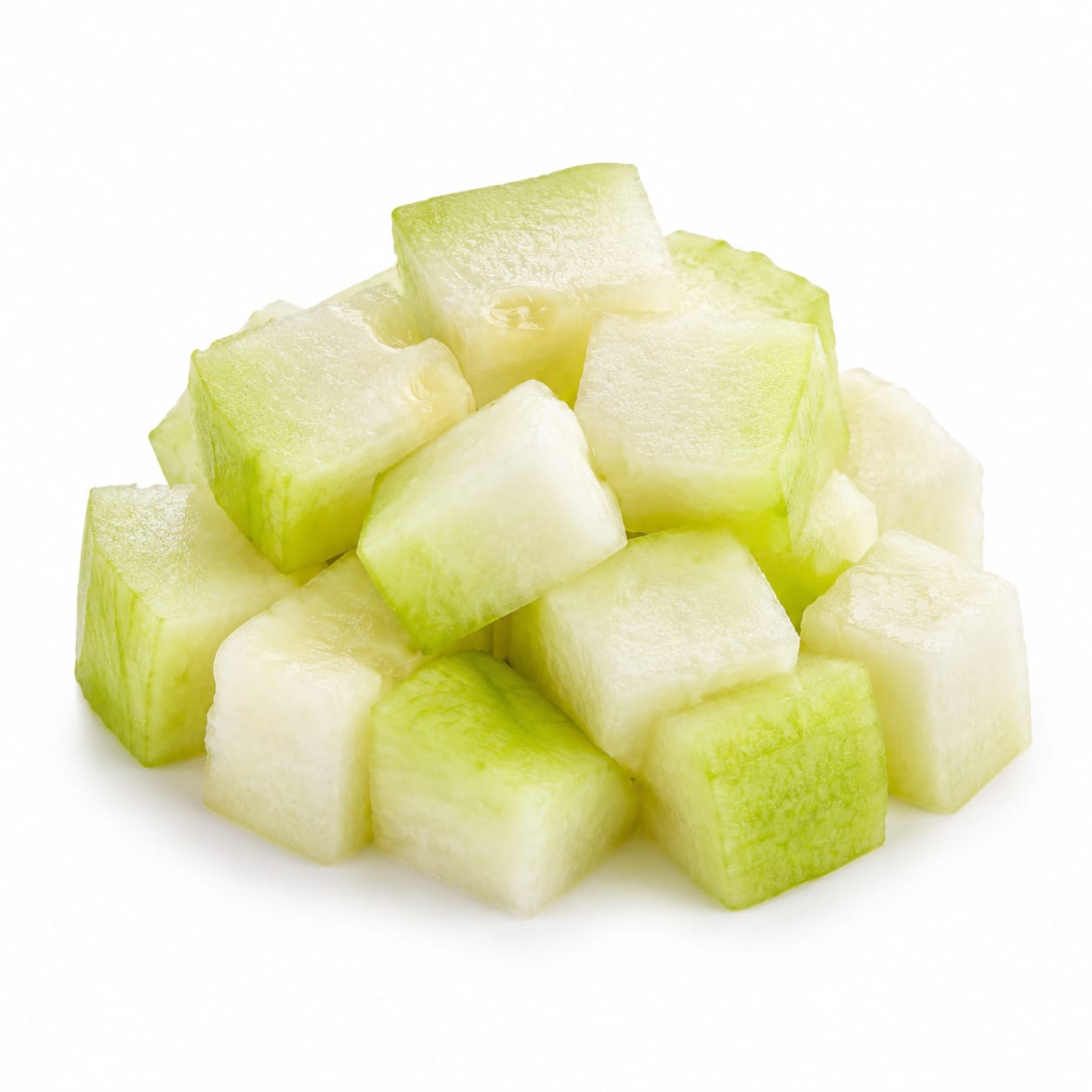
Wax Gourd
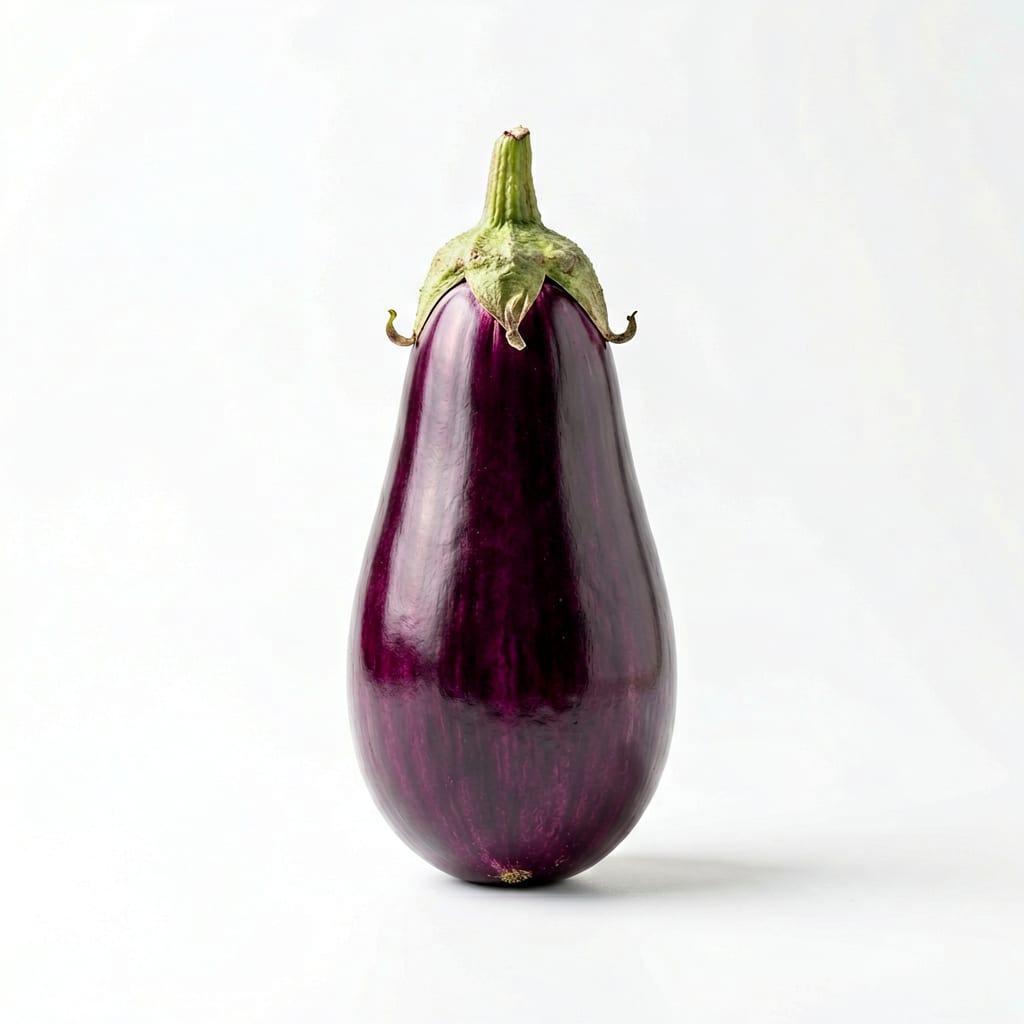
Eggplant
Wax gourd wins for ultra-low calorie needs and gentle digestion; eggplant wins for antioxidants, satiety, and culinary versatility.
Eggplant scores higher due to superior antioxidant content, better satiety, and greater culinary versatility. Wax gourd remains valuable for its extreme low-calorie profile and digestive gentleness, but offers less nutritional substance per serving.
Eggplant offers more nutrients and satisfaction per bite, but wax gourd is the lightest option with virtually no digestive burden.
At a glance
Executive summary
Overall
It depends
Healthier
Eggplant
More practical
Eggplant
Daily use
Eggplant
Key comparison lenses
Low-calorie vegetable selection for weight management
Both vegetables are extremely low in calories, making the subtle differences critical for dieters
Antioxidant and phytonutrient comparison
Eggplant's nasunin and chlorogenic acid offer distinct advantages over wax gourd's milder profile
Culinary versatility and meal satisfaction
Eggplant absorbs flavors and provides meaty texture; wax gourd is more limited but excellent in soups
Digestive sensitivity and nightshade concerns
Eggplant is a nightshade which affects some people; wax gourd is gentler on digestion
Blood sugar management
Both are low-glycemic but differ in fiber type and satiety impact
Best choice for
Wax Gourd
- Ultra-low calorie diets and aggressive weight loss phases
- People with nightshade sensitivity or joint inflammation
- Gentle detox or fasting-mimicking protocols
- Hot climate cooling meals and light summer soups
- Those with sensitive digestion needing bland, easy-to-tolerate foods
Eggplant
- Heart health and antioxidant-focused diets
- People wanting more satisfying vegetable-based meals
- Mediterranean and anti-inflammatory eating patterns
- Anyone seeking meaty texture without meat
- Blood sugar management with better satiety
Least suitable for
Wax Gourd
- Those needing nutrient-dense calories or protein
- People wanting flavorful, satisfying main dishes
- Anyone bored by bland foods who struggles with diet adherence
- Those looking for antioxidant-rich vegetables
Eggplant
- People with nightshade sensitivities or autoimmune flares
- Those prone to oil-soaked cooking methods adding hidden calories
- Individuals with severe IBS who react to eggplant skin
Deep comparison
Dimension by dimension
Each lens scores both foods and breaks down who each option suits.
- Dimension 1 · Priority 92Wax Gourd
Calorie Density and Weight Loss Support
Wax Gourd · 95Eggplant · 78Wax gourd is one of the lowest-calorie vegetables available at roughly 13 calories per 100g, while eggplant sits around 25 calories per 100g.
Tradeoff
Wax gourd lets you eat more volume for fewer calories, but eggplant's extra calories come with more fiber and nutrients that keep you fuller longer.
Why it matters
For strict calorie counting, wax gourd is hard to beat. But if you feel hungry an hour after eating, those saved calories may not matter.
Real-world impact
A large bowl of wax gourd soup costs you under 40 calories. The same bowl of eggplant curry could run 80-150 calories depending on oil absorption.
Wax Gourd
- Aggressive calorie restriction phases
- Volume eating strategies
- Late-night snacking with minimal caloric impact
Better for
- People who feel unsatisfied on very low-calorie meals
- Athletes needing nutrient density over volume
Worse for
Eggplant
- Meals where satisfaction prevents later overeating
- Balanced diets where extreme restriction isn't needed
Better for
- Oil-heavy preparations that multiply calories quickly
- Strict 1200-calorie diets where every calorie counts
Worse for
- Dimension 2 · Priority 88Eggplant
Antioxidant and Phytonutrient Profile
Wax Gourd · 35Eggplant · 85Eggplant delivers nasunin, chlorogenic acid, and anthocyanins from its deep purple skin. Wax gourd has minimal antioxidant content by comparison.
Tradeoff
You must eat eggplant with the skin on to get most of these benefits. Peeled eggplant loses much of its advantage.
Why it matters
Antioxidants protect blood vessels, reduce oxidative stress, and support brain health over decades. This is where eggplant genuinely outclasses wax gourd.
Real-world impact
Regularly eating eggplant with skin contributes to long-term heart and cognitive protection. Wax gourd simply doesn't offer this benefit.
Wax Gourd
- Situations where antioxidant intake comes from other sources
Better for
- Those relying on vegetables as primary antioxidant sources
Worse for
Eggplant
- Long-term disease prevention diets
- Mediterranean eating patterns
- Anti-aging and cognitive health focus
Better for
- People who always peel eggplant before cooking
Worse for
- Dimension 3 · Priority 82Eggplant
Satiety and Meal Satisfaction
Wax Gourd · 40Eggplant · 78Eggplant's meaty texture and fiber content create more filling meals. Wax gourd is watery and dissolves quickly, leaving you hungry sooner.
Tradeoff
Wax gourd feels light and refreshing but rarely satisfies on its own. Eggplant can anchor a meal but absorbs cooking oil that adds hidden calories.
Why it matters
A vegetable that keeps you full for 3 hours beats one that keeps you full for 1 hour, even if it has slightly more calories.
Real-world impact
Eggplant-based dishes like ratatouille or baba ganoush can replace meat in a meal. Wax gourd dishes almost always need protein or grains added to feel complete.
Wax Gourd
- Light appetizers before a main course
- Hot weather meals where heaviness feels unpleasant
Better for
- People who snack soon after eating low-volume meals
Worse for
Eggplant
- Main course vegetable dishes
- Reducing meat consumption without feeling deprived
- Preventing between-meal snacking
Better for
- Those who cook eggplant in heavy oil and feel sluggish after
Worse for
- Dimension 4 · Priority 78Wax Gourd
Digestive Tolerance and Sensitivity
Wax Gourd · 90Eggplant · 55Wax gourd is extremely gentle on digestion and has traditional use as a cooling, soothing food. Eggplant is a nightshade that triggers inflammation in some people.
Tradeoff
Wax gourd is the safer choice for sensitive stomachs, but eggplant is fine for most people who tolerate nightshades well.
Why it matters
Nightshade sensitivity affects a meaningful minority and can cause joint pain, bloating, or skin flare-ups. This isn't theoretical for those affected.
Real-world impact
People with autoimmune conditions or arthritis often feel better avoiding eggplant. Wax gourd has no such concerns and is traditionally used to soothe the gut.
Wax Gourd
- Autoimmune protocol diets
- People with confirmed nightshade sensitivity
- Post-illness gentle eating phases
- Traditional Chinese medicine cooling food therapy
Better for
- People wanting fiber diversity for gut microbiome
Worse for
Eggplant
- Those with no nightshade issues who enjoy it regularly
Better for
- Anyone with rheumatoid arthritis noticing flare-ups
- People following strict AIP elimination diets
Worse for
- Dimension 5 · Priority 75Eggplant
Culinary Versatility and Flavor Absorption
Wax Gourd · 45Eggplant · 88Eggplant absorbs flavors beautifully, grills well, roasts into creamy textures, and stars in dozens of global cuisines. Wax gourd is mostly limited to soups and stews.
Tradeoff
Eggplant's flavor absorption is a double-edged sword: it absorbs healthy spices but also soaks up oil like a sponge. Wax gourd stays neutral but never excites.
Why it matters
Food you enjoy eating consistently beats food you tolerate. Culinary versatility determines whether a vegetable becomes a staple or sits forgotten in your fridge.
Real-world impact
Eggplant works in stir-fries, curries, pasta, dips, and grilled dishes across Italian, Middle Eastern, Indian, and Asian cooking. Wax gourd mainly appears in Asian soups.
Wax Gourd
- Clear soups and broths where neutrality is desired
- Traditional Asian recipes where it's a staple ingredient
Better for
- Anyone wanting variety in cooking methods
- Non-Asian cuisine meal planning
Worse for
Eggplant
- Home cooks wanting one vegetable for many cuisines
- Grilling and roasting preparations
- Dips and spreads like baba ganoush
- Replacing meat in hearty dishes
Better for
- Health-conscious cooks who struggle with oil control
- Quick-prep meals since eggplant often needs salting or pre-cooking
Worse for
- Dimension 6 · Priority 72Eggplant
Blood Sugar Stability
Wax Gourd · 68Eggplant · 80Both vegetables have minimal impact on blood sugar, but eggplant's higher fiber content slows digestion more effectively and provides steadier energy.
Tradeoff
Wax gourd won't spike blood sugar at all, but it also won't sustain you. Eggplant's fiber creates a more balanced, lasting effect.
Why it matters
For diabetics, both are safe choices. The edge goes to eggplant because its fiber actively helps moderate glucose absorption from other foods in the same meal.
Real-world impact
An eggplant-based meal keeps blood sugar steadier for longer. A wax gourd soup won't spike you, but you may reach for carbs sooner after.
Wax Gourd
- Immediate post-meal glucose control when eaten alone
- Very low-carb diet phases
Better for
- Meals lacking other fiber sources
Worse for
Eggplant
- Mixed meals where fiber helps moderate overall glycemic response
- Sustained energy between meals
- Type 2 diabetes management with satiety needs
Better for
- Breaded and fried preparations that add refined carbs
Worse for
Timeline
Health impact over time
Short-term
Hours to days
Wax Gourd
- Very light feeling after eating, minimal digestive burden
- Quick hydration from high water content
- Possible hunger returning within 1-2 hours if eaten alone
- Cooling sensation traditionally described in Chinese medicine
Eggplant
- More sustained fullness for 2-3 hours after a proper serving
- Mild digestive adjustment if you're not used to high-fiber vegetables
- Potential bloating if cooked in heavy oil
- Nightshade-related joint stiffness in sensitive individuals within 24 hours
Long-term
Months to years
Wax Gourd
- Consistent low-calorie intake supporting weight maintenance
- Minimal antioxidant contribution to long-term disease prevention
- Gentle on the digestive system over years of consumption
- Possible nutrient gap if relied on as a primary vegetable without variety
Eggplant
- Regular antioxidant intake supporting cardiovascular and cognitive health
- Fiber contributing to gut microbiome diversity over time
- Nightshade compounds may aggravate autoimmune conditions if consumed frequently
- Oil-absorption habit could gradually increase calorie intake if cooking methods aren't adjusted
Risk profile
Safety & processing
Both wax gourd and eggplant are whole, natural vegetables typically consumed with minimal processing. The main concern isn't the vegetable itself but how it's prepared: eggplant's tendency to absorb oil can turn a healthy vegetable into a calorie-dense dish, while wax gourd's simplicity keeps it naturally light.
Wax Gourd
Pesticide residue on skin
lowWax gourd has a thick rind that's typically peeled before eating, which reduces pesticide exposure significantly.
Contamination in traditional storage
lowWhole wax gourds can store for months, but improper storage may lead to internal spoilage that isn't visible from outside.
Eggplant
Solanine and nightshade compounds
mediumEggplant contains solanine which can trigger inflammation, joint pain, or digestive issues in sensitive individuals. Not a concern for most people but significant for those with autoimmune conditions.
Pesticide residue on skin
mediumEggplant frequently appears on moderate pesticide concern lists. Since the skin contains the most valuable antioxidants, peeling to avoid pesticides means losing key nutrients. Choose organic when possible.
Oil absorption during cooking
mediumNot a contamination risk per se, but eggplant can absorb cups of oil during cooking, turning a healthy vegetable into a hidden calorie bomb with degraded oil compounds.
Who wins for whom
Audience fit
Same foods, different winners depending on your goal.
children
EggplantEggplant's more interesting texture and flavor absorption makes it easier to incorporate into kid-friendly dishes. Most children find wax gourd's bland, watery texture unappealing.
daily consumption
EggplantEggplant offers more nutritional variety and culinary interest for daily eating. Wax gourd's limited uses make it harder to eat daily without meal fatigue, unless you're committed to Asian soup traditions.
diabetes
EggplantEggplant's higher fiber content provides better blood sugar stabilization over time, though both are safe choices that won't cause spikes.
elderly
Wax GourdWax gourd's soft texture when cooked and gentle digestibility suit aging digestive systems better. Eggplant's skin can be harder to chew and digest for some elderly individuals.
muscle gain
It dependsNeither vegetable is significant for muscle gain. Both are essentially calorie-free filler. Choose based on which helps you eat more overall food in a balanced diet.
weight loss
Wax GourdWax gourd's extreme low calorie count makes it the ultimate volume-eating vegetable. You can eat large portions with minimal caloric impact, though eggplant's satiety may prevent compensatory snacking.
Your move
Decision guide
Choose Wax Gourd
- You're on a strict calorie budget and need maximum volume for minimum calories
- You have nightshade sensitivity, autoimmune issues, or joint pain that flares with eggplant
- You want a gentle, cooling food for hot weather or post-illness recovery
- You regularly make Asian soups and broths where wax gourd is a natural fit
- You have a sensitive stomach and need the most digestible vegetable possible
Choose Eggplant
- You want more antioxidants and long-term health protection from your vegetables
- You enjoy cooking across multiple cuisines and want a versatile ingredient
- You're reducing meat intake and need satisfying, substantial vegetable dishes
- You have no nightshade sensitivity and want more flavor and meal enjoyment
- You're following a Mediterranean or anti-inflammatory eating pattern
Either works if
- You're simply trying to eat more vegetables and both are available
- You're building a diverse vegetable rotation and want variety
- You're managing blood sugar and need low-glycemic options
- You enjoy both and can alternate based on the meal
Avoid both if
- You need significant protein or healthy fats and are relying too heavily on very low-calorie vegetables
- You're looking for a single vegetable to meet most of your nutritional needs
- You have severe oral allergy syndrome and react to multiple raw vegetables
Final recommendation
Keep both in your rotation. Use eggplant as your primary vegetable for meals where satisfaction, flavor, and antioxidants matter. Use wax gourd for light soups, hot-weather eating, and days when you want to eat large portions with almost no caloric cost. If you must choose one, eggplant offers more nutritional value and culinary staying power for most people.
Practical
Consumer tips
- 1
Salt eggplant slices and let them sit for 20 minutes before cooking to reduce oil absorption significantly
- 2
Choose firm, glossy eggplants with tight skin — soft spots mean bitterness and more solanine
- 3
Leave eggplant skin on whenever possible to get the full antioxidant benefit from nasunin
- 4
Wax gourd keeps for weeks or even months in a cool, dry place, making it a great pantry staple
- 5
Steam or bake eggplant instead of frying to avoid the oil-sponge effect while keeping flavor
- 6
Add wax gourd to bone broth soups for a hydrating, mineral-rich, ultra-light meal
- 7
If you have autoimmune symptoms, try eliminating eggplant for 30 days and observe any changes
- 8
Buy organic eggplant when you plan to eat the skin to avoid pesticide concerns
- 9
Wax gourd pairs well with ginger and miso for a simple, digestive-friendly soup base
- 10
Grill eggplant with just a light brush of olive oil for maximum flavor with minimum calorie addition