
Nutrition comparison
Wax Gourd vs Zucchini: Nutrition, Calories, and Best Uses
Compare Wax Gourd vs Zucchini to find out which low-calorie vegetable is better for weight loss, digestion, and daily cooking. Discover the nutritional tradeoffs.
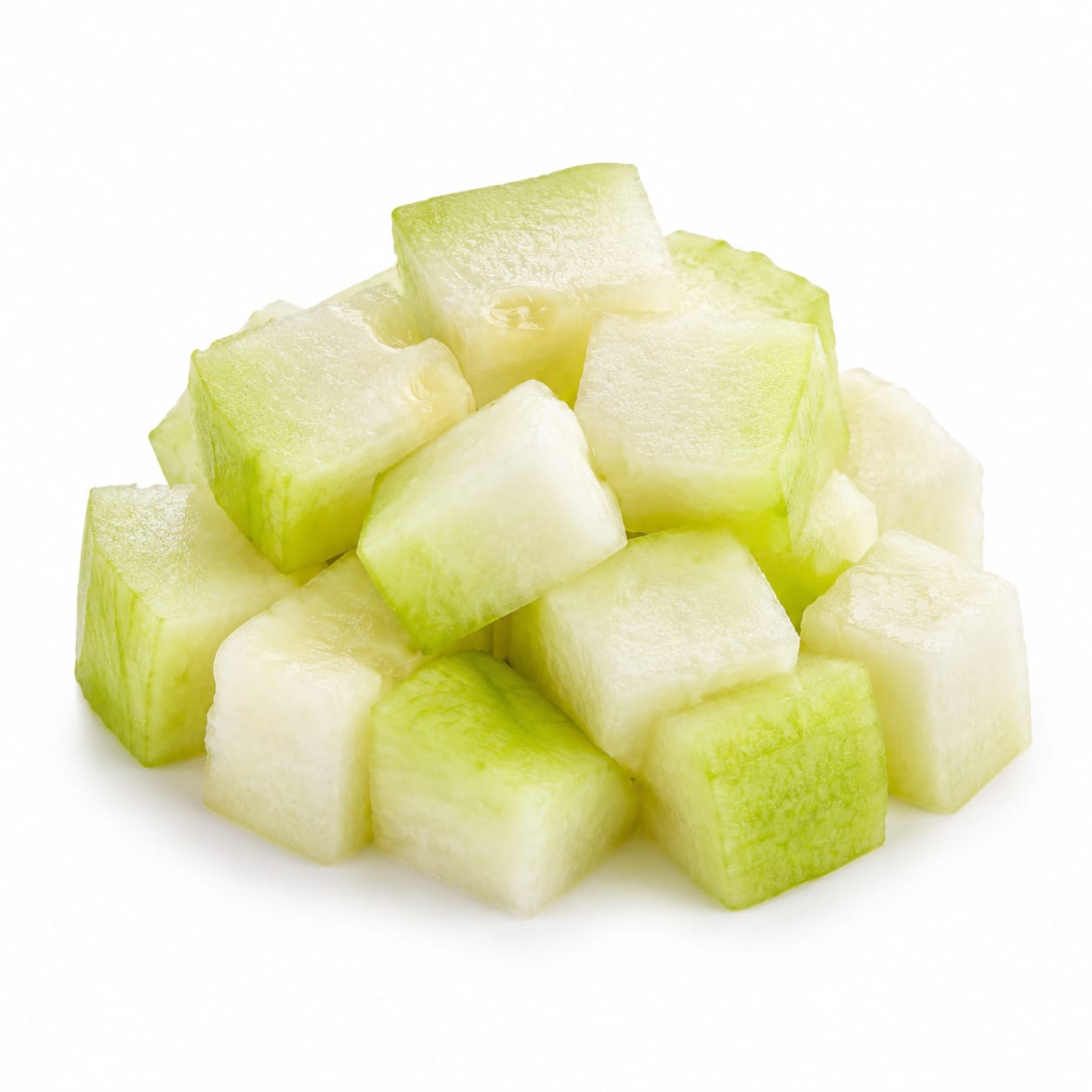
Wax Gourd
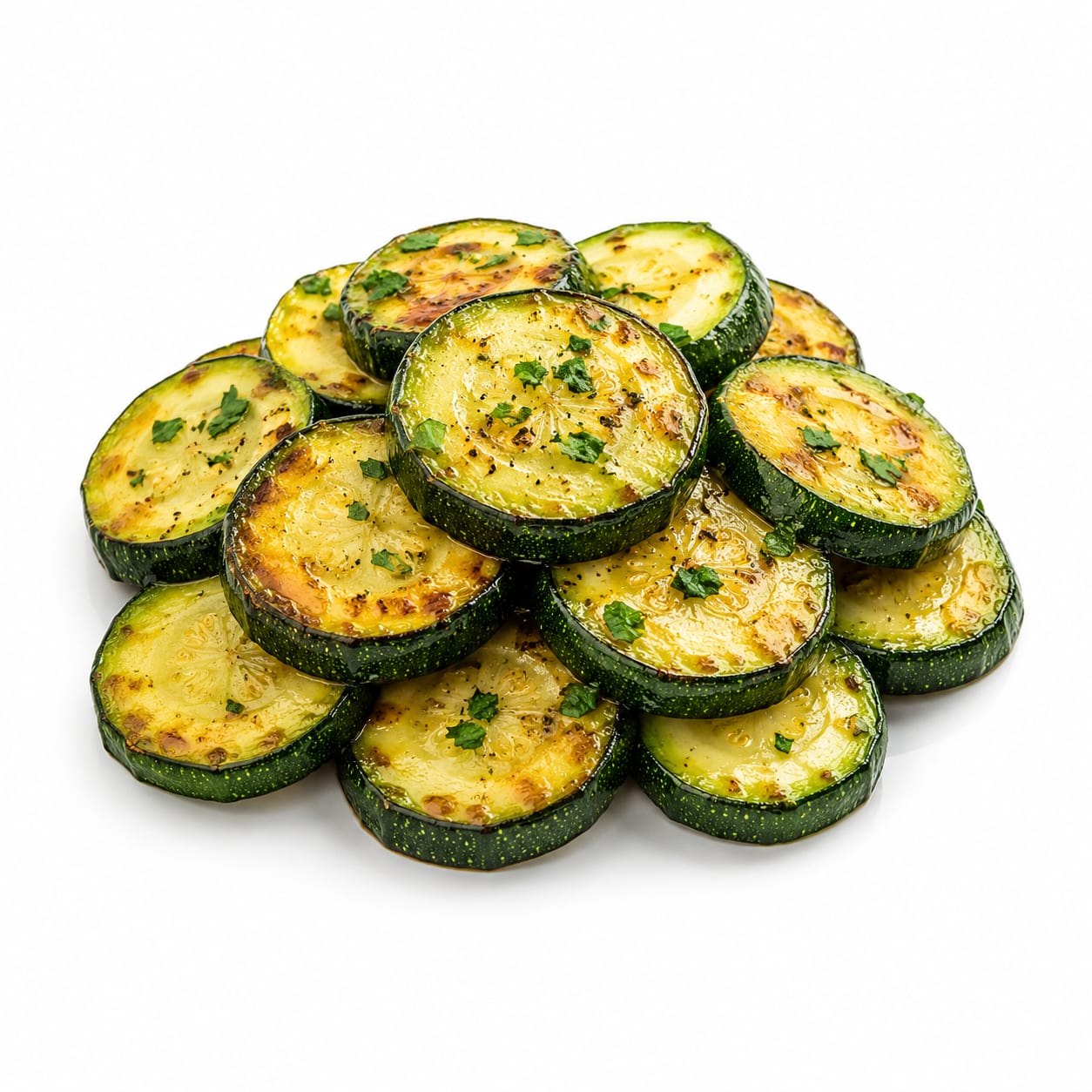
Zucchini
Zucchini is the more nutrient-dense and versatile everyday vegetable, while Wax Gourd is an ultra-low-calorie option prized for its hydrating and soothing properties.
Zucchini scores higher due to its superior fiber, vitamin content, and culinary adaptability, making it a more well-rounded daily vegetable. Wax Gourd remains a niche but excellent choice for specific low-calorie or traditional uses.
You trade the broader nutrient profile and culinary flexibility of Zucchini for the extreme hydration and minimal calorie count of Wax Gourd.
At a glance
Executive summary
Overall
It depends
Healthier
Zucchini
More practical
Zucchini
Daily use
Zucchini
Key comparison lenses
Weight management and low-calorie volume eating
Both vegetables are extremely low in calories and high in water, making them staples for filling up without overeating.
Culinary versatility and everyday practicality
Zucchini is a kitchen workhorse with many cooking methods, while Wax Gourd is more niche and requires specific preparations.
Nutrient density per calorie
Users choosing low-calorie vegetables still need to maximize their vitamin and fiber intake.
Digestive comfort and traditional medicinal use
Wax Gourd is renowned in traditional medicine for soothing the stomach, while Zucchini offers gentle fiber for regularity.
Best choice for
Wax Gourd
- Extreme calorie restriction
- Soothing an upset stomach
- Traditional Asian soups and stews
- Hot weather hydration
Zucchini
- Boosting daily vitamin intake
- Low-carb pasta alternatives
- Quick weeknight meals
- Adding fiber to your diet
Least suitable for
Wax Gourd
- Those needing high fiber intake
- Quick raw snacks
- Western-style roasting or grilling
Zucchini
- Traditional medicinal soups requiring a melting texture
- Ultra-low calorie protocols where every single calorie counts
Deep comparison
Dimension by dimension
Each lens scores both foods and breaks down who each option suits.
- Dimension 1 · Priority 95Wax Gourd
Calorie Density and Hydration
Wax Gourd · 98Zucchini · 92Wax Gourd is one of the lowest-calorie foods on the planet, offering maximum volume for nearly zero calories.
Tradeoff
While both are incredibly light, Wax Gourd provides slightly more hydration and fewer calories per bite, but with less nutritional substance.
Why it matters
When you are aggressively cutting calories or need extreme hydration, every single calorie and drop of water counts.
Real-world impact
Eating Wax Gourd soup before a meal can physically fill your stomach with almost no caloric cost, naturally reducing how much you eat afterward.
Wax Gourd
- Aggressive calorie deficits
- Hot weather hydration
- Fasting-mimicking meals
Better for
- Those who need calorie-dense recovery meals
Worse for
Zucchini
- Maintaining steady energy
- Post-workout recovery hydration
Better for
- Ultra-low calorie protocols requiring near-zero intake
Worse for
- Dimension 2 · Priority 90Zucchini
Nutrient Density and Fiber
Wax Gourd · 45Zucchini · 78Zucchini delivers significantly more Vitamin C, Vitamin A, potassium, and dietary fiber per serving.
Tradeoff
Wax Gourd sacrifices micronutrients and fiber for pure water volume, whereas Zucchini offers a more balanced nutritional profile.
Why it matters
Fiber keeps you full and feeds your gut bacteria, while vitamins support your immune system and skin.
Real-world impact
A bowl of Zucchini noodles will keep you satisfied longer and support your daily vitamin needs better than Wax Gourd soup.
Wax Gourd
- Situations requiring minimal gut stimulation like a post-surgery soft diet
Better for
- Correcting chronic constipation
- Meeting daily vitamin needs
Worse for
Zucchini
- Daily fiber goals
- Immune support
- Gut microbiome health
Better for
- Strict low-residue diets
Worse for
- Dimension 3 · Priority 85Zucchini
Culinary Versatility and Practicality
Wax Gourd · 40Zucchini · 95Zucchini can be eaten raw, spiralized, grilled, or baked, while Wax Gourd requires cooking and is best in soups or stews.
Tradeoff
Wax Gourd's mild, watery texture breaks down into soups beautifully, but it lacks the firm bite needed for salads or noodles.
Why it matters
A vegetable you can cook in 5 minutes or eat raw is much easier to incorporate into a busy lifestyle.
Real-world impact
You can quickly make Zucchini noodles for a low-carb dinner, whereas Wax Gourd requires peeling, seeding, and simmering.
Wax Gourd
- Long-simmered broths
- Traditional congee or stews
Better for
- Quick snacking
- Grilling
- Raw preparations
Worse for
Zucchini
- Quick stir-fries
- Raw salads
- Low-carb pasta substitutes
- Meal prep
Better for
- Recipes requiring a vegetable that dissolves into the broth
Worse for
- Dimension 4 · Priority 80Zucchini
Blood Sugar Stability
Wax Gourd · 75Zucchini · 85Both are excellent for blood sugar, but Zucchini's higher fiber content slows digestion more effectively.
Tradeoff
Wax Gourd has almost no carbs, which is great, but its lack of fiber means it digests very quickly without slowing glucose absorption from other foods.
Why it matters
Fiber acts like a speed bump for sugar entering your bloodstream, preventing spikes and crashes.
Real-world impact
Pairing Zucchini with a carb-heavy meal will buffer your blood sugar better than Wax Gourd.
Wax Gourd
- Very low-carb diets where total carbs must be near zero
Better for
- Providing lasting fullness on its own
Worse for
Zucchini
- Buffering blood sugar spikes from other foods
- Sustained satiety between meals
Better for
- Extremely strict zero-carb diets
Worse for
Timeline
Health impact over time
Short-term
Hours to days
Wax Gourd
- Immediate stomach soothing
- Rapid hydration
- Very light feeling after eating
Zucchini
- Quick satiety from fiber
- Mild blood sugar stabilization
- Refreshing raw crunch
Long-term
Months to years
Wax Gourd
- Potential nutrient shortfalls if used as a primary vegetable
- Consistent low-calorie volume eating
- Traditional cooling effects on the body
Zucchini
- Improved digestion and regularity
- Better long-term weight management
- Stronger immune function from consistent vitamin intake
Risk profile
Safety & processing
Both Wax Gourd and Zucchini are whole, natural vegetables typically consumed in their unprocessed state.
Wax Gourd
Pesticide residue
lowWax Gourd has a thick rind that protects the edible flesh from pesticide exposure, making it very safe.
Contamination from soil
lowSince it grows on the ground, ensure proper washing of the exterior before cutting to avoid bringing dirt into the flesh.
Zucchini
Pesticide residue
mediumZucchini is often sprayed and you eat the skin; choosing organic reduces this risk significantly.
Bitter squash toxicity
lowOccasionally, Zucchini can produce cucurbitacins causing extreme bitterness and mild toxicity; discard if it tastes unusually bitter.
Who wins for whom
Audience fit
Same foods, different winners depending on your goal.
children
ZucchiniZucchini is milder in a kid-friendly way, easily hidden in pasta sauces or cut into fun shapes.
daily consumption
ZucchiniZucchini's superior nutrient profile and culinary flexibility make it a more sustainable daily staple.
diabetes
ZucchiniZucchini's fiber content provides better blood sugar buffering, though both are excellent low-carb choices.
elderly
Wax GourdWax Gourd is incredibly gentle on the digestive tract and easy to chew, making it ideal for sensitive stomachs.
muscle gain
ZucchiniNeither is a protein powerhouse, but Zucchini offers slightly more nutrients to support active metabolism and recovery.
weight loss
Wax GourdWax Gourd's ultra-low calorie count and high water volume make it the ultimate food for filling up without adding calories.
Your move
Decision guide
Choose Wax Gourd
- You are on an aggressive calorie-cutting phase and need maximum volume.
- You have an upset stomach or need a soothing, easy-to-digest meal.
- You are cooking traditional Asian soups or stews.
- You want extreme hydration during hot weather.
Choose Zucchini
- You want a versatile vegetable for roasting, grilling, or spiralizing.
- You need to increase your daily fiber and vitamin intake.
- You are meal-prepping quick lunches or dinners.
- You want a low-carb substitute for pasta.
Either works if
- You need a low-calorie side dish to balance a heavy protein.
- You are trying to increase your daily vegetable intake without adding carbs.
Avoid both if
- You are looking for a significant source of protein or healthy fats.
- You need calorie-dense foods for weight gain.
Final recommendation
Keep Zucchini as your everyday workhorse for its fiber, vitamins, and versatility, but turn to Wax Gourd when you need a comforting, ultra-hydrating soup or want to push your calorie deficit to the absolute limit.
Practical
Consumer tips
- 1
Choose firm, unblemished Zucchini that feels heavy for its size; smaller ones have fewer seeds and better texture.
- 2
When preparing Wax Gourd, cut away the thick waxy rind and scoop out the seeded center before cubing for soup.
- 3
Spiralize Zucchini for a quick pasta alternative, but salt it lightly and pat dry to avoid a watery sauce.
- 4
Store Wax Gourd in a cool, dark place; its thick skin allows it to last for months, unlike the more perishable Zucchini.
- 5
If your Zucchini tastes unusually bitter, spit it out immediately to avoid cucurbitacin toxicity.