
Aquatic Vegetable / Starchy Seed
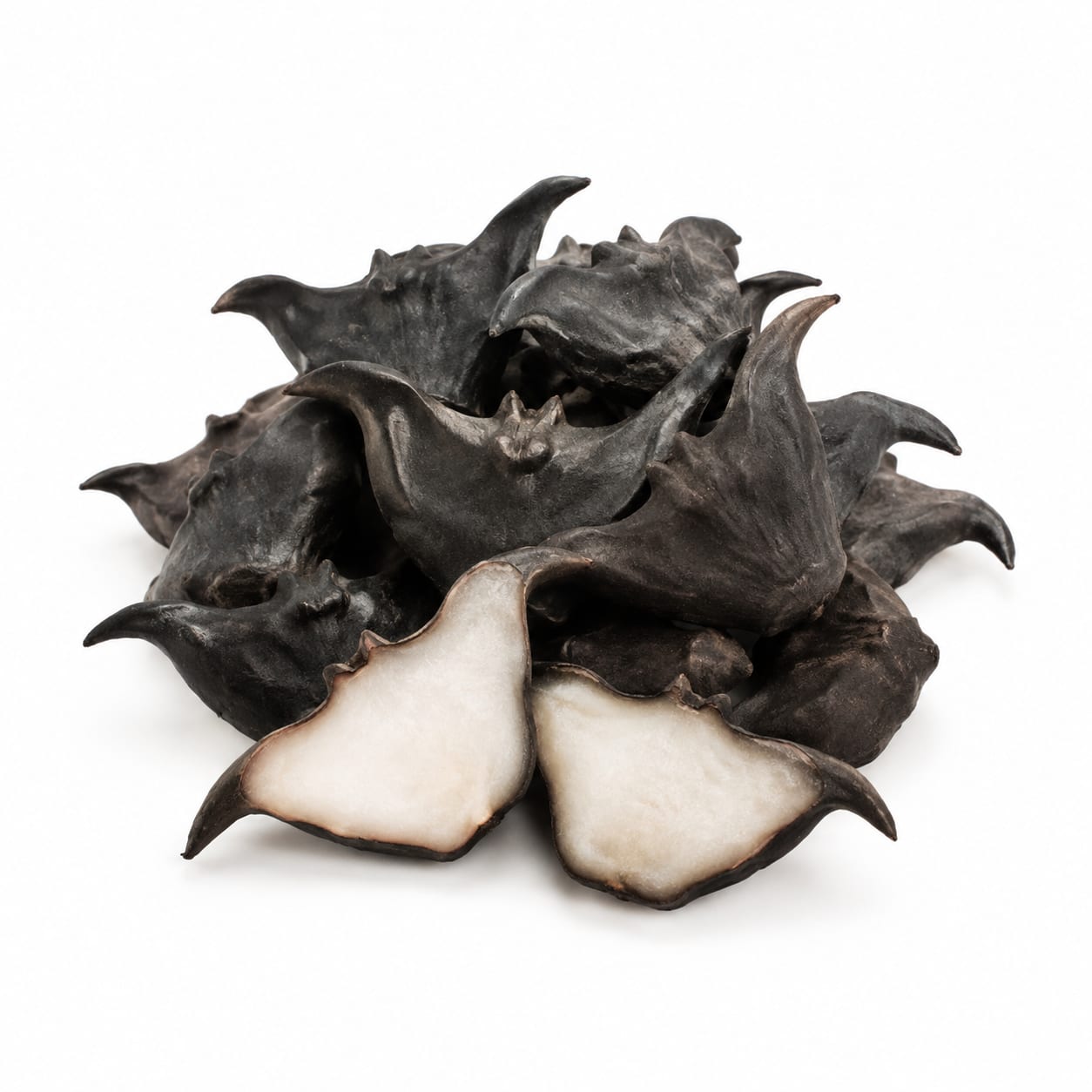
Water Caltrop
A starchy, horned aquatic fruit often boiled or roasted, known for its resistant starch and nutty flavor.
Water caltrop is an aquatic plant producing starchy, horned fruits that are typically boiled or roasted. It is distinct from the Chinese water chestnut and is prized for its nutty flavor and resistant starch content.
starchy aquatic carbohydrate source
Typical serving · 100g
Common varieties · Two-horned Caltrop, Four-horned Caltrop, European Water Chestnut, Ling (Trapa bicornis)
Overall context score across nutrition, safety, and diet fit
At a glance
Quick facts
Simple indicators based on nutrition, processing, and diet fit.
The story
What makes it unique
Water caltrop is primarily composed of complex carbohydrates and resistant starch, which digests slowly and moderates glycemic response. Its macronutrient profile is low in fat and moderate in protein. Satiety is high due to the physical density and fiber content. As a minimally processed whole food, it retains its natural nutrient matrix.
Varieties: Two-horned Caltrop · Four-horned Caltrop · European Water Chestnut · Ling (Trapa bicornis)
Per 100g
Nutrition breakdown
Macro balance and key metrics at a glance.
Energy
Density 0.97 kcal/g
Protein
Carbs
Fat
Fiber
Sugar
2 g
Sodium
10 mg
Potassium
460 mg
Glycemic index
55
Glycemic load
12
Water content
72%
Standout compounds
Nutrient highlights
Resistant Starch
highFeeds beneficial gut bacteria and improves insulin sensitivity
Potassium
moderateSupports healthy blood pressure and fluid balance
Complex Carbohydrates
highProvides sustained energy without rapid blood sugar spikes
Fiber
moderatePromotes satiety and regular bowel movements
Wellness map
Health scores & processing
NOVA processing scale
minimally processed · Whole food
Consumed as a whole food after boiling or roasting, requiring no industrial processing or artificial additives.
Diet compatibility
- Weight loss
- Muscle gain
- Diabetes
- Gut health
- Low carb
- High protein
- Heart health
Relative standing
Food rankings
Qualitative ranks compared to similar whole foods.
- Satietygood
- Blood sugargood
- Nutrient densitymoderate
- Fitness fuelgood
- Processing qualityexcellent
Eat with confidence
Food safety profile
Must be thoroughly cooked to eliminate the risk of parasitic infection; water source quality impacts heavy metal accumulation.
Evidence confidence 85%
- Pesticidesmoderate
- Antibioticslow
- Heavy metalsmoderate
- Contaminationhigh
Watch for
- Fasciolopsis buski (liver fluke)
- heavy metals from water sediment
- waterborne bacteria
Safer choices
Commercially cultivated and properly boiled water caltrop from regulated sources.
Prep tips
Scrub shells thoroughly and boil for at least 20 minutes before eating; never consume raw from wild or unknown water sources.
Raw consumption poses significant parasitic infection risk in endemic regions; agricultural runoff can affect water quality.
Deep dive
Health analysis
How this food may fit different goals and preparation choices.
Weight loss
Moderate calorie density and high fiber promote fullness, but carbohydrate content requires mindful portion control.
Blood sugar
Provides slow-digesting carbs and resistant starch, especially when cooled after cooking, preventing rapid glucose spikes.
Fitness & energy
Offers sustained complex carbohydrate energy suitable for endurance activities, though less rapid-digesting than simple carbs.
Gut health
Resistant starch and dietary fiber act as prebiotics, supporting beneficial gut bacteria and healthy bowel movements.
Processing quality
A whole food typically prepared by simple boiling or roasting, retaining its natural nutrient profile without additives.
Food safety
Primary concern is parasitic contamination from aquatic environments; thorough cooking neutralizes this risk entirely.
Common mistakes
Eating them raw or undercooked, and confusing them with the crispier, non-starchy Chinese water chestnut.
Best preparation
Boiling or roasting in the shell to ensure safety and enhance the naturally sweet, nutty flavor.
Practical guide
Best use cases
When and how this food fits real eating patterns.
Pre-workout complex carb loading
Provides sustained, slow-releasing energy for endurance training without causing a sugar crash.
Gut microbiome support
Cooled boiled water caltrop is high in resistant starch, which feeds beneficial gut bacteria.
Whole-food starchy side dish
A natural, minimally processed alternative to refined grains or potatoes for balanced meals.
Balance sheet
Pros & cons
Upsides
- High in prebiotic resistant starch
- Moderate glycemic impact suitable for steady energy
- Whole food with no artificial additives
- Good source of dietary potassium
- Promotes strong satiety per serving
Trade-offs
- Must be thoroughly cooked to avoid parasitic infection
- High in carbohydrates, not suitable for strict keto
- Can accumulate heavy metals from polluted water sources
- Labor-intensive to shell and prepare
- Lower in protein compared to other plant-based carbs
Fit check
Who is it for?
Great match
- steady pre-workout energy
- gut microbiome support
- whole-food carbohydrate sourcing
- moderate glycemic diets
Consider alternatives
- strict ketogenic diets
- raw food diets
- those needing high-protein carb sources
- people with severe waterborne parasite anxiety (if not commercially sourced)
Side by side
How it compares
Open the full head-to-head analysis for nutrition, safety, and practical tradeoffs.
This food
Water Caltrop
VS90% alike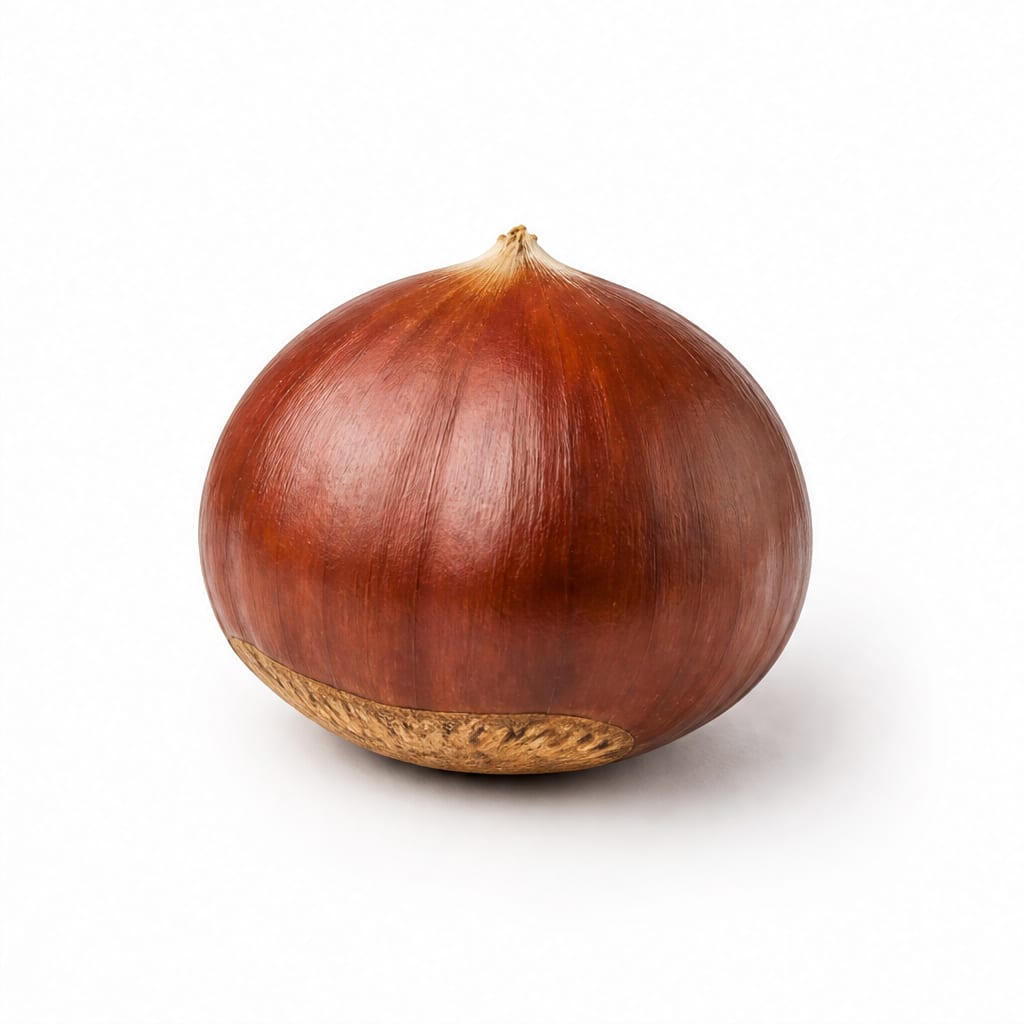
Compare with
Chestnut
Both are starchy, nutty tree seeds, but chestnuts are higher in vitamin C and easier to peel, while water caltrop offers more resistant starch.
Water caltrop provides more resistant starch for gut health, while chestnuts offer more vitamin C and are easier to prepare.
This food
Water Caltrop
VS85% alike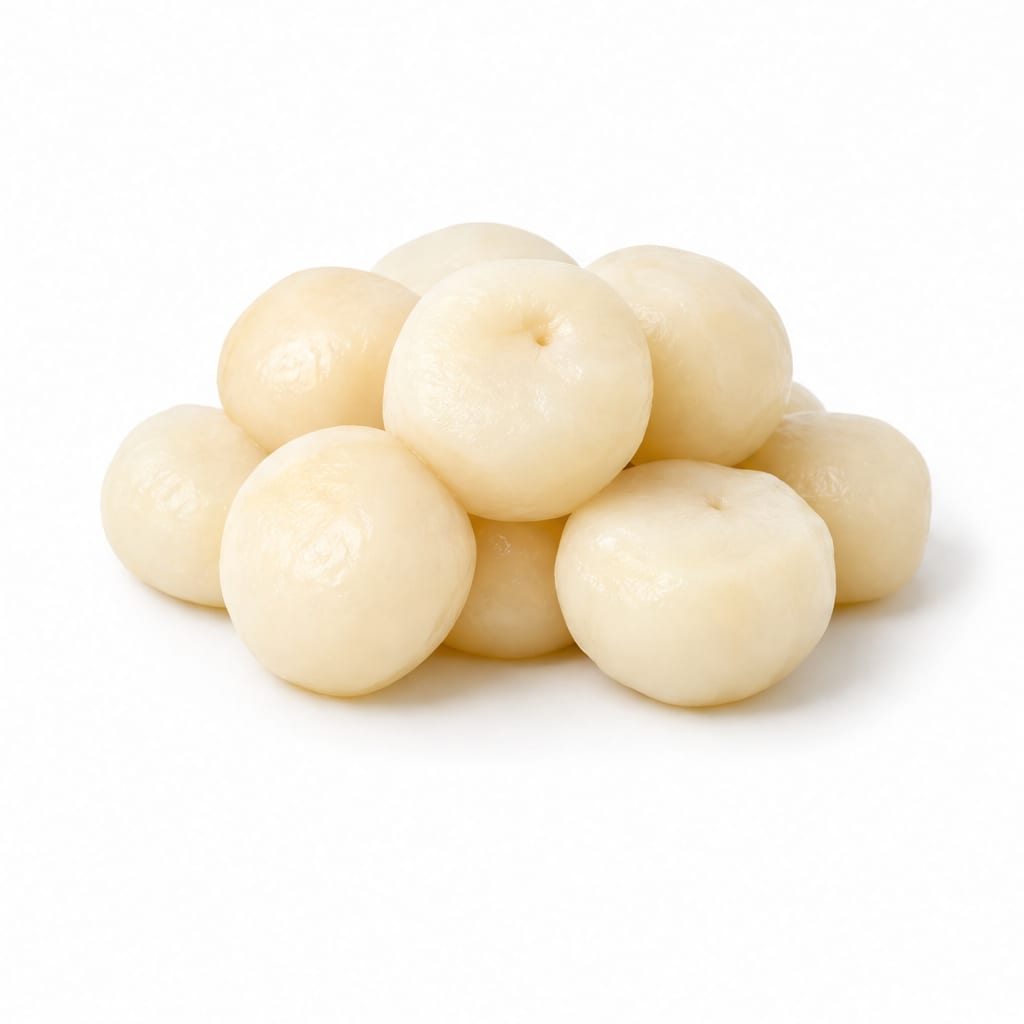
Compare with
Chinese Water Chestnut
Chinese water chestnuts are crisp and can be eaten raw, whereas water caltrop is starchy and must be cooked to be safe.
Chinese water chestnuts are lower in calories and crispier, while water caltrop is starchier and better for sustained energy.
This food
Water Caltrop
VS75% alike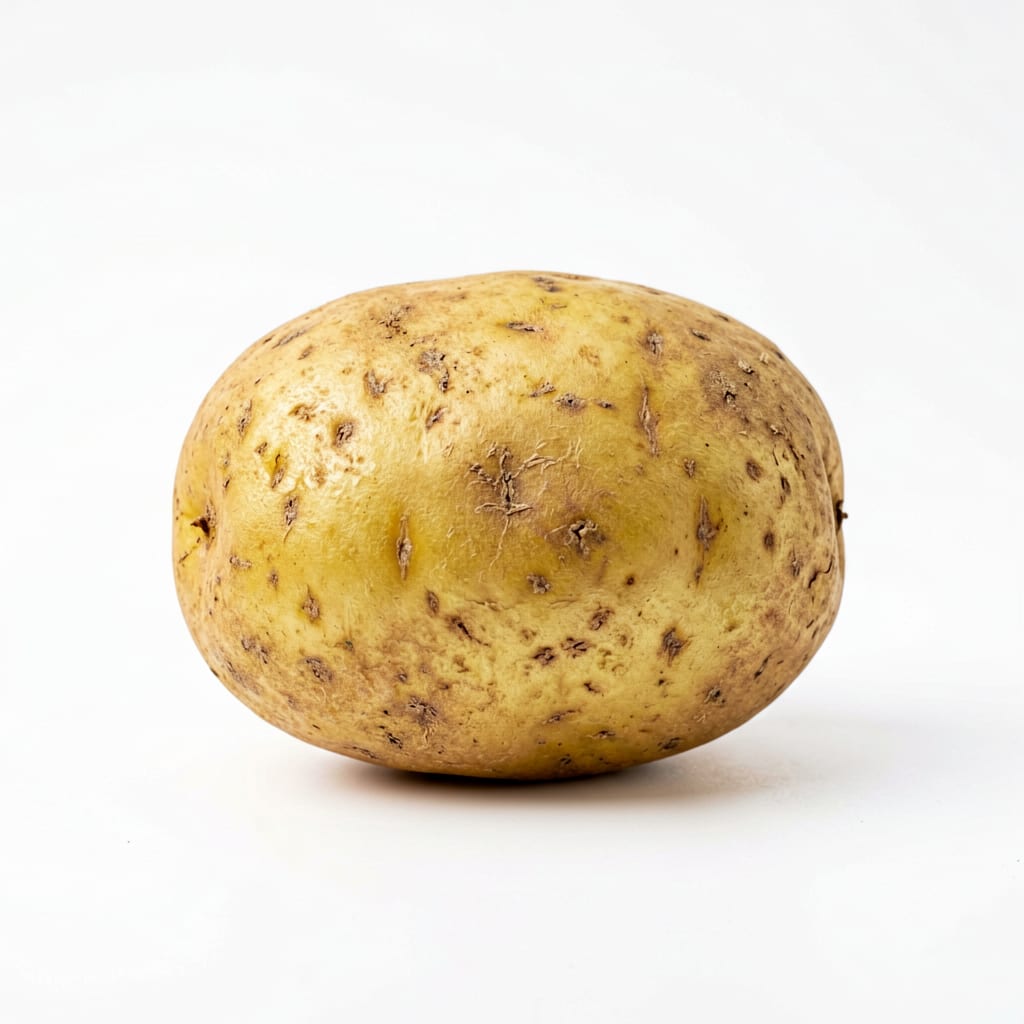
Compare with
Potato
Potatoes are a versatile staple with faster-digesting starch, while water caltrop has a lower glycemic load and more resistant starch.
Water caltrop offers a lower glycemic impact and more resistant starch than potatoes, which are better for rapid post-workout refueling.
This food
Water Caltrop
VS70% alike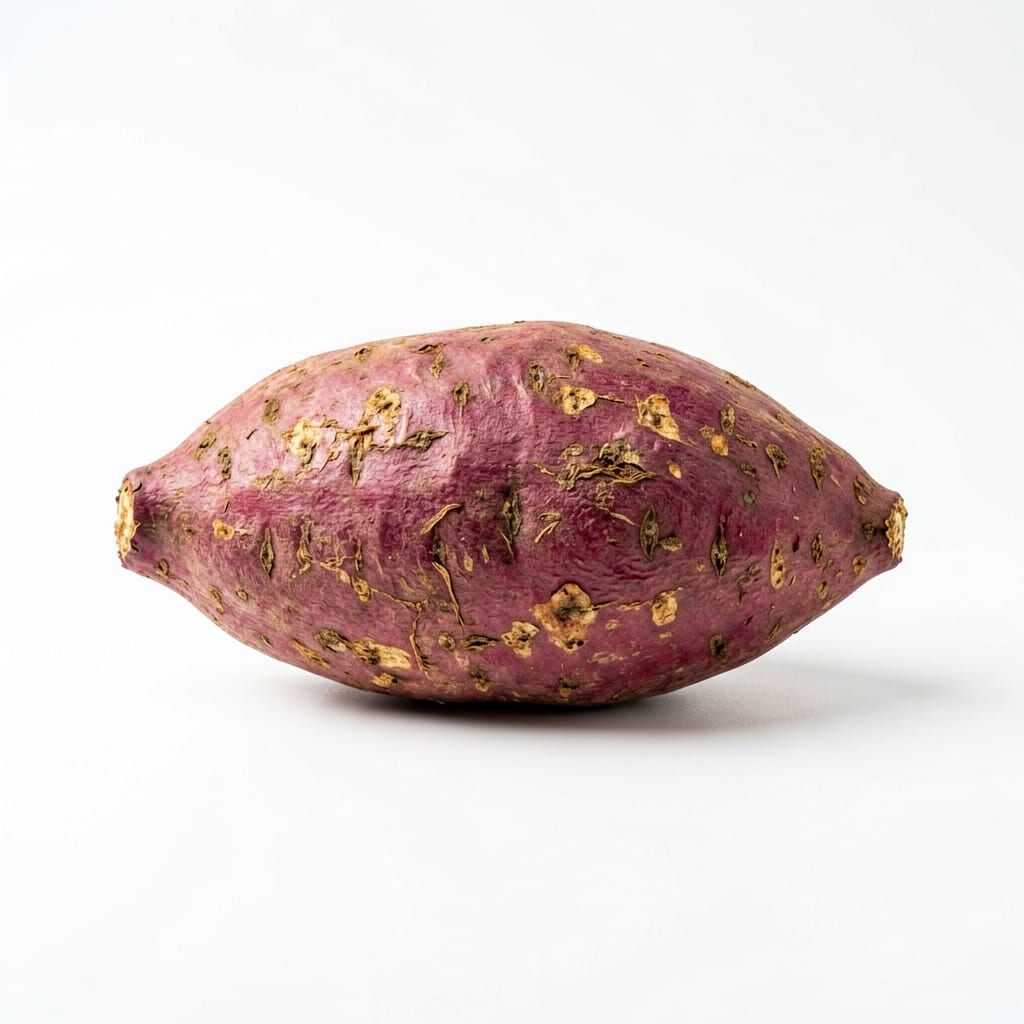
Compare with
Sweet Potato
Sweet potatoes are rich in beta-carotene and vitamin A, whereas water caltrop provides more resistant starch and a firmer, nuttier texture.
Sweet potatoes win on vitamins and antioxidant content, while water caltrop provides better resistant starch for gut health.
This food
Water Caltrop
VS75% alike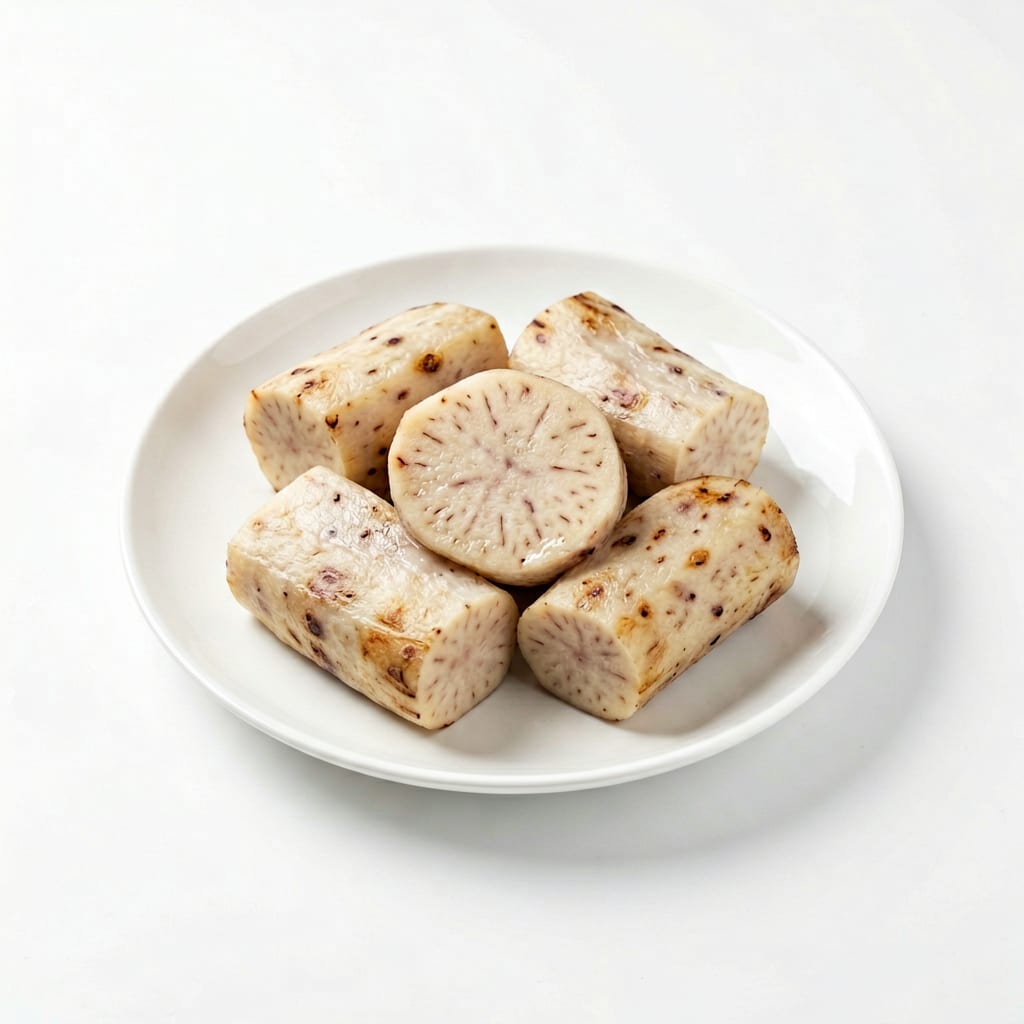
Compare with
Taro
Taro is higher in fiber and vitamin E, while water caltrop provides slightly fewer calories and more resistant starch when cooled.
Taro offers more fiber and vitamins, but water caltrop has a lower glycemic load and more prebiotic resistant starch.
This food
Water Caltrop
VS70% alike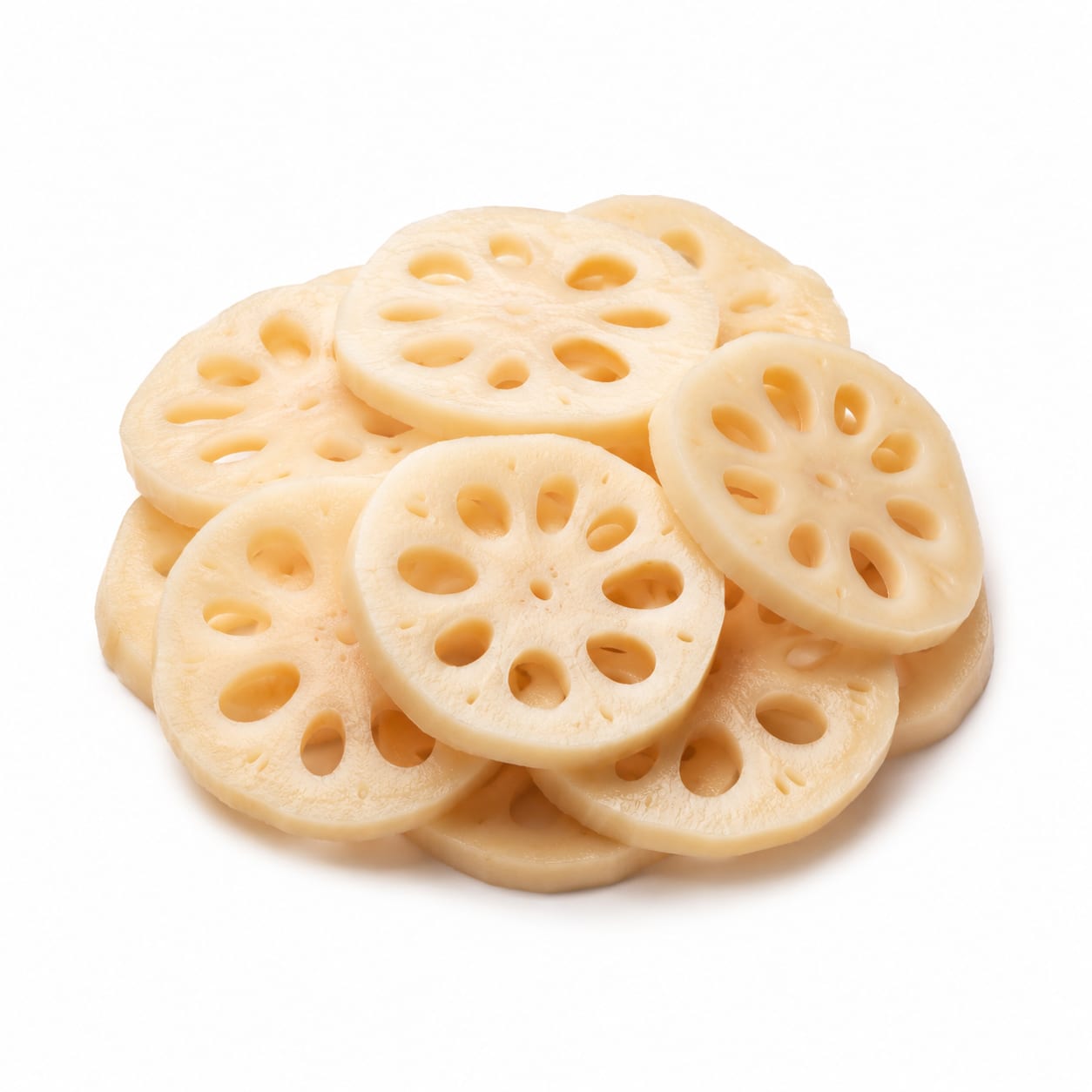
Compare with
Lotus Root
Lotus root is higher in vitamin C and crunchier, while water caltrop is starchier and provides more dense caloric energy.
Lotus root is lower in calories and higher in vitamin C, while water caltrop provides more substantial carb energy for active days.
This food
Water Caltrop
VS70% alike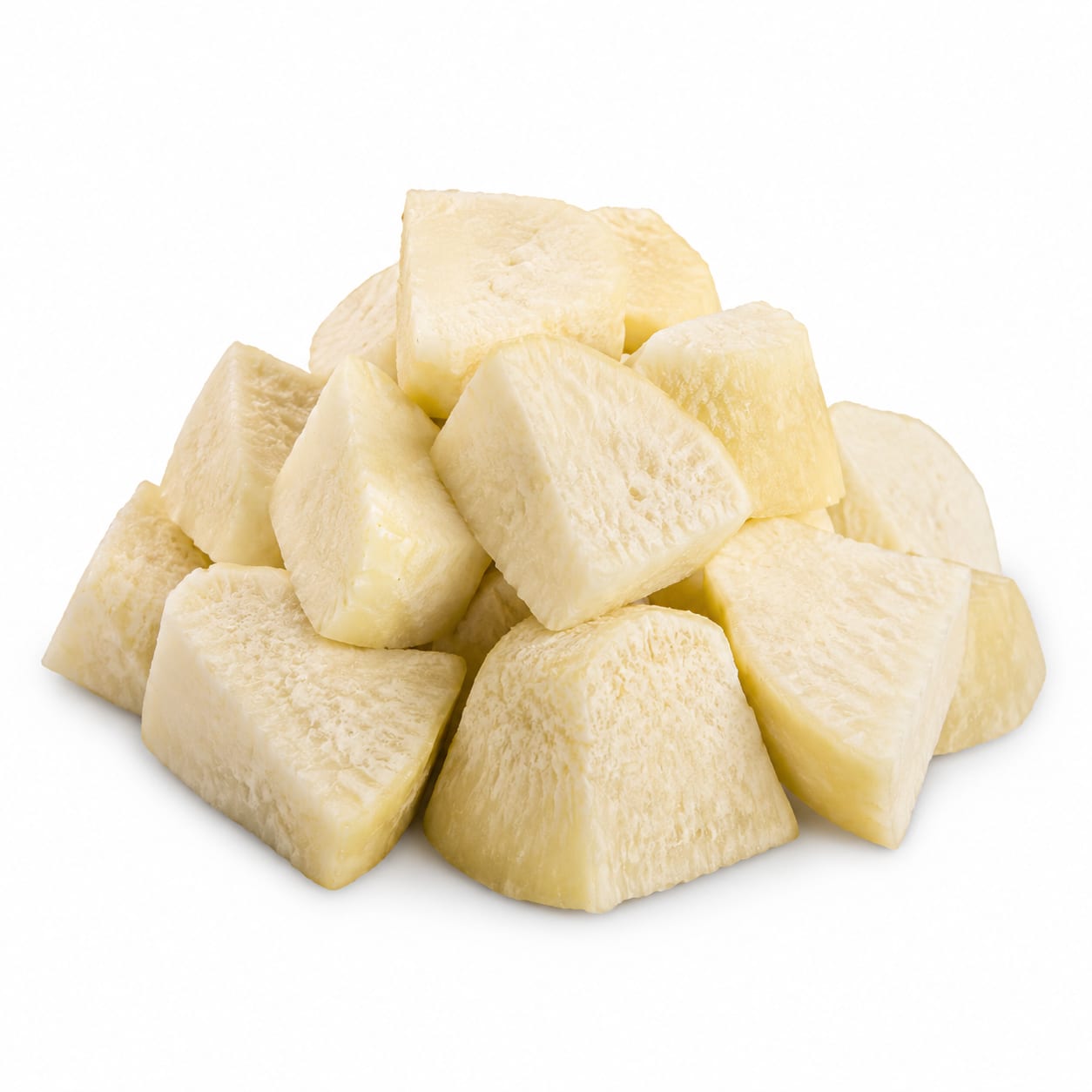
Compare with
Yam
Yams are larger and provide faster-digesting carbs, while water caltrop has a lower glycemic index and offers resistant starch benefits.
Yams are better for quick energy replenishment, while water caltrop is superior for blood sugar control and gut health.
This food
Water Caltrop
VS65% alike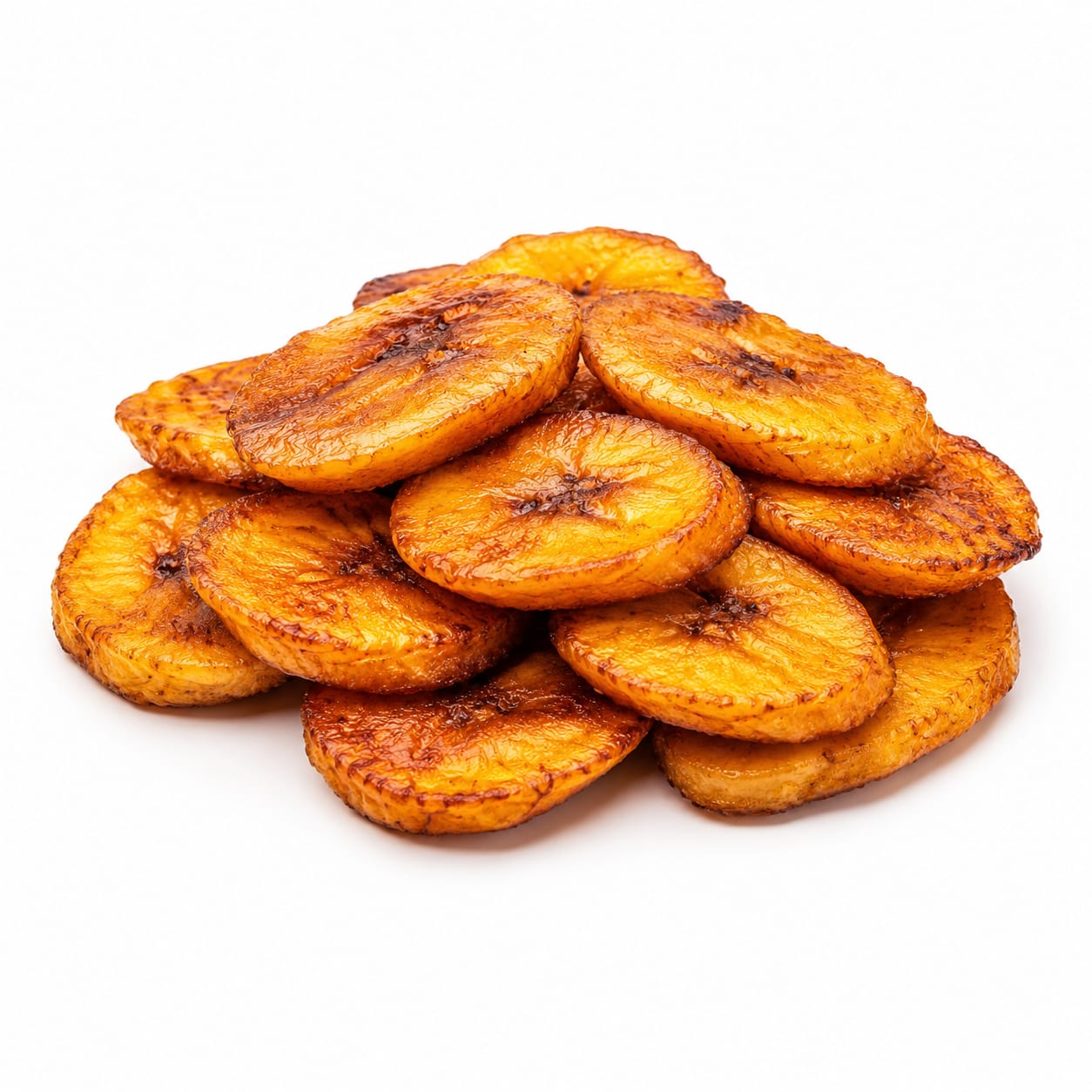
Compare with
Plantain
Plantains are higher in potassium and vitamin A, while water caltrop offers more resistant starch and fewer calories per gram.
Plantains provide more potassium and vitamins, but water caltrop is lower in calories and better for steady blood sugar.
This food
Water Caltrop
VS65% alike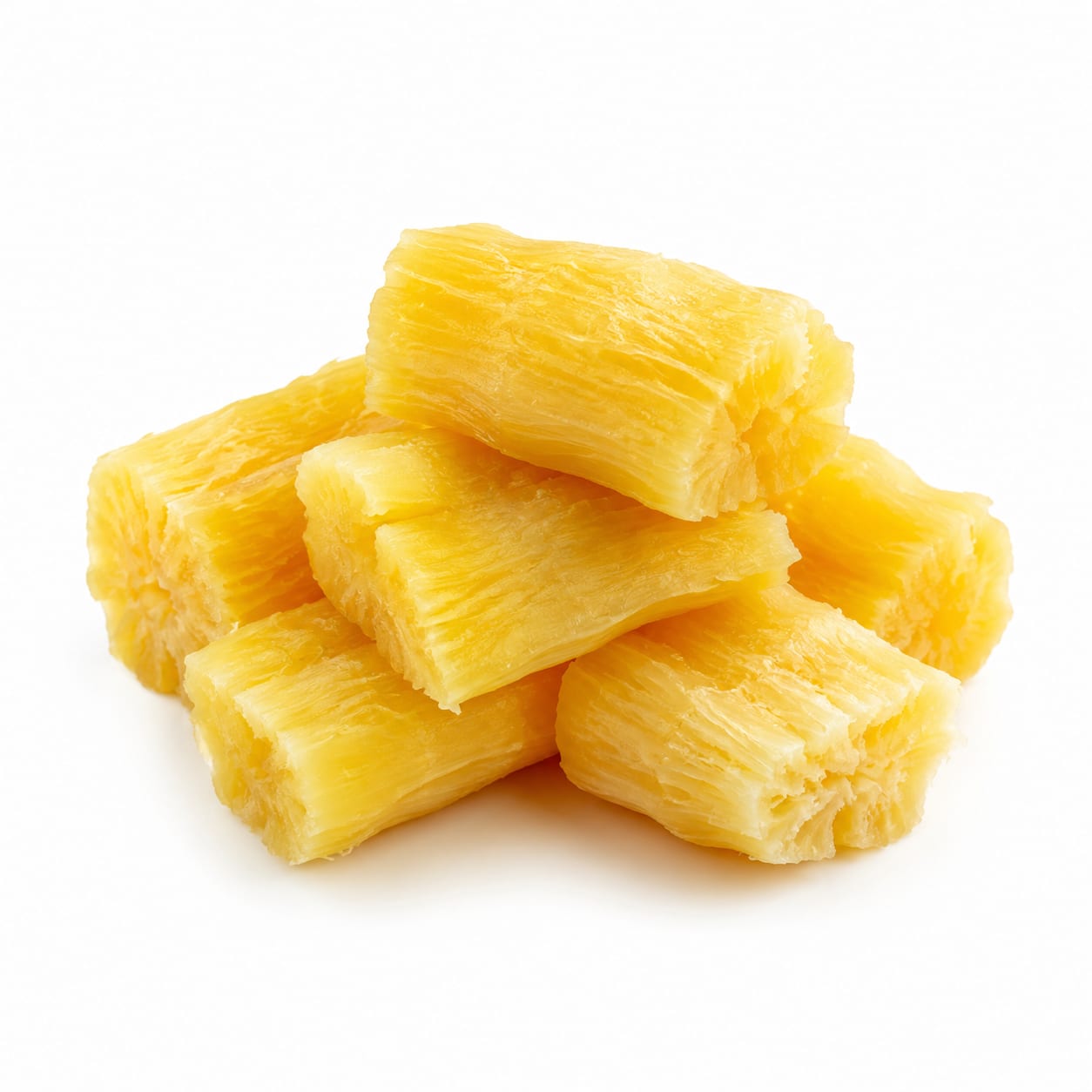
Compare with
Cassava
Cassava is much higher in calories and carbs, serving as a dense energy source, while water caltrop is lighter and richer in resistant starch.
Cassava is a heavier calorie source for intense fueling, while water caltrop is a lighter option with better gut health benefits.
This food
Water Caltrop
VS60% alike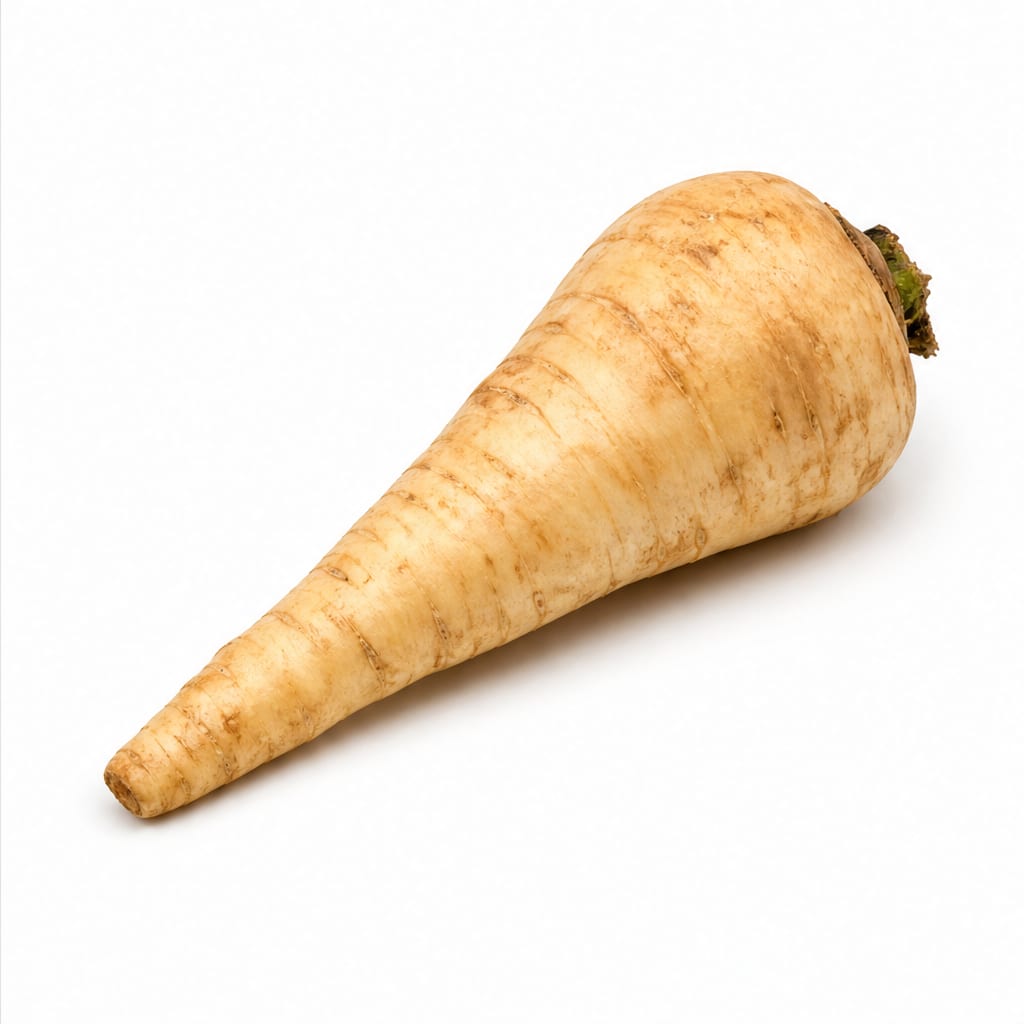
Compare with
Parsnip
Parsnips are higher in folate and vitamin C, while water caltrop provides more resistant starch and a lower glycemic load.
Parsnips offer more vitamins and folate, but water caltrop provides a lower glycemic impact and more prebiotic starch.
Common questions
FAQ
Answers aligned with how people search for this food.
Is water caltrop the same as water chestnut?
No, they are different plants. Water caltrop (Trapa natans) is a starchy, horned fruit that must be cooked, while the Chinese water chestnut (Eleocharis dulcis) is a crisp corm that can be eaten raw.
Can you eat water caltrop raw?
No, water caltrop should never be eaten raw. It frequently carries Fasciolopsis buski, an intestinal fluke. Boiling or roasting thoroughly kills the parasite and makes it safe to eat.
Is water caltrop good for weight loss?
It can be, when portioned correctly. Its resistant starch and fiber increase satiety, but it is calorie-dense compared to non-starchy vegetables, so moderation is key.
Does water caltrop spike blood sugar?
It has a moderate glycemic impact. The resistant starch slows digestion, resulting in a steadier release of glucose compared to refined carbohydrates or potatoes.
How do you cook water caltrop?
Scrub the shells thoroughly and boil for at least 20 minutes, or roast them. Once cooked, the shell is cracked open and the starchy white interior is eaten.
What does water caltrop taste like?
It has a mild, sweet, and nutty flavor with a starchy, slightly chestnut-like texture when boiled or roasted.
Is water caltrop a good source of fiber?
Yes, it provides a moderate amount of fiber, particularly resistant starch, which acts as a prebiotic to feed beneficial gut bacteria.
Can diabetics eat water caltrop?
Yes, in moderation. Its low-to-moderate glycemic index and resistant starch content help prevent sharp blood sugar spikes, but carb counts should be tracked.
Transparency
Data confidence
Estimated confidence for nutrition data, interpretation, safety notes, and comparisons.
Nutrition data
Health analysis
Food safety
Comparisons