
Nutrition comparison
Water Caltrop vs Taro: Which Starchy Staple Is Better for You?
Compare Water Caltrop and Taro nutrition, safety, digestion, and daily usability. Find out which root vegetable fits your health goals and lifestyle better.
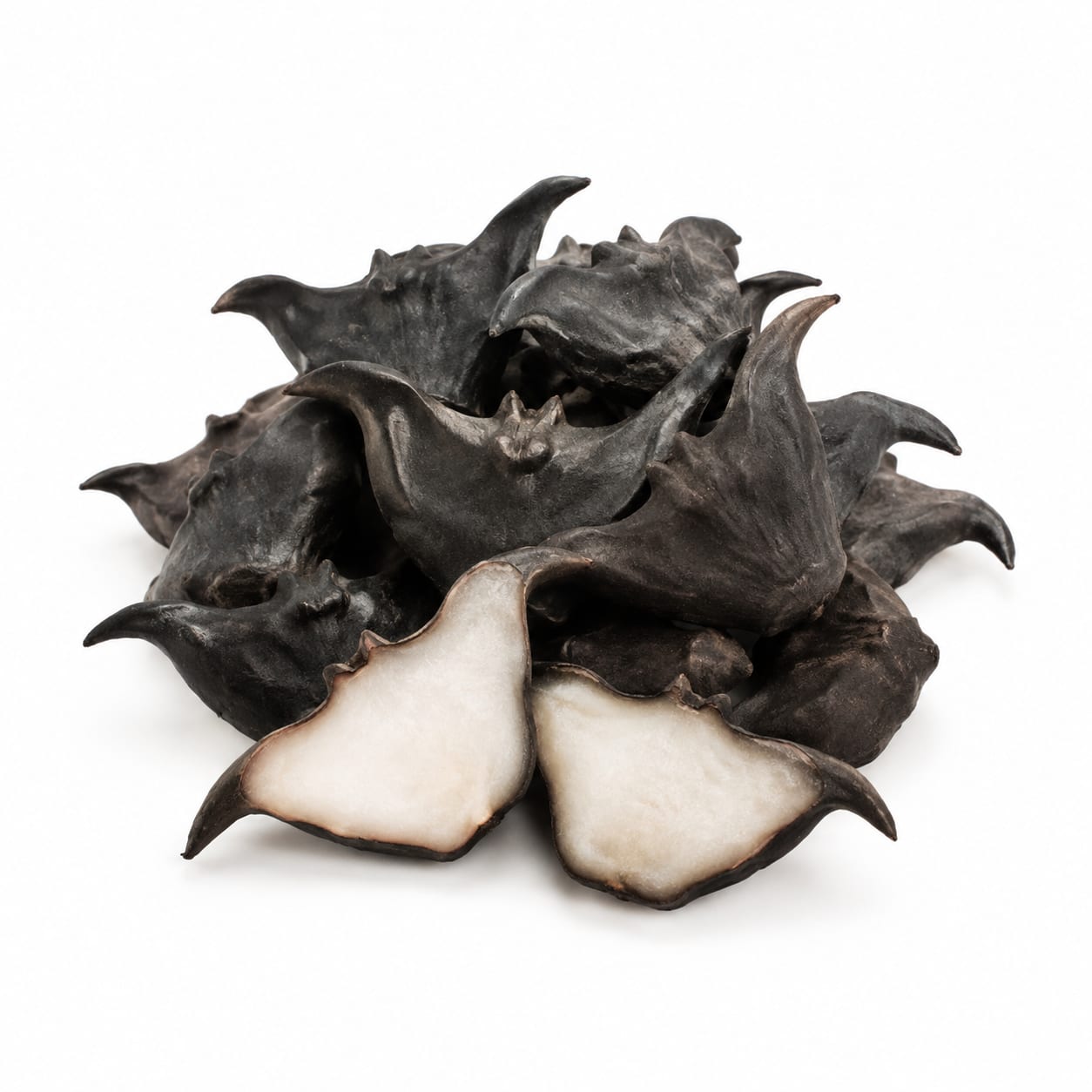
Water Caltrop
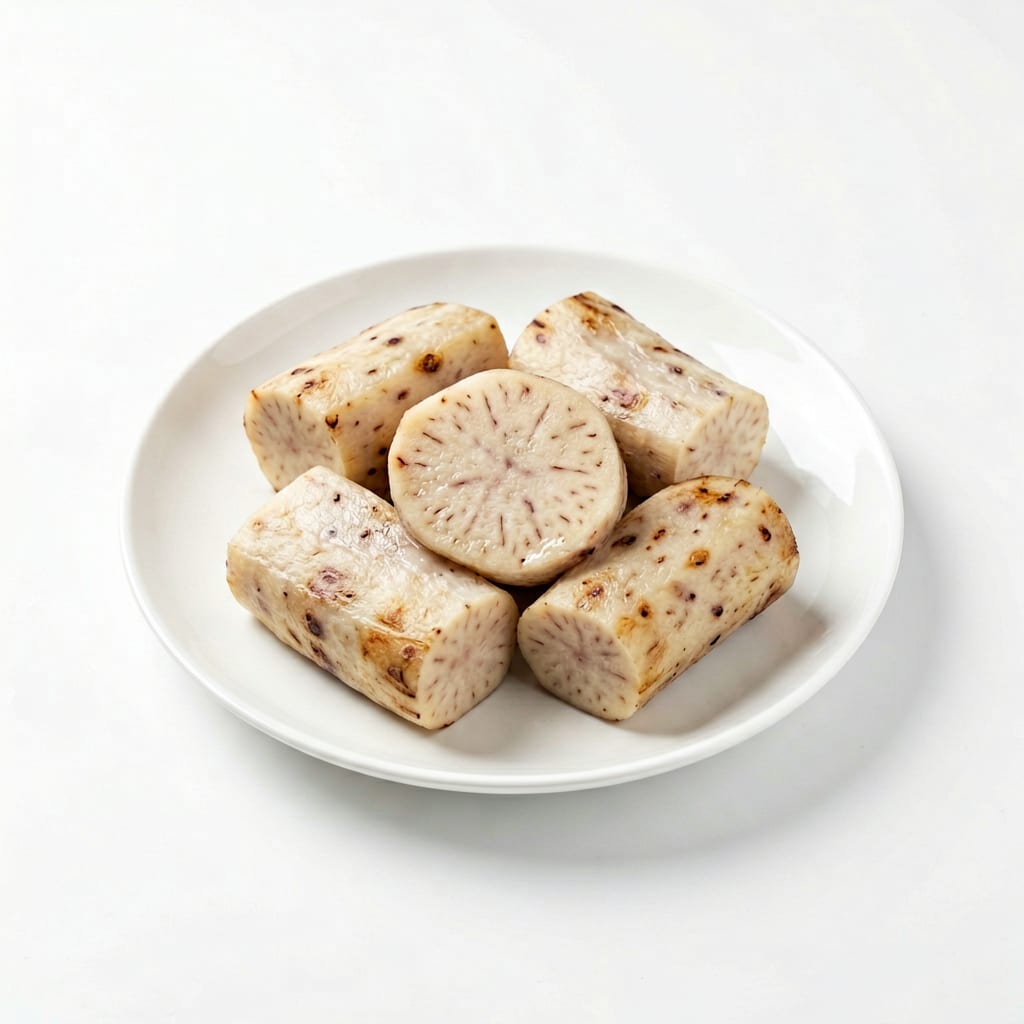
Taro
Taro is more nutritious and filling, but Water Caltrop is lighter and lower in calories. Your pick depends on whether you want sustained energy or a lighter starch option.
Taro scores notably higher due to superior fiber, vitamin content, and satiety value. Water Caltrop remains a valid lighter option but offers less nutritional return per serving. The gap reflects real differences in daily usefulness rather than one being outright bad.
Taro delivers more fiber, vitamins, and lasting fullness, while Water Caltrop offers fewer calories and a lighter eating experience with less digestive heaviness.
At a glance
Executive summary
Overall
It depends
Healthier
Taro
More practical
Taro
Daily use
Taro
Key comparison lenses
starchy root vegetable comparison for staple food choice
Both are traditional starchy staples, so users are likely deciding which to include as a carb source
safety and preparation concerns
Both foods carry specific risks if improperly prepared — parasite risk for Water Caltrop and oxalate toxicity for Taro
blood sugar and energy management
As starchy foods, glycemic impact is a key decision factor for many users
digestive comfort and gut health
Fiber content and digestibility differ meaningfully between these two
weight management and calorie density
Calorie density differs enough to matter for portion-aware eaters
Best choice for
Water Caltrop
- People wanting a lower-calorie starchy side
- Those who find heavy root vegetables too filling
- Anyone seeking a light, crunchy snack texture
- People managing calorie intake while still eating carbs
Taro
- People needing sustained energy from a staple carb
- Anyone prioritizing fiber and digestive regularity
- Those wanting more vitamins and minerals per serving
- Active individuals needing filling, long-lasting fuel
Least suitable for
Water Caltrop
- People with compromised immune systems worried about parasite exposure
- Anyone seeking high nutrient density per calorie
- Those unfamiliar with proper preparation techniques
Taro
- People prone to kidney stones due to oxalate content
- Anyone sensitive to throat irritation from undercooked tubers
- Those wanting a low-calorie or light starch option
Deep comparison
Dimension by dimension
Each lens scores both foods and breaks down who each option suits.
- Dimension 1 · Priority 90Taro
Nutritional Density
Water Caltrop · 48Taro · 78Taro provides significantly more fiber, potassium, vitamin E, and B6 per serving than Water Caltrop.
Tradeoff
Water Caltrop is lower in calories but also lower in most micronutrients — you get less of almost everything except a lighter calorie load.
Why it matters
If your staple carb is a major nutrient source, Taro pulls more weight. Water Caltrop works better as an occasional light side.
Real-world impact
A serving of Taro covers a meaningful chunk of your daily fiber and potassium. Water Caltrop contributes less toward daily nutritional goals.
Water Caltrop
- Low-calorie meal plans
- Light snacking occasions
Better for
- Reliance as a primary nutrient source
Worse for
Taro
- Meeting daily fiber targets
- Getting more vitamins from carb sources
- Nutrient-dense meal building
Better for
- Strict calorie-cutting phases
Worse for
- Dimension 2 · Priority 82Taro
Blood Sugar Stability
Water Caltrop · 55Taro · 70Taro's higher fiber and resistant starch content slows glucose absorption more effectively than Water Caltrop.
Tradeoff
Water Caltrop has slightly fewer carbs per serving but less fiber to buffer the blood sugar rise, making its glycemic impact less predictable.
Why it matters
Steadier blood sugar means fewer energy crashes and better hunger control throughout the day.
Real-world impact
After a Taro-based meal, you are less likely to feel hungry again within two hours. Water Caltrop may leave you reaching for a snack sooner.
Water Caltrop
- Small portion side dishes where carb load is minimal
Better for
- Large portions as a standalone carb
Worse for
Taro
- Sustained afternoon energy
- Pre-workout meals needing lasting fuel
- Blood sugar management
Better for
- Very low-carb dietary phases
Worse for
- Dimension 3 · Priority 85Taro
Satiety and Fullness
Water Caltrop · 45Taro · 80Taro is substantially more filling due to its fiber content, resistant starch, and denser caloric profile.
Tradeoff
Water Caltrop feels lighter in the stomach, which is great when you want less heaviness but poor when you need lasting fullness.
Why it matters
Foods that keep you full longer make it easier to avoid overeating later in the day.
Real-world impact
A Taro-based lunch can easily carry you to dinner. Water Caltrop as a main carb may leave you hungry again within a couple of hours.
Water Caltrop
- Hot weather eating when heavy meals feel unpleasant
- Light dinner preferences
Better for
- Appetite control as a main dish
Worse for
Taro
- Long workdays without snack access
- Post-workout recovery meals
- Anyone who struggles with between-meal hunger
Better for
- Occasions where you want to stay light and agile after eating
Worse for
- Dimension 4 · Priority 88Taro
Safety and Preparation Risk
Water Caltrop · 50Taro · 62Both foods require proper cooking, but Water Caltrop carries a parasite risk that Taro does not, while Taro poses oxalate and throat irritation risks.
Tradeoff
Water Caltrop's Fasciolopsis parasite risk from raw consumption is more dangerous than Taro's oxalate irritation, though both are resolved by thorough cooking.
Why it matters
Improper preparation of either food can cause real harm, but the severity of potential consequences differs.
Real-world impact
Eating raw Water Caltrop can lead to serious intestinal infection. Undercooked Taro causes immediate throat itching and swelling. Both are preventable with proper cooking.
Water Caltrop
- Experienced cooks familiar with traditional preparation
Better for
- Anyone who might eat it raw out of curiosity
- Regions with poor water quality where it grows
Worse for
Taro
- Home cooks wanting a more forgiving safety margin
- Households with children who might sample raw ingredients
Better for
- People with history of kidney stones
- Those sensitive to oxalates
Worse for
- Dimension 5 · Priority 72It depends
Digestive Comfort
Water Caltrop · 65Taro · 65Water Caltrop is gentler on the stomach in small amounts, while Taro's fiber supports gut health but can cause bloating if you eat too much too fast.
Tradeoff
Water Caltrop is easier on a sensitive stomach in the moment, but Taro feeds your gut microbiome better over time.
Why it matters
Immediate comfort and long-term gut health sometimes pull in different directions.
Real-world impact
If your stomach is easily upset, Water Caltrop feels safer today. If you want better digestion weeks from now, Taro's fiber is the better investment.
Water Caltrop
- Recovering from stomach illness
- Sensitive digestion days
Better for
- Anyone needing more daily fiber
Worse for
Taro
- Building long-term digestive regularity
- Supporting healthy gut bacteria
Better for
- Acute digestive sensitivity
- IBS flare-ups where fiber aggravates symptoms
Worse for
- Dimension 6 · Priority 68Taro
Culinary Versatility and Convenience
Water Caltrop · 45Taro · 78Taro is far more versatile — it can be boiled, mashed, fried, baked, or turned into flour. Water Caltrop is mostly boiled or roasted.
Tradeoff
Taro fits into almost any meal format, while Water Caltrop is more of a specialty ingredient with limited recipe flexibility.
Why it matters
A staple you can cook many ways is easier to eat regularly without getting bored.
Real-world impact
You can meal-prep Taro in five different ways across a week. Water Caltrop gets repetitive faster.
Water Caltrop
- Traditional recipes where it is a cultural staple
- Roasted snack preparations
Better for
- Cooks wanting ingredient flexibility
Worse for
Taro
- Weekly meal prep diversity
- Replacing potato in various dishes
- Baking and dessert applications
Better for
- Quick-prep needs since it requires peeling and thorough cooking
Worse for
Timeline
Health impact over time
Short-term
Hours to days
Water Caltrop
- Light energy without heaviness when properly cooked
- Possible parasite infection if consumed raw or undercooked
- Lower immediate blood sugar load in small portions
Taro
- Lasting fullness and sustained energy after meals
- Throat and mouth irritation if undercooked due to calcium oxalate crystals
- Possible bloating if large portions are eaten suddenly
Long-term
Months to years
Water Caltrop
- Lower fiber intake if used as a primary starch
- Minimal contribution to long-term gut health
- Maintained lighter body weight if replacing denser starches
Taro
- Improved digestive regularity from consistent fiber intake
- Better potassium intake supporting blood pressure management
- Potential kidney stone risk for susceptible individuals from oxalates
Risk profile
Safety & processing
Both Water Caltrop and Taro are whole, minimally processed foods typically sold in their natural state. Neither carries meaningful additive concerns when purchased fresh.
Water Caltrop
Fasciolopsis parasite infection
highRaw Water Caltrop can carry Fasciolopsis buski, a large intestinal fluke. Thorough boiling or roasting eliminates this risk entirely. Never eat it raw.
Waterborne contamination
mediumSince it grows in stagnant or slow-moving water, bacterial contamination of the outer shell is possible. Wash thoroughly before handling and cooking.
Taro
Calcium oxalate crystal irritation
mediumRaw or undercooked Taro contains needle-like calcium oxalate crystals that cause immediate burning, itching, and swelling in the mouth and throat. Always cook thoroughly until completely soft.
Oxalate contribution to kidney stones
mediumTaro contains significant oxalates. People with a history of calcium oxalate kidney stones should limit intake or pair it with calcium-rich foods to reduce absorption.
Who wins for whom
Audience fit
Same foods, different winners depending on your goal.
children
TaroTaro is more nutritious for growing bodies and the safety risk from undercooking is immediately obvious (throat irritation), whereas Water Caltrop's parasite risk is invisible and more dangerous.
daily consumption
TaroTaro's broader nutrient profile, better satiety, and greater recipe versatility make it a more sustainable daily staple than Water Caltrop.
diabetes
TaroTaro's higher fiber and resistant starch slow glucose absorption more effectively, leading to steadier blood sugar responses compared to Water Caltrop.
elderly
TaroTaro's potassium supports blood pressure management and its fiber helps with common age-related digestive sluggishness, though it must be cooked very soft for easy chewing.
muscle gain
TaroTaro provides more sustained carbohydrates and slightly more protein per serving, supporting training fuel and recovery better than the lighter Water Caltrop.
weight loss
Water CaltropWater Caltrop's lower calorie density lets you eat a satisfying volume while keeping calories in check, though Taro's superior satiety may prevent overeating later.
Your move
Decision guide
Choose Water Caltrop
- You want a lighter, lower-calorie starchy option
- You occasionally enjoy traditional preparations like boiled or roasted Water Caltrop
- Heavy root vegetables leave you feeling overly full
- You are carefully tracking calories and want more volume for fewer calories
Choose Taro
- You need a reliable, filling staple carb for daily meals
- Digestive regularity and fiber intake are priorities
- You want more vitamins and minerals from your carb sources
- You cook regularly and value ingredient versatility
- Sustained energy without crashes matters for your schedule
Either works if
- You want a whole-food starch instead of refined grains
- You enjoy traditional Asian or tropical cuisine
- You are comfortable with proper preparation techniques for both
Avoid both if
- You are on a strict low-carb or ketogenic diet
- You have severe oxalate restrictions and also fear parasite exposure
- You have no reliable way to thoroughly cook either food
Final recommendation
For most people, Taro is the better everyday staple — it fills you up longer, delivers more nutrients, and supports digestive health. Water Caltrop earns a place as an enjoyable lighter alternative when you want less heaviness or fewer calories, but it should not be your primary carb source. Whichever you choose, always cook thoroughly: both foods carry real risks when raw.
Practical
Consumer tips
- 1
Never eat Water Caltrop raw — always boil or roast it fully to eliminate parasite risk
- 2
If Taro makes your hands itch while peeling, wear gloves or peel under running water to reduce oxalate crystal contact
- 3
Pair Taro with a calcium-rich food like yogurt or cheese to reduce oxalate absorption if you are concerned about kidney stones
- 4
Water Caltrop makes an excellent light snack boiled with a pinch of salt when you want something starchy but not heavy
- 5
Store Taro in a cool, dry place and use within a week — it spoils faster than most people expect
- 6
If you are new to cooking Taro, cut it small and boil until completely tender to guarantee the oxalate crystals are broken down