
Nutrition comparison
Water Caltrop vs Cassava: Safety, Nutrition, and Which Starch to Choose
Compare water caltrop and cassava on nutrition, safety risks, blood sugar impact, and practicality. Learn which starchy staple fits your diet and how to prepare both safely.
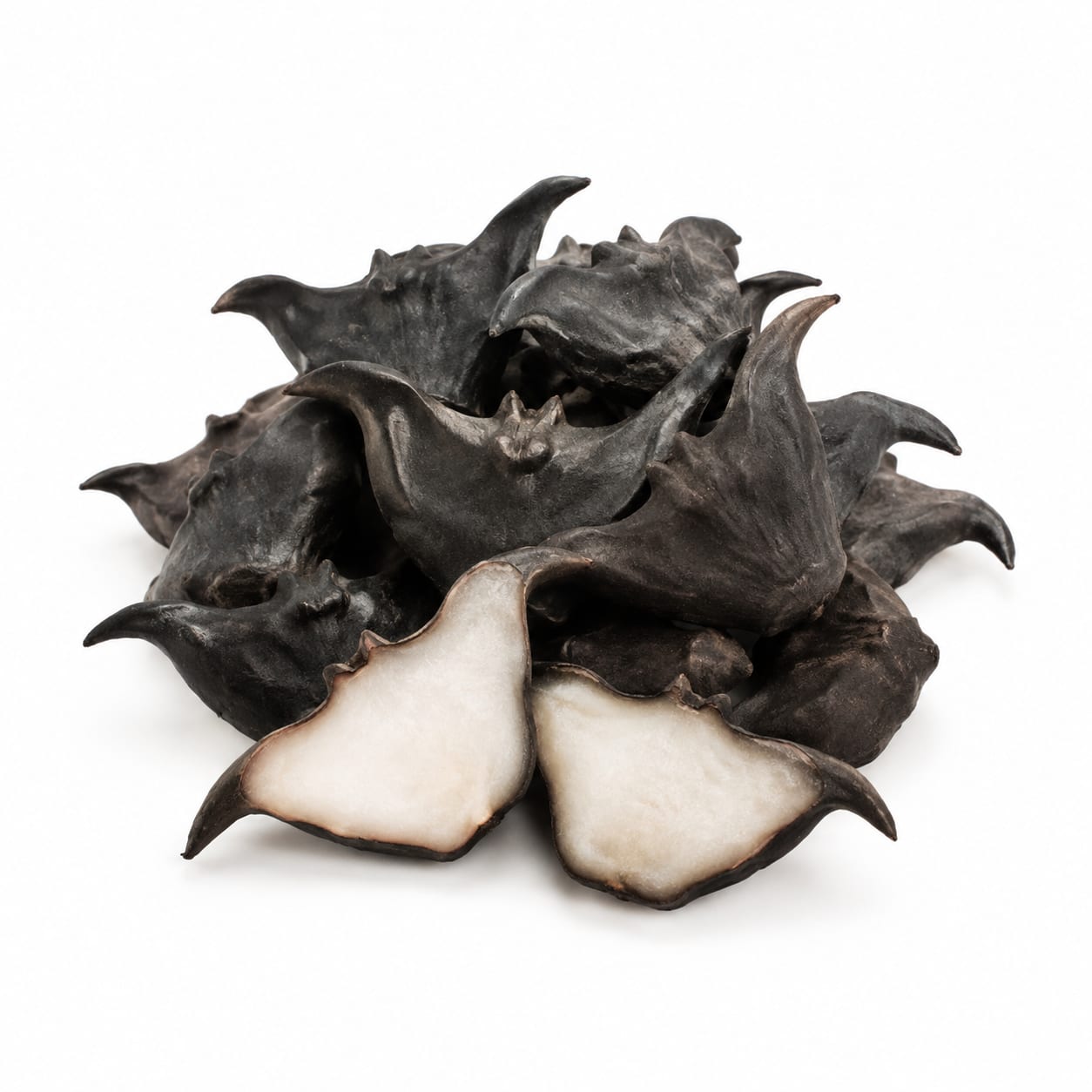
Water Caltrop
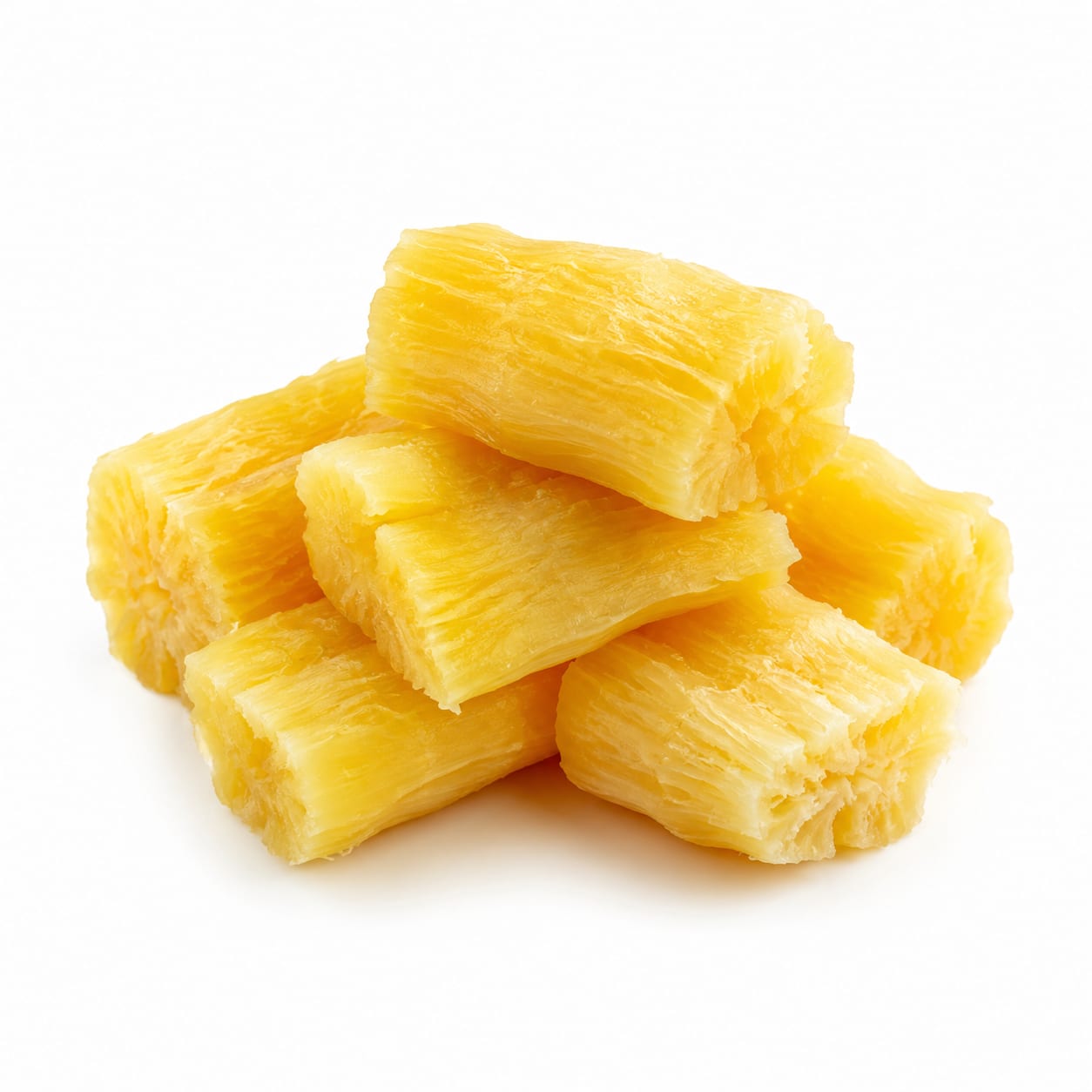
Cassava
Water caltrop offers slightly better nutrition and lower calorie density, but cassava is far more accessible and versatile—both demand careful preparation to be safe.
Water caltrop edges ahead on nutrition but loses ground on practicality and availability. Cassava scores lower on nutrient density and safety but wins on accessibility and caloric reliability. Both are penalized for significant safety concerns that require proper handling.
Water caltrop gives you more protein and minerals per bite, while cassava gives you more calories and widespread availability at the cost of lower nutrient density and higher cyanide risk if poorly processed.
At a glance
Executive summary
Overall
It depends
Healthier
Water Caltrop
More practical
Cassava
Daily use
Cassava
Key comparison lenses
toxin and parasite safety
Both foods carry serious safety risks that demand proper preparation—cassava contains cyanogenic glycosides, water caltrop can harbor parasites
staple carbohydrate comparison
Both serve as starchy staples in tropical and subtropical diets, so users are likely choosing between them as carb sources
nutritional density per calorie
Neither is nutrient-dense relative to vegetables, but meaningful differences exist in protein, minerals, and fiber
preparation difficulty and accessibility
Both require specific processing to be safe, which heavily impacts real-world usability
blood sugar and energy stability
As high-carb foods, their glycemic impact matters for daily energy and metabolic health
Best choice for
Water Caltrop
- People seeking lower-calorie starch options
- Those wanting more protein from their carb source
- Diets prioritizing mineral intake like potassium and iron
Cassava
- People needing affordable, calorie-dense staples
- Those relying on widely available tropical carbs
- Anyone making flour or tapioca-based recipes
Least suitable for
Water Caltrop
- People with limited access to thorough cooking facilities
- Anyone unfamiliar with proper aquatic food preparation
- Those needing a reliable daily calorie source
Cassava
- People with cyanide sensitivity or poor processing knowledge
- Low-protein diets where every gram matters
- Those managing blood sugar spikes
Deep comparison
Dimension by dimension
Each lens scores both foods and breaks down who each option suits.
- Dimension 1 · Priority 95Water Caltrop
food_safety_and_toxin_risk
Water Caltrop · 55Cassava · 40Water caltrop carries parasite risk from raw consumption, but thorough cooking eliminates it. Cassava's cyanogenic glycosides are more dangerous and harder to fully remove, especially in bitter varieties.
Tradeoff
Parasites from water caltrop are killed by boiling, while cassava's cyanide compounds require multiple steps—peeling, soaking, fermenting, and cooking—and residual toxins can still remain in bitter varieties.
Why it matters
Improperly prepared cassava causes acute cyanide poisoning and chronic neurological conditions like konzo. Water caltrop's parasite risk, while serious, is more straightforward to eliminate.
Real-world impact
If you boil water caltrop thoroughly, you're safe. With cassava, even experienced cooks can miss steps, and certain varieties demand days of soaking before they're safe to eat.
Water Caltrop
- Casual home cooks who follow basic boiling instructions
- People buying pre-cooked or canned versions
Better for
- Anyone eating raw or undercooked water caltrop from unknown sources
Worse for
Cassava
- Communities with traditional multi-step processing knowledge
- Those using sweet cassava varieties with lower cyanide content
Better for
- Children and pregnant women if processing is rushed
- People using bitter cassava without proper fermentation
Worse for
- Dimension 2 · Priority 80Water Caltrop
nutritional_density
Water Caltrop · 62Cassava · 45Water caltrop provides more protein, potassium, and iron per serving. Cassava is predominantly starch with minimal protein and fewer minerals.
Tradeoff
Water caltrop delivers modest but meaningful protein and mineral content, while cassava is essentially pure carbohydrate energy with very little else.
Why it matters
If starch is your main calorie source, getting some protein and minerals alongside it matters—especially in diets lacking diverse protein sources.
Real-world impact
A serving of water caltrop contributes a small but useful amount of protein toward daily needs. Cassava barely moves the needle on anything except carbs and calories.
Water Caltrop
- People relying on starchy staples who need supplemental protein
- Those at risk of iron or potassium deficiency
Better for
- Those expecting significant protein—water caltrop still falls short of legumes or animal sources
Worse for
Cassava
- Athletes or laborers needing pure carbohydrate fuel
- Anyone in a calorie surplus who wants energy-dense food
Better for
- People with protein-poor diets who cannot afford to waste calorie budget on empty starch
Worse for
- Dimension 3 · Priority 72Water Caltrop
blood_sugar_stability
Water Caltrop · 52Cassava · 38Water caltrop has a lower glycemic impact due to slightly more fiber and protein slowing absorption. Cassava is rapidly digested starch that spikes blood sugar quickly.
Tradeoff
Neither food is ideal for blood sugar control, but water caltrop's modest fiber and protein create a gentler rise. Cassava behaves closer to white bread or potatoes.
Why it matters
For anyone managing diabetes, prediabetes, or afternoon energy crashes, the difference between a moderate and rapid glycemic spike matters daily.
Real-world impact
Eating cassava on its own can leave you hungry again within two hours. Water caltrop keeps you slightly steadier, though pairing either with protein or fat is essential.
Water Caltrop
- People with mild blood sugar concerns
- Those wanting steadier energy between meals
Better for
- Diabetics who need truly low-glycemic carb sources
Worse for
Cassava
- Endurance athletes needing quick glycogen replenishment
- Post-workout recovery when fast carbs are desired
Better for
- Anyone prone to energy crashes after high-carb meals
- People with insulin resistance
Worse for
- Dimension 4 · Priority 70It depends
calorie_density_and_satiety
Water Caltrop · 58Cassava · 60Cassava packs more calories per serving, making it more filling in the short term. Water caltrop is lighter and less calorie-dense, which can be good or bad depending on your goals.
Tradeoff
Cassava fills you up faster but with less nutritional value per calorie. Water caltrop is lighter but more nutrient-efficient—choose based on whether you need volume or density.
Why it matters
If you're trying to gain weight or feed a family affordably, cassava's calorie density wins. If you're watching portions, water caltrop gives you more room on your plate.
Real-world impact
A cassava meal feels heavy and satisfying immediately. Water caltrop feels lighter—you may eat more volume to feel equally full.
Water Caltrop
- People managing calorie intake who prefer larger portions
- Those wanting a lighter starch side dish
Better for
- Those who need sustained fullness from a single meal
Worse for
Cassava
- Underweight individuals needing calorie density
- Manual laborers who burn through meals quickly
Better for
- Anyone prone to overeating calorie-dense starches
Worse for
- Dimension 5 · Priority 68Cassava
accessibility_and_versatility
Water Caltrop · 35Cassava · 75Cassava is one of the world's most widely grown staple crops, available as flour, tapioca, and whole root. Water caltrop is niche, seasonal, and hard to find outside Asia.
Tradeoff
Cassava is available year-round in many forms and cuisines. Water caltrop is a specialty item most people cannot find easily, limiting its practical use.
Why it matters
The healthiest food means nothing if you cannot buy or cook it regularly. Cassava fits into daily life far more easily for most people worldwide.
Real-world impact
You can find cassava flour or tapioca in most grocery stores. Water caltrop requires an Asian market and is often seasonal, making it impractical as a staple.
Water Caltrop
- People living in regions where water caltrop is commonly sold
- Those exploring traditional Asian ingredients
Better for
- Most Western consumers who cannot source it regularly
Worse for
Cassava
- Anyone needing reliable access to a staple carb
- Home cooks wanting flour, pearls, or mash options
Better for
- People in regions where cassava is not grown or imported
Worse for
Timeline
Health impact over time
Short-term
Hours to days
Water Caltrop
- Thoroughly cooked water caltrop provides steady, moderate energy with minimal blood sugar spike
- Raw or undercooked water caltrop can cause parasitic infection with abdominal pain and diarrhea
Cassava
- Properly prepared cassava delivers quick, dense carbohydrate energy suitable for physical labor
- Inadequately processed cassava can cause acute cyanide poisoning symptoms including dizziness, nausea, and headache
Long-term
Months to years
Water Caltrop
- Regular consumption of properly cooked water caltrop contributes modest protein and minerals to otherwise starch-heavy diets
- Chronic parasitic exposure from repeated undercooking can lead to malabsorption and nutrient deficiencies
Cassava
- Long-term reliance on cassava as a primary calorie source without dietary diversity can lead to protein deficiency and malnutrition
- Chronic low-level cyanide exposure from marginally processed cassava is linked to neurological disorders like konzo and tropical ataxic neuropathy
Risk profile
Safety & processing
Both foods are whole, natural plant products when purchased raw. Neither typically contains artificial additives. However, both demand significant preparation—water caltrop needs thorough cooking, and cassava requires peeling, soaking, and often fermenting before it is safe to eat.
Water Caltrop
Fasciolopsis parasite infection
highRaw water caltrop grown in contaminated water can carry Fasciolopsis buski, a large intestinal fluke. Boiling for at least 5 minutes kills the parasite completely.
Bacterial contamination from aquatic environment
mediumWater caltrop grows in ponds and lakes that may contain harmful bacteria. Washing and cooking mitigates this risk substantially.
Cassava
Cyanogenic glycoside poisoning
highCassava contains linamarin which converts to hydrogen cyanide. Bitter varieties contain up to 50x more than sweet varieties. Improper processing causes acute poisoning and can be fatal in extreme cases.
Chronic neurological damage
mediumLong-term consumption of marginally processed cassava is linked to konzo, an irreversible spastic paraparesis, and tropical ataxic neuropathy, particularly in malnourished populations.
Goitrogenic effects
lowCyanide metabolites can interfere with iodine uptake by the thyroid, potentially worsening goiter in iodine-deficient populations.
Who wins for whom
Audience fit
Same foods, different winners depending on your goal.
children
Water CaltropProperly cooked water caltrop is safer for children than cassava, where even small processing errors can lead to cyanide exposure in smaller bodies.
daily consumption
CassavaCassava is more accessible, affordable, and available year-round, making it more practical as a daily staple despite lower nutrient density.
diabetes
Water CaltropWater caltrop has a gentler glycemic impact due to slightly more fiber and protein, but neither is ideal—both should be paired with protein and fat.
elderly
Water CaltropWater caltrop is easier to digest when cooked and carries lower risk of toxin exposure. Elderly individuals are more vulnerable to cyanide effects from poorly processed cassava.
muscle gain
CassavaCassava provides more total carbohydrates and calories to fuel training, though neither food is a meaningful protein source for muscle building.
weight loss
Water CaltropWater caltrop is less calorie-dense and provides more nutrients per calorie, making it easier to manage portions while still getting some nutritional value.
Your move
Decision guide
Choose Water Caltrop
- You want a lighter, more nutrient-rich starch and can source it reliably
- You are comfortable boiling thoroughly and want lower parasite risk than cyanide risk
- You prefer a carb source with at least some protein and mineral contribution
Choose Cassava
- You need affordable, calorie-dense energy and have access to properly processed varieties
- You want versatility—flour, tapioca, mashed, or fried formats
- You live in a region where cassava is a traditional staple with established safe preparation methods
Either works if
- You are pairing with protein and vegetables and just need a carb base
- You have experience safely preparing both and want variety in your starch rotation
Avoid both if
- You have diabetes and need low-glycemic carb sources—choose legumes or whole grains instead
- You lack reliable cooking facilities to ensure thorough preparation
- You are seeking nutrient-dense foods—both are primarily starch with limited micronutrients
Final recommendation
If safety and nutrition per calorie are your priorities, water caltrop is the better choice—provided you can find it and cook it thoroughly. If you need a practical, available, calorie-reliable staple, cassava wins, but only if you use sweet varieties and follow traditional processing methods carefully. Neither should be your only carb source; both benefit enormously from pairing with protein, fat, and vegetables.
Practical
Consumer tips
- 1
Always boil water caltrop for at least 5 minutes before eating—never consume it raw, even if it looks clean
- 2
Choose sweet cassava varieties when possible—they contain far less cyanide than bitter varieties
- 3
If buying cassava flour or tapioca, purchase from reputable brands that test for cyanide content
- 4
Peel cassava deeply—the highest concentration of cyanogenic compounds is in the skin and outer layer
- 5
Soak bitter cassava for 24-48 hours with frequent water changes before cooking to reduce cyanide significantly
- 6
Pair either starch with a protein source like fish, legumes, or eggs to improve the meal's nutritional balance
- 7
Store water caltrop in the refrigerator and consume within a few days—it spoils quickly after harvest
- 8
Never eat cassava that tastes bitter even after cooking—this indicates high residual cyanide content