
Nutrition comparison
Water Caltrop vs Parsnip: Nutrition, Safety, and Which Root Vegetable to Choose
Compare Water Caltrop and Parsnip side by side. Parsnip wins on fiber, vitamins, and safety. Learn the parasite risks of Water Caltrop and when each root vegetable makes sense for your diet.
Overall winner · Parsnip
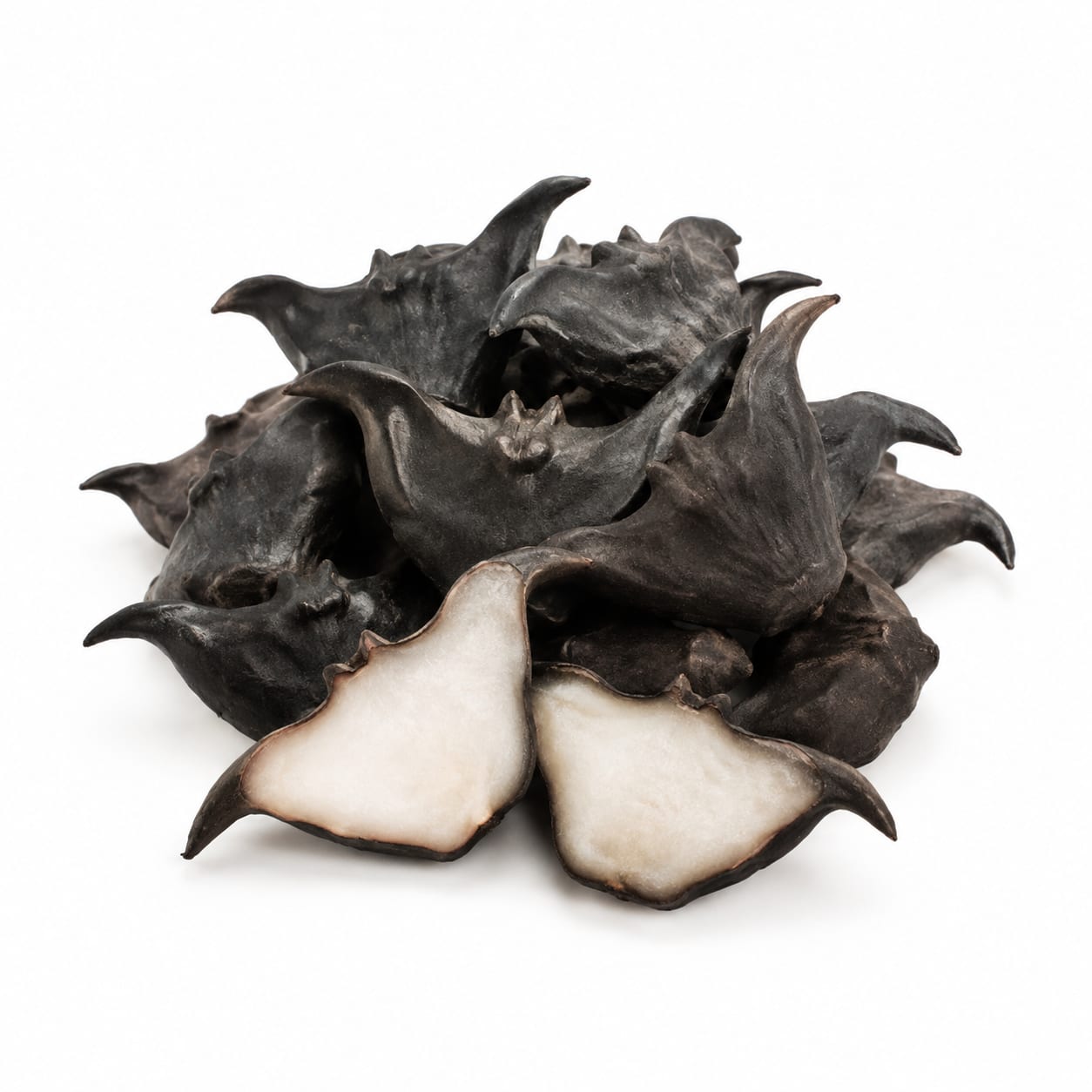
Water Caltrop

Parsnip
Parsnip wins on nutrition, safety, and practicality. Water Caltrop is an interesting cultural food but harder to find, riskier to prepare, and less nutrient-dense.
Parsnip scores notably higher due to superior vitamin content, fiber, safety profile, and everyday availability. Water Caltrop is not a poor food, but its niche status, parasite risk, and lower nutrient density create a meaningful gap.
Water Caltrop offers a unique starchy crunch and cultural novelty, but Parsnip delivers more vitamins, more fiber, easier access, and safer preparation with no parasite concerns.
At a glance
Executive summary
Overall
Parsnip
Healthier
Parsnip
More practical
Parsnip
Daily use
Parsnip
Key comparison lenses
nutrient density and vitamin coverage
Parsnip delivers significantly more folate, vitamin C, and vitamin K, while Water Caltrop is comparatively vitamin-poor despite being a whole food
food safety and contamination risk
Water Caltrop carries a notable parasite risk when raw or undercooked, which is a rare concern for most vegetables and highly relevant for decision-making
blood sugar and carbohydrate quality
Both are starchy root-style foods, but their fiber-to-carb ratios and sugar content differ meaningfully for glycemic impact
everyday availability and cooking practicality
Parsnip is a grocery store staple in Western countries; Water Caltrop is seasonal and specialty, making daily use unrealistic for most people
fiber and digestive health
Parsnip offers nearly double the fiber per serving, making it more filling and gut-friendly
Best choice for
Water Caltrop
- Exploring traditional Asian recipes and cultural cuisine experiences
- Those seeking a low-fat starchy snack with a satisfying crunchy texture when boiled
- People avoiding nightshades and common allergens who want variety
Parsnip
- Everyday nutritious side dishes and soups
- Anyone prioritizing folate, vitamin C, and potassium intake
- Families wanting a safe, fiber-rich root vegetable for regular meals
Least suitable for
Water Caltrop
- Pregnant women concerned about foodborne parasites from aquatic foods
- Anyone without reliable access to a specialty Asian market
- People wanting maximum vitamin return per calorie
Parsnip
- Those strictly limiting carbohydrate or sugar intake
- People with sensitivities to furanocoumarins or psoralens
- Anyone on a very low-calorie diet who finds starchy vegetables too energy-dense
Deep comparison
Dimension by dimension
Each lens scores both foods and breaks down who each option suits.
- Dimension 1 · Priority 92Parsnip
vitamin and mineral density
Water Caltrop · 35Parsnip · 78Parsnip is dramatically richer in folate, vitamin C, vitamin K, and potassium. Water Caltrop provides modest manganese and potassium but lacks the broader vitamin coverage.
Tradeoff
Choosing Water Caltrop means accepting a significant vitamin gap in exchange for its unique texture and cultural tradition.
Why it matters
Folate supports cell repair and energy; vitamin C boosts immunity and iron absorption. Regular Parsnip consumption meaningfully contributes to daily micronutrient goals.
Real-world impact
A serving of Parsnip covers roughly 20% of your daily folate needs. Water Caltrop covers almost none of your vitamin targets beyond trace minerals.
Water Caltrop
- Manganese intake
Better for
- Meeting daily vitamin requirements without supplementation
Worse for
Parsnip
- Folate needs during pregnancy or recovery
- Vitamin C for immune support
- Potassium for blood pressure management
- Vitamin K for bone health
Better for
- Those who get ample vitamins from other sources and want mineral variety
Worse for
- Dimension 2 · Priority 85Parsnip
fiber and digestive fullness
Water Caltrop · 45Parsnip · 82Parsnip provides nearly 5g of fiber per 100g raw, including soluble fiber that feeds gut bacteria. Water Caltrop offers around 3g and less soluble fiber overall.
Tradeoff
Water Caltrop still provides decent fiber but cannot match Parsnip's gut-health benefits or satiety contribution.
Why it matters
Higher soluble fiber means steadier digestion, more stable blood sugar, and longer-lasting fullness between meals.
Real-world impact
A Parsnip side dish keeps you satisfied for hours. Water Caltrop fills you temporarily but the satiety fades sooner.
Water Caltrop
- Lighter meals where less fiber is preferred for comfort
Better for
- Those relying on a single vegetable for fiber intake
Worse for
Parsnip
- Gut microbiome support
- Staying full between meals without snacking
- Blood sugar smoothing after carbohydrate intake
Better for
- People with sensitive digestion who find high-fiber meals uncomfortable
Worse for
- Dimension 3 · Priority 82Parsnip
blood sugar and carbohydrate quality
Water Caltrop · 48Parsnip · 62Both are starchy, but Parsnip's higher fiber-to-carb ratio slows glucose release. Water Caltrop has slightly more carbs per 100g with less fiber to buffer absorption.
Tradeoff
Neither food is ideal for strict low-carb diets, but Parsnip's fiber gives it a gentler glycemic profile.
Why it matters
Fiber-paired carbs create steadier energy. Naked carbs lead to sharper spikes and crashes.
Real-world impact
Parsnip with a protein source gives sustained energy for hours. Water Caltrop alone may leave you hungry again within 90 minutes.
Water Caltrop
- Quick energy replenishment after intense activity
Better for
- Those monitoring glycemic load carefully
Worse for
Parsnip
- Avoiding afternoon energy crashes
- Managing prediabetic blood sugar patterns
- Pairing with protein for balanced meals
Better for
- Very low-carb or ketogenic eaters
Worse for
- Dimension 4 · Priority 88Parsnip
food safety and contamination risk
Water Caltrop · 40Parsnip · 85Water Caltrop grows in stagnant or slow-moving water and can harbor Fasciolopsis buski parasites if consumed raw or undercooked. Parsnip's main risk is furanocoumarin skin reactions from handling raw tops, which is minor by comparison.
Tradeoff
Water Caltrop requires thorough cooking to be safe. Parsnip needs only standard washing and peeling.
Why it matters
Parasitic infection from raw Water Caltrop is a documented health issue in parts of Asia. This is not a theoretical risk.
Real-world impact
Undercooked Water Caltrop can cause abdominal pain and diarrhea that may require medical treatment. Parsnip is safe with basic kitchen hygiene.
Water Caltrop
- None for safety — always requires careful cooking
Better for
- Raw food enthusiasts
- People in regions with poor water quality oversight
Worse for
Parsnip
- Households with children who may sample raw vegetables
- Anyone immunocompromised who must avoid foodborne illness
- Casual cooks who want low-risk meal prep
Better for
- Those with furanocoumarin sensitivity handling raw parsnip greens in sunlight
Worse for
- Dimension 5 · Priority 80Parsnip
availability and everyday practicality
Water Caltrop · 25Parsnip · 88Parsnip is available year-round in most Western supermarkets. Water Caltrop is seasonal, found mainly in Asian specialty markets, and often sold canned rather than fresh.
Tradeoff
You can build Parsnip into a weekly meal plan effortlessly. Water Caltrop requires effort to source and may only appear fresh in autumn.
Why it matters
The healthiest food is the one you can actually buy and eat regularly. Accessibility drives consistency.
Real-world impact
Parsnip is a grab-and-cook vegetable any day of the week. Water Caltrop might require a special trip and advance planning.
Water Caltrop
- Cultural cooking traditions where it is readily available
Better for
- Anyone without an Asian grocery nearby
- Spontaneous weeknight cooking
Worse for
Parsnip
- Busy households needing reliable grocery staples
- Meal preppers who shop once per week
- Rural areas with limited specialty market access
Better for
- Cooks seeking authentic East or Southeast Asian ingredients
Worse for
- Dimension 6 · Priority 70Parsnip
antioxidant and anti-inflammatory potential
Water Caltrop · 50Parsnip · 68Parsnip contains falcarinol and polyacetylenes with documented anti-inflammatory properties. Water Caltrop has some phenolic compounds but less research-backed antioxidant benefit.
Tradeoff
Both contribute antioxidants, but Parsnip's compounds have stronger evidence for reducing inflammation markers.
Why it matters
Chronic low-grade inflammation drives many long-term health issues. Food-based anti-inflammatory compounds add up over years.
Real-world impact
Regular Parsnip consumption as part of a vegetable-rich diet supports long-term inflammatory balance. Water Caltrop contributes modestly at best.
Water Caltrop
- Adding variety to an antioxidant-diverse diet
Better for
- Relying on it as a primary antioxidant source
Worse for
Parsnip
- Long-term inflammatory risk reduction
- Complementing other root vegetables in an anti-inflammatory eating pattern
Better for
- Those already eating a wide variety of high-antioxidant foods
Worse for
Timeline
Health impact over time
Short-term
Hours to days
Water Caltrop
- Provides quick starchy energy after physical activity
- Moderate satiety that fades within 1-2 hours if eaten alone
- Risk of digestive discomfort or parasitic infection if undercooked
Parsnip
- Steady energy release with less post-meal crash
- Noticeable fullness that lasts 2-3 hours when paired with protein
- Mild blood sugar rise that stabilizes relatively quickly due to fiber
Long-term
Months to years
Water Caltrop
- Minimal contribution to long-term vitamin sufficiency
- Possible repeated parasite exposure risk if preparation is inconsistent
- Cultural dietary variety that supports meal enjoyment and adherence
Parsnip
- Improved folate status supporting cell repair and cardiovascular health
- Better gut microbiome diversity from consistent soluble fiber intake
- Anti-inflammatory compound accumulation that may reduce chronic disease risk
Risk profile
Safety & processing
Both foods are whole, unprocessed vegetables in their natural form. Canned Water Caltrop may contain added sodium or preservatives, so fresh or frozen is preferable. Parsnip is almost always sold fresh with no additives.
Water Caltrop
Fasciolopsis parasite infection
highWater Caltrop grows in freshwater habitats where Fasciolopsis buski flukes are endemic. Eating raw or undercooked Water Caltrop can transmit intestinal flukes causing abdominal pain, diarrhea, and malabsorption. Thorough boiling eliminates this risk.
Choking hazard from hard shell
mediumThe hard horned shell can be difficult to crack and may pose a choking risk for young children or elderly individuals if shell fragments remain.
Waterborne bacterial contamination
mediumAquatic growing conditions expose Water Caltrop to potential bacterial contamination from water sources, particularly in regions with inadequate water quality standards.
Parsnip
Furanocoumarin phytophotodermatitis
lowHandling raw Parsnip tops or leaves and then exposing skin to sunlight can cause a burn-like rash. This is easily avoided by washing hands after prep and is irrelevant when eating the cooked root.
Natural sugar content
lowParsnip contains more natural sugars than most root vegetables. For most people this is harmless, but very sugar-sensitive individuals should be aware.
Who wins for whom
Audience fit
Same foods, different winners depending on your goal.
children
ParsnipParsnip is safer, easier to prepare, and its mild sweetness appeals to kids. Water Caltrop's parasite risk and hard shell make it less suitable for young children.
daily consumption
ParsnipParsnip is available year-round, easy to cook, and nutritionally rewarding daily. Water Caltrop is best enjoyed occasionally due to access limitations and preparation demands.
diabetes
ParsnipParsnip's superior fiber-to-carb ratio slows glucose absorption more effectively. Water Caltrop's carbs hit the bloodstream faster with less fiber buffering.
elderly
ParsnipParsnip's folate and potassium support cardiovascular and bone health in aging. Water Caltrop's choking hazard and parasite risk are more dangerous for older or immunocompromised individuals.
muscle gain
It dependsNeither food is a protein powerhouse. Both provide starchy carbs useful for training fuel, but muscle gain depends far more on protein sources than on which of these vegetables you choose.
weight loss
ParsnipParsnip's higher fiber creates more satiety per calorie, making it easier to eat less overall. Water Caltrop's lower fiber means less fullness per serving.
Your move
Decision guide
Choose Water Caltrop
- You are cooking a traditional Asian meal and want authentic ingredients
- You have access to fresh Water Caltrop from a trusted source and will boil it thoroughly
- You want a unique starchy snack with a satisfying crunchy texture different from typical roots
Choose Parsnip
- You want a nutrient-dense root vegetable for everyday meals
- You are prioritizing fiber, folate, and potassium intake
- You need a safe, easy-to-prepare vegetable for family dinners
- You are managing blood sugar and want the gentler glycemic option
Either works if
- You are building a diverse vegetable rotation and want both for variety
- You enjoy starchy vegetables and want alternatives to potatoes
Avoid both if
- You are on a strict ketogenic or very low-carb diet
- You have a specific allergy or sensitivity to either plant family
Final recommendation
Make Parsnip your regular root vegetable and enjoy Water Caltrop as an occasional cultural dish. Parsnip gives you more vitamins, more fiber, safer prep, and easier access for daily nutrition. Water Caltrop is worth trying when you find it fresh and have the time to cook it properly, but it should not be your nutritional workhorse.
Practical
Consumer tips
- 1
Always boil Water Caltrop thoroughly for at least 15-20 minutes to eliminate any parasite risk — never eat it raw
- 2
Choose fresh Water Caltrop with intact shells and no cracks; avoid any with soft spots or mold
- 3
Peel Parsnip just before cooking to preserve nutrients, and roast or steam rather than boil to retain water-soluble vitamins
- 4
Canned Water Caltrop is convenient but check sodium content and rinse before using
- 5
Parsnip sweetens dramatically when roasted — try it as a lower-calorie alternative to sweet potatoes
- 6
Store Parsnip in a plastic bag in the refrigerator crisper; it keeps well for 2-3 weeks
- 7
If handling raw Parsnip greens, wash your hands before sun exposure to avoid phytophotodermatitis