
Nutrition comparison
Water Caltrop vs Lotus Root: Nutrition, Safety, and Which Is Better
Compare water caltrop and lotus root side by side. Learn which aquatic vegetable offers more nutrition, which is safer from parasites, and which fits your health goals better.
Overall winner · Lotus Root
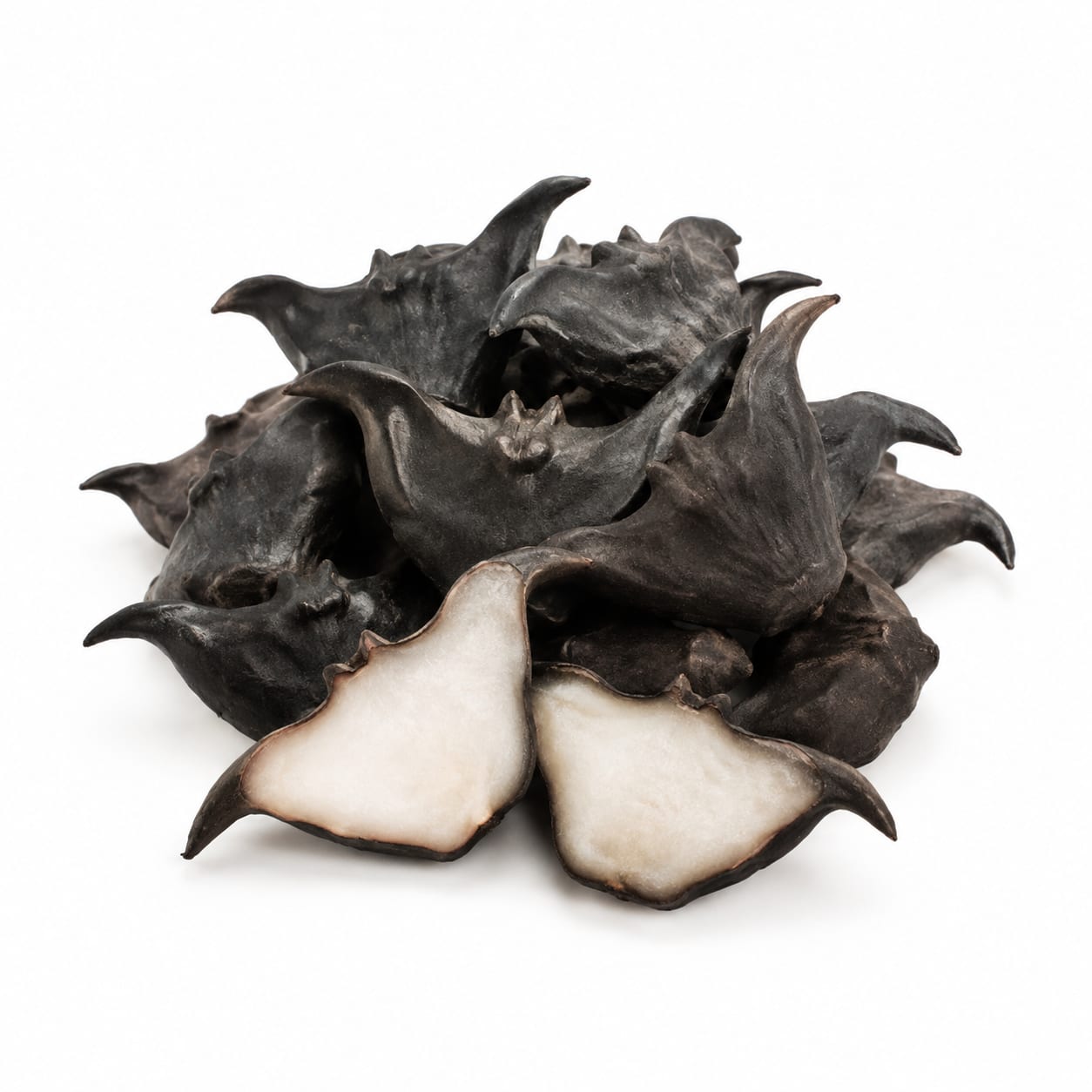
Water Caltrop
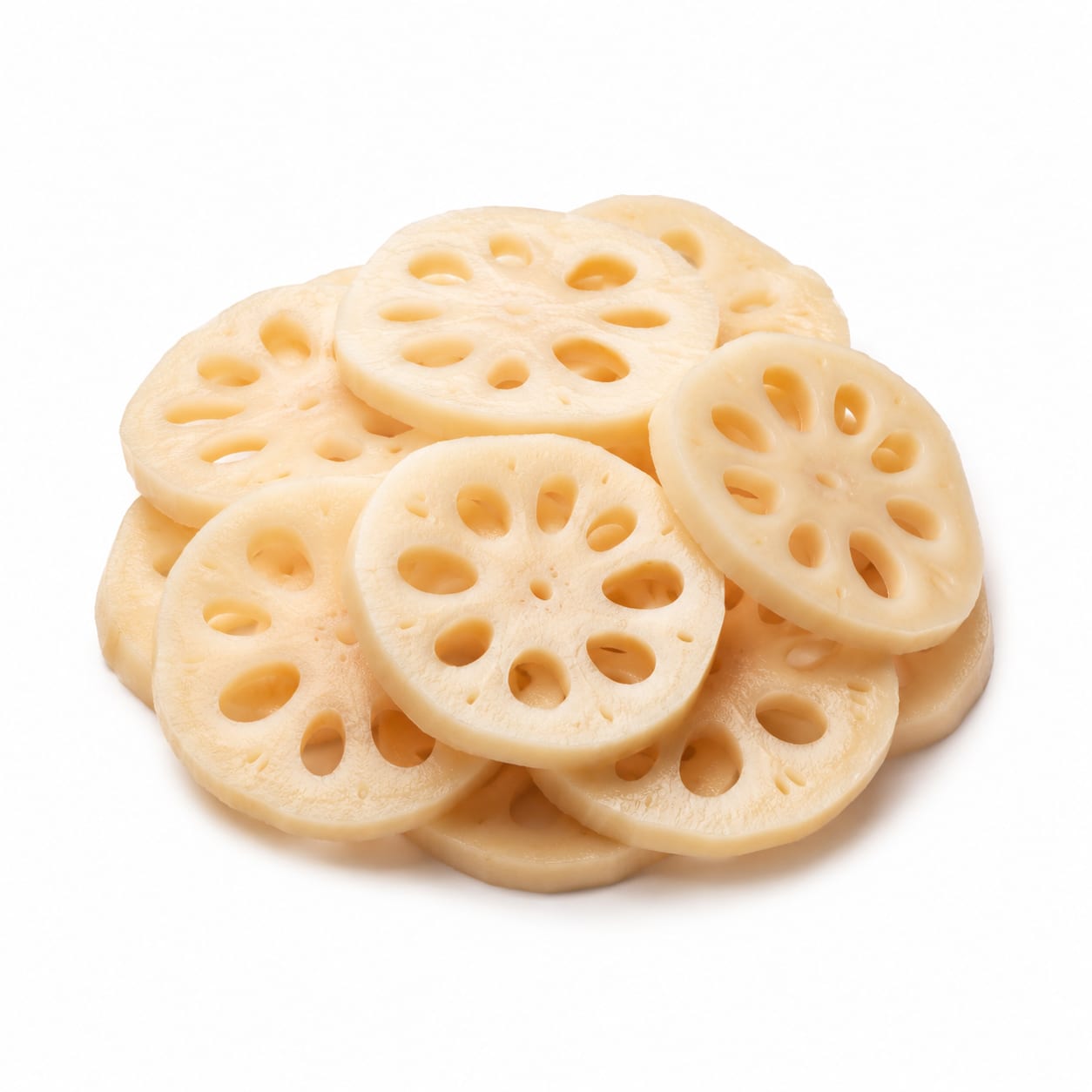
Lotus Root
Lotus root delivers more vitamins, minerals, and fiber per calorie, making it the stronger everyday choice for most people.
Lotus root scores notably higher due to superior vitamin C, iron, fiber, and potassium content alongside fewer calories. Water caltrop is not poor—it simply offers less nutritional variety per bite and carries slightly higher raw-consumption parasite risk.
Water caltrop is starchier and more filling as a carb source, but lotus root wins on nutritional breadth and digestive benefits.
At a glance
Executive summary
Overall
Lotus Root
Healthier
Lotus Root
More practical
Lotus Root
Daily use
Lotus Root
Key comparison lenses
nutritional density
Both are aquatic vegetables with distinct vitamin and mineral profiles that significantly affect their health value
parasite safety
Both grow in muddy water and carry serious parasite risks when eaten raw, making cooking method critical
blood sugar impact
Both are starchy root-like vegetables, so their glycemic behavior matters for daily consumption decisions
digestive benefits
Lotus root has notable mucilaginous and fiber properties that distinguish it for gut health
culinary versatility
Preparation difficulty and cooking flexibility affect how realistically people can incorporate these foods
Best choice for
Water Caltrop
- People needing dense starchy energy for physical labor
- Those wanting a satisfying crunchy snack when roasted
- Traditional medicine contexts where water caltrop is specifically indicated
Lotus Root
- People seeking better vitamin C and iron intake
- Anyone focused on digestive and gut health
- Those wanting lower-calorie volume eating
Least suitable for
Water Caltrop
- People watching carbohydrate intake closely
- Anyone tempted to eat raw aquatic vegetables
- Those seeking high vitamin or mineral density per calorie
Lotus Root
- People who lack access to proper cooking facilities
- Those wanting a dense calorie source for weight gain
Deep comparison
Dimension by dimension
Each lens scores both foods and breaks down who each option suits.
- Dimension 1 · Priority 92Lotus Root
vitamin_and_mineral_density
Water Caltrop · 45Lotus Root · 82Lotus root is significantly richer in vitamin C, iron, copper, and potassium, while water caltrop offers less micronutrient variety.
Tradeoff
Water caltrop provides more manganese, but the overall mineral and vitamin edge clearly belongs to lotus root.
Why it matters
Vitamin C from lotus root supports immunity and iron absorption, while its iron content directly helps prevent fatigue and anemia.
Real-world impact
Eating lotus root regularly can meaningfully contribute to your daily iron and vitamin C needs, while water caltrop contributes mostly starch energy.
Water Caltrop
- Manganese intake
Better for
- Low overall vitamin content
- Minimal iron contribution
Worse for
Lotus Root
- Vitamin C needs
- Iron intake
- Potassium replenishment
- Copper requirements
Better for
- Lower manganese density
Worse for
- Dimension 2 · Priority 85Lotus Root
fiber_and_digestive_health
Water Caltrop · 50Lotus Root · 78Lotus root contains more fiber and unique mucilaginous compounds that actively soothe the digestive tract.
Tradeoff
Water caltrop provides some fiber but lacks the gut-soothing mucilage that makes lotus root a traditional digestive remedy.
Why it matters
Better fiber and mucilage intake means smoother digestion, less bloating, and healthier gut bacteria over time.
Real-world impact
If you struggle with irregular digestion or sensitive stomach issues, lotus root is the noticeably better choice between these two.
Water Caltrop
- Basic fiber intake
Better for
- No mucilaginous gut-soothing properties
Worse for
Lotus Root
- Gut lining soothing
- Constipation relief
- Prebiotic fiber benefits
- Sensitive stomach compatibility
Better for
- Dimension 3 · Priority 78Lotus Root
blood_sugar_and_energy_stability
Water Caltrop · 48Lotus Root · 68Lotus root has fewer carbs and more fiber per serving, leading to steadier blood sugar responses than the starchier water caltrop.
Tradeoff
Water caltrop provides more immediate starchy energy, which can be useful for active people but riskier for blood sugar management.
Why it matters
Steadier blood sugar means fewer energy crashes and better hunger control throughout the day.
Real-world impact
A lotus root dish keeps you satisfied without the carb-heavy slump that a large water caltrop portion might cause.
Water Caltrop
- Quick energy before physical activity
- Higher calorie needs for labor
Better for
- Larger blood sugar spikes
- Higher glycemic load per serving
Worse for
Lotus Root
- Steadier afternoon energy
- Diabetes-friendly carb choice
- Less post-meal drowsiness
Better for
- Less energy density for intense activity
Worse for
- Dimension 4 · Priority 90Lotus Root
parasite_and_contamination_safety
Water Caltrop · 40Lotus Root · 55Both carry real parasite risks when raw, but water caltrop is more commonly associated with fasciolopsiasis infections from raw consumption.
Tradeoff
Neither should ever be eaten raw without thorough cooking, but water caltrop has a stronger documented link to intestinal fluke infections.
Why it matters
Parasitic infection from raw aquatic vegetables can cause serious abdominal pain, diarrhea, and malabsorption lasting weeks.
Real-world impact
If you or your family have a habit of tasting raw ingredients while cooking, water caltrop is the riskier one to have in the kitchen.
Water Caltrop
- Higher fasciolopsiasis risk
- Often sold fresh with mud still attached
- More tempting to eat raw due to crunchy texture
Worse for
Lotus Root
- Slightly lower documented fluke risk
- More commonly available pre-cooked or frozen
Better for
- Still requires thorough cooking
- Can harbor aquatic parasites if undercooked
Worse for
- Dimension 5 · Priority 72Lotus Root
antioxidant_and_anti_inflammatory_value
Water Caltrop · 52Lotus Root · 70Lotus root contains polyphenols and vitamin C that provide noticeable antioxidant activity, while water caltrop has some antioxidants but less diversity.
Tradeoff
Both offer more antioxidant value than typical starchy staples like white rice, but lotus root has the stronger profile overall.
Why it matters
More antioxidants from food means less cellular stress and potentially lower inflammation over years of consistent eating.
Real-world impact
Swapping white rice for lotus root in a stir-fry gives you a meaningful antioxidant upgrade; water caltrop also improves on rice but less dramatically.
Water Caltrop
- Some phenolic compounds
Better for
- Less antioxidant variety
- No vitamin C contribution
Worse for
Lotus Root
- Polyphenol diversity
- Vitamin C antioxidant synergy
- Traditional anti-inflammatory use
Better for
- Dimension 6 · Priority 70Lotus Root
culinary_versatility_and_convenience
Water Caltrop · 48Lotus Root · 75Lotus root is easier to find in stores, works in more dish types, and is available pre-sliced frozen, while water caltrop is harder to source and prepare.
Tradeoff
Water caltrop has a unique nutty sweetness when roasted that lotus root cannot replicate, but its limited availability reduces everyday practicality.
Why it matters
A food you can actually find and cook easily will always beat a nutritionally similar one that requires specialty shopping.
Real-world impact
Most Asian grocery stores stock frozen lotus root year-round; water caltrop is seasonal and often requires peeling tough outer shells.
Water Caltrop
- Unique roasted snack experience
- Traditional dessert applications
Better for
- Hard to find outside specialty markets
- Tough shell requires peeling effort
- Limited recipe versatility
Worse for
Lotus Root
- Stir-fry compatibility
- Soup and stew integration
- Available frozen pre-sliced
- Easier to find year-round
Better for
- Cannot replicate water caltrop's nutty sweetness
Worse for
Timeline
Health impact over time
Short-term
Hours to days
Water Caltrop
- Provides quick starchy energy after eating
- Can cause blood sugar rise if consumed in large portions
- Raw consumption risks immediate parasitic infection
Lotus Root
- Supports steady energy without sharp sugar spikes
- Vitamin C boosts short-term immune function
- Mucilage soothes an irritated stomach within hours
Long-term
Months to years
Water Caltrop
- Regular consumption without variety may lack key micronutrients
- Consistent intake provides decent manganese and potassium
- Long-term raw consumption risk could cause chronic digestive issues
Lotus Root
- Iron and vitamin C combination supports long-term anemia prevention
- Fiber and mucilage promote healthier gut microbiome over months
- Polyphenol intake may reduce chronic inflammation markers
Risk profile
Safety & processing
Both water caltrop and lotus root are whole, minimally processed aquatic vegetables. Fresh versions have no additives. Frozen lotus root may contain minimal preservatives, but both are among the cleanest food choices available when purchased whole.
Water Caltrop
Intestinal fluke infection (Fasciolopsis buski)
highWater caltrop is a well-documented host for this parasite. Eating it raw or undercooked can cause fasciolopsiasis with abdominal pain and diarrhea. Thorough cooking eliminates this risk.
Heavy metal exposure from water source
mediumGrows in stagnant or slow-moving water that may contain runoff contaminants. Sourcing from clean farms matters.
Choking hazard from tough outer shell
lowThe hard shell of fresh water caltrop requires careful peeling, and shell fragments can pose a choking risk if not fully removed.
Lotus Root
Parasite contamination from aquatic environment
mediumLotus root can also harbor aquatic parasites, though documented fluke infections are less common than with water caltrop. Cooking fully resolves this.
Mud and bacterial contamination in crevices
mediumThe hollow chambers trap mud and bacteria. Thorough scrubbing and cooking are essential, especially for fresh lotus root.
Oxalate content
lowLotus root contains moderate oxalates. People with kidney stone history should moderate intake, though cooking reduces oxalate levels.
Who wins for whom
Audience fit
Same foods, different winners depending on your goal.
children
Lotus RootLotus root's vitamin C and iron support growing bodies, and its milder flavor is more kid-friendly. Water caltrop's shell and parasite risk need extra caution with children.
daily consumption
Lotus RootBetter nutritional variety, easier availability, and more recipe options make lotus root more sustainable as a daily vegetable.
diabetes
Lotus RootLower carbohydrate density and higher fiber make lotus root gentler on blood sugar. Water caltrop's starchiness can cause sharper glucose spikes.
elderly
Lotus RootThe fiber and mucilage in lotus root support digestive regularity, which commonly declines with age. Its iron and vitamin C also address common elderly deficiencies.
muscle gain
It dependsNeither is a protein powerhouse. Water caltrop offers slightly more carbs for training fuel, but both need protein pairing to support muscle growth.
weight loss
Lotus RootLotus root has fewer calories per serving and more fiber, keeping you full on less energy. Water caltrop is denser in carbs and calories.
Your move
Decision guide
Choose Water Caltrop
- You need dense starchy fuel for physically demanding days
- You can source fresh water caltrop from trusted clean farms
- You enjoy the unique roasted chestnut-like flavor as an occasional treat
- You are specifically following traditional recipes that call for it
Choose Lotus Root
- You want the most nutritional value per calorie from an aquatic vegetable
- Digestive health and gut comfort are priorities for you
- You need steady energy without blood sugar roller coasters
- You want something easy to find at Asian grocery stores year-round
- You are cooking for children or elderly family members
Either works if
- You are simply looking for a healthier starch alternative to white rice
- You enjoy exploring traditional Asian vegetables
- You always cook aquatic vegetables thoroughly before eating
Avoid both if
- You have no access to reliable cooking facilities to prepare them thoroughly
- You are on a very low-carb or ketogenic diet
- You have a known allergy to aquatic plants
Final recommendation
For most people, lotus root is the better everyday choice—it offers more vitamins, minerals, and fiber with fewer calories and easier availability. Water caltrop is worth enjoying occasionally for its unique flavor and starchy satisfaction, but it should not be your primary aquatic vegetable due to lower nutrient density and higher parasite risk. Whichever you choose, always cook thoroughly.
Practical
Consumer tips
- 1
Never eat water caltrop or lotus root raw—both must be cooked thoroughly to eliminate parasite risk
- 2
Scrub lotus root's hollow chambers carefully with a brush under running water to remove trapped mud
- 3
Peel water caltrop's outer shell completely before cooking; shell fragments are a choking hazard
- 4
Frozen pre-sliced lotus root is a convenient and safe option that saves significant prep time
- 5
Soak sliced lotus root in water with a splash of vinegar to prevent browning before cooking
- 6
If you have kidney stone concerns, blanch lotus root before eating to reduce oxalate content
- 7
Pair lotus root with iron-absorbing foods like bell peppers or tomatoes to maximize its iron benefits
- 8
Store fresh water caltrop in the refrigerator and use within a few days—it spoils faster than lotus root