
Nutrition comparison
Water Caltrop vs Chestnut: Nutrition, Safety, and Taste Compared
Comparing water caltrop and chestnut? Discover the key differences in calories, nutrition, and parasite safety to find out which starchy snack is right for you.
Overall winner · Chestnut
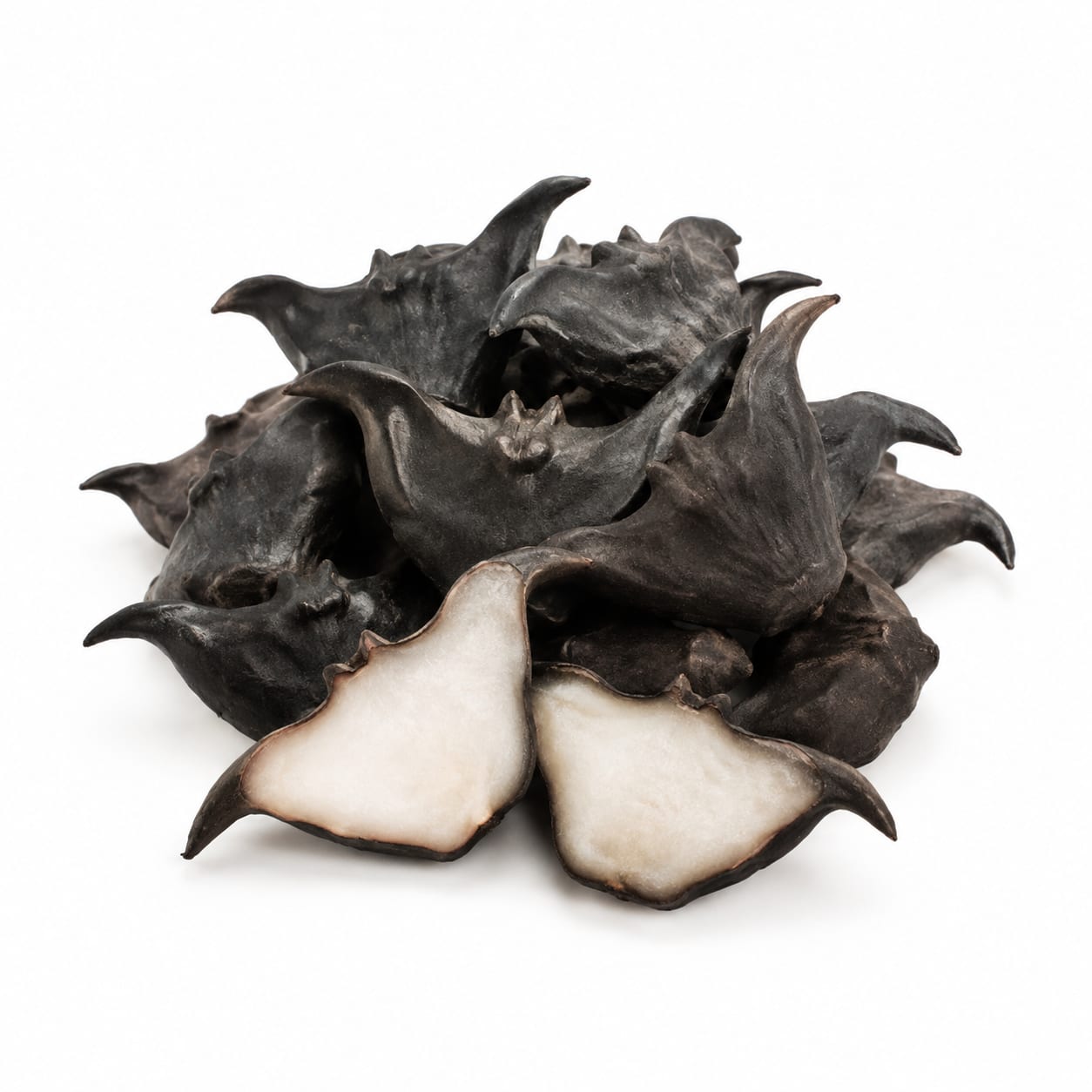
Water Caltrop
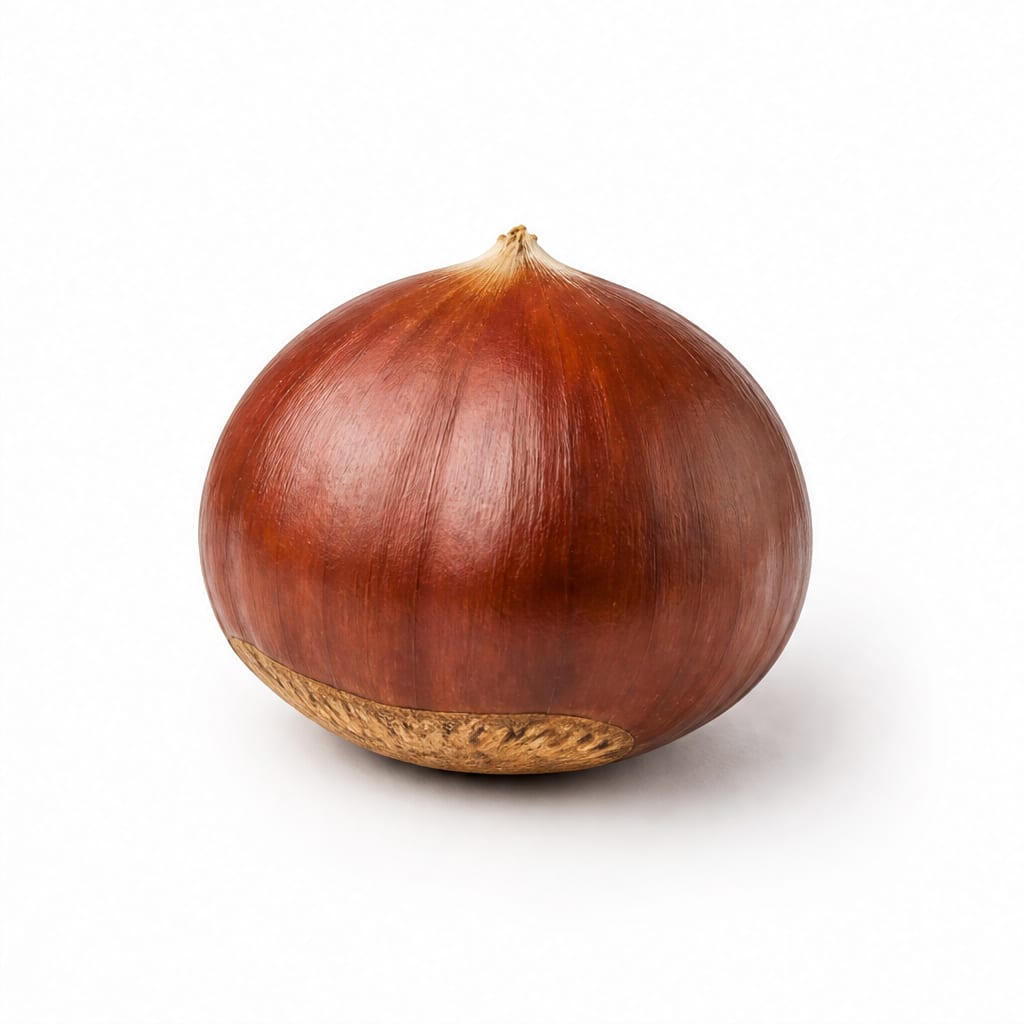
Chestnut
Chestnuts are the more nutritious and safer everyday choice, while water caltrops offer a lighter, lower-calorie alternative if prepared carefully.
Chestnut scores higher due to its superior vitamin profile, fiber content, and lack of serious parasite risks. Water caltrop remains a valid choice for calorie-conscious snacking but requires strict cooking safety.
You trade the robust vitamin content and dietary safety of chestnuts for the lower calorie count and unique texture of water caltrops.
At a glance
Executive summary
Overall
Chestnut
Healthier
Chestnut
More practical
Chestnut
Daily use
Chestnut
Key comparison lenses
Starchy snack comparison
Both are unique starchy seeds often eaten as boiled or roasted snacks, unlike typical high-fat nuts
Safety and contamination risk
Water caltrop carries a specific and serious parasite risk if consumed raw, which heavily influences preparation safety
Weight management and calorie density
Water caltrop is significantly lower in calories, making it relevant for portion-conscious snackers
Nutritional completeness
Chestnuts offer notably more vitamins and fiber, making them more nutrient-dense per serving
Best choice for
Water Caltrop
- People counting calories who want a filling starchy snack
- Those seeking a unique, crunchy aquatic texture in Asian dishes
- Adventurous eaters who properly boil their snack foods
Chestnut
- Anyone wanting a comforting, nutrient-dense winter snack
- People needing a fiber and vitamin C boost
- Families looking for a safer, easier-to-find starchy treat
Least suitable for
Water Caltrop
- Children or those who might try to eat them raw or undercooked
- People with limited access to specialty Asian markets
- Anyone looking for a quick, ready-to-eat snack
Chestnut
- People strictly limiting carbohydrates
- Those with tree nut allergies (while botanically a seed, cross-reactivity can occur)
- Individuals on very low-calorie diets
Deep comparison
Dimension by dimension
Each lens scores both foods and breaks down who each option suits.
- Dimension 1 · Priority 90Chestnut
Nutritional Density
Water Caltrop · 55Chestnut · 80Chestnuts deliver significantly more vitamins and minerals per calorie than water caltrops.
Tradeoff
Water caltrops are lighter on the stomach but provide less micronutrient support for your body.
Why it matters
A nutrient-dense snack keeps your body functioning optimally without needing supplements.
Real-world impact
Eating chestnuts gives you a noticeable boost in vitamin C and folate, supporting your immune system and energy levels through colder months.
Water Caltrop
- Lower calorie intake
- Lighter post-snack feeling
Better for
- Missing out on key winter vitamins
- Lower overall mineral intake
Worse for
Chestnut
- Immune support from vitamin C
- Energy production from B-vitamins
- Bone health from manganese
Better for
- Higher calorie load per handful
Worse for
- Dimension 2 · Priority 85Chestnut
Satiety and Digestion
Water Caltrop · 60Chestnut · 78Chestnuts keep you fuller for longer thanks to a much higher fiber content.
Tradeoff
Water caltrops are less filling, which can be good for light snacking but bad for curbing hunger.
Why it matters
Fiber slows digestion, preventing rapid blood sugar spikes and keeping cravings at bay.
Real-world impact
A bowl of roasted chestnuts will easily tide you over between meals, whereas water caltrops might leave you hunting for another snack an hour later.
Water Caltrop
- Easier on the stomach if you have a low-fiber tolerance
- Less bloating for sensitive digestions
Better for
- Hunger returns quickly
- Less digestive bulk
Worse for
Chestnut
- Sustained fullness between meals
- Better blood sugar stability
- Improved gut regularity
Better for
- Can feel heavy if eaten in large quantities
Worse for
- Dimension 3 · Priority 95Chestnut
Safety and Contamination
Water Caltrop · 40Chestnut · 75Water caltrops carry a dangerous parasite risk if eaten raw, making chestnuts the safer option.
Tradeoff
Enjoying water caltrops safely requires rigorous boiling, whereas chestnuts only need standard roasting to be safe.
Why it matters
Foodborne parasites can cause severe abdominal distress and long-term health complications.
Real-world impact
Peeling water caltrops with your teeth is a gamble you do not want to take; chestnuts can be safely enjoyed straight from the roaster.
Water Caltrop
- Risk of fasciolopsiasis if undercooked
- Danger of cracking shells with teeth
Worse for
Chestnut
- No parasite risk from casual handling
- Safe to eat after standard cooking methods
Better for
- Risk of mold if stored improperly
Worse for
- Dimension 4 · Priority 70Chestnut
Practicality and Availability
Water Caltrop · 45Chestnut · 80Chestnuts are globally accessible and familiar, while water caltrops are niche and seasonal.
Tradeoff
You can find chestnuts in most grocery stores during fall and winter, but water caltrops require a trip to a specialty market.
Why it matters
A healthy snack only works if you can actually find and prepare it without hassle.
Real-world impact
Grabbing a bag of chestnuts for a holiday recipe is easy; sourcing fresh water caltrops usually means searching out an Asian supermarket.
Water Caltrop
- Hard to source outside specialty shops
- Requires specific preparation knowledge
Worse for
Chestnut
- Widely available in mainstream stores
- Easier to incorporate into everyday cooking
- More familiar cooking methods
Better for
- Shorter seasonal window for fresh produce
Worse for
Timeline
Health impact over time
Short-term
Hours to days
Water Caltrop
- Provides quick, light starchy energy
- Safe and satisfying when properly boiled
Chestnut
- Offers sustained energy from complex carbs
- Provides a comforting, warming effect when roasted
Long-term
Months to years
Water Caltrop
- Supports a lower-calorie diet if used as a staple starch replacement
- Risk of parasitic infection if hygiene and cooking habits are poor
Chestnut
- Supports immune health and collagen production via vitamin C
- Promotes a healthy gut microbiome through consistent fiber intake
Risk profile
Safety & processing
Both foods are whole, natural seeds typically sold raw or boiled, making them excellent alternatives to ultra-processed snacks.
Water Caltrop
Fasciolopsiasis (intestinal fluke)
highWater caltrops grow in stagnant water and can harbor parasites on their outer shell. Peeling them with your teeth or eating them raw can lead to serious infection. Always boil thoroughly.
Environmental water contamination
mediumBecause they grow in water, they can absorb heavy metals or pollutants from their aquatic environment depending on the water source quality.
Chestnut
Mold and Aflatoxins
mediumChestnuts are high in moisture and can easily mold if not stored properly. Consuming moldy chestnuts can expose you to harmful aflatoxins.
Allergic cross-reactivity
lowThough botanically a fruit, some individuals with tree nut allergies may experience cross-reactivity with chestnuts.
Who wins for whom
Audience fit
Same foods, different winners depending on your goal.
children
ChestnutChestnuts are safer to prepare and easier to eat once cooked, avoiding the severe parasite risk associated with water caltrop preparation.
daily consumption
ChestnutChestnuts are easier to source, safer to prepare, and offer a broader nutritional profile for everyday snacking.
diabetes
It dependsBoth are high-carb foods that require portion control. Chestnuts have more fiber to slow sugar absorption, but water caltrops have fewer total carbs per serving.
elderly
ChestnutThe softer texture of cooked chestnuts and their higher vitamin C and folate content support aging immune systems and joint health.
muscle gain
ChestnutChestnuts provide more carbohydrates to replenish glycogen stores after heavy workouts.
weight loss
Water CaltropWater caltrops contain roughly half the calories of chestnuts by weight, making them a much lighter starchy snack for calorie counters.
Your move
Decision guide
Choose Water Caltrop
- You are strictly counting calories but craving a starchy, satisfying bite
- You are cooking an authentic Asian soup or dessert that relies on its unique texture
- You are willing to rigorously boil them and avoid using your teeth to peel them
Choose Chestnut
- You want a comforting, nutrient-packed winter snack
- You need a safe, family-friendly food for holiday gatherings
- You are looking for a fiber-rich carb to keep you full during a busy afternoon
Either works if
- You want a whole-food, low-fat alternative to traditional oily nuts
- You need a starchy carbohydrate source to round out a plant-based meal
Avoid both if
- You are on a strict ketogenic or very low-carb diet
- You have severe digestive issues that require limiting complex starches
Final recommendation
Chestnuts are the better everyday choice, offering more nutrition, fiber, and safety with less preparation anxiety. Choose water caltrops specifically when you want a lighter calorie load or a unique culinary texture, but only if you are committed to boiling them thoroughly.
Practical
Consumer tips
- 1
Never eat raw water caltrops; always boil them for at least 20 minutes to kill any potential parasites.
- 2
Do not use your teeth to peel water caltrops; use a knife or your fingers after boiling to avoid infection.
- 3
Score chestnuts before roasting to prevent them from exploding in the oven or microwave.
- 4
Store fresh chestnuts in the refrigerator in a breathable bag to prevent them from drying out or molding.
- 5
If you want the taste of chestnuts without the prep, look for pre-roasted and peeled vacuum-sealed packs.