
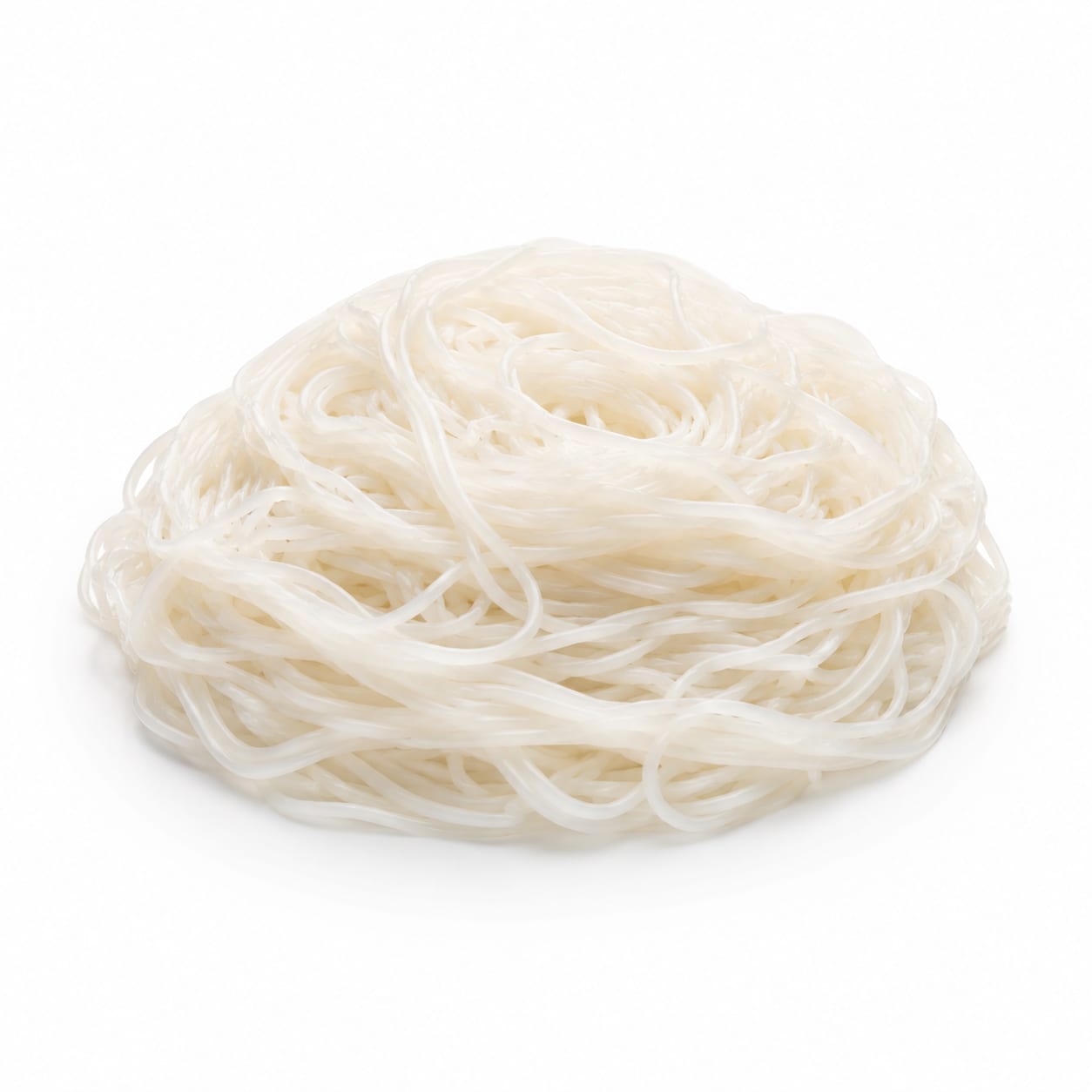
Grain Product
Rice Noodle
A gluten-free noodle made from rice flour, commonly used in Asian dishes.
A traditional noodle made from rice flour and water, commonly used in Asian cuisines such as pad thai, pho, and stir-fries.
refined carbohydrate staple
Typical serving · 140g
Common varieties · vermicelli, flat pho noodles, sticks (pad thai), ribbon noodles, fresh rice noodles
Overall context score across nutrition, safety, and diet fit
At a glance
Quick facts
Simple indicators based on nutrition, processing, and diet fit.
The story
What makes it unique
Rice noodles are primarily composed of refined carbohydrates with minimal protein, fat, or fiber. They digest rapidly, leading to a moderate glycemic response, and offer low satiety compared to whole grain or legume-based pastas. Being gluten-free, they are suitable for celiac diets but require pairing with protein and fiber for balanced nutrition.
Varieties: vermicelli · flat pho noodles · sticks (pad thai) · ribbon noodles · fresh rice noodles
Per 100g
Nutrition breakdown
Macro balance and key metrics at a glance.
Energy
Density 1.08 kcal/g
Protein
Carbs
Fat
Fiber
Sugar
0.1 g
Sodium
5 mg
Potassium
7 mg
Glycemic index
53
Glycemic load
13
Water content
73%
Standout compounds
Nutrient highlights
Carbohydrates
highProvides quick energy for cells and muscles
Selenium
moderateSupports antioxidant function and thyroid health
Manganese
moderateEssential for metabolism and bone formation
Wellness map
Health scores & processing
NOVA processing scale
moderate · Whole food
Made by grinding rice and reshaping it into noodles, which qualifies as a processed culinary ingredient rather than a minimally processed whole food.
Diet compatibility
- Weight loss
- Muscle gain
- Diabetes
- Gut health
- Low carb
- High protein
- Heart health
Relative standing
Food rankings
Qualitative ranks compared to similar whole foods.
- Satietypoor
- Blood sugarpoor
- Nutrient densitypoor
- Fitness fuelgood
- Processing qualitymoderate
Eat with confidence
Food safety profile
Rice noodles are generally safe, but they can contain trace levels of inorganic arsenic naturally present in rice. Cooking in excess water and draining can reduce arsenic levels.
Evidence confidence 85%
- Pesticideslow
- Antibioticslow
- Heavy metalsmoderate
- Contaminationlow
Watch for
- inorganic arsenic
Safer choices
Noodles made from brown rice or alternative grains like quinoa may have different arsenic profiles, though rice from different regions varies significantly.
Prep tips
Cook in plenty of boiling water and drain well to reduce surface starch and potential arsenic content.
Rice products can contain trace amounts of inorganic arsenic due to agricultural water conditions; regulated in infant foods but less strictly in adult foods.
Deep dive
Health analysis
How this food may fit different goals and preparation choices.
Weight loss
Low in calories but also low in fiber and protein, meaning they provide less satiety and may lead to overeating if not paired with vegetables and lean protein.
Blood sugar
Digests quickly into glucose, leading to moderate blood sugar spikes. Diabetics should monitor portions carefully and combine with high-fiber foods.
Fitness & energy
Provides fast-digesting carbohydrates that can fuel high-intensity workouts or replenish glycogen post-exercise, but lacks protein for muscle repair.
Gut health
Very low in fiber, offering minimal prebiotic benefits for gut bacteria. Relying on them as a staple can displace high-fiber whole grains.
Processing quality
A refined grain product stripped of the rice bran and germ, reducing its vitamin and mineral content compared to brown rice.
Food safety
Primary concern is inorganic arsenic, which accumulates in rice. Cooking with excess water can mitigate some of this risk.
Common mistakes
Treating them as a high-protein or low-carb option, or eating massive portions of bare noodles in sweet sauces.
Best preparation
Boil briefly, drain, and toss with lean proteins, healthy fats, and high-fiber vegetables to balance the macronutrient profile.
Practical guide
Best use cases
When and how this food fits real eating patterns.
gluten-free pasta alternative
Provides a safe noodle base for individuals with celiac disease or wheat allergies.
post-workout carb reload
Fast-digesting carbohydrates help replenish muscle glycogen after endurance training.
light asian stir-fry base
Absorbs flavors well in dishes like pad thai or chow mein without adding heavy fat.
Balance sheet
Pros & cons
Upsides
- Naturally gluten-free
- Low in fat and calories
- Quick to cook and versatile
- Mild flavor absorbs sauces well
- Easy to digest for sensitive stomachs
Trade-offs
- Very low in protein and fiber
- Can spike blood sugar rapidly
- Contains fewer vitamins than whole grains
- Potential trace arsenic exposure
- Not suitable for low-carb or keto diets
Fit check
Who is it for?
Great match
- gluten-free diets
- post-workout glycogen replenishment
- easy digestion during GI distress
Consider alternatives
- strict low-carb diets
- diabetes management without portion control
- high-protein diets
Side by side
How it compares
Open the full head-to-head analysis for nutrition, safety, and practical tradeoffs.
This food
Rice Noodle
VS90% alike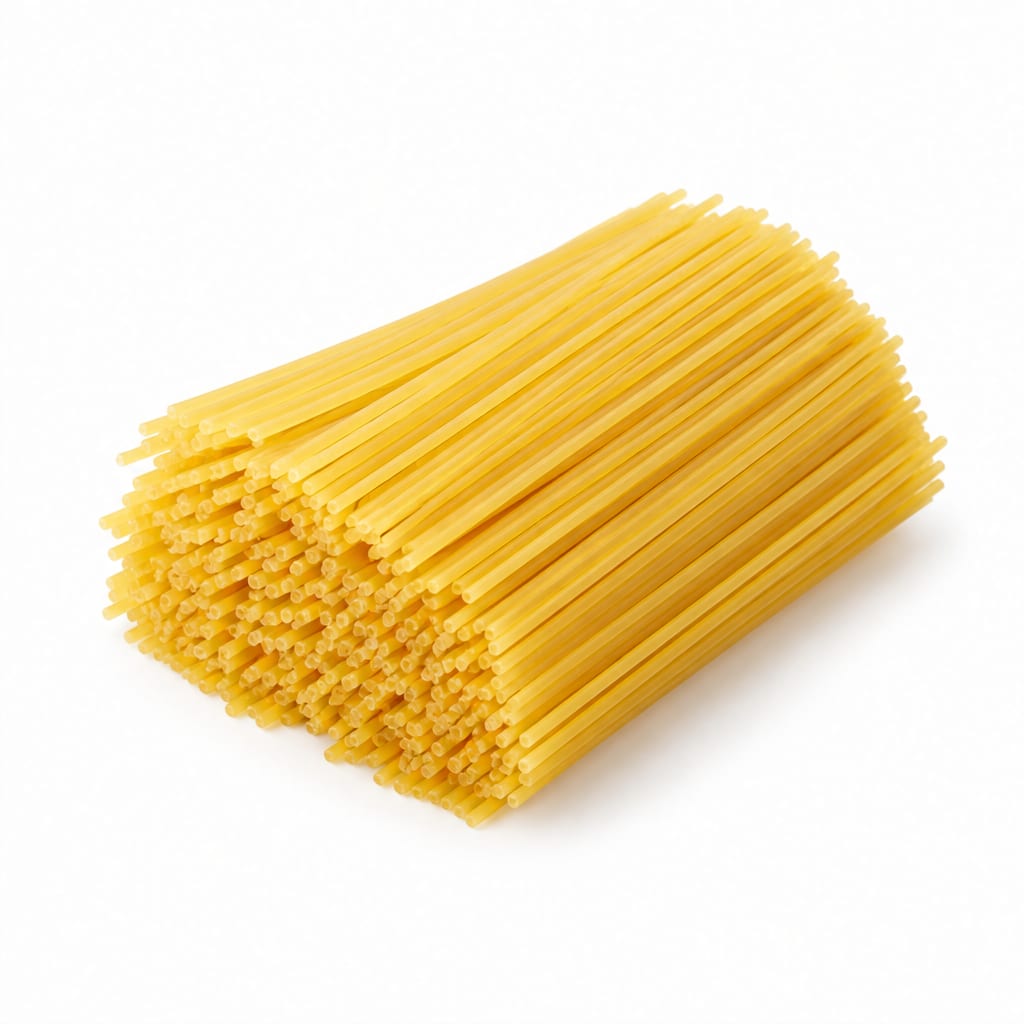
Compare with
Wheat Spaghetti
Rice noodles are gluten-free and lower in calories, but wheat spaghetti offers more protein and fiber.
Rice noodles are lower in calories and gluten-free, while wheat spaghetti provides more protein and fiber for better satiety.
This food
Rice Noodle
VS85% alike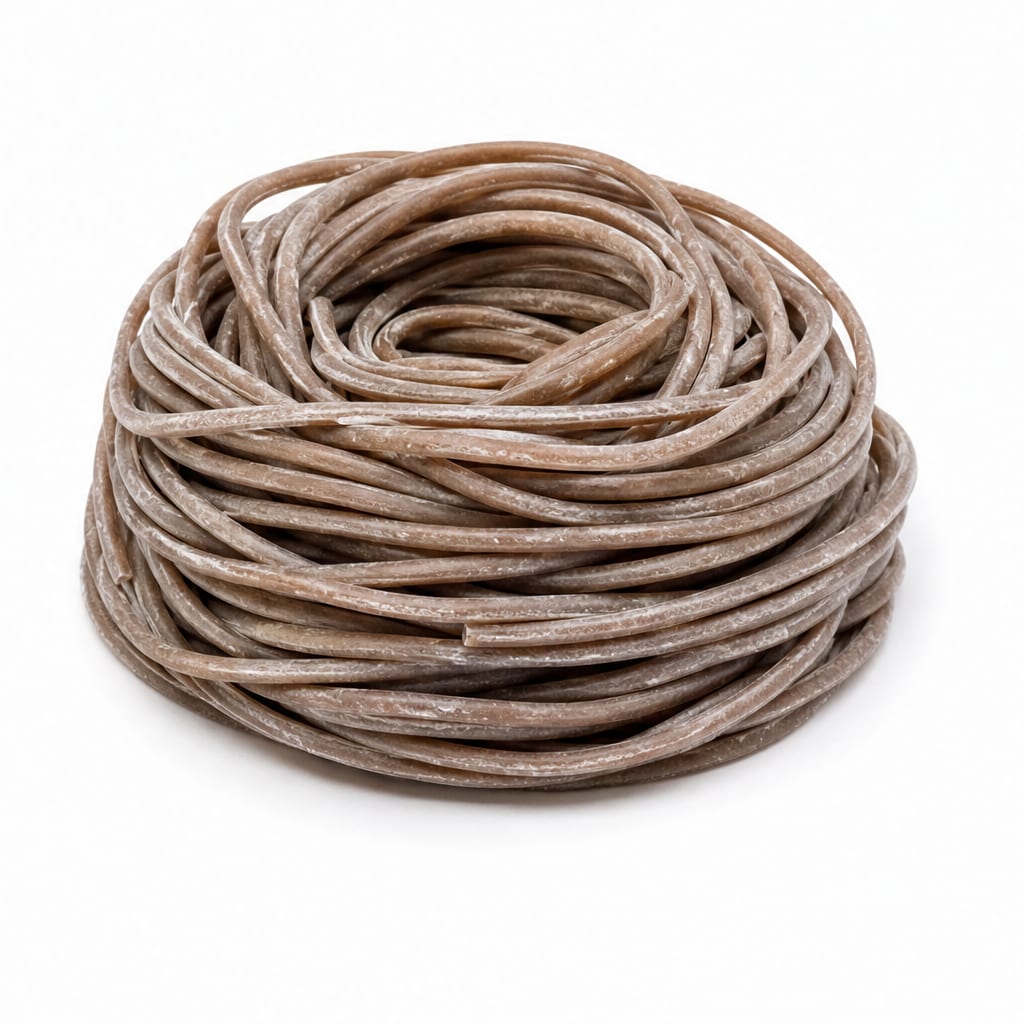
Compare with
Soba Noodles
Soba noodles contain more protein and fiber from buckwheat, while rice noodles are milder and completely gluten-free.
Soba noodles offer more protein and fiber than rice noodles, making them better for blood sugar control, though some soba blends contain wheat.
This food
Rice Noodle
VS85% alike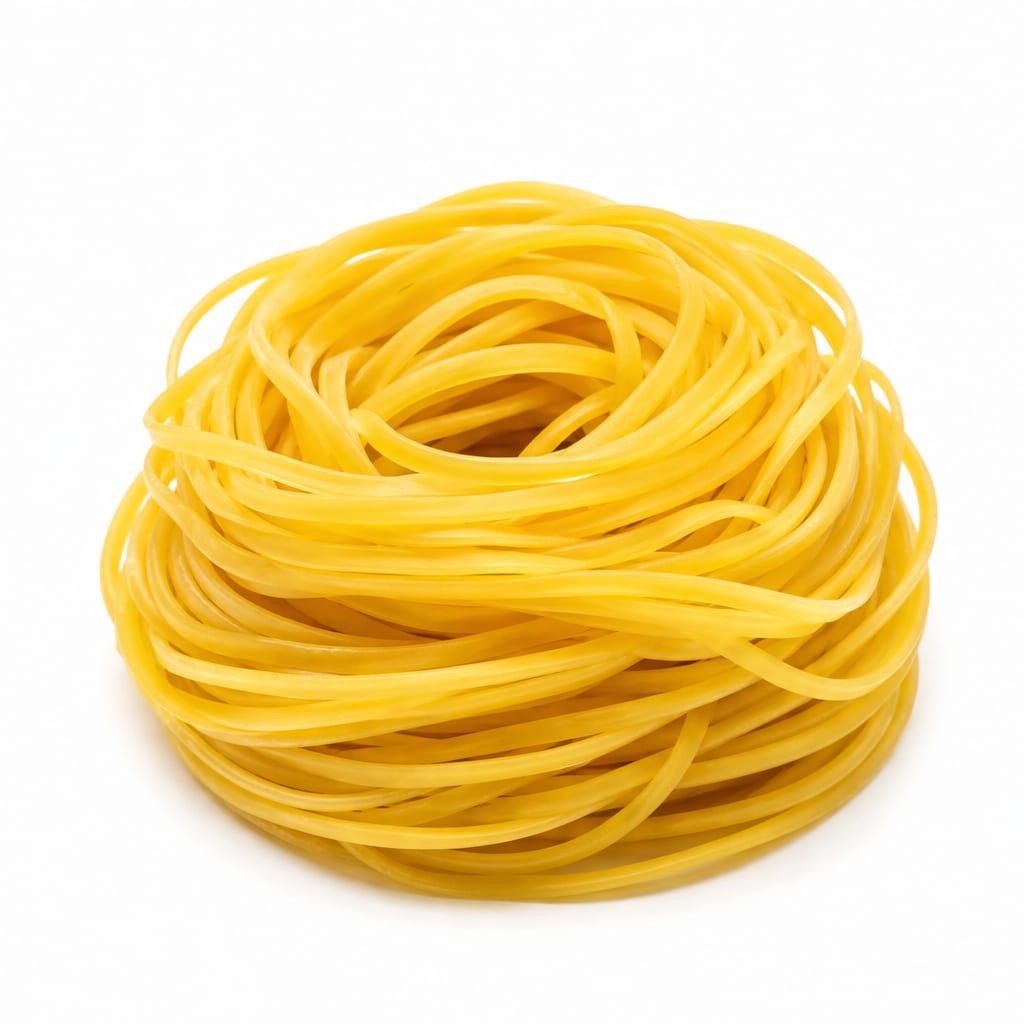
Compare with
Egg Noodles
Egg noodles provide significantly more protein, while rice noodles are lower in calories and fat.
Egg noodles provide more protein and satiety, while rice noodles are lower in calories and fat.
This food
Rice Noodle
VS80% alike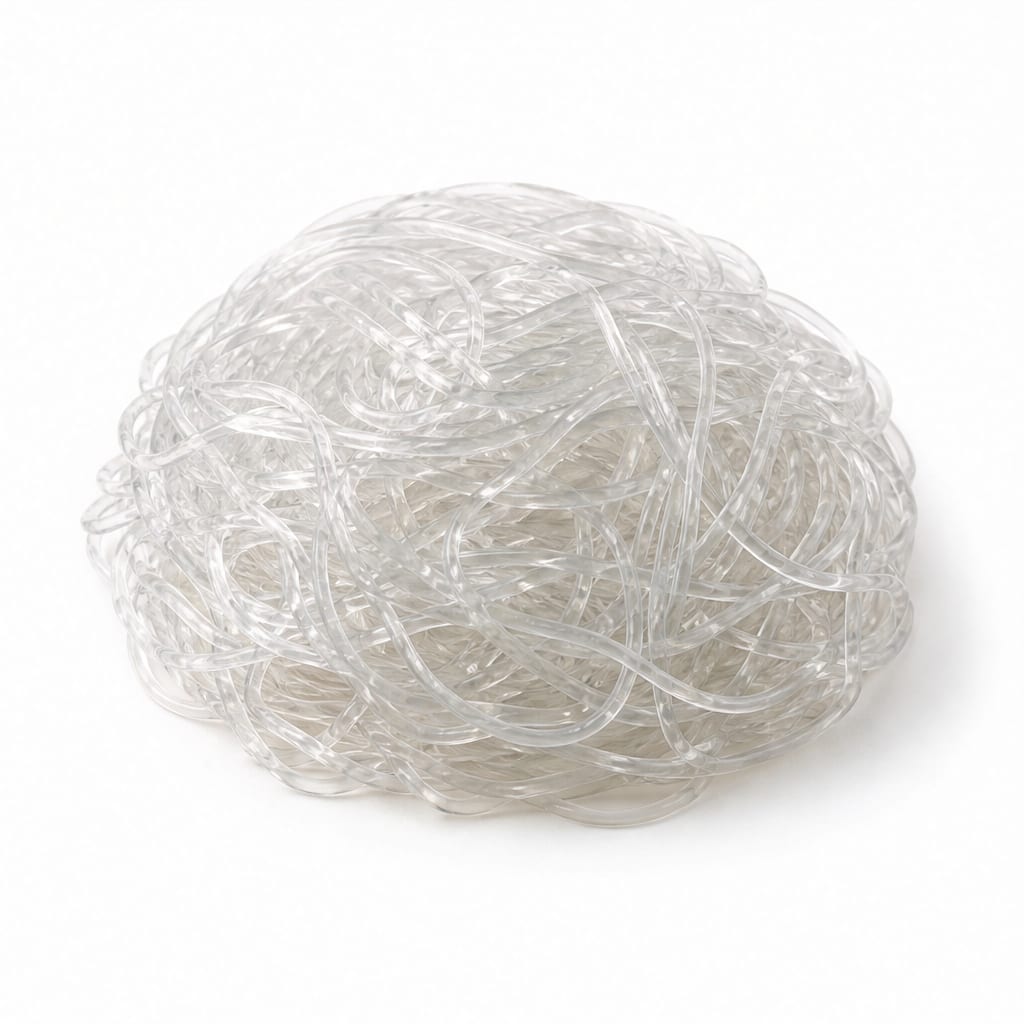
Compare with
Glass Noodles
Glass noodles are made from starch (like potato or mung bean) and have similar low-protein profiles, but rice noodles are gluten-free grain-based.
Glass noodles are slightly lower in calories, while rice noodles have a marginally better glycemic profile depending on the starch source.
This food
Rice Noodle
VS70% alike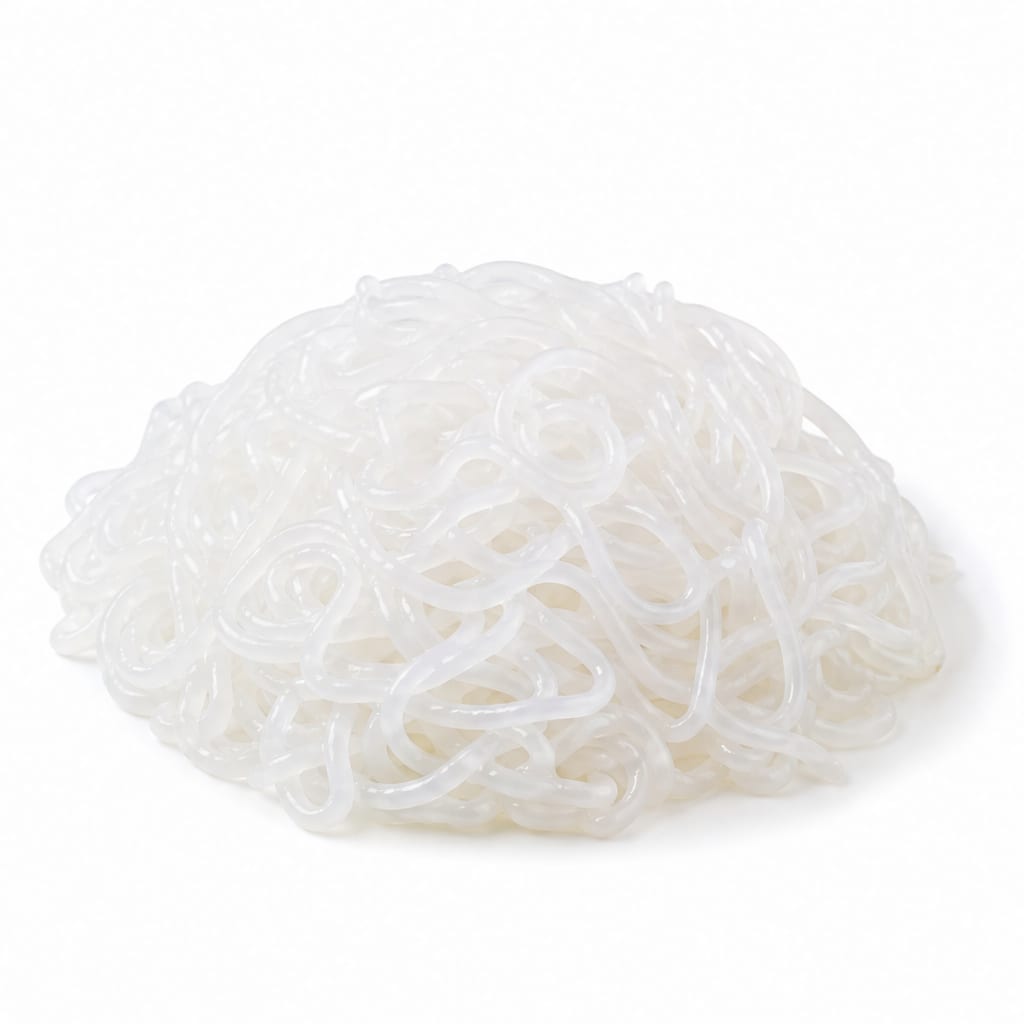
Compare with
Shirataki Noodles
Shirataki noodles are virtually calorie-free and low-carb, making them far better for weight loss, while rice noodles provide actual energy and carbs.
Shirataki noodles are virtually carb-free and better for weight loss, while rice noodles provide actual carbohydrate energy for active individuals.
This food
Rice Noodle
VS65% alike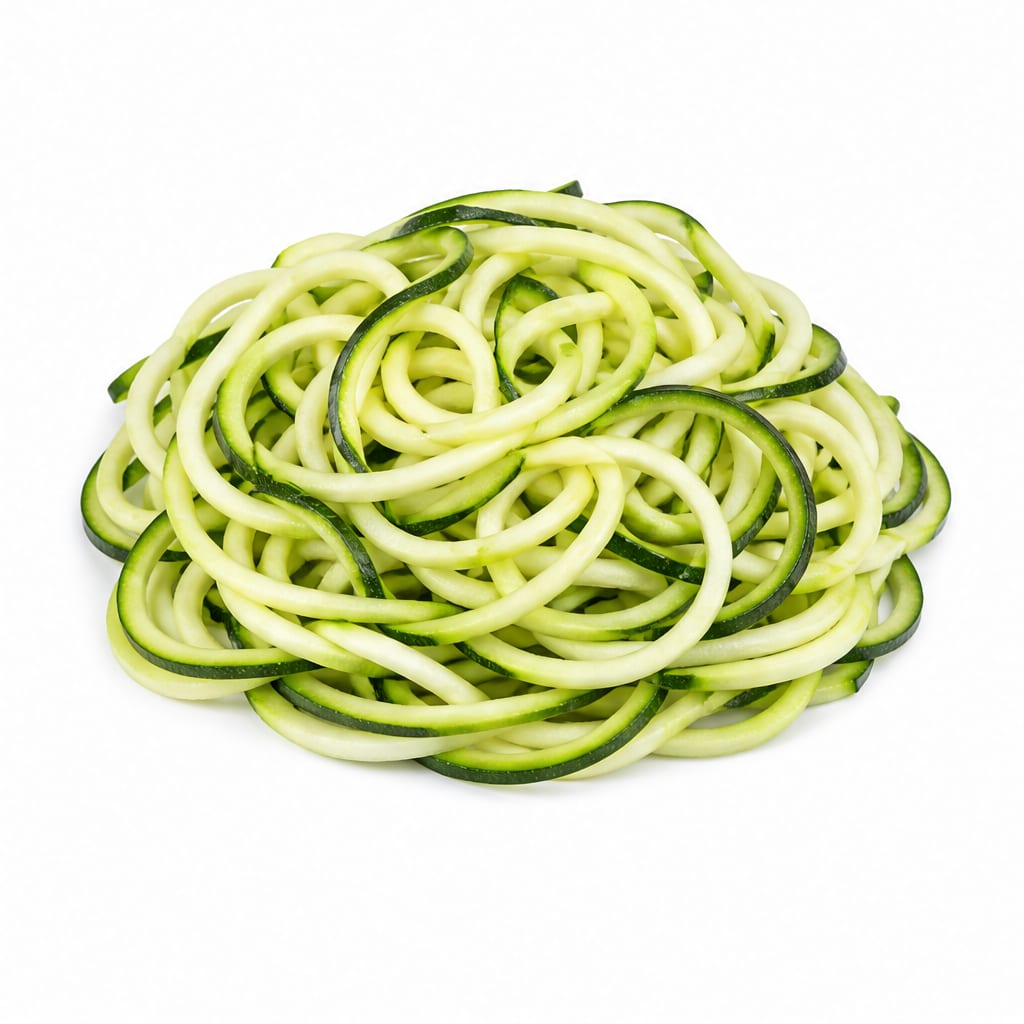
Compare with
Zucchini Noodles
Zucchini noodles are drastically lower in carbs and calories, while rice noodles provide actual satiating carbohydrates.
Zucchini noodles are far lower in carbs and calories for dieting, whereas rice noodles offer fast-digesting carbs needed for intense exercise.
This food
Rice Noodle
VS85% alike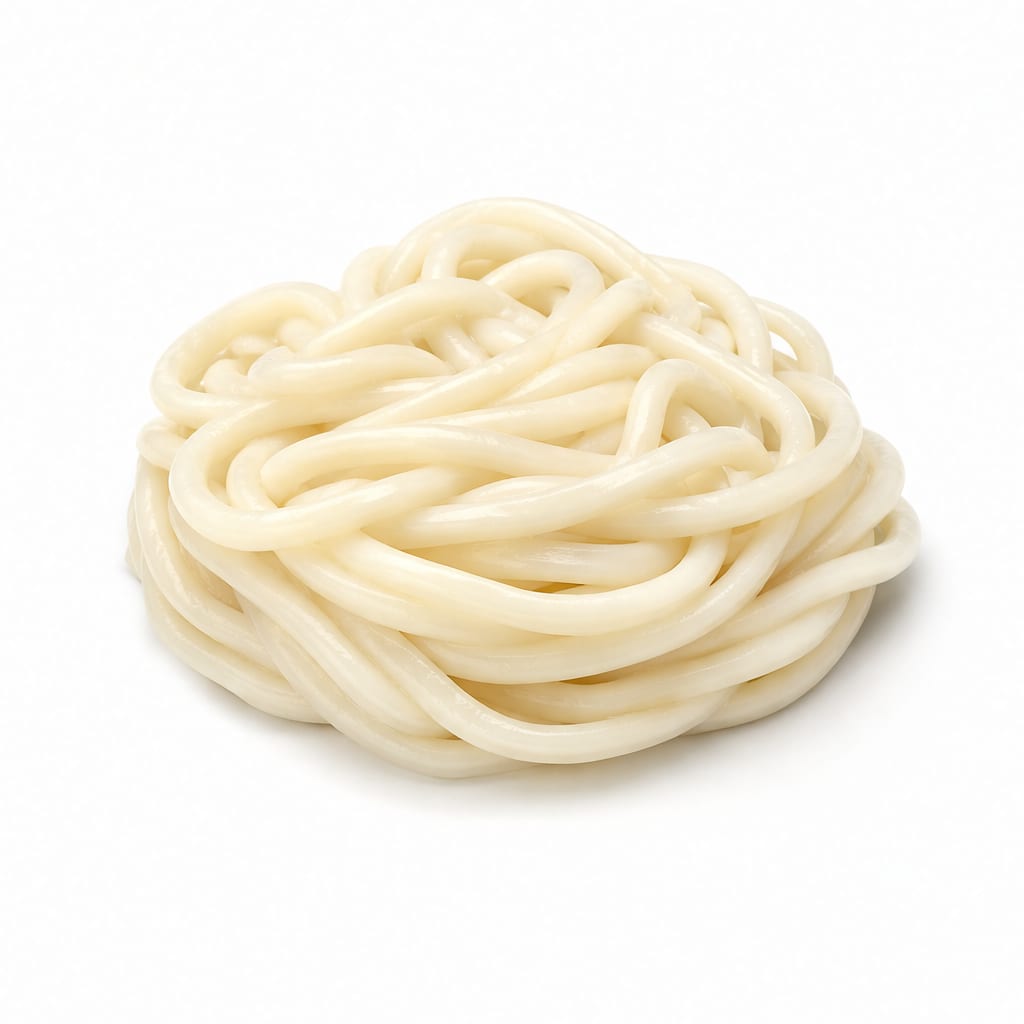
Compare with
Udon Noodles
Udon noodles are thicker wheat-based noodles with more protein, whereas rice noodles are gluten-free and lighter in texture.
Rice noodles are lighter and gluten-free, while udon noodles provide a chewier texture and slightly more protein from wheat.
This food
Rice Noodle
VS95% alike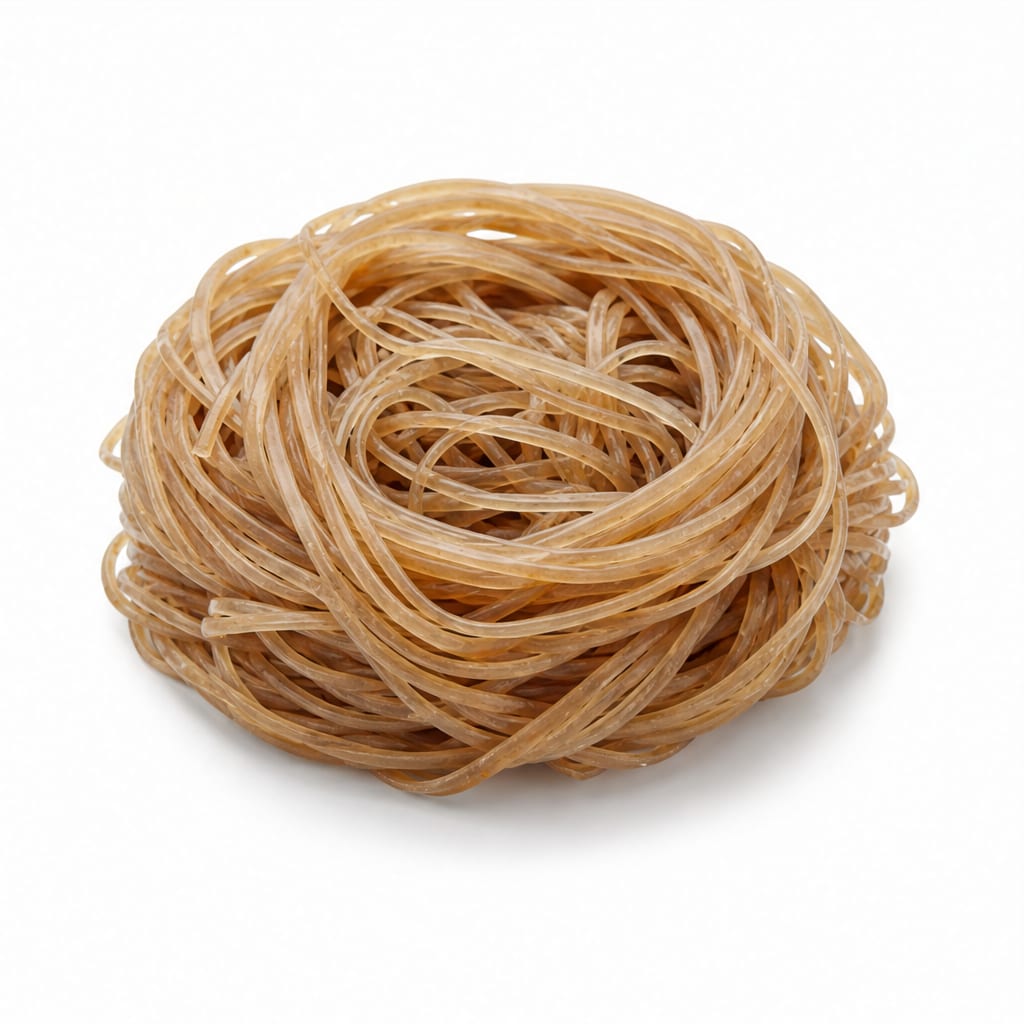
Compare with
Brown Rice Noodles
Brown rice noodles offer more fiber and nutrients than white rice noodles, though both are gluten-free.
Brown rice noodles contain more fiber and nutrients than white rice noodles, offering better blood sugar control and satiety.
This food
Rice Noodle
VS75% alike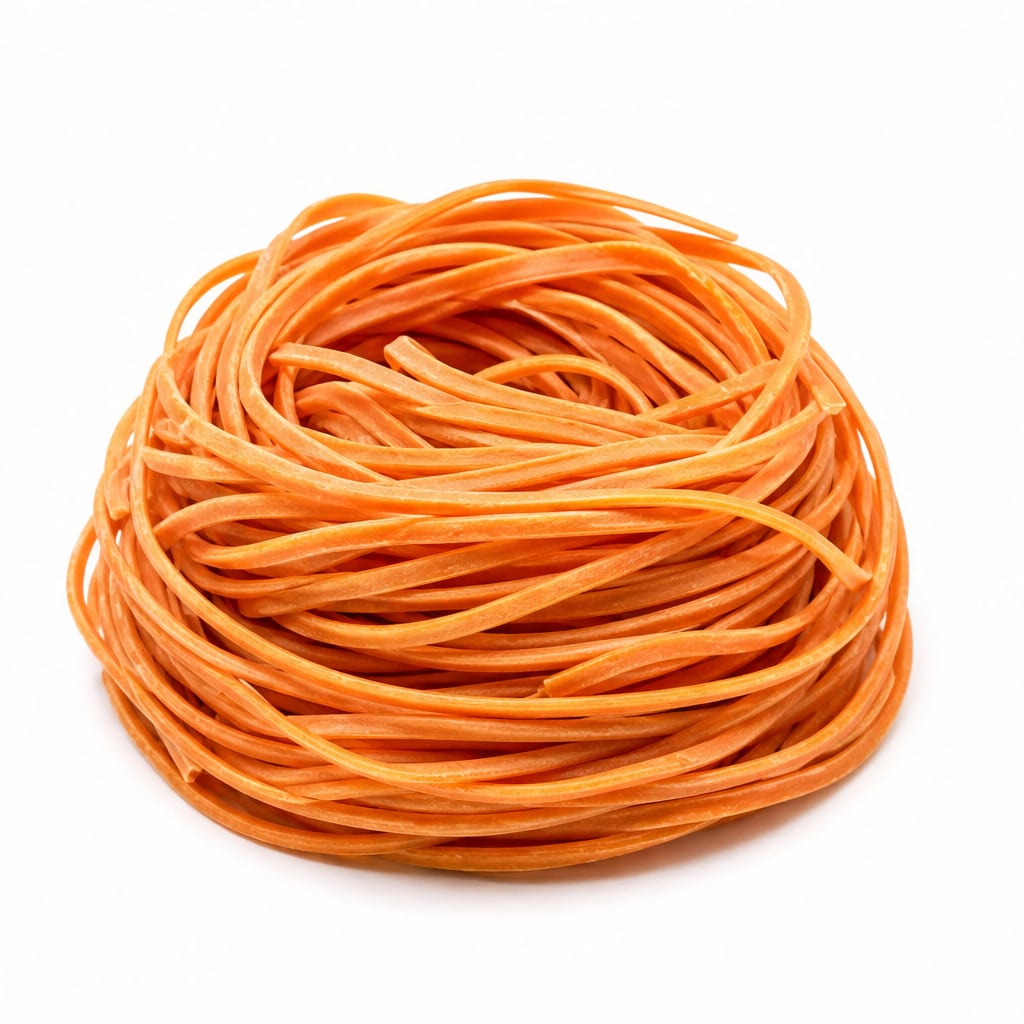
Compare with
Lentil Pasta
Lentil pasta is much higher in protein and fiber, while rice noodles are lighter and better for quick energy.
Lentil pasta is far superior for protein and fiber, keeping you full longer, while rice noodles are a lighter, quicker-digesting carb.
This food
Rice Noodle
VS80% alike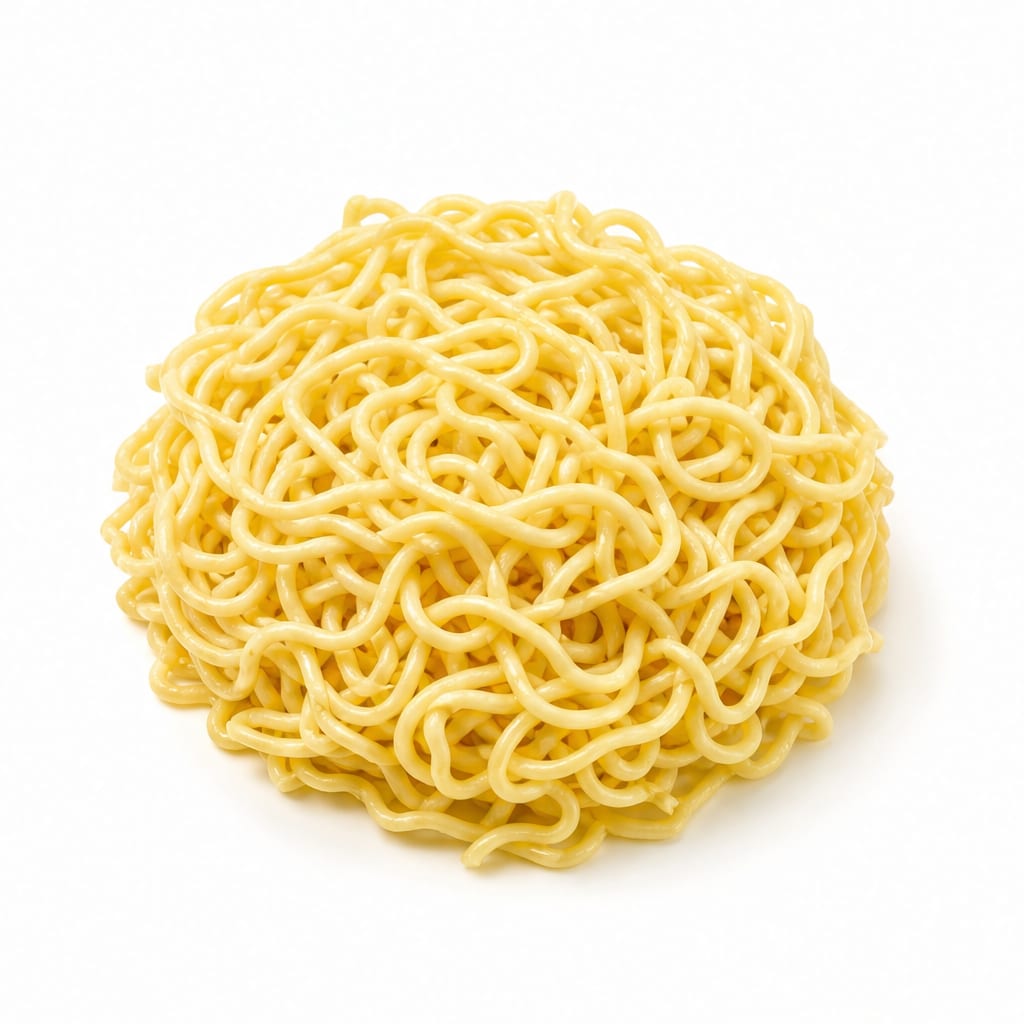
Compare with
Ramen Noodles
Plain rice noodles are less processed and lower in sodium than instant ramen, which is deep-fried and loaded with sodium.
Plain rice noodles are much lower in sodium and fat than instant ramen, making them a healthier base for everyday meals.
Common questions
FAQ
Answers aligned with how people search for this food.
Are rice noodles gluten free?
Yes, rice noodles are naturally gluten-free as they are made from rice flour and water, making them safe for people with celiac disease or gluten intolerance.
Are rice noodles good for weight loss?
They can be part of a weight loss diet due to low calorie density, but their low fiber and protein content means they are not very filling. Pair them with vegetables and protein for better satiety.
Do rice noodles spike blood sugar?
Yes, rice noodles digest quickly and can cause a rapid rise in blood sugar, similar to white rice. Eating them with fiber, fat, and protein helps slow down glucose absorption.
Are rice noodles healthier than regular pasta?
They are lower in calories and gluten-free, but regular wheat pasta contains more protein and fiber. The healthier choice depends on your dietary needs, such as gluten tolerance or macronutrient goals.
How many carbs are in rice noodles?
A 100-gram serving of cooked rice noodles contains about 25 grams of carbohydrates, making them a high-carb food similar to white rice.
Can diabetics eat rice noodles?
Diabetics can eat rice noodles in moderation, but portion control is essential due to their moderate glycemic index. Always combine them with low-carb vegetables and protein to minimize blood sugar spikes.
Do rice noodles contain arsenic?
Rice noodles can contain trace amounts of inorganic arsenic, as rice naturally absorbs arsenic from soil and water. Cooking them in plenty of water and draining can help reduce arsenic levels.
Are rice noodles keto-friendly?
No, rice noodles are not keto-friendly. They are high in carbohydrates and will likely disrupt ketosis.
Transparency
Data confidence
Estimated confidence for nutrition data, interpretation, safety notes, and comparisons.
Nutrition data
Health analysis
Food safety
Comparisons