
Nutrition comparison
Rice Noodles vs Brown Rice Noodles: Which Is Healthier?
Compare Rice Noodles and Brown Rice Noodles on fiber, blood sugar impact, nutrition, and taste. Find out which noodle is better for weight loss, diabetes, and daily meals.
Overall winner · Brown Rice Noodles
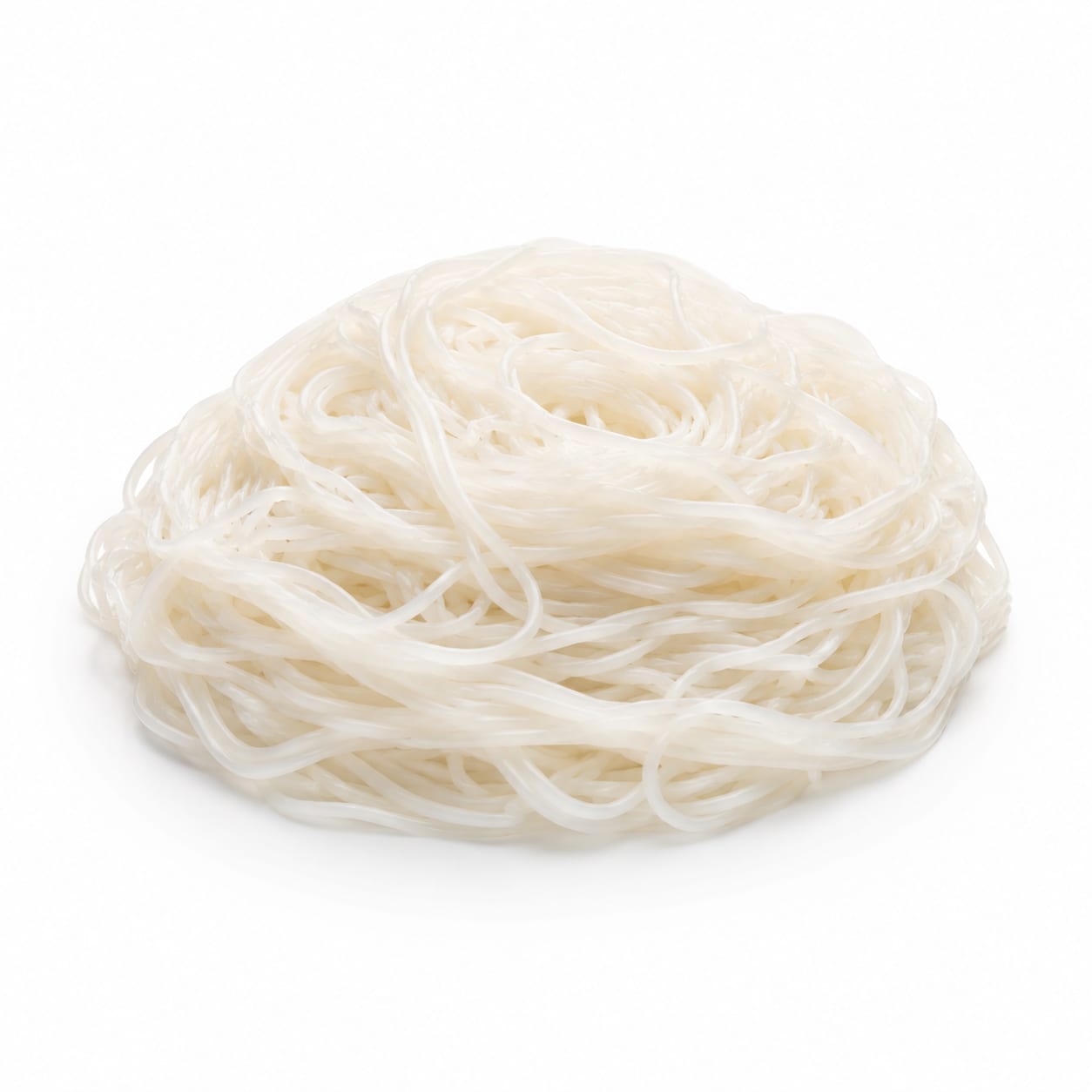
Rice Noodle
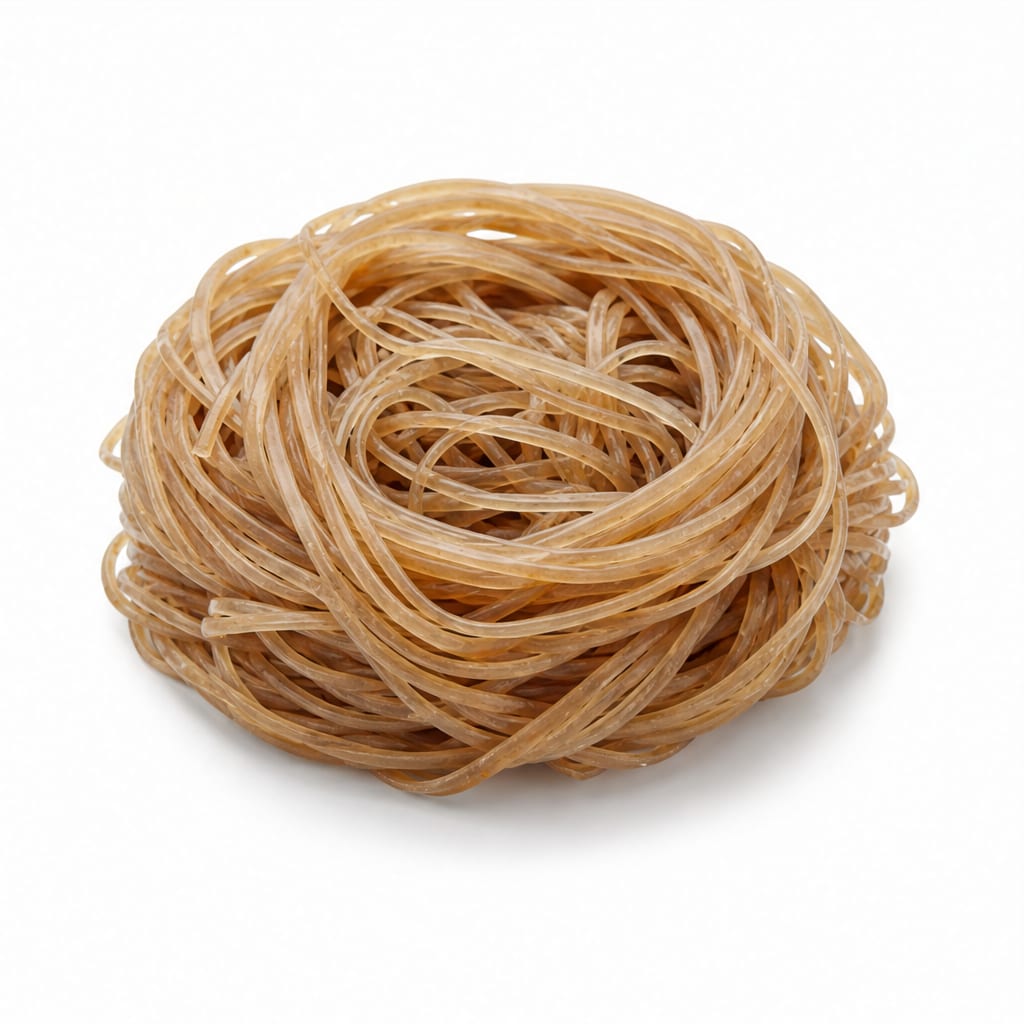
Brown Rice Noodles
Brown Rice Noodles win on nutrition and blood sugar stability, while Rice Noodles offer a lighter, more delicate eating experience.
Brown Rice Noodles score meaningfully higher due to superior fiber, mineral content, and blood sugar stability. Rice Noodles remain relevant for specific culinary and digestive situations but are nutritionally weaker for regular use.
You trade silky texture and mild flavor for better fiber, steadier energy, and more nutrients.
At a glance
Executive summary
Overall
Brown Rice Noodles
Healthier
Brown Rice Noodles
More practical
Rice Noodle
Daily use
Brown Rice Noodles
Key comparison lenses
blood sugar management
The refined vs whole grain difference directly impacts glycemic response, making this the most consequential health distinction
fiber and digestive health
Brown rice noodles retain bran content, dramatically increasing fiber and digestive benefits over white rice noodles
nutrient density tradeoff
Users want to know if the whole grain version delivers meaningful nutritional upgrades worth the texture compromise
weight management and satiety
Fiber content differences affect fullness, making one option better for appetite control
culinary experience and texture preference
Brown rice noodles have a chewier, nuttier character that changes dish outcomes significantly
Best choice for
Rice Noodle
- Traditional Asian soup recipes where texture matters
- Sensitive stomachs needing low-fiber meals
- Quick energy replenishment after intense exercise
- People who find whole grains digestive-heavy
Brown Rice Noodles
- Blood sugar management and diabetes prevention
- Weight loss and appetite control
- Daily staple carbohydrate choice
- Anyone wanting more nutrients per calorie
Least suitable for
Rice Noodle
- People managing diabetes or insulin resistance
- Those needing high-fiber diets for digestion
- Anyone seeking sustained energy without crashes
Brown Rice Noodles
- Acute digestive flare-ups requiring low-fiber foods
- Traditional dishes where chewy texture feels wrong
- Post-workout rapid glycogen replenishment
Deep comparison
Dimension by dimension
Each lens scores both foods and breaks down who each option suits.
- Dimension 1 · Priority 92Brown Rice Noodles
blood sugar stability
Rice Noodle · 35Brown Rice Noodles · 72Rice Noodles digest quickly and spike blood sugar faster. Brown Rice Noodles release energy more gradually thanks to retained fiber.
Tradeoff
Rice Noodles give quick energy but risk crashes; Brown Rice Noodles provide steadier fuel but feel heavier.
Why it matters
Frequent blood sugar spikes drive cravings, fatigue, and long-term metabolic risk. Steadier energy means fewer afternoon slumps.
Real-world impact
A Rice Noodle lunch may leave you hungry again by 2pm. Brown Rice Noodles tend to carry you closer to dinner.
Rice Noodle
- Post-workout recovery when quick carbs help
- Endurance athletes mid-activity needing fast fuel
Better for
- Sedentary evenings when quick carbs become stored fat
- Breakfast before a long desk day
Worse for
Brown Rice Noodles
- Office workers avoiding the 3pm energy crash
- Anyone monitoring prediabetes or insulin levels
- People prone to sugar cravings between meals
Better for
- During intense exercise when you need fast absorption
- Right before high-intensity training
Worse for
- Dimension 2 · Priority 88Brown Rice Noodles
fiber and digestive health
Rice Noodle · 15Brown Rice Noodles · 70Rice Noodles are nearly fiber-free. Brown Rice Noodles retain the bran layer, delivering several grams of fiber per serving.
Tradeoff
More fiber means better digestion and fullness, but can feel heavy if your gut is unaccustomed to whole grains.
Why it matters
Most people eat far too little fiber. Choosing whole grain noodles is an easy upgrade without changing your meal structure.
Real-world impact
Switching to Brown Rice Noodles can meaningfully improve daily fiber intake, supporting regularity and gut health over weeks.
Rice Noodle
- During gastrointestinal illness recovery
- Low-residue diets prescribed for digestive conditions
Better for
- Long-term gut health and microbiome diversity
- Maintaining healthy cholesterol levels
Worse for
Brown Rice Noodles
- Chronic constipation relief
- Gut microbiome support through prebiotic fiber
- Anyone falling short of 25g daily fiber targets
Better for
- Irritable bowel syndrome flare-ups
- Sudden fiber increases without gradual adjustment
Worse for
- Dimension 3 · Priority 85Brown Rice Noodles
nutrient density
Rice Noodle · 25Brown Rice Noodles · 68Refining rice strips away magnesium, phosphorus, B vitamins, and antioxidants. Brown Rice Noodles keep most of these intact.
Tradeoff
You get more minerals and vitamins with Brown Rice Noodles, but neither noodle is a nutritional powerhouse on its own.
Why it matters
When carbs form a dietary staple, choosing the version with more nutrients compounds benefits over years of eating.
Real-world impact
Over months, the magnesium and B vitamins in Brown Rice Noodles subtly support energy metabolism and bone health.
Rice Noodle
- Situations where neutral flavor lets other ingredients shine
Better for
- Reliance on empty carbs as a dietary staple
- Nutrient gaps in grain-heavy diets
Worse for
Brown Rice Noodles
- Plant-based eaters needing mineral support
- Older adults requiring more magnesium and phosphorus
- Anyone eating noodles as a frequent meal base
Better for
- Phytic acid slightly reduces mineral absorption (minor concern)
Worse for
- Dimension 4 · Priority 80Brown Rice Noodles
satiety and fullness
Rice Noodle · 30Brown Rice Noodles · 68Rice Noodles digest fast and leave you hungry sooner. Brown Rice Noodles keep you fuller longer due to fiber and slower digestion.
Tradeoff
Feeling full longer helps weight management, but Rice Noodles feel lighter in the moment, which some prefer.
Why it matters
Satiety is the single most important factor for sustainable eating. Foods that keep you full reduce snacking naturally.
Real-world impact
A Brown Rice Noodle bowl at noon typically prevents the 3pm vending machine visit. Rice Noodles often do not.
Rice Noodle
- Light dinners when you want to sleep on an empty stomach
- Hot weather meals where heavy food feels unappealing
Better for
- Controlling overall daily calorie intake through constant hunger
- Emotional eating triggered by blood sugar dips
Worse for
Brown Rice Noodles
- Weight loss diets requiring portion control without hunger
- Long workdays between meals
- Anyone who snacks excessively between meals
Better for
- Small appetites where feeling too full reduces intake dangerously
Worse for
- Dimension 5 · Priority 75Rice Noodle
culinary experience and texture
Rice Noodle · 82Brown Rice Noodles · 58Rice Noodles are silky, delicate, and slip easily into soups and stir-fries. Brown Rice Noodles are chewier with a nuttier, earthier taste.
Tradeoff
Rice Noodles deliver the classic texture people expect. Brown Rice Noodles add character but can feel heavy or grainy in delicate dishes.
Why it matters
If a meal is not enjoyable, nutritional advantages become irrelevant because you will not keep eating it.
Real-world impact
Pho with Rice Noodles tastes authentic and comforting. The same pho with Brown Rice Noodles feels rustic and hearty, which may or may not suit you.
Rice Noodle
- Traditional pho, pad thai, and spring roll recipes
- Delicate broths where noodle texture should disappear
- Dishes where noodles must absorb sauce cleanly
Better for
- Meals where you want the noodle itself to contribute flavor
Worse for
Brown Rice Noodles
- Hearty stir-fries and grain bowls
- Cold noodle salads where chewiness adds interest
- Fusion dishes where nutty flavor complements bold sauces
Better for
- Light consommé and clear soups
- Recipes requiring that signature slippery rice noodle mouthfeel
Worse for
Timeline
Health impact over time
Short-term
Hours to days
Rice Noodle
- Quick energy availability within 30-60 minutes
- Light feeling in the stomach after eating
- Possible hunger returning within 2-3 hours
- Blood sugar spike followed by mild dip
Brown Rice Noodles
- Gradual energy release over 3-4 hours
- Comfortable fullness without heaviness
- Stable energy without noticeable peaks or crashes
- Initial adjustment period if unused to whole grains
Long-term
Months to years
Rice Noodle
- Higher cumulative glycemic load may increase metabolic risk
- Low fiber intake contributes to chronic constipation patterns
- Nutrient gaps from refined grain reliance compound over years
- Easier to overeat due to low satiety signals
Brown Rice Noodles
- Better long-term blood sugar regulation and diabetes prevention
- Improved gut health and regularity from consistent fiber intake
- Higher mineral intake supports bone density and metabolic function
- Naturally portion-controlled due to greater fullness per serving
Risk profile
Safety & processing
Both are simple grain products with minimal additives. The key difference is that Rice Noodles use refined flour with bran and germ removed, while Brown Rice Noodles use the whole grain. Neither typically contains concerning preservatives, but always check labels for added sodium or starches in commercial brands.
Rice Noodle
arsenic exposure
mediumRice naturally accumulates arsenic from soil and water. Refined rice noodles may have slightly lower arsenic than brown rice products since arsenic concentrates in the bran, but levels vary significantly by source region.
Brown Rice Noodles
arsenic exposure
mediumBrown rice retains the bran layer where arsenic tends to concentrate. Brown Rice Noodles may contain somewhat higher arsenic than white Rice Noodles from the same source. Sourcing from low-arsenic regions mitigates this.
rancidity
lowThe germ in whole grain brown rice contains oils that can go rancid over time. Store Brown Rice Noodles in a cool, dry place and check freshness dates.
Who wins for whom
Audience fit
Same foods, different winners depending on your goal.
children
It dependsRice Noodles are easier for small appetites and sensitive tummies, but Brown Rice Noodles build better long-term eating habits and fiber intake.
daily consumption
Brown Rice NoodlesDaily staple carbohydrates should maximize nutrient density and fiber. Brown Rice Noodles deliver both without requiring meal restructuring.
diabetes
Brown Rice NoodlesLower glycemic impact and higher fiber significantly reduce blood sugar spikes compared to refined Rice Noodles.
elderly
Brown Rice NoodlesOlder adults benefit more from the fiber, magnesium, and blood sugar stability, provided digestion tolerates whole grains well.
muscle gain
Rice NoodleFaster-digesting carbohydrates around workouts support glycogen replenishment when timing matters more than sustained energy.
weight loss
Brown Rice NoodlesHigher fiber and slower digestion naturally reduce overall calorie intake by keeping you full longer between meals.
Your move
Decision guide
Choose Rice Noodle
- You are cooking traditional Asian recipes where texture authenticity matters
- You need quick-digesting carbs before or after intense exercise
- You have a sensitive stomach or are recovering from illness
- You find whole grains physically uncomfortable or bloating
- You eat noodles occasionally and nutrition differences feel negligible
Choose Brown Rice Noodles
- You eat noodles as a regular meal staple multiple times per week
- You want steadier energy without afternoon crashes
- You are managing weight, blood sugar, or fiber intake
- You enjoy or do not mind a chewier, nuttier noodle character
- You want every carb choice to contribute meaningful nutrition
Either works if
- You pair noodles with abundant vegetables, protein, and healthy fats
- You vary your grain sources throughout the week anyway
- Both options fit your calorie and carb budget comfortably
Avoid both if
- You have a rice allergy or sensitivity
- You are on a strict low-carb or ketogenic diet
- You are concerned about arsenic and cannot verify sourcing
- You have celiac disease and the brand processes wheat products too
Final recommendation
Make Brown Rice Noodles your default for everyday meals. The fiber, mineral, and blood sugar benefits compound meaningfully over time. Keep Rice Noodles on hand for traditional recipes, post-workout meals, or days when your digestion needs something gentler. The best choice is the one you will enjoy consistently, so if Brown Rice Noodles feel punishing in your favorite pho, use Rice Noodles there and upgrade elsewhere.
Practical
Consumer tips
- 1
Check ingredient lists: some Rice Noodles add cornstarch or tapioca, and some Brown Rice Noodles add white rice flour. Simpler is better.
- 2
Rinse both types after cooking to remove surface starch and improve texture.
- 3
Soak Brown Rice Noodles a few minutes longer than white Rice Noodles for better pliability.
- 4
Source noodles from brands that test for arsenic, especially for children and pregnant people.
- 5
If switching to Brown Rice Noodles, introduce them gradually over a week to let your digestion adapt to increased fiber.
- 6
Brown Rice Noodles pair especially well with peanut sauce, sesame, and bold flavors that complement their nuttiness.
- 7
Store Brown Rice Noodles in airtight containers away from heat to prevent the natural oils from turning rancid.