
Nutrition comparison
Rice Noodles vs Wheat Spaghetti: Which Is Healthier?
Compare rice noodles and wheat spaghetti on fiber, blood sugar impact, gluten, and satiety. Find out which noodle fits your diet, health goals, and cooking style.
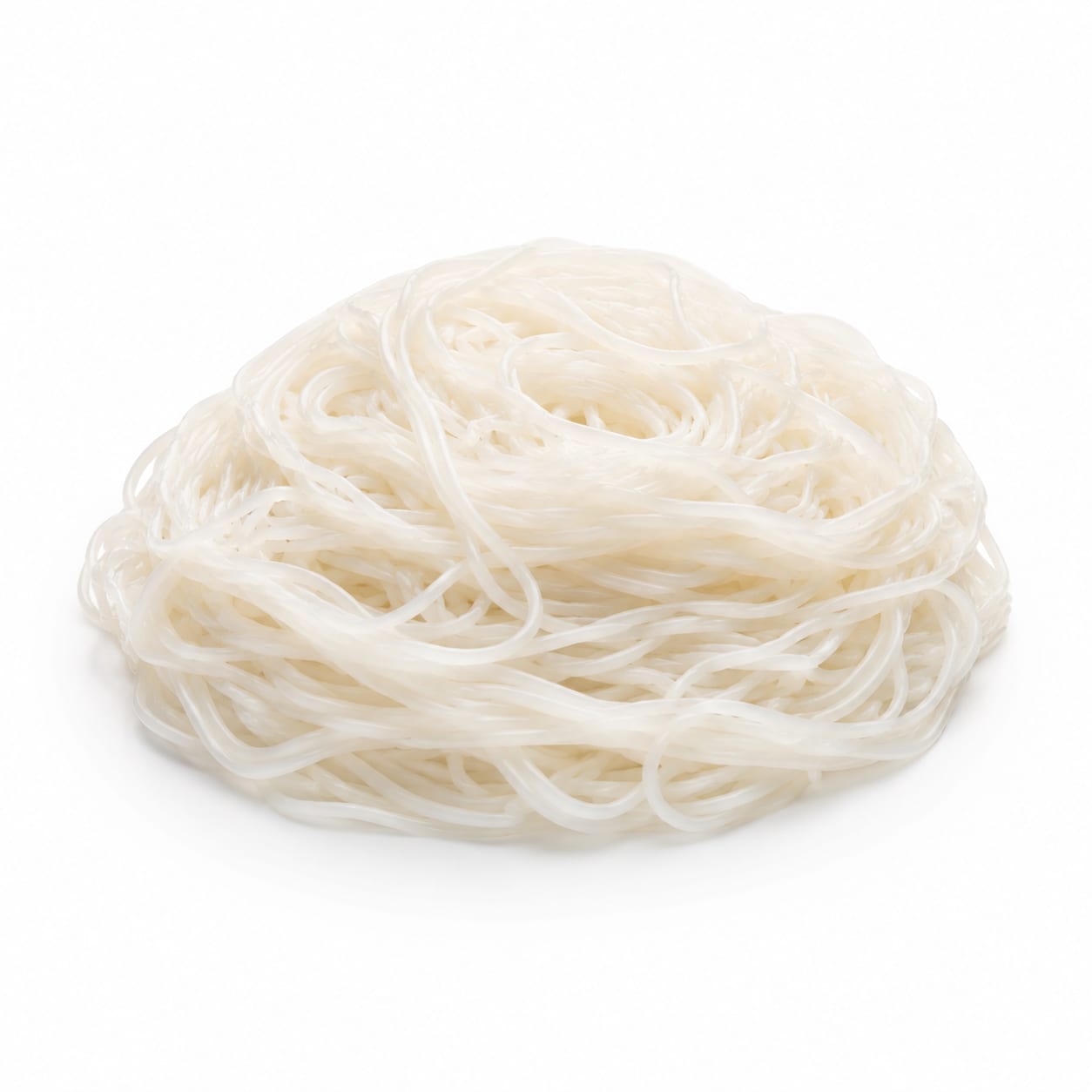
Rice Noodle
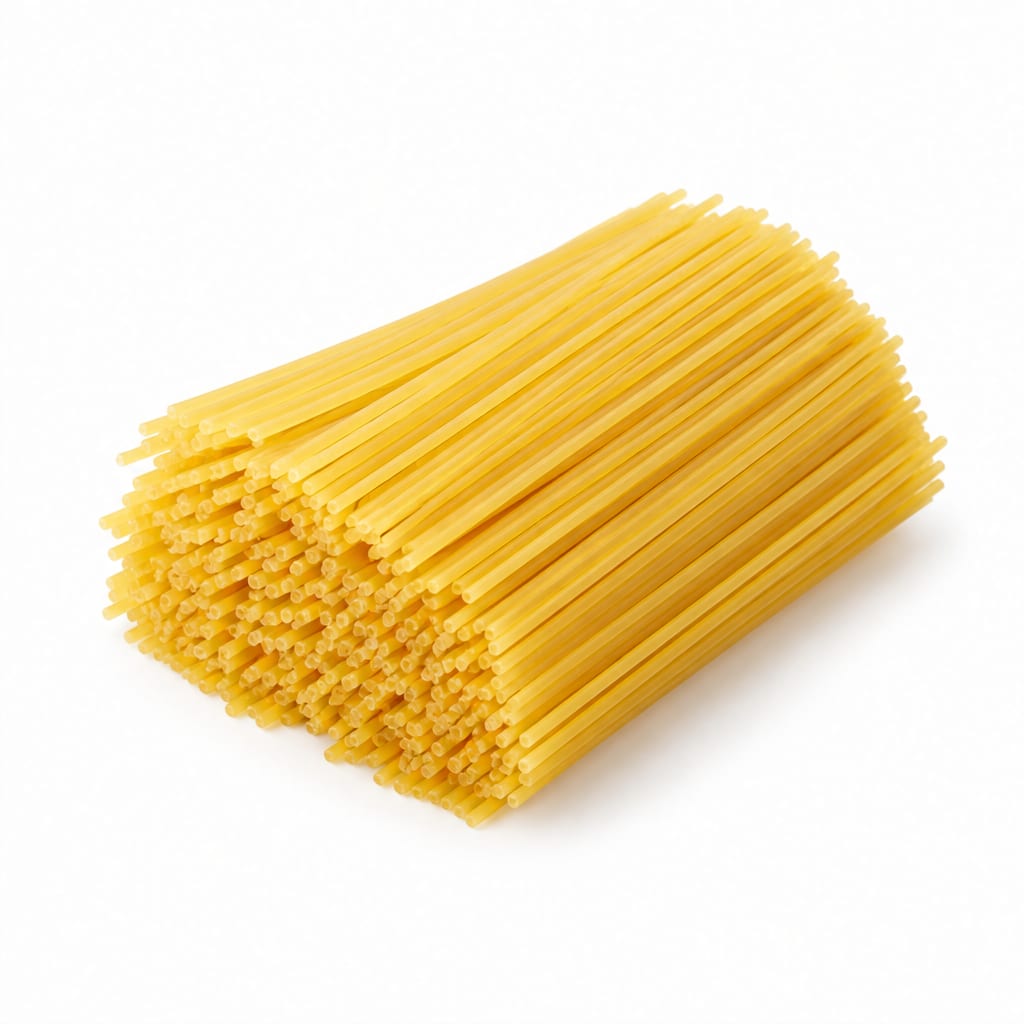
Wheat Spaghetti
Wheat spaghetti wins on nutrition and satiety, but rice noodles are essential for gluten-free diets and feel lighter in hot weather or delicate dishes.
Wheat spaghetti scores notably higher due to superior fiber, protein, and micronutrient content. Rice noodles remain relevant for gluten-free needs but offer less nutritional value per calorie for the general population.
More fiber and protein in wheat spaghetti versus easier digestion and gluten freedom in rice noodles.
At a glance
Executive summary
Overall
It depends
Healthier
Wheat Spaghetti
More practical
It depends
Daily use
Wheat Spaghetti
Key comparison lenses
gluten free vs gluten tolerance
The single biggest differentiator is gluten content, which determines suitability for celiacs and those with gluten sensitivity
blood sugar management
Both are high-carb staples but differ significantly in glycemic impact and fiber content, making blood sugar response a critical decision factor
satiety and portion control
Rice noodles are less filling per calorie, leading to easier overconsumption, while wheat spaghetti provides more staying power
nutrient density for daily staple
As foods people eat multiple times per week, the vitamin and mineral contribution matters for long-term health
weight management
Calorie density and satiety differences make one easier to manage portions with than the other
Best choice for
Rice Noodle
- People with celiac disease or gluten intolerance
- Those seeking a light meal in hot weather
- Anyone recovering from digestive illness needing bland, easy-to-digest carbs
- Fans of Asian stir-fry and soup dishes where the texture is irreplaceable
Wheat Spaghetti
- Most people without gluten issues looking for a daily carb staple
- Anyone prioritizing fullness and blood sugar stability
- Budget-conscious eaters wanting more nutrition per dollar
- Active individuals needing sustained energy over hours
Least suitable for
Rice Noodle
- People with diabetes or insulin resistance needing steady blood sugar
- Those trying to lose weight who struggle with portion control
- Anyone needing higher protein intake from their carb sources
Wheat Spaghetti
- People with celiac disease or non-celiac gluten sensitivity
- Those with wheat allergies
- Anyone experiencing bloating or discomfort after wheat consumption
Deep comparison
Dimension by dimension
Each lens scores both foods and breaks down who each option suits.
- Dimension 1 · Priority 90Wheat Spaghetti
Blood Sugar Stability
Rice Noodle · 35Wheat Spaghetti · 62Rice noodles spike blood sugar faster and harder, while wheat spaghetti provides a slower, steadier energy release.
Tradeoff
Rice noodles give quick energy but crash sooner; wheat spaghetti keeps you fueled longer between meals.
Why it matters
Frequent blood sugar spikes drive cravings, fatigue, and long-term metabolic risk. Steadier energy means fewer afternoon slumps and less snacking.
Real-world impact
A rice noodle lunch may leave you hungry again by 2pm. Wheat spaghetti with the same sauce keeps you satisfied until dinner.
Rice Noodle
- Quick pre-workout fuel when you need fast carbs
- Recovering from illness when appetite is low and easy digestion matters
Better for
- Insulin-resistant individuals
- Frequent snackers who already struggle with cravings
Worse for
Wheat Spaghetti
- Managing prediabetes or diabetes
- Sustained energy through a long workday
- Reducing between-meal cravings
Better for
- Anyone eating right before intense exercise who needs quick-available energy
Worse for
- Dimension 2 · Priority 88Wheat Spaghetti
Satiety and Fullness
Rice Noodle · 30Wheat Spaghetti · 68Wheat spaghetti is significantly more filling per serving thanks to higher protein and fiber. Rice noodles digest quickly and leave you hungry sooner.
Tradeoff
Lightness in the stomach versus lasting fullness. Rice noodles feel less heavy but also less satisfying.
Why it matters
Foods that keep you full help control portions naturally. Low-satiety foods often lead to second helpings or extra snacking.
Real-world impact
A bowl of rice noodles feels great going down but you may reach for a snack an hour later. Wheat spaghetti with sauce and vegetables keeps you comfortably full for hours.
Rice Noodle
- Hot days when heavy meals feel unappealing
- Small appetites or after illness when large portions feel overwhelming
Better for
- Emotional eaters who need meals to feel substantial
- People who skip snacks and need meals to last
Worse for
Wheat Spaghetti
- Weight management through natural portion control
- Athletes needing sustained fuel
- Busy people who cannot snack between meals
Better for
- Those who feel uncomfortably stuffed after heavy meals
Worse for
- Dimension 3 · Priority 86Rice Noodle
Digestive Tolerance
Rice Noodle · 82Wheat Spaghetti · 45Rice noodles are gentle on the digestive system and naturally gluten-free. Wheat spaghetti contains gluten, which causes problems for a meaningful minority of people.
Tradeoff
Broad digestive comfort for most versus essential safety for those with gluten issues.
Why it matters
For the roughly 5-7% of people with gluten sensitivity or celiac disease, wheat spaghetti is not a viable option. For everyone else, rice noodles offer no digestive advantage.
Real-world impact
If wheat makes you bloated, gassy, or fatigued, rice noodles are a relief. If you tolerate wheat fine, there is no digestive benefit to switching.
Rice Noodle
- Celiac disease or gluten intolerance
- IBS sufferers who find wheat triggering
- Post-stomach-bug recovery meals
Better for
- None significant for digestive health
Worse for
Wheat Spaghetti
- The 93%+ of people who digest gluten without issues
Better for
- Anyone with diagnosed or suspected gluten-related disorders
Worse for
- Dimension 4 · Priority 78Wheat Spaghetti
Nutrient Density
Rice Noodle · 28Wheat Spaghetti · 65Wheat spaghetti, especially enriched varieties, delivers more B vitamins, iron, and protein per serving. Rice noodles are largely refined carbohydrate with minimal micronutrients.
Tradeoff
Rice noodles are a cleaner slate for flavors but contribute little nutritionally beyond calories.
Why it matters
When a food is a dietary staple eaten multiple times weekly, its nutrient contribution adds up significantly over months and years.
Real-world impact
A serving of enriched wheat spaghetti provides meaningful iron and B vitamins. Rice noodles give you energy but you must get those nutrients elsewhere.
Rice Noodle
- Cuisines where the sauce and toppings carry the nutritional weight
- Meals paired with nutrient-dense proteins and vegetables
Better for
- Diets heavy in refined carbs with few nutrient-dense additions
Worse for
Wheat Spaghetti
- Anyone relying on staples for baseline nutrition
- Vegetarians who need iron from fortified sources
- Budget diets where each food must pull nutritional weight
Better for
- None significant for nutrient density
Worse for
- Dimension 5 · Priority 82Wheat Spaghetti
Fiber Content
Rice Noodle · 15Wheat Spaghetti · 55Even regular wheat spaghetti has more fiber than rice noodles. Whole wheat spaghetti has dramatically more. Rice noodles are essentially fiber-free.
Tradeoff
Rice noodles offer a smooth, delicate texture but zero digestive roughage. Wheat spaghetti supports gut health but has a chewier, heartier mouthfeel.
Why it matters
Fiber feeds gut bacteria, supports regularity, and slows sugar absorption. A fiber-free staple eaten regularly is a missed opportunity.
Real-world impact
If rice noodles are your main carb, you need to work harder to get fiber from vegetables, legumes, and other sources throughout the day.
Rice Noodle
- Low-residue diets for specific medical conditions
- Temporary eating after digestive surgery
Better for
- Anyone already struggling to meet daily fiber targets
Worse for
Wheat Spaghetti
- Gut health and microbiome support
- Cholesterol management
- Preventing constipation
Better for
- Acute digestive flare-ups requiring low-fiber eating
Worse for
- Dimension 6 · Priority 65It depends
Versatility and Cuisine Fit
Rice Noodle · 70Wheat Spaghetti · 70Each excels in its own culinary tradition. Rice noodles shine in Southeast Asian dishes; wheat spaghetti defines Italian cooking. Neither substitutes well for the other.
Tradeoff
Authenticity and texture match versus substitution attempts that usually disappoint.
Why it matters
Food satisfaction is not just nutritional. Eating the right noodle for the right dish matters for enjoyment and cultural authenticity.
Real-world impact
Pad thai with wheat spaghetti feels wrong. Bolognese with rice noodles feels wrong. Use each for its strengths.
Rice Noodle
- Stir-fries, soups, and Asian salads
- Dishes where a delicate, slippery texture is desired
Better for
- Heavy cream or meat sauces that overwhelm the delicate texture
Worse for
Wheat Spaghetti
- Pasta bakes, thick sauces, and Italian classics
- Dishes where the noodle needs to hold up to heavy toppings
Better for
- Light broths and quick stir-fries where a chewy texture feels clunky
Worse for
Timeline
Health impact over time
Short-term
Hours to days
Rice Noodle
- Quick energy but faster hunger return
- Very gentle on the stomach if you have any digestive sensitivity
- May cause energy crash 1-2 hours after eating if eaten alone
Wheat Spaghetti
- Longer-lasting fullness and steadier energy
- Possible bloating or discomfort if you have undiagnosed gluten sensitivity
- Better blood sugar curve when paired with protein and fat
Long-term
Months to years
Rice Noodle
- Risk of nutrient shortfalls if relied on heavily without diverse accompaniments
- Higher cumulative glycemic load may contribute to metabolic issues over years
- Safe long-term choice for those with celiac disease when paired with nutrient-rich sides
Wheat Spaghetti
- Better long-term metabolic outcomes due to fiber and slower digestion
- Fortified varieties support iron and B vitamin status over time
- Problematic for the subset of population with gluten-related disorders
Risk profile
Safety & processing
Both are processed from whole grains into refined noodle form. Standard rice noodles and wheat spaghetti contain minimal additives, typically just grain and water. Whole wheat spaghetti is less refined than either regular option.
Rice Noodle
Arsenic exposure
mediumRice can accumulate arsenic from soil and water. Regular consumption of rice-based products may contribute to cumulative exposure, particularly concerning for children and pregnant women.
Cross-contamination with gluten
lowSome rice noodle brands are produced in facilities that also process wheat. Celiacs should verify certified gluten-free labeling.
Wheat Spaghetti
Gluten-related reactions
highFor individuals with celiac disease, even trace gluten causes intestinal damage. For those with non-celiac sensitivity, symptoms range from bloating to fatigue and joint pain.
Wheat allergy
mediumTrue wheat allergy is uncommon but can cause hives, swelling, or anaphylaxis in sensitive individuals.
Who wins for whom
Audience fit
Same foods, different winners depending on your goal.
children
It dependsWheat spaghetti offers more iron and B vitamins important for growth. Rice noodles are the safe choice for children with celiac disease or gluten sensitivity. Arsenic in rice is a consideration for frequent child consumption.
daily consumption
Wheat SpaghettiFor the majority without gluten issues, wheat spaghetti provides better daily nutritional support. Rice noodles work as a daily staple only when paired with nutrient-dense accompaniments.
diabetes
Wheat SpaghettiMore fiber and a lower glycemic response make wheat spaghetti significantly better for blood sugar management. Rice noodles can cause sharp glucose spikes.
elderly
Wheat SpaghettiOlder adults benefit more from the fiber, iron, and B vitamins in wheat spaghetti, unless they have gluten sensitivity which becomes more common with age.
muscle gain
Wheat SpaghettiWheat spaghetti provides more protein per serving and steadier energy for training. Neither is a protein powerhouse, but wheat spaghetti contributes more toward daily protein targets.
weight loss
Wheat SpaghettiHigher fiber and protein in wheat spaghetti naturally curb appetite and reduce the urge to overeat. Rice noodles are too easy to overconsume.
Your move
Decision guide
Choose Rice Noodle
- You have celiac disease, gluten intolerance, or wheat allergy
- You live in a hot climate and prefer lighter meals
- You are making Asian dishes where rice noodles are traditional and texturally correct
- You are recovering from a stomach bug and need easily digestible food
Choose Wheat Spaghetti
- You tolerate gluten and want more nutrition from your carb staple
- Blood sugar management or diabetes prevention matters to you
- You want meals that keep you full for hours without snacking
- You are feeding a family and need affordable, nutrient-dense options
Either works if
- You rotate between cuisines and enjoy both Italian and Asian cooking
- You pair noodles with plenty of vegetables, protein, and healthy fats regardless of type
- You eat noodles only occasionally and the nutritional differences matter less
Avoid both if
- You are on a strict low-carb or ketogenic diet
- You are managing severe diabetes and need to minimize all refined starches
- You are trying to reduce ultra-processed foods and prefer whole grains like quinoa or brown rice
Final recommendation
For most people, wheat spaghetti is the better everyday staple because it delivers more fiber, protein, and micronutrients per calorie. Choose rice noodles when gluten is a concern, when the dish calls for them specifically, or when you want a lighter meal. The worst option is not picking the wrong noodle — it is eating either one plain without vegetables and protein.
Practical
Consumer tips
- 1
If choosing rice noodles, always pair with high-fiber vegetables and protein to compensate for their low satiety and fiber content.
- 2
Opt for whole wheat spaghetti when possible — it doubles the fiber and further smooths blood sugar response.
- 3
Look for brown rice noodles as a middle ground: slightly more fiber and nutrients than white rice noodles, still gluten-free.
- 4
If you have celiac disease, always check for certified gluten-free labels on rice noodles to avoid cross-contamination.
- 5
Vary your carb sources throughout the week rather than relying on any single noodle type daily.
- 6
Cook wheat spaghetti al dente — it lowers the glycemic index compared to overcooked pasta.
- 7
Rinsing rice noodles after cooking removes surface starch and prevents clumping, but does not meaningfully change nutrition.