
Nutrition comparison
Rice Noodles vs Udon Noodles: Which Is Healthier?
Compare rice noodles and udon noodles on gluten, blood sugar, sodium, and satiety. Find out which noodle fits your diet and health goals better.
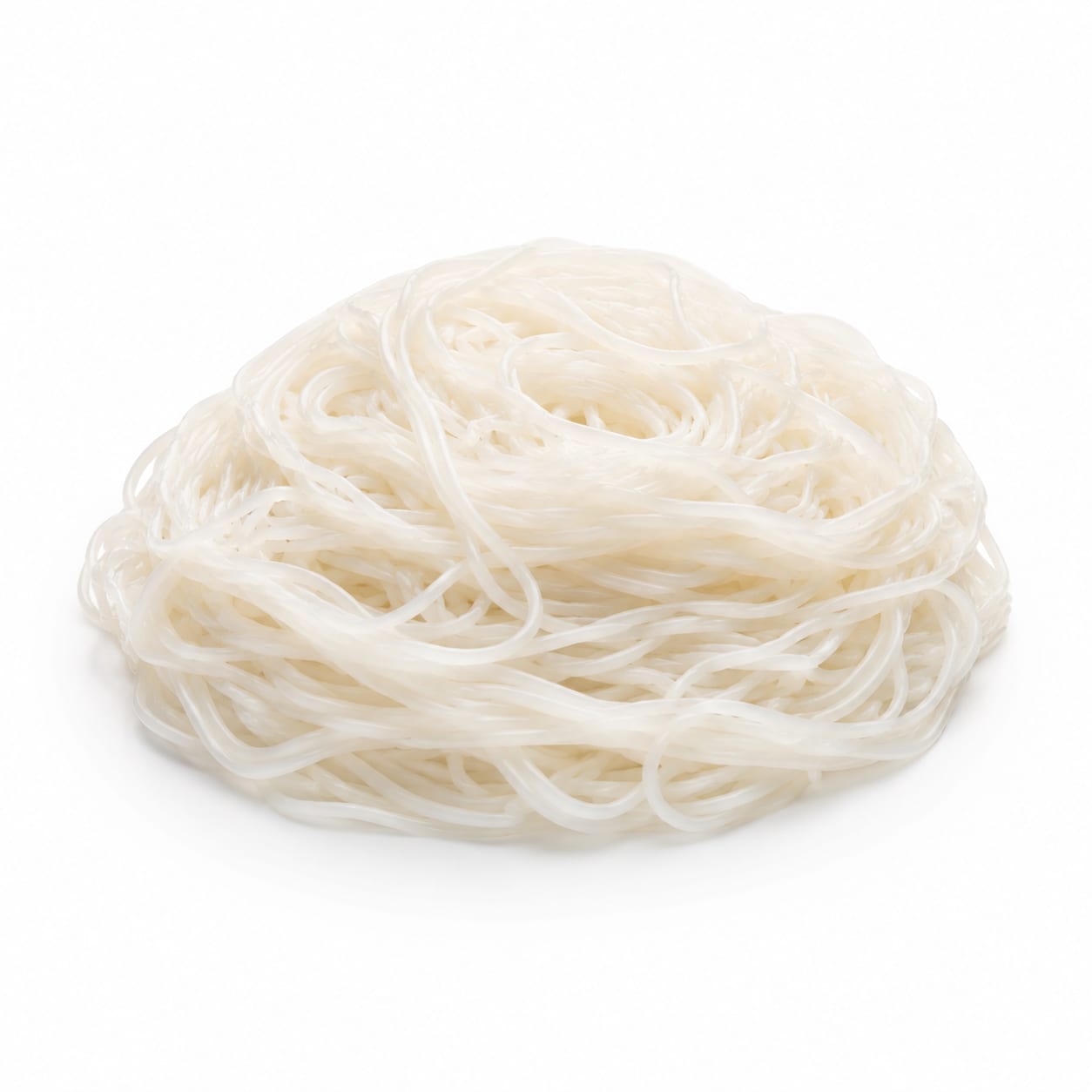
Rice Noodle
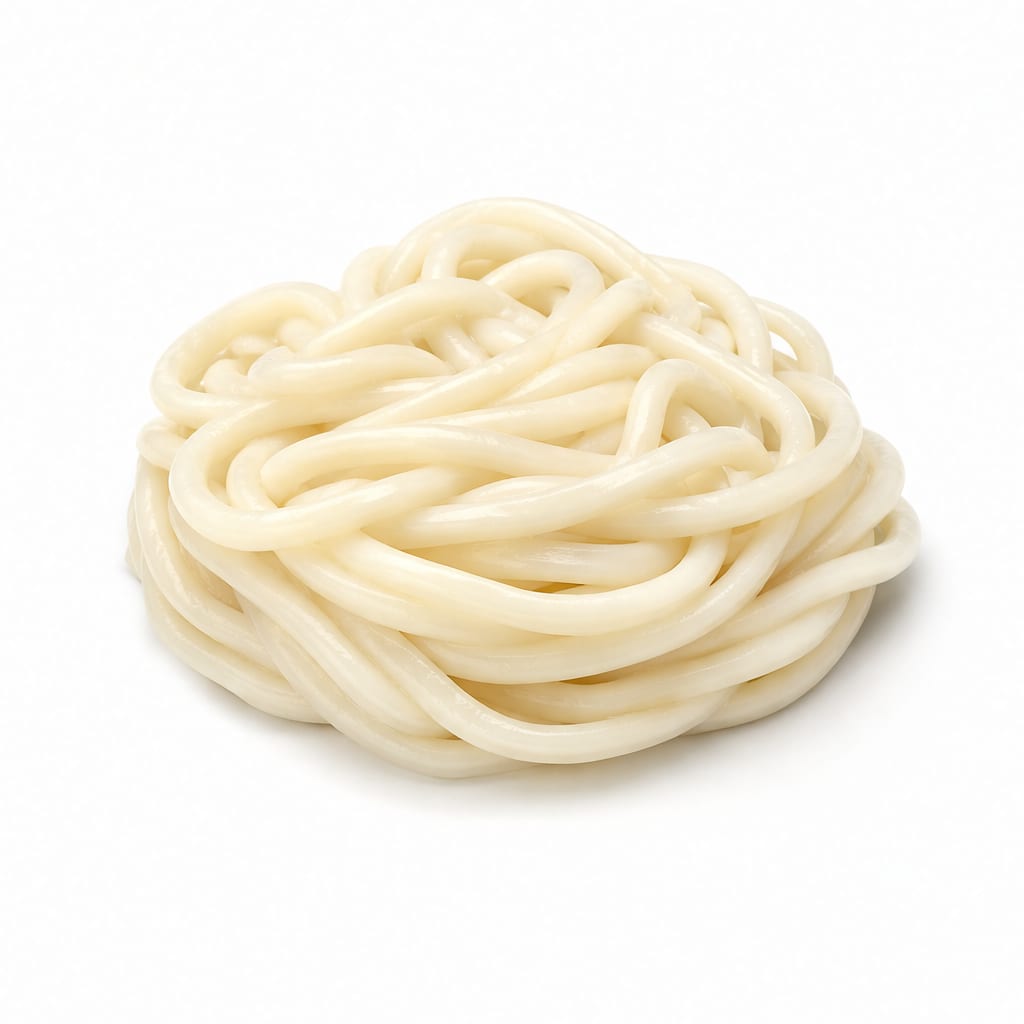
Udon Noodles
Rice noodles win for gluten-free needs and lighter meals, while udon delivers more satisfying chew and steadier energy.
Udon edges ahead slightly due to better satiety and marginally steadier blood sugar response, but rice noodles remain the only safe choice for gluten-free eaters. The small gap reflects that both are refined carb staples with similar nutritional limitations.
Gluten-free lightness versus filling satisfaction and slightly better blood sugar stability.
At a glance
Executive summary
Overall
It depends
Healthier
It depends
More practical
Rice Noodle
Daily use
It depends
Key comparison lenses
gluten sensitivity and digestive comfort
Rice noodles are naturally gluten-free while udon contains wheat, a critical distinction for many
blood sugar management
Both are carb-heavy staples, so glycemic impact is a top concern for everyday eaters
satiety and meal satisfaction
Noodle thickness and chewiness directly affect how full and satisfied you feel after eating
weight management
Both foods are carbohydrate-dense, making calorie and fullness tradeoffs important
sodium and broth pairing awareness
Udon is typically served in high-sodium dashi broth, impacting overall meal health
Best choice for
Rice Noodle
- Gluten-sensitive or celiac individuals
- Light lunch or warm-weather meals
- Lower-sodium meal builds when paired with simple sauces
- Post-stomach-illness recovery eating
Udon Noodles
- Athletes needing sustained carb energy
- Cold-weather comfort meals
- People who find thin noodles unsatisfying
- Those wanting steadier blood sugar from wheat-based carbs
Least suitable for
Rice Noodle
- Low-carb or keto dieters
- Those needing high-protein meals
- Blood sugar management without added fiber or protein
Udon Noodles
- Anyone with celiac disease or gluten intolerance
- Low-sodium diets when served in traditional broth
- Those seeking light, refreshing meals
Deep comparison
Dimension by dimension
Each lens scores both foods and breaks down who each option suits.
- Dimension 1 · Priority 88Udon Noodles
blood sugar stability
Rice Noodle · 38Udon Noodles · 48Udon causes a slightly gentler blood sugar rise than rice noodles, though neither is ideal without pairing.
Tradeoff
Rice noodles digest faster, which feels lighter but can lead to quicker hunger and energy dips.
Why it matters
If you eat noodles solo or with minimal protein, rice noodles may leave you crashing within 90 minutes.
Real-world impact
A rice noodle lunch without enough protein or fat often means reaching for a snack by 3pm.
Rice Noodle
- Quick pre-workout energy when you need fast-digesting carbs
Better for
- Diabetics managing post-meal spikes
- Solo meals without protein or fiber sides
Worse for
Udon Noodles
- Longer meetings or shifts where you cannot snack
- Steadier afternoon focus without energy crashes
Better for
- Anyone needing rapid carb replenishment post-endurance workout
Worse for
- Dimension 2 · Priority 85Udon Noodles
satiety and fullness
Rice Noodle · 42Udon Noodles · 62Udon's thick, chewy texture makes meals feel more substantial and last longer in your stomach.
Tradeoff
That satisfying chew comes with feeling heavier, which may not suit every occasion.
Why it matters
People who feel hungry soon after eating rice noodles often eat larger portions or add extra snacks.
Real-world impact
A bowl of udon with vegetables and tofu typically keeps you full for 3-4 hours; the same volume of rice noodles may only last 2.
Rice Noodle
- Hot summer days when heavy meals feel oppressive
- Appetizer portions or multi-course meals
Better for
- Emotional eaters who need physical fullness cues
- Anyone prone to overeating because they never feel satisfied
Worse for
Udon Noodles
- One-dish dinners where the noodle is the star
- Active days when you need lasting fuel
Better for
- Late dinners close to bedtime
- People who feel sluggish after heavy meals
Worse for
- Dimension 3 · Priority 92Rice Noodle
gluten and digestive tolerance
Rice Noodle · 90Udon Noodles · 30Rice noodles are naturally gluten-free and gentle on sensitive stomachs. Udon contains wheat gluten.
Tradeoff
If you have no gluten issues, udon's gluten content actually contributes to its satisfying chew.
Why it matters
For the estimated 6% of people with gluten sensitivity and 1% with celiac, this alone decides the choice.
Real-world impact
Someone with non-celiac gluten sensitivity may experience bloating or brain fog for hours after eating udon.
Rice Noodle
- Celiac disease or gluten intolerance
- IBS flare-ups when wheat aggravates symptoms
- Recovery meals after stomach illness
Better for
- No downside for digestive tolerance
Worse for
Udon Noodles
- No gluten sensitivity and you prefer the chewy texture
Better for
- Any degree of gluten sensitivity or wheat allergy
- Hashimoto's or autoimmune conditions where gluten is a trigger
Worse for
- Dimension 4 · Priority 75Rice Noodle
sodium and meal context
Rice Noodle · 55Udon Noodles · 35Plain rice noodles contain almost no sodium, while udon is typically served in heavily salted dashi broth.
Tradeoff
Udon broth delivers deep umami comfort but can easily exceed 1000mg sodium per bowl.
Why it matters
Most people already consume too much sodium, and a single udon bowl can hit half your daily limit.
Real-world impact
A traditional udon bowl can contain 800-1500mg sodium; rice noodles with a light sauce might have 200-400mg.
Rice Noodle
- Hypertension management
- Kidney-friendly eating patterns
- Controlling next-day water retention and bloating
Better for
- Not inherently worse, but bland without seasoning that adds sodium anyway
Worse for
Udon Noodles
- Post-sweat rehydration when you need electrolytes
- Cold days when a salty hot broth feels therapeutic
Better for
- Daily consumption risks chronic high sodium intake
- Heart failure or kidney disease patients
Worse for
- Dimension 5 · Priority 70It depends
nutritional density
Rice Noodle · 32Udon Noodles · 38Both are essentially refined carbohydrate sources with minimal protein, fiber, or micronutrients.
Tradeoff
Udon has marginally more protein and some iron from wheat, but neither is a nutritional standout.
Why it matters
Neither noodle should be the nutritional hero of your meal — what you add matters far more.
Real-world impact
A noodle bowl's health value is determined 80% by the broth, vegetables, and protein you pair with it.
Rice Noodle
- Slightly lower calorie per serving for calorie-counters
Better for
- Virtually zero protein or fiber on its own
Worse for
Udon Noodles
- Small protein advantage for active people
- Trace iron and B vitamins from wheat flour
Better for
- Still falls short as a meaningful nutrient source
Worse for
Timeline
Health impact over time
Short-term
Hours to days
Rice Noodle
- Quick energy from fast-digesting carbs
- Light feeling in the stomach after eating
- Possible hunger returning within 1-2 hours if eaten alone
- Very low sodium in plain form, reducing bloating risk
Udon Noodles
- Sustained energy from thicker, slower-digesting wheat noodles
- Comforting fullness that lasts several hours
- Potential bloating if gluten-sensitive
- High sodium intake when consumed in traditional broth
Long-term
Months to years
Rice Noodle
- Safe for daily consumption if paired with protein and vegetables
- Lower sodium meals support healthier blood pressure over time
- Chronic low satiety may lead to overeating if portions are not managed
- Gluten-free nature reduces cumulative inflammatory exposure for sensitive individuals
Udon Noodles
- Regular high-sodium broth consumption may increase hypertension risk
- Better satiety can support healthier portion control long-term
- Gluten exposure is fine for most but problematic for sensitive individuals
- Slightly better nutrient profile from wheat, though still minimal
Risk profile
Safety & processing
Both are simple grain-and-water products with minimal additives. Fresh versions of either are slightly less processed than dried. Some dried rice noodles contain minimal preservatives, but overall both are clean compared to most packaged foods.
Rice Noodle
Arsenic exposure from rice
mediumRice can accumulate arsenic from soil and water. Regular daily consumption of rice noodles as a staple could contribute to cumulative exposure, especially for children.
Cross-contamination with wheat in production
lowSome rice noodle facilities also process wheat products. Celiacs should verify certified gluten-free labeling.
Udon Noodles
Wheat allergy or gluten exposure
highContains wheat gluten. For celiacs or those with wheat allergy, even trace exposure triggers immune reactions and intestinal damage.
High sodium in prepared broth
mediumTraditional udon broth is sodium-dense. Regular consumption can contribute to hypertension, especially in salt-sensitive individuals.
Who wins for whom
Audience fit
Same foods, different winners depending on your goal.
children
It dependsRice noodles are safer for gluten-sensitive kids, but udon's fun chewy texture and broth encourage eating. Monitor arsenic exposure from daily rice noodle consumption in young children.
daily consumption
It dependsRice noodles for gluten-sensitive individuals and low-sodium needs; udon for those who prioritize satiety and have no gluten issues. Varying both is ideal to limit arsenic and sodium exposure.
diabetes
Udon NoodlesWheat-based udon has a slightly lower glycemic impact than rice noodles, but both require careful portion control and pairing with fiber and protein.
elderly
Rice NoodleEasier to chew and digest, gluten-free for aging digestive systems that may become more sensitive, and lower sodium when prepared with light sauces.
muscle gain
Udon NoodlesMarginally more protein and better sustained energy for training, but neither is a meaningful protein source — both need heavy protein supplementation.
weight loss
Rice NoodleSlightly fewer calories per serving and lighter texture make portion control easier, though both require mindful pairing with vegetables and lean protein.
Your move
Decision guide
Choose Rice Noodle
- You are gluten-sensitive, celiac, or cooking for someone who is
- You want a lighter meal that will not weigh you down
- You are watching sodium and prefer to control seasoning yourself
- You live in a hot climate and prefer delicate, refreshing meals
Choose Udon Noodles
- You have no gluten issues and find thin noodles unsatisfying
- You want a comforting, filling meal especially in cold weather
- You need sustained energy for physical work or training
- You love the chewy texture and umami broth experience
Either works if
- You are building a balanced bowl with plenty of vegetables and protein
- Neither noodle is your daily staple — you rotate with other carb sources
- You are eating out and both options are available with good toppings
Avoid both if
- You are on a low-carb or ketogenic diet
- You need high-protein meals to meet protein targets
- You have diabetes and struggle with post-meal blood sugar even with pairing
- You eat noodles as a standalone meal without adding vegetables or protein
Final recommendation
Let your body and context decide. If gluten is a concern, rice noodles are your clear friend. If satisfaction and steady energy matter more, udon delivers. For either choice, the real health decision is what you put alongside them — load up on vegetables, add a protein source, and go easy on the salty broth. The noodle itself is just the canvas.
Practical
Consumer tips
- 1
Pair either noodle with at least 20g protein and 1 cup vegetables to prevent blood sugar spikes and improve satiety
- 2
Ask for udon broth on the side and dip rather than slurp to cut sodium by 40-60%
- 3
Choose fresh noodles over dried when available — they have a better texture and slightly fewer additives
- 4
Rotate between rice and wheat noodles weekly to limit arsenic exposure from rice and sodium from udon broth
- 5
If using rice noodles as a daily staple, rinse them before cooking to reduce surface starch that spikes blood sugar faster
- 6
For udon, try half-broth portions or dilute with hot water — you still get the flavor with significantly less sodium
- 7
Children who eat rice noodles daily should also eat other grains to diversify arsenic exposure risk