
Nutrition comparison
Rice Noodles vs Egg Noodles: Nutrition, Satiety, and Gluten Comparison
Comparing rice noodles and egg noodles? Discover which is better for weight loss, blood sugar, and gluten-free diets, plus the protein and satiety differences.
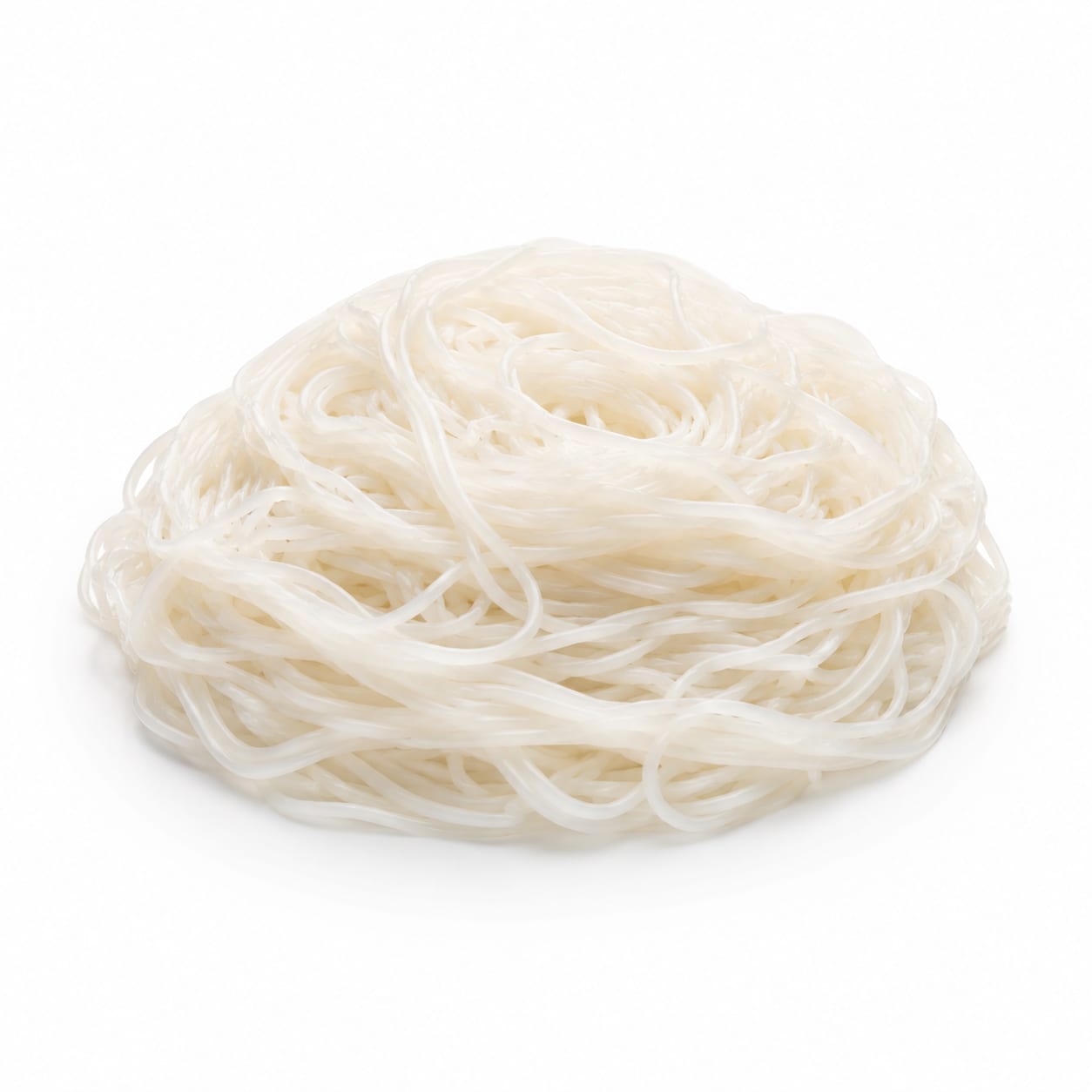
Rice Noodle
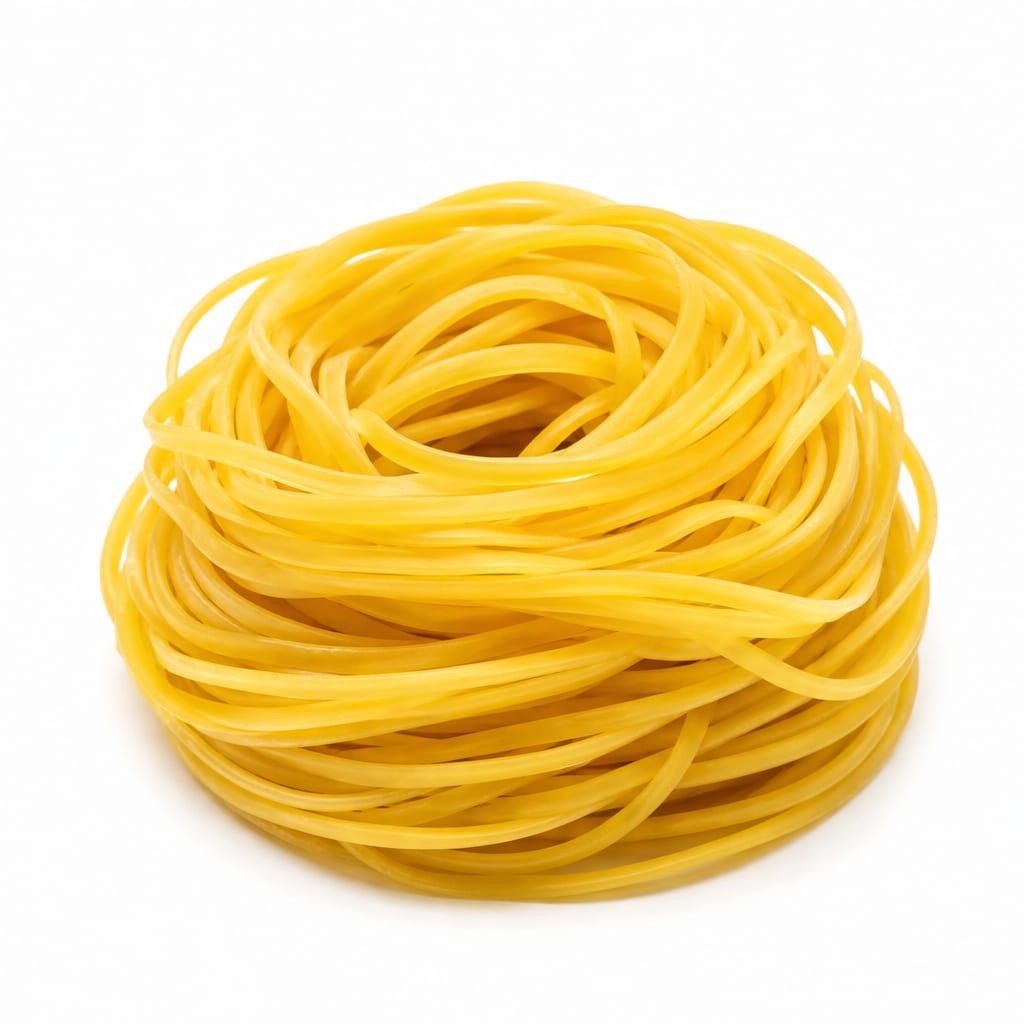
Egg Noodles
Egg noodles win on nutrition and fullness, but rice noodles are the clear choice for gluten-free diets.
Egg noodles score higher due to superior protein content and blood sugar stability, but rice noodles remain highly relevant for gluten-free needs, keeping the gap moderate.
More protein and steadier energy from egg noodles versus the digestive safety of gluten-free rice noodles.
At a glance
Executive summary
Overall
It depends
Healthier
Egg Noodles
More practical
It depends
Daily use
Egg Noodles
Key comparison lenses
Gluten-free diet compatibility
Rice noodles are naturally gluten-free while egg noodles contain wheat, making this the primary deciding factor for many consumers.
Protein and satiety comparison
Egg noodles provide significantly more protein from eggs and wheat, keeping you fuller longer than rice noodles.
Blood sugar impact
Rice noodles can spike blood sugar faster, whereas the protein and fat in egg noodles slow down glucose absorption.
Best choice for
Rice Noodle
- People with celiac disease or gluten intolerance
- Those seeking a lighter, lower-calorie base for stir-fries
- Vegans avoiding eggs
Egg Noodles
- People needing more protein and longer-lasting fullness
- Those managing blood sugar spikes
- Anyone looking for a more nutrient-dense pasta alternative
Least suitable for
Rice Noodle
- People with diabetes looking for low-glycemic carbs
- Athletes needing high protein for muscle recovery
Egg Noodles
- People with celiac disease or wheat allergies
- Those with egg allergies
Deep comparison
Dimension by dimension
Each lens scores both foods and breaks down who each option suits.
- Dimension 1 · Priority 90Egg Noodles
Satiety & Fullness
Rice Noodle · 55Egg Noodles · 80Egg noodles keep you full much longer thanks to their protein and fat content.
Tradeoff
Rice noodles feel lighter in the stomach, but you will likely get hungry again sooner.
Why it matters
Staying full between meals prevents unnecessary snacking and helps with portion control.
Real-world impact
A bowl of egg noodles at lunch will likely carry you to dinner, while rice noodles might leave you reaching for a snack by 3 PM.
Rice Noodle
- Light meals before intense exercise
- When you prefer a less heavy feeling
Better for
- Long workdays where you can't stop for a snack
Worse for
Egg Noodles
- Satisfying dinners that prevent late-night snacking
- Post-workout recovery meals
Better for
- Hot summer days when heavy meals feel uncomfortable
Worse for
- Dimension 2 · Priority 85Egg Noodles
Blood Sugar Stability
Rice Noodle · 50Egg Noodles · 72Egg noodles cause a slower, steadier rise in blood sugar compared to rice noodles.
Tradeoff
Rice noodles digest quickly, giving fast energy but risking a crash, while egg noodles provide more sustained fuel.
Why it matters
Avoiding blood sugar spikes helps maintain focus, prevents energy crashes, and reduces cravings.
Real-world impact
Eating rice noodles on an empty stomach can lead to an afternoon energy slump, whereas egg noodles offer steadier energy.
Rice Noodle
- Quick pre-workout energy when you need fast carbs
Better for
- People prone to afternoon energy crashes
Worse for
Egg Noodles
- Managing diabetes or insulin resistance
- Staying focused through long meetings
Better for
- Situations requiring immediate fast-burning energy
Worse for
- Dimension 3 · Priority 80Egg Noodles
Protein Quality & Muscle Support
Rice Noodle · 20Egg Noodles · 75Egg noodles deliver a meaningful amount of complete protein, while rice noodles offer almost none.
Tradeoff
Choosing rice noodles means you must get your protein entirely from other meal components like chicken or tofu.
Why it matters
Protein is essential for maintaining muscle, supporting metabolism, and keeping you satisfied.
Real-world impact
A plate of egg noodles already contributes to your daily protein goals, whereas rice noodles leave that gap entirely to your sauce or toppings.
Rice Noodle
- Meals where you are adding large portions of protein-heavy toppings
Better for
- Vegetarians struggling to hit protein targets
Worse for
Egg Noodles
- Older adults needing to prevent muscle loss
- Easy everyday meals where protein is a priority
Better for
- Vegans who avoid eggs entirely
Worse for
- Dimension 4 · Priority 95Rice Noodle
Digestive Tolerance & Allergens
Rice Noodle · 90Egg Noodles · 45Rice noodles are naturally gluten-free and easy on the stomach, while egg noodles contain both wheat and eggs.
Tradeoff
Egg noodles pack more nutrition but carry common allergens that rice noodles completely avoid.
Why it matters
For anyone with celiac disease, gluten sensitivity, or egg allergies, this is the ultimate dealbreaker.
Real-world impact
If you have a sensitive stomach or gluten intolerance, rice noodles will feel comforting and safe, while egg noodles could cause bloating or discomfort.
Rice Noodle
- People with celiac disease or gluten sensitivity
- Those with irritable bowel syndrome (IBS) triggered by wheat
Better for
- No significant downside for digestive tolerance
Worse for
Egg Noodles
- Those without any wheat or egg sensitivities
Better for
- Anyone with wheat, gluten, or egg allergies
Worse for
Timeline
Health impact over time
Short-term
Hours to days
Rice Noodle
- Quick energy boost from easily digested carbohydrates
- Light feeling in the stomach, less bloating if sensitive to wheat
Egg Noodles
- Longer-lasting fullness and satisfaction after eating
- Steadier energy without the rapid carb crash
Long-term
Months to years
Rice Noodle
- Potential for increased blood sugar fluctuations if eaten without adequate protein and fiber
- Risk of arsenic exposure if rice consumption is extremely frequent and not varied
Egg Noodles
- Better muscle maintenance due to higher protein intake
- Improved satiety which can aid in weight management over time
Risk profile
Safety & processing
Both are processed from whole ingredients into flour and noodles, but generally contain minimal artificial additives. Rice noodles often have just rice flour and water, while egg noodles contain wheat flour, eggs, and sometimes salt.
Rice Noodle
Arsenic exposure
mediumRice tends to absorb more inorganic arsenic from soil and water than other crops. Eating rice noodles daily could contribute to cumulative exposure, though occasional consumption is low risk.
Egg Noodles
Allergen presence
highContains both wheat (gluten) and eggs, which are among the top major food allergens. Can cause severe reactions in sensitive individuals.
Who wins for whom
Audience fit
Same foods, different winners depending on your goal.
children
Egg NoodlesEgg noodles offer more protein and B vitamins for growing bodies, provided the child does not have wheat or egg allergies.
daily consumption
It dependsEgg noodles offer better daily nutrition, but contain common allergens. Rice noodles are allergen-free but daily rice consumption raises arsenic concerns. Rotating both is the healthiest approach.
diabetes
Egg NoodlesThe protein and fat in egg noodles slow down carbohydrate absorption, leading to a gentler blood sugar curve compared to the faster-digesting rice noodles.
elderly
Egg NoodlesOlder adults need more protein to prevent age-related muscle loss, making egg noodles a more supportive everyday choice.
muscle gain
Egg NoodlesEgg noodles provide a solid base of protein from the eggs and wheat, supporting muscle repair, whereas rice noodles offer negligible protein.
weight loss
It dependsRice noodles are slightly lower in calories per serving, but egg noodles are far more filling, making it easier to eat less overall. Choose egg noodles for satiety, or rice noodles for strict calorie counting.
Your move
Decision guide
Choose Rice Noodle
- You have celiac disease, a gluten intolerance, or a wheat allergy
- You want a light, easily digestible meal after a stomach bug
- You are cooking for a vegan who avoids eggs
- You need a quick-energy carb source before a workout
Choose Egg Noodles
- You want a more filling meal that prevents snacking later
- You are looking to increase your daily protein intake effortlessly
- You want steadier energy without a mid-afternoon crash
- You have no issues digesting wheat or eggs
Either works if
- You are simply looking for a base for a heavy, protein-rich sauce where the noodle's own nutrition matters less
- You want comfort food and both are available
Avoid both if
- You are strictly limiting carbohydrates for a keto or very low-carb diet
- You are trying to minimize refined grains in your diet
Final recommendation
Let your digestion decide. If gluten is an issue, rice noodles are your stress-free choice. If you tolerate wheat well, egg noodles offer better nutrition, more staying power, and steadier energy for your everyday meals.
Practical
Consumer tips
- 1
Pair rice noodles with plenty of protein and healthy fats like chicken and peanuts to balance their fast-digesting carbs.
- 2
Check egg noodle labels for added sodium or artificial colors; the best ones list just wheat, eggs, and water.
- 3
To reduce potential arsenic in rice noodles, boil them in plenty of water and drain well, rather than cooking them in a minimal-liquid absorption method.
- 4
For the best of both worlds, alternate between rice noodles, egg noodles, and alternative grain noodles like buckwheat or quinoa throughout the week.