
Nutrition comparison
Rice Noodles vs Soba Noodles: Nutrition, Health Benefits, and Which to Choose
Compare rice noodles and soba noodles side by side. Soba wins on protein, fiber, and blood sugar stability, but rice noodles are the safer gluten-free choice. Learn which noodle fits your health goals.
Overall winner · Soba Noodles
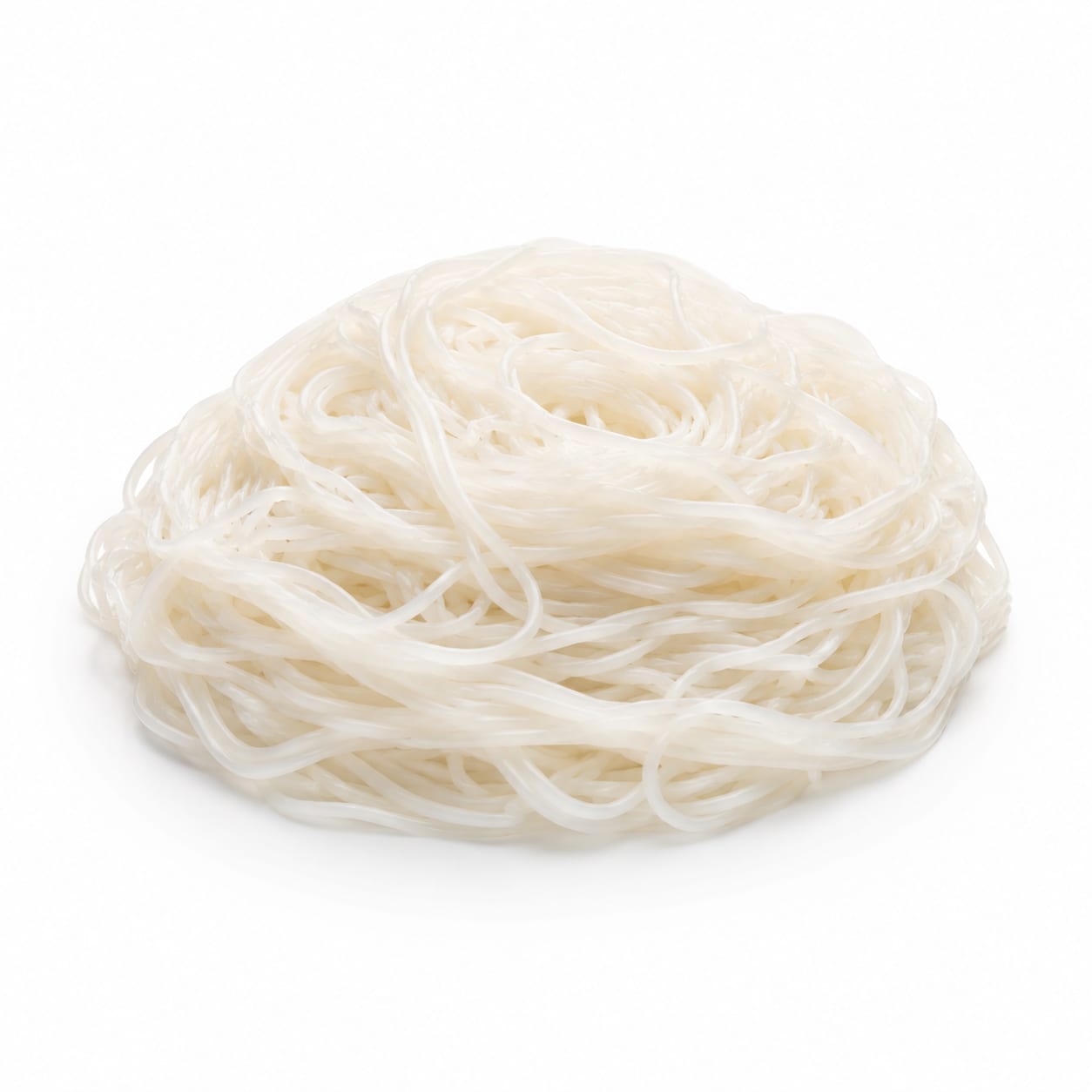
Rice Noodle
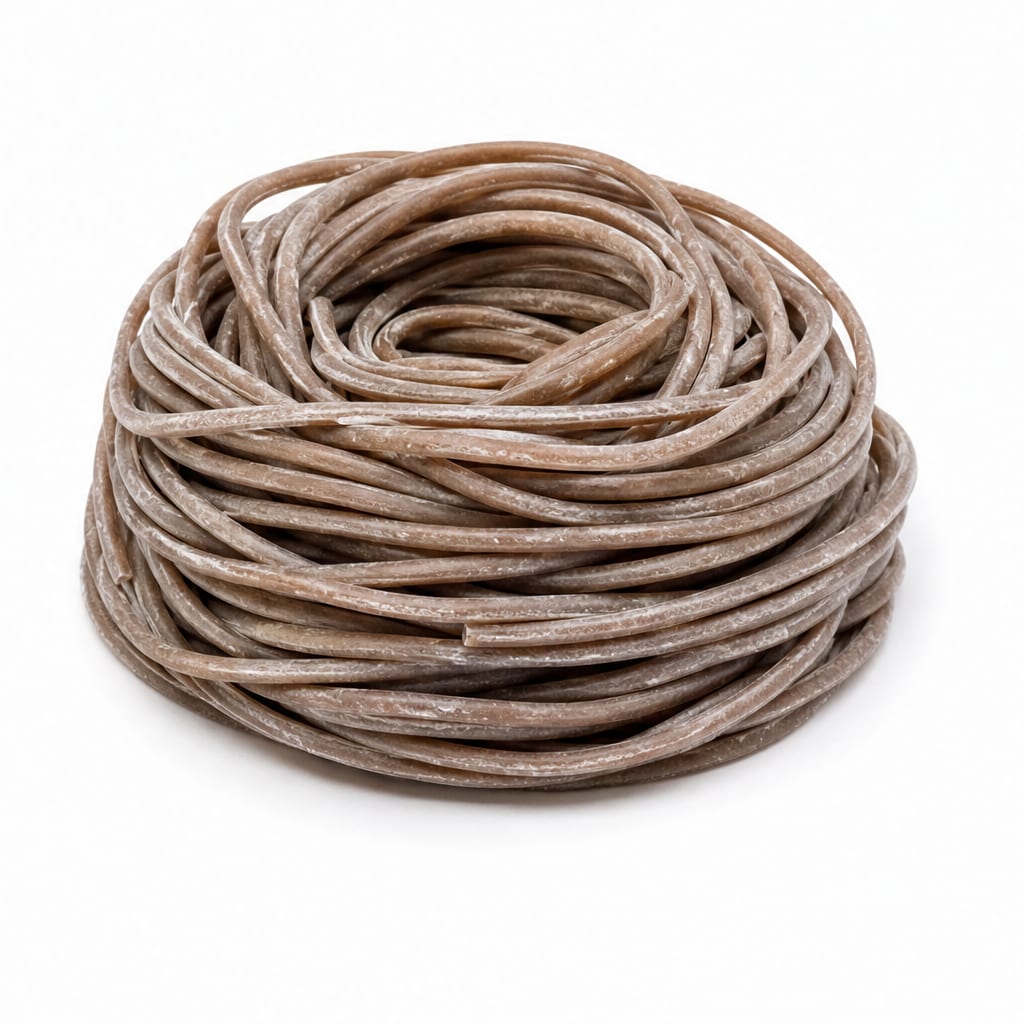
Soba Noodles
Soba noodles nutritionally outperform rice noodles in almost every dimension except gluten-free compatibility and lightness of texture.
Soba noodles score notably higher due to superior protein, fiber, mineral content, and blood sugar stability. Rice noodles remain relevant primarily for gluten-free needs and specific culinary contexts where their neutral lightness is an asset rather than a drawback.
You gain protein, fiber, minerals, and steadier energy with soba, but you lose the guaranteed gluten-free safety and delicate neutral base that rice noodles provide.
At a glance
Executive summary
Overall
Soba Noodles
Healthier
Soba Noodles
More practical
Rice Noodle
Daily use
Soba Noodles
Key comparison lenses
blood sugar and energy stability
Rice noodles spike blood sugar faster while soba provides steadier energy due to buckwheat's lower glycemic index and higher fiber
gluten-free dietary needs
Rice noodles are reliably gluten-free; many soba brands contain wheat flour, making this a critical decision factor for celiac or gluten-sensitive users
nutrient density and mineral intake
Soba delivers significantly more manganese, magnesium, and rutin compared to the relatively empty calories of rice noodles
weight management and satiety
Soba's protein and fiber content keeps you fuller longer, while rice noodles are easier to overeat due to lower satiety
culinary versatility and meal pairing
Rice noodles absorb flavors differently and suit lighter dishes; soba brings its own nutty flavor that shapes the entire meal
Best choice for
Rice Noodle
- People with celiac disease or gluten intolerance
- Light post-workout meals when you want quick-digesting carbs
- Southeast Asian dishes like pho or pad thai where neutral noodles let broth shine
- Sensitive stomachs that struggle with buckwheat fiber
Soba Noodles
- Anyone seeking steadier blood sugar and lasting energy
- People wanting more protein and minerals from their carb source
- Cold noodle salads and Japanese-style dishes
- Weight management due to higher satiety
Least suitable for
Rice Noodle
- People managing diabetes or insulin resistance
- Those seeking nutrient-dense carb sources
- Anyone wanting long-lasting fullness from a meal
Soba Noodles
- People with celiac disease unless using 100% buckwheat soba
- Those with buckwheat allergies
- Dishes requiring a completely neutral-flavored noodle
Deep comparison
Dimension by dimension
Each lens scores both foods and breaks down who each option suits.
- Dimension 1 · Priority 92Soba Noodles
blood sugar stability
Rice Noodle · 35Soba Noodles · 72Rice noodles digest quickly and can cause energy spikes and crashes. Soba's buckwheat base releases energy more gradually.
Tradeoff
Rice noodles give you faster energy when you need it, but soba avoids the afternoon crash that follows a rapid blood sugar rise.
Why it matters
Steady blood sugar means fewer cravings, better focus, and less fatigue between meals.
Real-world impact
A rice noodle lunch may leave you hungry again by 3pm. Soba tends to carry you comfortably to dinner.
Rice Noodle
- Quick pre-workout fuel when you need fast-digesting carbs
- Recovery meals within 30 minutes after intense exercise
Better for
- Sedentary days with minimal calorie burn
- Anyone monitoring fasting blood sugar
Worse for
Soba Noodles
- Office lunches where afternoon focus matters
- Managing prediabetes or insulin resistance
- Avoiding mid-afternoon energy dips
Better for
- Moments when you actually need rapid carbohydrate absorption
Worse for
- Dimension 2 · Priority 85Soba Noodles
nutrient density
Rice Noodle · 25Soba Noodles · 78Rice noodles are essentially refined carbs with minimal micronutrients. Soba provides manganese, magnesium, copper, and the antioxidant rutin.
Tradeoff
Rice noodles offer clean simple energy but almost nothing else. Soba turns your carb serving into a meaningful source of minerals and antioxidants.
Why it matters
Getting nutrients from everyday staples reduces the need for supplements and supports long-term health without extra effort.
Real-world impact
Regular soba consumption supports vascular health through rutin, while rice noodles contribute calories without adding nutritional value.
Rice Noodle
- Situations where you want calories without added nutrients interfering with a specific dietary protocol
Better for
- Anyone already struggling to meet micronutrient needs
- People relying heavily on noodles as a dietary staple
Worse for
Soba Noodles
- Building mineral intake through everyday meals
- Supporting cardiovascular health through rutin
- Getting more nutritional value per calorie consumed
Better for
- Very few contexts; soba is clearly more nutrient-dense
Worse for
- Dimension 3 · Priority 80Soba Noodles
satiety and fullness
Rice Noodle · 30Soba Noodles · 70Soba's protein and fiber content makes meals more filling. Rice noodles digest quickly and rarely satisfy for long.
Tradeoff
Rice noodles feel lighter in the moment, which can be pleasant, but that lightness translates to hunger returning sooner.
Why it matters
Foods that keep you full reduce snacking, make portion control easier, and support weight management without willpower.
Real-world impact
A soba bowl at noon typically keeps you satisfied until 6pm. The same-sized rice noodle bowl often leaves you reaching for a snack by 4pm.
Rice Noodle
- Hot summer days when heavy meals feel unappealing
- Small appetites or recovery from illness when light eating is preferred
Better for
- Emotional eaters who struggle with quick-digesting carbs
- Anyone trying to reduce between-meal snacking
Worse for
Soba Noodles
- Weight management and calorie control
- Long workdays without snack access
- Active people who need sustained energy
Better for
- People who find high-fiber meals uncomfortable or bloating
Worse for
- Dimension 4 · Priority 88Rice Noodle
gluten-free safety
Rice Noodle · 95Soba Noodles · 30Rice noodles are inherently gluten-free. Most commercial soba contains wheat flour, and even pure buckwheat soba carries cross-contamination risk.
Tradeoff
If you need gluten-free, rice noodles are the safe default. Soba requires careful label reading and often costs more in certified gluten-free form.
Why it matters
For celiac individuals, even trace gluten causes intestinal damage. This is not a flexible preference but a medical necessity.
Real-world impact
At a restaurant, rice noodles are usually a safe bet. Soba is almost never safe unless the kitchen specifically confirms 100% buckwheat and dedicated prep.
Rice Noodle
- Celiac disease management
- Non-celiac gluten sensitivity
- Dining out where ingredient verification is difficult
Better for
- Not a concern; rice noodles excel here
Worse for
Soba Noodles
- Not applicable for gluten-free needs
Better for
- Anyone requiring strict gluten avoidance
- Shared kitchen environments with wheat contamination
Worse for
- Dimension 5 · Priority 65It depends
culinary versatility and flavor
Rice Noodle · 70Soba Noodles · 68Rice noodles are neutral and absorb flavors beautifully. Soba brings its own nutty, earthy character that shapes the dish.
Tradeoff
Rice noodles let other ingredients lead. Soba contributes its own personality, which works wonderfully in some dishes and fights others.
Why it matters
The right noodle can make or break a dish's flavor balance, and this comes down to what you're cooking.
Real-world impact
Pad thai works with rice noodles because they let the sauce shine. Cold soba with dipping sauce works because the buckwheat flavor is part of the experience.
Rice Noodle
- Broth-heavy soups where noodles should not compete
- Stir-fries with bold sauces that need a neutral base
- Vietnamese and Thai cuisine authenticity
Better for
- Dishes where the noodle should contribute flavor depth
Worse for
Soba Noodles
- Cold noodle salads with simple dressings
- Japanese dishes where buckwheat flavor is traditional
- Minimalist preparations where the noodle itself is the star
Better for
- Delicate broths where buckwheat flavor overwhelms
- Dishes requiring thin, translucent noodles for visual appeal
Worse for
- Dimension 6 · Priority 72It depends
digestive tolerance
Rice Noodle · 75Soba Noodles · 60Rice noodles are gentle and easy to digest for most people. Soba's fiber and buckwheat proteins can cause issues for sensitive stomachs.
Tradeoff
Rice noodles are safer for upset stomachs and recovery meals. Soba's fiber is beneficial long-term but can cause short-term discomfort during adjustment.
Why it matters
Digestive comfort affects daily quality of life immediately, not just long-term health outcomes.
Real-world impact
After stomach illness, rice noodles are a gentle reintroduction food. Soba might cause bloating if your gut is not accustomed to higher fiber intake.
Rice Noodle
- Post-illness recovery eating
- IBS flare-ups when low-fiber options are needed
- Sensitive digestion that struggles with buckwheat
Better for
- Chronic constipation where more fiber would help
Worse for
Soba Noodles
- Healthy guts that benefit from regular fiber intake
- Promoting beneficial gut bacteria through prebiotic fiber
Better for
- Active IBS symptoms or buckwheat sensitivity
- FODMAP-restricted diets
Worse for
Timeline
Health impact over time
Short-term
Hours to days
Rice Noodle
- Quick energy availability within 30-60 minutes of eating
- Possible blood sugar spike followed by energy dip within 2-3 hours
- Very gentle on the digestive system with minimal bloating risk
- Unlikely to cause allergic reactions unless rice-sensitive
Soba Noodles
- Steadier energy release over 3-4 hours without sharp spikes
- Mild fullness and satiety that reduces urge to snack
- Possible initial bloating if unaccustomed to buckwheat fiber
- Warming or grounding sensation common with buckwheat foods
Long-term
Months to years
Rice Noodle
- Frequent consumption as a dietary staple may contribute to blood sugar dysregulation over years
- Low nutrient contribution means relying on other foods heavily to meet micronutrient needs
- Minimal fiber intake does not support optimal gut microbiome diversity
- Benign for gluten-sensitive individuals with no long-term gluten exposure risk
Soba Noodles
- Rutin from buckwheat supports vascular health and may reduce cardiovascular risk over time
- Consistent fiber intake promotes gut microbiome health and regular digestion
- Manganese and magnesium support bone density and metabolic function long-term
- Risk of gluten exposure if not using 100% buckwheat varieties, which matters for celiac individuals
Risk profile
Safety & processing
Both noodles are relatively simple products. Rice noodles typically contain just rice flour and water. Soba is traditionally just buckwheat flour and water, though many commercial brands add wheat flour. Neither commonly contains artificial preservatives or emulsifiers, making both fairly clean options. Soba edges ahead because buckwheat is a whole food source, while rice noodles use refined rice flour that strips away the bran and germ.
Rice Noodle
arsenic exposure
mediumRice accumulates arsenic more than other grains. Regular daily consumption of rice noodles as a staple could contribute to cumulative arsenic exposure, particularly concerning for children and pregnant women.
cross-contamination with gluten
lowMost rice noodles are produced in gluten-free facilities, but always verify labels if celiac, as shared equipment can introduce trace wheat.
Soba Noodles
hidden wheat in commercial soba
highMost supermarket soba contains 20-80% wheat flour mixed with buckwheat. Only 100% buckwheat soba (juwari soba) is gluten-free, and it is significantly more expensive and harder to find.
buckwheat allergy
mediumBuckwheat is a relatively common allergen, especially in East Asian populations. Reactions can be severe, including anaphylaxis in sensitive individuals.
cross-contamination in production
mediumEven 100% buckwheat soba may be processed on shared equipment with wheat products, creating risk for highly sensitive celiac individuals.
Who wins for whom
Audience fit
Same foods, different winners depending on your goal.
children
It dependsRice noodles are safer for gluten-sensitive kids and gentler on developing digestive systems. Soba offers better nutrition for kids who tolerate it, but arsenic concerns in rice and buckwheat allergy risk both warrant moderation.
daily consumption
Soba NoodlesDaily soba consumption provides consistent fiber, minerals, and antioxidants. Daily rice noodle consumption offers mostly empty carbs with arsenic accumulation risk, making it less suitable as an everyday staple.
diabetes
Soba NoodlesBuckwheat has a significantly lower glycemic index than white rice, and soba's fiber slows glucose absorption. Rice noodles can cause sharper blood sugar spikes that complicate diabetes management.
elderly
Soba NoodlesSoba's rutin supports vascular health, and its mineral content helps maintain bone density. The softer texture of cooked rice noodles is easier to chew, but properly cooked soba is also quite manageable.
muscle gain
Soba NoodlesNeither is a protein powerhouse, but soba provides roughly double the protein of rice noodles per serving, making it the better carb companion for muscle-building meals.
weight loss
Soba NoodlesSoba's higher protein and fiber content creates lasting fullness that reduces overall calorie intake throughout the day. Rice noodles digest quickly and can trigger overeating.
Your move
Decision guide
Choose Rice Noodle
- You have celiac disease or gluten sensitivity and cannot source certified gluten-free soba
- You are cooking Southeast Asian dishes where neutral noodles are traditional and expected
- You need gentle, easy-to-digest carbs during illness recovery
- You want a light meal on a hot day when heavy foods feel unappealing
- You are an athlete needing quick-digesting carbs before or after intense training
Choose Soba Noodles
- You want more nutrition from your carb sources without adding supplements
- Blood sugar stability is a priority for your health goals
- You enjoy the nutty, earthy flavor of buckwheat in your meals
- You are trying to manage weight and want foods that keep you full longer
- You eat Japanese cuisine regularly and want authentic, traditional ingredients
Either works if
- You are simply looking for a noodle base and have no specific health concerns
- You rotate between different cuisines throughout the week
- Both are available and you want variety in your meal prep
Avoid both if
- You are on a strict low-carb or ketogenic diet
- You have severe grain or seed allergies that encompass both rice and buckwheat
- You are monitoring arsenic intake carefully and already consume significant rice products daily
Final recommendation
Make soba your default noodle for everyday meals. It delivers more protein, fiber, minerals, and steadier energy than rice noodles in nearly every context. Switch to rice noodles when you need guaranteed gluten-free safety, are cooking specific Asian dishes where neutral flavor matters, or want something lighter on a sensitive stomach. If you are gluten-free, seek out certified 100% buckwheat soba to get the nutritional benefits without the wheat exposure.
Practical
Consumer tips
- 1
Look for soba brands that list buckwheat flour as the first or only ingredient. Many commercial sobas are mostly wheat flour with minimal buckwheat.
- 2
If buying gluten-free soba, verify both the ingredients list and a gluten-free certification label, as cross-contamination is common in shared facilities.
- 3
Rice noodles vary in thickness. Thinner varieties (vermicelli) cook faster and work better in soups, while wider flat noodles suit stir-fries.
- 4
Soak rice noodles in room temperature water before cooking rather than boiling directly. This prevents mushy, clumpy textures.
- 5
Rinse soba after cooking to remove excess starch. This improves texture and prevents the noodles from becoming gummy.
- 6
To reduce arsenic exposure from rice noodles, vary your grain choices throughout the week rather than eating them daily.
- 7
Cold soba noodles (zaru soba) with a simple dipping sauce is one of the easiest, healthiest summer meals you can make in under 10 minutes.
- 8
Check sodium content in pre-seasoned noodle packs. Both rice noodle and soba instant meal kits can contain a full day's worth of sodium.