
Savory Pie
Quiche
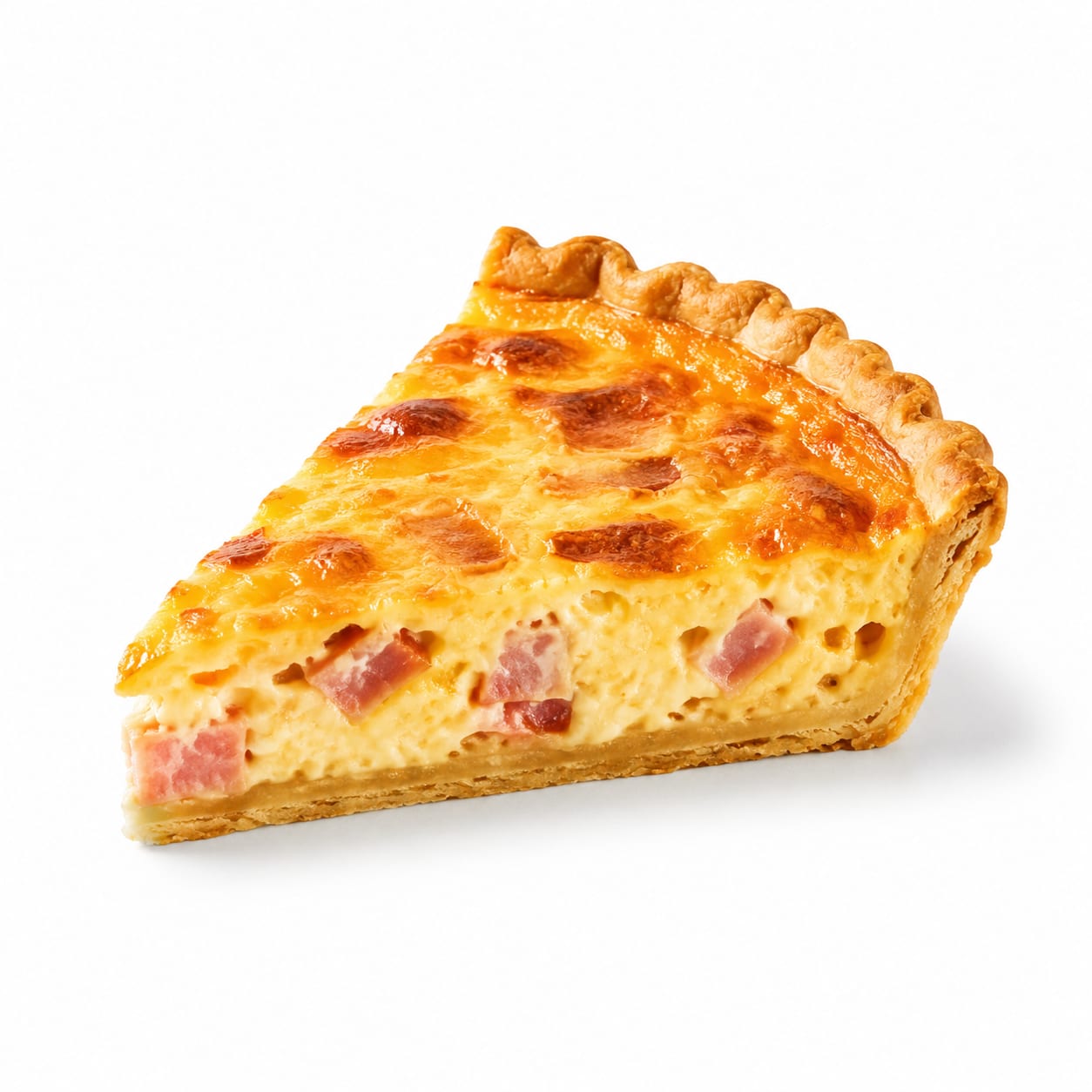
A savory egg and cream pie baked in a pastry crust, often filled with cheese, meats, or vegetables.
A savory baked dish featuring a pastry crust filled with a savory egg custard made of eggs, milk or cream, and cheese, often incorporating meats or vegetables.
high-fat moderate-protein savory baked dish
Typical serving · 155g
Common varieties · Quiche Lorraine, Spinach and Feta Quiche, Crustless Quiche, Broccoli Cheddar Quiche, Mushroom and Swiss Quiche +1 more
Overall context score across nutrition, safety, and diet fit
At a glance
Quick facts
Simple indicators based on nutrition, processing, and diet fit.
The story
What makes it unique
Quiche provides a macronutrient profile high in dietary fat and moderate in protein due to its egg, cream, and cheese base. The pastry crust contributes refined carbohydrates. Digestion is slow due to the high fat content, which promotes prolonged satiety but also yields high energy density. Processing varies significantly between homemade and commercial versions, with commercial types often containing preservatives and trans fats.
Varieties: Quiche Lorraine · Spinach and Feta Quiche · Crustless Quiche · Broccoli Cheddar Quiche · Mushroom and Swiss Quiche · Mini Quiche
Per 100g
Nutrition breakdown
Macro balance and key metrics at a glance.
Energy
Density 2.28 kcal/g
Protein
Carbs
Fat
Fiber
Sugar
1.8 g
Sodium
410 mg
Potassium
120 mg
Glycemic index
40
Glycemic load
5
Water content
60%
Standout compounds
Nutrient highlights
Selenium
highSupports thyroid function and antioxidant defense
Vitamin B12
highEssential for nerve function and red blood cell formation
Saturated Fat
highProvides dense energy but may raise LDL cholesterol
Sodium
moderateElectrolyte balance, but excessive amounts increase blood pressure risk
Vitamin A
moderateSupports vision and immune function from eggs and dairy
Wellness map
Health scores & processing
NOVA processing scale
Processed · Whole food
Traditional quiche combines unprocessed ingredients (eggs, vegetables) with processed culinary components (cheese, cream) and processed carbohydrates (pastry crust). Commercial versions may border on ultra-processed due to added preservatives and dough conditioners.
Diet compatibility
- Weight loss
- Muscle gain
- Diabetes
- Gut health
- Low carb
- High protein
- Heart health
Relative standing
Food rankings
Qualitative ranks compared to similar whole foods.
- Satietygood
- Blood sugargood
- Nutrient densitymoderate
- Fitness fuelpoor
- Processing qualitymoderate
Eat with confidence
Food safety profile
The primary safety concerns involve undercooked eggs and improper refrigeration, which can lead to bacterial growth. Processed meats like bacon may contain nitrates.
Evidence confidence 85%
- Pesticideslow
- Antibioticsmoderate
- Heavy metalslow
- Contaminationmoderate
Watch for
- Salmonella
- Listeria
- Phthalates
Safer choices
Crustless quiche made with organic eggs and pastured dairy
Prep tips
Ensure quiche is cooked until the center is set (160°F / 71°C) and refrigerate leftovers within two hours.
Dairy and egg handling regulations are strict, but improper storage of prepared quiche poses listeria risks.
Deep dive
Health analysis
How this food may fit different goals and preparation choices.
Weight loss
High energy density from cream and crust makes portion control difficult for weight loss.
Blood sugar
The fat and protein slow carbohydrate digestion, resulting in a moderate glycemic impact, but high calorie intake can worsen insulin resistance over time.
Fitness & energy
Provides sustained energy from fats and protein, but is too heavy for pre-workout and lacks the fast carbs needed for post-workout recovery.
Gut health
Low fiber and high saturated fat offer minimal prebiotic benefits and may slow gastric emptying uncomfortably for some.
Processing quality
Homemade versions allow control over sodium and fat, while commercial frozen quiches often contain hydrogenated oils and excess sodium.
Food safety
Requires strict temperature control to prevent bacterial growth in the egg and dairy custard.
Common mistakes
Assuming quiche is a high-protein health food when it is primarily a fat and refined carbohydrate delivery system.
Best preparation
Use a crustless format, substitute whole milk for heavy cream, and load with fibrous vegetables like spinach or broccoli.
Practical guide
Best use cases
When and how this food fits real eating patterns.
Weekend brunch entree
A rich and satisfying centerpiece for a leisurely weekend meal.
Make-ahead high-fat breakfast
Can be prepared in advance and reheated for quick, calorie-dense mornings.
Low-carb meal prep (crustless)
Crustless variations provide a convenient, low-glycemic meal option for the week.
Balance sheet
Pros & cons
Upsides
- Rich in essential vitamins like B12 and A
- High fat content provides prolonged satiety
- Versatile base for incorporating vegetables
- Low glycemic index prevents sharp blood sugar spikes
Trade-offs
- Very high in calories and saturated fat
- Refined flour crust adds empty carbohydrates
- Commercial versions are often loaded with sodium
- Low dietary fiber unless heavily modified with vegetables
Fit check
Who is it for?
Great match
- high-fat low-carb diets (crustless)
- occasional weekend brunch
- individuals needing calorie-dense meals
Consider alternatives
- strict calorie deficit diets
- heart-healthy low-fat protocols
- high-fiber dietary requirements
- pre-workout fueling
Side by side
How it compares
Open the full head-to-head analysis for nutrition, safety, and practical tradeoffs.
This food
Quiche
VS90% alike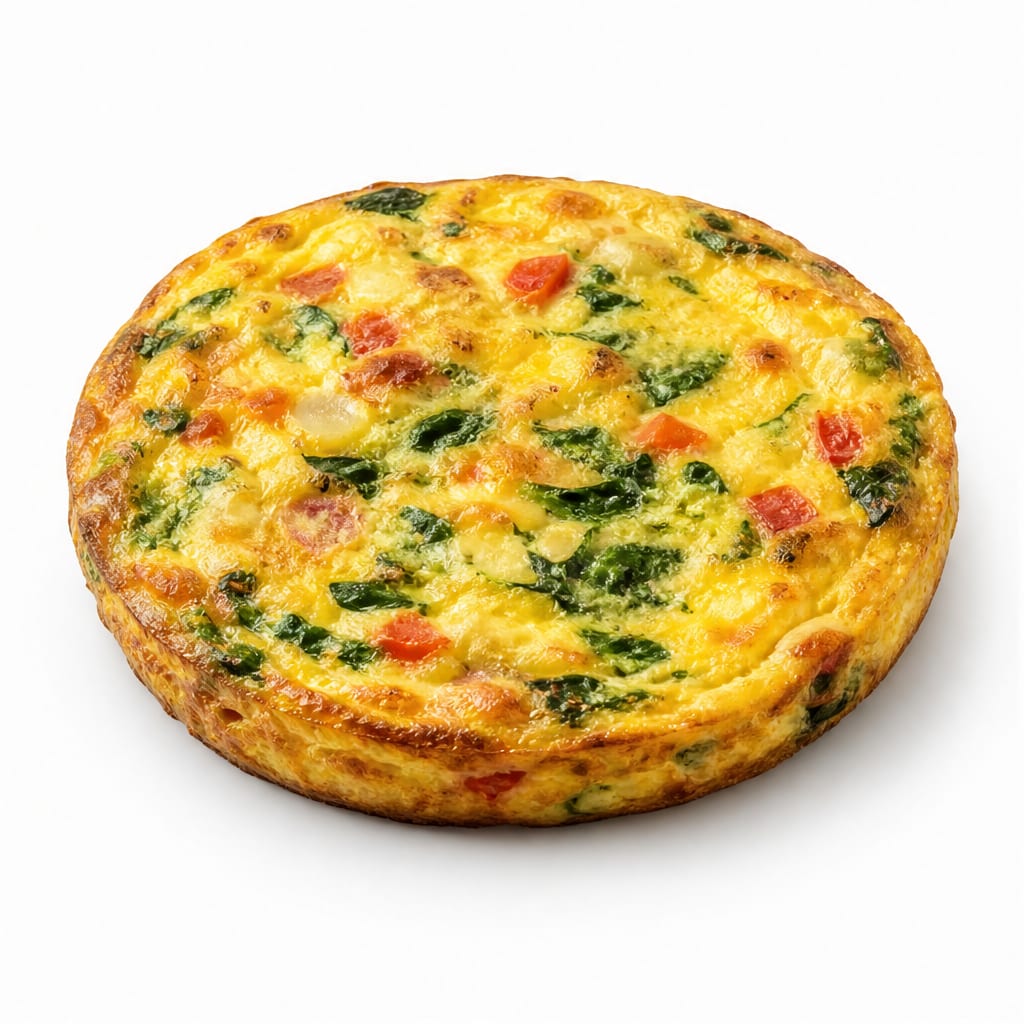
Compare with
Frittata
Frittata is lower in calories and carbs because it lacks the pastry crust and heavy cream.
Frittata beats quiche for weight loss and blood sugar control by skipping the carb-heavy crust, though quiche's high fat content provides slightly more satiety.
This food
Quiche
VS80% alike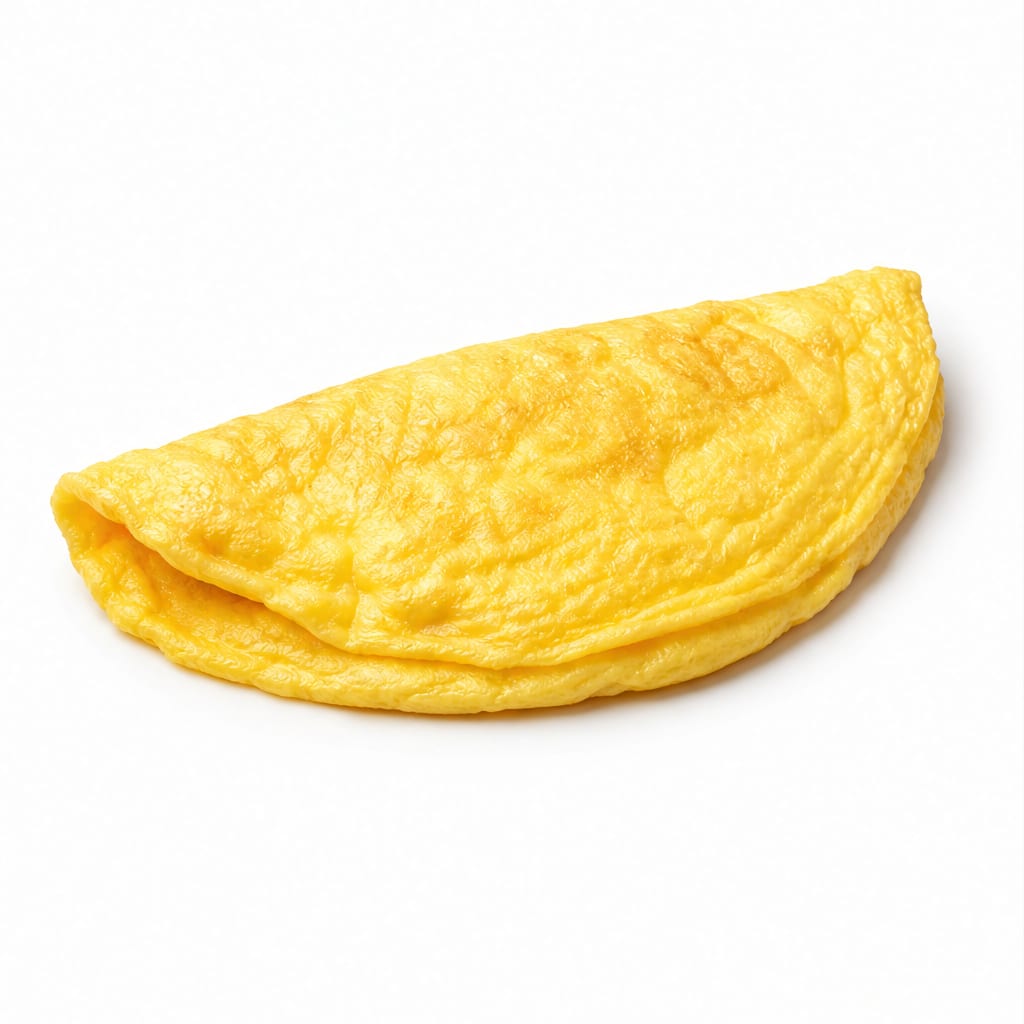
Compare with
Omelette
Omelettes are lighter, faster to cook, and contain fewer calories than quiche.
Omelettes are lower in calories and better for weight loss than quiche, while quiche offers denser, longer-lasting fullness from its cream and crust.
This food
Quiche
VS95% alike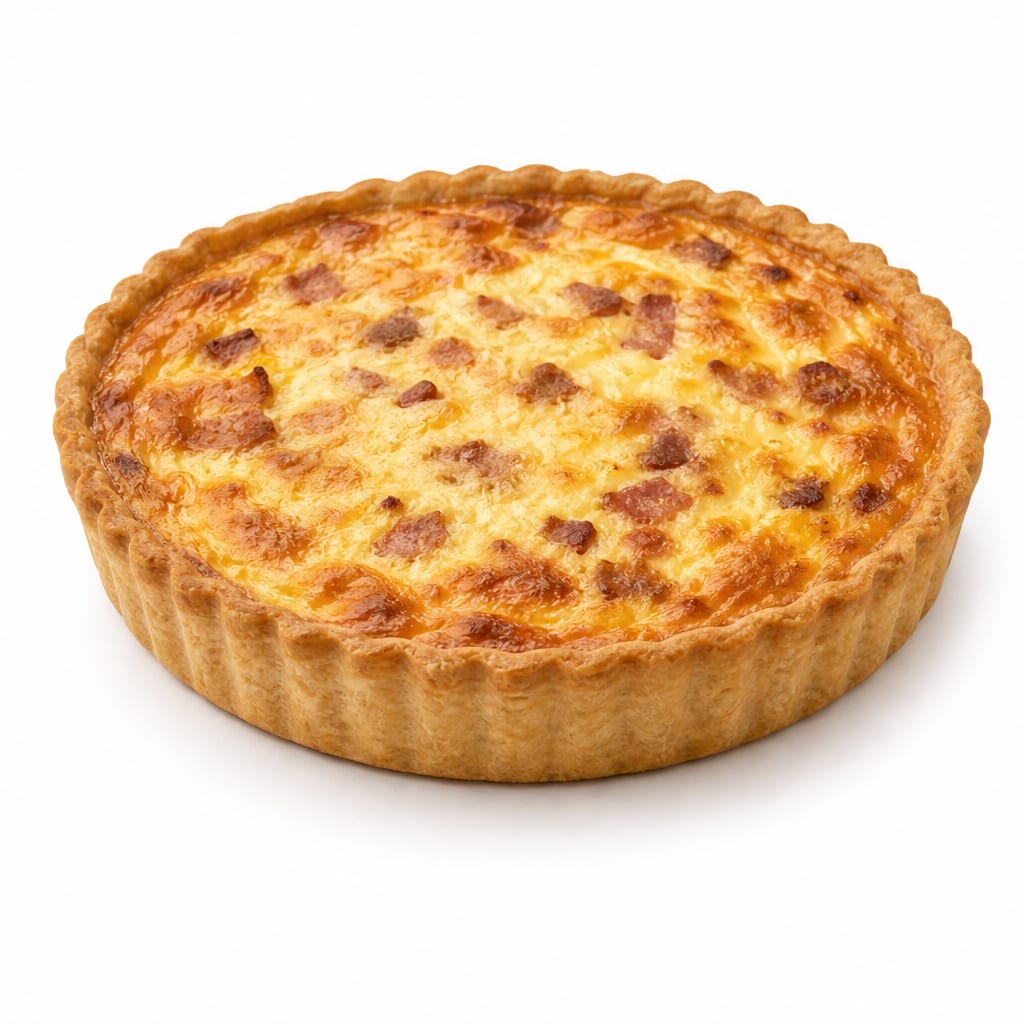
Compare with
Quiche Lorraine
Quiche Lorraine is higher in sodium and saturated fat than vegetable quiche.
Standard veggie quiche is healthier than Quiche Lorraine for weight loss and heart health, as Lorraine adds high-fat bacon and extra sodium.
This food
Quiche
VS70% alike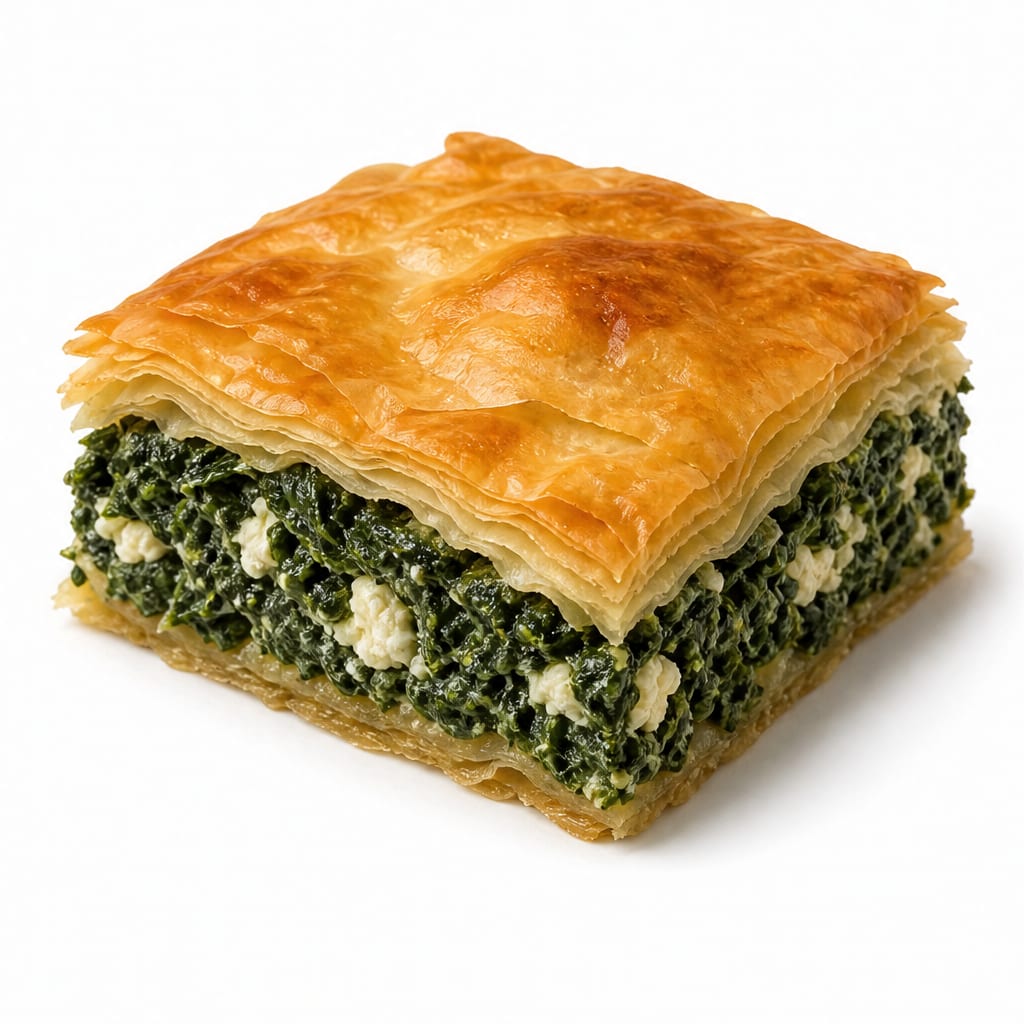
Compare with
Spanakopita
Spanakopita uses spinach and feta in phyllo dough, offering slightly more fiber but similar fat content.
Spanakopita provides more fiber from spinach than standard quiche, making it slightly better for blood sugar, though both are high-fat baked dishes.
This food
Quiche
VS65% alike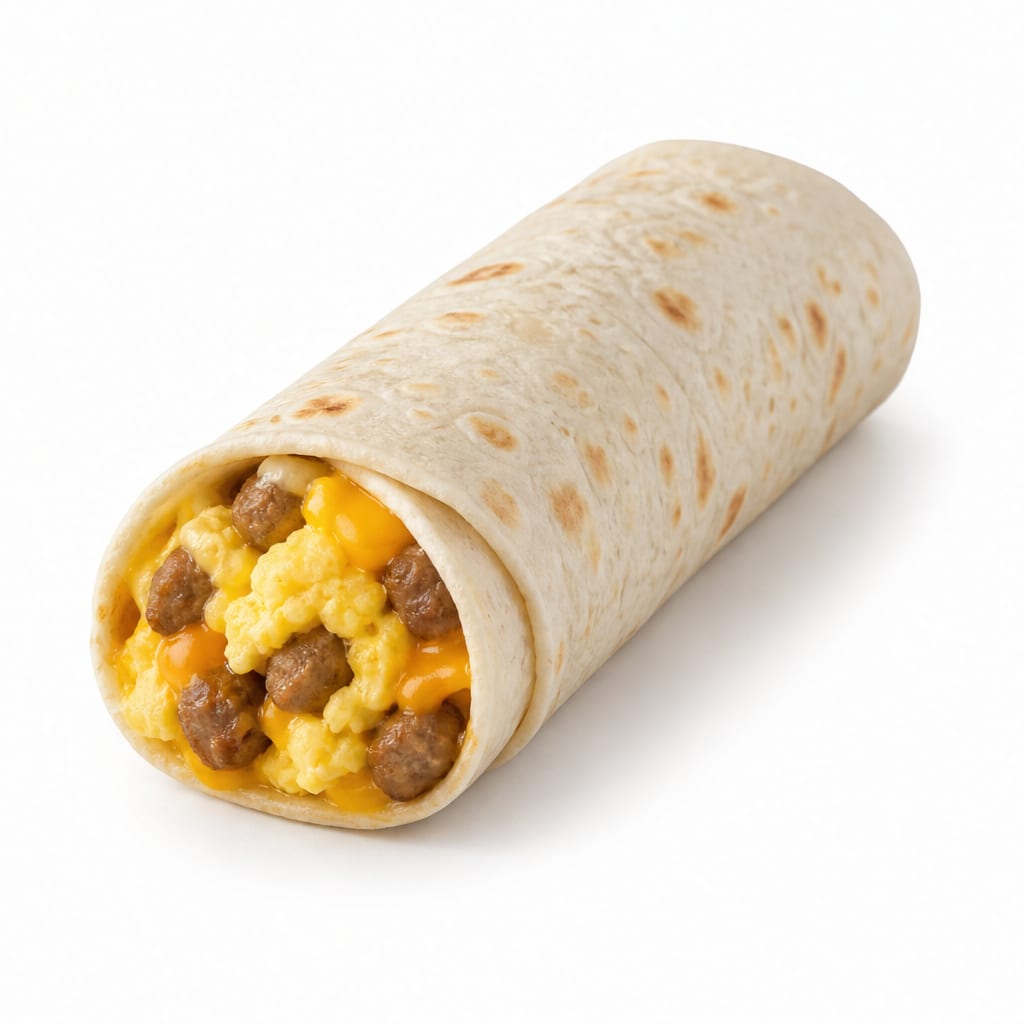
Compare with
Breakfast Burrito
Breakfast burritos wrap eggs and meat in a tortilla, offering more fiber but also high calories.
Quiche has a lower glycemic impact than a breakfast burrito due to the tortilla, but burritos often provide more fiber from beans and whole wheat wraps.
This food
Quiche
VS75% alike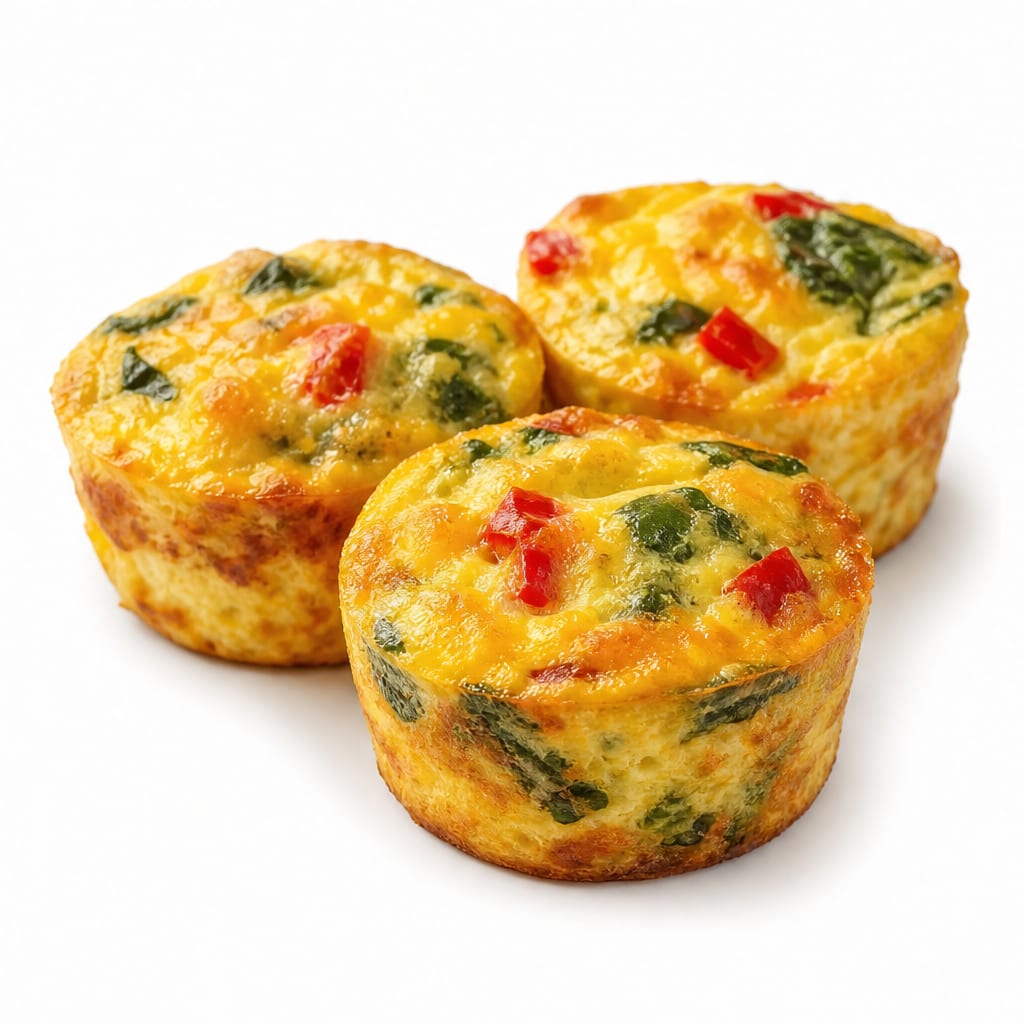
Compare with
Egg Muffins
Egg muffins are crustless and portion-controlled, making them much lower in calories.
Egg muffins are far better for weight loss than quiche because they skip the crust and cream, providing pure protein in a low-calorie package.
This food
Quiche
VS60% alike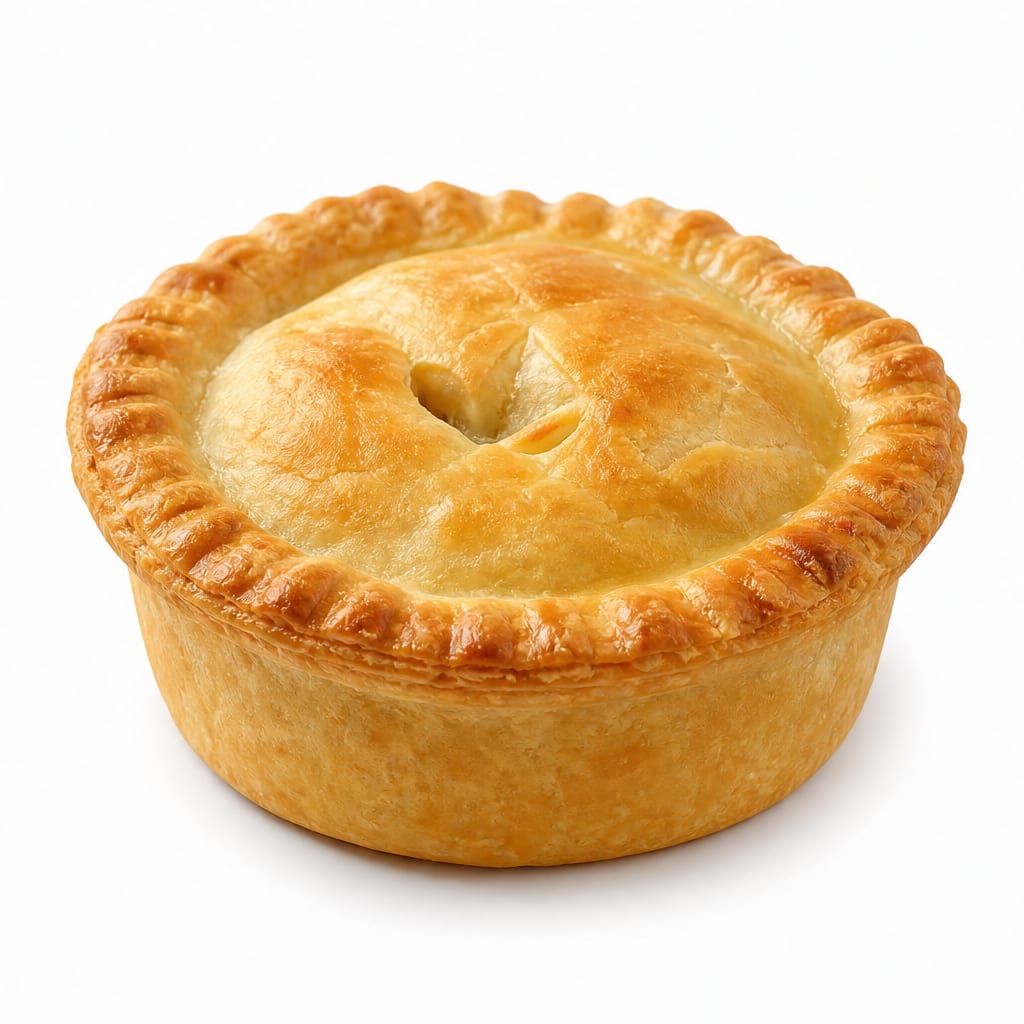
Compare with
Pot Pie
Pot pie is typically higher in calories and sodium than quiche, with thicker crust and gravy.
Quiche is generally lower in calories and carbs than chicken pot pie, which uses a dense butter crust and flour-thickened gravy.
This food
Quiche
VS75% alike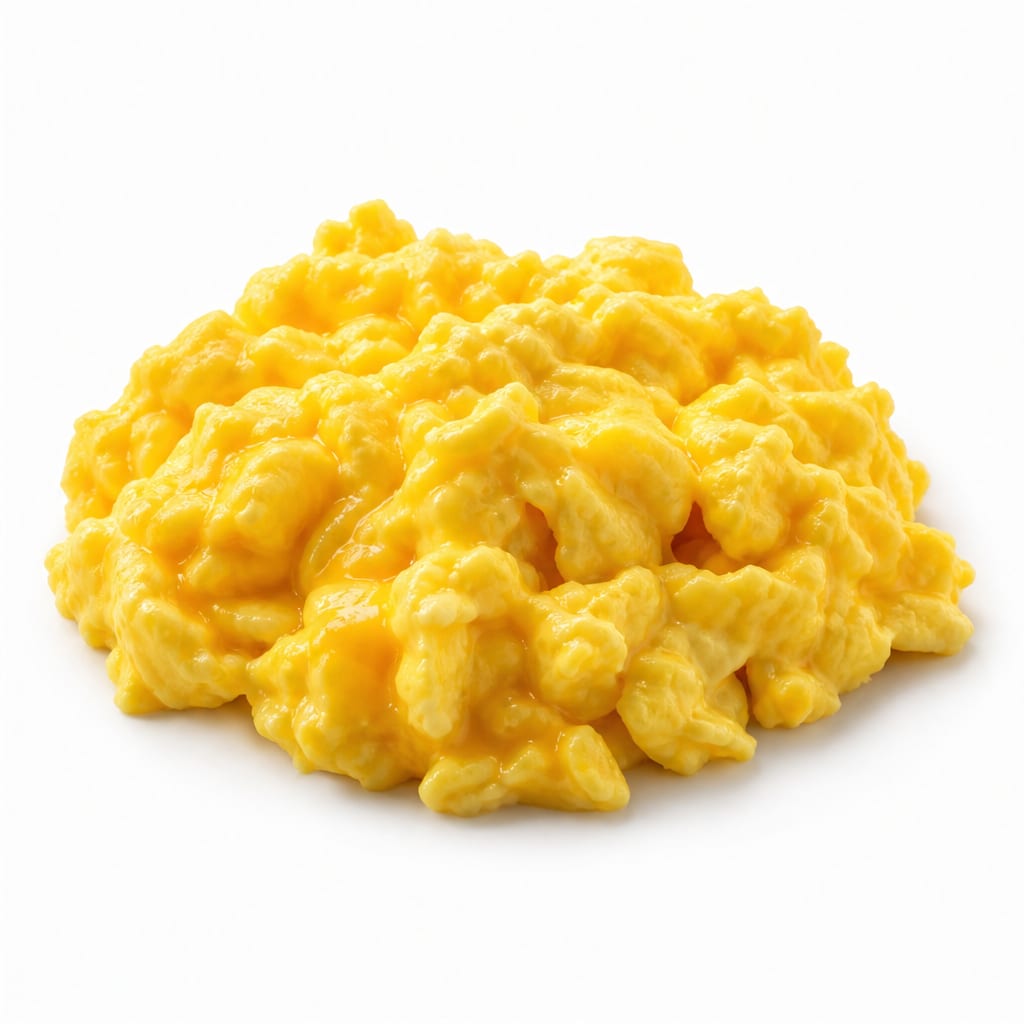
Compare with
Scrambled Eggs
Scrambled eggs are a pure protein source without the crust or cream, making them much leaner.
Scrambled eggs are much better for weight loss than quiche due to the absence of crust and heavy cream, though quiche keeps you full longer.
This food
Quiche
VS85% alike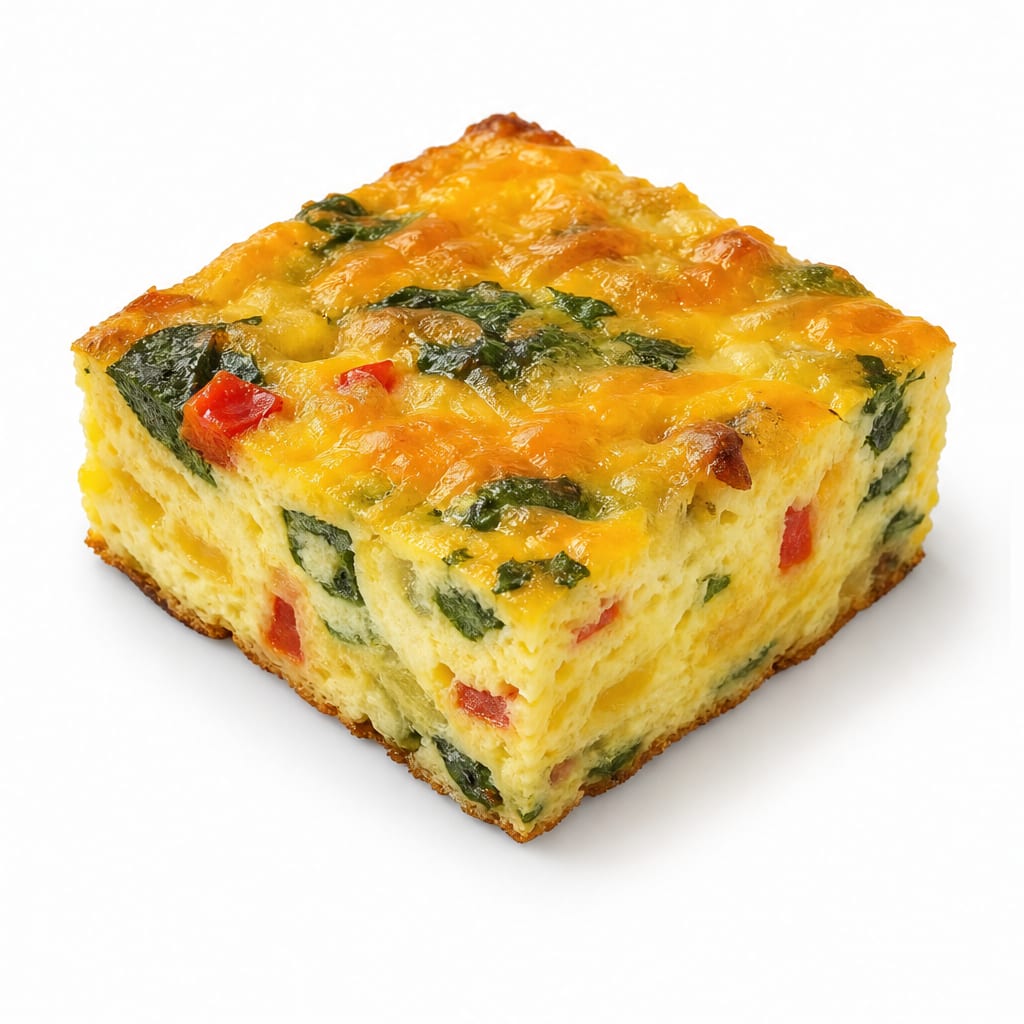
Compare with
Egg Bake
Egg bakes are similar to crustless quiche, typically lower in fat and calories.
Egg bakes are usually lighter than quiche because they skip the crust and heavy cream, making them a better choice for calorie control.
This food
Quiche
VS50% alike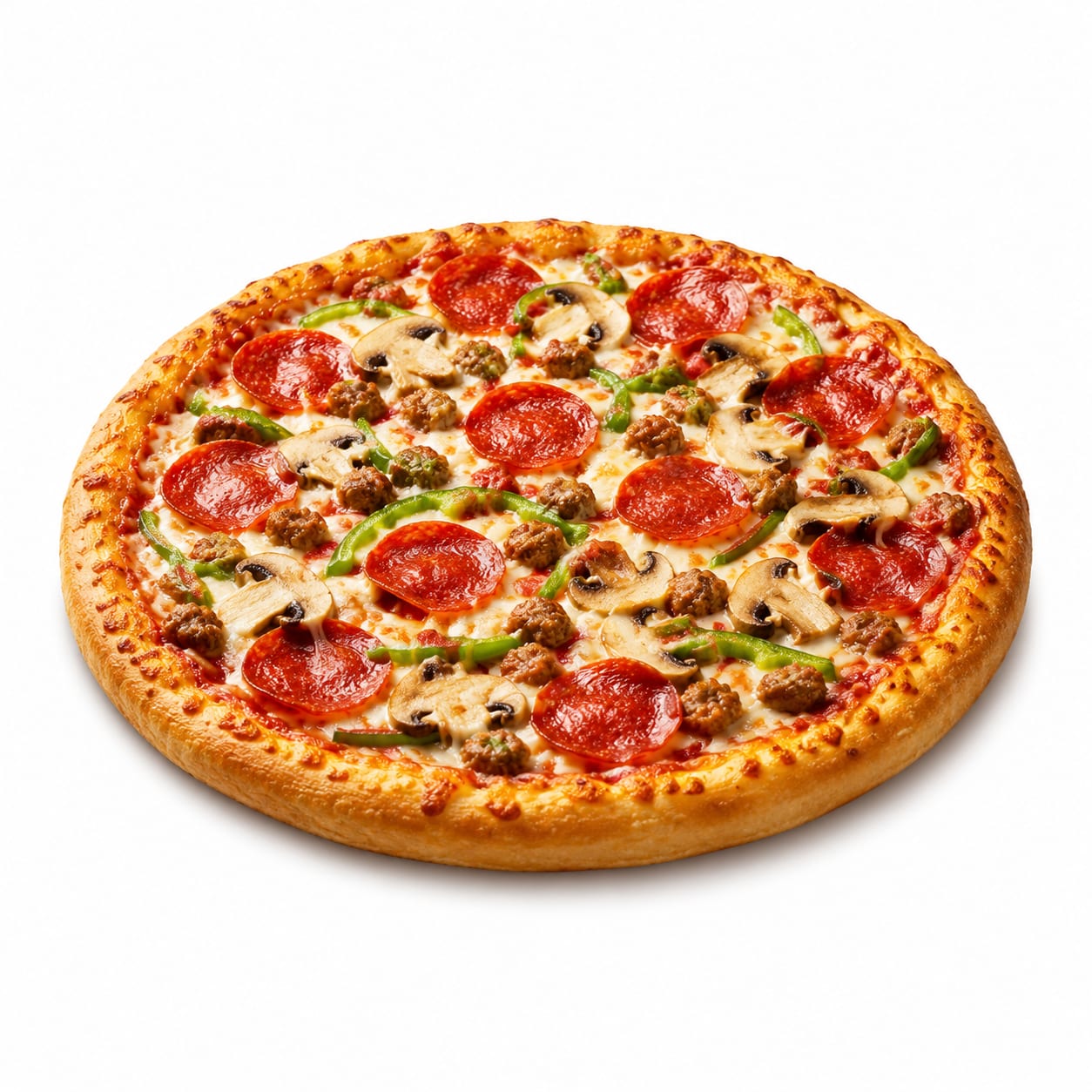
Compare with
Pizza
Pizza has more carbohydrates and less protein per slice than quiche, but can vary widely by toppings.
Quiche offers more protein and a lower glycemic impact than pizza, which is heavily loaded with refined carbs from the dough.
Common questions
FAQ
Answers aligned with how people search for this food.
Is quiche healthy for weight loss?
Traditional quiche is high in calories and fat due to the cream, cheese, and crust, making it a poor choice for weight loss unless portion sizes are strictly controlled.
How many calories are in a slice of quiche?
A typical slice of quiche (about 1/8 of a 9-inch pie) contains between 350 and 450 calories, depending on the ingredients and crust thickness.
Is crustless quiche healthier?
Yes, removing the crust significantly reduces calories, refined carbohydrates, and saturated fat, making it a much healthier option similar to a frittata.
Can diabetics eat quiche?
Quiche has a low glycemic index due to its high fat and protein content, but the high calorie count and saturated fat may negatively impact metabolic health over time. Crustless versions are safer.
What is the difference between quiche and frittata?
A frittata is an egg-based dish cooked without a crust and little to no milk or cream, making it lower in calories and carbs than a traditional quiche.
Can you eat quiche on a keto diet?
Standard quiche is not keto-friendly due to the flour-based crust, but crustless quiche or quiche made with an almond flour crust fits well into a ketogenic diet.
Is quiche good for protein?
While quiche contains protein from eggs and cheese, the high fat-to-protein ratio means it is not considered a high-protein, lean food compared to egg whites or chicken breast.
How long does quiche last in the fridge?
Properly stored in the refrigerator, cooked quiche will last for 3 to 4 days. It should be discarded if left at room temperature for more than two hours.
Transparency
Data confidence
Estimated confidence for nutrition data, interpretation, safety notes, and comparisons.
Nutrition data
Health analysis
Food safety
Comparisons