
Nutrition comparison
Quiche vs Frittata: Which Is Healthier and Better for Daily Meals?
Compare Quiche and Frittata nutrition, calories, fat, and practicality. Learn which egg dish is better for weight loss, heart health, and everyday cooking.
Overall winner · Frittata
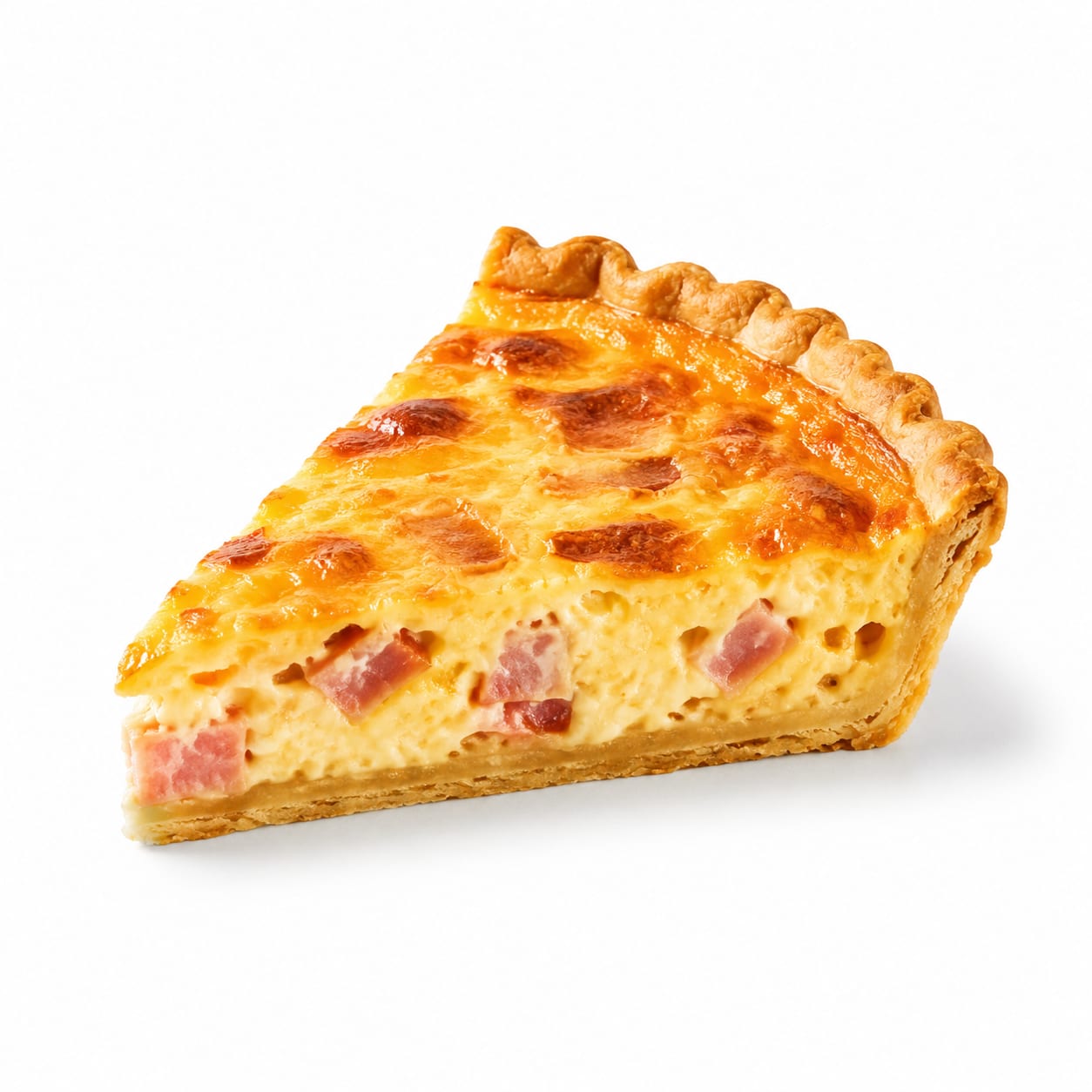
Quiche
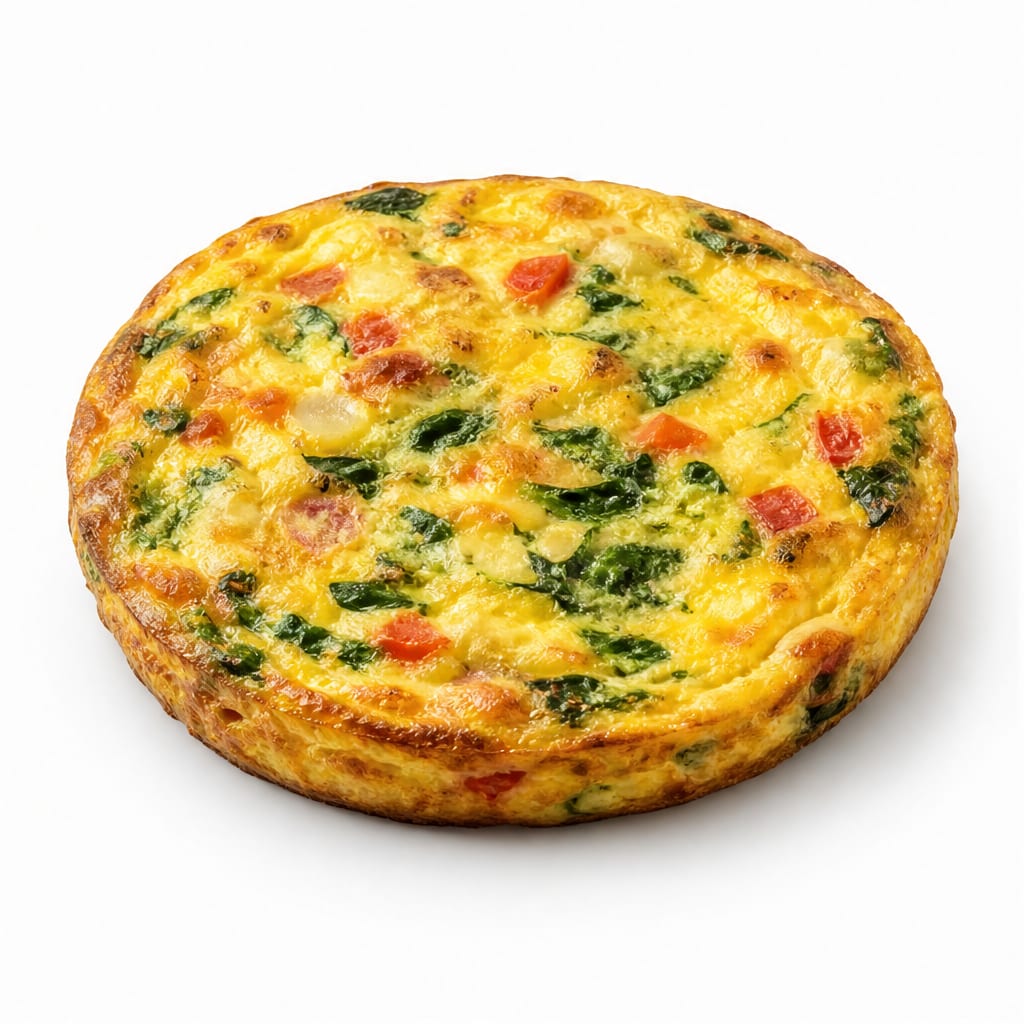
Frittata
Frittata delivers the same eggy satisfaction with far fewer calories, less saturated fat, and no gluten — making it the smarter everyday choice.
Frittata scores notably higher due to lower calorie density, absence of refined carbs, gluten-free nature, and faster preparation. Quiche loses ground on daily health practicality despite its culinary appeal.
You sacrifice the buttery, comforting crust of Quiche but gain a lighter, faster, more flexible meal that is easier on your waistline and heart.
At a glance
Executive summary
Overall
Frittata
Healthier
Frittata
More practical
Frittata
Daily use
Frittata
Key comparison lenses
calorie and fat consciousness
The crust and cream in Quiche dramatically increase calories and saturated fat compared to crustless Frittata
gluten and allergen avoidance
Quiche contains a wheat-based crust making it unsuitable for gluten-sensitive eaters, while Frittata is naturally gluten-free
everyday meal versatility
Both are egg-based meals but differ significantly in preparation effort and weeknight practicality
blood sugar and metabolic health
The refined carb crust in Quiche spikes blood sugar more than a crustless alternative
heart health and saturated fat
Butter crust and heavy cream make Quiche considerably higher in saturated fat
Best choice for
Quiche
- Special brunch occasions where indulgence matters
- Entertaining guests who expect classic French cuisine
- When you crave the specific buttery crust texture
- Cold picnic spreads where Quiche holds its shape beautifully
Frittata
- Weeknight dinners needing speed and simplicity
- Gluten-free households
- Anyone tracking calories or saturated fat
- Meal prep — reheats well without a soggy crust
Least suitable for
Quiche
- Daily breakfast — too calorie-dense and heavy
- Gluten-intolerant or celiac individuals
- Anyone monitoring saturated fat for heart health
- Low-carb eaters avoiding refined flour
Frittata
- Formal brunch events where guests expect pastry
- Anyone specifically craving that flaky crust experience
- Situations where you want a visually impressive centerpiece
Deep comparison
Dimension by dimension
Each lens scores both foods and breaks down who each option suits.
- Dimension 1 · Priority 95Frittata
calorie_density_and_weight_management
Quiche · 40Frittata · 78A typical slice of Quiche runs 350-500 calories versus 180-280 for an equivalent Frittata portion, primarily due to the butter crust and cream.
Tradeoff
Quiche feels more indulgent and filling per bite, but that satisfaction comes at nearly double the caloric cost.
Why it matters
If you eat eggs regularly, swapping Quiche for Frittata could save 150-200 calories per meal without sacrificing protein.
Real-world impact
Over a week of breakfasts, choosing Frittata over Quiche could save roughly 1,000-1,400 calories — the equivalent of a moderate workout.
Quiche
- Those who struggle to eat enough and need calorie density
- Active individuals with high energy expenditure
Better for
- Consistent weight management efforts
- People who feel overly full after rich meals
Worse for
Frittata
- Anyone with a calorie target
- People who feel sluggish after heavy meals
Better for
- Underweight individuals needing easy calories
- Endurance athletes with massive energy needs
Worse for
- Dimension 2 · Priority 85Frittata
saturated_fat_and_heart_health
Quiche · 35Frittata · 72Quiche packs 15-25g saturated fat per slice from butter crust and cream, while Frittata typically lands at 5-10g depending on cheese and add-ins.
Tradeoff
The rich, creamy mouthfeel of Quiche comes from saturated fat that raises LDL cholesterol over time.
Why it matters
Regular consumption of high-saturated-fat meals like Quiche can nudge heart disease risk upward, especially if eaten multiple times per week.
Real-world impact
Someone eating Quiche twice weekly could consume 15-30g more saturated fat per week than if they chose Frittata — a meaningful difference for cardiovascular health.
Quiche
- Occasional celebratory meals where heart impact is minimal
Better for
- Daily or near-daily consumption patterns
- People already exceeding saturated fat recommendations
Worse for
Frittata
- Anyone with elevated cholesterol
- People with family history of heart disease
- Regular egg eaters watching their saturated fat ceiling
Better for
- Those using full-fat cheese and processed meats liberally in Frittata
Worse for
- Dimension 3 · Priority 75Frittata
blood_sugar_stability
Quiche · 45Frittata · 80Quiche crust adds refined flour that digests quickly, while Frittata is essentially zero-carb without starchy fillings.
Tradeoff
Quiche provides a more familiar bread-like eating experience but introduces a blood sugar spike that Frittata avoids entirely.
Why it matters
Steadier blood sugar means better focus, fewer afternoon energy dips, and less craving cycles.
Real-world impact
A Quiche breakfast may leave you hungry again by 11am, while a Frittata with vegetables and cheese can carry you comfortably to lunch.
Quiche
- Those who need some carbs to feel satisfied at breakfast
Better for
- Diabetics managing post-meal glucose
- People prone to energy crashes after carb-heavy meals
Worse for
Frittata
- People with insulin resistance or prediabetes
- Anyone trying to reduce carb cravings
- Low-carb and keto eaters
Better for
- Athletes who need carbs for morning training fuel
Worse for
- Dimension 4 · Priority 85Frittata
gluten_and_allergen_profile
Quiche · 25Frittata · 90Quiche is built on a wheat flour crust, automatically excluding anyone with celiac disease, gluten sensitivity, or wheat allergy. Frittata is naturally gluten-free.
Tradeoff
You can make gluten-free Quiche crusts, but they require extra effort, specialty ingredients, and rarely match the real thing.
Why it matters
Even trace gluten from a Quiche crust can trigger symptoms in sensitive individuals, making Frittata the safer default for mixed groups.
Real-world impact
At a brunch with friends, Frittata is the inclusive choice that everyone at the table can eat without worry.
Quiche
- People with no gluten concerns who prioritize traditional texture
Better for
- Anyone avoiding gluten for any reason
- Shared meals where dietary restrictions are unknown
Worse for
Frittata
- Celiac and gluten-sensitive individuals
- Hosts cooking for unknown dietary needs
- Anyone reducing wheat consumption for inflammation reasons
Better for
- No real downside here — Frittata wins this dimension clearly
Worse for
- Dimension 5 · Priority 80Frittata
convenience_and_preparation_speed
Quiche · 40Frittata · 85Frittata can be on the table in 20-30 minutes start to finish. Quiche requires making or buying crust, blind-baking it, then baking the filling — easily 60-90 minutes.
Tradeoff
Quiche rewards patience with a more polished, structured presentation. Frittata trades elegance for speed.
Why it matters
When dinner needs to happen fast, Frittata is realistic. Quiche is a project meal that most people save for weekends.
Real-world impact
On a Tuesday at 6pm, Frittata is a 25-minute solution. Quiche is probably delivery instead.
Quiche
- Weekend cooking projects
- Make-ahead entertaining where you prep the day before
Better for
- Time-pressed weeknights
- Mornings when you need food fast
Worse for
Frittata
- Weeknight dinners
- Quick protein-packed breakfasts
- Last-minute meals from fridge leftovers
Better for
- Formal dinner parties where rustic presentation feels too casual
Worse for
- Dimension 6 · Priority 70Frittata
protein_quality_and_satiety_per_calorie
Quiche · 50Frittata · 82Both deliver solid egg protein, but Frittata offers more protein per calorie since it skips the calorie-dense crust and cream.
Tradeoff
Quiche fills you up through fat and volume, while Frittata fills you through protein density — a more metabolically useful kind of fullness.
Why it matters
Protein-dense meals preserve muscle, reduce snacking, and support metabolic health better than fat-dense meals with equivalent fullness.
Real-world impact
After a Frittata dinner, you are less likely to raid the pantry at 9pm compared to after Quiche, despite eating fewer calories.
Quiche
- Those who find high-fat meals more satisfying personally
Better for
- Calorie-conscious eaters wanting maximum protein per bite
Worse for
Frittata
- Anyone tracking protein intake
- People trying to lose weight without feeling hungry
- Older adults needing efficient protein sources
Better for
- No significant downside — Frittata is clearly more protein-efficient
Worse for
- Dimension 7 · Priority 65Frittata
versatility_and_ingredient_flexibility
Quiche · 60Frittata · 88Frittata welcomes virtually any vegetable, cheese, or meat without worrying about crust compatibility or sogginess. Quiche fillings must be carefully drained to avoid a soggy bottom.
Tradeoff
Quiche has a more refined, consistent structure but demands more care in ingredient preparation. Frittata is forgiving and improvisational.
Why it matters
Frittata turns fridge cleanout into a real meal. Quiche turns fridge cleanout into a potential watery disaster.
Real-world impact
Leftover roasted vegetables, that half onion, and random cheese scraps become a great Frittata. The same ingredients in Quiche might weep into the crust.
Quiche
- Cooking from a recipe with measured ingredients
- Showcase meals where uniform slices matter
Better for
- Spontaneous cooking with random ingredients
- Wet vegetables like spinach or tomatoes that release moisture
Worse for
Frittata
- Using up whatever is in the fridge
- Adapting to seasonal produce
- Cooking without a recipe
Better for
- Plated dinner parties where rustic does not fit the vibe
Worse for
Timeline
Health impact over time
Short-term
Hours to days
Quiche
- Heavy fullness that may slow you down for an hour after eating
- Possible blood sugar spike and subsequent energy dip from the refined flour crust
- Higher likelihood of post-meal sluggishness due to saturated fat load
Frittata
- Steady, sustained energy without the carb crash
- Comfortable fullness without feeling weighed down
- Quick mental clarity from clean protein without the fat fog
Long-term
Months to years
Quiche
- Regular consumption may raise LDL cholesterol from consistent saturated fat intake
- Higher calorie density could contribute to gradual weight gain if eaten frequently
- Refined carbohydrate from crust adds to cumulative metabolic burden
Frittata
- Consistent high-quality protein intake supports muscle maintenance and satiety
- Lower saturated fat profile is kinder to cardiovascular health over years
- Vegetable-rich versions contribute fiber and micronutrients consistently
Risk profile
Safety & processing
Store-bought Quiche crusts often contain preservatives, hydrogenated oils, and emulsifiers. Homemade Quiche is cleaner but still uses refined flour. Frittata is essentially whole eggs, vegetables, and cheese — about as natural as a cooked meal gets.
Quiche
Undercooked egg custard
mediumQuiche filling must reach 160°F internally. Underbaked custard can harbor Salmonella, especially concerning for pregnant women and elderly diners.
Cream spoilage
mediumDairy-heavy Quiche left at room temperature for over two hours enters the danger zone for bacterial growth at buffets and brunches.
Store-bought crust additives
lowPre-made crusts may contain preservatives and partially hydrogenated oils that homemade versions avoid.
Frittata
Undercooked center
lowFrittata cooks faster and more evenly than Quiche, but thick versions can still have underdone centers. A quick broil finish resolves this.
Cross-contamination from add-ins
lowAdding deli meats or unwashed vegetables introduces contamination risk, but this is ingredient-dependent, not inherent to Frittata itself.
Who wins for whom
Audience fit
Same foods, different winners depending on your goal.
children
It dependsKids often prefer the familiar pastry texture of Quiche, but Frittata is nutritionally superior. Let the child's willingness to eat vegetables guide the choice.
daily consumption
FrittataLower calorie load, less saturated fat, no refined carbs, and faster preparation make Frittata the sustainable daily choice.
diabetes
FrittataNo refined flour crust means minimal blood sugar disruption. Frittata with non-starchy vegetables is an excellent diabetic-friendly meal.
elderly
FrittataOlder adults benefit from Frittata's higher protein density, lower saturated fat, and easier digestion without heavy pastry.
muscle gain
FrittataMore protein per calorie means Frittata supports muscle building more efficiently, though both work if you manage portions.
weight loss
FrittataFrittata provides equal protein satisfaction at roughly half the calories, making it far easier to maintain a calorie deficit without feeling deprived.
Your move
Decision guide
Choose Quiche
- You are hosting a special brunch and want an impressive centerpiece
- The buttery crust is the whole point for you — no substitute will satisfy
- You are eating for enjoyment, not optimization, and this is a rare treat
- You want a structured dish that slices neatly for a buffet
Choose Frittata
- You eat egg dishes more than twice a week and care about long-term health
- You need dinner on the table in under 30 minutes
- Anyone at the table is gluten-free or watching their cholesterol
- You want to use up random vegetables without a recipe
- Meal prep is your goal — Frittata stores and reheats beautifully
Either works if
- You are eating eggs only occasionally and both fit your calorie budget
- Neither is a daily staple — just pick what sounds good right now
- You are cooking for a group with mixed dietary priorities
Avoid both if
- You have an egg allergy — both are egg-based dishes
- You are following a strict vegan diet
- You have severe cholesterol concerns and need to limit all egg consumption
Final recommendation
Make Frittata your everyday egg dish and save Quiche for the occasional weekend when the craving for that buttery crust is worth the caloric splurge. You get 90% of the satisfaction with roughly half the metabolic cost on most days.
Practical
Consumer tips
- 1
If you love Quiche but want a lighter version, skip the bottom crust and make a crustless Quiche — essentially a Frittata baked in a pie dish.
- 2
Use whole milk instead of heavy cream in Quiche to cut saturated fat by roughly a third without losing too much richness.
- 3
Load both dishes with spinach, mushrooms, peppers, and onions to boost fiber and micronutrients — the egg base carries vegetables beautifully.
- 4
For the fastest Frittata, use leftover roasted vegetables from the night before. They add flavor without extra prep.
- 5
If making Quiche from scratch, try a whole wheat crust for slightly more fiber and a nuttier flavor that pairs well with savory fillings.
- 6
Cheese is the biggest variable in both dishes — use a sharp flavored cheese like Gruyère or feta so you can use less while still tasting it.
- 7
Let any Quiche or Frittata rest for 10 minutes before slicing. The eggs set up and the flavors settle.