
Nutrition comparison
Quiche vs Omelette: Nutrition, Calories, and Health Comparison
Compare quiche vs omelette to see which is healthier. Learn about calories, protein, carbs, and which egg dish is best for weight loss and daily meals.
Overall winner · Omelette
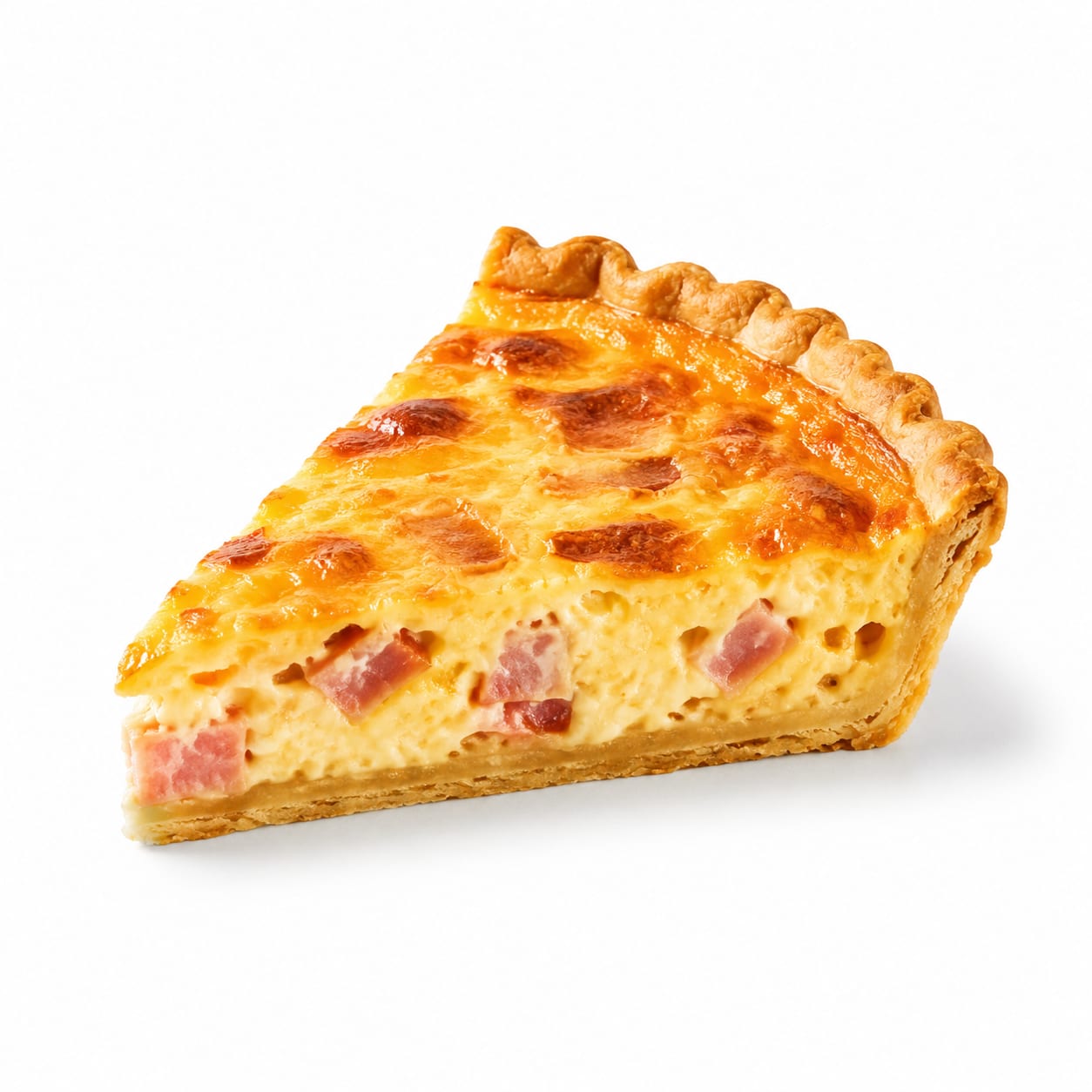
Quiche
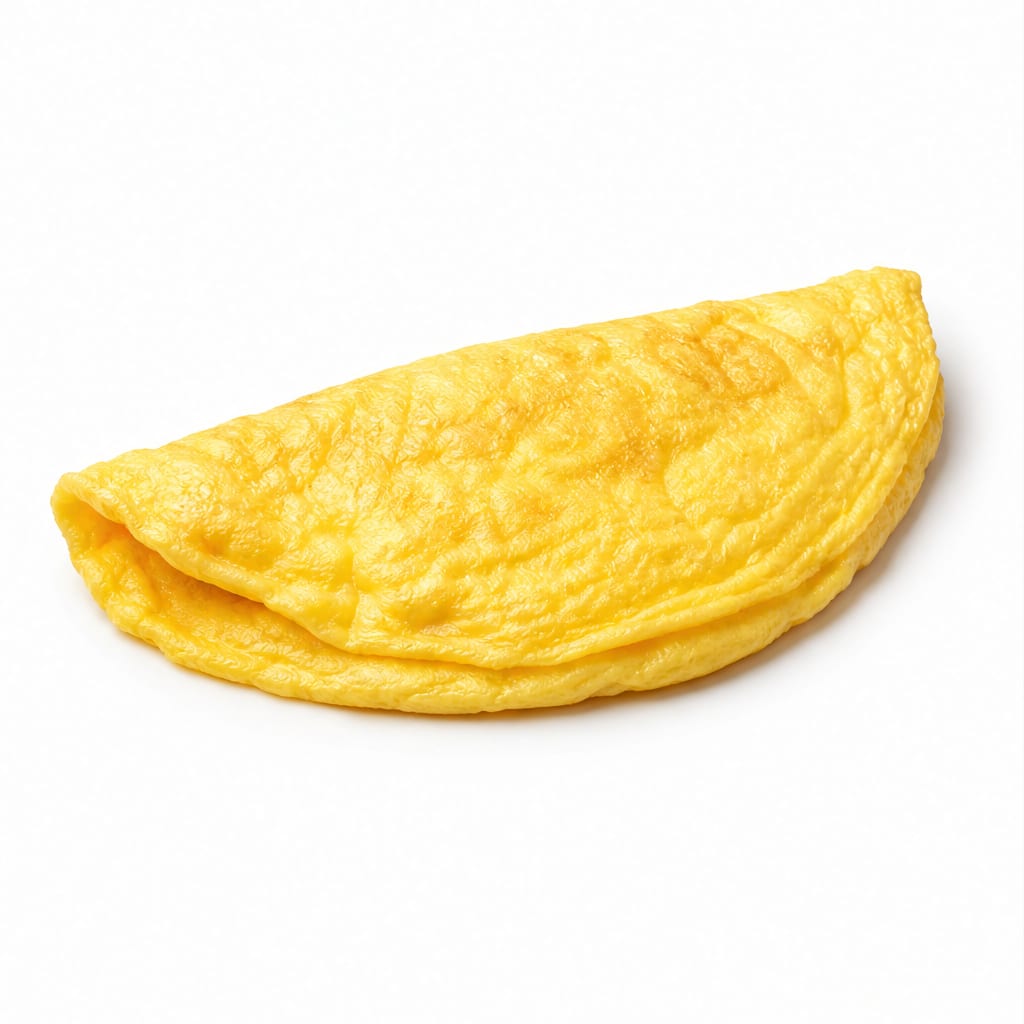
Omelette
Omelettes deliver pure protein and flavor with fewer carbs and calories, while quiche offers a richer, more indulgent eating experience thanks to its crust and cream base.
Omelettes score higher due to superior protein density, lower calorie count, and faster prep, making them a more practical daily choice. Quiche remains a delicious but heavier option.
Convenience and low-carb profile versus comforting, shareable indulgence.
At a glance
Executive summary
Overall
Omelette
Healthier
Omelette
More practical
Omelette
Daily use
Omelette
Key comparison lenses
Weight management and calorie control
Quiche contains a pastry crust and cream, drastically increasing calorie density compared to a simple omelette.
Carbohydrate intake and blood sugar impact
The flour-based crust in quiche adds significant carbs, making omelettes the default low-carb choice.
Meal prep and convenience
Omelettes are fast and fresh, while quiche requires baking but yields multiple servings for future meals.
Protein density
Users often choose egg dishes for protein, and omelettes deliver more protein per calorie without fillers.
Best choice for
Quiche
- Weekend brunches
- Hosting guests
- Meal prepping slices for the week
Omelette
- Quick weekday breakfasts
- Low-carb diets
- Post-workout meals
Least suitable for
Quiche
- Strict low-calorie diets
- Gluten-free or low-carb eaters
Omelette
- Feeding a large crowd quickly
- Those wanting a hearty, carb-inclusive meal
Deep comparison
Dimension by dimension
Each lens scores both foods and breaks down who each option suits.
- Dimension 1 · Priority 90Omelette
Calorie Density & Weight Management
Quiche · 45Omelette · 85Omelettes are much lighter, while quiche packs extra calories from crust and cream.
Tradeoff
You trade the buttery satisfaction of a crust for a leaner meal that won't weigh you down.
Why it matters
Managing calorie intake is easier when your base is just eggs rather than eggs plus pastry and dairy.
Real-world impact
An omelette leaves you energized for the morning; quiche might induce a heavier, slower feeling.
Quiche
- Bulking up
- Active days needing extra calories
Better for
- Calorie counting
- Sedentary days
Worse for
Omelette
- Fat loss
- Lighter morning meals
Better for
- Those needing high-calorie intake
Worse for
- Dimension 2 · Priority 85Omelette
Carbohydrate & Blood Sugar Impact
Quiche · 40Omelette · 90Omelettes are naturally low-carb, whereas quiche crusts spike the carb count significantly.
Tradeoff
Skipping the crust means steadier blood sugar but losing that classic pastry texture.
Why it matters
A crustless meal prevents the mid-morning energy crash that follows refined carbs.
Real-world impact
Eating an omelette keeps hunger at bay until lunch; quiche might trigger earlier cravings.
Quiche
- Carb-loading before endurance events
Better for
- Low-carb diets
- Blood sugar control
Worse for
Omelette
- Keto diets
- Diabetes management
- Steady energy
Better for
- High-carb dietary needs
Worse for
- Dimension 3 · Priority 80Omelette
Protein Quality & Density
Quiche · 60Omelette · 90Omelettes offer more protein per bite since they aren't diluted with cream and flour.
Tradeoff
Quiche provides a richer mouthfeel but less muscle-fueling protein per serving.
Why it matters
Higher protein density means better muscle maintenance and longer-lasting fullness.
Real-world impact
After an omelette, you feel satisfied without feeling stuffed; quiche offers comfort over pure fuel.
Quiche
- Those who prefer smaller portions of rich food
Better for
- Maximizing protein per calorie
Worse for
Omelette
- Athletes
- Older adults needing leucine
- High-protein diets
Better for
- People who find plain eggs unpalatable
Worse for
- Dimension 4 · Priority 75Omelette
Convenience & Prep Time
Quiche · 40Omelette · 95Omelettes cook in minutes on the stovetop, while quiche requires baking and crust preparation.
Tradeoff
Quiche takes longer but yields multiple servings at once.
Why it matters
On busy mornings, a 5-minute meal is far more sustainable than a 45-minute bake.
Real-world impact
You can whip up an omelette before work; quiche is usually a weekend project or make-ahead meal.
Quiche
- Batch cooking
- Potluck contributions
Better for
- Last-minute meals
- Small kitchens without ovens
Worse for
Omelette
- Quick weeknight dinners
- Fast breakfasts
Better for
- Cooking for a crowd at once
Worse for
- Dimension 5 · Priority 70It depends
Versatility & Flavor Experience
Quiche · 85Omelette · 85Both handle fillings beautifully, but quiche offers a unique pastry-and-custard texture that omelettes can't match.
Tradeoff
Omelettes are versatile in fillings but limited in texture; quiche offers textural complexity but requires more effort.
Why it matters
Enjoying your food is crucial for long-term dietary adherence.
Real-world impact
Quiche feels like a special occasion; an omelette feels like a reliable daily staple.
Quiche
- Celebratory brunches
- Gourmet dining experiences
Better for
- When you crave something light and fresh
Worse for
Omelette
- Using up leftover veggies quickly
- Simple savory cravings
Better for
- When you want a comforting, bakery-style dish
Worse for
Timeline
Health impact over time
Short-term
Hours to days
Quiche
- Heavier post-meal feeling
- Potential blood sugar spike from crust
- Longer digestion time
Omelette
- Quick satiety from protein
- Light and energized feeling
- Fast digestion
Long-term
Months to years
Quiche
- Higher caloric intake if eaten frequently
- Increased refined carb exposure
- Potential weight gain if not portion-controlled
Omelette
- Better muscle maintenance
- Easier weight management
- Stable blood sugar levels
Risk profile
Safety & processing
Omelettes are typically whole-food based, while quiche often involves processed crusts and cream, adding hidden additives unless made from scratch.
Quiche
Dairy spoilage
mediumQuiche contains milk and cream, requiring careful cooling and storage to prevent bacterial growth.
Undercooked center
mediumThick quiches can brown on top while remaining undercooked in the middle, posing a salmonella risk.
Omelette
Undercooked eggs
lowEasy to control on the stovetop, but runny centers can still pose a slight risk for vulnerable populations.
Who wins for whom
Audience fit
Same foods, different winners depending on your goal.
children
It dependsKids often love the pastry texture of quiche, but omelettes are safer for picky eaters needing pure protein.
daily consumption
OmeletteFaster to make and nutritionally leaner, omelettes fit seamlessly into a daily routine.
diabetes
OmeletteCrustless omelettes have minimal carbs, preventing blood sugar spikes.
elderly
OmeletteThe soft texture of both works, but omelettes offer more leucine-rich protein to prevent muscle loss without the saturated fat load.
muscle gain
OmeletteHigher protein density per serving supports muscle protein synthesis more effectively.
weight loss
OmeletteOmelettes provide high protein and low calories, keeping you full without the carb-heavy crust.
Your move
Decision guide
Choose Quiche
- You are hosting a weekend brunch
- You want a comforting, indulgent meal
- You are meal-prepping for the week
- You love pastry and custard textures
Choose Omelette
- You need breakfast in under 10 minutes
- You are watching your carb intake
- You want maximum protein with minimal calories
- You prefer light, energizing meals
Either works if
- You want a savory egg-based meal
- You have vegetables and cheese to use up
- You need a satisfying brunch option
Avoid both if
- You have an egg allergy
- You are following a strict vegan diet
Final recommendation
Make an omelette for your everyday protein fix, and save quiche for when you want a slower, more indulgent weekend treat.
Practical
Consumer tips
- 1
Make a crustless quiche to get the custardy texture without the carbs.
- 2
Use whole milk instead of cream in quiche to cut down on saturated fat.
- 3
Load both with spinach, mushrooms, and peppers to boost fiber and micronutrients.
- 4
If making quiche, prepare a double batch and freeze slices for quick reheating later.
- 5
Use a non-stick pan and minimal oil for omelettes to keep them as lean as possible.