
Nutrition comparison
Quiche vs Scrambled Eggs: Which Breakfast Is Actually Better for You?
Compare quiche and scrambled eggs on calories, protein, blood sugar impact, and daily practicality. Find out which egg breakfast supports your health goals better.
Overall winner · Scrambled Eggs
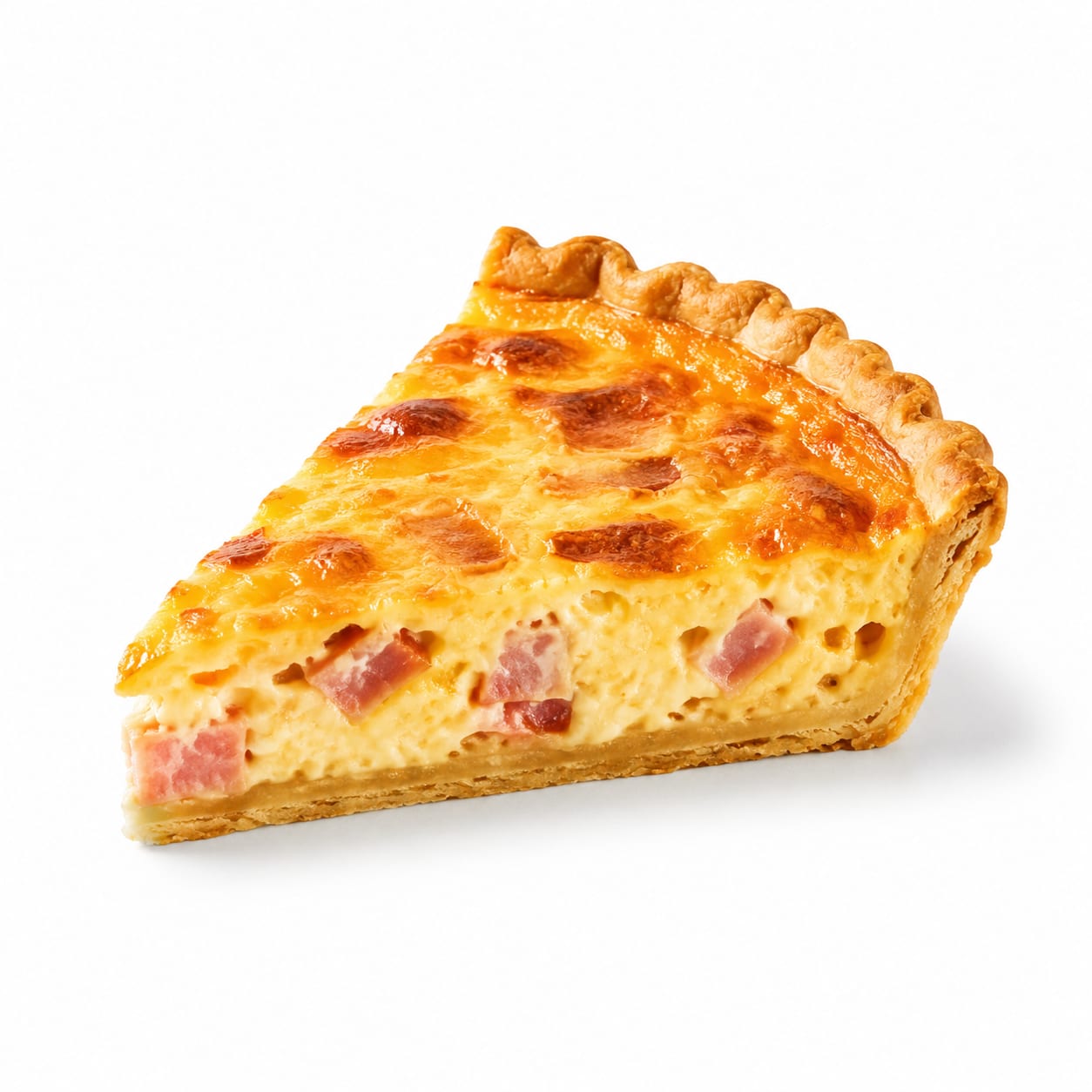
Quiche
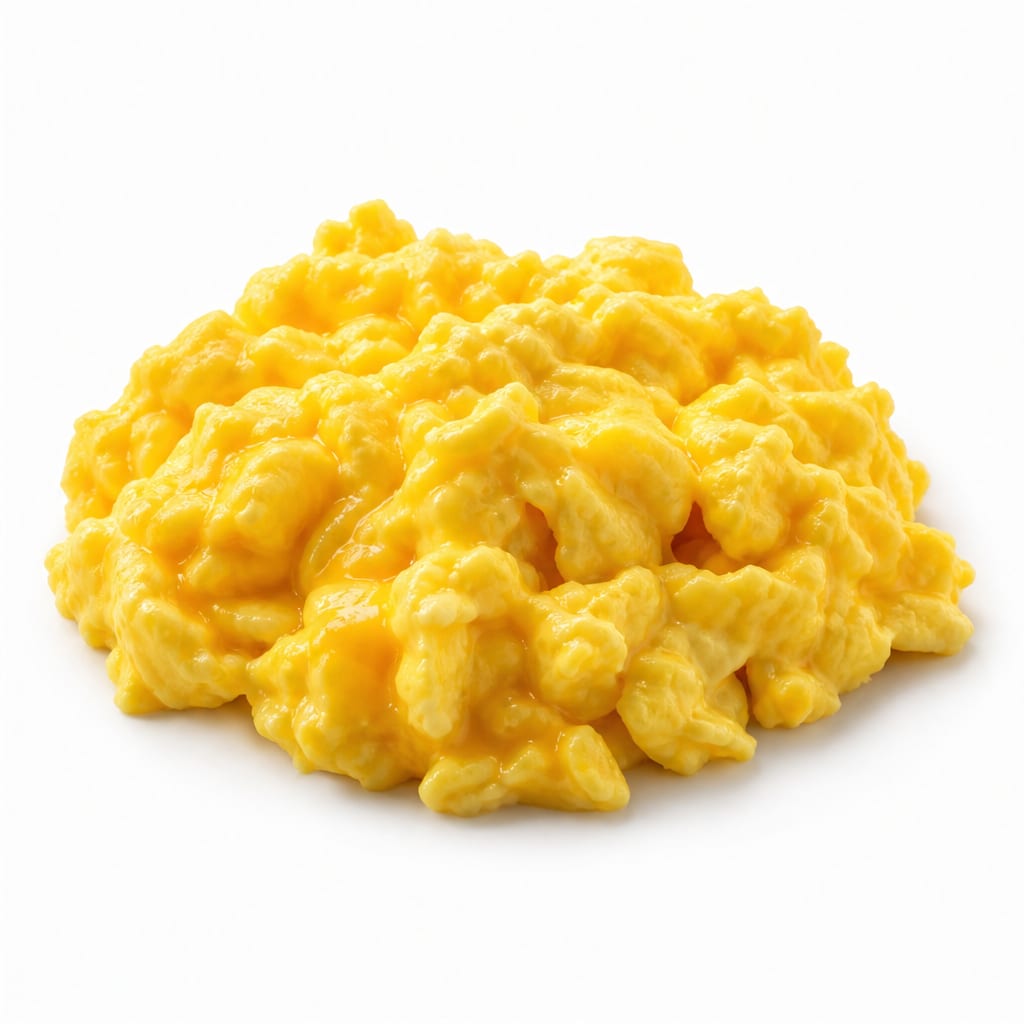
Scrambled Eggs
Scrambled eggs deliver the core nutritional benefits of eggs without the calorie-dense crust and cream that quiche brings along for the ride.
Scrambled eggs score substantially higher due to cleaner nutrition, lower calorie density, and better suitability for daily consumption. Quiche loses ground on processing, calorie load, and refined carbs but retains value for social dining and convenience.
Quiche offers more flavor complexity and make-ahead convenience, but at the cost of significantly more calories, saturated fat, and refined carbs per bite.
At a glance
Executive summary
Overall
Scrambled Eggs
Healthier
Scrambled Eggs
More practical
It depends
Daily use
Scrambled Eggs
Key comparison lenses
Everyday breakfast protein choice
Both are common egg-based breakfast options, but they differ dramatically in calorie density and nutritional simplicity
Weight management tradeoffs
Quiche packs significantly more calories per serving due to crust and cream, making portion control critical
Minimally processed vs prepared food
Scrambled eggs are close to whole food; quiche involves pastry crust, cream, and often cheese and cured meats
Blood sugar and metabolic impact
The pastry crust in quiche adds refined carbohydrates that scrambled eggs simply do not have
Convenience and meal prep
Quiche can be made ahead and reheated; scrambled eggs are best fresh but faster to cook
Best choice for
Quiche
- Brunch entertaining where presentation matters
- Meal prep for the week ahead
- Situations needing a complete one-dish meal
- People who struggle to eat enough calories
- Vegetable haters who will eat veggies hidden in quiche
Scrambled Eggs
- Daily high-protein breakfasts
- Anyone watching their weight
- Low-carb or keto eaters
- Quick weekday mornings
- People with sensitive digestion who need simple foods
Least suitable for
Quiche
- Daily breakfast for weight loss
- Low-carb dieters
- People avoiding refined flour
- Those monitoring sodium closely
- Anyone seeking a light meal before physical activity
Scrambled Eggs
- Large gatherings needing make-ahead dishes
- People who find plain eggs unappetizing
- Those needing higher calorie intake
- Situations requiring an elegant presentation
- Meal prep more than a day in advance
Deep comparison
Dimension by dimension
Each lens scores both foods and breaks down who each option suits.
- Dimension 1 · Priority 95Scrambled Eggs
Calorie Density and Weight Management
Quiche · 35Scrambled Eggs · 85A typical quiche slice runs 350-500 calories; scrambled eggs with two eggs land around 180-220 calories.
Tradeoff
Quiche turns a lean protein source into a calorie-dense meal through crust, cream, and cheese additions.
Why it matters
If you eat breakfast daily, an extra 200+ calories per meal adds up to over 1400 calories per week without you feeling more full.
Real-world impact
Someone trying to lose weight could eat scrambled eggs every morning and stay in a deficit, while daily quiche would likely push them over budget.
Quiche
- Underweight individuals needing calorie density
- Active people who burn through meals quickly
Better for
- Consistent weight gain if eaten daily without portion awareness
- Feeling sluggish after a heavy morning meal
Worse for
Scrambled Eggs
- Weight loss or maintenance goals
- Anyone tracking calories
- People who prefer feeling light after breakfast
Better for
- Very active people may need to add sides to feel full
- Not enough calories alone for heavy training days
Worse for
- Dimension 2 · Priority 90Scrambled Eggs
Protein Quality and Satiety
Quiche · 55Scrambled Eggs · 88Scrambled eggs give you pure high-quality protein with minimal filler. Quiche dilutes the protein with crust and cream.
Tradeoff
Per calorie, scrambled eggs deliver roughly double the protein density of quiche.
Why it matters
Higher protein per calorie means better muscle maintenance, more stable hunger, and less temptation to snack before lunch.
Real-world impact
Two scrambled eggs at 7am can keep you satisfied until noon. A quiche slice at the same calorie count would be a much smaller portion and leave you hungrier sooner.
Quiche
- Situations where total protein matters more than protein density
- Meals paired with other high-protein sides
Better for
- Protein diluted by carb and fat fillers
- Less efficient for muscle-building goals
Worse for
Scrambled Eggs
- Anyone prioritizing muscle maintenance or gain
- People who want to stay full longer on fewer calories
- Older adults needing efficient protein intake
Better for
- Without added fat or sides, some people find them less satisfying emotionally
Worse for
- Dimension 3 · Priority 85Scrambled Eggs
Blood Sugar Stability
Quiche · 40Scrambled Eggs · 90Scrambled eggs have essentially zero carbs and will not spike blood sugar. Quiche crust adds refined flour that can cause a glucose rise followed by a crash.
Tradeoff
That pastry crust transforms a blood-sugar-friendly food into one that can trigger mid-morning energy dips.
Why it matters
Stable blood sugar means steadier focus, fewer cravings, and better energy throughout the morning.
Real-world impact
After scrambled eggs, you coast to lunch. After quiche, you might reach for a snack by 10:30am.
Quiche
- Crustless quiche variants eliminate this issue entirely
Better for
- Refined flour crust causes faster glucose spike
- Morning energy crash risk for sensitive individuals
Worse for
Scrambled Eggs
- People with diabetes or insulin resistance
- Anyone prone to afternoon energy crashes
- Keto and low-carb adherents
Better for
- No significant blood sugar downside
Worse for
- Dimension 4 · Priority 80Scrambled Eggs
Processing Level and Additives
Quiche · 40Scrambled Eggs · 92Scrambled eggs are one of the least processed protein sources available. Quiche involves pastry crust, cream, cheese, and often cured meats with preservatives.
Tradeoff
Each additional ingredient in quiche is a potential source of sodium, preservatives, or inflammatory fats.
Why it matters
Minimally processed foods are consistently linked to better long-term health outcomes and lower inflammation.
Real-world impact
Homemade scrambled eggs have three ingredients: eggs, butter, and maybe a pinch of salt. Even homemade quiche has six to ten, and store-bought quiche can have twenty or more.
Quiche
- Homemade quiche with whole-food crust reduces this gap significantly
Better for
- Store-bought quiche often contains emulsifiers, preservatives, and hydrogenated fats in the crust
- Harder to control what goes into your body
Worse for
Scrambled Eggs
- Clean-eating priorities
- Avoiding hidden sodium and preservatives
- People with food sensitivities to multiple ingredients
Better for
- No significant processing downside
Worse for
- Dimension 5 · Priority 75Scrambled Eggs
Sodium Load
Quiche · 35Scrambled Eggs · 80Quiche typically contains 500-900mg sodium per slice from cheese, cured meats, and salted crust. Scrambled eggs have around 100-200mg unless you heavily salt them.
Tradeoff
A single quiche slice can deliver a third to half your daily sodium allowance before noon.
Why it matters
High sodium intake is a leading driver of hypertension and cardiovascular risk, and most people already exceed recommendations.
Real-world impact
If you have blood pressure concerns, quiche for breakfast starts your day behind. Scrambled eggs keep you well within budget.
Quiche
- Vegetable-heavy, cheese-light homemade quiche reduces sodium significantly
Better for
- Cheese and cured meats are sodium bombs
- Store-bought versions are even worse
Worse for
Scrambled Eggs
- Anyone with hypertension or sodium sensitivity
- Kidney health concerns
- People trying to reduce bloating and water retention
Better for
- Heavy salting at the table can close this gap
Worse for
- Dimension 6 · Priority 70Quiche
Convenience and Meal Prep
Quiche · 82Scrambled Eggs · 60Quiche can be made once and eaten for days. Scrambled eggs are best fresh and take 5-10 minutes each time.
Tradeoff
Quiche wins on batch cooking and reheating; scrambled eggs win on speed from scratch.
Why it matters
The best breakfast is the one you actually make consistently. Convenience shapes real behavior more than nutrition theory.
Real-world impact
On a busy Sunday, baking one quiche gives you breakfast through Wednesday. Scrambled eggs require daily effort but only minutes each time.
Quiche
- Busy professionals who meal prep on weekends
- Feeding a family with one dish
- Brunch hosting where you want to socialize not cook
Better for
- Initial preparation time is much longer
- Requires more cleanup
Worse for
Scrambled Eggs
- Quick weekday mornings when you have 5 minutes
- People who prefer fresh hot food every time
- Those who dislike reheated eggs
Better for
- Cannot batch-cook well for multiple days
- Texture suffers when reheated
Worse for
- Dimension 7 · Priority 65Quiche
Nutrient Variety and Vegetable Integration
Quiche · 78Scrambled Eggs · 45Quiche naturally incorporates spinach, mushrooms, onions, bell peppers, and more into a single satisfying slice. Scrambled eggs can include veggies but often do not.
Tradeoff
Quiche makes vegetables feel like part of a treat; scrambled eggs make vegetables feel like an afterthought.
Why it matters
Most people fall far short on vegetable intake. Any format that naturally increases veggie consumption has real health value.
Real-world impact
A spinach and mushroom quiche delivers two vegetable servings before lunch. Scrambled eggs with veggies exist but most people default to plain.
Quiche
- Sneaking vegetables into reluctant eaters
- One-dish complete meal with micronutrient variety
Better for
- Vegetable content varies wildly by recipe
- Restaurant quiche often skimps on veggies
Worse for
Scrambled Eggs
- Purists who add their own vegetables as sides
- People who prefer veggies separate and fresh
Better for
- Plain scrambled eggs have zero fiber or vitamin C
- Most people do not bother adding vegetables
Worse for
Timeline
Health impact over time
Short-term
Hours to days
Quiche
- Heavy fullness that may reduce morning productivity
- Possible blood sugar spike and mid-morning energy dip from crust
- Higher sodium may cause bloating or thirst
Scrambled Eggs
- Sustained energy without crash
- Comfortable satiety without heaviness
- Quick digestion leaving you ready for activity
Long-term
Months to years
Quiche
- Regular consumption may contribute to weight gain due to calorie density
- Higher sodium intake could elevate blood pressure over time
- Refined carbs from crust may increase metabolic risk if eaten frequently
- Encourages vegetable intake if well-constructed
Scrambled Eggs
- Consistent high-quality protein supports muscle and bone health
- Very low carb profile supports metabolic flexibility
- Cholesterol concerns are largely overstated for most people
- May need supplementation of nutrients found in vegetables
Risk profile
Safety & processing
Scrambled eggs are about as close to unprocessed as cooked food gets. Quiche sits firmly in processed territory due to the pastry crust, dairy additions, and common inclusion of cured meats and cheese. Store-bought quiche pushes toward ultra-processed with emulsifiers and preservatives in the crust.
Quiche
Undercooked egg center
mediumQuiche must reach 160°F internally to ensure egg safety; custardy centers can harbor salmonella if underbaked
Cured meat contamination
lowBacon or ham additions carry nitrite concerns and potential listeria if not heated properly
Dairy spoilage
mediumCream and cheese in quiche make it more perishable than plain eggs; refrigeration within 2 hours is critical
Scrambled Eggs
Salmonella from undercooked eggs
mediumRunny scrambled eggs carry salmonella risk; cook until no liquid remains for safety
Cross-contamination from shell
lowEggshells can carry bacteria; wash hands after cracking and avoid touching other surfaces
Who wins for whom
Audience fit
Same foods, different winners depending on your goal.
children
It dependsScrambled eggs are gentler on small stomachs and easier to chew. Quiche can sneak in vegetables but also introduces more sodium and saturated fat than kids need.
daily consumption
Scrambled EggsLower calorie density, cleaner ingredient list, and better metabolic profile make scrambled eggs sustainable as a daily staple. Quiche is better as an occasional treat.
diabetes
Scrambled EggsZero carbs means zero glycemic impact. Quiche crust introduces refined carbohydrates that can spike blood sugar.
elderly
Scrambled EggsOlder adults need efficient protein with minimal sodium. Scrambled eggs deliver this cleanly; quiche adds sodium and saturated fat that complicate cardiovascular health.
muscle gain
Scrambled EggsHigher protein density per calorie supports muscle protein synthesis more efficiently. Quiche adds calories without proportional protein.
weight loss
Scrambled EggsScrambled eggs deliver more protein and satiety per calorie, making it far easier to maintain a deficit without feeling deprived.
Your move
Decision guide
Choose Quiche
- You are hosting brunch and want something impressive and make-ahead
- You struggle to eat enough and need calorie-dense meals
- You make a crustless version loaded with vegetables
- You meal prep on weekends and need grab-and-go breakfasts
- You want a complete one-dish meal that includes vegetables
Choose Scrambled Eggs
- You eat eggs most mornings and want a clean daily staple
- Weight management or fat loss is a current priority
- You want steady energy without a mid-morning crash
- You are limiting refined carbs or following a low-carb diet
- You want full control over what goes into your body
Either works if
- You are eating eggs occasionally and both fit your calorie budget
- You pair scrambled eggs with toast and butter, which closes the nutrition gap with quiche
- You make a crustless quiche with light cheese and lots of vegetables
Avoid both if
- You have an egg allergy or intolerance
- You are on a strict vegan diet
- You have severe cholesterol concerns requiring egg limitation as advised by your doctor
Final recommendation
Make scrambled eggs your daily driver and save quiche for weekends and gatherings. If you love quiche, try going crustless with extra vegetables and light cheese — you keep the convenience and flavor while closing much of the nutritional gap. The biggest real-world difference is not the eggs themselves but everything quiche wraps around them.
Practical
Consumer tips
- 1
Crustless quiche eliminates the refined carbs and cuts calories by roughly 30%, making it nutritionally much closer to scrambled eggs
- 2
If you buy quiche, check sodium on the label — some frozen slices exceed 800mg
- 3
Add spinach, mushrooms, or bell peppers to scrambled eggs to close the vegetable gap with quiche
- 4
Two scrambled eggs with a side of avocado gives you healthy fats without the refined flour
- 5
Making quiche at home lets you control sodium, cheese amount, and crust quality — this dramatically improves its nutritional profile
- 6
Use a whole-grain crust if you make quiche to add fiber and reduce the blood sugar impact